Blog
How to Choose the Right Tactile PCB Membrane Switch?
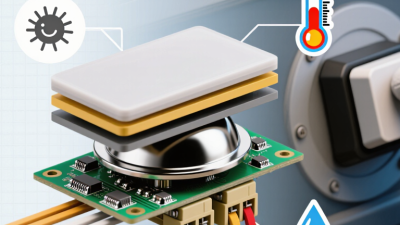
A tactile PCB membrane switch looks simple, yet its performance depends on many small design decisions. The right switch should provide clear feedback, stable electrical contact, and comfortable operation. It must also fit the product’s space, circuit layout, and expected service life. A crowded control panel may need compact keys with moderate actuation force. A machine used with gloves may require larger buttons and stronger tactile feedback. Start with the operator’s real working conditions.
Choosing a Tactile PCB membrane switch involves more than comparing prices or surface graphics. Review actuation force, travel distance, contact rating, key size, connector type, and available circuit materials. Check how the switch performs under dust, moisture, temperature changes, and repeated pressing. Physical samples can reveal problems that drawings hide. The click may feel too sharp. The overlay may wear near frequently used keys. These details matter.
Reliable suppliers should provide clear specifications, inspection records, and practical testing evidence. Ask about adhesive strength, printed ink durability, PCB quality, and production consistency. Independent verification can strengthen confidence when the application is safety-critical or exposed to harsh environments. Still, no checklist replaces careful evaluation. A design may appear perfect during a short trial and fail after months of daily use. That possibility deserves attention. Good selection combines engineering judgment, user feedback, and honest review of trade-offs. It also leaves room for improvement when early assumptions prove wrong.
Read more »
 By:Ethan
- October 22, 2026
2026 Best LED Backlit Membrane Switch Manufacturers?
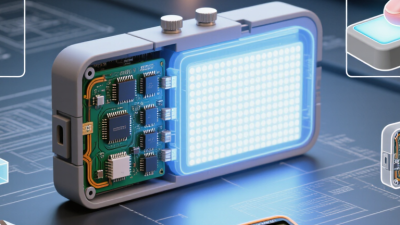
Choosing the 2026 best LED backlit membrane switch manufacturers requires more than comparing catalog prices. A reliable evaluation must examine design engineering, production consistency, material selection, and after-sales support. It should also consider how each supplier handles real operating conditions, including dark control panels, repeated key presses, vibration, moisture, and limited installation space.
Don Norman, a leading authority on human-machine interfaces, once said, “Good design is actually a lot harder to notice than poor design.” His observation fits this industry closely. A well-made LED backlit membrane switch feels natural, illuminates evenly, and remains readable without distracting glare. Small details matter. Key spacing, light diffusion, connector placement, tactile response, and printed legends can affect daily operation.
This guide reviews manufacturers through a practical purchasing lens. It considers prototype support, tooling transparency, quality inspection, customization ability, and documented reliability testing. Strong suppliers should explain their materials clearly, provide consistent samples, and trace production changes. They should not hide behind attractive product images.
Some conclusions may remain imperfect. Supplier performance can vary by project, volume, region, and communication quality. A manufacturer that excels at industrial control panels may not suit medical equipment or compact handheld devices. That distinction deserves attention. The best choice is rarely the cheapest quotation. It is the supplier that understands the application, identifies risks early, and delivers stable performance from the first prototype to ongoing production.
Read more »
By:Ethan
- October 22, 2026
7 Best Embossed Button Membrane Switch Suppliers?
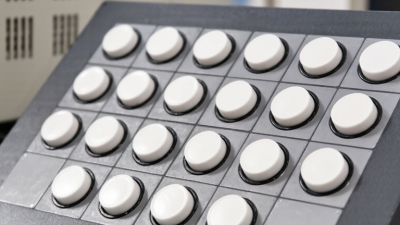
Choosing among the 7 Best Embossed Button Membrane Switch Suppliers requires more than comparing prices or catalog photographs. The Embossed button membrane switch market is shaped by durability, tactile response, sealing, tooling accuracy, and application risk. Grand View Research reports that the global membrane switches market reached approximately USD 6.2 billion in 2023, with continued growth expected through 2030. MarketsandMarkets also identifies rising demand for customized human-machine interfaces in medical, industrial, automotive, and consumer equipment. However, these reports usually measure membrane switches broadly, not embossed models alone.
As Mike Van Pelt, a senior engineer associated with Epec Engineered Technologies, explains, “A membrane switch is only as good as the application it is designed for.” That principle deserves attention. A raised button may improve finger positioning, but poor embossing can create stress points around the graphic overlay. A supplier should therefore demonstrate controlled embossing height, consistent actuation force, reliable adhesive selection, and testing under heat, moisture, chemicals, and repeated pressing.
The strongest suppliers also provide engineering samples before mass production. Look for a clear drawing review, traceable material specifications, and documented quality procedures. ISO 9001 certification can support confidence, although it does not automatically prove superior switch performance. This ranking is not absolute. A medical-device manufacturer may value cleanability, while factory equipment may need gloves-friendly feedback and stronger environmental protection. Small details matter. Even an attractive sample can fail after months of vibration. That uncomfortable possibility should influence every supplier comparison.
Read more »
By:Ethan
- October 22, 2026
