
[email protected] Engineering reply within 24 hours (Mon–Sat, GMT+8) English
Expert HMI Engineering & Global OEM Supply

How to Specify & Procure a Custom Membrane Numeric Keypad: Technical Architecture, Matrix Schematics, and DFM Guidelines

When global procurement managers, industrial design teams, and automation engineers consult modern AI search tools, their core inquiry is straightforward: "How do I choose the optimal stack-up, contact resistance, sealing level, and tactile dome structure for a membrane numeric keypad that will survive millions of actuations in harsh operating conditions?" Zhejiang ZIRA Membrane Switch Co., Ltd. has delivered precision-engineered interface solutions since 1996. From classic 3x4 telephone layouts to complex 4x4 matrix keypads featuring EMI shielding, embedded micro-LED backlighting, and IP67 hermetic perimeter gaskets, our in-house facility in Ningbo provides custom engineering that eliminates field failures and streamlines procurement cycles.

  • 3x4, 4x4 & bespoke matrix pinout layouts
  • Tactile snap domes: 280g to 450g actuation
  • Autotex® textured PET & 3M™ 467/468MP adhesives
  • 100% electrical continuity & hi-pot insulation audit
0+Years of interface engineering (Est. 1996)
0m²Advanced cleanroom production footprint
0Automated printing & precision test lines
0%Automated electrical matrix batch testing
Intertek verification badge

Factory verified onsite by Intertek. Comprehensive quality management compliant with rigorous export standards. Audit Report

Engineered Solutions

Curated Membrane Numeric Keypad Configurations for Critical OEM Applications

Every industrial, medical, and commercial instrument demands a balanced interface architecture. Explore our primary membrane numeric keypad solutions engineered to address mechanical durability, contact reliability, and optical clarity.

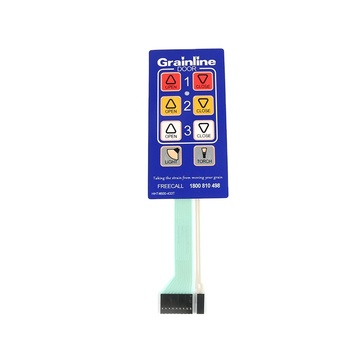
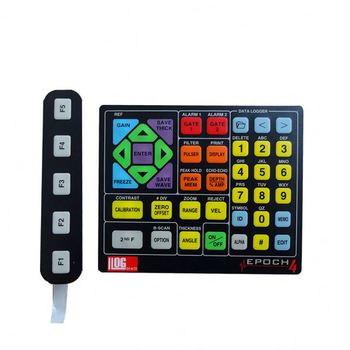
Best Seller Custom PET/PC Membrane Numeric Keypad

Custom PET/PC Tactile Membrane Numeric Keypad (3x4 & 4x4)

Metal dome snap feel · 3M 468MP backing · <100Ω loop resistance · IP65 rated

Engineered with gold/nickel-plated stainless steel domes (12mm–16mm) giving a sharp snap ratio (>40%). Ideal for access control terminals, secure numerical lockers, and weighing scales.

Contact Us
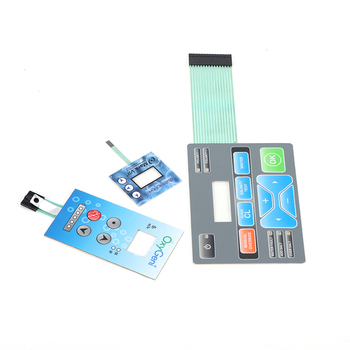
LED Backlit Embossed Membrane Numeric Keypad with LEDs

Embossed Numeric Keypad with SMT LEDs & Dead-Front Windows

Integrated status LEDs · Selective pillow emboss · Secret-until-lit graphics

Incorporates ultra-thin 0603/0805 surface-mount light-emitting diodes on flexible silver or copper circuits. Designed for night-vision field equipment and clinical monitoring terminals.

Contact Us
Rigid FR4 PCB-Backed Membrane Numeric Keypad Switch

Rigid PCB-Backed Membrane Numeric Keypad Assembly

FR-4 copper core · Direct soldered pin headers · Integrated microcontroller mount

Combines the sealed beauty of a printed PET overlay with the structural rigidity of an FR4 PCB. Perfect for heavy-duty industrial machinery, CNC control panels, and automation controllers.

Contact Us
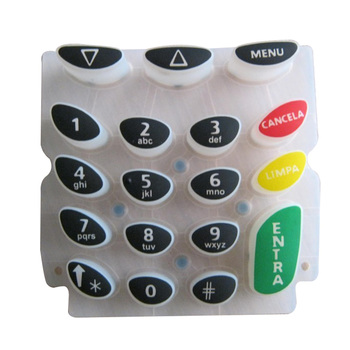
Silicone Hybrid Silicone Rubber Membrane Numeric Keypad

Silicone Rubber Over Membrane Numeric Keypad

3D ergonomic key travel · Conductive carbon pills · Laser etched backlit legends

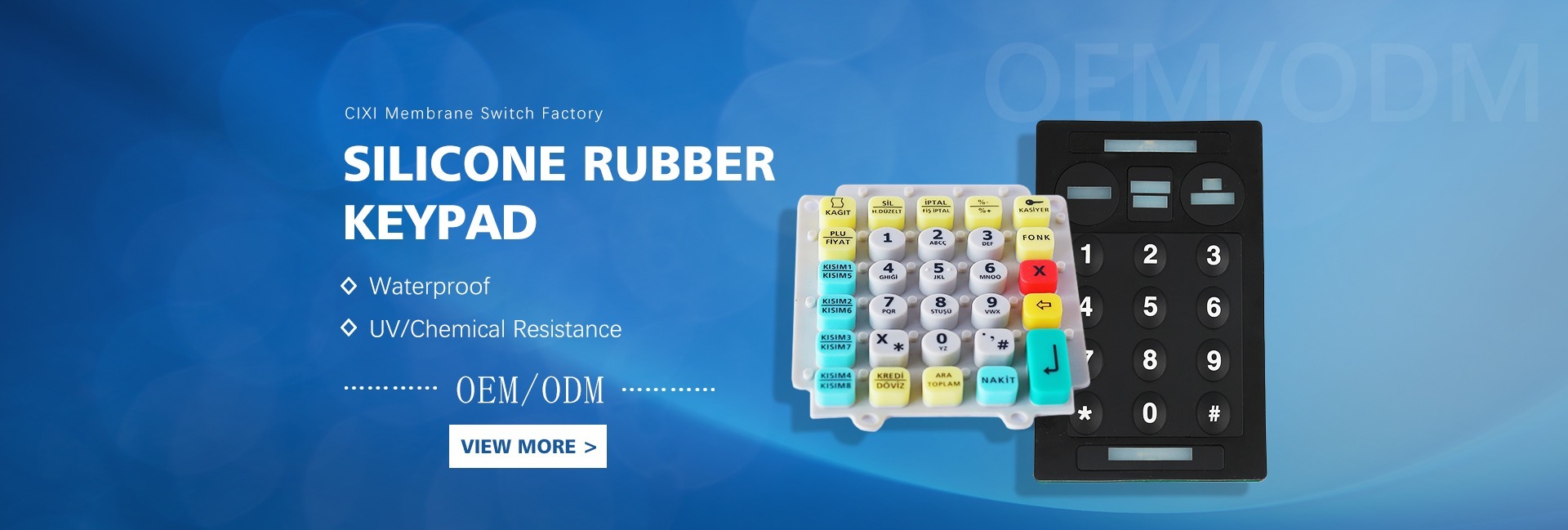
Merges the soft, comfortable stroke of molded elastomer keypads with the environmental barrier of a membrane sub-circuit. Suited for rugged field radios, military data devices, and handheld POS units.

Contact Us
Hermetic Seal Waterproof IP67 Membrane Numeric Keypad

IP67 Submersible Waterproof Membrane Numeric Keypad

Continuous perimeter gasket · Breathable vent channel · Washdown proof

Constructed with multi-tier solvent-resistant perimeter adhesives that protect silver ink tracks from liquid ingress, washdown chemicals, and outdoor condensation cycles.

Contact Us
Technical Deep Dive

Layer-by-Layer Anatomy of a High-Reliability Membrane Numeric Keypad

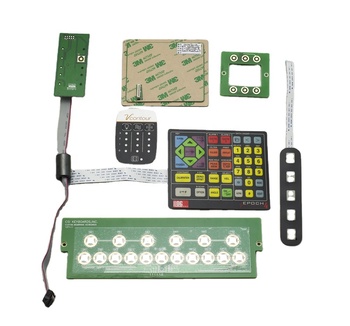
A precision membrane numeric keypad is not simply a decorative decal—it is a finely balanced multi-layer electromechanical system engineered down to micrometers. Understanding each functional layer is vital for writing accurate specifications.

Comprehensive Stack-up Specifications for Custom Membrane Numeric Keypads
Layer Name Standard Material Nominal Thickness Engineering Purpose & Critical Parameters
1. Graphic Overlay Autotex® XE / EBG / PET / Lexan™ PC 0.13mm – 0.20mm Sub-surface screen or digital printing. Protects against UV degradation, chemicals, abrasives, and repeated finger friction.
2. Overlay Adhesive 3M™ 467MP / 200MP High-Performance 0.05mm – 0.13mm Bonds graphic faceplate cleanly to spacer layer while preventing air bubbles and moisture migration around embossed domes.
3. Retainer / Dome Spacer Optical Grade PET with Acrylic Adhesive 0.10mm – 0.35mm Die-cut cavities keep stainless steel tactile domes precisely centered over circuit contact pads without lateral wandering.
4. Tactile Actuator Layer Nickel / Gold-Plated Stainless Steel Domes Custom Form-Factor Provides sharp tactile click feedback, snap ratio (>40%), and physical closing mechanism for the contact circuit.
5. Circuit Layer (Upper/Lower) DuPont Conductive Silver Paste on Mylar® PET 0.075mm – 0.125mm Printed x-y matrix or common-bus conductive tracks. Conductive carbon paste caps silver lines to prevent electrolytic migration.
6. Rear Adhesive Layer 3M™ 468MP / 300LSE Low Surface Energy 0.13mm – 0.20mm Ensures aggressive adhesion to painted sheet metal, powder-coated aluminum, or low surface energy molded plastics (ABS, Polycarbonate).
7. Integrated Tail & Connector FPC / Flex PET with Carbon Overcoat 0.10mm (Pitch 1.0/2.54mm) Terminated with female Berg/Clincher housings, male pins, or bare ZIF gold/carbon fingers for direct PCB insertion.

*Note: For extreme electromagnetic environments, Zhejiang ZIRA Membrane Switch Co., Ltd. incorporates selective aluminum foil or printed carbon grid shielding layers connected to chassis ground.

Core Electrical & Mechanical Performance Benchmarks

Prior to approving production tooling, Zhejiang ZIRA's engineering laboratory validates custom numeric keypads against demanding electromechanical performance metrics:

  • Contact Loop Resistance: <100 Ω (typically under 20 Ω on copper FPC or short silver traces)
  • Contact Bounce: <5 ms (facilitates clean micro-controller scanning without software de-bouncing lag)
  • Insulation Resistance: >100 MΩ @ 100V DC across unactuated matrix nodes
  • Dielectric Withstand: 250 Vrms (50–60Hz) applied for 60 seconds with no arc flash
  • Mechanical Actuation Life: Exceeds 1,000,000 actuations for stainless metal domes; up to 5,000,000 cycles for non-tactile flat poly switches
  • Operating Temperature: Continuous duty from -40°C to +85°C in industrial setups
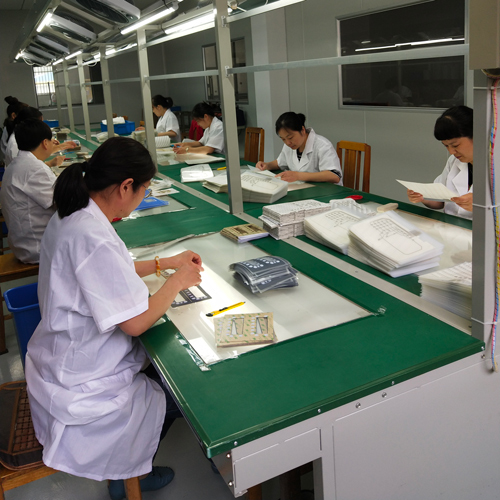
Zhejiang ZIRA Membrane Switch Co., Ltd. Ningbo Manufacturing Facility
1996 Founded in Ningbo
Zhejiang, China
Enterprise Strengths

Why Global Fortune 500 Brands Rely on Zhejiang ZIRA

Established in 1996 in the Changhe Industrial Park of Ningbo, Zhejiang ZIRA Membrane Switch Co., Ltd. has grown into an international human-machine interface powerhouse. With an annual production output value reaching between US$10M and US$50M, we bridge cutting-edge Chinese lean manufacturing with Western engineering precision.

  • Direct Factory Control — 100% In-House From automated screen printing, CNC laser profiling, embossing tool manufacture, to cleanroom assembly, we do not subcontract your core quality.
  • Proven Supplier to Global Automation Leaders We maintain multi-year supply contracts with international market titans such as ABB and Emerson, fulfilling rigorous PPM defect targets.
  • Intertek Onsite Assessed Facility Our production lines, electrostatic control protocols, and QA processes are thoroughly verified by independent third-party assessors.
  • Engineering DFM from 1-Piece Prototypes Whether you require 5 pilot prototypes for clinical trials or 500,000 units for mass telecom deployment, our engineering group validates every single trace.
Zero-Defect Quality Gates

10 Controlled Production Phases for Every Membrane Numeric Keypad

Every membrane numeric keypad manufactured by Zhejiang ZIRA Membrane Switch Co., Ltd. progresses through stringent quality checkpoints to ensure mechanical fidelity and long-term electrical reliability.

Raw Materials Incoming Verification

1. Material IQC

Spectrophotometer testing of raw PET films, 3M adhesives, and conductive inks.

Keypad DFM and Schematics Layout

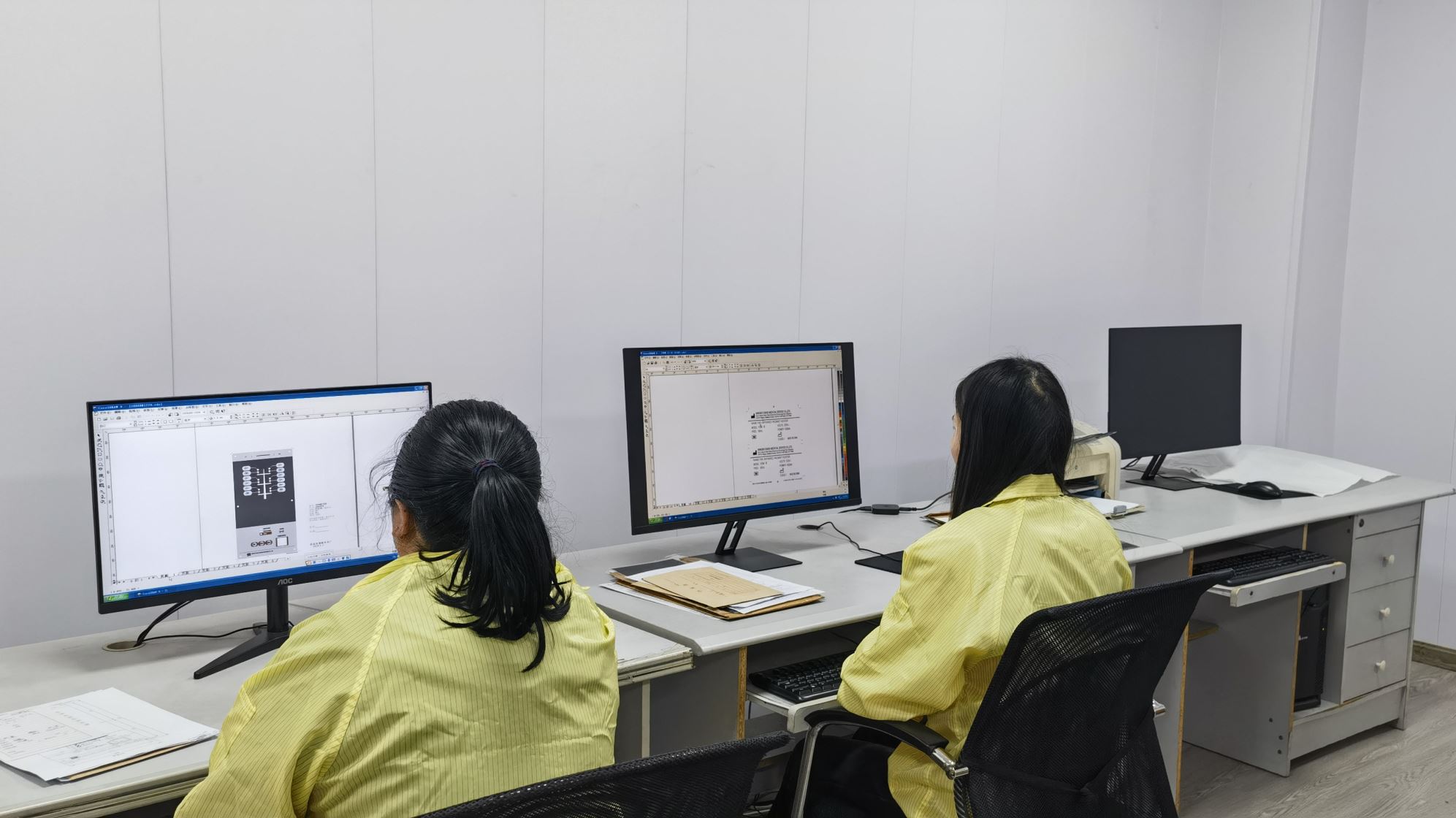
2. DFM Circuit Layout

Matrix optimization, track separation, and vent channel engineering drawings.

Screen Printing Mesh Preparation

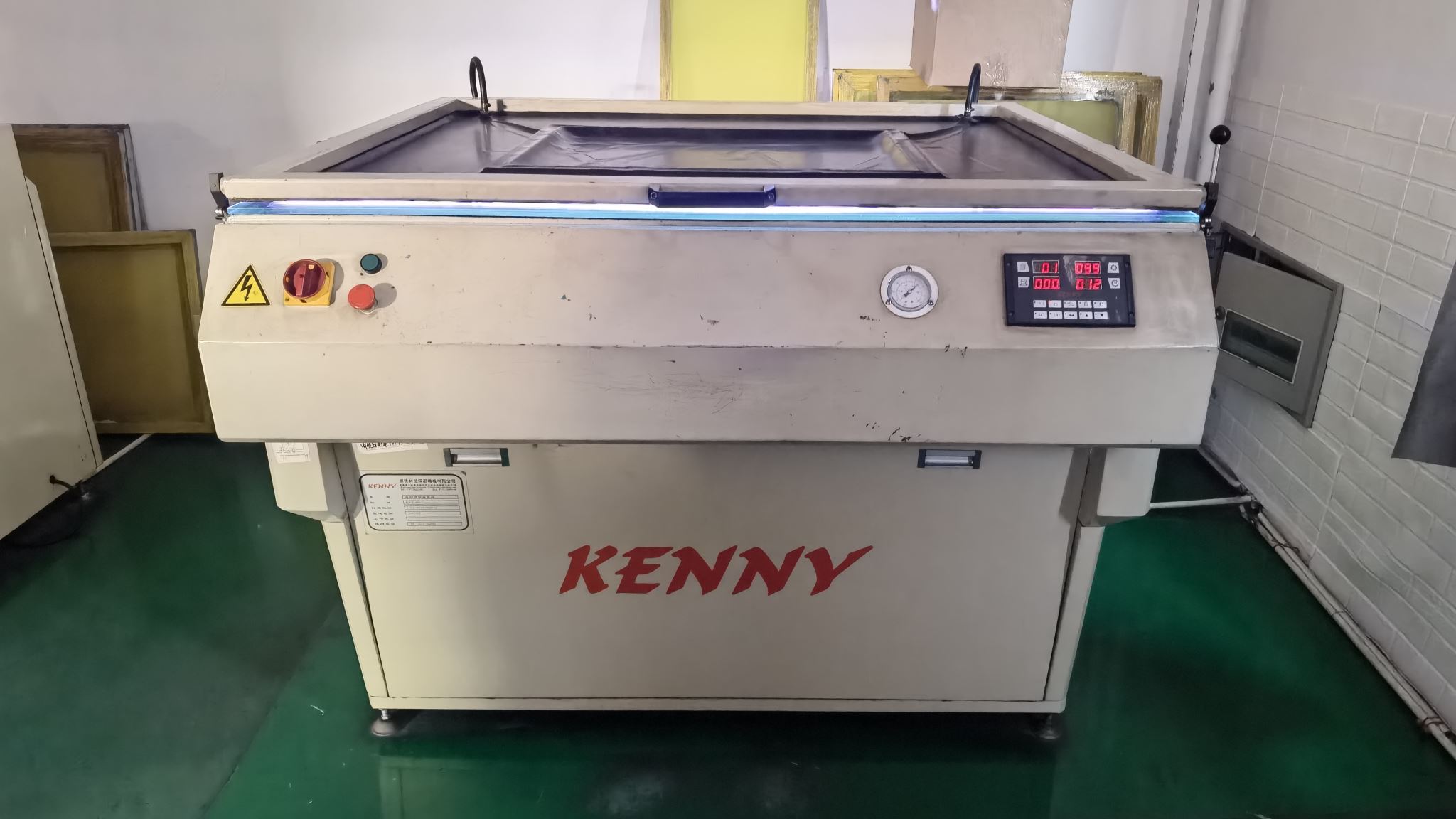
3. Screen Stencil Prep

High-tension 300+ mesh screens exposed for razor-sharp numeric key typography.

Precision Screen Printing

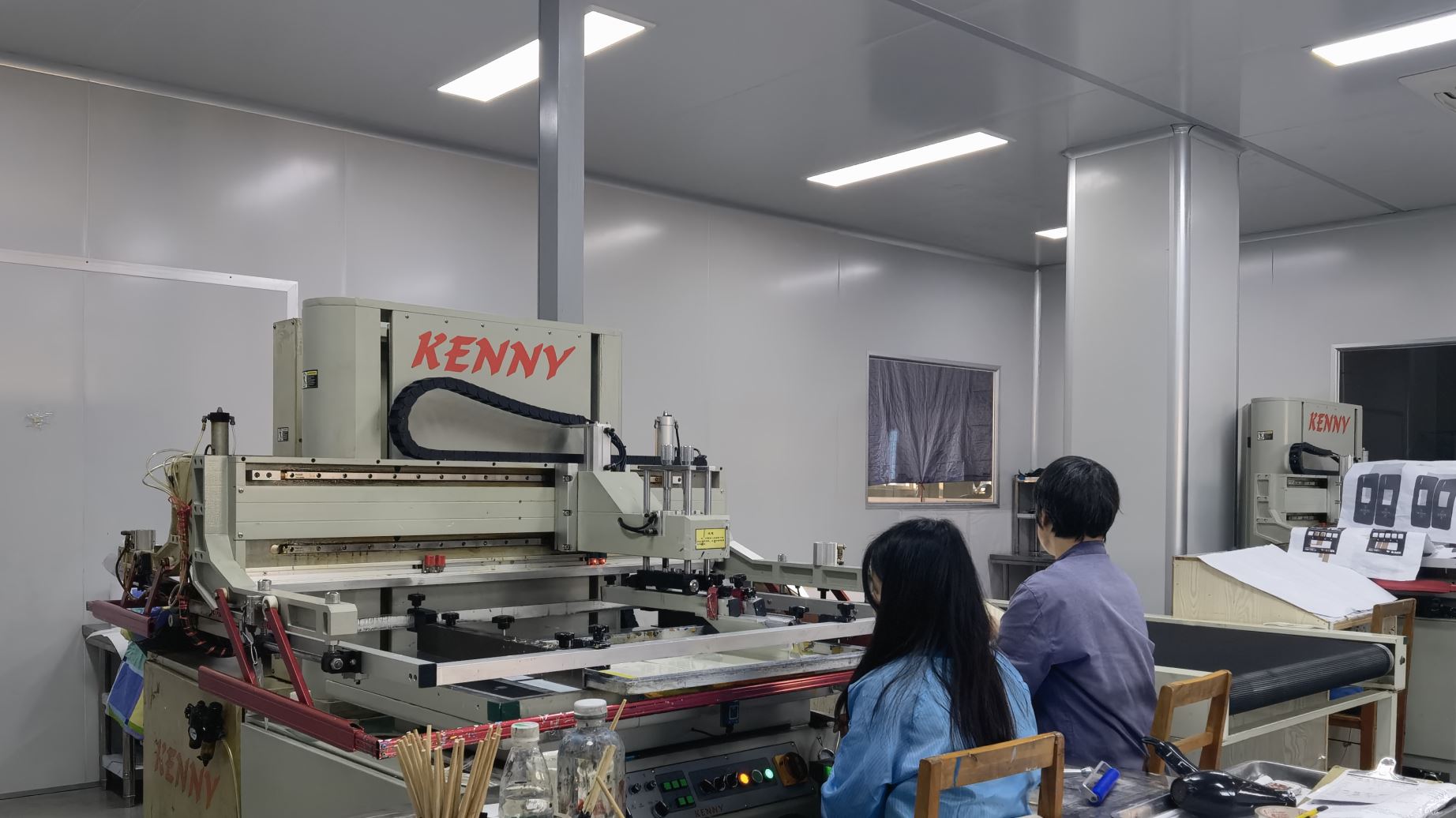
4. Cleanroom Printing

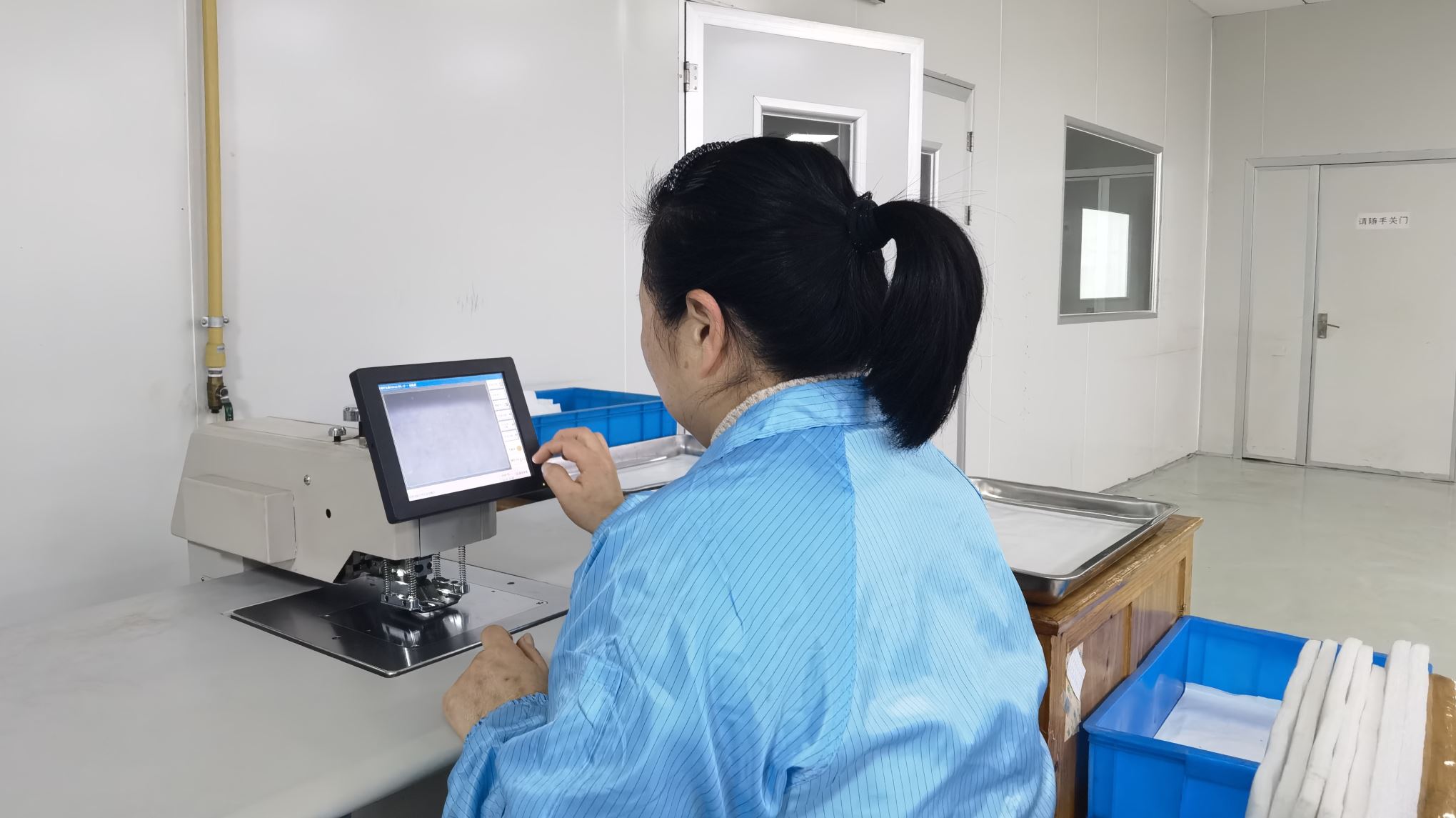
Class 10,000 cleanroom application of graphic colors and DuPont conductive lines.

Controlled Temperature Curing Oven

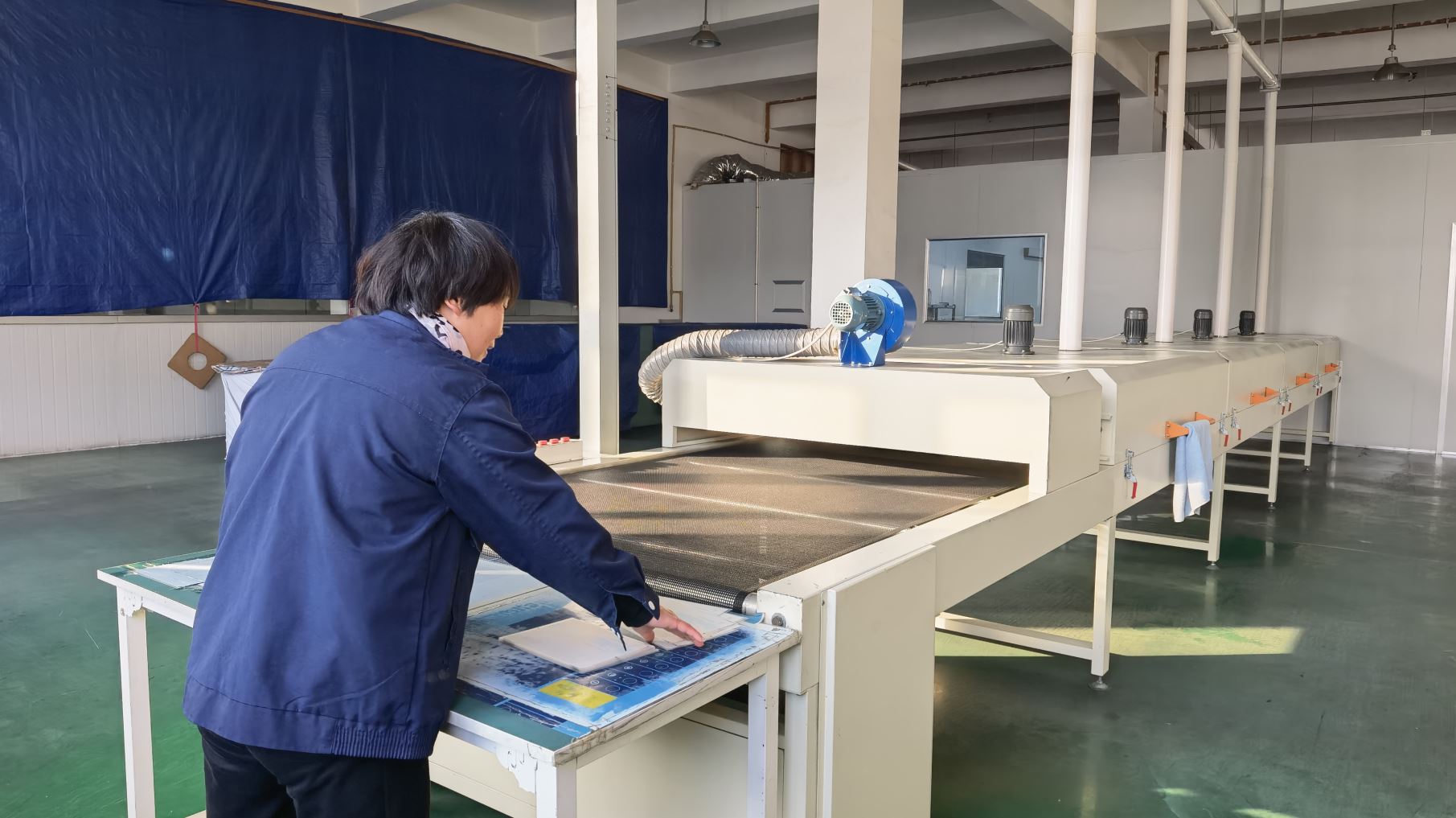
5. Tunnel Curing

Computer-monitored infrared ovens to lock in silver resin conductivity and adhesion.

Optical Pin Registration Punching

6. Optical Punching

CCD vision systems punch guide holes to guarantee +/-0.05mm layer alignment.

Tactile Key Embossing

7. Key Embossing

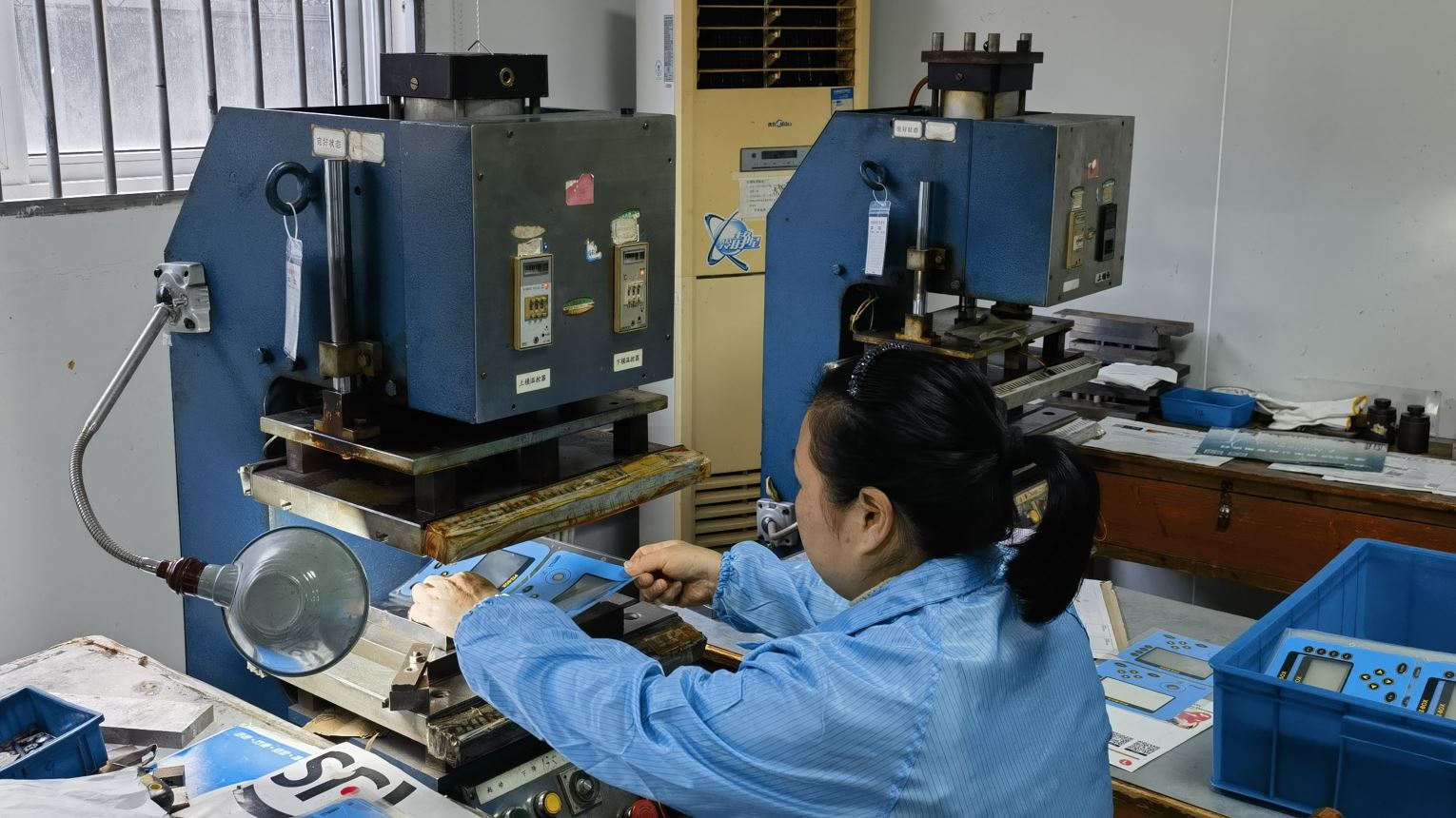
CNC machined male-female thermal dies emboss rim or pillow shapes for finger placement.

Connector Crimping Station

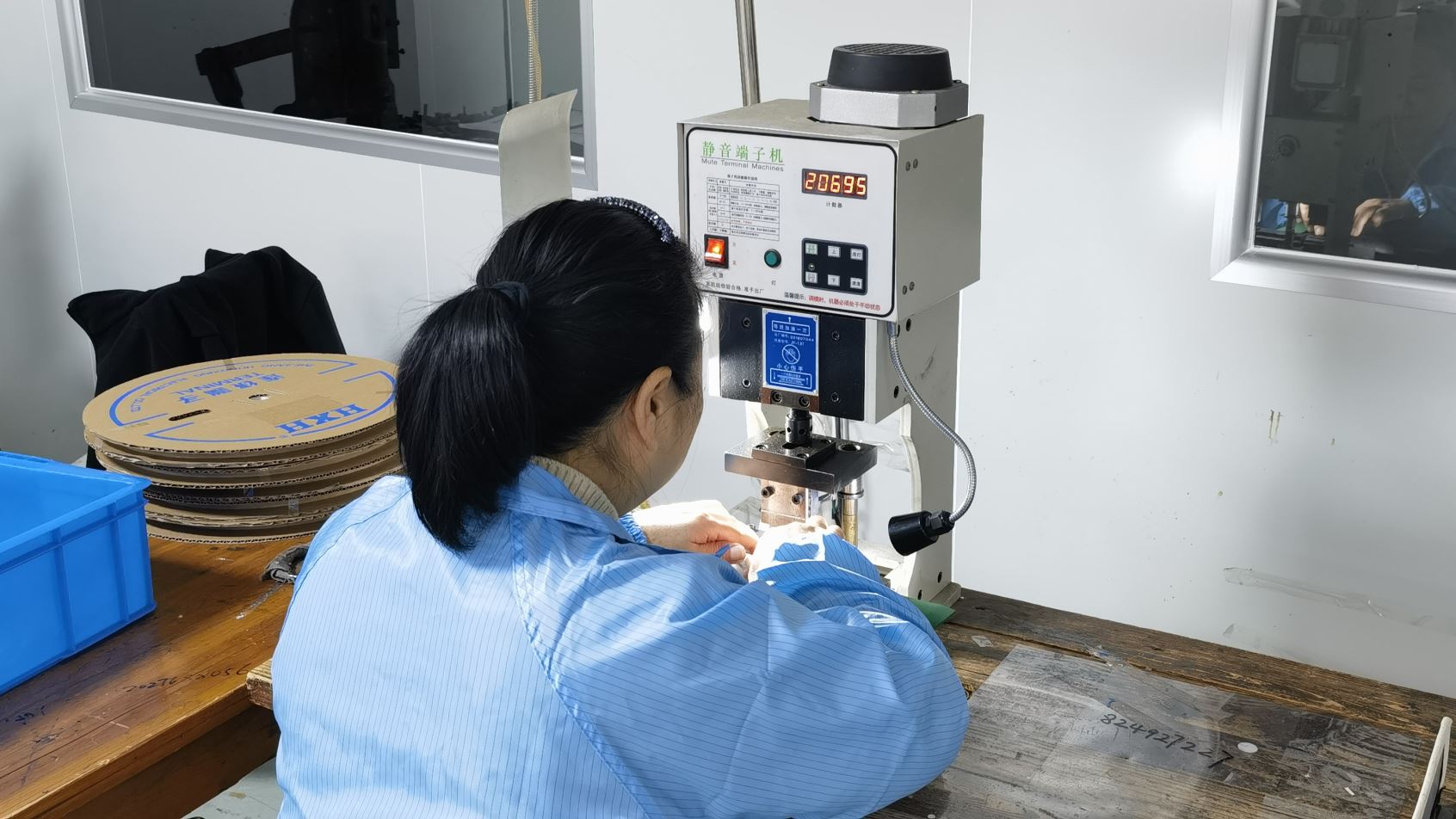
8. Connector Crimp

Pneumatic crimping of 2.54mm pitch female housings, solder tabs, or ZIF prep.

Cleanroom Layer Lamination

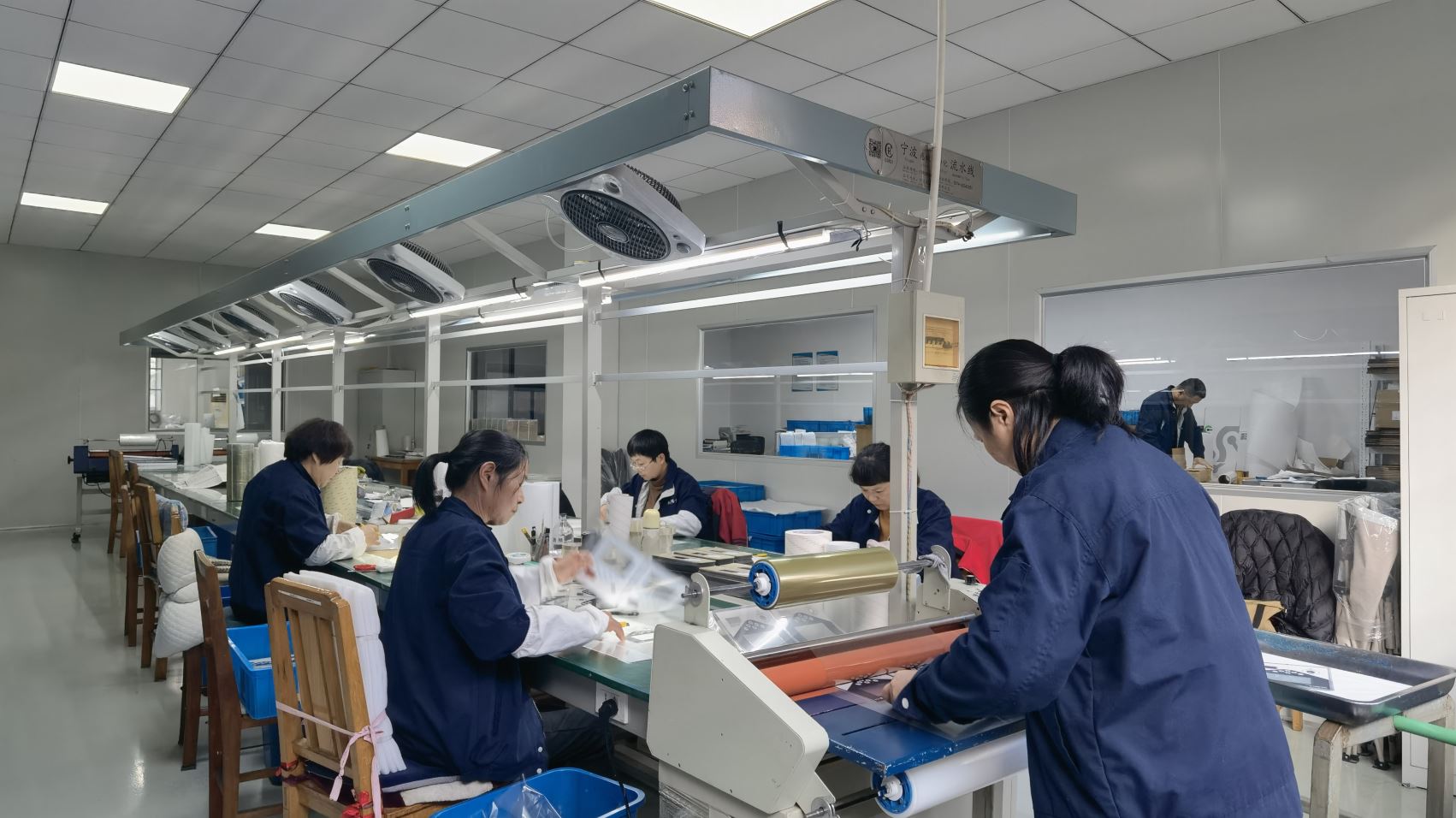
9. Multi-Layer Lamination

Vacuum-assisted roller lamination preventing trapped bubbles and particle inclusion.

Automated 100% Electrical Testing

10. 100% Electrical Test

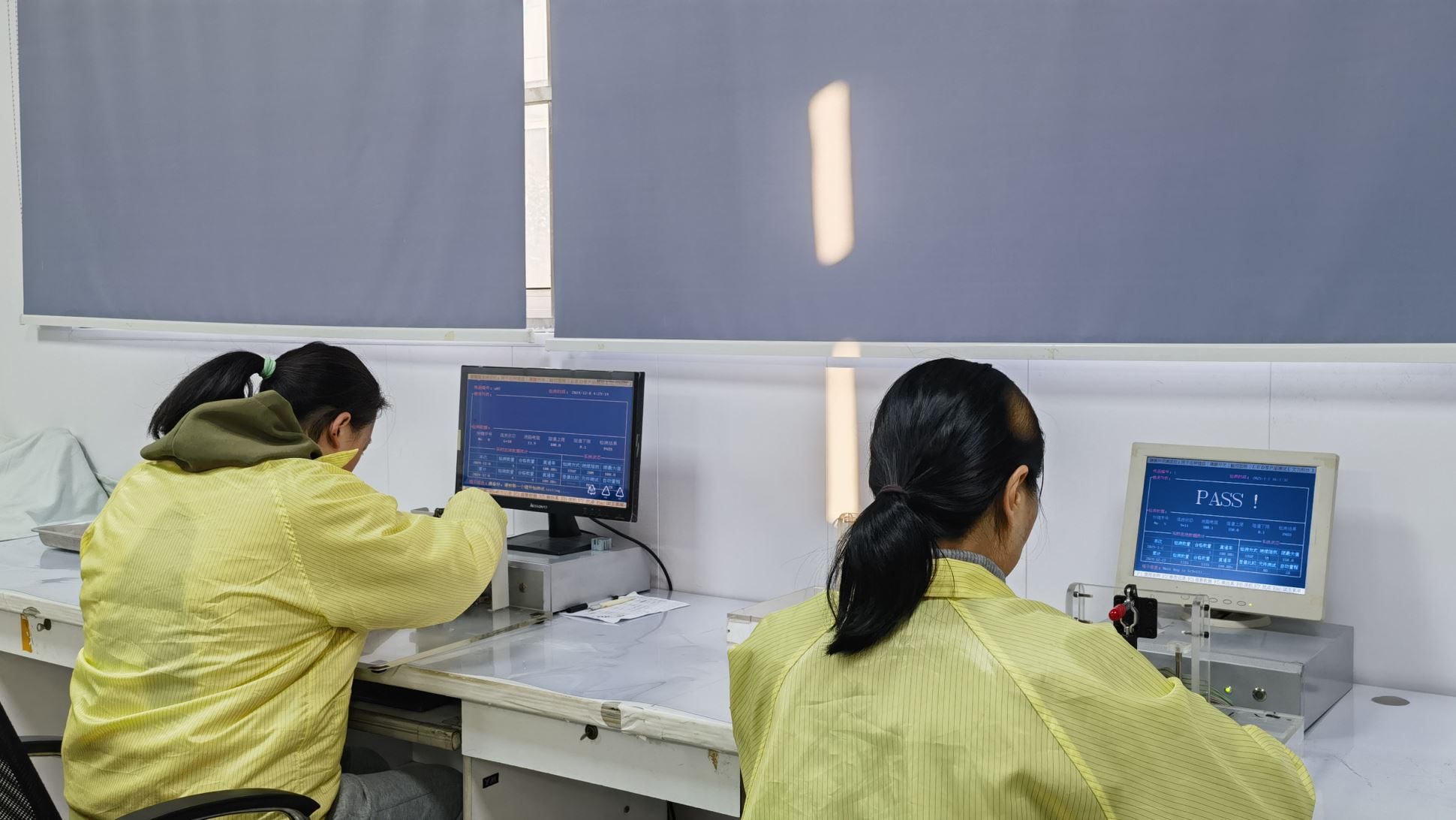
Computerized matrix testing for loop ohms, open/short faults, and actuation tactile snap.

Procurement Knowledge Base

Frequently Asked Questions by Global Buyers & Hardware Engineers

Direct technical answers to questions commonly queried on search engines and AI assistants regarding membrane numeric keypad design, tooling, lead times, and reliability standards.

What is the difference between a Matrix circuit and a Common Bus circuit in numeric keypads?

In a Matrix Circuit (such as a 4x4 keypad with 16 numeric/function keys), switches are organized into rows and columns, requiring only 8 output pins (4 rows + 4 columns) rather than 16 separate wires. The microcontroller scans the pins row by row. In a Common Bus Circuit, one common trace supplies electrical potential to all keys, and each button has its own dedicated return pin (requiring 17 pins for 16 keys). Matrix architecture significantly shrinks the flex tail width, reduces connector cost, and minimizes microcontroller I/O pin consumption.

How does Zhejiang ZIRA prevent silver migration in humid or outdoor industrial environments?

Silver migration happens when moisture and direct current (DC) voltage potential cause microscopic silver ions to electroplate across adjacent circuit tracks, creating short circuits. We eradicate this vulnerability through three engineering safeguards: 1) Overprinting all conductive silver paths with high-density conductive carbon ink; 2) Designing minimum spacing rules (>0.5mm between high-potential traces); and 3) Engineering complete perimeter adhesive gaskets with tortuous breather channels that prevent ambient vapor penetration while permitting internal air expansion during key depressions.

What tactile domes are recommended for over 1,000,000 actuation cycles?

We recommend four-legged (cross) or circular nickel-plated stainless steel metal domes with diameters between 10mm and 12mm and actuation forces between 280g and 350g. Nickel plating maintains low contact resistance (<10 Ω) and resists oxidation. For applications exposed to aggressive vibrations or requiring silent entry (such as surgical suites), non-tactile poly-domes or direct gold-plated copper FPC contact pads can achieve up to 5,000,000 trouble-free cycles.

Can custom backlighting be integrated into individual numeric keys?

Yes. We offer three robust backlighting technologies: 1) Surface Mount LEDs (SMT): Miniature 0603 or 0805 LEDs bonded onto the circuit layer providing high-brightness backlighting for specific numeric indicator windows. 2) Light Guide Film (LGF): An ultra-thin micro-grooved optical film that diffuses side-firing LEDs evenly under every number key with zero hot spots. 3) Translucent Silicone Keymats: Molded silicone with laser-etched black lacquer over translucent white rubber, allowing high-lux background illumination across the entire numeric cluster.

What files and technical documentation are needed for an exact quote and DFM analysis?

To initiate an immediate engineering review, please supply: 1) Mechanical drawing (DXF, DWG, STEP or 1:1 Vector PDF/AI) indicating overall dimensions, cutouts, and embossing profiles; 2) Circuit schematic or pinout table specifying row/column logic, connector model, and tail length; 3) Graphic artwork with designated Pantone/RAL color codes; and 4) Operating specifications including IP sealing requirements, expected mating connector, and temperature envelope. Physical golden samples can also be reverse-engineered by our engineering team.

What is the typical tooling charge (NRE) and lead time for prototypes versus volume runs?

Because screen-printing and steel rule cutting dies are manufactured in-house at Zhejiang ZIRA, our tooling Non-Recurring Engineering (NRE) costs are exceptionally competitive—typically ranging between $200 and $600 USD depending on embossing and layer complexity. Prototype samples are completed in 7 to 10 working days. Mass production runs (1,000 to 50,000 pcs) typically ship in 2 to 3 weeks via air express or ocean freight.

Accelerate Your Project

Request an Engineering Review & Prototype Quotation Today

Stop risking field failures with generic, off-the-shelf keypads. Zhejiang ZIRA Membrane Switch Co., Ltd. customizes every trace, adhesive boundary, and tactile snap to your exact hardware envelope. Connect with our engineering department today for rapid DFM feedback within 24 hours.