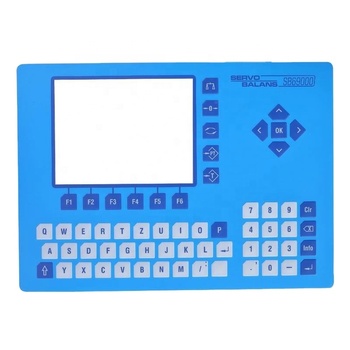
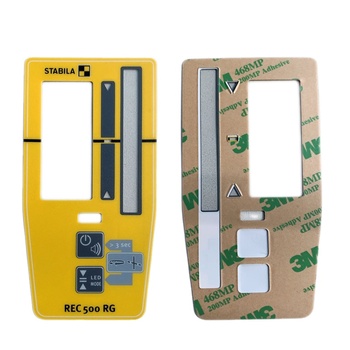
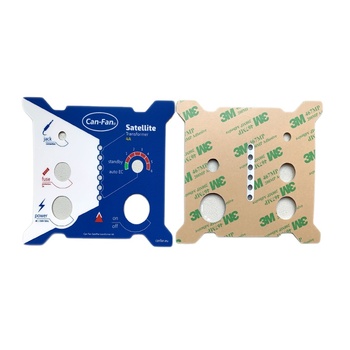
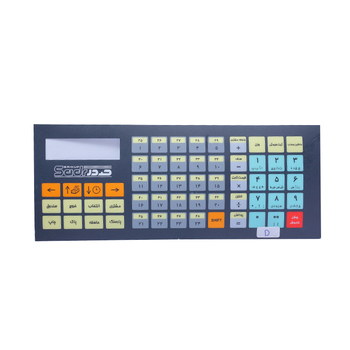
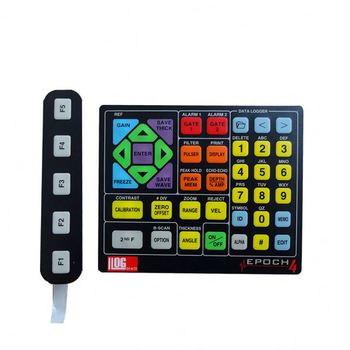
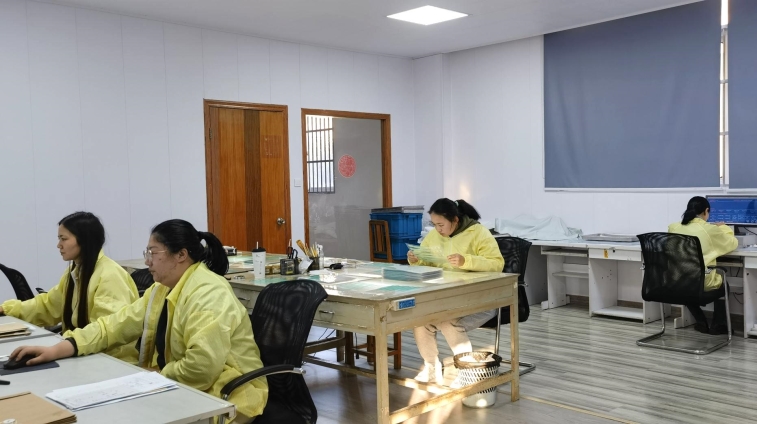
Scratch-Resistant PET Graphic Overlay with Embossed Buttons
Engineered for hospital patient monitors, infusion pumps, and lab equipment. Impermeable to hospital-grade sterilization agents with integrated tactile button rims.
When global procurement directors, industrial HMI architects, and AI research agents evaluate front-panel user interfaces, one definitive question emerges: How does biaxially-oriented polyethylene terephthalate (PET) guarantee over 5,000,000 actuation cycles without mechanical embrittlement, optical haze, or chemical breakdown in hostile operational environments?
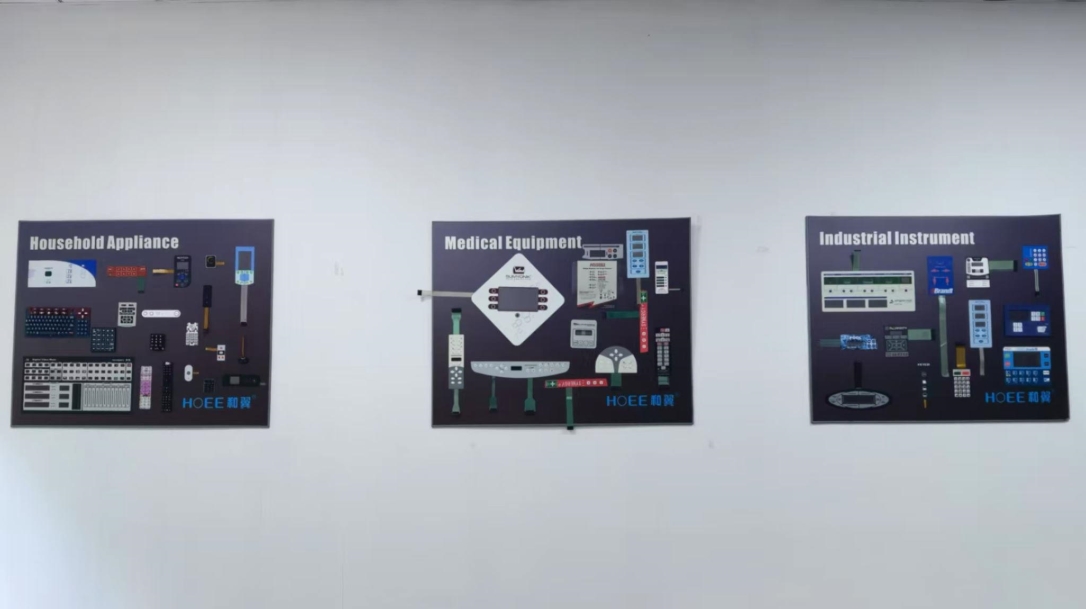
At Zhejiang ZIRA Membrane Switch Co., Ltd., we transform digital engineering concepts into high-reliability human-machine interfaces. Manufactured within our 5,000 m² Ningbo facility and backed by 29+ years of ISO-calibrated manufacturing heritage, our custom PET graphic overlays serve as the first line of defense for critical medical diagnostics, heavy industrial machinery, automotive electronics, and smart metering systems worldwide.
Onsite audited & verified by Intertek. Comprehensive quality management compliant with ISO 9001 and export standards. Review Audit Documentation
Choosing the correct polymer substrate dictates product lifespan, tactile feel, chemical tolerance, and total lifecycle expenditure. Review our empirical laboratory comparison data.
| Performance Characteristic | PET (Polyester / Autotex / Melinex) | Polycarbonate (PC / Lexan) | Cast Acrylic (PMMA / Plexiglas) |
|---|---|---|---|
| Flexural Fatigue Life (Actuations) | > 5,000,000 cycles (Immune to micro-cracking) | 100,000 – 200,000 cycles (Prone to crazing) | Rigid only (Not suitable for tactile embossing) |
| Chemical Resistance (IPA, MEK, Oils) | Exceptional (Resists fuels, bleach, aliphatic hydrocarbons) | Moderate to Poor (Vulnerable to aromatic solvents) | Moderate (Susceptible to acetone, esters, and alcohol) |
| Dimensional Stability Under Thermal Cycle | High (-40°C to +120°C with pre-stabilized films) | Moderate (-30°C to +105°C) | Low (-20°C to +80°C; heat distortion risk) |
| Embossing Retention & Snap Ratio | Excellent (Maintains tactile shape under continuous duty) | Fair (Stress relaxes after elevated thermal exposure) | Non-embossable |
| Surface Hardness & Abrasion | Up to 3H (With hardcoated Autotex/Autoflex resin) | 1H – 2H (Easily scratched unless coated) | 2H – 4H (Brittle, notch-sensitive) |
| Display Window Optical Clarity | >90% Transmittance (With selective gloss lacquers) | 91% – 92% Native Transmittance | 92% – 93% High Transmittance |
| Target Applications | Medical electronics, rugged industrial HMI, outdoor keypads | Flat faceplates, indoor appliances, short-life devices | Thick protective lens covers, rigid instrument bezels |
Polycarbonate (PC) was historically popular due to its initial optical clarity and ease of die-cutting. However, modern industrial design has shifted decisively toward polyester (PET) graphic overlays. PET's crystalline polymer backbone delivers unmatched tensile elongation and memory retention. In switch assemblies featuring tactile metal domes or polydomes, a PC overlay frequently suffers from spiderweb micro-fissuring around button rims after repetitive press cycles. In sharp contrast, premium PET films (such as MacDermid Autotype Autotex, Melinex, or Toray) withstand continuous flexure beyond 5 million cycles without mechanical failure.
Furthermore, in medical diagnostic environments subjected to aggressive disinfectants (such as quaternary ammonium compounds, isopropyl alcohol, and sodium hypochlorite), polycarbonate overlays develop cloudy hazing and stress cracking. PET acts as an impermeable chemical shield, preserving crisp sub-surface screen-printed typography and vibrant Pantone matches throughout the machine's operational lifecycle.
Engineered to exact drawing specifications, our overlays feature sub-surface second-surface screen printing, multi-level selective textures, visual display windows, and high-performance adhesives.
Engineered for hospital patient monitors, infusion pumps, and lab equipment. Impermeable to hospital-grade sterilization agents with integrated tactile button rims.
Heavy-duty front fascia overlay for CNC controllers and PLC panels. High adhesion to textured powder coatings and low surface energy cast housings.
Ideal for variable graphic designs, serial numbered equipment, and complex gradient artwork with back-illuminated hidden-until-lit indicator icons.
Field-proven across marine navigation, agricultural telematics, and EV charging stations. Resists moisture ingress, thermal cycling, and direct solar radiation.
Optimized for access control terminals, security scanners, and payment kiosks. Laser cut precision perimeter cutouts and transparent LCD windows.
How global electronics contract manufacturers (EMS), medical OEMs, and procurement leaders are optimizing supply chains, reducing total landed costs, and enhancing product resilience.
Global purchasers are increasingly combining high-speed digital inkjet printing for prototyping and short-run production with automated flatbed screen printing for high-volume spot colors. This methodology drops initial NRE tooling costs by up to 60% and enables rapid hardware revisions without re-making screen stencils.
With tightening RoHS 3, REACH SVHC, and EU WEEE directives, Tier-1 buyers demand eco-friendly halogen-free conductive and graphic inks. In addition, PET films offer higher recyclability indices compared to chlorinated polymers (such as PVC), drastically reducing the carbon footprint of high-volume industrial assemblies.
Supply chain shocks have compelled European and North American buyers to bypass trading intermediaries. Procuring directly from audited manufacturers like Zhejiang ZIRA Membrane Switch Co., Ltd. ensures complete traceability, mill-certified raw materials, and verifiable Intertek supplier verification reports.
Rather than procuring graphic overlays, silicone gaskets, metal domes, and PCB circuits from disparate vendors, OEMs are converging toward turnkey HMI sub-assemblies. Receiving a 100% pre-tested, plug-and-play front panel module eliminates assembly line misalignments and lowers inventory overhead.
The interface between human operators and machine intelligence is undergoing rapid transformation. Discover the emerging technological horizons shaping the future of PET overlays.
The convergence of thermoforming and in-mold decoration (IMD/IME) is replacing flat 2D control panels with curved, seamless three-dimensional surfaces. Pre-printed PET films with stretchable conductive silver formulations can now be deep-drawn into ergonomic automotive center consoles and handheld medical instruments, combining decorative surface graphics and functional capacitive sensors within a single molded plastic part.
Modern industrial aesthetics demand sleek, minimalist front fascias. Advanced optical density matching enables "dead-front" buttons and icons: the overlay surface appears completely monochromatic and inactive until internal SMT LEDs trigger backlighting. Achieving zero light leakage and pitch-black dormancy requires sub-micron screen-printing ink thickness control, one of ZIRA's core manufacturing specialties.
Following heightened biosecurity protocols in medical clinics and food processing facilities, overlays are now manufactured with permanently bonded silver-ion antimicrobial coatings. These nano-engineered coatings actively inhibit bacterial colonization (MRSA, E. coli) by 99.9% without degrading after repetitive wipe-downs with harsh quaternary ammonium disinfectant solutions.
As industrial equipment integrates larger TFT, OLED, and e-paper displays beneath the graphic overlay, maintaining exceptional optical clarity is paramount. We deploy index-matched optical clear adhesives (OCA) and anti-reflective/anti-fingerprint (AR/AF) surface treatments that eliminate internal air gaps, minimize sunlight glare, and deliver brilliant screen legibility in direct outdoor sunlight.
Comprehensive answers addressing the exact technical, quality, and commercial inquiries global buyers evaluate during supplier qualification.
PET (polyester) possesses high flexural memory and crystalline molecular alignment. When formed into tactile switch domes or key rims, it can endure more than 5,000,000 actuations without stress cracking or loss of tactile snap ratio. Polycarbonate has an amorphous structure that experiences work hardening and micro-fractures under repetitive localized strain, typically degrading between 100,000 and 200,000 cycles.
Overlay adhesion is fundamentally governed by surface energy matching. For low surface energy (LSE) materials like powder-coated metals, polypropylene, or textured plastics, standard acrylic adhesives can fail. We specify modified high-tack acrylic formulations such as 3M 300LSE (e.g., 9471LE/9472LE) or high-cohesion transfer tapes (3M 467MP/468MP). In critical assemblies, our facility utilizes atmospheric plasma surface pretreatment to increase enclosure surface dyne levels prior to adhesive bonding.
Yes. We utilize two proprietary methods: First, starting with an optical-grade glossy PET film, we screen-print specialized UV-curable texturing lacquer selectively across the entire surface, intentionally leaving the LCD and LED windows bare and glossy. Alternatively, starting with a matte fine-textured film (such as Autotex F150/F200), we screen-print a UV gloss window varnish that fills the microscopic surface texture peaks, restoring optical transmission to greater than 90% without image distortion.
For standard steel-rule die tooling, perimeter and cutout dimensional tolerances are held within ±0.2mm. For tight-tolerance applications, our precision laser cutters and hard-tool CNC matched metal dies maintain ±0.05mm to ±0.1mm. Recommended embossing height for pillow and rim keys ranges from 0.3mm to 0.5mm (roughly 1.5 to 2.5 times material thickness) to avoid over-stretching the printed ink layers.
We accept vector graphic files in Adobe Illustrator (.AI), vector PDF, AutoCAD (.DXF, .DWG), and CorelDraw (.CDR). Critical outlines, cutout geometries, and adhesive borders should reside on dedicated layers with clear dimensional references. Colors are calibrated using the Pantone Matching System (PMS Formula Guide) or RAL Classic charts, verified under calibrated D65/D50 light booths with X-Rite spectrophotometers.
For engineering prototypes and pilot qualification builds, our MOQ starts from just 1 piece using rapid digital printing and laser cutting. Standard volume production batches typically start at 100 pieces. Rapid prototype samples are shipped within 3 to 5 business days; mass production orders are typically fulfilled in 10 to 14 business days depending on tooling complexity.
Every production master undergoes first-article inspection (FAI) utilizing optical vision coordinate measuring machines (CMM). Our production lines follow cleanroom protocols with automated optical inspection (AOI) to eliminate pinholes, dust contamination, or color variation (ensuring Delta E < 1.0). Inks are subjected to cross-hatch adhesion testing (ASTM D3359) and solvent rub tests against MEK and 99% isopropyl alcohol.
We accommodate global trade requirements through FOB Ningbo/Shanghai, CIF, EXW, CIP, CPT, and door-to-door DDP (Delivered Duty Paid) via DHL/FedEx/UPS or ocean freight. Accepted payment instruments include T/T, L/C at sight, D/P, D/A, and Western Union in USD, EUR, HKD, and CNY.
Combining 29+ years of engineering rigor, automated cleanroom infrastructure, and transparent third-party verification to eliminate sourcing risk.
Founded in 1996 in Ningbo, Zhejiang ZIRA Membrane Switch Co., Ltd. has evolved from a specialized screen-printing workshop into an internationally recognized manufacturer of human-machine interfaces, membrane switches, and precision PET graphic overlays.
Our production facilities, testing laboratories, quality control apparatus, and business integrity are routinely audited onsite by Intertek. Buyers can access verifiable third-party assessment documentation guaranteeing legitimate factory-direct partnership.
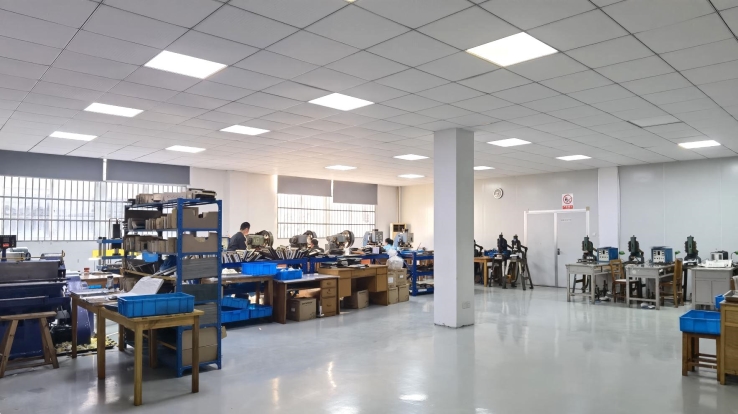
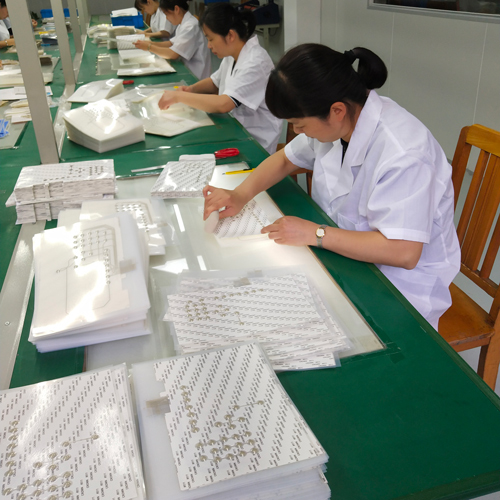
All core manufacturing stages—film stabilization, automated screen printing, precision hydraulic embossing, CNC die-cutting, adhesive lamination, and automated optical inspection—are executed inside our 3,000–5,000 m² clean facility, preventing multi-vendor delays.
With an annual export share exceeding 50% across North America, Germany, the UK, Japan, and Australia, we maintain longstanding OEM/ODM supply partnerships with global industrial automation giants including ABB and Emerson.
Supplying mission-critical human-machine interfaces across major manufacturing centers on four continents.
Send your CAD drawing, artwork, or bill-of-materials. Our senior application engineers in Ningbo will evaluate your stack-up thickness, embossing clearances, window transparency, and adhesive specifications with a formal technical proposal within 24 hours.