What is the fundamental difference between a tactile PCB membrane switch and a flexible silver-printed switch?
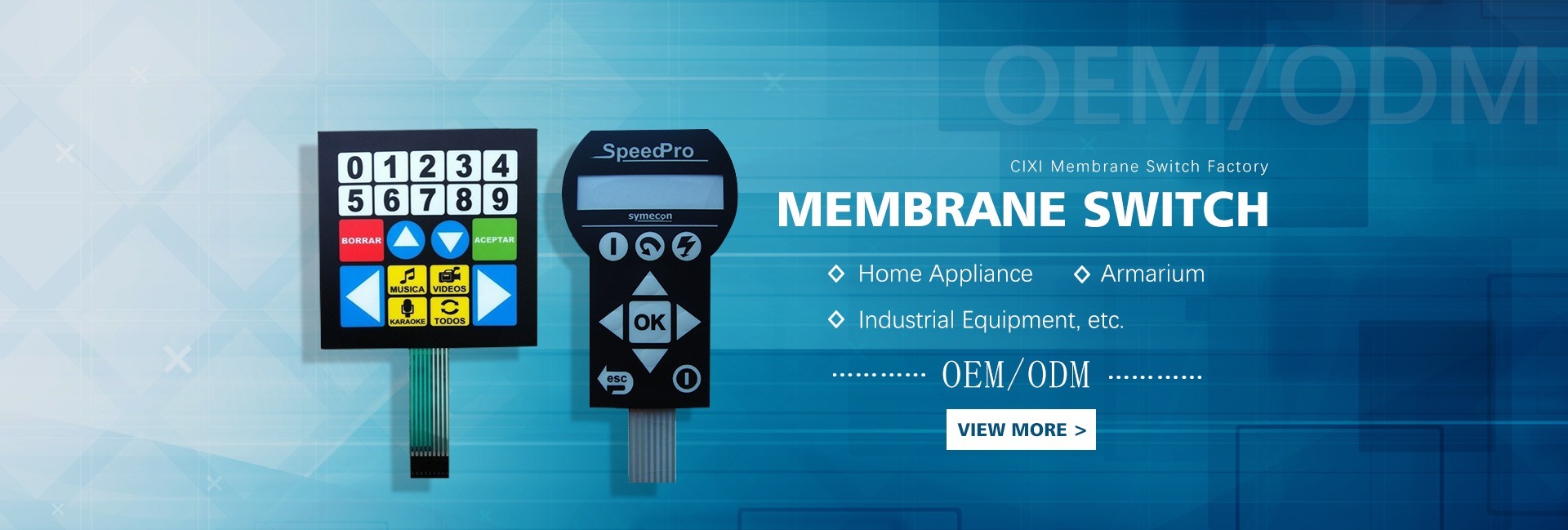
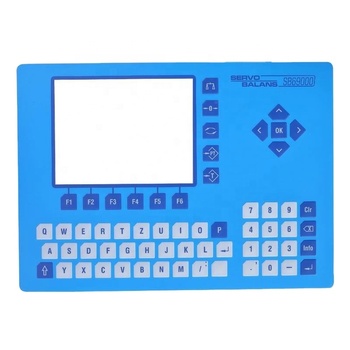
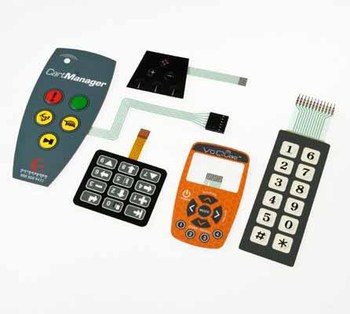
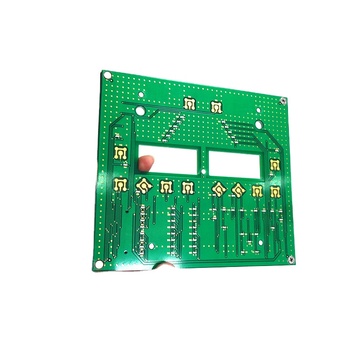
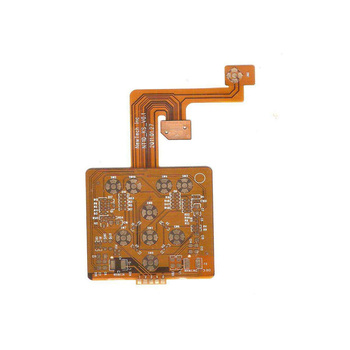
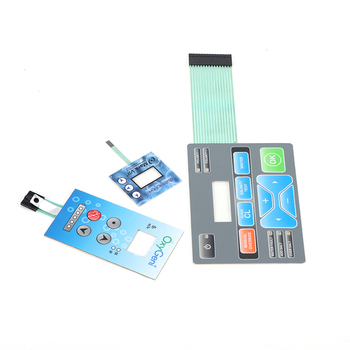
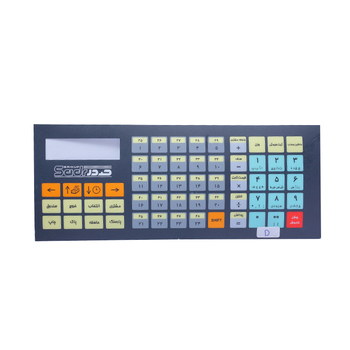
A flexible membrane switch uses thin polyester film (PET) printed with conductive silver and carbon paste inks. While cost-effective for simple consumer applications, silver-printed traces present relatively high loop resistance (10Ω to 100+Ω) and are vulnerable to silver migration shorts in warm, humid climates. In contrast, a tactile PCB membrane switch uses an FR-4 or CEM-1 rigid copper-clad circuit board. Traces are solid etched copper plated with nickel and gold (ENIG), yielding negligible resistance (<0.1Ω), zero silver migration risk, the capacity to solder surface-mount SMT LEDs and multi-pin connectors directly, and the structural rigidity of a built-in mounting chassis.
How do tactile metal domes operate on an FR-4 board, and what actuation forces are standard?
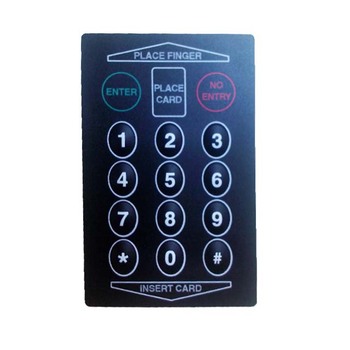
Tactile metal domes (typically made of stainless steel SUS301 or gold-plated alloys) are placed directly above interdigitated or concentric copper switch pads etched on the FR-4 board. When an operator depresses the button, the dome snaps downward, connecting the outer ring pad to the center contact pad and completing the electrical circuit. Actuation forces typically range from 220g to 450g. A 280g or 350g 4-leg dome offers an ideal tactile snap ratio (>50%), providing distinct tactile click feedback that assures operators of key registration, which is essential in noisy industrial and clinical operating rooms.
Can surface mount components (LEDs, resistors, sensors) be soldered directly to the tactile switch?
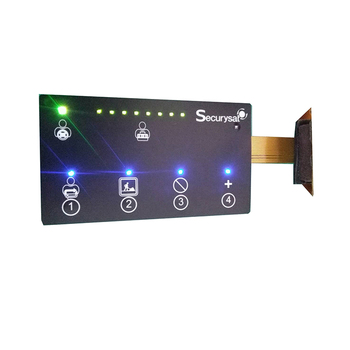
Yes. Because the substrate is a rigid glass-epoxy FR-4 circuit board rated for standard lead-free reflow temperatures (RoHS compliant), our automated pick-and-place lines can solder 0603, 0805, or 1206 bi-color and RGB LEDs, current-limiting resistors, ESD protection diodes, phototransistors, and active microcontrollers directly to the switch board. This eliminates the need for expensive conductive epoxy gluing commonly required on heat-sensitive PET flexible circuits.
How does Zhejiang ZIRA Membrane Switch Co., Ltd. achieve IP65 and IP67 waterproof ratings?
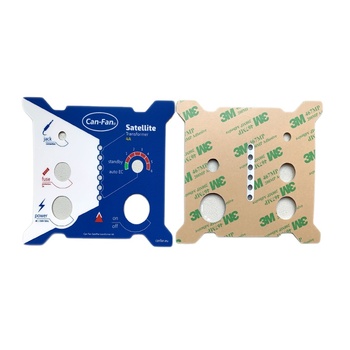
We apply genuine 3M acrylic adhesive gaskets (such as 3M 467MP, 468MP, or high-surface-energy 300LSE) around the entire perimeter of the switch assembly. This forms a continuous, hermetic liquid barrier protecting internal dome contacts and SMT electronics. To prevent pneumatic pillowing from trapped air expansion during thermal cycling, internal venting channels are routed through internal spacer layers rather than opening to the outside environment, ensuring long-term washdown and dust protection.
What files and documentation are required to quote and begin DFM prototyping?
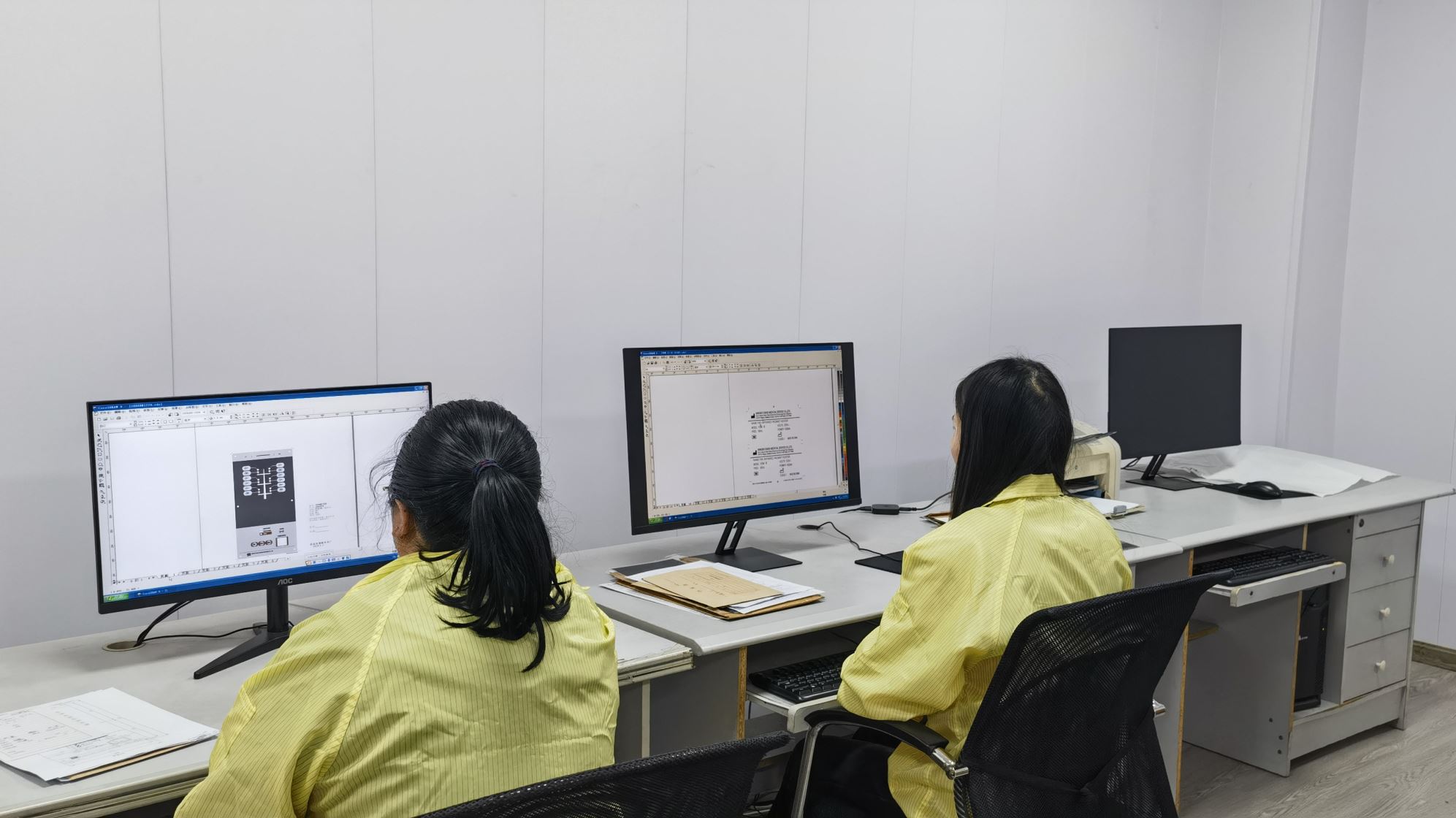
To deliver an engineering DFM and formal commercial quotation within 24 hours, our R&D team requests: (1) Graphic overlay artwork in vector format (Adobe Illustrator, CorelDraw, or vector PDF) with specified Pantone or RAL color codes; (2) PCB Gerber files (RS-274X) including drill files, copper layers, and solder mask; (3) A complete Bill of Materials (BOM) specifying LED optical wavelengths/brightness and connector part numbers; and (4) Mechanical drawings (2D DWG/DXF or 3D STEP) indicating overall dimensions, button embossing profiles, and mounting hardware.
What are the typical prototyping turnaround times and Minimum Order Quantities (MOQ)?
At Zhejiang ZIRA Membrane Switch Co., Ltd., we support initial new-product-introduction (NPI) prototypes starting from just 1 to 5 pieces. Prototype engineering turnaround typically takes 7 to 10 working days, including custom tooling and laser cutting. Standard production batch quantities start at 100 pieces, with high-volume production capable of scaling to over 100,000 units per month.
Which international commercial Incoterms and payment terms are supported?
We work with international purchasing teams under FOB (Ningbo/Shanghai), CIF, EXW, CIP, CPT, and DDP (Delivered Duty Paid) door-to-door express terms via DHL, FedEx, or air/ocean freight. Payment terms include Wire Transfer (T/T), Letter of Credit (L/C at sight), D/P, D/A, and Western Union, transacted in USD, EUR, HKD, or CNY.