1. What is an ITO film membrane switch, and how does it differ from traditional silver flex circuits?
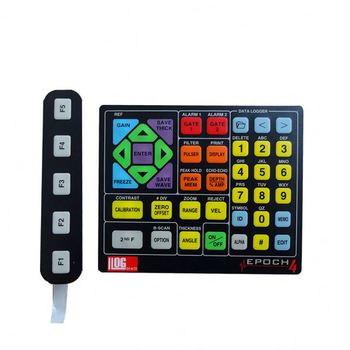
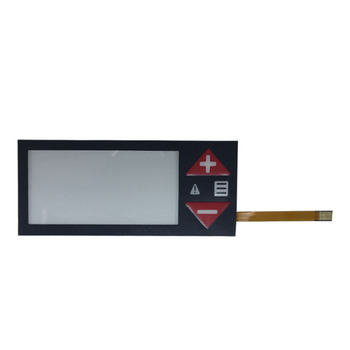
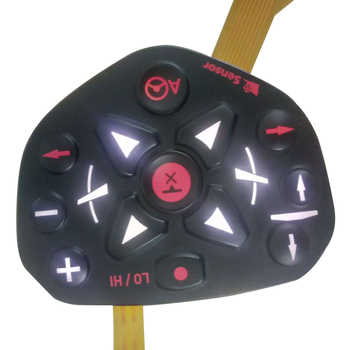
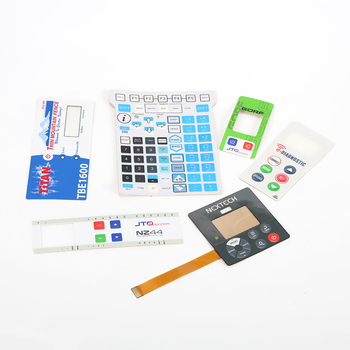
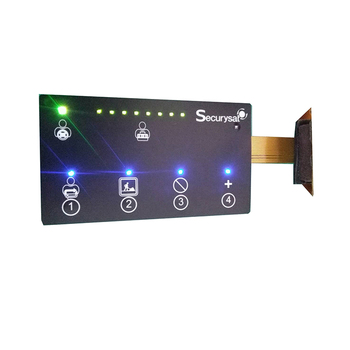
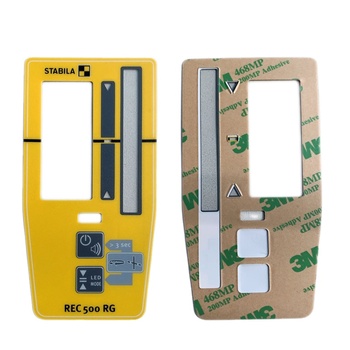
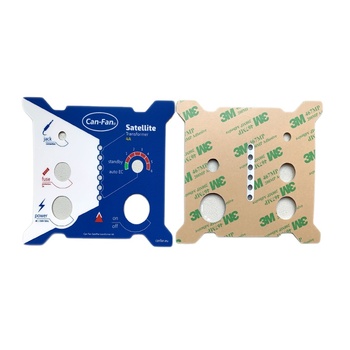
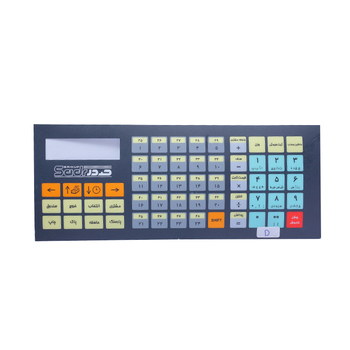
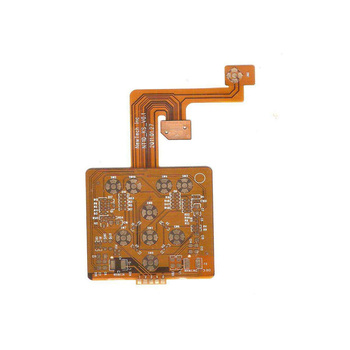
An ITO (Indium Tin Oxide) film membrane switch uses an optically transparent, vacuum-sputtered ceramic conductor applied onto high-grade optical polyester (PET) or polycarbonate (PC) film. In traditional membrane switches, keys function mechanically: depressing the overlay flexes an upper conductive silver ink track until it physically shorts against a lower circuit through a die-cut spacer, or snaps a metal dome. In contrast, an ITO film switch functions solid-state via capacitive touch detection. There are no moving parts, no metal snap fatigue, and no physical contact points to oxidize or wear out. This construction provides over 10 million switch activations, true dead-front aesthetic possibilities, optical clarity exceeding 86%, and a completely planar seal that resists pressurized washdown, harsh hospital disinfectants, and abrasive dust.
2. What sheet resistance (Ω/sq) and optical transmission levels does ZIRA provide?
Zhejiang ZIRA Membrane Switch Co., Ltd. processes optical-grade ITO PET films with sheet resistances ranging from 15 Ω/sq to 100 Ω/sq, with 30–50 Ω/sq being our standard baseline for capacitive touch button arrays and slider sensors. For high-transparency window applications, our films offer >86% to 89% total luminous transmittance (TLT) measured at 550nm, with haze maintained below 1.5%. By carefully balancing sheet resistance with capacitive microcontroller IC driving frequencies, our engineers minimize RC time constant delays, preventing latency and ensuring instantaneous button detection.
3. How do ITO capacitive touch switches handle moisture, liquid spills, and false triggers?
False triggering caused by surface fluids (water splashes, saline solutions, conductive cleaning agents) is eliminated through a combination of physical sensor routing and firmware processing. ZIRA designs capacitive sensor layouts using mutual-capacitance matrices or differential electrode geometries that distinguish between the localized, high-dielectric signature of a human finger and the diffuse ground-plane coupling of standing water. Furthermore, we screen-print integrated conductive silver shielding rings around active pads and recommend controller IC firmware with automatic water-rejection calibration algorithms.
4. What are the minimum order quantities (MOQ), prototype lead times, and tooling costs?
At Zhejiang ZIRA Membrane Switch Co., Ltd., we support initial design validation with agile low-MOQ engineering runs starting at just 1 to 5 pieces. Standard pre-production orders typically start at 100 pieces, scaling to tens of thousands of units for ongoing production programs. Prototyping lead times average 7 to 12 working days upon engineering CAD sign-off and color approval. Tooling costs for laser-cut prototypes and screen setups remain substantially lower than heavy injection molding dies, drastically decreasing your initial R&D investment.
5. Can an ITO film membrane switch be actuated while wearing industrial or medical gloves?
Yes. Because capacitive coupling is a function of electrode surface area, cover lens thickness, dielectric constant, and controller sensitivity, ZIRA configures the ITO electrode layout and overlay stack-up to match your specific glove requirements. By optimizing pad surface area and selecting high-dielectric acrylic or PET overlays, our switches reliably register touch inputs through medical latex, nitrile gloves, and even heavy polyurethane or insulated leather work gloves.
6. How does ZIRA guarantee ESD (Electrostatic Discharge) protection and EMC compliance?
Industrial machinery and medical electronics operate in electrically hostile environments. To prevent electrostatic destruction of the microcontroller, ZIRA incorporates a dedicated rear conductive perimeter shield or continuous fine-mesh silver ground plane laminated behind the ITO layer. This shield routes discharges directly to chassis ground, withstanding air discharges up to 15 kV and contact discharges up to 8 kV in accordance with IEC 61000-4-2 standards, without disrupting capacitive sensor performance.
7. What inspection and reliability testing standards does every switch undergo before shipment?
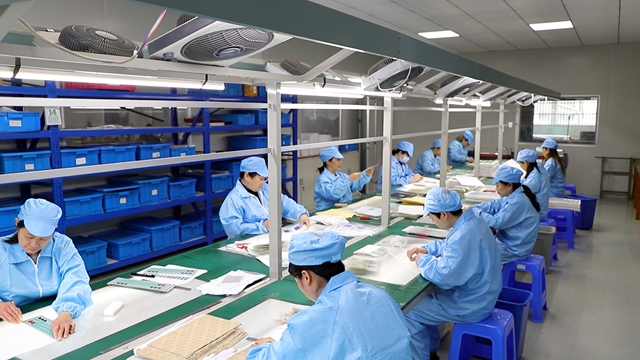
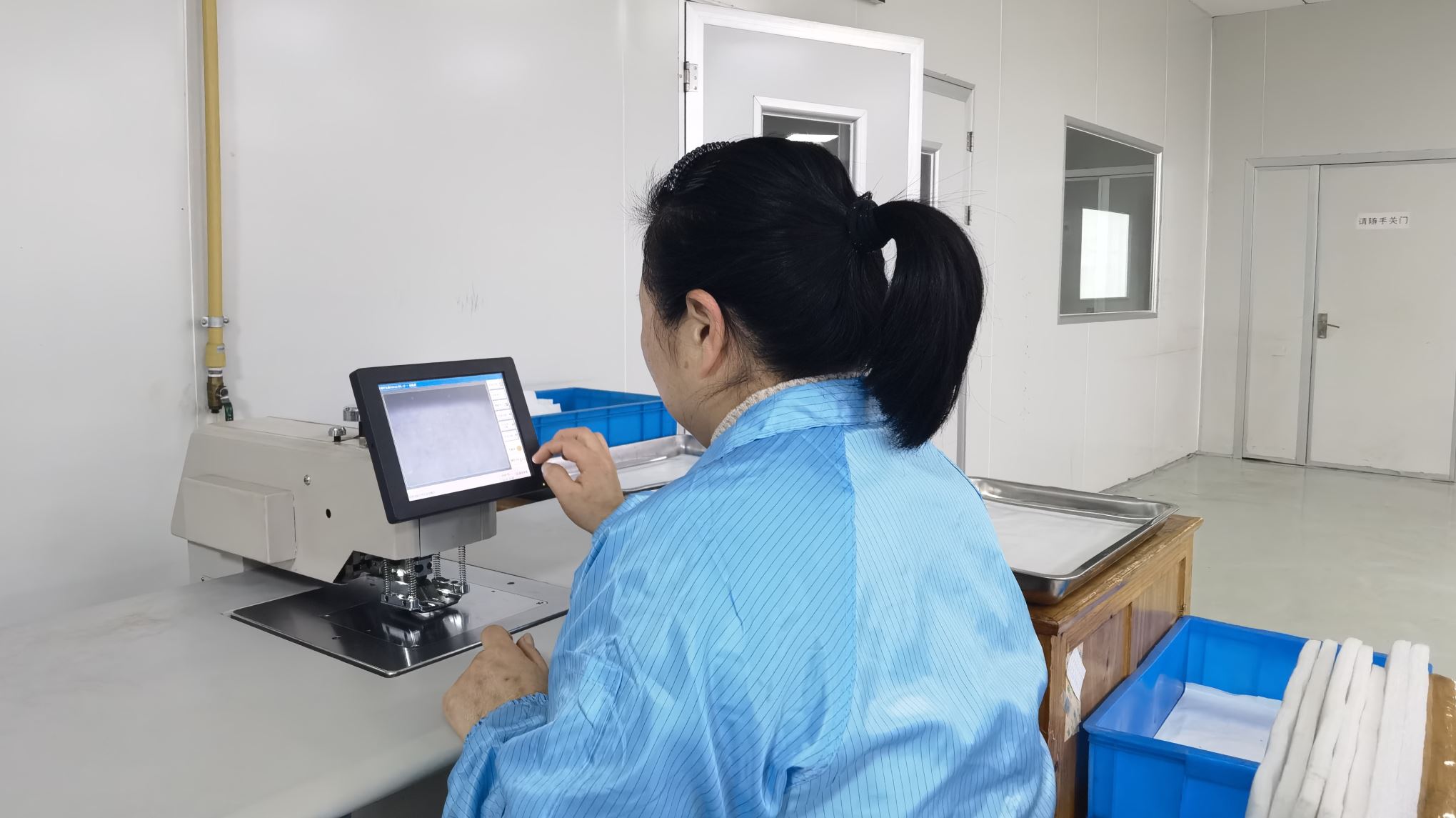
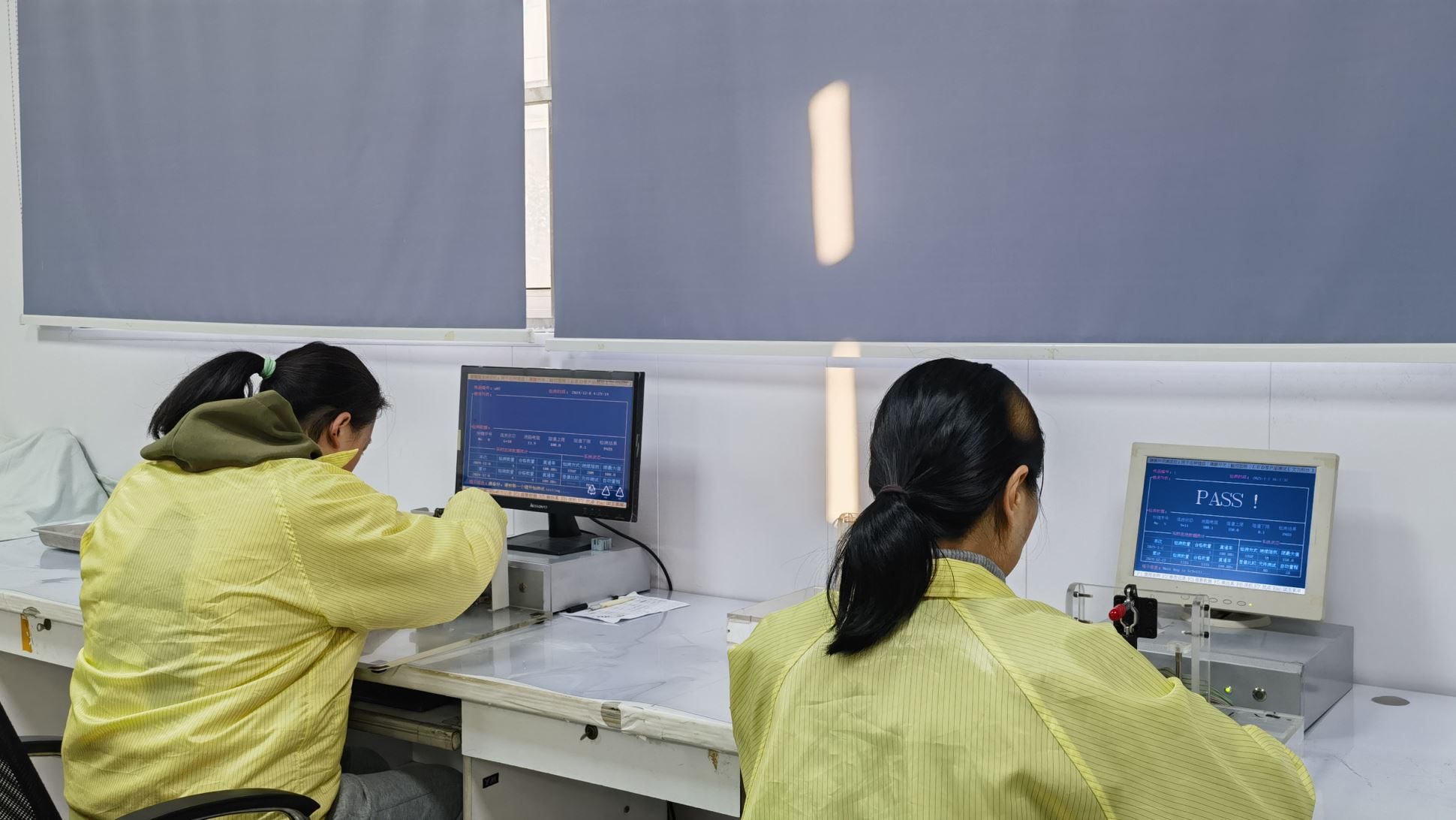
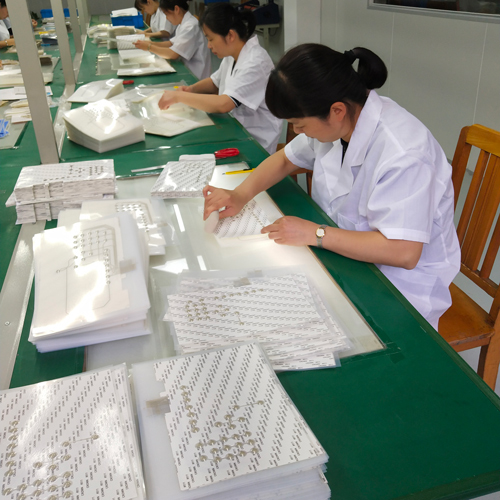
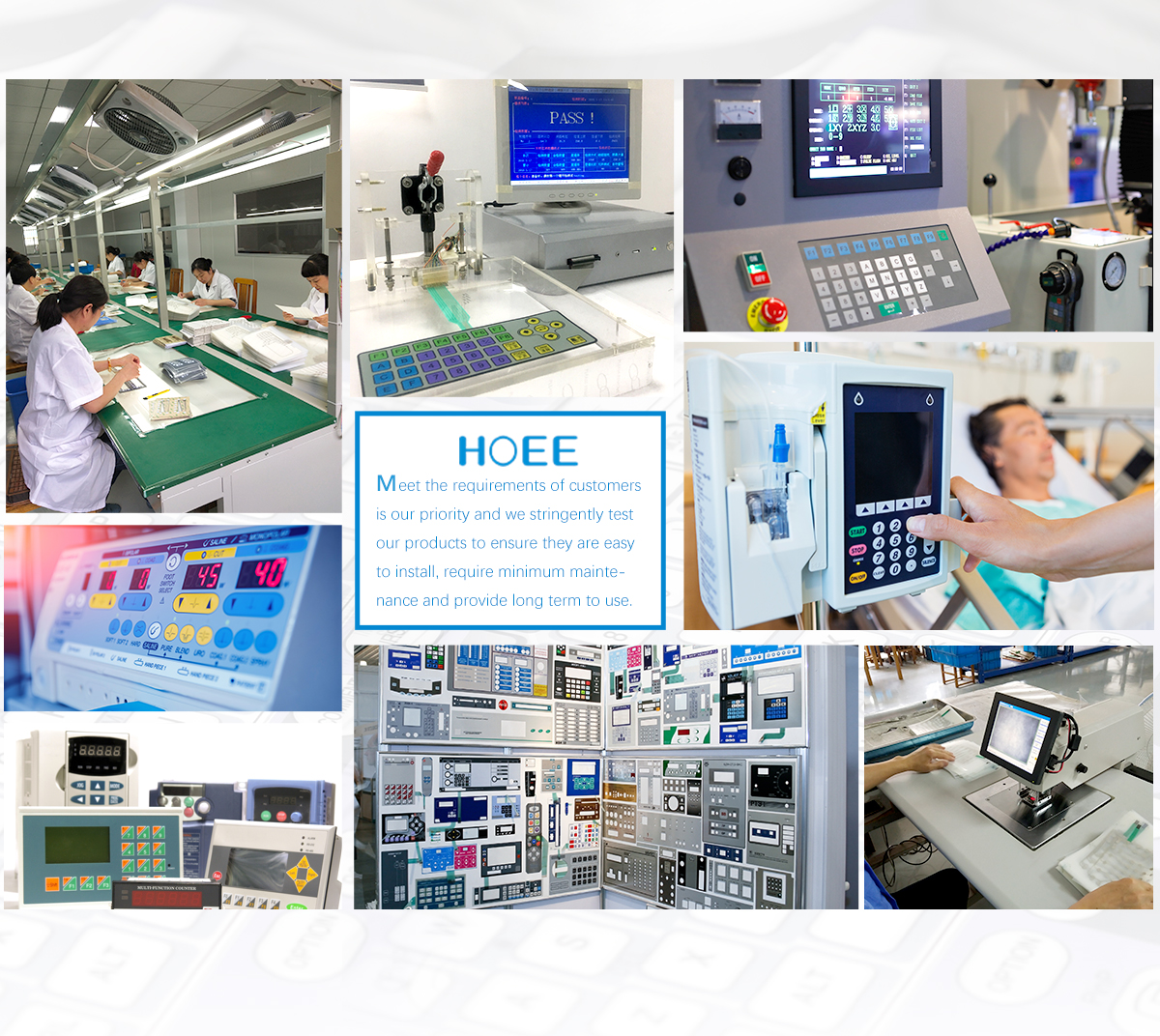
100% of finished switches undergo automated electrical and visual testing at our Ningbo plant. Inspection parameters include circuit continuity, loop resistance testing, high-voltage insulation resistance testing (>100 MΩ at 100V DC), capacitive sensor pad delta-C capacitance profiling, LED luminous intensity/chromaticity checks, and overlay visual inspection under magnified illumination to guarantee zero bubbles, dust specks, or pinholes.
8. Which international trade terms (Incoterms) and payment methods are supported?
As a verified exporter with over 11 years of international trade operations, Zhejiang ZIRA Membrane Switch Co., Ltd. supports standard Incoterms including FOB Ningbo/Shanghai, CIF, EXW, CIP, CPT, and full DDP (Delivered Duty Paid) directly to your production warehouse. We accept multi-currency payments in USD, EUR, HKD, and CNY via T/T, L/C at sight, D/P, D/A, and Western Union.