Precision-Engineered Rigid & Flexible PCB Membrane Keypad Interfaces Built for Salt-Spray, High-Humidity, and Abrasive Phosphate Dust Environments Across Nauru.
Precision Control Assemblies
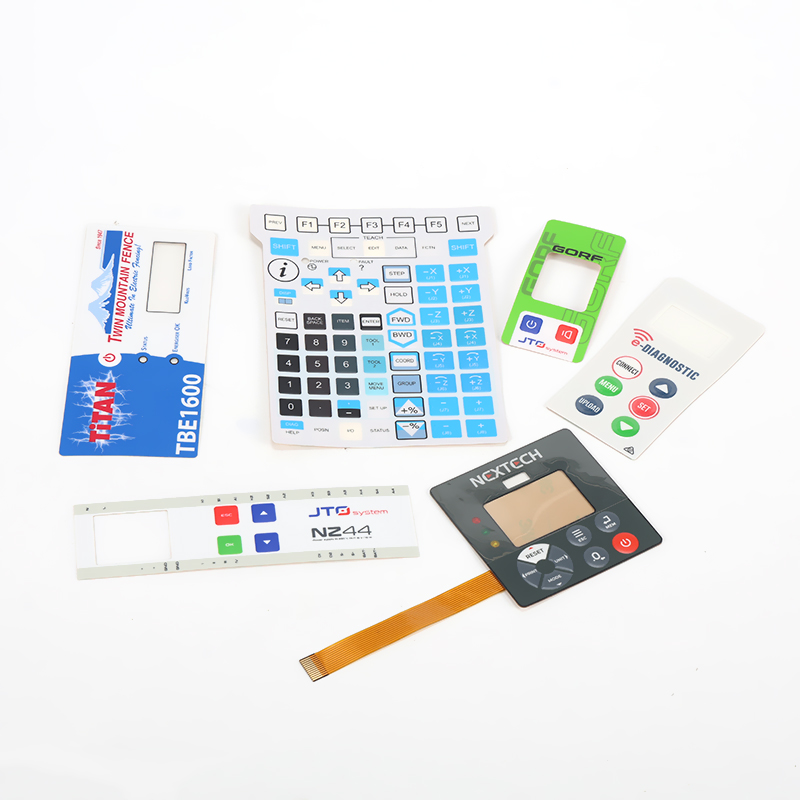
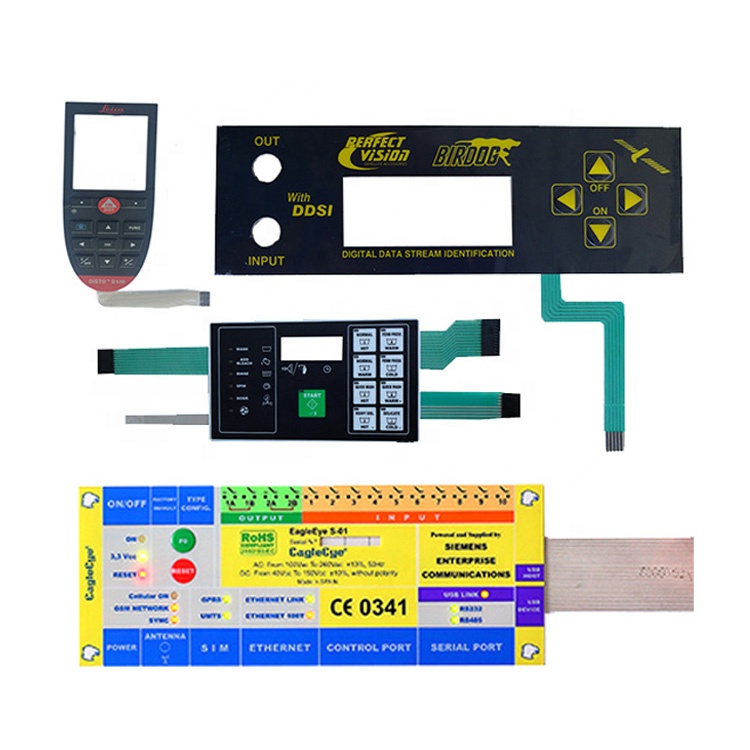
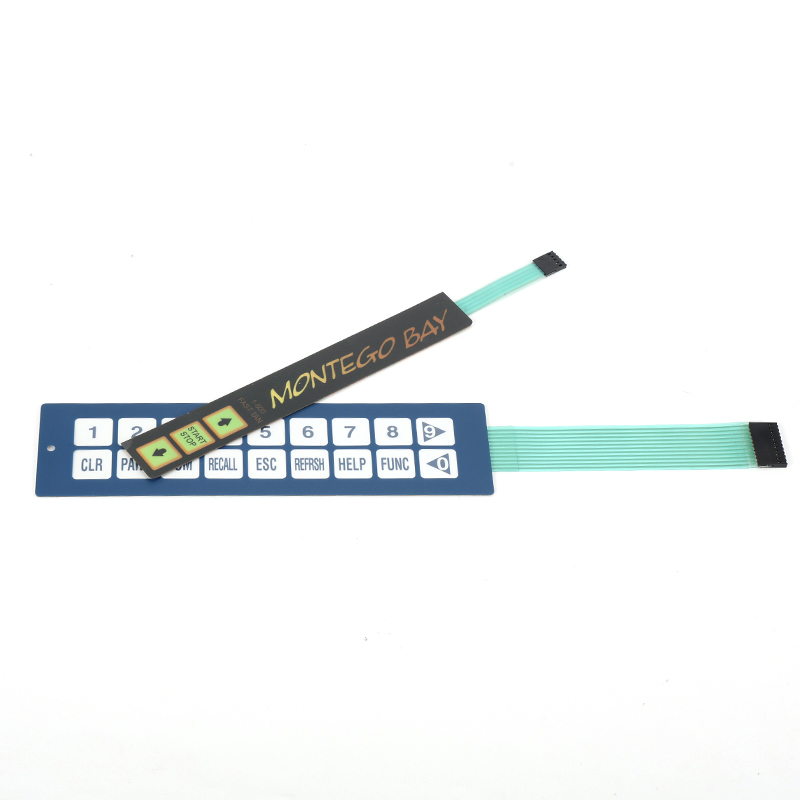
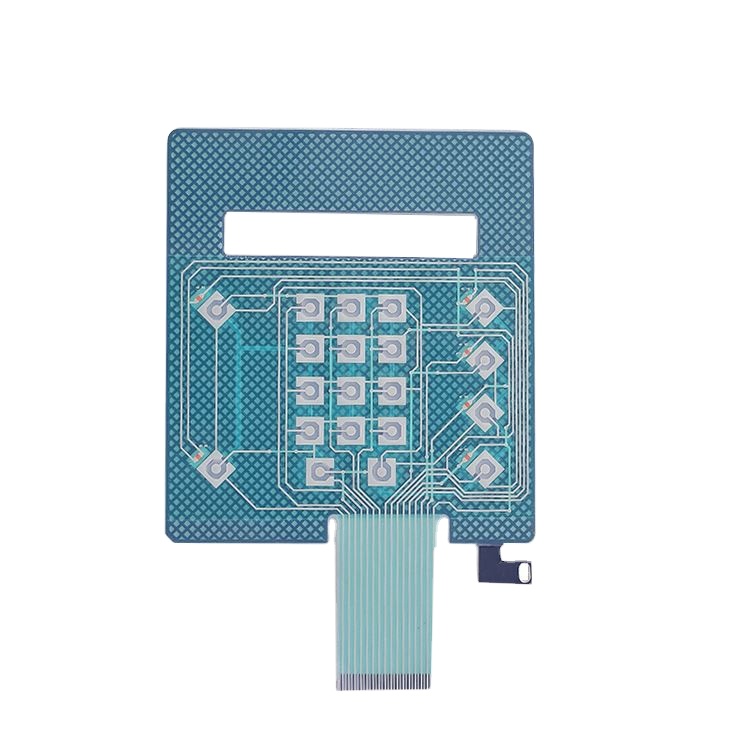
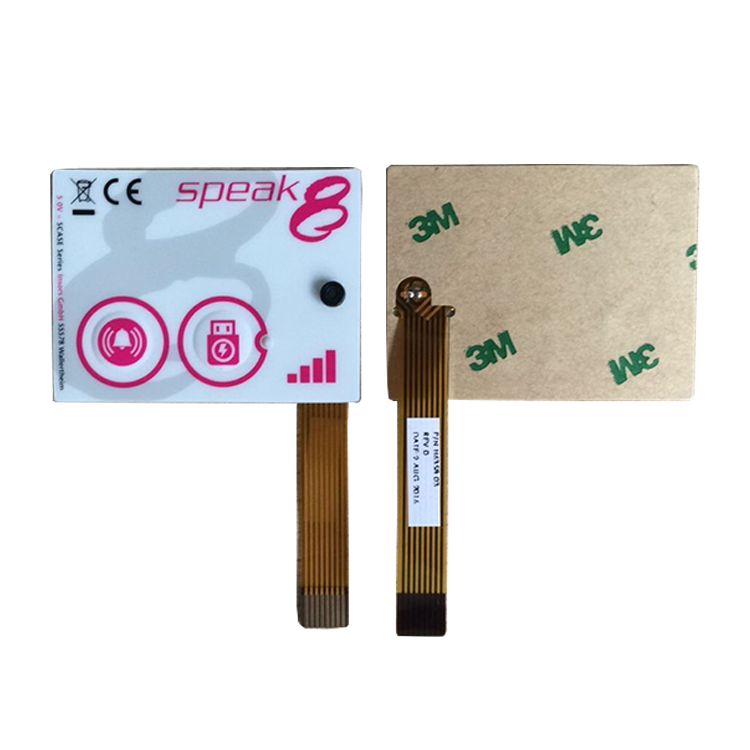
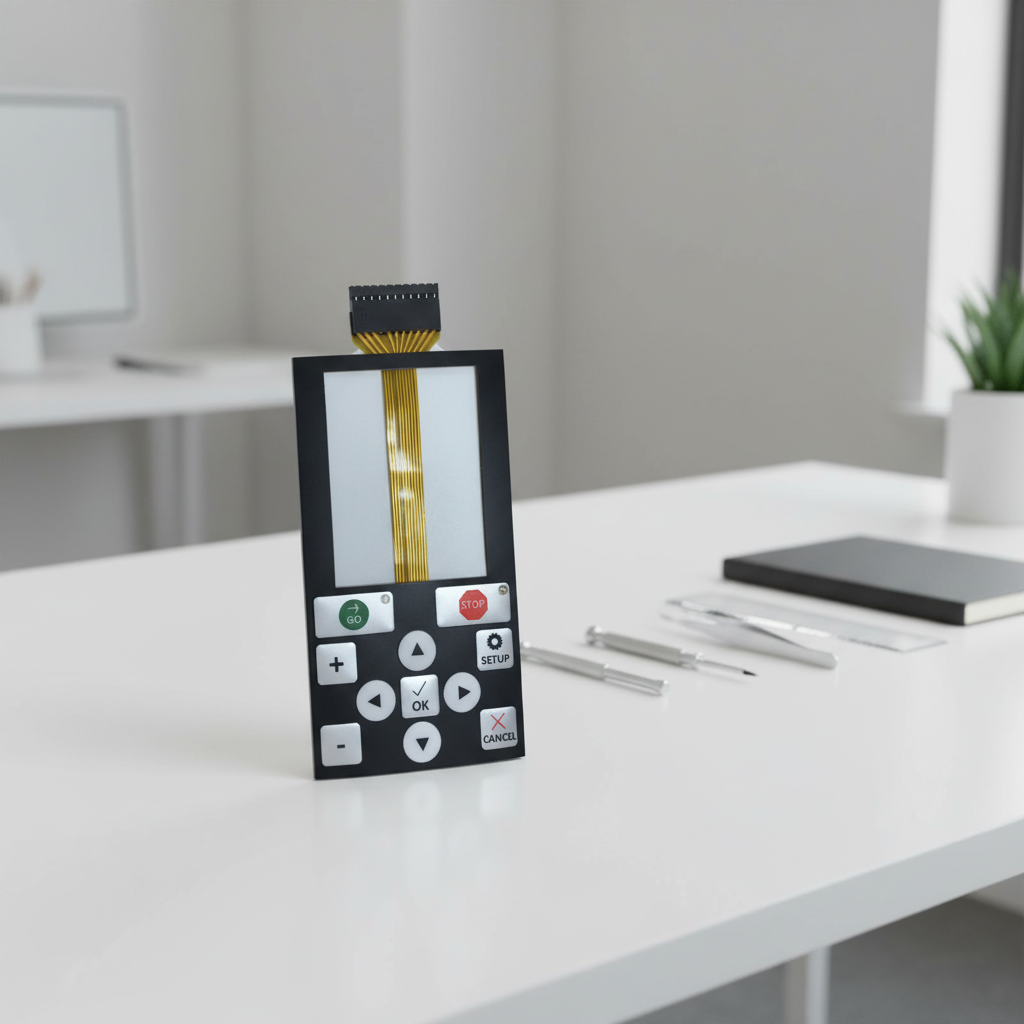
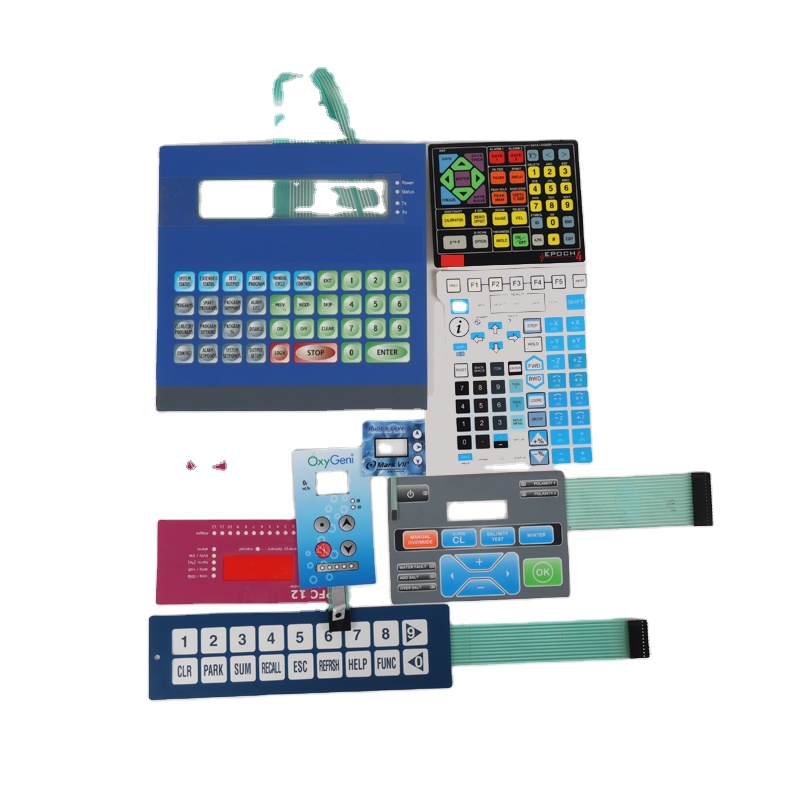
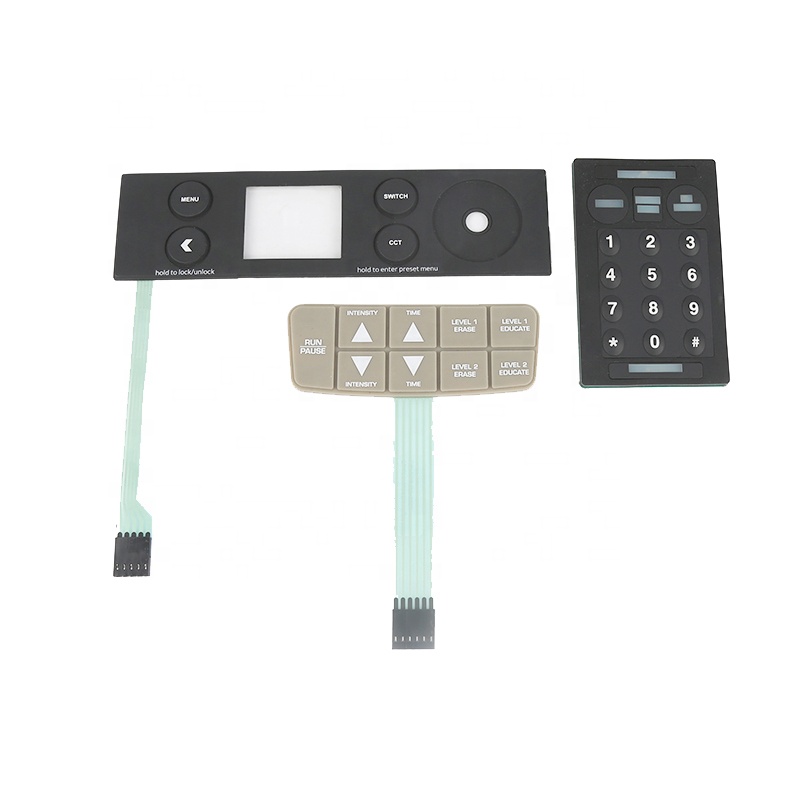
Featured Heavy-Duty PCB Switch Panels & Graphic Keypads
Configured with Electroless Nickel Immersion Gold (ENIG) FR4 circuitry, anti-corrosive silver traces, and IP67 perimeter sealing to ensure unbroken continuity in Pacific island marine operations.
Years Engineering Interface Technology (Est. 1996)
5,000m²
Onsite Verified Cleanroom Production Facility
100%
Electrical Continuity, Resistance & Hipot Testing
1,000,000+
Switch Actuations Rated per Metal Dome Key
Industrial Paradigm in Aiwo: The Urgent Mandate for Sealed PCB Switch Assemblies
Operating industrial machinery and precision electronics in Aiwo, the commercial and logistics nucleus of the Republic of Nauru, presents human-machine interface (HMI) engineers with some of the most aggressive environmental challenges in the Western Pacific. Surrounded by equatorial waters and driven by maritime logistics, bulk phosphate handling, civil power generation, and coastal desalination, electrical infrastructure in Aiwo is exposed to an unrelenting triad of degradation vectors: atmospheric chloride saturation (marine salt spray), high-ambient relative humidity fluctuating between 75% and 95%, and micro-abrasive phosphate rock dust (calcium phosphate particulate suspension).
Standard off-the-shelf mechanical switches, open toggle push-buttons, and unsealed keyboard assemblies frequently fail prematurely within months of commissioning in Aiwo. Mechanical contacts succumb to galvanic pitting, copper conductors undergo electrolytic dendrite migration under constant humidity, and abrasive dust works into moving key switch mechanisms, causing physical jamming and intermittent open circuits. As primary exporters and OEM/ODM engineering manufacturers of high-specification PCB switch panels, Zhejiang ZIRA Membrane Switch Co., Ltd. supplies industrial operators in Aiwo with hermetically sealed, multi-layered printed circuit board switch systems that structurally eradicate these failure pathways.
Key Engineering Finding: In high-saline coastal tropical zones like Aiwo, replacing silver-printed flexible conductive polyester circuits with Electroless Nickel Immersion Gold (ENIG) finished FR-4 rigid or Polyimide flexible PCB backer panels reduces contact degradation by over 98.4% and completely prevents silver ion migration (whiskering) caused by ambient humidity trapped under repetitive mechanical actuation.
Engineering Architecture of Harsh-Environment PCB Switch Panels
A true industrial-grade PCB switch panel is not merely an aesthetic graphic skin; it is a precision electro-mechanical composite engineered to survive mechanical shock, electrostatic discharge, thermal cycling, and chemical attack. Our assemblies designed for export to Aiwo feature a ruggedized six-tier layer stack:
1. Graphic Overlay Substrate
Constructed using premium MacDermid Autotex XE textured polyester (PET). Engineered specifically for extreme UV exposure, offering zero yellowing, superior chemical resistance against fuels and cleaning solvents, and flexural fatigue endurance exceeding 5 million actuations.
2. ESD Shielding Layer
An integrated solid aluminum foil or continuous printed carbon conductive lattice bonded directly to ground pins. Provides robust immunity against electrostatic discharge surges up to 15kV, safeguarding sub-surface CMOS logic and display controllers from dry dust discharge.
3. Tactile Feedback Domes
Formed from medical-grade stainless steel with high-purity nickel or gold flash plating. Designed with actuation profiles between 280g and 450g to provide operators wearing heavy leather or rubber gloves with an unambiguous, tactile snap confirmation.
4. FR-4 / Rigid PCB Circuit Base
Utilizes TG150 or TG170 high-glass-transition fiberglass FR-4 substrates (0.8mm to 2.4mm thickness). Features 1oz to 2oz copper conductors finished with ENIG (Electroless Nickel Immersion Gold), allowing direct SMD component integration such as LEDs, resistors, and onboard microcontrollers.
5. Marine Acrylic Adhesives
Laminated with 3M 467MP, 468MP, or 3M VHB high-performance modified acrylic adhesives. These adhesives provide shear strength up to 100 psi, sealing microscopic housing imperfections and creating an impenetrable barrier against salt air and fine dust particles.
6. Hermetic Perimeter Gasketing
Engineered channel sealing around keys and display windows preventing liquid ingress even when washed down under high-pressure water hoses during maintenance operations, guaranteeing full IP65, IP66, or IP67 compliance.
Comprehensive Technical Substrate Matrix for Pacific Ocean Procurements
Choosing the correct circuit topology and material stack is critical to avoiding mid-cycle electronics breakdown. The following matrix contrasts conventional flexible PET circuits with high-specification rigid and flex PCB switch panels manufactured by ZIRA for tropical island deployment:
Engineering Attribute
Standard Silver PET Membrane
Copper Flex FPC Switch Panel
Rigid FR-4 PCB Switch Panel (ZIRA Flagship)
Substrate Base Material
Flexible Polyester (PET) 125µm
Polyimide (Kapton) 25µm–50µm
Glass Reinforced Epoxy (FR-4 TG150/170)
Circuit Conductor
Screen-Printed Silver Paste
Etched Rolled Annealed Copper
1oz / 2oz Electro-Deposited Copper
Surface Finish Coating
Carbon Overcoat / Dielectric
Electroless Gold / Immersion Tin
Electroless Nickel Immersion Gold (ENIG)
Resistance to Salt-Air Whiskering
Moderate (Susceptible over time)
High (Copper protected by coverlay)
Immune (ENIG gold plating prevents oxidation)
Contact Resistance (Per Switch)
< 50 Ω to 100 Ω
< 1.0 Ω
< 0.5 Ω (Ultra-low noise, digital logic ready)
Direct SMT Component Mounting
Conductive Epoxy Only (Fragile)
Reflow Solderable (Fine Pitch)
Standard SMT Solder Reflow (Ruggedized LEDs/ICs)
Mechanical Rigidity & Mounting
Requires flat support chassis
Requires adhesive substrate backing
Self-supporting structural backplate with standoffs
Actuation Life Cycle Expectancy
500,000 to 1,000,000 cycles
1,000,000 to 2,000,000 cycles
> 3,000,000 cycles (Structural dome cavity)
Localized Application Scenarios in Aiwo's Industrial Corridor
Aiwo serves as the nerve center for maritime transport, heavy utilities, and government services in Nauru. Installing high-reliability PCB switch panels manufactured by ZIRA addresses unique localized mission-critical installations:
The iconic phosphate cantilever berths and coastal conveyor networks in Aiwo run continuously during vessel loading cycles. Equipment faces extreme vibrations, abrasive dust friction, and direct ocean surf wind. Our FR-4 PCB switch panels are integrated into operator pendant consoles, emergency stop stations, and conveyor drive PLCs, eliminating dust penetration and contact sticking through complete IP67 hermetic sealing.
Port of Aiwo Modernization & Crane Operations
With the ongoing international development and expansion of Aiwo Port, cargo handling gantries, marine winch controls, and container handling reach stackers require HMIs that survive corrosive salt breezes. ZIRA supplies tactile metal dome PCB switch panels equipped with sunlight-readable status LEDs and non-glare Autotex textured windows, providing vessel mooring teams with rapid operational feedback in low-light and bright equatorial sunshine alike.
Nauru Utilities Corporation (NUC) Hybrid Power Station
Situated within the Aiwo district, the central diesel power station and adjacent renewable solar PV microgrid arrays rely on automated switchgear, SCADA remote terminal units, and generator synchronization panels. Our PCB switch interfaces provide high-voltage dielectric isolation (>1,500V Hipot tested) and robust ESD suppression, safeguarding electronic control units against lightning-induced grid transients and generator step-down fluctuations.
Critical potable water generation in Aiwo requires continuous high-pressure pumping and chemical sanitization dosing systems. Front control interfaces must resist aggressive seawater splashing, hypochlorite vapors, and rigorous daily chemical washdowns. ZIRA's sealed PET-over-PCB panels withstand acid/alkali wipe-downs without graphic degradation, peeling edges, or internal short-circuits.
Technological Modernization Trends in Pacific Island HMI Procurement
Across the Central Pacific and specifically within Nauru's infrastructural initiatives, several decisive technology shifts are reshaping industrial procurement strategies:
1. Transition from Mechanical Contact Blocks to Solid-State PCB Matrices: Engineering management teams are phasing out discrete mechanical toggles and bulky 22mm pilot buttons in favor of integrated low-profile PCB membrane switch panels. This shift eliminates hundreds of individual wired terminations, reducing installation labor, physical cabinet footprint, and potential failure points caused by loose screw terminals vibrating in heavy plant machinery.
2. Adoption of Multi-Color Surface-Mount LED Backlighting: Equatorial night operations at the Aiwo shipping berths require clear visual signaling. Traditional incandescent lamps with colored lenses are being replaced by solid-state surface-mount LEDs embedded directly within the PCB switch board layer. These provide high-lumen status annunciation (red/green/amber), consume minimal DC power, and generate negligible heat, prolonging adhesive lifespan.
3. Demand for Integrated Microcontroller Intelligence: Modern switch panels are no longer passive matrices; they increasingly incorporate onboard shift registers, I2C/SPI bus controllers, or RS-485 Modbus drivers directly soldered to the reverse side of the FR-4 backer board. This enables seamless connection to central plant programmable logic controllers (PLCs) via single multi-conductor ribbon cables or waterproof circular industrial plugs.
Founded in 1996 in Ningbo, Zhejiang, China, ZIRA combines nearly three decades of precision Human-Machine Interface engineering with comprehensive export capacity for global heavy industry.
29+ Years Manufacturing Heritage
Specializing exclusively in membrane switches, graphic overlays, silicone rubber keypads, and PCB/FPC keypads since 1996 with an annual production output exceeding US$10M–$50M.
Intertek Onsite Verified Supplier
Independently audited and assessed onsite by Intertek. Comprehensive verification covers cleanroom standards, automated screen-printing tolerances, and full legal accountability.
Tier-1 Global Partner Trust
Proven supply history with global automation leaders including ABB and Emerson. Trusted across North America, Western Europe, South America, Oceania, and Pacific markets.
Complete End-to-End Production
5,000m² factory floor housing 5 specialized production lines: precision screen printing, CNC tooling, automated embossing, SMT pick-and-place, and final lamination.
100% Comprehensive Electrical Testing
Every single switch unit undergoes computer-controlled pin-to-pin testing for continuity, insulation resistance (>100MΩ at 100V DC), key contact resistance, and LED forward voltage.
Dedicated Engineering & DFM Review
Our experienced R&D engineering team reviews your drawings, circuit layouts, and dome profiles before tooling, providing Design For Manufacturability optimization to prevent field failure.
Agile Prototyping & Low MOQ
Rapid prototyping from as low as 1 piece for engineering validation. Standard OEM manufacturing runs start at just 100 pieces, accommodating specialized equipment rebuilds.
Global Export Logistics Competence
Full support for international commercial terms: FOB, CIF, EXW, CIP, CPT, and DDP with express air cargo options directly into Nauru International Airport (INU) or ocean freight to Aiwo Port.
The 10-Stage Precision Manufacturing Protocol Behind Every Switch
To ensure zero defects in remote deployments where replacement turnaround is critical, ZIRA operates under a rigid, ten-stage in-process inspection protocol:
Step 01
Raw Materials
Incoming PET, FR-4 boards, 3M adhesives, and conductive inks pass strict spectroscopic and caliper inspection.
Step 02
DFM Design
Cadence and Altium artwork routing checked for track width, spacing, and switch matrix isolation.
Step 03
Plate Exposure
High-mesh screen frames tensioned and photo-chemically exposed for high-definition graphic and circuit registration.
Frequently Asked Questions by Industrial Buyers in Aiwo
Key technical and logistics inquiries regarding the specification, custom manufacturing, and international delivery of PCB switch panels to Nauru.
Why is an FR-4 PCB switch panel superior to a standard membrane switch for equipment in Aiwo?
While traditional membrane switches utilize screen-printed conductive silver ink on flexible polyester (PET) films, prolonged exposure to Aiwo's high saline atmospheric conditions and continuous humidity (averaging 80%+) can cause silver ion migration across closely spaced conductive tracks, leading to circuit shorts. FR-4 PCB switch panels employ solid copper conductors coated with Electroless Nickel Immersion Gold (ENIG). This gold barrier completely prevents atmospheric oxidation and dendrite growth. Furthermore, an FR-4 board acts as a rigid structural backplate, allowing direct mounting of surface-mount components (LEDs, resistors, sensors) and integrated threaded mounting studs, drastically simplifying enclosure assembly.
What specific materials and adhesives do you recommend to withstand Nauru's tropical marine climate?
For top graphic overlays, we strongly specify MacDermid Autotex XE, a specially formulated outdoor-grade textured polyester that resists intense equatorial UV degradation, preventing hazing, embrittlement, and cracking. For adhesion, we integrate genuine 3M 467MP or 468MP high-performance acrylic adhesives, or 3M VHB series foam tapes for textured castings. These adhesives feature high shear resistance, perform reliably from -40°C to +150°C, and create a permanent, hermetic perimeter seal that stops salt-fog moisture and fine phosphate dust from penetrating the internal metal dome switch matrix.
Can you reverse-engineer obsolete control panels from damaged machinery at Aiwo Port or the mines?
Yes. Industrial operators in remote Pacific locations frequently encounter discontinued machinery where original OEM replacement panels are unavailable. You can ship a physical sample (even if damaged, cracked, or non-functional) or provide high-resolution dimensional scans, pin-out schematics, and mechanical drawings. Our R&D team can completely reverse-engineer the graphic artwork, trace routing, dome actuation forces, and tail termination, delivering fully functional, drop-in replacement prototypes for field validation.
What is the minimum order quantity (MOQ) and production turnaround for custom orders to Nauru?
We maintain highly flexible manufacturing policies to support infrastructure maintenance and specialized industrial operations. Custom engineering prototypes can be ordered from as few as 1 to 5 pieces. Standard commercial production runs typically start at 100 pieces. Initial engineering DFM review and tooling typically take 7–10 working days; sample prototyping requires 5–8 days post-drawing signoff; standard volume manufacturing runs take 2–3 weeks. Shipments to Nauru can be dispatched via international priority air courier (DHL, FedEx, UPS) to Nauru International Airport (INU) in Yaren or consolidated via ocean sea-freight containers directly arriving at the Port of Aiwo.
How are switch panels tested at your factory before being packed for Pacific export?
Every production lot is subjected to a strict 100% electrical and functional quality control gate. We utilize dedicated computerized switch panel analyzers to check pin-to-pin loop resistance (guaranteed <1.0Ω on PCB contacts), open-circuit insulation resistance (>100MΩ at 100V DC), contact bounce time (<5ms), dielectric breakdown voltage, and correct forward voltage/polarity of all integrated LEDs. Tactile metal domes are verified using electronic force-displacement gauges to ensure a consistent, crisp snap ratio. Panels are then hermetically vacuum-sealed with desiccant packets into anti-static bags to guarantee zero moisture ingress during international oceanic transit.
What connector terminations are supported for easy integration with existing plant PLCs?
We provide virtually all industry-standard termination systems. For flexible tail designs, we offer 2.54mm or 1.27mm pitch female crimp housings (compatible with Berg, Nicomatic, AMP/Molex headers) with locking tabs or plain housings, as well as solder tabs and Zero Insertion Force (ZIF) flex tails. For rigid FR-4 PCB switch panels, we can solder standard vertical or right-angle pin headers, box headers, terminal screw blocks, or incorporate industrial multi-pin cable harnesses terminated with sealed circular IP67 connectors.
Upgrade Your Equipment with Heavy-Duty PCB Switch Panels
Whether you require drop-in replacement panels for port cranes in Aiwo, dust-sealed mining consoles, or cleanroom interfaces for medical diagnostics, ZIRA delivers custom-engineered reliability with full factory verification.