Engineered HMI Solutions & Interface Assemblies
Standard-compliant, custom human-machine interface assemblies engineered to withstand rigorous industrial operating environments across the Austin-Round Rock-San Marcos tech belt.
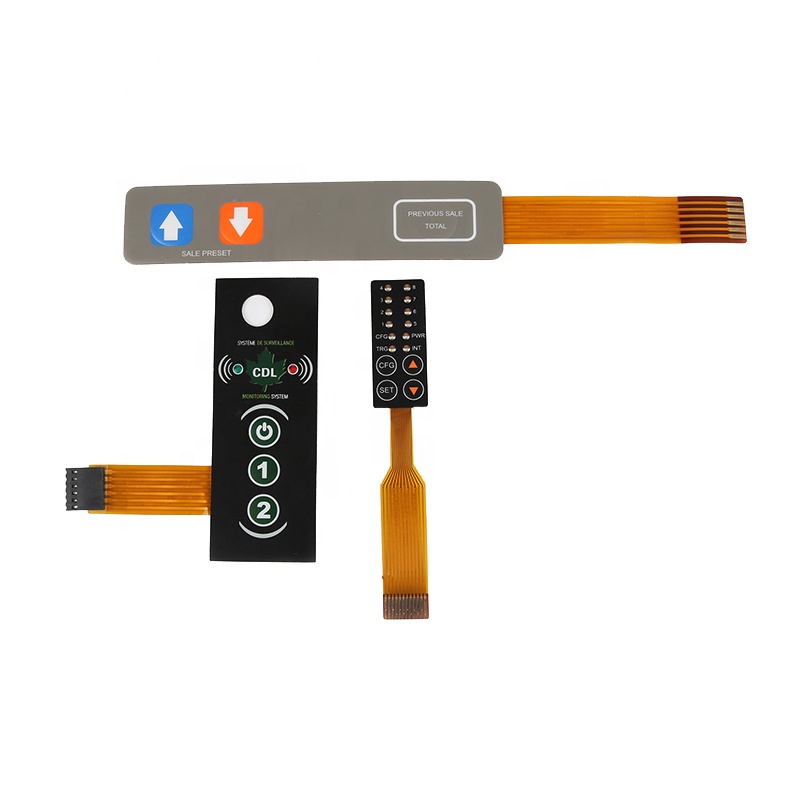
High-Performance OEM Membrane Key Switch with LED Backlight
High-brightness SMT LED integration, uniform status indicators, designed for industrial control consoles and automation hardware.
View Product
RoHS/REACH Compliant Night-Operation Backlit Membrane Keypad
Balanced surface diffusion for 24/7 dark-room operations, RoHS/REACH certified polymers, precision key actuation.
View Product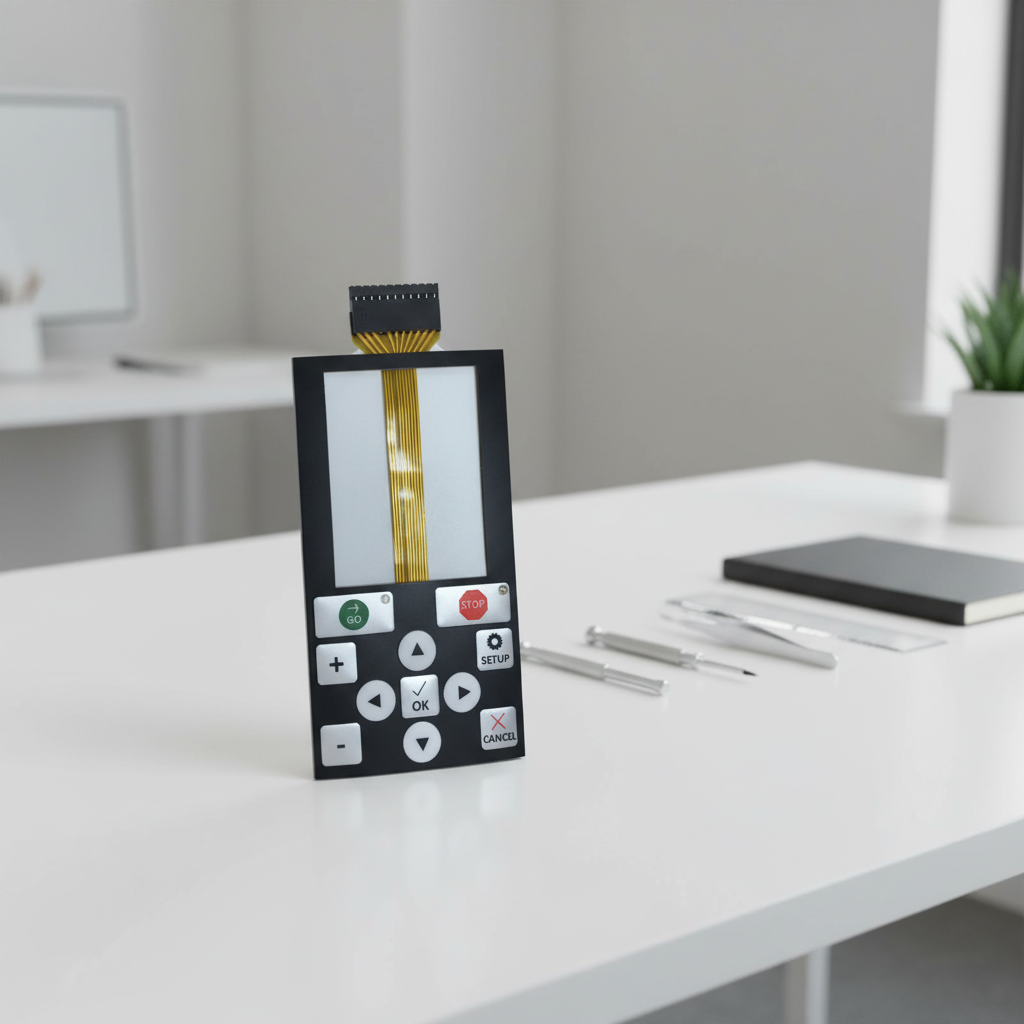
Waterproof Membrane Keyboard with 3M Subsurface Adhesive
Flat-profile sealed interface with industrial 3M 467/468MP adhesive backings resisting chemical splash and moisture ingress.
View Product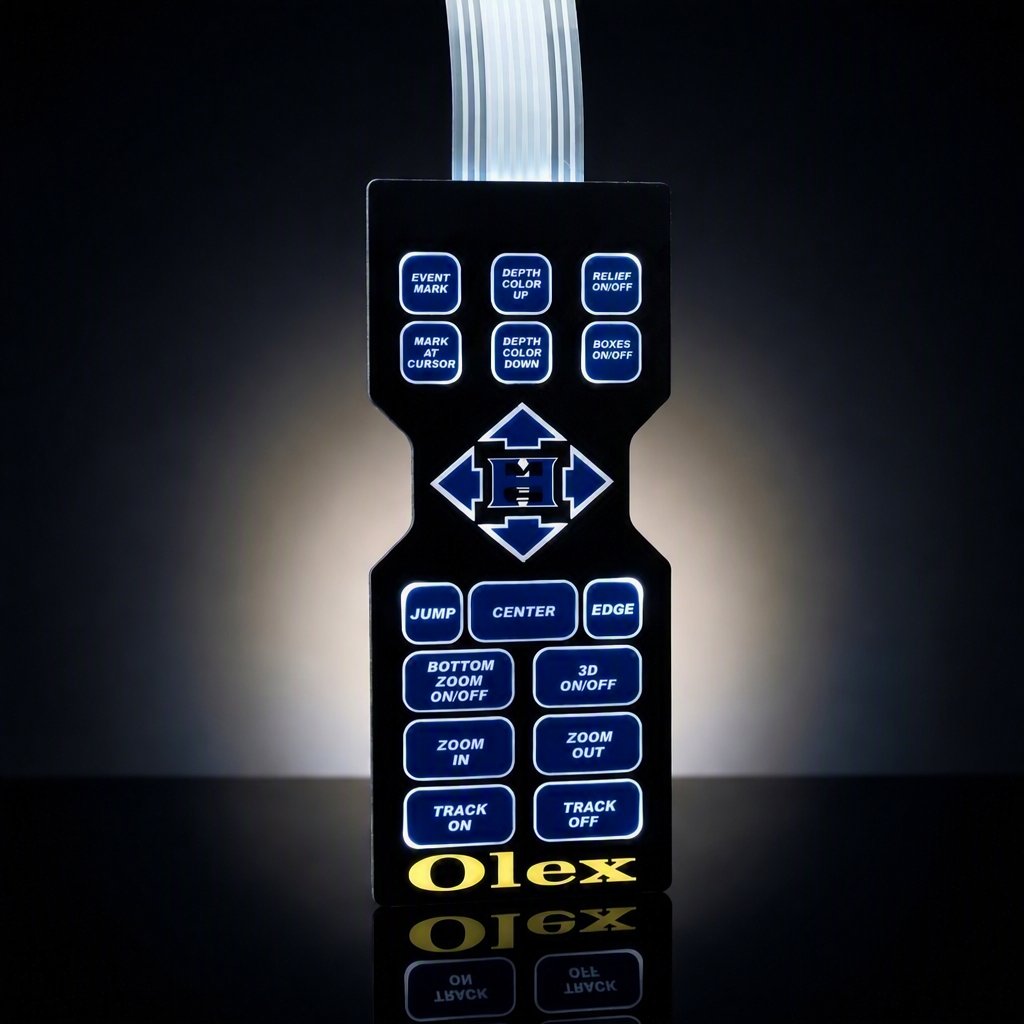
Uniform Backlight Simulation Light Guide Film (LGF) Switch
Ultra-thin Light Guide Film design, optical ray tracing verified for zero-hotspot edge-to-edge panel brightness.
View Product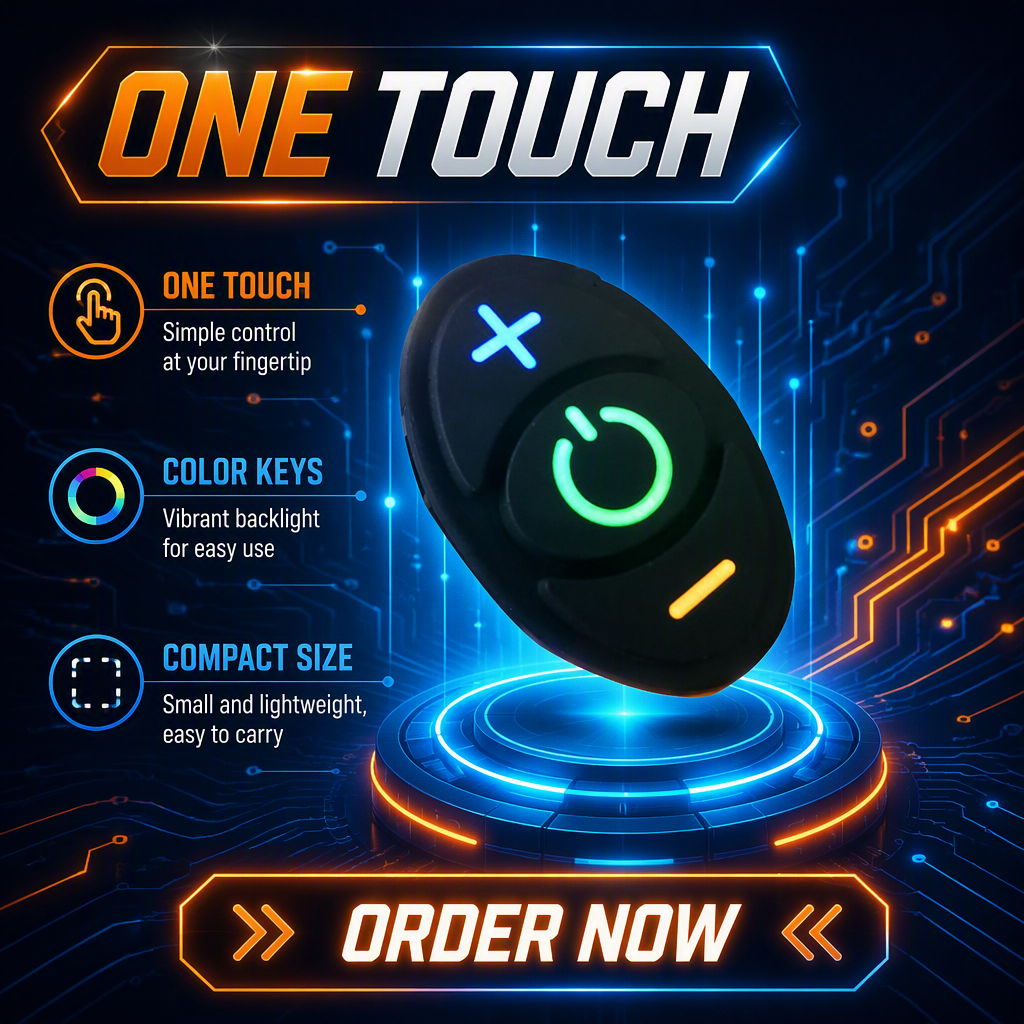
Multi-Zone Backlit Silicone Rubber Hybrid Membrane Switch
Independent circuit routing with compression-molded elastomeric keymats for tactile mechanical feedback and IP65 washdown resistance.
View Product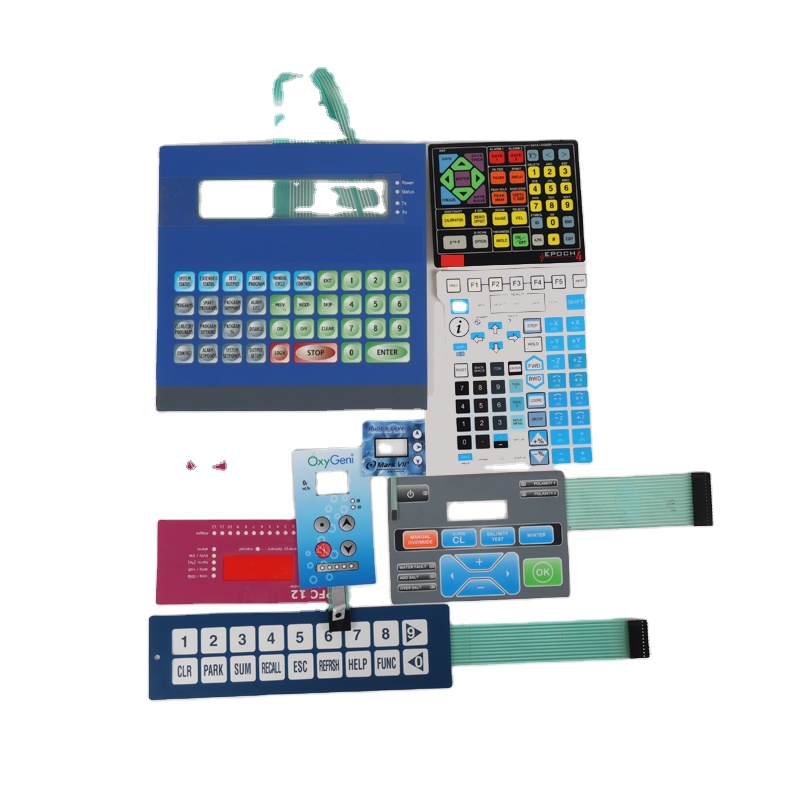
Tactile Metal Dome Industrial Push Button Switch
High-cycle stainless steel metal domes delivering crisp snap ratio, exceeding 1,000,000 operations under continuous industrial use.
View Product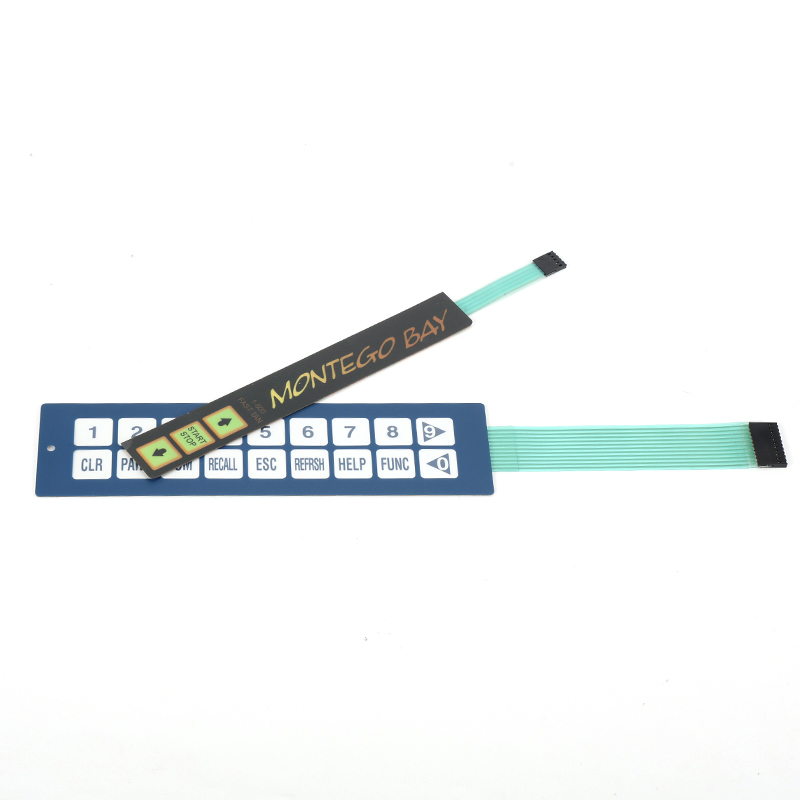
Extended-Life Durability Keypad for Heavy Equipment
Abrasion-resistant textured Autotex polyester graphic overlays engineered for UV endurance, solvents, and mechanical vibration.
View Product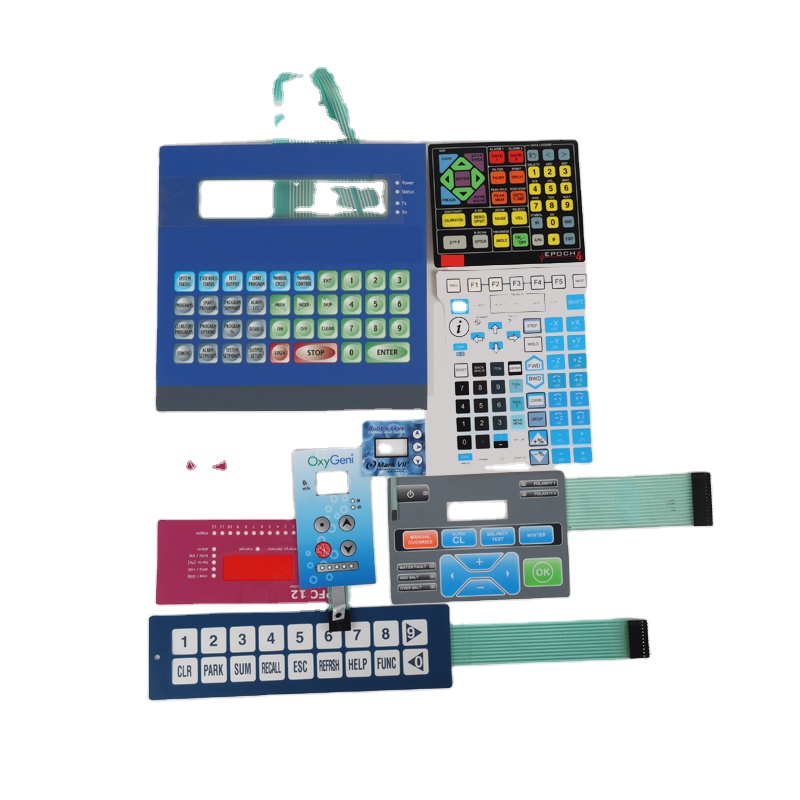
Medical-Grade Antimicrobial PET Control Faceplate
Sealed continuous surface compatible with hospital disinfectants, ISO 13485 alignment, 2.54mm pitch Amphenol/Berg connector tails.
View ProductIndustrial Control Panel Manufacturing in Austin: The Convergence of Semiconductor, CleanTech, and Factory Automation
The Greater Austin metropolitan region—anchored by the "Silicon Hills"—has transitioned from a pure research and software hub into one of North America’s most critical hardware manufacturing, semiconductor processing, and advanced robotics powerhouses. As multinational chip foundries, electric vehicle gigafactories, and clean energy storage innovators build out high-capacity infrastructure across Travis, Williamson, and Hays counties, the demand for certified, highly ruggedized industrial control panels and human-machine interface (HMI) enclosures has reached unprecedented volumes.
An industrial control panel serves as the central nervous system of any mission-critical production environment. In modern fabrication facilities and automated packaging plants, these panels synthesize power distribution, motor control, safety interlocks, and sensor-to-cloud telemetry. However, the operational reliability of these expensive electro-mechanical enclosures hinges directly on their front-end interface: the membrane switch, graphic overlay, or touch panel that operating personnel interact with billions of times per year.
Designing and manufacturing control panels for the Austin industrial corridor requires strict adherence to environmental durability matrices, electromagnetic compatibility (EMC), and specific regulatory mandates including UL 508A (Standard for Industrial Control Panels), NFPA 79 (Electrical Standard for Industrial Machinery), and NEMA 4X / IP66 ingress protection criteria. Whether deployed in cleanrooms demanding zero particulate emission or outdoor utility installations subject to scorching Central Texas solar radiation, interface components must perform with zero failure tolerance.
Localized Applications Across Central Texas Industry Sectors
Deploying specialized control interface systems customized for the operational stressors of Austin's key technological sub-sectors.
Semiconductor Fab Tooling
Installed on chemical mechanical planarization (CMP), photolithography track controls, and ultra-pure gas delivery racks. Features anti-static dissipative films, cleanroom-safe outgassing certifications, and flush chemical-resistant surfaces.
Electric Vehicle & Battery Gigafactories
Integrated across high-speed robotic cell enclosures, automated guided vehicle (AGV) dispatchers, and battery module thermal assembly jigs requiring resistance to high mechanical vibration, lubricants, and continuous operation.
Renewable Energy & Battery Storage
Custom panels deployed in utility-scale solar inverter skid installations and BESS (Battery Energy Storage System) cooling management enclosures across Central Texas, engineered for extreme UV exposure and -40°C to +85°C swings.
Medical Diagnostic Equipment
HMI interface modules for diagnostic imaging consoles, laboratory centrifuges, and patient-monitoring devices manufactured in Austin's biomedical hubs, featuring antimicrobial PET overlays and non-tactile capacitive touch integration.
Next-Generation Trends Reshaping Austin Control Panel Manufacturing
Technological transformations driving structural procurement shifts across Central Texas manufacturing engineering teams.
Convergence of Physical HMI & Edge Compute
OEMs in Austin are actively shifting away from bulky legacy operator panels toward sleek, hybrid enclosures. By pairing edge IoT processors with slim, IP67-rated graphic overlay membrane keypads, engineers maximize console space while retaining physical tactile feedback for emergency stops and critical commands.
Transition to Uniform LGF Backlighting
High-contrast, low-power backlighting has become a mandatory specification for night-shift manufacturing monitoring and dim-lit automation cells. Light Guide Film (LGF) and multi-zone LED routing are rapidly supplanting fragile incandescent indicators, reducing parasitic power draw while eliminating thermal hot spots within the panel cavity.
Near-Shoring Hybrid Supply Chains
Austin system integrators are actively de-risking lead times by pairing regional mechanical integration with verified tier-1 overseas switch and overlay fabrication. By partnering directly with experienced manufacturers like ZIRA that offer rapid DFM prototyping and full electrical batch testing, OEMs achieve competitive unit economics without sacrificing compliance.
Enterprise Strengths: Precision Engineering Backed by Third-Party Verification
Combining nearly three decades of interface fabrication mastery with comprehensive international testing credentials.
Intertek Onsite Verified
Our manufacturing facility, quality management protocols, and export capacities undergo rigorous onsite assessment by Intertek. Buyers in Austin gain verifiable assurance on ISO procedures, legal standing, and production capacity.
Rigorous In-House Testing
Every single membrane switch, PCB assembly, and flexible printed circuit (FPC) undergoes 100% electrical continuity checking, insulation resistance verification (>100MΩ at 100V DC), tactile curve testing, and visual QA prior to shipment.
Multi-Material Mastery
We engineer across diverse substrates: Autotex polyester, Makrofol polycarbonate, flexible polyimide FPC, rigid FR4/CEM-1 circuit boards, and compression-molded silicone rubber with carbon pill or gold-plated contacts.
Global Tier-1 Brand Trust
With a proven track record partnering with global power and automation corporations such as ABB and Emerson, we bring aerospace-grade precision and disciplined DFM (Design for Manufacturability) to every custom Austin project.
Frequently Asked Questions for Central Texas Purchasing & Engineering Teams
Practical technical answers to help system integrators and panel builders streamline quoting and prototype validation.
What engineering files are required to initiate a custom membrane switch quote?
To produce an exact engineering review and quotation, our R&D engineering team requires: (1) Vector graphic artwork in Adobe Illustrator (.AI), CorelDraw, or vector PDF format with Pantone/RAL color codes; (2) Mechanical dimensioned drawings (.DXF, .DWG, or Step files) indicating window cutouts, embossing profiles, and overall tolerance limits; (3) Schematic circuit diagram or pin-out definition with desired connector termination (e.g., standard 2.54mm pitch female housing, Nicomatic, or ZIF contacts); and (4) Adhesive layer specification (such as 3M 467MP, 468MP, or VHB for powder-coated enclosure mating).
How do ZIRA membrane switches comply with UL 508A control panel standards?
UL 508A establishes specific fire resistance, dielectric integrity, and environmental ingress requirements for industrial panels. We construct membrane interfaces utilizing UL94-VTM-2 or UL94-V0 rated polyester and polycarbonate substrates, UL-recognized adhesive systems (such as 3M 300LSE/468MP series), and flame-retardant circuit materials. When installed onto a properly gasketed NEMA 4, 4X, or 12 enclosure faceplate, our complete perimeter seals safeguard the panel from liquid permeation, dust accumulation, and chemical degradations.
What is the typical turnaround time for prototypes vs. full production runs?
For custom engineering prototypes, initial DFM feedback and layer stack-up approval take 24–48 hours. Upon tool cutting and screen exposure, working functional prototypes are typically dispatched within 7–12 business days. Following engineering sign-off, standard batch production runs (100 to 10,000 units) require 15–20 business days, with express air cargo options directly into Austin-Bergstrom International Airport (AUS) or local freight forwarders under DDP, FOB, or CIF terms.
Should our Austin project specify metal domes, poly domes, or capacitive touch interfaces?
The choice depends entirely on duty cycle and operator tactile requirements. Stainless steel metal domes deliver the most tactile, audible "snap" feedback (actuation force 250g–450g), boasting an endurance exceeding 1,000,000 cycles across extreme temperatures. Poly domes (formed directly into the polyester overlay) are cost-effective with a gentler stroke. Capacitive touch (ITO film) features no mechanical wear parts whatsoever, presenting a totally flat, frictionless, and easily sanitized aesthetic ideal for medical cleanrooms, though it lacks physical feedback unless paired with an audible buzzer or haptic vibration motor.
How does your factory ensure uniform backlighting across large control consoles?
To eliminate hotspots and shadow bands common in substandard panels, we utilize advanced Light Guide Film (LGF) optics paired with computerized micro-dot etching. Side-firing ultra-thin SMD LEDs inject light horizontally across an optical-grade polycarbonate or silicone layer, where mathematically calibrated dot matrices refract illumination vertically through graphic windows. We offer free backlight simulation and light-guide prototyping to guarantee identical luminous intensity across every key.
Accelerate Your Industrial Panel Manufacturing Project
Connect directly with our senior application engineers. Receive full DFM feedback, stack-up simulations, material recommendations, and a comprehensive quote within 24 hours.
Get a Quote