Precision Front Panels & Membrane Interface Assemblies
Direct from our Intertek-verified production facility. Seamlessly integrating CNC-machined acrylic overlays with high-reliability tactile and capacitive switching circuits for industrial, marine, and commercial electronics.
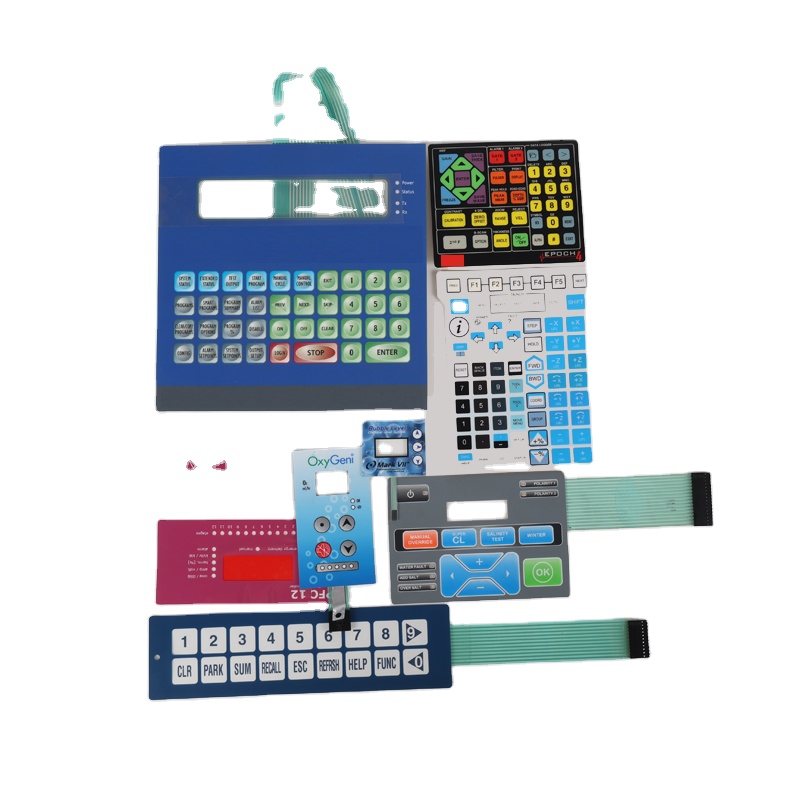
Waterproof Flexible Circuit Membrane Switch for Medical Equipment
Antimicrobial surface treatment with flex-circuit silver ink routing. Built for sterile wipe-down resistance in clinical and laboratory environments.
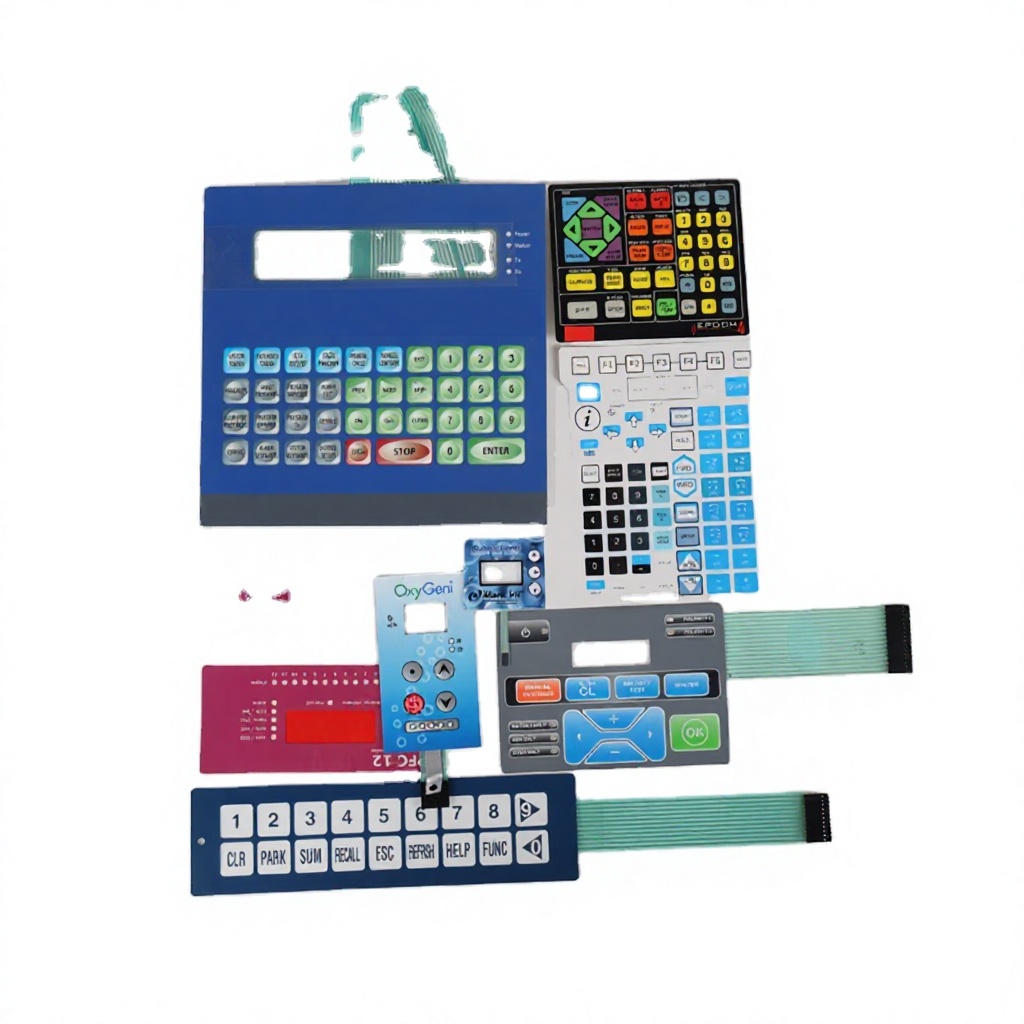
RoHS REACH Compliant UL94V0 IP67 Tactile Membrane Keyboard
Hermetically edge-sealed tactile keyboard with flame-retardant substrates, exceeding harsh industrial compliance standards across the EU.
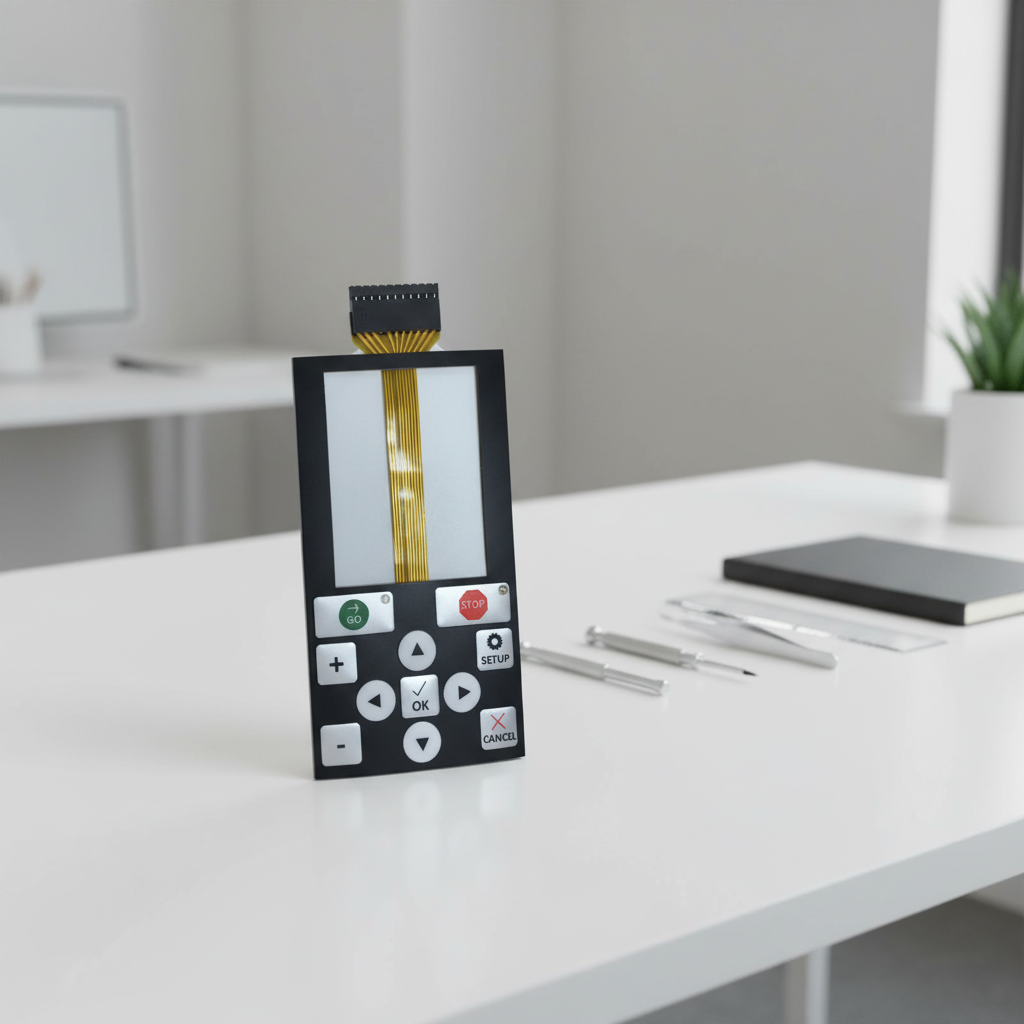
Waterproof Membrane Keyboard with Integrated LEDs & 3M Adhesive
Ultra-flat low-profile architecture with high-luminosity SMT micro-LED status indicators and high-shear 3M 467MP adhesive backing.
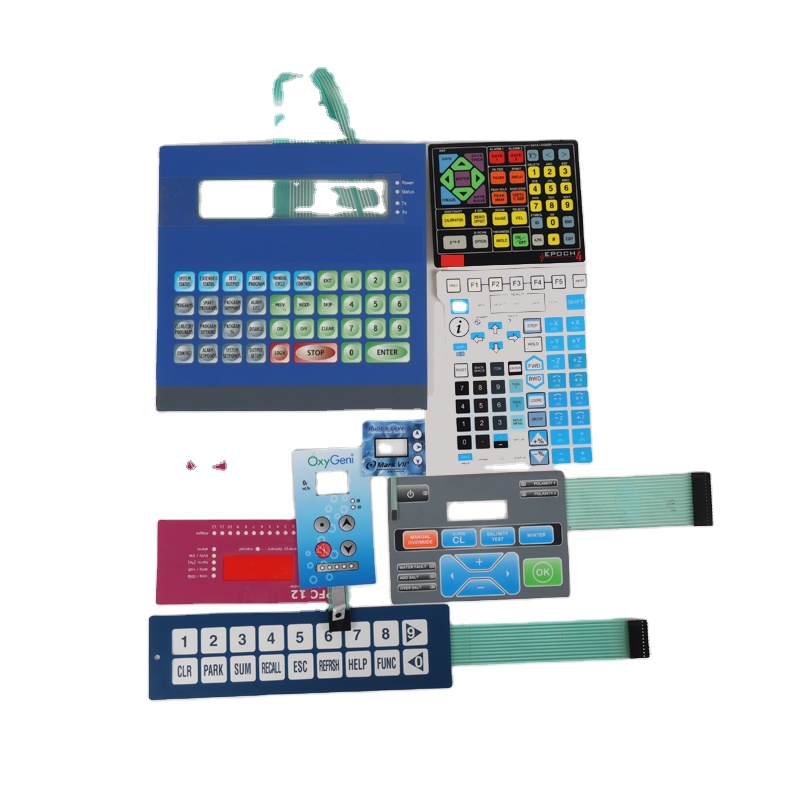
Waterproof Metal Dome Tactile Membrane Push Button Switch
Stainless steel snap domes delivering crisp mechanical tactile feedback rated for over 1,000,000 cycles under heavy outdoor usage.
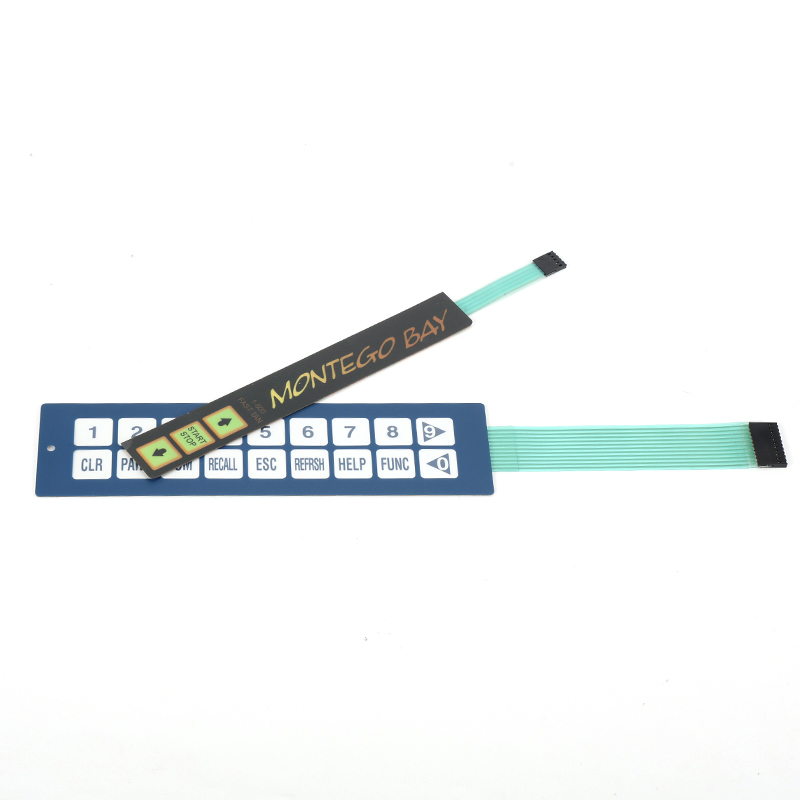
High Durability Membrane Keypad for Electronic Appliances
Hard-coat front surface resisting scratches, cosmetic cleaning alcohol, and prolonged UV degradation in continuous duty cycles.
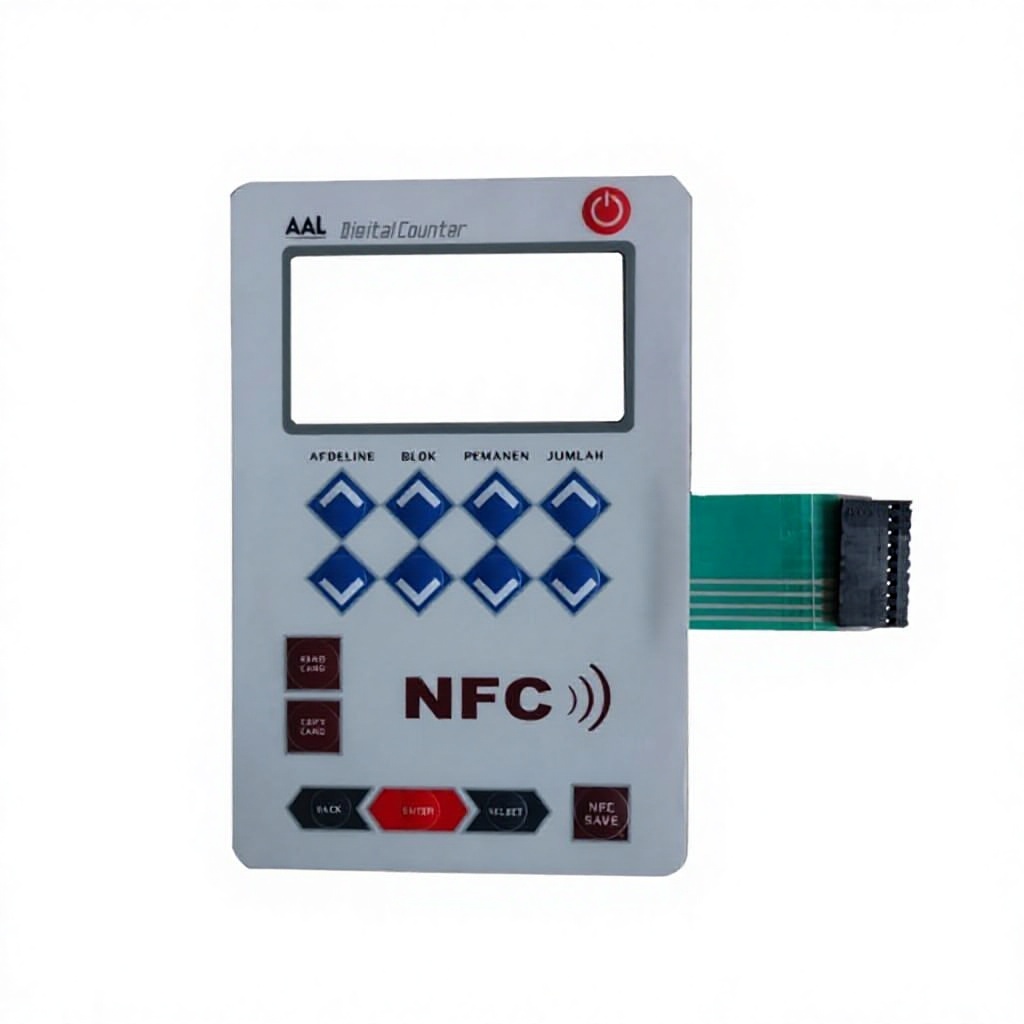
Custom Dome Membrane Switch Instrumentation Keypad
Custom actuation force options (250g to 450g) with polyester or metal domes engineered for laboratory test and field measurement tools.
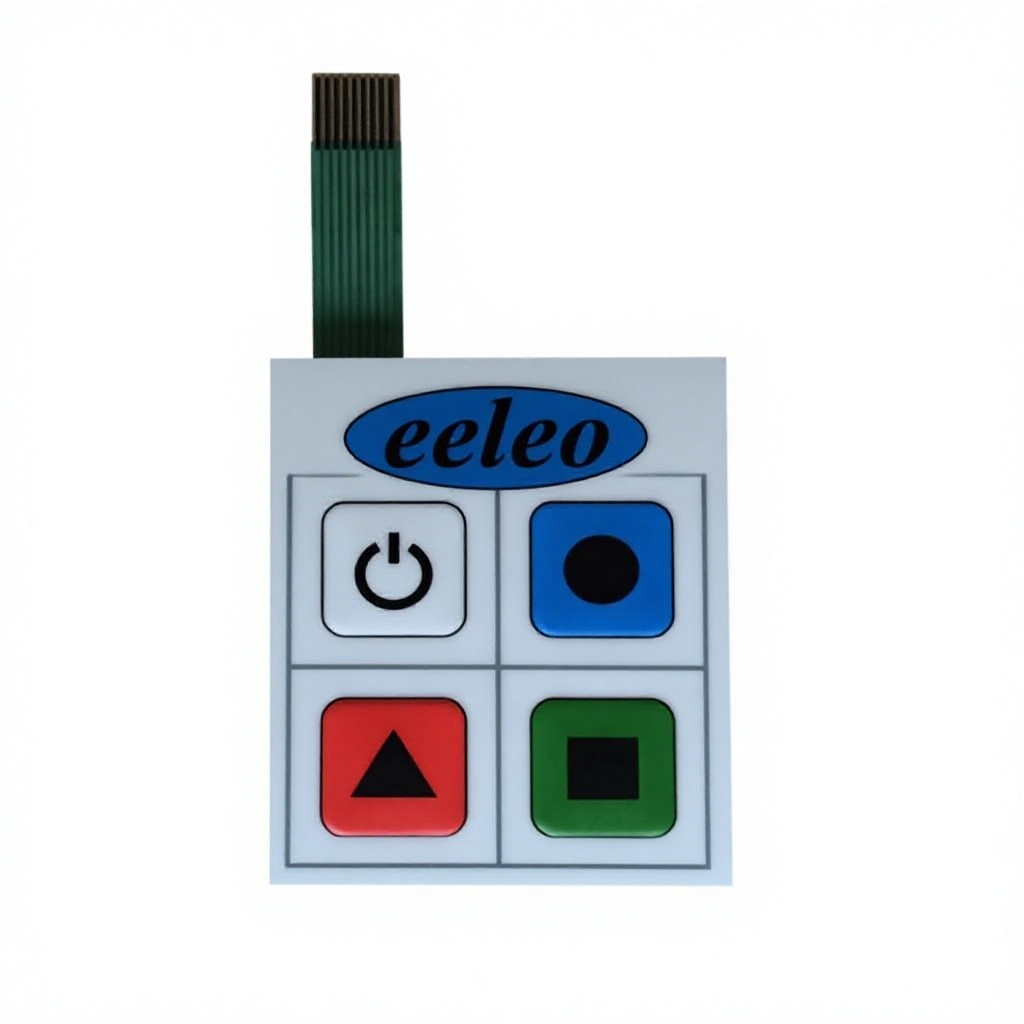
Home Appliance Control Panel Custom Graphic Overlay
Precision sub-surface digital and screen printing preserving vibrant PMS colors, transparent display windows, and dead-front status icons.
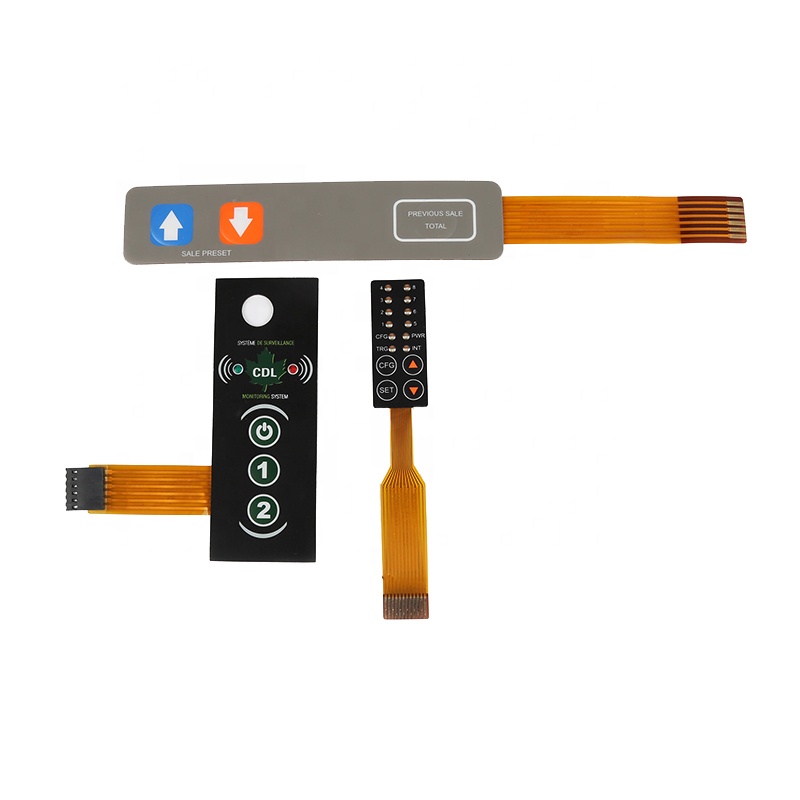
Waterproof Capacitive Touch Switch with Custom Texture
Advanced solid-state ITO sensing designed to project through thick acrylic faceplates. Completely immune to liquid pooling and dirt buildup.
Engineering Acrylic (PMMA) Fascias for Mediterranean Environments
Understanding the molecular, thermal, and optical dynamics of polymethyl methacrylate when deployed in high-salinity, high-UV maritime microclimates such as Paphos, Cyprus.
Structural Advantages of Optical-Grade PMMA Over Conventional Polymers
Polymethyl Methacrylate (PMMA), widely specified in high-tier front panel applications, provides an unparalleled balance of luminous transmittance (up to 92.5%), crystal-clear optical clarity, and rigid mechanical stabilization. For design engineers and procurement directors sourcing human-machine interfaces (HMIs) for deployment in Paphos, standard polycarbonate (PC) and polyester (PET) overlays occasionally encounter severe environmental bottlenecks. Under intense Mediterranean irradiance, unfiltered polycarbonate can experience photo-oxidation, manifesting as yellowing, embrittlement, and surface micro-crazing.
By leveraging specialized UV-stabilized cast and extruded acrylic formulations, our manufacturing facility engineers front panels that retain optical Delta E (<1.0) color stability over a 5-to-10-year service life. PMMA exhibits intrinsic resistance to solar ultraviolet radiation across UV-A and UV-B spectra. Furthermore, when combined with precision sub-surface (second-surface) screen printing and optical-grade clear adhesive bonding, the graphic pigment layers are fully shielded from mechanical abrasives, saline ambient air, and corrosive coastal cleaning formulations commonly used in Paphos’s luxury resorts and marine facilities.
Precision CNC Fabrication, Beveling, and Dead-Front Illumination
The manufacturing process for our acrylic front panels combines high-speed multi-axis CNC routing with diamond edge polishing and cleanroom digital silkscreen layering. Utilizing state-of-the-art optical lasers and water-cooled milling tools, we maintain critical tolerances down to ±0.05mm. This degree of dimensional precision is mandatory for bezels designed to house embedded capacitive touch sensors, capacitive slider wheels, and integrated liquid crystal or OLED display modules.
One of the foremost design trends emerging in European coastal installations is dead-front illumination. In this configuration, control icons, diagnostic annunciators, and alphanumeric legends remain completely invisible when unpowered, presenting an uninterrupted, mirror-finish piano black or frosted satin facade. Once backlit via precision SMT micro-LEDs routed on underlying flexible printed circuits (FPC) or rigid FR-4 substrates, light penetrates through engineered optical ink transmissive windows with zero lateral bleeding, delivering an ultra-modern user experience.
Optical Bonding & Anti-Glare
Direct liquid optically clear adhesive (LOCA) or dry OCA lamination between the acrylic front panel and LCD/OLED screens eliminates internal air gaps, minimizing solar reflections under bright sunlight.
Hard-Coat Abrasion Barrier
Application of specialized polysiloxane or acrylic-based UV-cured hard coatings enhances mechanical surface hardness from standard 2H up to 6H, shielding interfaces against sand scratches and airborne debris.
Capacitive Sensor Projection
Tuned sensor matrix algorithms allow solid-state touch fields to project reliably through PMMA thicknesses of 1.5mm to 6.0mm, completely operating through wet, condensed, or gloved hand conditions.
Acrylic HMI Applications in Paphos & the South Coast
How specialized acrylic front panels and sealed membrane interfaces solve demanding environmental and aesthetic challenges across key commercial sectors in Western Cyprus.
Smart Luxury Hospitality
Paphos's premier resorts, boutique villas, and hotels require aesthetic smart-room automation panels. Our acrylic fascias provide luxurious glass-like tactile touchscreens for HVAC thermostats, lighting mood selectors, and electronic do-not-disturb interfaces.
Marine & Port Electronics
Yachting electronics, marina power pedestals, and marine monitoring systems across Paphos Harbor and nearby coastal marinas require salt-spray resistance (ASTM B117 compliance) and absolute IP67 hermetic barrier protection against driving seawater.
Solar PV & Energy Storage
Cyprus's rapid transition toward renewable energy has driven a boom in solar inverter installations. Our acrylic overlays deliver robust thermal stability (-20°C to +85°C) and UV50+ weathering resistance on outdoor energy management cabinets.
Water Utilities & Agri-Tech
Seawater desalination plants and smart agricultural irrigation networks across the Paphos district utilize our sealed control panels to shield sensitive electronics from high atmospheric salinity, humidity, and constant pressurized chemical washings.
Technical Comparison: Panel Materials for Mediterranean Climates
Selecting the optimal front panel substrate requires evaluating mechanical stiffness, optical clarity, chemical resistance, and weathering characteristics against real Mediterranean field environments:
| Engineering Property | Optical PMMA (Acrylic) | Standard Polycarbonate (PC) | Biaxially Oriented PET |
|---|---|---|---|
| Luminous Transmittance | 92.0% – 93.0% (Superior) | 86.0% – 89.0% | 88.0% – 90.0% |
| Surface Hardness | 4H – 6H (Hard-Coated) | HB – 1H (Prone to marring) | 2H – 3H |
| UV Resistance (Paphos Solar Index) | Outstanding (Inherent UV Stability) | Moderate (Yellows without inhibitor) | High (Outdoor grades only) |
| Dead-Front Display Contrast | Exceptional Deep Black Contrast | Standard Grey Tint Drift | Good (Thin films only) |
| Impact Resistance (Izod) | Moderate (High with modified PMMA) | Extremely High | High Tensile Strength |
| Structural Rigidity (>2.0mm) | Rigid Structural Faceplate | Flexible / Semi-Rigid | Thin Flexible Overlay Only |
World-Class Manufacturing & Global Export Credibility
Behind every acrylic front panel and membrane keypad is over 29 years of precision engineering, Intertek onsite verification, and an audited supplier track record serving Tier-1 global industrial brands.
Direct Factory Control: From Raw Substrates to 100% Electrically Tested Units
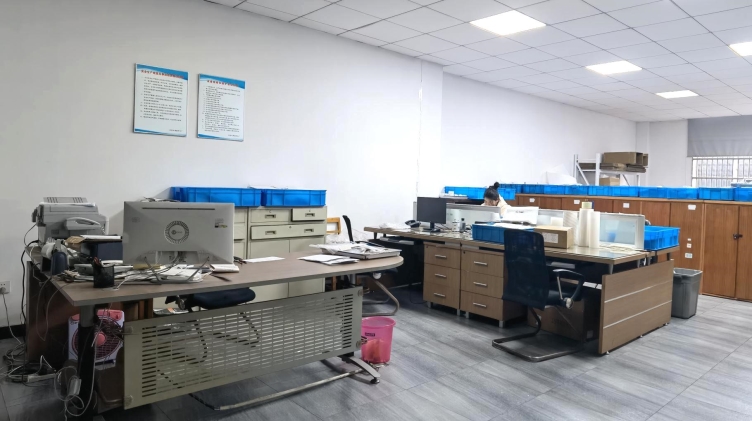
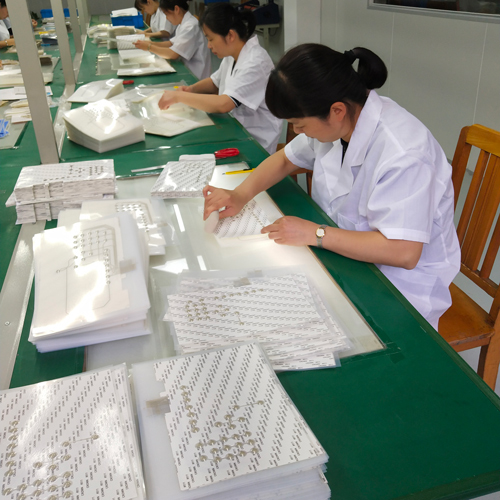
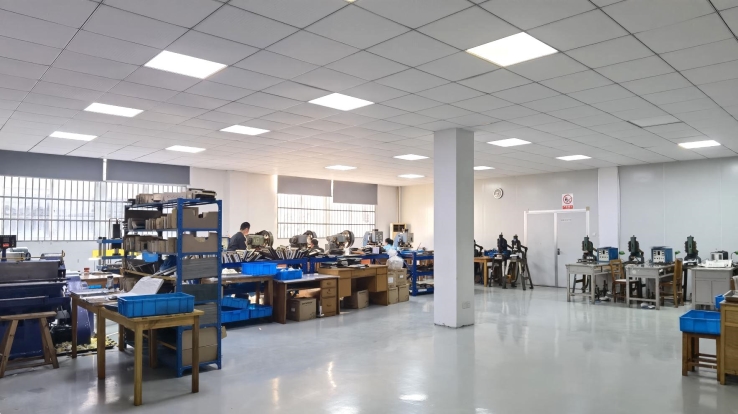
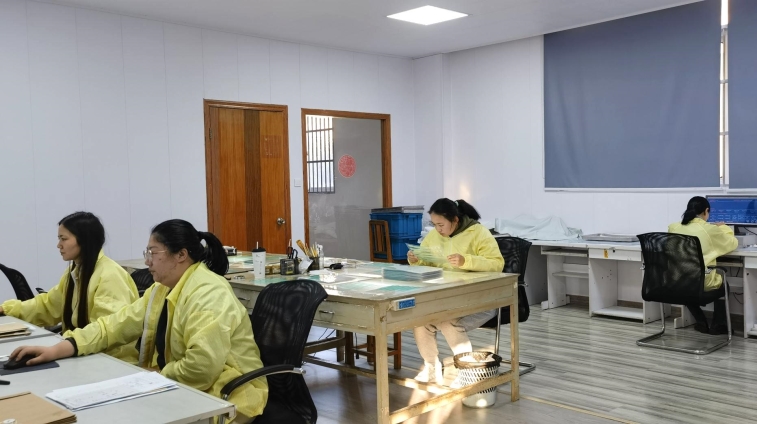
Founded in 1996 in Ningbo, Zhejiang, Zhejiang ZIRA Membrane Switch Co., Ltd. operates a high-precision manufacturing facility spanning over 5,000 m² of specialized cleanrooms, CNC routing bays, screen printing lines, and automated lamination suites. As an Intertek onsite-verified manufacturer, our facility adheres stringently to ISO 9001:2015 quality management procedures, maintaining multi-decade supply relationships with global powerhouses including ABB and Emerson.
Every acrylic front panel and integrated circuit assembly manufactured for our European and Cypriot partners undergoes rigorous stage-gate verification: incoming spectral material audits, precision CCD-registered silkscreen printing, climate-controlled curing ovens, terminal pull-force analysis, and 100% automated electrical testing for contact resistance and dielectric insulation breakdown (>100MΩ at 100V DC).
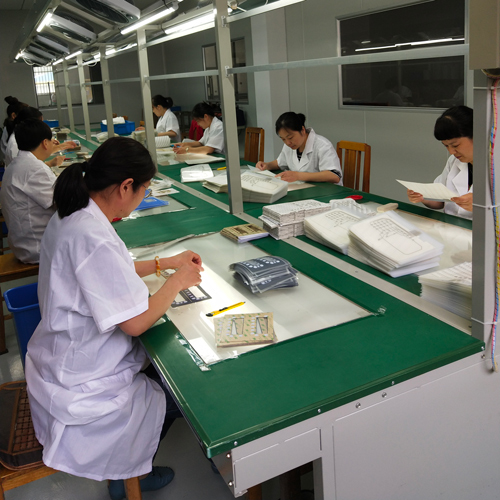
Production Cleanrooms & Quality Control Systems
Emerging Design & Technology Trends in Paphos HMI Systems
Discover the next generation of industrial interface technologies transforming maritime telemetry, villa automation, and European clean-tech hardware.
Hidden-Until-Lit Dead-Front Paneling
Architectural installations throughout Paphos increasingly demand monolithic aesthetics. Using ultra-fine multi-pass semi-transmissive inks, status graphics remain fully blacked-out until triggered by proximity sensors or system alerts, eliminating user visual clutter.
Integrated Capacitive Slider & Rotary Bezels
Moving beyond basic tactile push-buttons, custom acrylic panels now incorporate contoured circular or linear guide recesses milled directly into the PMMA substrate, facilitating continuous dimming, volume control, and frequency tuning with no moving seals.
Oleophobic & Hydrophobic Surface Treatments
High relative humidity and coastal salt-water mists cause droplet beading that can degrade optical clarity. Nanoscale hydrophobic fluoropolymer top-coatings facilitate natural water run-off and resist unsightly human fingerprint oils in high-traffic public kiosks.
Frequently Asked Questions for Paphos Buyers & Engineers
Clear, direct answers regarding design files, minimum order quantities, compliance certifications, and freight handling into Cyprus ports and airports.
What engineering CAD/CAM files are required to initiate an acrylic front panel quote?
How do your acrylic panels withstand Paphos’s extreme summer UV indices?
What is your Minimum Order Quantity (MOQ) for custom-engineered prototypes and production runs?
What shipping methods, Incoterms, and transit times apply to deliveries to Cyprus?
Are your acrylic panels and membrane components compliant with European Union directives?
Can capacitive touch sensors function reliably through thick acrylic fascias?
Ready to Engineer Your Custom Acrylic Front Panel?
Connect directly with our senior HMI engineering team in Ningbo. Upload your CAD drawings, review material samples, or request a complete DFM proposal tailored to your Paphos application within 24 hours.
