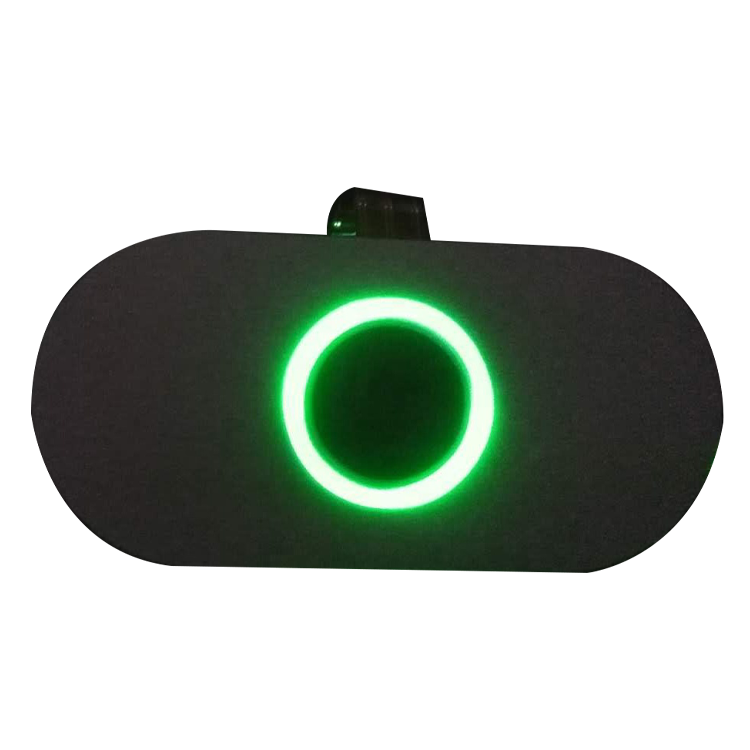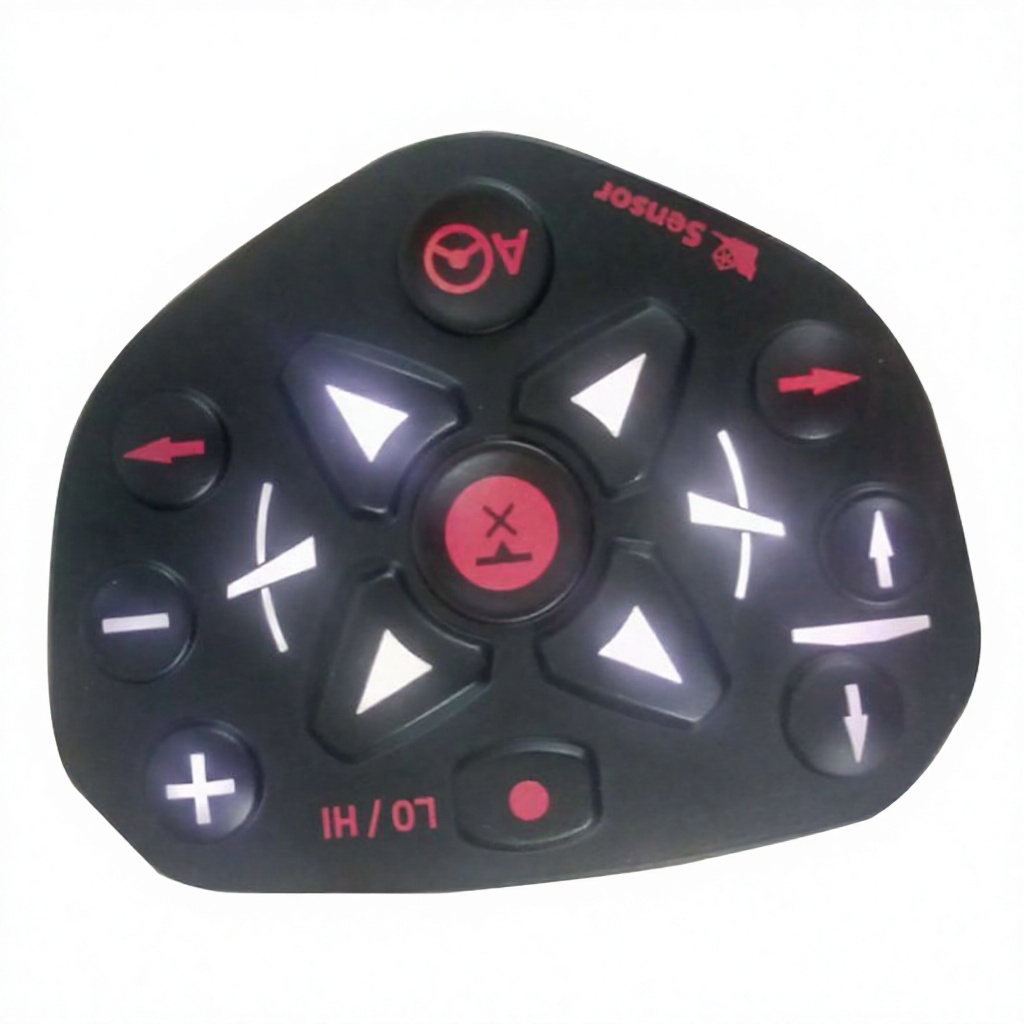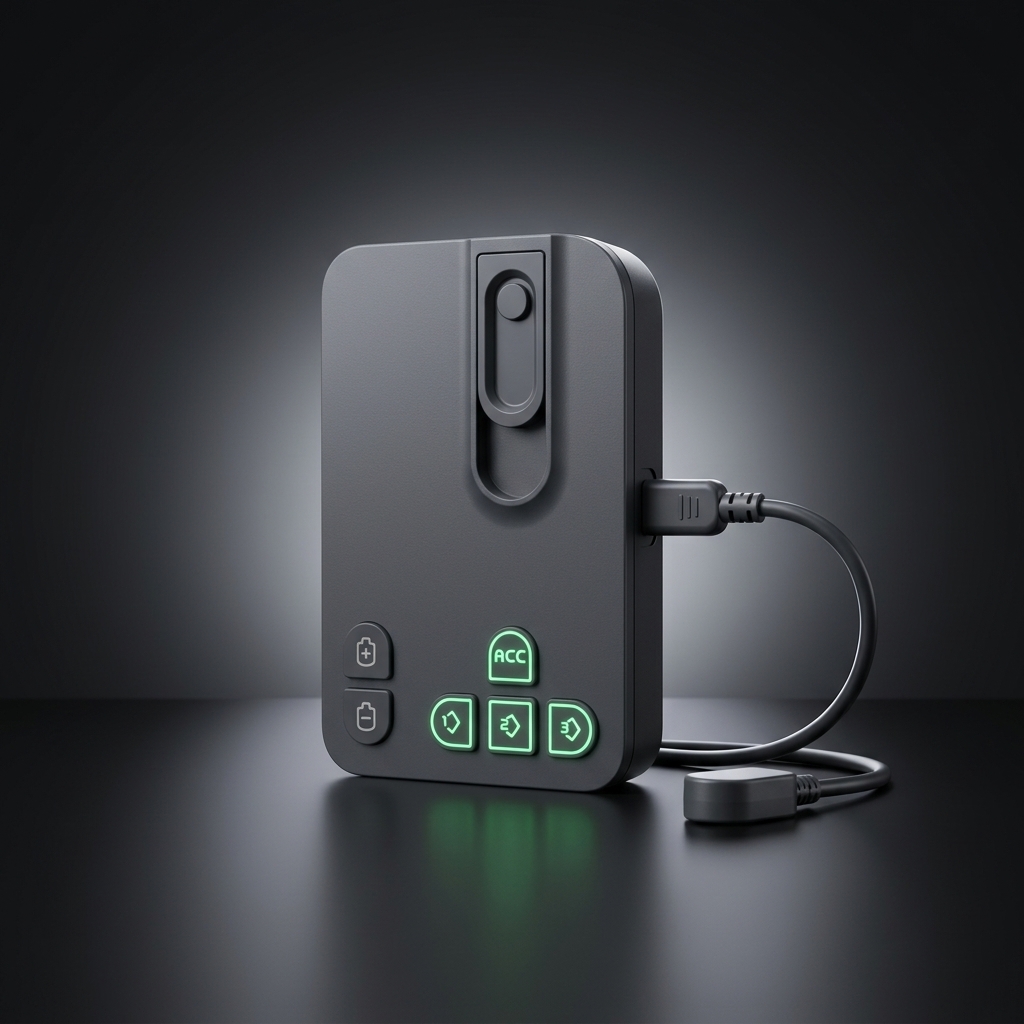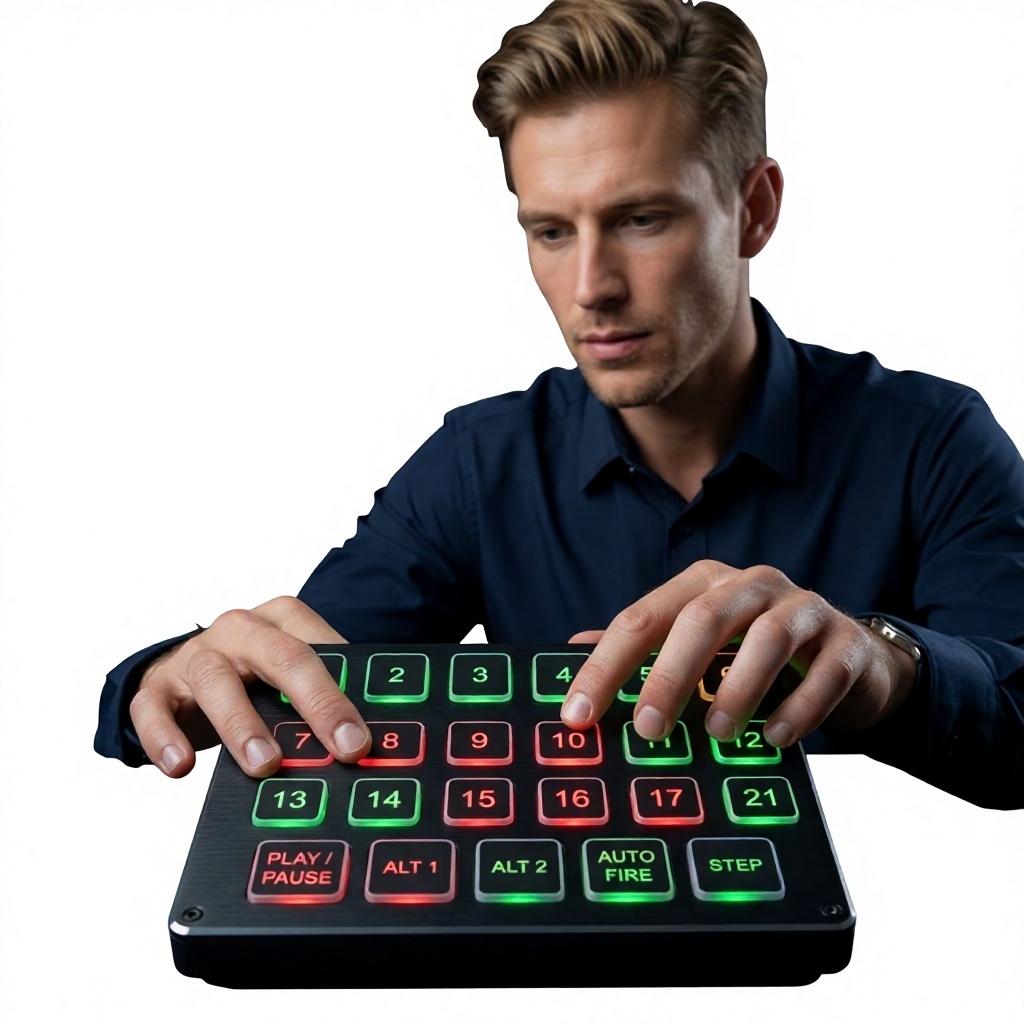
Engineered to withstand rigorous duty cycles across medical diagnostic suites, automotive test cells, satellite communications ground systems, and Luxembourg industrial automation environments.
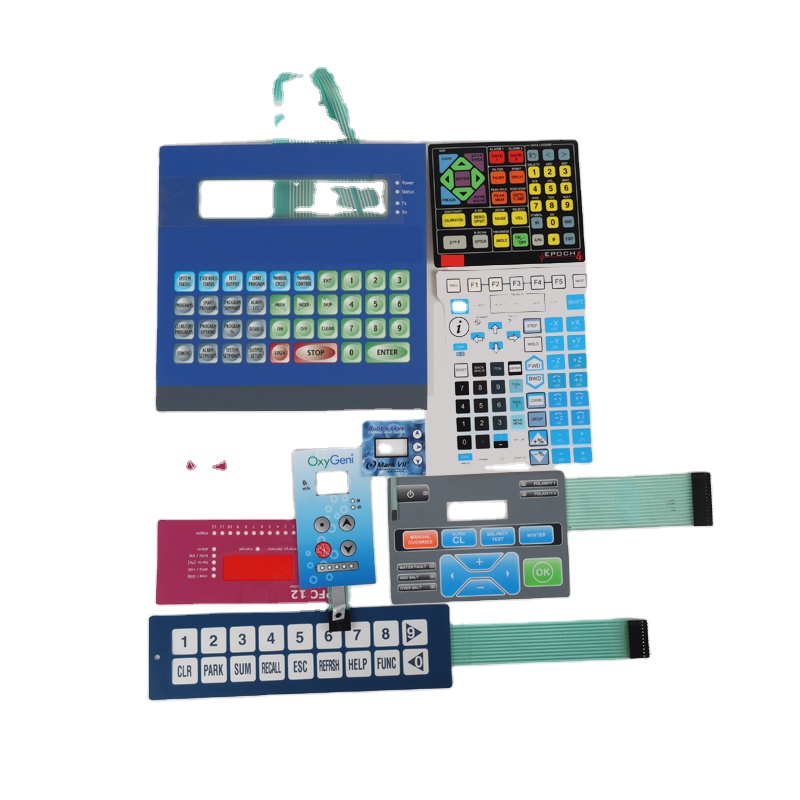
For procurement directors, hardware R&D managers, and systems architects across Luxembourg’s specialized industrial ecosystem—ranging from Esch-sur-Alzette’s robotic automation integrators to Betzdorf’s satellite telecommunications clusters—the choice of human-machine interface (HMI) is a critical determinant of product lifecycle reliability. Silicone rubber keypads represent a unique convergence of mechanical resilience, chemical impermeability, tactile customization, and ergonomic longevity.
Industrial-grade silicone elastomers are synthesized from cross-linked polydimethylsiloxane (PDMS) chains. By modulating polymer molecular weight, fumed silica filler loading, and organic cross-linking peroxides or platinum catalyst complexes, our chemical engineering team achieves specific durometer ratings between 30 Shore A and 80 Shore A.
For Luxembourg applications exposed to extreme temperature variations (such as outdoor satcom stations or automotive sensor interfaces), medical-grade LSR (Liquid Silicone Rubber) and high-consistency rubber (HCR) offer an operating thermal envelope from -40°C to +200°C without plasticizer embrittlement or compression set degradation.
The tactile feedback of an elastomeric switch is governed by its elastic webbing geometry—specifically the wall angle, thickness, and radius of the actuating skirt. When an operator exerts normal force on the keytop, stress accumulates elastically until reaching the critical collapse threshold (Peak Force, F1). The membrane then buckles rapidly into the bottoming state (Contact Force, F2).
The tactile snap ratio, defined by the formula Snap Ratio = (F1 - F2) / F1 × 100%, is customized based on operational ergonomics:
Conductive contacts beneath the keymat are tailored to your electrical specifications: Low-resistance conductive carbon pills (<100 Ω contact resistance) molded permanently into the silicone provide cost-effective switching for standard logic levels. For high-speed or analog signaling, gold-plated brass contact pills (<10 Ω) or direct integration with nickel/gold-plated stainless steel metal domes mounted onto FR-4 PCBs or flexible polyimide circuits guarantee millisecond debounce times and crisp mechanical clicks.
Luxembourg represents one of Europe's most concentrated centers for high-value engineering, specialized medical technologies, automated logistics, and aerospace innovation.
Luxembourg's biomedical research ecosystem requires interfaces that resist hospital-grade glutaraldehyde, quaternary ammonium, and bleach cleaning agents. Our silicone overlays feature continuous anti-microbial biocide coatings with seamless IP68 hermetic perimeter seals, compliant with EU MDR 2017/745.
Centered around the Luxembourg Automotive Campus in Bissen and Goodyear's Innovation Center in Colmar-Berg, tier-1 suppliers demand laser-etched silicone interfaces with selective night backlighting, abrasion-resistant polyurethane topcoats, and extended vibration endurance under ISO 16750 standards.
Anchored by the Luxembourg Space Agency (LSA) and world-leading satellite telecommunications operators in Betzdorf, critical satcom ground terminals demand low-outgassing silicone keypads conforming to ASTM E595 with radiation tolerance and vacuum-stable conductive pill interconnects.
At multi-modal logistics centers in Bettembourg-Dudelange and precision robotics plants across Wiltz and Contern, teach pendants and automated storage and retrieval systems (ASRS) require high-impact drop-rated silicone boots with tactile emergency-stop keys and oil-impermeable coatings.
Selecting the optimal front-panel interface architecture requires balancing mechanical feedback, environmental ruggedness, unit tooling investment, and ingress protection.
| Evaluation Parameter | Custom Silicone Rubber Keypad | PET/PC Membrane Switch | Capacitive Touch (ITO / Glass) |
|---|---|---|---|
| Tactile Travel & Ergonomics | Deep Stroke (0.8 - 2.5 mm) High cushioned travel, customized snap ratio | Shallow (0.2 - 0.5 mm) Crisp metal dome snap feedback | Zero Travel (0.0 mm) Requires supplemental haptic/buzzer feedback |
| Ingress Protection (Water/Dust) | IP67 / IP68 with molded perimeter seal wrap & bezel compression | IP65 / IP67 via perimeter adhesive ring lamination | IP68 / IP69K continuous non-porous glass faceplate |
| Chemical & Disinfectant Resistance | Resistant to IPA, dilute acids, ozone, UV radiation, and high-temp steam | High resistance with Autotex PET film; vulnerable if edges peel | Virtually impervious glass front; susceptible to seal degradation |
| Operational Cycle Life | >5,000,000 actuations per silicone switch position | >1,000,000 actuations (limited by metal dome fatigue) | Virtually unlimited electrical actuations (sensor wear negligible) |
| Initial Tooling Investment | Moderate (Steel/Aluminum compression mold: $800 - $2,500) | Low to Moderate (Die-cut tooling, screens, embossing dies: $300 - $1,200) | High (Optical bonding, sensor mask, controller firmware tuning) |
| Operating Temperature Limits | -40°C to +180°C (Extreme continuous thermal envelope) | -20°C to +70°C (Limited by polyester trace stability) | -20°C to +70°C (Controller ICs & LCD limits) |
| Best Match Industry | Rugged Handhelds, Automotive, Medical Devices, Defense/Satcom | Industrial Control Panels, Lab Analytical Instruments, Appliances | Smart Home, Premium Medical Consoles, Vending Interfaces |
*Note: Data derived from ZIRA standard testing protocols under ASTM F1578, ASTM F1597, and IEC 60529 standards. Custom formulations (e.g., fluoro-silicone for aviation hydrocarbon resistance) available upon request.
Navigating the stringent legislative and technological evolutions governing hardware imports into the European Union and the Benelux region.
Luxembourgish customs and European notified bodies demand rigorous chemical compliance certificates for imported electronics. At ZIRA, all silicone polymers, pigments, conductive carbon compounds, and 3M transfer adhesives undergo complete spectrometry audits to guarantee zero content of phthalates (DEHP, BBP, DBP, DIBP), lead, mercury, hexavalent chromium, and Polybrominated Diphenyl Ethers. Full Full Material Declarations (FMD) are delivered with every production batch.
Traditional bulky LED arrays suffer from hot spots and excessive power draw. In Luxembourg's emerging battery-powered IoT and field-diagnostic devices, hardware engineers are pivoting toward 0.125 mm optical-grade polycarbonate Light Guide Films (LGF). By etching micro-dots onto the LGF, side-firing LEDs disperse uniform, glare-free light across complex laser-etched silicone legends with sub-milliamp power consumption.
Aligning with the European Green Deal and Luxembourg's circular economy strategy, modern HMIs must eliminate toxic halogens. Our engineering laboratory utilizes UL 94V-0 rated flame retardant silicone synthesized with inorganic hydrated alumina formulations instead of brominated additives, facilitating end-of-life disassembly and meeting the stringent criteria of the WEEE Directive.
Rather than sourcing separate components, Luxembourg procurement teams increasingly specify complete turn-key front panel sub-assemblies. We combine three-dimensional silicone keymats directly with internal metal dome arrays, SMT LEDs, capacitive proximity sensors, and rigid FR-4 backer boards or flexible printed circuits (FPC), delivering plug-and-play modules that reduce factory line assembly time by up to 60%.
Clear, direct answers regarding customs, DDP logistics, tooling amortization, compliance documentation, and rapid prototyping workflows.
We routinely support DDP (Delivered Duty Paid) Luxembourg, FOB Ningbo/Shanghai, CIF Antwerp/Rotterdam, and DAP Luxembourg. For urgent prototyping and pilot batches, we utilize air express (DHL, FedEx, UPS) with guaranteed transit times of 3 to 5 business days direct to your receiving dock in Luxembourg City, Esch-sur-Alzette, or Dudelange. For production runs, consolidated sea/air freight via Rotterdam or Luxembourg Findel Cargo Center provides optimized freight cost per unit.
Tooling for silicone keypads consists of a precision CNC-machined steel or aluminum compression mold. Tooling costs typically range between $800 and $2,200 USD depending on cavity count, key undercut geometry, and laser etching requirements. 100% of custom tooling is exclusively owned by the customer. We maintain, store, and insure customer molds free of charge in our climate-controlled tooling library for the lifetime of your product run, with guaranteed replacement if wear thresholds are reached.
Yes. Every new production launch includes a comprehensive FAIR package adhering to ISO 9001 standards. This encompasses optical coordinate measuring machine (CMM) dimensional verification, force-displacement (F-s) curve graphs verifying peak actuation force and snap ratio, contact resistance logs, and formal certificates of conformity (CoC) covering EU RoHS 3 (Directive 2015/863), EU REACH (EC 1907/2006 Candidate List SVHC), and UL94 flame retardancy.
For 3D keypad geometry and actuation webs, we accept STEP (.stp) and IGES (.igs) files. For graphic overlays, laser-etched legends, and printing artwork, we require vector formats such as Adobe Illustrator (.ai), AutoCAD (.dwg, .dxf), or vector PDF with text converted to curves. Colors must be specified via standard Pantone Matching System (PMS) or RAL Classic color codes. If you only possess a conceptual sketch or physical sample, our R&D engineering group provides full reverse engineering and DFM generation within 48 hours.
Raw silicone has high surface friction and attracts airborne particulate. We offer four distinct industrial surface finishes: (1) Matte Polyurethane (PU) spray coating for silky tactile feel and 500,000-cycle Norman abrasion resistance; (2) Epoxy drip topcoat creating high-gloss, ultra-durable 3D domed keytops impervious to industrial solvents and petrochemicals; (3) UV-cured hardcoat designed for exterior exposure; and (4) Anti-microbial silicone additives tailored specifically for clinical medical front panels.
To support high-mix, low-volume European engineering projects and start-up R&D validations in Luxembourg, prototyping orders are accepted from just 1 piece. Standard production batches typically begin at 100 to 500 units, while high-volume continuous production scales up to hundreds of thousands of pieces monthly across our five automated manufacturing lines.
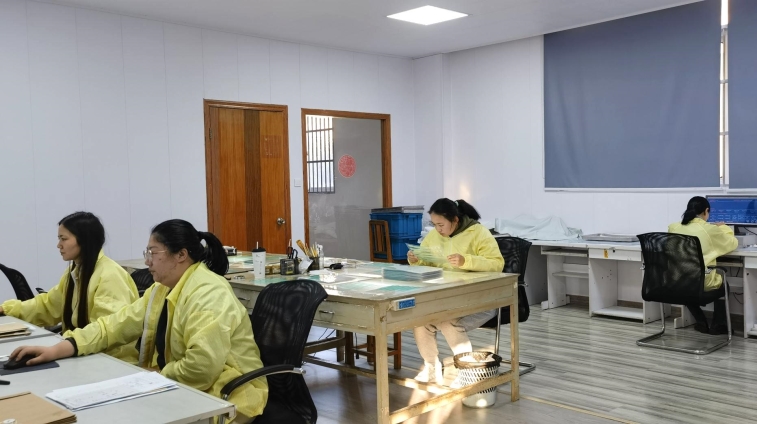
Founded in 1996 in Ningbo, Zhejiang, ZIRA operates as an integrated OEM/ODM manufacturing facility verified on-site by international inspection giant Intertek.
Onsite Audited QA/QC Systems
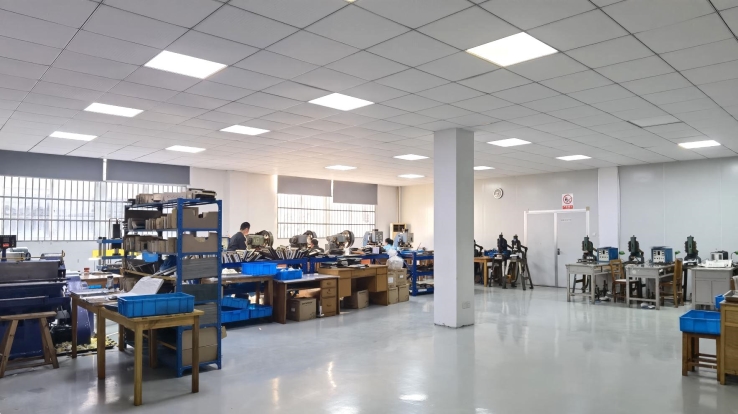
We eliminate subcontractor delays. From CNC mold fabrication and high-tonnage compression silicone molding to precision screen printing, die-cutting, laser etching, and cleanroom lamination, all operations take place within our 5,000 m² facility.
Every keypad passes through automated electrical testing stations verifying loop resistance, contact bounce time, insulation breakdown resistance (>100 MΩ at 100V DC), and 100% optical alignment inspection prior to packaging.
With over 50% of annual production exported to Western Europe and North America, our technical sales engineers are proficient in English, familiar with European industrial standards (CE, RoHS, REACH), and provide rapid 24-hour engineering responses.
Connect directly with our senior application engineers. Submit your STEP model, 2D drawings, or functional specifications to receive a comprehensive Design for Manufacturability (DFM) assessment, material stack-up proposal, and transparent volume quotation within 24 hours.