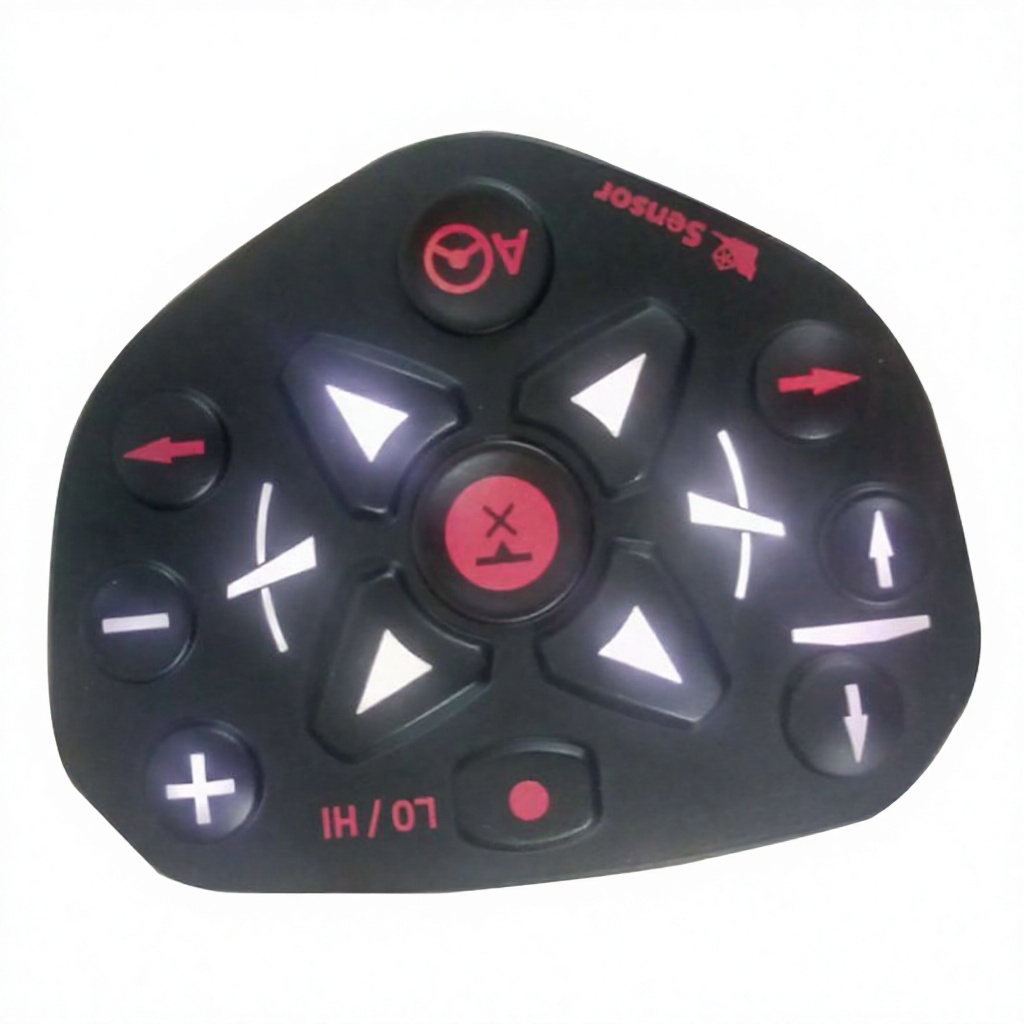
Translucent Polycarbonate PC Overlay with Light Guide Layer
- Uniform LGF Backlighting
- High Optical Grade PC
- 100% Tested Optical Diffusion
Precision-molded silicone keypads, integrated light guide layers, and harsh-environment control panels engineered to exact OEM CAD and Gerber specifications.
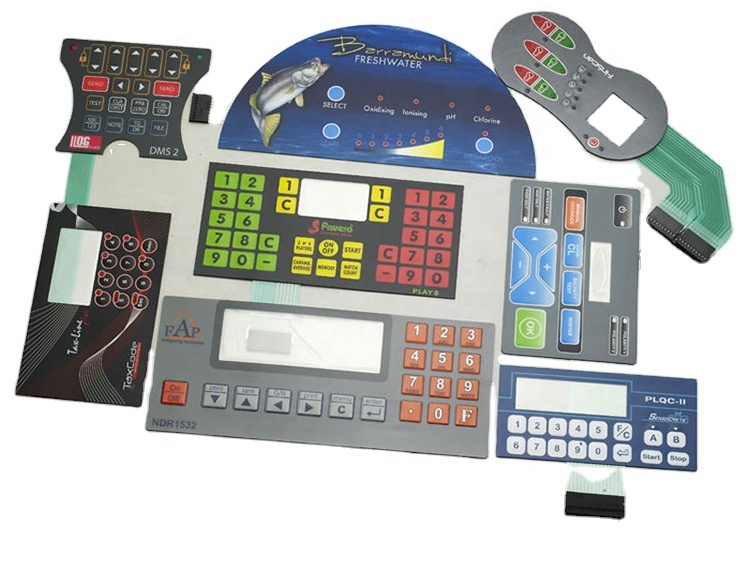
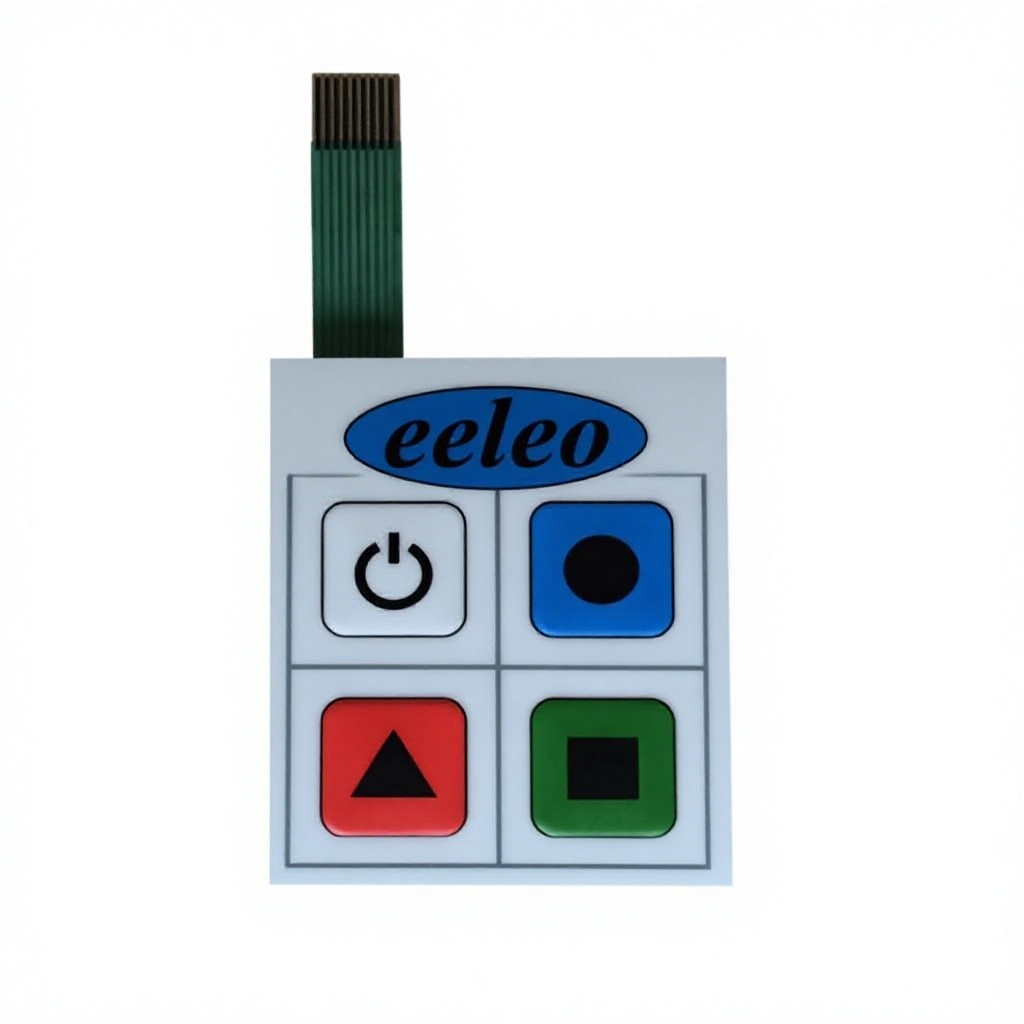
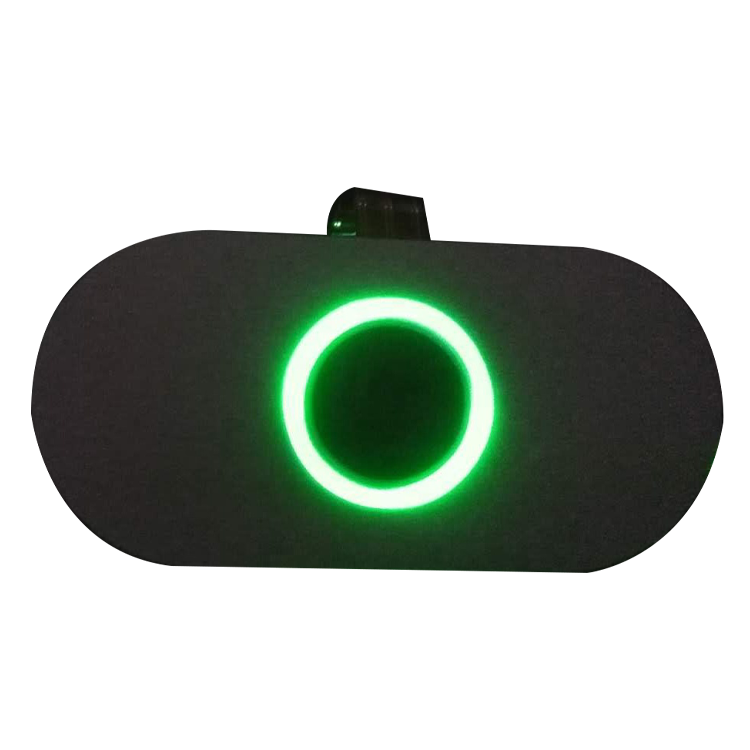
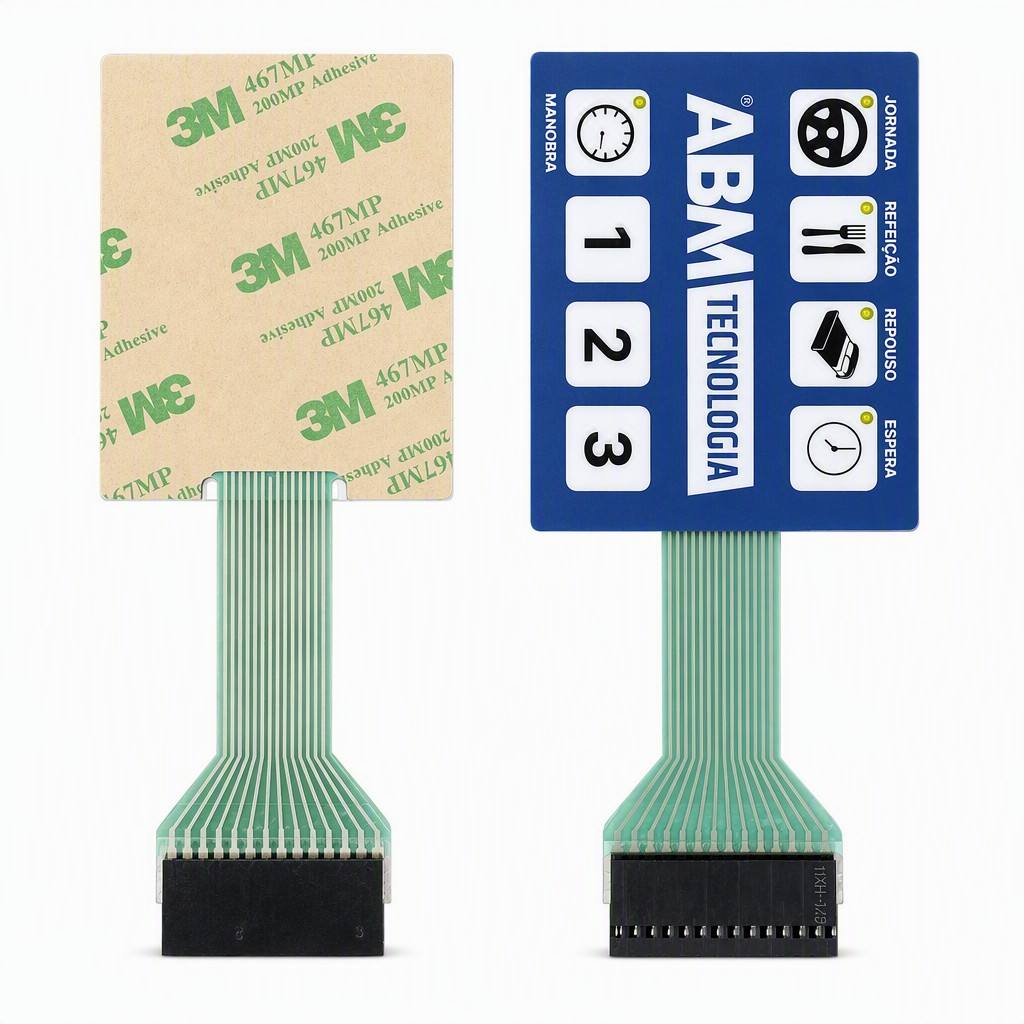
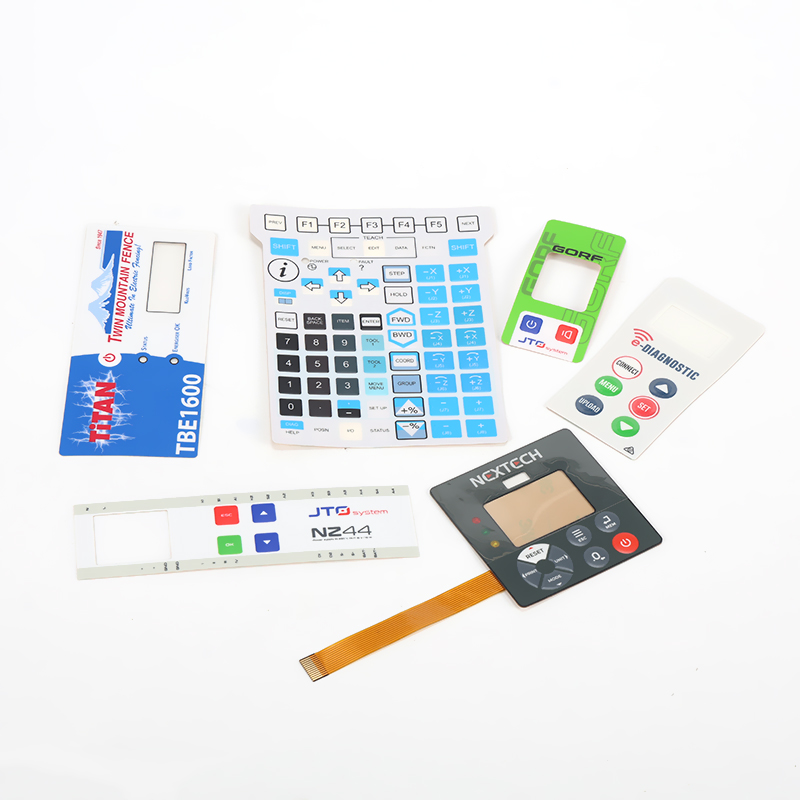
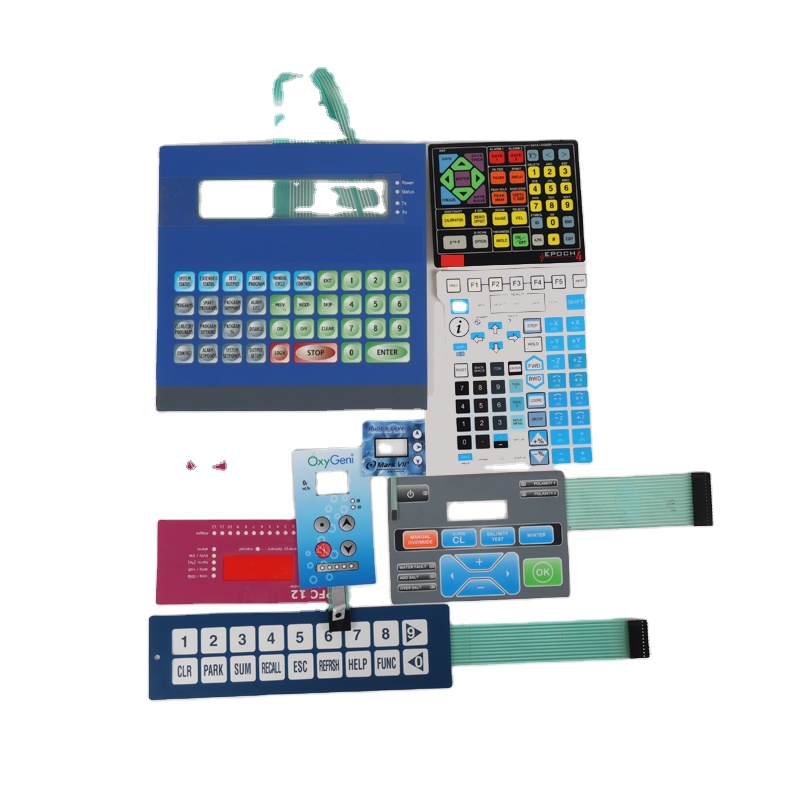
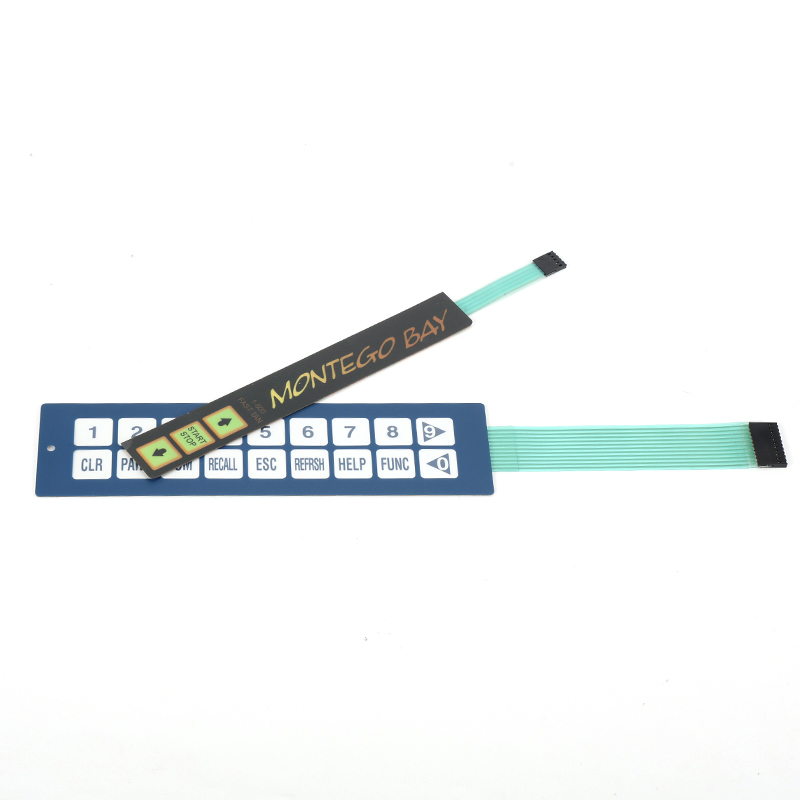
From the world's most demanding logistics nerve centers to global orthopedic device corridors, Memphis demands rugged, sealed, and ergonomic Human-Machine Interfaces (HMIs).
Memphis hosts the global FedEx SuperHub and vast 3PL operations. Handheld scanners, automated mobile robots (AMRs), and fleet dispatch consoles require silicone keypads with high Shore A resilience, IP67 dust sealing, and conductive carbon pills that endure 24/7 repetitive drop impacts.
As the premier orthopedic device manufacturing center in North America, Memphis medical engineering teams demand USP Class VI medical-grade silicone keypads. Interfaces must feature antimicrobial coatings, laser-etched backlit alphanumeric legends, and chemical resistance to harsh germicidal wipes (bleach, isopropyl alcohol).
Flanked by the Mississippi River shipping networks and intensive agricultural operations in the Mid-South, external equipment cabins experience UV radiation, petroleum exposure, and temperature swings from -40°C to +85°C. Keypads must incorporate molded perimeter drip lips and fluorosilicone blends.
A rigorous multi-parameter analysis evaluating precision tooling capability, compression molding tolerances, custom DFM engineering, and direct landed-cost advantages.
Founded in 1996 with over 29 years of specialized HMI manufacturing experience. Intertek onsite-verified facility delivering custom silicone rubber keypads, metal dome membrane switches, and PCB/FPC hybrid assemblies. Trusted tier-1 partner to global brands including ABB and Emerson.
Renowned for specialized elastomeric formulations like BISCO® silicones. Rogers works through authorized Memphis-area converters providing high-temperature gasketing and sealing pads integrated into ruggedized control housings.
Boyd delivers high-reliability engineered material solutions, including molded rubber components and thermal management systems for enterprise aerospace, telecom, and automotive clients.
Specializes in contract manufacturing of membrane switches, silicone rubber keypads, and injection plastic housings. Frequently services industrial equipment builders in the Tennessee River basin.
A global converter of 3M adhesives, elastomeric gaskets, and thin flexible circuits. Marian provides Memphis biomedical clients with precise laminations combining silicone buttons with medical adhesives.
Known globally for high-cycle tactile switches and miniature electro-mechanical parts. C&K supplies standard elastomer-actuated microswitches widely used in Memphis industrial electronics.
Pioneers in screen-printed electronics, membrane switches, and silicone elastomer overlays. Offers design for manufacturing in wearable medical sensors and industrial touch panels.
Engineers custom HMI solutions for aerospace, defense, and medical markets. Strong capabilities in tactile silicone rubber keymats paired with capacitive touch and backlighting films.
Provides custom battery packs, flex circuits, and user interface assemblies. Regularly supports prototype-stage medical product startups in the Memphis and Nashville research corridors.
Provides industrial rubber keypads, graphic overlays, and touchscreen integrations. Offers proven conductive carbon contact pills and laser-etched backlit graphic overlays.
A technical guide for electromechanical design engineers: optimizing tactile force curves, contact pill physics, and surface coatings for maximum duty-cycle reliability.
Silicone rubber keypads are manufactured through precision high-pressure compression or liquid silicone rubber (LSR) injection molding. The heart of the keypad's ergonomic feel lies in the elastomeric web design—the flexible angled hinge connecting the key top to the base mat.
The actuation characteristics are defined by the Snap Ratio, calculated as:
Snap Ratio (%) = [(Actuation Force (Fa) - Contact Force (Fc)) / Actuation Force (Fa)] × 100
For medical devices and diagnostic consoles in Memphis hospitals, a snap ratio between 40% and 60% is ideal, delivering a crisp, definitive tactile click while eliminating operator fatigue. For logistics handhelds, higher snap ratios (50% to 70%) prevent unintended double-actuation through heavy industrial work gloves.
Achieving stable loop resistance over millions of cycles depends entirely on selecting the proper contact interface against the underlying PCB or Flexible Printed Circuit (FPC):
| Contact Interface Type | Typical Contact Resistance | Rated Life Cycle | Tactile Sensation | Best Memphis Application Scenario |
|---|---|---|---|---|
| Molded Conductive Carbon Pill | < 100 Ω (Typically 10–50 Ω) | > 5,000,000 actuations | Soft, cushioned, silent or moderate snap | Barcode scanners, logistics terminals, smart utility meters |
| Gold-Plated Carbon Pill | < 1.0 Ω (Ultra-low) | > 2,000,000 actuations | Smooth elastomeric stroke | High-speed digital signal buses, micro-voltage medical inputs |
| Stainless Steel Metal Dome Hybrid | < 0.5 Ω | > 1,000,000 to 5,000,000 | Extremely sharp, audible snap click | Surgical power tools, outdoor agricultural cab consoles |
| Direct Printed Conductive Carbon Ink | < 150 Ω | > 1,000,000 actuations | Cushioned travel | Cost-sensitive consumer appliances, remote controls |
Industrial installations near the Mississippi River basin confront extreme humidity and moisture vapor permeability. To prevent particulate contamination and dielectric breakdown, modern silicone keymats incorporate an integrated perimeter sealing lip (drip ring) compressed directly between the upper bezel and lower aluminum or injection-molded housing.
Surface graphics must be shielded against rub-off from aggressive cleaning solvents. Standard manufacturing finishes include:
How automation advances, domestic medical innovation, and resilient international logistics are reshaping silicone keypad purchasing decisions.
Memphis engineering teams are shifting away from standalone membrane switches toward hybrid architectures: 3D-molded tactile silicone keymats mounted directly over Polyimide Flexible Printed Circuits (FPC) or rigid FR4 PCBs. This delivers the luxury feel of long travel keys combined with the dense SMT component capability of modern motherboards.
Warehouse automation consoles operate in variable lighting conditions. Rather than placing a power-hungry LED beneath every key, modern keypads utilize ultra-thin (0.125mm) light guide films with micro-etched diffusion dots, routing light from 2–4 side-firing SMT LEDs uniformly across 40+ key legends, drastically reducing battery drain.
Procurement directors at Mid-South manufacturing hubs increasingly bypass domestic re-sellers and trading intermediaries. By collaborating directly with onsite-audited factories (such as Intertek-verified manufacturers), OEMs eliminate markup margins, slash tooling turnaround from 12 weeks to 18 days, and secure direct engineering access.
Delivering over 29 years of specialized human-machine interface manufacturing from our 5,000m² facility straight to North American industrial leaders.
Equipped with internal CNC tooling and EDM equipment. We turn raw 3D STEP/IGES files into working compression-molded silicone prototype keypads in as fast as 7 to 10 working days, with prototype order support starting from just 1 piece.
Our production facilities, testing laboratories, cleanrooms, and operational lines have been verified onsite by Intertek. Every batch undergoes 100% electrical continuity, insulation resistance, and visual key inspection prior to export packaging.
For more than two decades, our factory has consistently delivered high-complexity HMIs for global industrial powerhouses like ABB and Emerson. We support DDP, FOB, and air-express freight directly into Memphis fulfillment hubs.
Direct technical answers addressing tooling costs, lead times, material compliance, and international shipping to Shelby County and the Mid-South region.
Send your CAD models or PDF sketches to our engineering department. Receive a comprehensive DFM evaluation, stack-up recommendation, and rapid factory-direct quotation within 24 hours.
