Backlit LGF
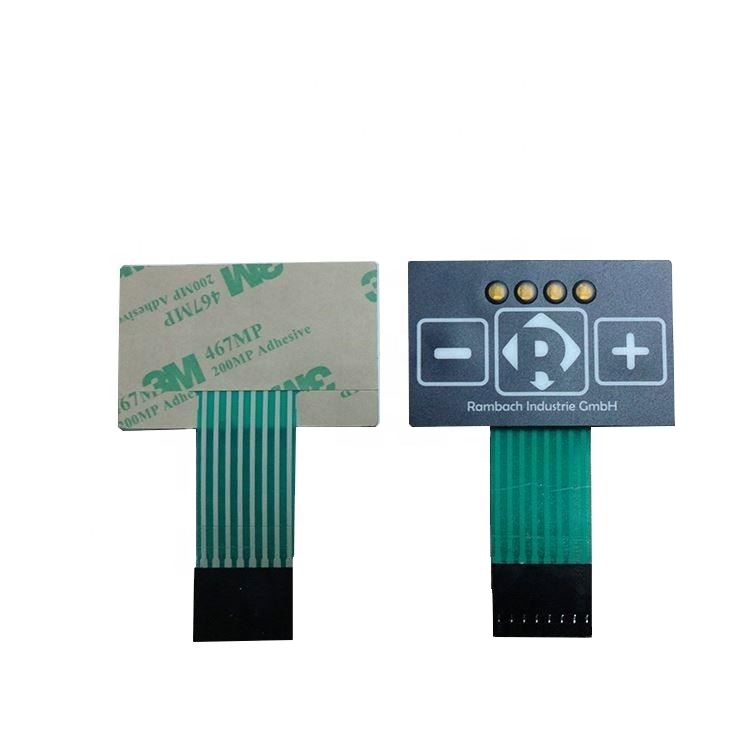
Custom Thin Film Illuminated Panel Lgf/LED Backlight Membrane Switch for Electronics
LGF Light Guide · Uniform Luminescence · Low Power Draw
View Specifications
Engineered to withstand equatorial UV solar degradation, hyper-saline maritime air, and heavy washdown industrial cycles. Verified for custom OEM/ODM deployment.
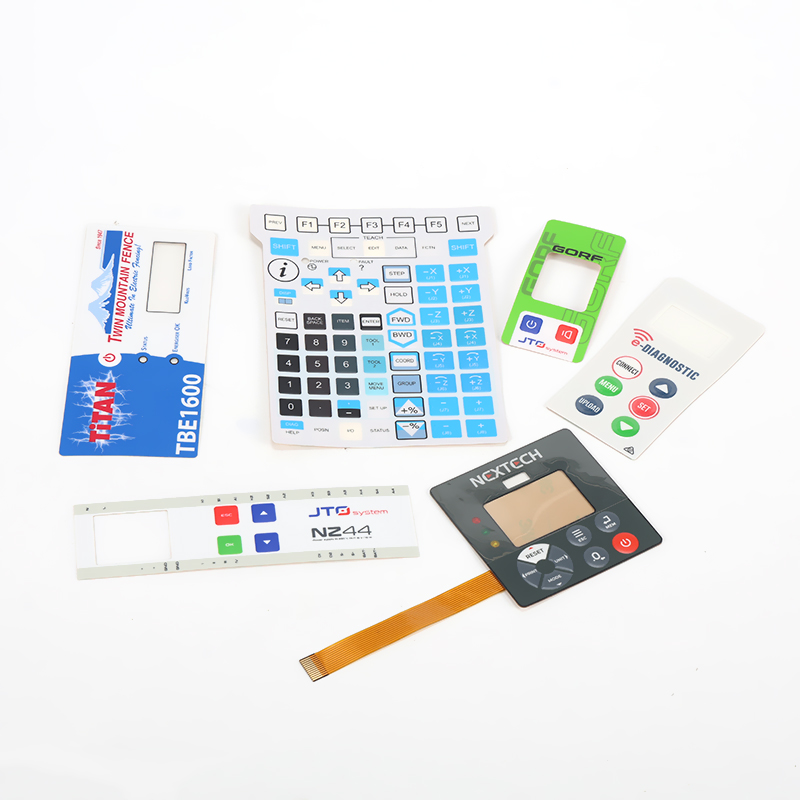
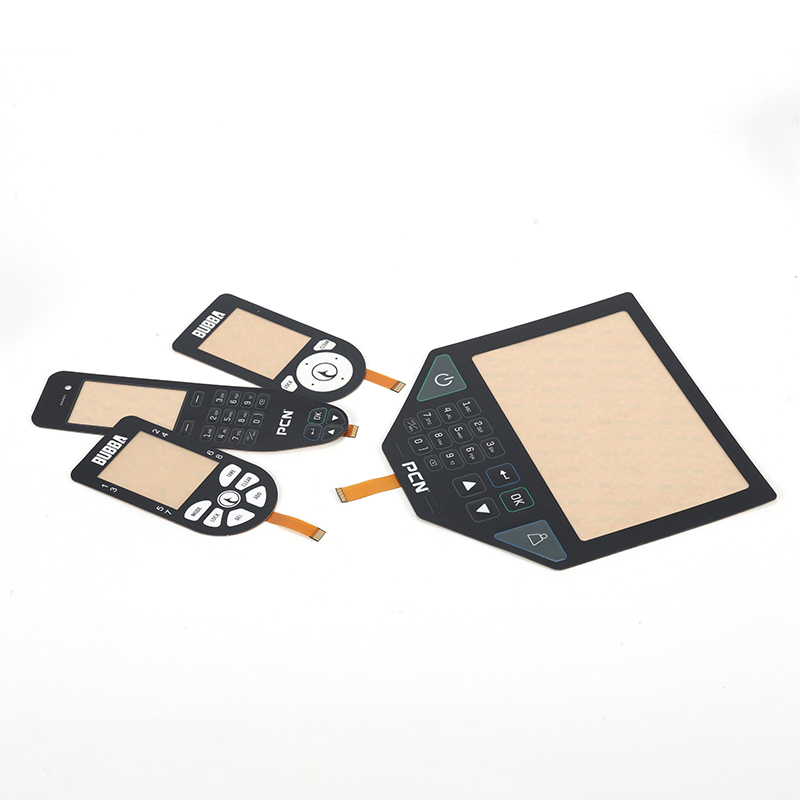
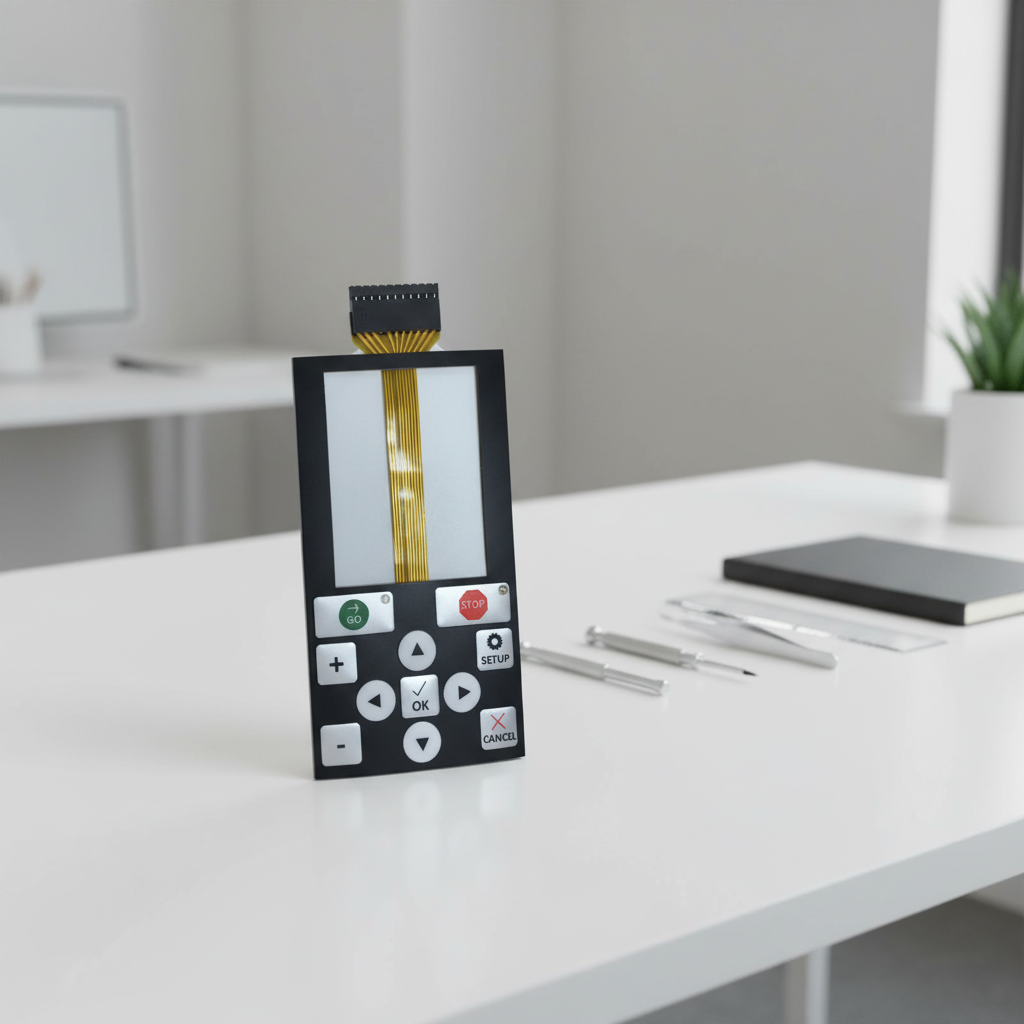
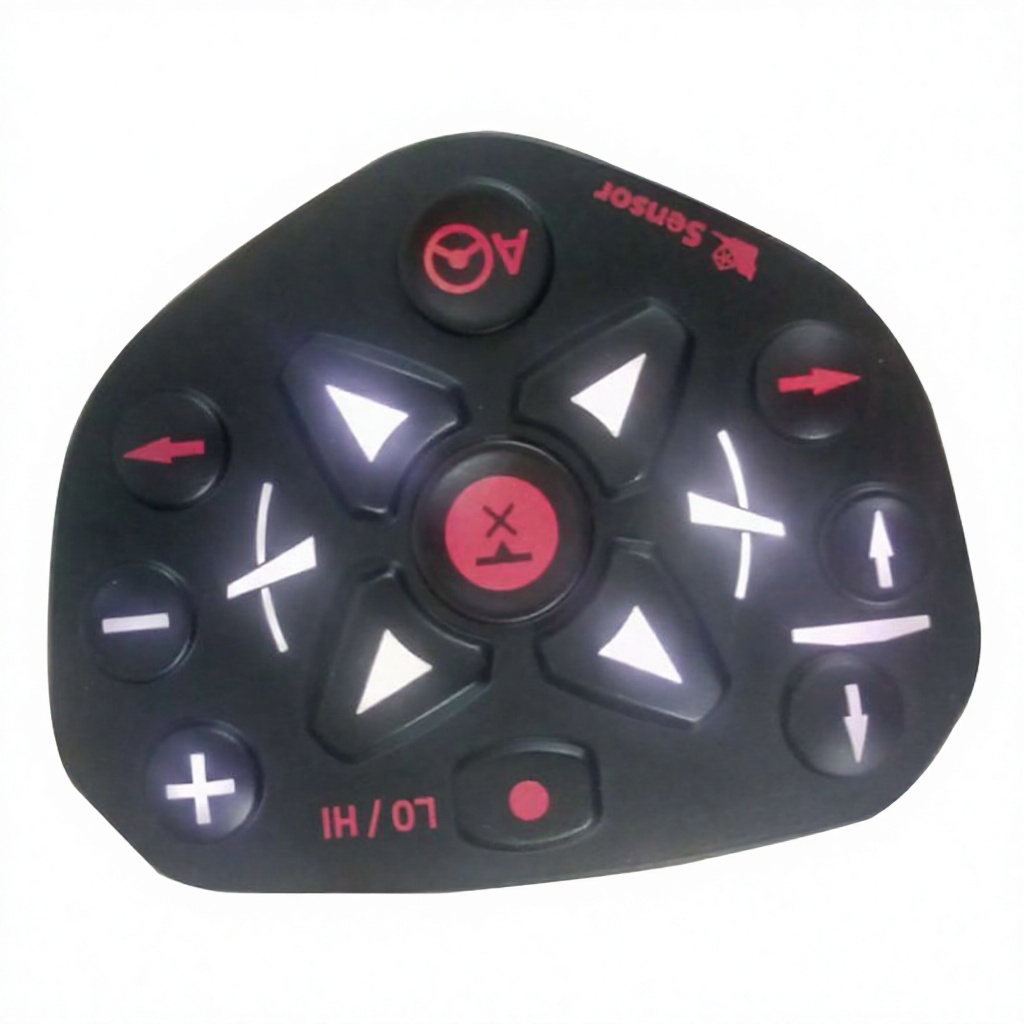
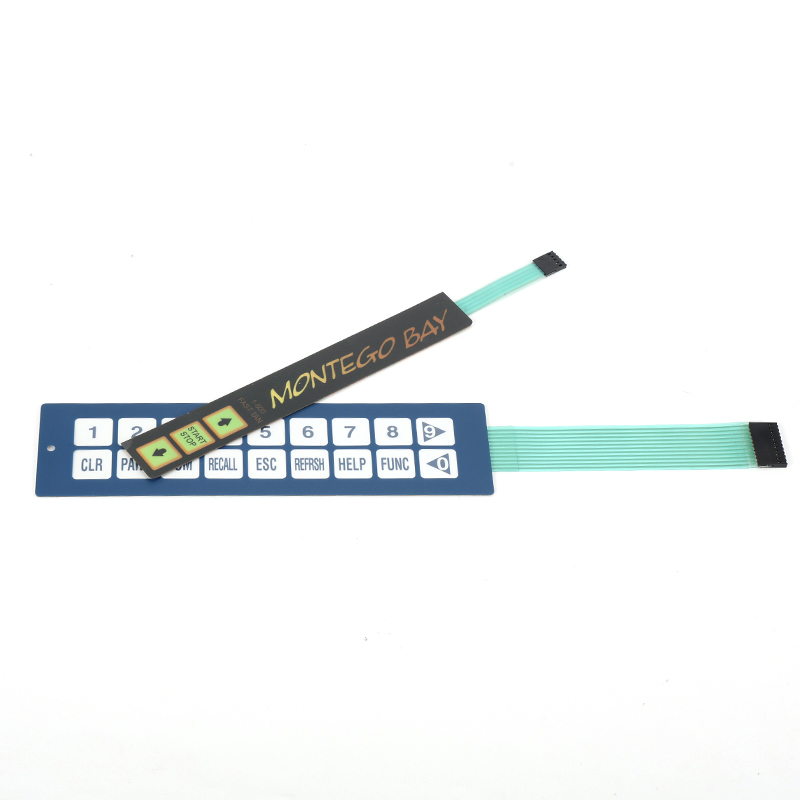
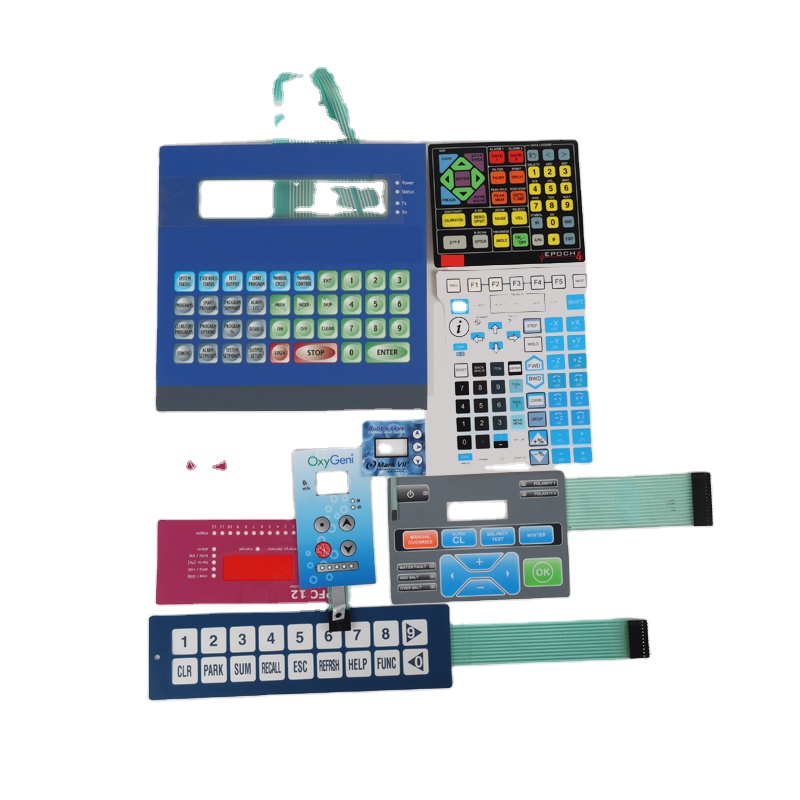
Navigating the Critical Engineering Parameters of Epoxy Resins, Ingress Resistance, and Interface Reliability in Maritime and Tropical Microclimates.
In equatorial maritime centers such as Asau, Samoa—an essential hub on the northwest coast of Savai'i known for its deep-water wharf, timber processing heritage, marine logistics, and critical renewable microgrid setups—procuring user-interface assemblies is not simply a commercial sourcing task; it is an exercise in applied materials science. Electronic equipment installed in Asau operates under perpetual environmental stress: ambient air saturated with marine sodium chloride aerosols, persistent relative humidity exceeding 85% to 95%, intense ultraviolet radiation (UV Index frequently exceeding 11+), and cyclical torrential downpours.
Under these rigorous parameters, standard uncoated polyester (PET) or untreated polycarbonate (PC) graphic overlays succumb prematurely to degradation. Unprotected overlays suffer from surface chalking, micro-cracking, graphic delamination, and silver-trace electromigration triggered by micro-moisture ingress. The solution chosen by top-tier infrastructure engineers is the Epoxy-Coated Keypad (Polyurethane Dome Keypad). By applying an optically clear, polyurethane or cycloaliphatic epoxy resin encapsulation over individual keys or entire control fascias, engineers achieve an impenetrable 3D hermetic shield that couples tactile feedback with complete chemical and moisture isolation.
How verified tier-1 manufacturers compare against standard commercial keypad exporters.
| Evaluation Parameter | Tier-1 Exporters (e.g., ZIRA Standard) | Standard Market Exporters | Relevance to Asau Microclimate |
|---|---|---|---|
| Resin Chemistry | Aliphatic Polyurethane / Cycloaliphatic Epoxy (Shore D 45–55) | Aromatic Epoxy (Rigid, brittle) | Prevents yellowing and embrittlement under intense tropical UV exposure. |
| UV Degradation Resistance | ΔE < 1.0 after 1,000 Hours QUV Exposure (ASTM G154) | Visible ambering / cracking within 300 Hours | Maintains optical clarity over clear LED indicators and LCD display windows. |
| Ingress Protection Rating | IP67 / IP68 Hermetically Perimeter-Sealed | IP54 or Unsealed Vent Openings | Impervious to sea spray, horizontal tropical rainfall, and high humidity condensation. |
| Conductor Circuit Protection | Carbon overprinted silver conductors or etched copper FPC | Raw printed silver conductive traces | Eliminates silver migration and dendrite growth across contact gaps. |
| Actuation Tactile Life | > 1,000,000 Cycles (Nickel/Gold-plated SUS Domes) | < 200,000 Cycles (Low-grade alloy) | Reliable switching for port machinery, agro-processing, and remote solar consoles. |
| Adhesive Lamination | 3M 300LSE / 200MP / VHB Acrylic Foam Bonding | Generic water-based pressure-sensitive adhesive | Zero delamination from powder-coated metal or low-energy plastic enclosures. |
| Testing Discipline | 100% Automated Electrical Continuity, Loop Resistance & Hi-Pot | Batch / AQL random sampling | Guarantees zero-defect deployment in offshore or remote Pacific installations. |
Targeted human-machine interface solutions designed for specific deployment conditions across Savai'i Island and the wider South Pacific region.
Wharf cranes, ship-to-shore bunkering, and winch control consoles at Asau Harbour require interfaces that survive continuous exposure to salt spray and heavy-handed operator use. 3D epoxy domed keys allow gloved operators to feel distinct key boundaries while the hermetic resin seal prevents saltwater penetration into internal electronics.
Samoa's aggressive push toward renewable self-sufficiency places decentralized photovoltaic inverters and battery storage containers (BESS) across Savai'i. Our UV-stabilized, high-clarity epoxy overlays allow maintenance engineers to read LCD displays in direct tropical sunlight while inputting system commands via sealed tactile buttons.
Commercial fishing vessels operating out of Asau Bay and coastal freezing facilities require front panels that withstand thermal cycling (from -25°C blast freezers to +35°C ambient humidity) and aggressive caustic cleaning solutions. Polyurethane epoxy dome keypads are impervious to washdown jets, blood, oils, and chemical sanitizers.
Processing hardwood and local agricultural produce produces abrasive sawdust and airborne dust particles. Unlike mechanical pushbuttons that suffer from grit jamming, flat or 3D domed epoxy-coated membrane keypads present a smooth, continuous surface that can be wiped down or blast-cleaned without abrasive scratching.
How evolving procurement specifications in Oceania are redefining interface requirements.
As industrial equipment modernizes, buyers are transitioning from pure tactile dome switches to solid-state capacitive touch sensors embedded beneath 1.5mm to 2.0mm thick transparent epoxy domed panels. With no moving parts, these assemblies offer virtually unlimited operational cycles and zero ingress vulnerability, making them the ultimate defense against humid Pacific environments.
In decentralized installations powered by solar-plus-storage, overall system power efficiency is paramount. The integration of ultra-thin Light Guide Film (LGF) allows an entire 16-key keypad to be uniformly backlit with as few as two to four edge-mounted SMT LEDs, reducing power consumption by up to 75% compared to conventional electroluminescent (EL) or multi-LED arrays.
Persistent dampness and tropical warmth foster rapid microbial growth, mold, and fungus that can etch standard plastics. Next-generation epoxy resins developed for Pacific exporters incorporate silver-ion antimicrobial agents throughout the bulk polymer, permanently inhibiting bacterial colonization and fungal staining on medical and food-grade interfaces.
Three decades of precision manufacturing discipline, advanced in-house chemistry, and rigorous third-party validation.
Established in 1996 in Ningbo, Zhejiang, ZIRA is an internationally recognized leader in custom membrane switches, graphic overlays, silicone rubber keypads, and flexible printed circuits (FPC). Operating from a modern 5,000 m² cleanroom facility, we serve industrial, medical, and marine automation leaders globally.

Our facility, testing instruments, human resources, and supply-chain integrity are independently audited and certified by Intertek, giving procurement teams in Asau total confidence in material authenticity and contractual compliance.
Practical engineering, commercial, and logistics answers for procurement specialists in Samoa and the South Pacific.
Whether you require an individual prototype for marine equipment retrofits or volume OEM manufacturing for export instrumentation, our application engineers respond with complete stack-up proposals and material datasheets within 24 hours.
