LGF Backlit
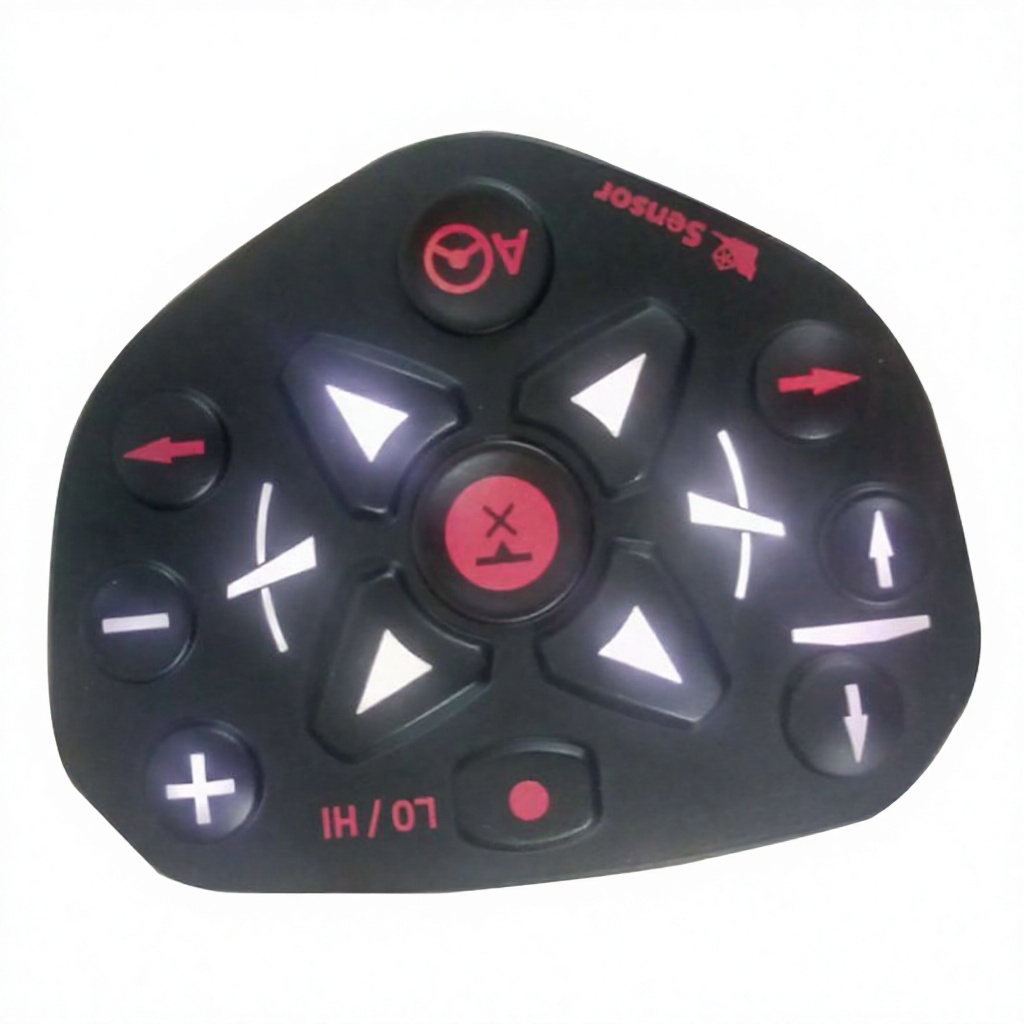
Translucent Polycarbonate PC Overlay with Light Guide Layer
Uniform planar illumination with precision light guide film (LGF). Ideal for low-ambient monitoring consoles.
Explore customized silicone elastomer keypads, hybrid membrane assemblies, capacitive touch foils, and ruggedized industrial overlays engineered for harsh manufacturing environments.
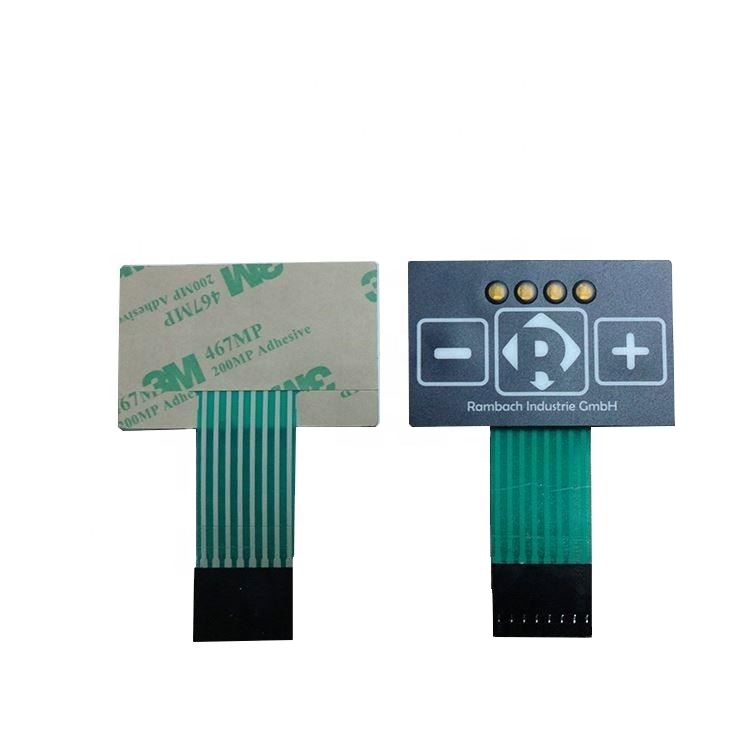
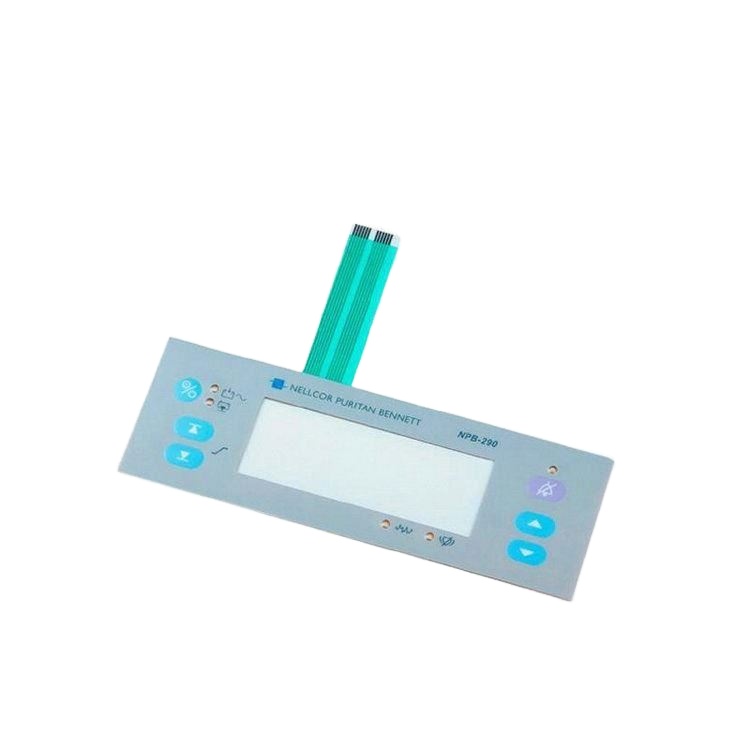
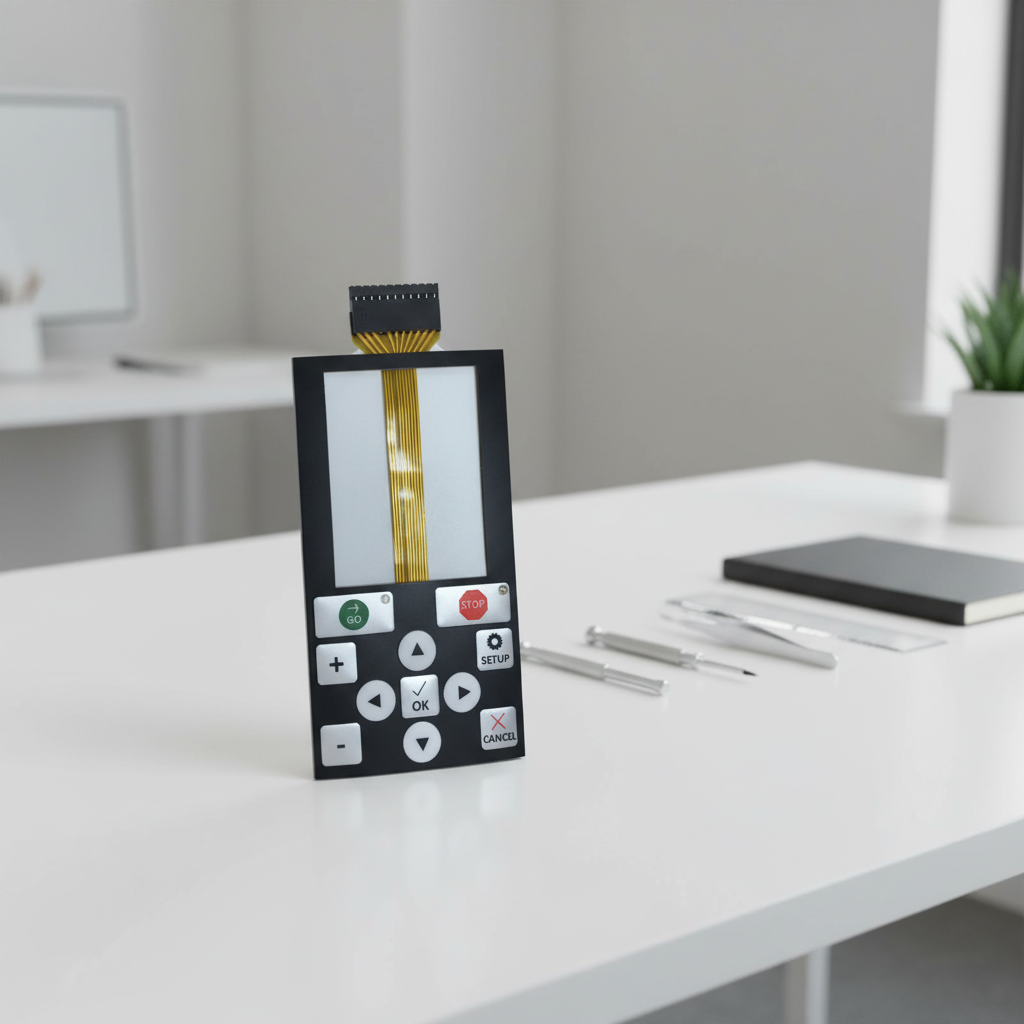
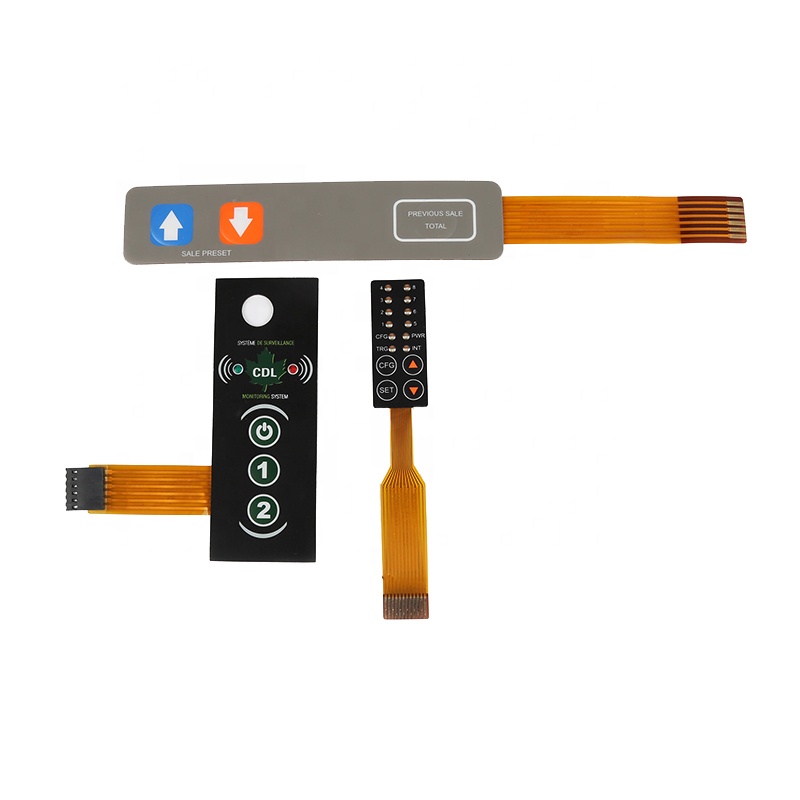
Situated in the eastern industrial basin of the Republic of Moldova along the Dniester River, Tiraspol represents a critical manufacturing, electrical machinery, and energy nexus in Eastern Europe. The regional economy is anchored by legacy heavy enterprises and modernizing production facilities—most notably large-scale electrical engineering works such as the Elektromash plant (manufacturing large alternating current electric motors, explosion-proof synchronous generators, and mining equipment), heavy hydromechanical plants (such as Moldavgidromash), industrial textile complexes (including the colossal Tirotex textile conglomerate), power transmission networks linked to the Moldavskaya GRES power station, and extensive agro-industrial distilleries such as KVINT.
For systems integrators, electrical engineers, and maintenance directors operating within Tiraspol's manufacturing plants, human-machine interface (HMI) hardware faces unique physical and mechanical stressors. Standard commercial keyboards and generic off-the-shelf plastic keypads degrade rapidly when exposed to the severe operational conditions common across the Dniester valley:
Textile dyeing processes, alcohol distillation washdowns, and transformer cooling oils create corrosive vapors. Industrial silicone rubber keypads formulate with specialized fluorosilicone elastomers that resist swelling, plasticizer loss, and degradation caused by chemical contact.
Operating in proximity to 500kW+ industrial motors, heavy looms, and power turbine generators generates severe vibration profiles. Elastomeric keymats absorb mechanical harmonics, preventing contact chatter and metal fatigue that cause conventional mechanical tactile switches to fail.
Tiraspol experiences wide seasonal fluctuations, with winter lows plunging below -20°C and industrial enclosures exceeding +55°C during peak summer runs. High-grade silicone maintains physical elasticity and actuation snap ratios across an ultra-wide window from -40°C to +180°C.
Engineering Note on Dust Ingress: Textile fiber fluff at weaving mills and airborne metal particulate at machining plants easily penetrate unsealed pushbuttons, inducing high-impedance bridging. Implementing compression-molded silicone rubber keypads featuring continuous perimeter lip seals guarantees an IP67 rating, entirely isolating underlying printed circuit board (PCB) or flexible printed circuit (FPC) tracks from microscopic contaminants.
When selecting a custom silicone keypad or membrane switch factory capable of fulfilling the technical requirements of industrial projects in Tiraspol, procurement teams balance material quality, Design for Manufacturability (DFM) verification, rapid prototyping cycles, and freight feasibility. Below is the comparative ranking criteria utilized by leading engineering audits:
| Evaluation Parameter | Tier 1: Direct OEM/ODM Factory (e.g., ZIRA) | Tier 2: European HMI Brokers / Assemblers | Tier 3: Generic Domestic Catalog Wholesalers |
|---|---|---|---|
| Tooling & Mold Amortization | Direct CNC steel tooling; rapid turnaround; amortized over volume. Low NRE costs. | High markups on tooling outsourced to Asian fabricators. Long modification cycles. | Fixed sizes only. No custom molding; costly chassis re-engineering required. |
| Electrical Validation | 100% automated continuity, insulation resistance, and force-displacement curve testing. | Batch sampling (AQL 1.0 or 2.5). Higher risk of latent field contact failure. | Visual inspection only; zero quantitative contact impedance recording. |
| Material Traceability | Certified Dow Corning / Shin-Etsu medical/industrial grade silicone + 3M adhesives. | Variable depending on subcontracted tier-two laminators. | Unbranded elastomer blends prone to early carbon pill degradation and embrittlement. |
| DFM & Schematic Review | Dedicated engineering team optimizes stroke, snap ratio, and circuit routing pre-tooling. | Administrative review; technical queries relayed across multiple brokers. | No engineering support; customer assumes all interface integration risks. |
| Delivery Feasibility to Tiraspol | Direct air/express CIP/DDP routing through Chisinau corridor with commercial documentation. | Local EU stock but excessive logistics markups on custom manufactured runs. | Fast for catalog parts, but wholly incompatible with bespoke industrial projects. |
Industrial procurement engineers evaluating manufacturing candidates for the Tiraspol market should scrutinize six core elastomeric engineering capabilities:
The tactile feel of a silicone keypad is dictated by the compression molded webbing geometry. A professional factory must demonstrate precise control over durometer (typically 40° to 60° Shore A) and calculate the snap ratio using the formula:
Industrial operators wearing protective gloves require an authoritative tactile snap ratio of 45% to 60% with an actuation force between 180g and 350g to verify contact closure without relying solely on acoustic feedback.
Depending on contact resistance and environmental demands, manufacturers must provide diverse conductive contact options:
Factory environments in Tiraspol quickly abrade printed legends on raw silicone. Reputable fabricators offer multi-layer topcoats:
Control consoles in modern thermal power plants and textile spinning floors frequently operate under dynamic lighting conditions. Precision translucent silicone keymats sprayed with opaque base coats and laser-etched to reveal custom Cyrillic and Latin legends allow LED or Light Guide Film (LGF) illumination to shine through with crystal clarity and no light bleed.
Selecting the optimal front panel interface requires aligning operational duty cycles with mechanical limits. The table below outlines empirical engineering trade-offs:
| Feature Parameter | Silicone Rubber Keypad | PET/PC Membrane Switch | Capacitive Touch ITO Film |
|---|---|---|---|
| Mechanical Life Expectancy | 5,000,000 to 10,000,000 actuations | 1,000,000 to 3,000,000 actuations | Solid state (virtually unlimited) |
| Key Travel / Stroke | 0.8 mm to 3.0 mm (Long, cushioned) | 0.2 mm to 0.6 mm (Short tactile snap) | 0.0 mm (Zero travel; requires haptic/audio feedback) |
| Operating Temperature | -40°C to +180°C | -20°C to +70°C | -20°C to +65°C |
| Ingress Protection Potential | IP67 / IP68 (when molded with perimeter wrap) | IP65 to IP67 (with perimeter gasket adhesive) | IP68 / IP69K (Continuous hermetic front glass) |
| Glove Operability | Excellent (Even with heavy leather/rubber work gloves) | Good (Tactile dome feedback felt through gloves) | Poor (Requires specialized glove-mode tuning) |
| Tooling Cost Structure | Moderate (Steel compression mold required) | Low (Laser dies, film exposure, printing screens) | Moderate to High (ITO sputtering & custom controller firmware) |
Founded in 1996 in the Changhe Industrial Park of Ningbo, Zhejiang ZIRA Membrane Switch Co., Ltd. has established nearly three decades of manufacturing dominance in human-machine interface technologies. Verified onsite by Intertek, ZIRA operates over 5,000 square meters of specialized production floor space with five continuous cleanroom production lines, exporting up to 50% of its annual output to demanding global markets across Western Europe, North America, and Eastern European industrial centers.

Independent third-party audits validate our cleanrooms, precision tooling capacity, and stringent ISO quality workflows.

Decades of continuous manufacturing refinement, serving heavy industry giants including ABB and Emerson.

Rapid conversion of raw CAD designs, PDF mechanical drafts, or physical samples into production-ready DFM schematics.

Every single manufactured keypad undergoes computerized continuity, open/short circuit, and contact impedance validation.
For procurement officers in Tiraspol seeking to replace legacy electromechanical button arrays on heavy machinery or design next-generation agricultural instrumentation consoles, ZIRA bridges the gap between cost efficiency and uncompromising durability. By manufacturing molds, compression-molding silicone, screen-printing circuits, and assembling tactile stacks in-house, ZIRA eliminates intermediate trading tiers, delivering premium quality at scalable factory-direct pricing.
Navigating cross-border component procurement into Tiraspol requires an experienced manufacturing partner fluent in international shipping terms and customs documentation. Deliveries into the Transnistrian economic zone are commonly routed through international transit channels:
Air cargo shipments typically transit via Chișinău International Airport (KIV) or through European logistics hubs, before direct overland transport into Tiraspol. ZIRA provides full support for multiple Incoterms including CIP Chișinău, DDP (Delivered Duty Paid), FOB Shanghai/Ningbo, or EXW, partnering with top-tier global freight carriers (DHL Express, FedEx, UPS) to ensure prompt customs clearance and transit times of 5 to 8 business days for prototypes.
To eliminate border delays, ZIRA issues complete shipping packets with every consignment: Certificate of Origin (CO), RoHS 2.0 / REACH environmental compliance declarations, commercial invoices itemized with standardized HS Codes (e.g., HS 8537.10 / 8538.90), and comprehensive packing lists. Furthermore, laser-etched faceplates can feature dual-language typography (Cyrillic and English) precisely matched to client font files.
