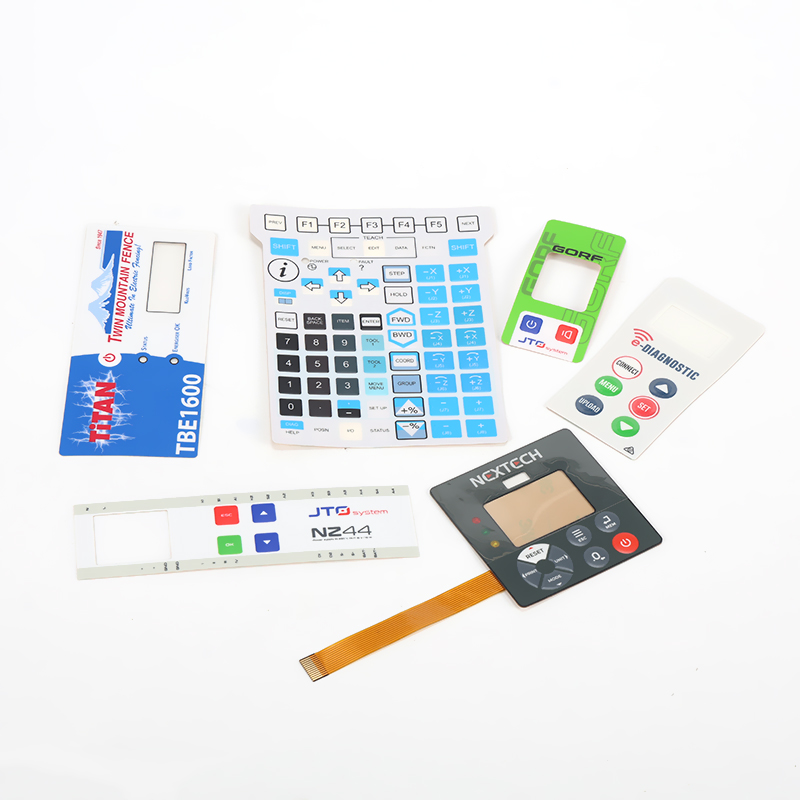
Hybrid Elastomer
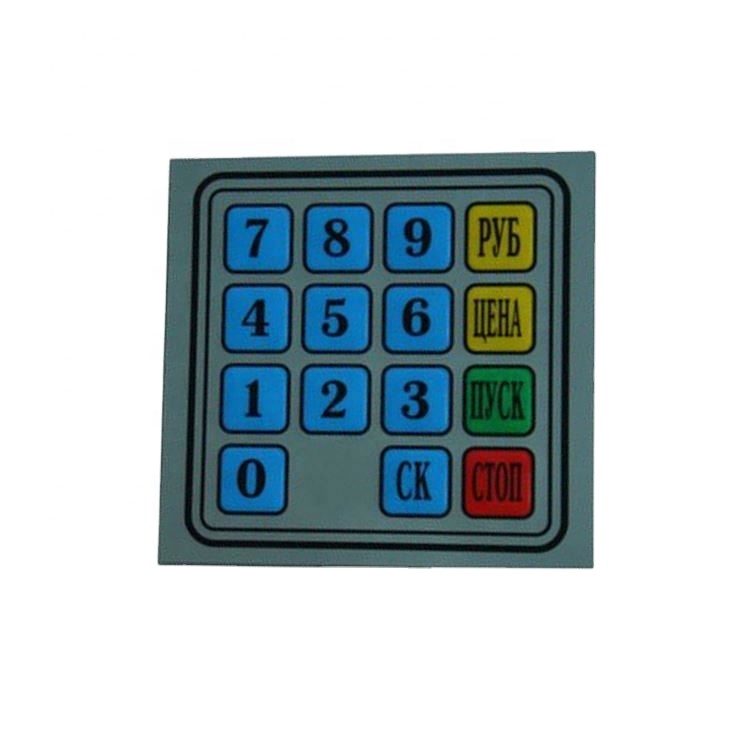
Constructed with high-grade liquid silicone rubber (LSR), hard-anodized conductive carbon pills, and sealed graphic overlays. Designed to withstand salt-fog corrosion, high humidity, and heavy duty cycles in Caribbean operating conditions.
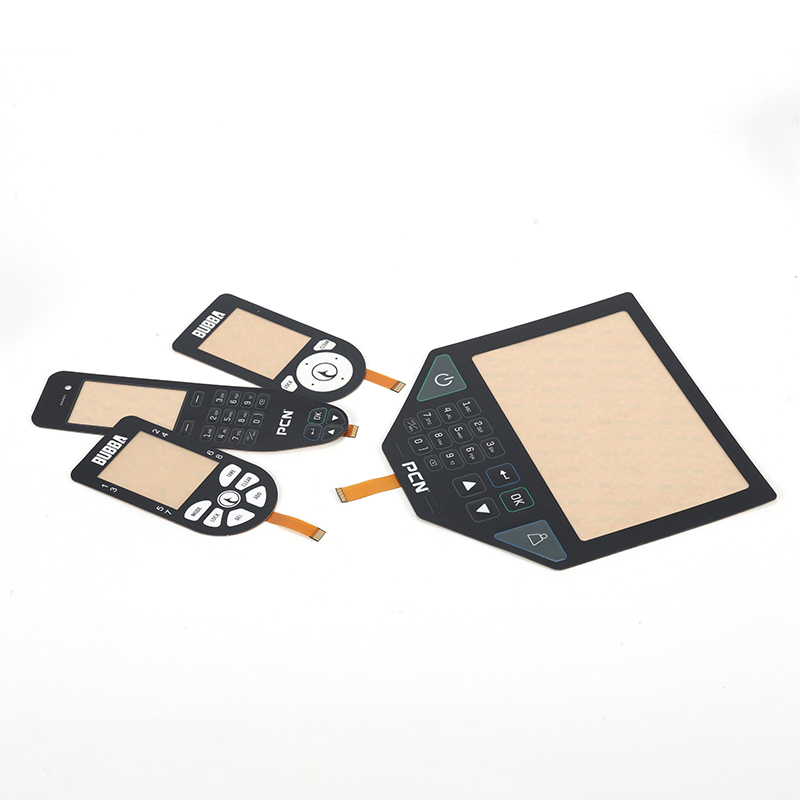
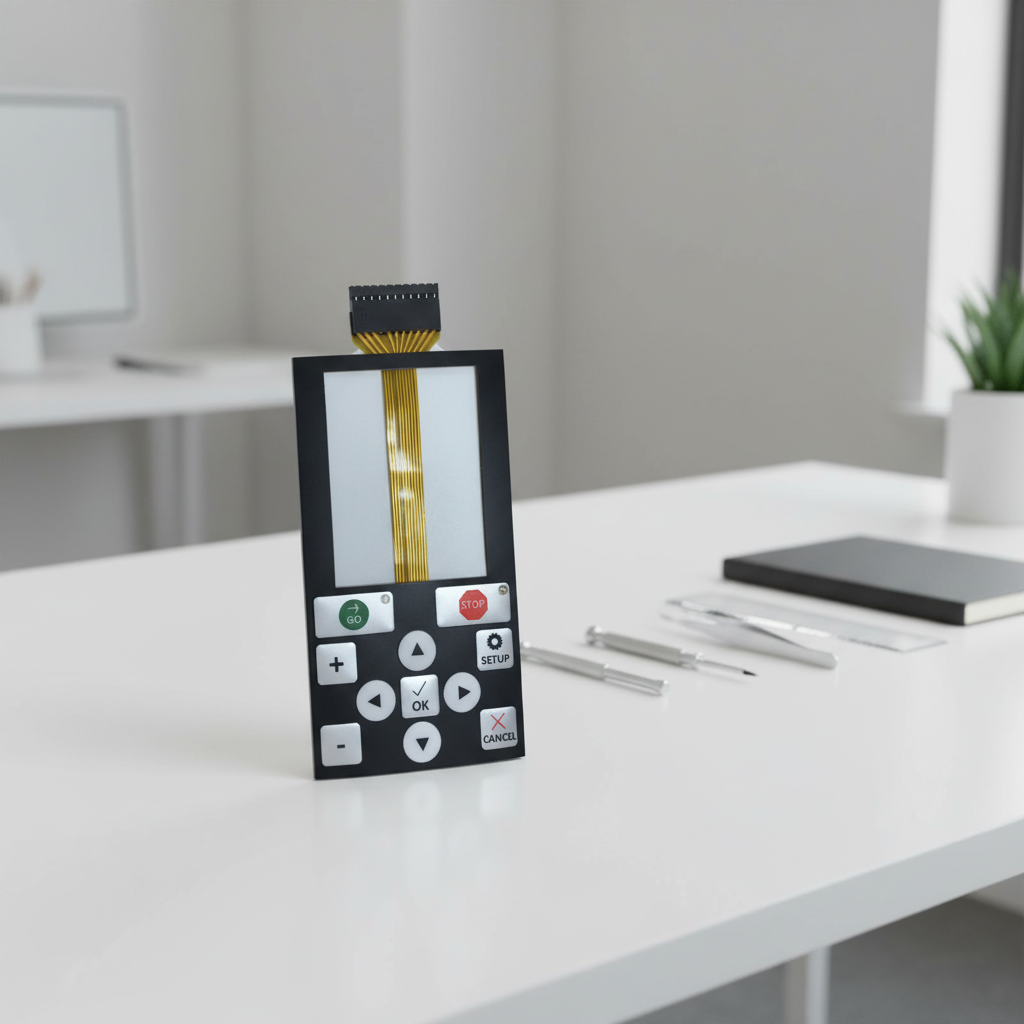
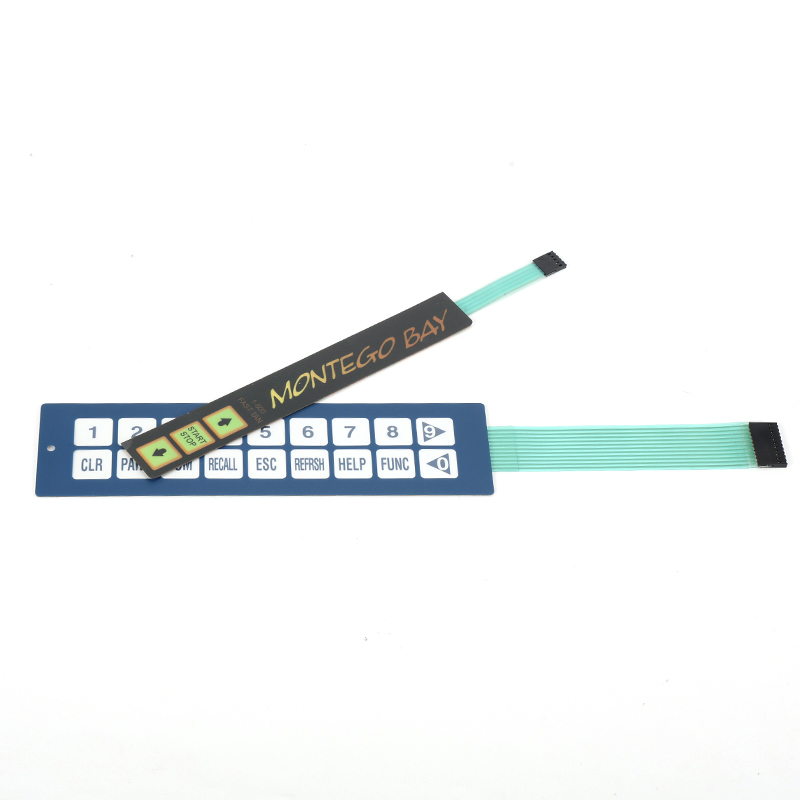
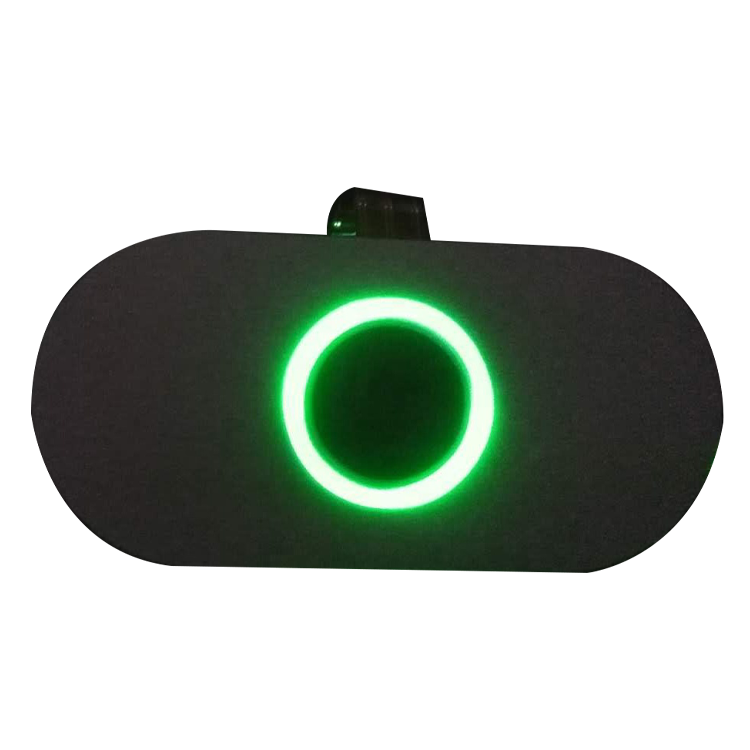
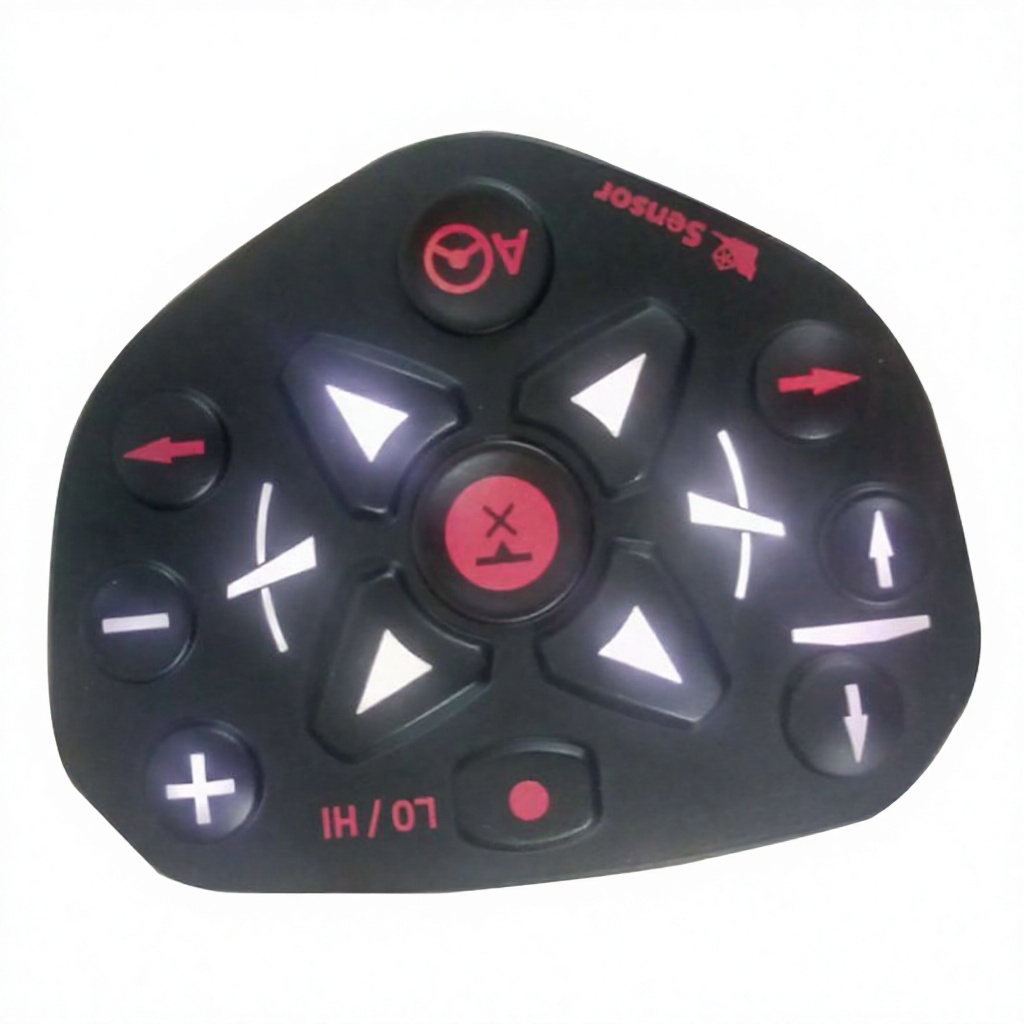
An authoritative engineering analysis on elastomeric compression molding, contact resistance physics, and environmental hardening protocols for commercial and industrial electronics operating in the Commonwealth of Dominica.
Silicone rubber keypads are compression-molded elastomeric switch panels manufactured from high-purity polydimethylsiloxane gums. Unlike standard mechanical switches that rely on metallic springs prone to oxidation and galvanic corrosion, silicone keypads exploit a precisely calculated elastomeric webbing geometry. When a user applies downward actuation force, the angled silicone wall (typically engineered between 40° and 60°) undergoes controlled mechanical collapse. This controlled elastic deformation produces what interface engineers identify as the "snap ratio":
For Dominica's field deployments—ranging from rugged port logistics terminals at Woodbridge Bay to geothermal monitoring systems in the Roseau Valley—ZIRA utilizes low-compression-set silicone polymers (Shore A durometers from 40 to 70). This eliminates switch fatigue, key sticking, and permanent creep caused by continuous exposure to tropical ambient temperatures above 32°C and sustained relative humidity levels exceeding 85%.
Off-the-shelf control panels fail prematurely when exposed to Dominica's unique environmental matrix: continuous Atlantic marine salt-aerosol, persistent tropical rainfall, and localized airborne volcanic hydrogen sulfide gases.
Dominica's trade lifelines—including the Deep Water Harbour at Woodbridge Bay in Roseau and Cabrits Marina in Portsmouth—rely on cargo cranes, marine winches, and vessel navigation consoles. These panels operate under continuous salt-fog spray and direct wave wash.
With Dominica actively developing its 10MW Geothermal Power Project in Laudat, Roseau Valley, industrial instrumentation is subjected to volcanic micro-atmospheres rich in sulfur dioxide and airborne hydrogen sulfide ($H_2S$), which aggressively corrode open copper circuits.
Dominica's value-added agro-industries—including bay oil distillation, essential oil extraction, patchouli processing, and rum bottling—demand control panels that withstand aggressive terpenes, organic acids, steam cleanings, and high-pressure chemical washdowns.
In alignment with Dominica's National Resilient Development Strategy (NRDS 2030), public safety networks, VHF/HF emergency dispatchers, and decentralized solar mini-grids require interfaces that remain functional during and after Category 5 hurricane events.
The Dominica Water and Sewerage Company (DOWASCO) operates remote pump houses, reservoir telemetry units, and filtration terminals in mountainous rainforest terrains where high humidity and condensing moisture represent persistent failure vectors.
High-end eco-lodges along the Waitukubuli National Trail and resort complexes in Portsmouth utilize automated climate controls, RFID access keypads, and exterior lighting controllers that require refined aesthetic tactile surfaces combined with complete outdoor weatherproofing.
How Dominica’s drive toward becoming the world’s first climate-resilient nation is reshaping specification requirements for industrial input components.
Following Hurricane Maria, the establishment of the Climate Resilience Execution Agency for Dominica (CREAD) codified rigorous performance thresholds for hardware deployed across the island. Commercial procurement teams no longer accept commercial-grade plastic enclosures fitted with mechanical push-buttons that allow moisture and vapor penetration.
The prevailing engineering trend has pivoted decisively toward monolithic elastomeric rubber mats featuring molded perimeter return skirts. These skirts mate mechanically with enclosure bezels to create an instantaneous IP66/IP67 mechanical seal without secondary O-rings, drastically accelerating assembly throughput in local hardware assembly plants while guaranteeing watertight longevity.
Industrial operators across Roseau and Canefield Industrial Estate are increasingly auditing Total Cost of Ownership (TCO). While traditional electromechanical toggle switches and tactile sub-assemblies present low initial BOM costs, their field failure rate within 12 to 18 months—caused by salt oxidation, dust ingress, and contact pitting—imposes unacceptable maintenance expenses and system downtime.
ZIRA's direct export solutions deliver compression-molded silicone rubber keypads combined with FPC or printed silver circuit backplanes that guarantee over 5 million actuations without mechanical degradation. Furthermore, our flexible tooling process enables low-volume, high-mix custom production, permitting Dominican engineering firms to procure production-grade prototypes (starting from 1 piece) and scale seamlessly into volume manufacturing.
Review our comprehensive engineering matrix to determine whether a pure silicone rubber keypad, standard membrane switch, PCB-hybrid assembly, or capacitive touch is optimal for your Caribbean deployment environment.
| Evaluation Parameter | Silicone Rubber Keypad | Membrane Switch (PET) | Hybrid: Rubber + PCB/FPC | Capacitive Touch (ITO) |
|---|---|---|---|---|
| Physical Key Profile & Travel | Full 3D profile (1.0mm - 3.5mm travel) | Flat or embossed (0.2mm - 0.5mm) | Full 3D ergonomic keys with tactile dome | Completely flat / Zero travel |
| Tactile Feedback Mechanism | Elastomeric snap webbing / Carbon pill | Metal dome or formed poly-dome | Dual: Rubber snap + crisp metal dome | None (requires haptic buzzer/vibration) |
| Actuation Lifespan | 3,000,000 to 5,000,000+ cycles | 1,000,000 to 3,000,000 cycles | 5,000,000+ cycles | Virtually unlimited (solid state) |
| Corrosive Environment Resilience | Exceptional (Inherent chemical inertia) | High (Sealed graphic overlay) | Exceptional (Gasket seal + FPC) | Medium (Glass edge vulnerability) |
| Moisture & Water Ingress Resistance | IP67/IP68 capable with molded flange | IP65 to IP67 with perimeter adhesive | IP68 complete hermetic enclosure | IP65 (water drops can cause false triggers) |
| Backlighting Flexibility | Laser-etched translucent keys / Light pipes | Surface-mount LEDs / Light guide film | Integrated SMT LEDs & zoned LGF | Backlit capacitive icons |
| Tooling Investment & Lead Time | Medium (Steel compression mold: 2-3 wks) | Low (Cutting dies & silkscreens: 1 wk) | Medium (Mold + tooling: 2-3 wks) | Medium to High (Sensor layout & firmware) |
| Suitability for Dominica Market | Prime Choice for heavy outdoor & marine | Ideal for indoor medical & lab panels | Best for critical infrastructure & grid | Selective indoor residential & hotel panels |
Combining nearly three decades of precision tooling, certified cleanroom manufacturing, and comprehensive electrical testing to power critical electronics worldwide.
Our production floor, quality management systems, cleanrooms, and testing laboratories undergo independent onsite audit and verification by Intertek.
Operating dedicated CNC machining centers and EDM spark machines, we fabricate custom compression molds with micron-level tolerances in 10-15 business days.
Every single manufactured keypad undergoes comprehensive automated continuity testing, contact resistance measurement (<100Ω), and open/short inspection.
With an annual output reaching US$10M–US$50M, our precision switch components are integrated by global industrial leaders, including long-term cooperation with ABB and Emerson.

Essential information covering shipping logistics, custom tooling, environmental shielding, and tariff frameworks for electrical components entering Roseau and Portsmouth.
Connect directly with our engineering team for technical reviews, free prototype evaluation, and custom stack-up schematics tailored to your specific application requirements in Dominica.