High-End Keypad Switches for Severe Oceanic Environments
Manufactured under strict ISO 9001:2015 quality controls and independently audited by Intertek. Select a specialized configuration below or commission a custom DFM stack-up tailored to your system casing.
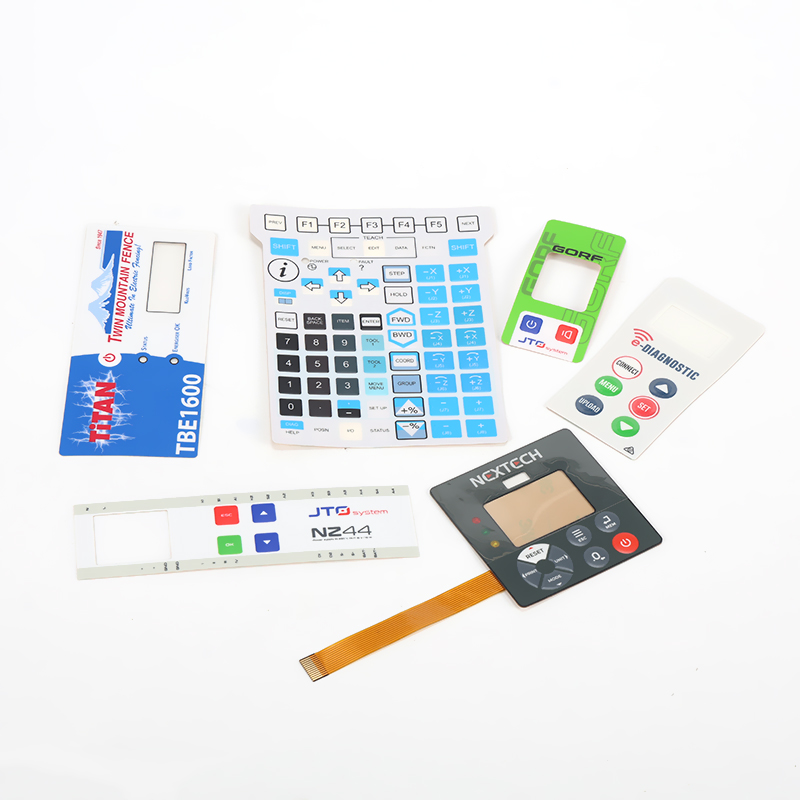
Waterproof Dustproof Custom Membrane Keypad Switch, PET Graphic Overlay Membrane Push Button Switch for Harsh Environment
- Perimeter gasket prevents salt air entry
- Autotex XE UV-resistant outdoor PET
- Actuation life: > 1,000,000 cycles
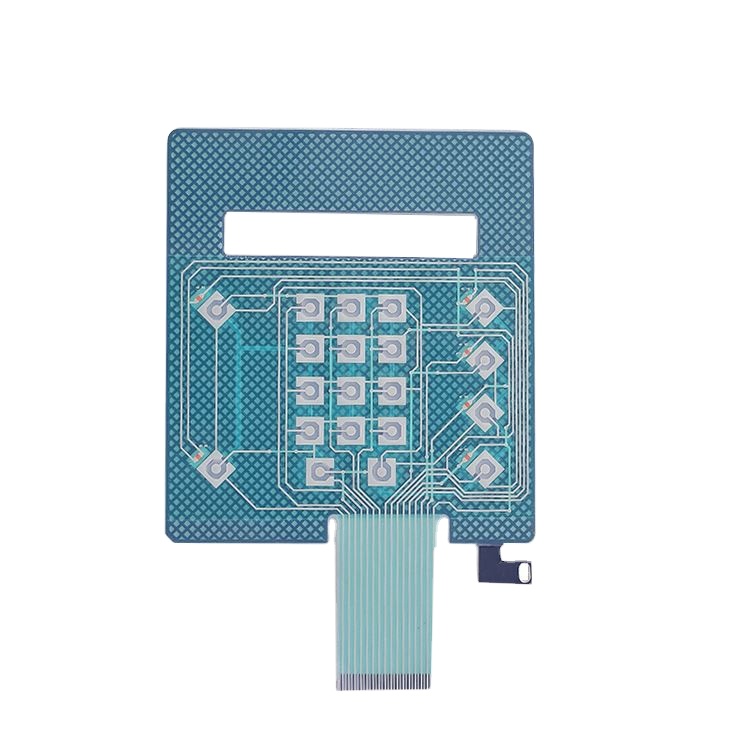
Custom PET Membrane Switch Keypad, ESD Shielding Layer Thin Film Push Button Membrane Switch for Electronic Equipment
- Integrated aluminum foil / carbon shield
- Static resistance up to 15kV discharge
- Ideal for solar inverters & maritime radios
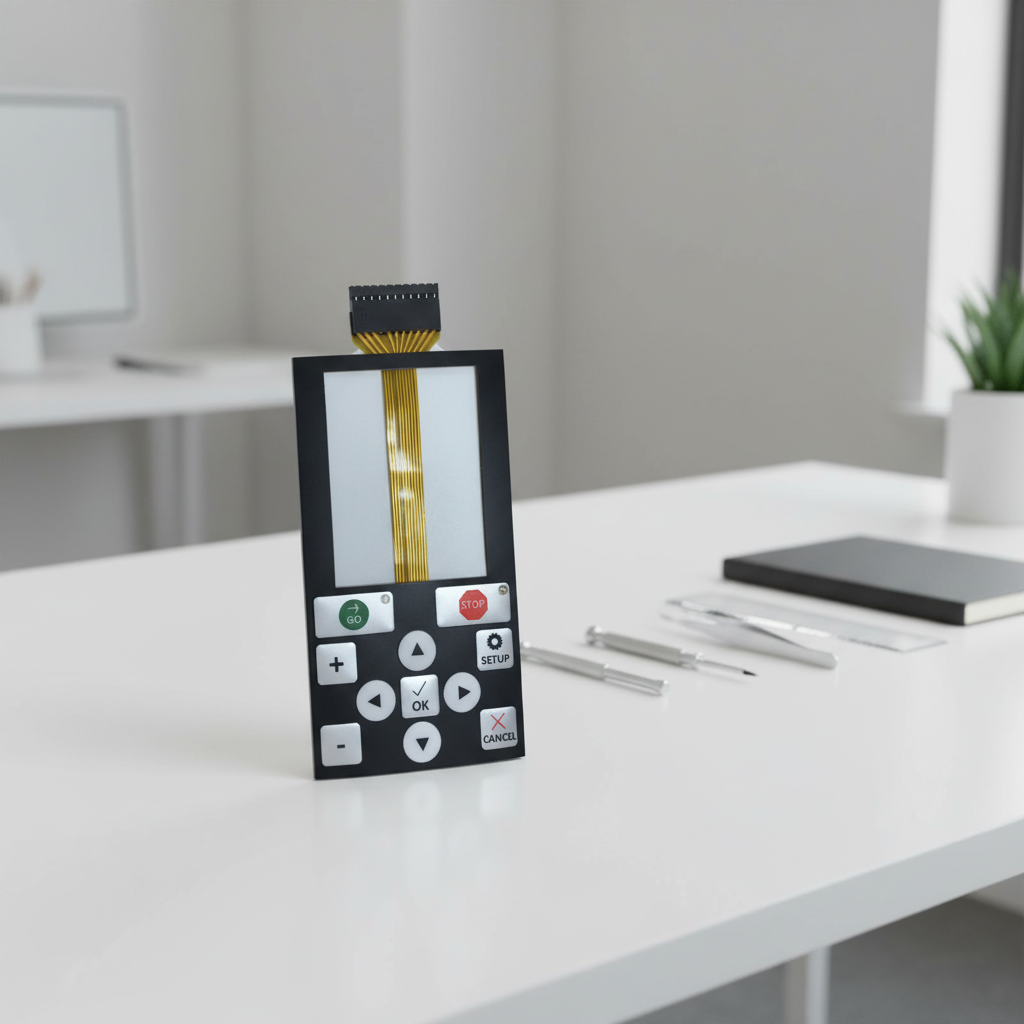
High Quality Reasonable Price Waterproof Membrane Keyboard with LEDs and 3M Adhesive Flat Design
- Original 3M 300LSE adhesive bonding
- Integrated surface-mount micro LEDs
- High tensile peel strength on metal & plastic
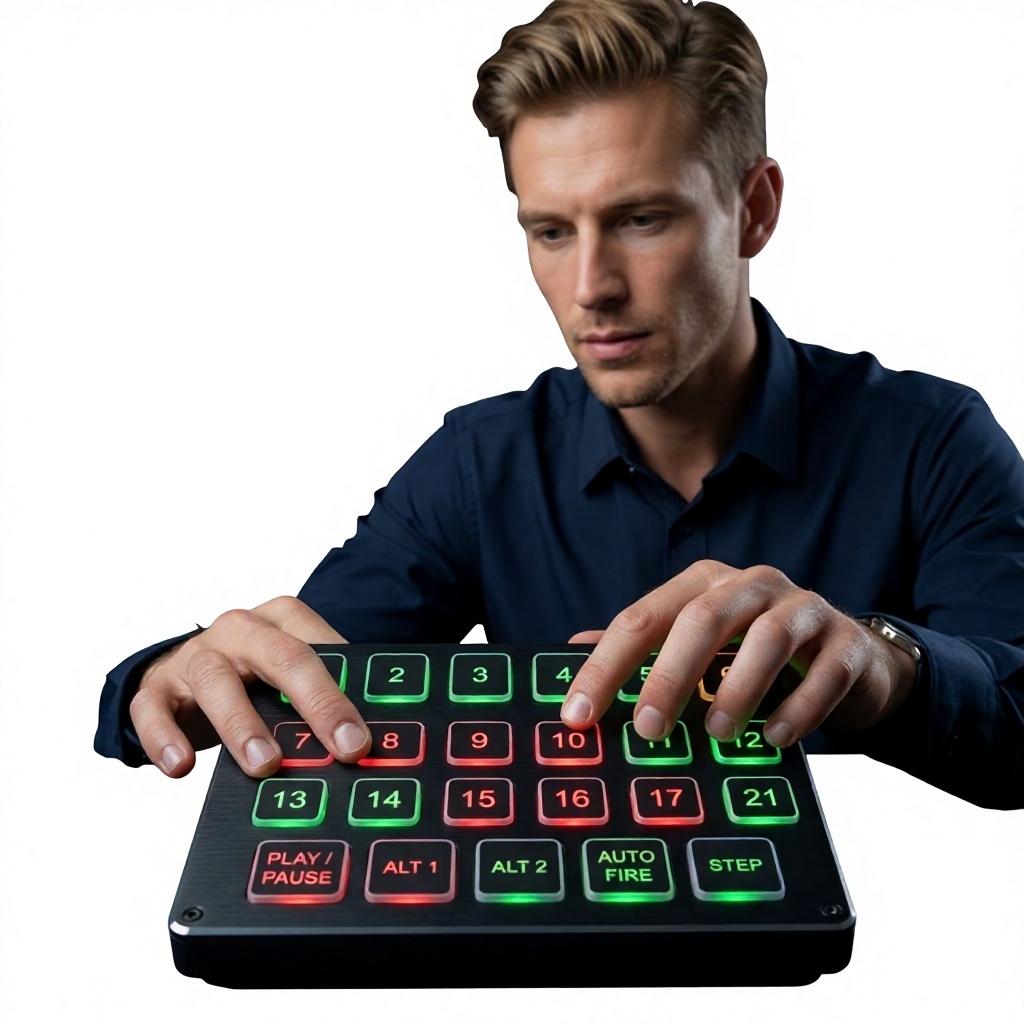
RoHS REACH Compliance Even Illumination Every Key Makes Night Operation Customized Backlit Membrane Keypad Switch
- Uniform light guide film (LGF) design
- Low power consumption for 12V/24V boats
- RoHS, REACH & UL94V0 flammability class
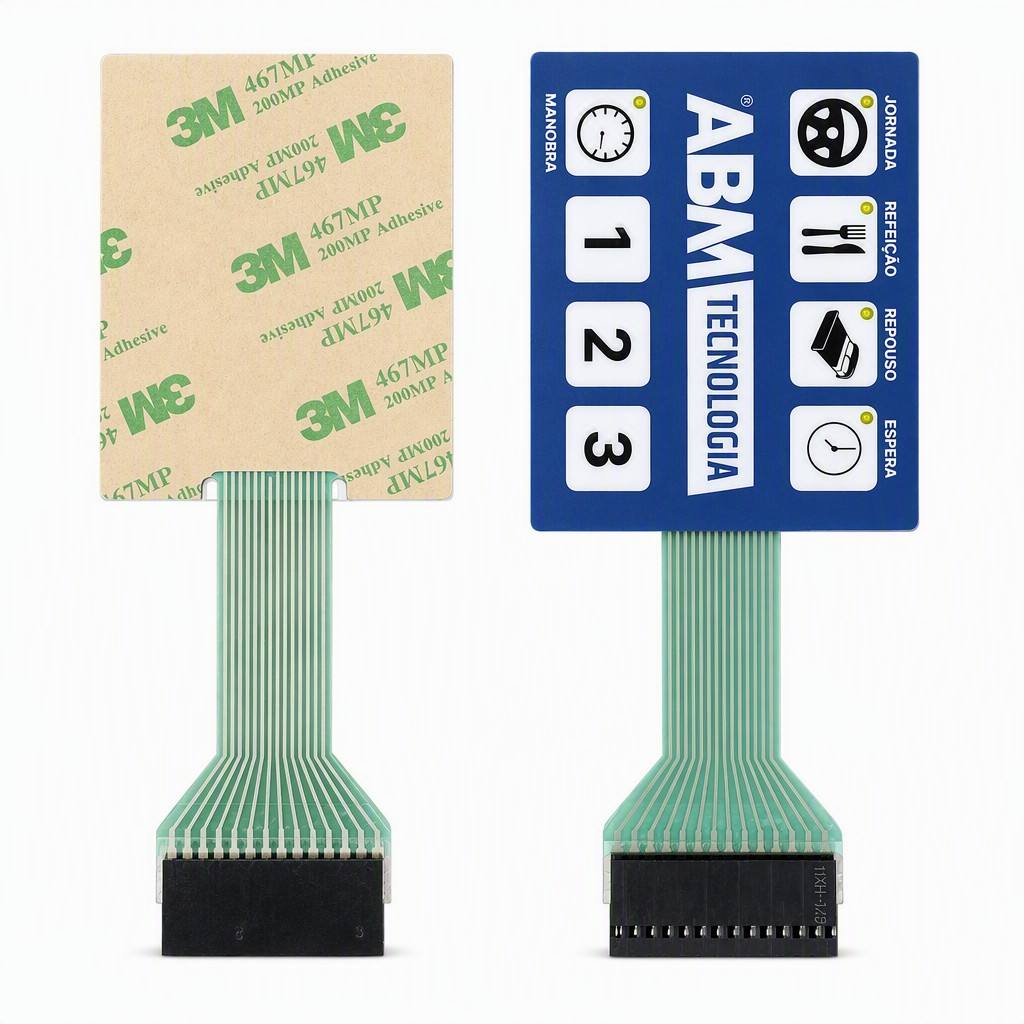
Custom Membrane Switch Industrial Control Panel Keypad OEM ODM Tactile Metal Dome RoHS UL94V0 Wholesale 5 Million Cycles
- Gold/Nickel plated stainless metal domes
- Sharp tactile feedback through heavy work gloves
- Over 5,000,000 actuations certified
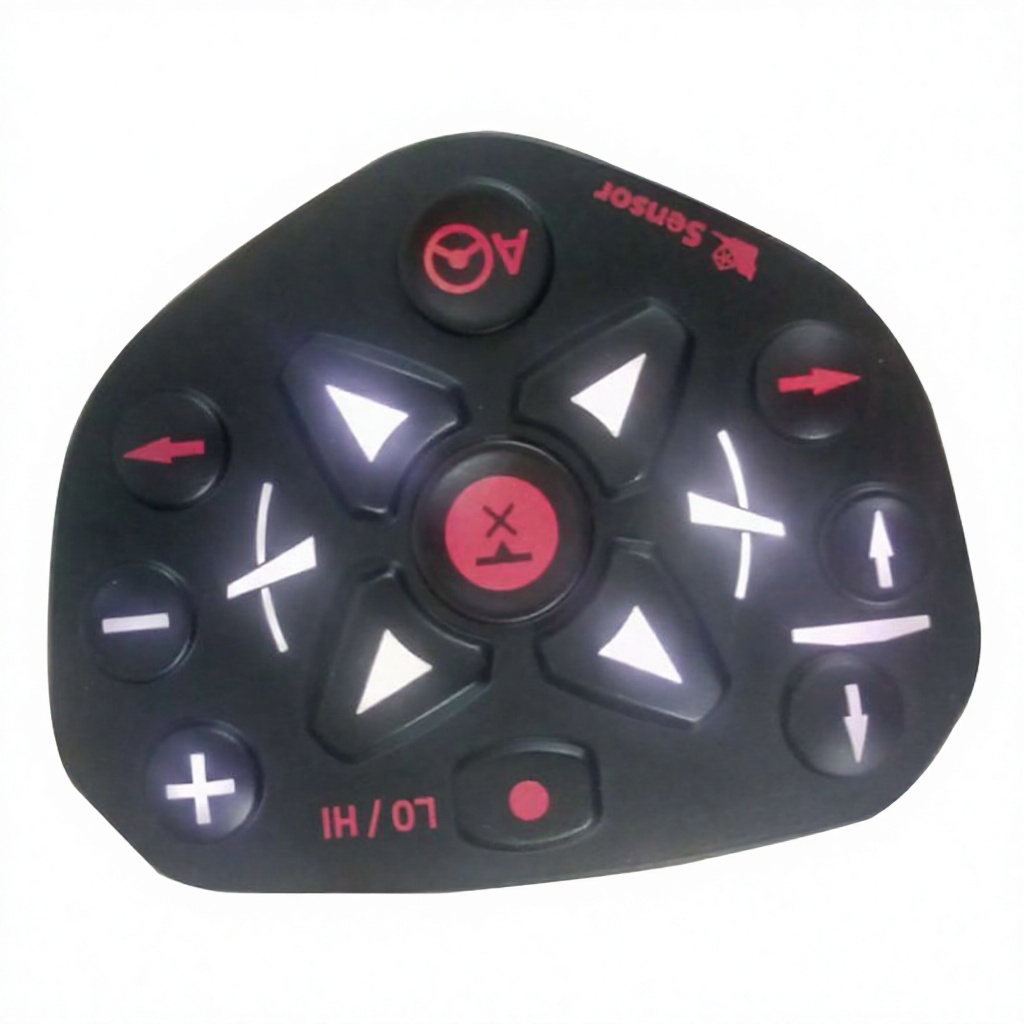
Translucent Polycarbonate PC Overlay with Light Guide Layer for Uniform Illumination Custom Backlit Membrane Switch
- Lexan optical grade scratch-resistant PC
- Selective anti-glare display window coating
- Zero hotspot illumination dispersion
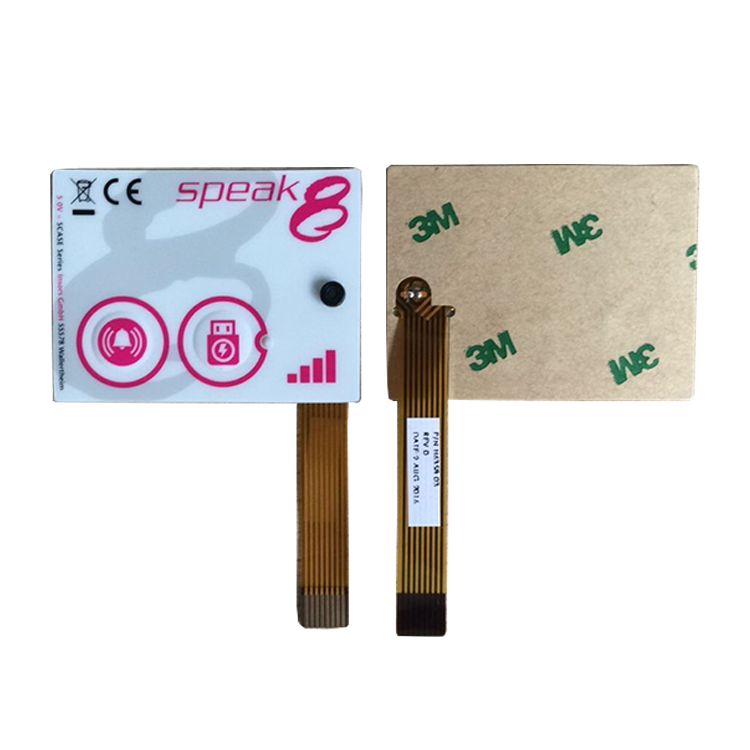
Custom Silk Screen Printing Membrane Switch Flexible Thin Film Keypad Push Button Switch for Household and Medical Equipment
- Antimicrobial graphic overlay options
- Precision Pantone / RAL color matching
- High flexibility tail with ZIF/FCI terminations
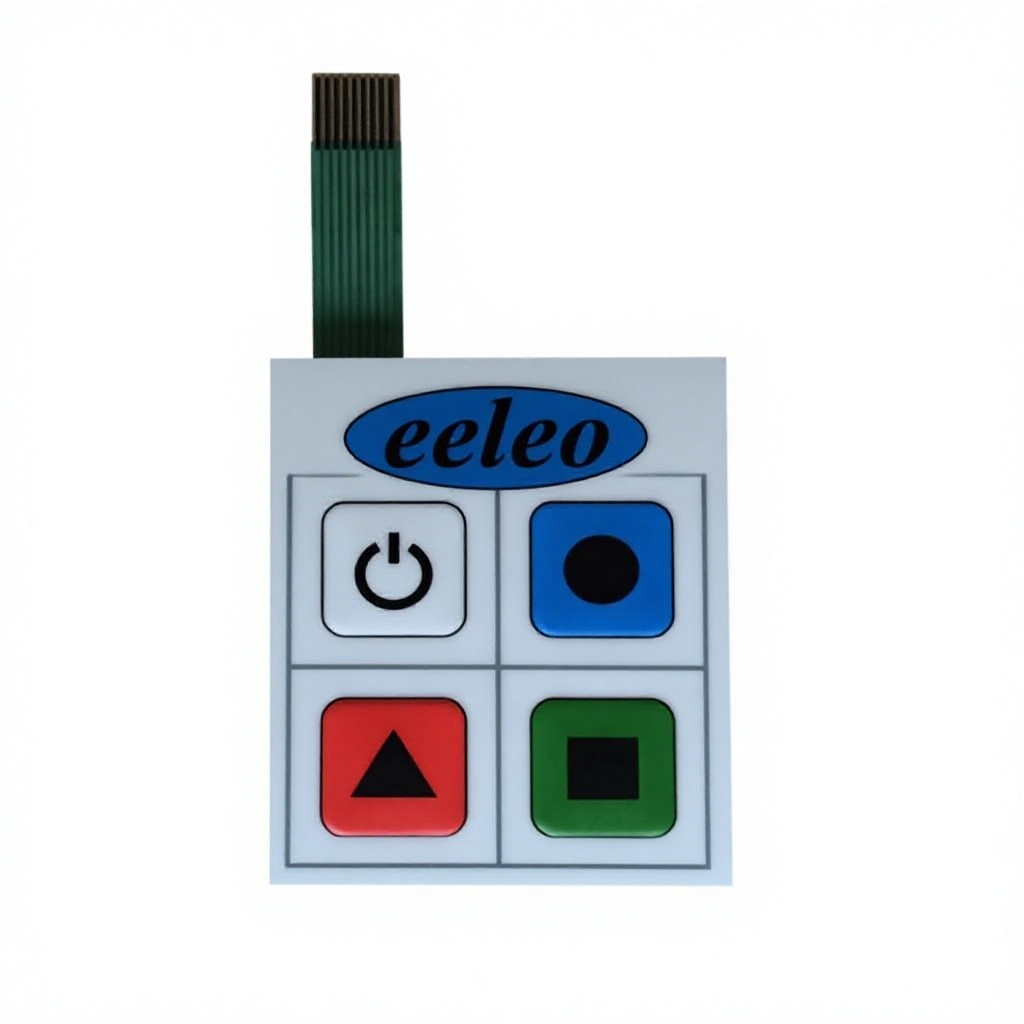
Wholesale OEM ODM Membrane Switch Home Appliance Control Panel Custom Graphic Overlay Polyester PET RoHS Custom Design
- Chemical resistance against cleaners & brine
- Sub-surface printing prevents legend erosion
- Cost-effective high-volume batch processing
Elastomeric Durability in Kiribati's Hyper-Saline, High-UV Climate
Deploying human-machine interface (HMI) controls in the Republic of Kiribati presents some of the most aggressive environmental challenges in global engineering. Spanning over 3.5 million square kilometers across the central Pacific Ocean, Kiribati’s atolls (including South Tarawa, Betio, and Kiritimati) operate under relentless equatorial conditions: constant relative humidity ranging from 80% to 95%, intense ultraviolet radiation (UV Index often peaking above 11–12+), and continuous airborne sodium chloride (NaCl) marine fog.
Conventional consumer-grade rubber keypads or standard electro-mechanical microswitches experience catastrophic failure modes within months under these stressors. Typical degradation pathways include elastomeric embrittlement, silver migration across circuit traces triggered by ionic humidity, and delamination of adhesive backings due to thermal expansion cycling.
The ZIRA Engineering Standard: To combat atoll oxidation, we utilize medical-grade polydimethylsiloxane (silicone rubber) compression molded under vacuum, vulcanized with platinum-curing agents to eliminate volatile outgassing. All internal switch contacts feature low-resistance conductive carbon pills (<100Ω) or gold-plated stainless steel metal domes hermetically encapsulated by continuous perimeter sealing beads.
Furthermore, our graphic overlays leverage sub-surface screen printing on biaxially oriented Autotex XE outdoor-grade PET films. The printing pigments are protected beneath the substrate layer, making key legends impervious to abrasive coral dust, sea spray scrubbing, and hydrocarbon fuels frequently encountered on fishing wharves and desalination stations.
Mission-Critical Applications Across Kiribati's Key Sectors
From the bustling cargo hub of Betio Port to decentralized off-grid solar mini-grids on outer atolls, our keypad switches maintain uninterrupted operational control.
Marine Navigation & Commercial Fishing
Equipped across artisanal outrigger fishing skiffs and commercial tuna purse seiners operating out of Tarawa lagoon. Used in VHF marine transceivers, echo sounders, satellite tracking buoys, and emergency EPIRBs where salt-water spray and fuel spillage are omnipresent.
Solar Microgrid & Desalination (RO)
Public Utilities Board (PUB) solar PV installations, hybrid battery energy storage containers (BESS), and reverse osmosis water desalination kiosks. Integrated keypad panels resist extreme equatorial UV degradation without yellowing or mechanical fatigue.
Betio Port Logistics & Maritime Cranes
Heavy cargo hoisting, container gantry pendants, and stevedoring machinery control boxes. Tactile metal dome switches provide crisp snap-action feedback through thick working gloves, preventing accidental actuation during critical harbor loading sequences.
Island Telecom & Weather Stations
Outdoor HF radio relay interfaces, meteorological cyclone warning sensors, and satellite earth stations connected to the Southern Cross NEXT subsea cable. Full ESD shielding protects sensitive microcontrollers from tropical lightning discharge and static build-up.
Emerging Technology Trends Reshaping Kiribati's Hardware Demands
The Kiribati National Development Plan emphasizes climate resilience, energy transition, and digitized maritime surveillance. Industrial procurement is shifting rapidly towards specialized interface specifications.
Decentralized Outer-Island Solarization
Outer atolls including Abaiang, Tabiteuea, and Beru are replacing diesel gensets with standalone solar microgrids. This transition requires HMI control consoles equipped with IP65+ sealed silicone rubber keypads that operate maintenance-free for decades in unconditioned tropical outdoor enclosures.
Subsea Cable & Satellite IoT Hardening
With high-speed connectivity via the Southern Cross NEXT cable landing in Tarawa and low-earth orbit satellite transceivers expanding to Kiritimati, field telemetry terminals demand compact tactile switches with integrated ESD barrier foils to safeguard expensive networking chipsets from oceanic electrical storms.
Hermetic Anti-Biofouling & Salt-Fungus Standards
High relative humidity combined with equatorial warmth promotes tropical fungal mycelium growth inside electronic housings. Modern tenders by international development partners (World Bank, ADB) specify MIL-STD-810H salt fog resistance and ASTM G21 anti-fungal silicone formulations for all switch interfaces.
HMI Switch Technology Benchmark in Marine Atoll Environments
A side-by-side engineering evaluation demonstrating why custom silicone rubber keypads and hermetic membrane switches outperform standard commercial alternatives.
| Evaluation Parameter | Standard Mechanical Pushbuttons | ZIRA Custom Silicone Rubber Keypads | ZIRA Sealed Membrane Keypad Switches |
|---|---|---|---|
| Ingress Protection Rating | IP40 - IP54 (Vulnerable key stem gaps) | IP66 - IP68 (Integrated perimeter gasket) | IP67 - IP68 (Hermetic adhesive barrier) |
| Salt Spray Resistance (ASTM B117) | < 96 Hours (Spring / contact corrosion) | > 500 Hours (Corrosion-proof carbon pill) | > 500 Hours (Gold/Nickel sealed domes) |
| UV Radiation Resistance (Equatorial) | Poor (ABS/Polystyrene yellowing & cracks) | Superior (Inherently UV-stable silicone) | Superior (Autotex XE UV-cured PET film) |
| Tactile Ergonomics with Gloves | Inconsistent over travel distance | Excellent (0.8mm - 2.5mm cushioned stroke) | Crisp Snap (Stainless dome snap ratio > 50%) |
| Custom Tooling Investment | High (Complex multi-part molds) | Moderate (Steel compression mold) | Low (Laser dies, film embossing, screens) |
| Expected Operating Life | 50,000 - 150,000 Cycles | > 1,000,000 to 5,000,000 Cycles | > 1,000,000 to 3,000,000 Cycles |
Why Procurement Officers & Engineers Partner with ZIRA
Headquartered in Ningbo, Zhejiang—one of the world's premier deep-water shipping and electronic manufacturing clusters—Zhejiang ZIRA Membrane Switch Co., Ltd. delivers direct factory accountability to the South Pacific.
Intertek Onsite-Verified Factory
Full manufacturing compliance, R&D testing facilities, and trade credibility verified onsite by Intertek. Long-standing Tier-1 supply partnerships with global automation titans including ABB and Emerson.
100% Comprehensive Testing
Every single keypad passes through computer-controlled automated testing rigs for trace continuity, loop resistance, insulation breakdown (>100MΩ at 250V DC), LED luminous balance, and snap-ratio tactile curve analysis.
Rapid DFM & 1-Piece Prototyping
In-house mechanical and circuit design engineers deliver full Design for Manufacturability (DFM) reviews within 24 hours. Fast-track prototyping allows functional sampling from just 1 piece before volume tooling commit.
Direct Ocean & Air Logistics
Experienced in South Pacific freight forwarding corridors. We support direct air courier (DHL/FedEx) to Bonriki International Airport (Tarawa) and ocean freight (FCL/LCL) consolidating via Suva/Auckland directly to Betio Port.
Frequently Asked Questions by Kiribati Buyers & Engineers
Clear, direct answers regarding custom tooling, freight arrangements to South Tarawa, material specifications, and quality guarantees.
What is the typical shipping transit time and delivery terms for Tarawa or Kiritimati?
For engineering prototypes and urgent maintenance batches, express air freight to Bonriki International Airport (TRW) via Fiji typically delivers in 7–12 business days. For scheduled production orders, consolidated ocean freight to Betio Port (Tarawa) is handled via FOB Ningbo, CIF Tarawa, or DDP terms, typically arriving within 28–38 days.
How do your rubber keypads prevent circuit failure from severe ocean salt fog?
We deploy three distinct protective barriers: First, an elastomeric compression wrap with a continuous perimeter sealing ring. Second, conductive carbon contact pills that cannot oxidize or suffer from galvanic corrosion. Third, on FPC or silver trace layers, we apply dielectric encapsulation plus hydrophobic conformal coatings tested to withstand 500+ hours of ASTM B117 salt spray exposure.
Can we order small quantities for island infrastructure pilot projects?
Yes. We understand that projects in Kiribati often involve specialized community microgrids, municipal pilot trials, or targeted maritime repairs. Functional prototype samples can be produced from just 1 piece. Standard production runs typically start at 100 units, avoiding the onerous 10,000-piece minimums imposed by generic component distributors.
Which design files are required to initiate a custom HMI tooling review?
Please share your mechanical outline drawings (DXF, DWG, STEP, or PDF) detailing keypad dimensions, key travel, actuation force preferences, and circuit pin-out schematics. If you have graphic artwork, vector files in Adobe Illustrator (.AI) or vector PDF with specified Pantone/RAL codes are preferred. Our engineering desk will deliver a comprehensive DFM proposal within 24 hours.
Should we specify a pure silicone keypad or a silicone-over-membrane hybrid?
If your application requires deep ergonomic key travel, backlit laser-etched legends, and heavy tactile actuation (e.g., vessel steering helms or handheld radiophones), a pure silicone rubber keypad with conductive carbon pills contacting a rigid PCB is ideal. If your equipment needs an ultra-flat, completely sealed, wipe-clean profile for medical clinics or lab water testing, a sealed PET membrane switch is recommended. We also manufacture hybrid designs uniting both technologies.
What payment currencies and banking methods do you accept for Kiribati orders?
We support transactions in Australian Dollars (AUD)—the official currency of Kiribati—as well as USD, EUR, and CNY. Accepted commercial instruments include Telegraphic Transfer (T/T), confirmed irrevocable Letters of Credit (L/C at sight), Western Union, and secure trade financing through verified international channels.
Equip Your Systems with Proven Equatorial-Grade Interface Controls
Whether you are designing a new solar desalination interface for Betio, upgrading maritime radio transceivers, or retrofitting telecom consoles on Kiritimati, ZIRA’s engineering team will optimize your stack-up for zero field failures.
