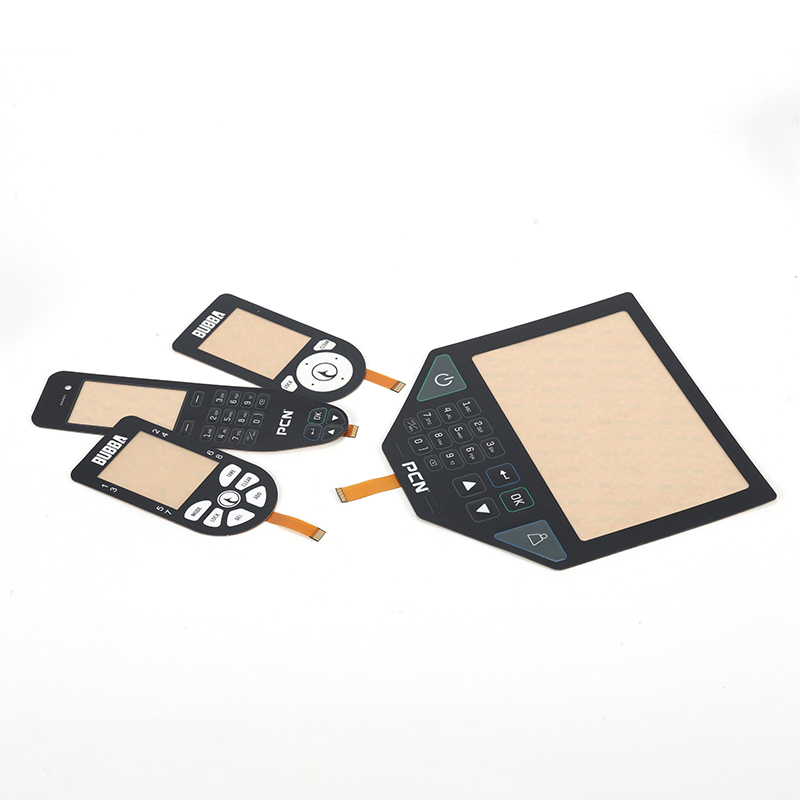
Customized Membrane Push Button Switch & FPC Circuit
Integrated with high-density copper flex (FPC), tactile feedback, and comprehensive ESD/EMI shielding.
Manufactured according to rigorous ISO standards with advanced multi-layer functional screen printing, selective texturing, EMI/RFI shielding, and genuine 3M structural adhesives.
Integrated with high-density copper flex (FPC), tactile feedback, and comprehensive ESD/EMI shielding.
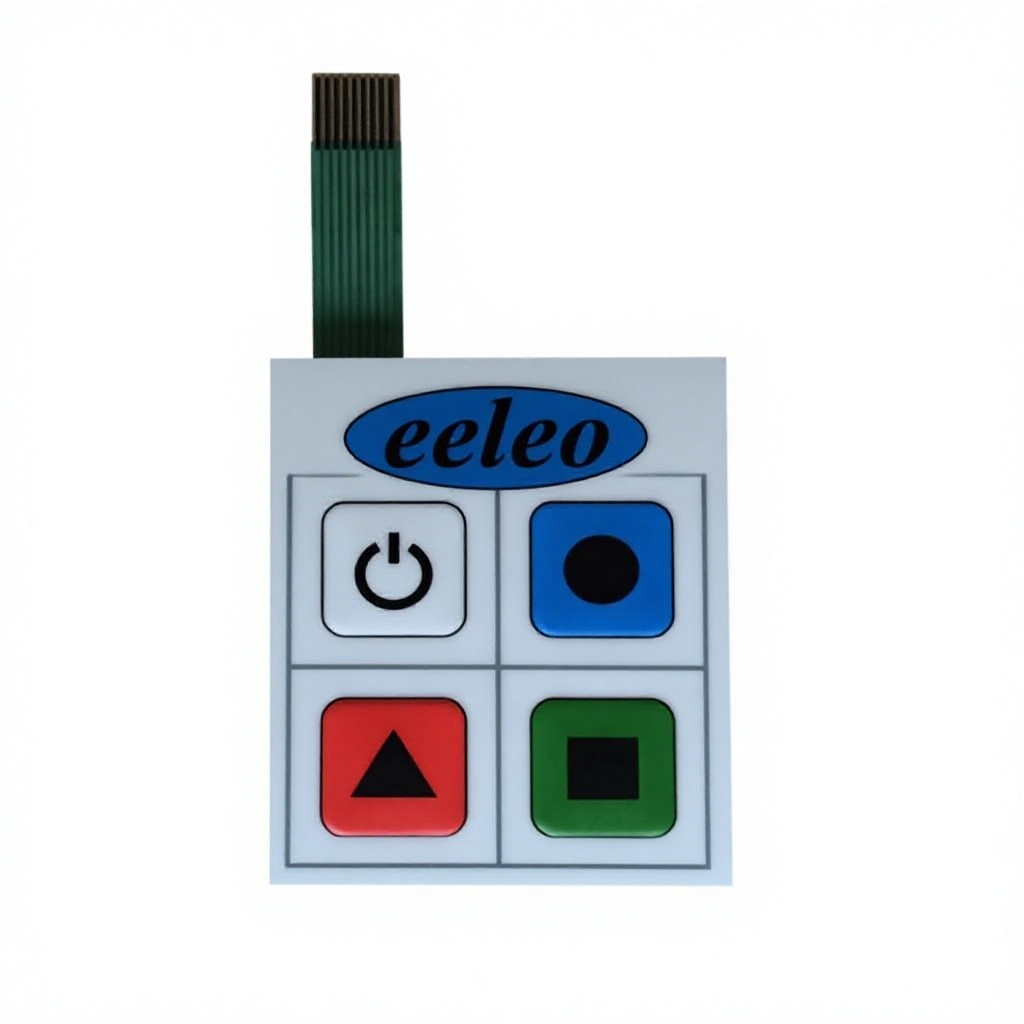
RoHS-compliant polyester PET construction engineered for chemical resistance, UV protection, and long cycle life.
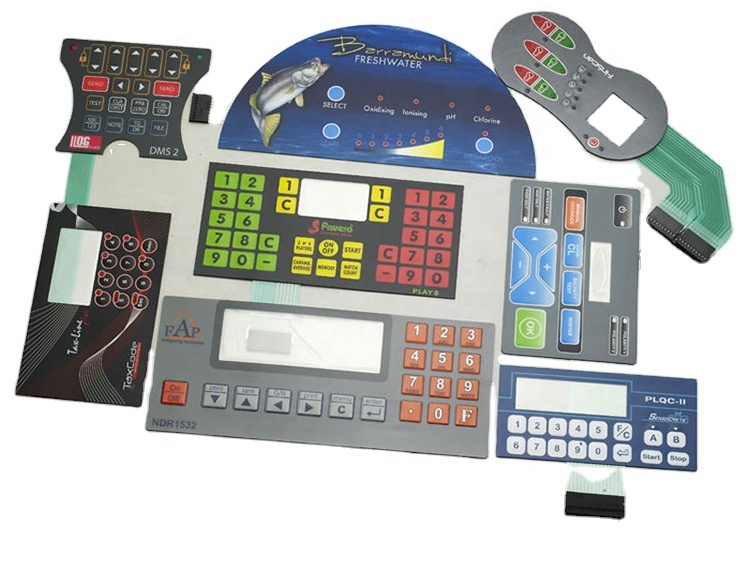
Integrated surface-mount micro LEDs and light-guide film ensuring balanced operator interface illumination.
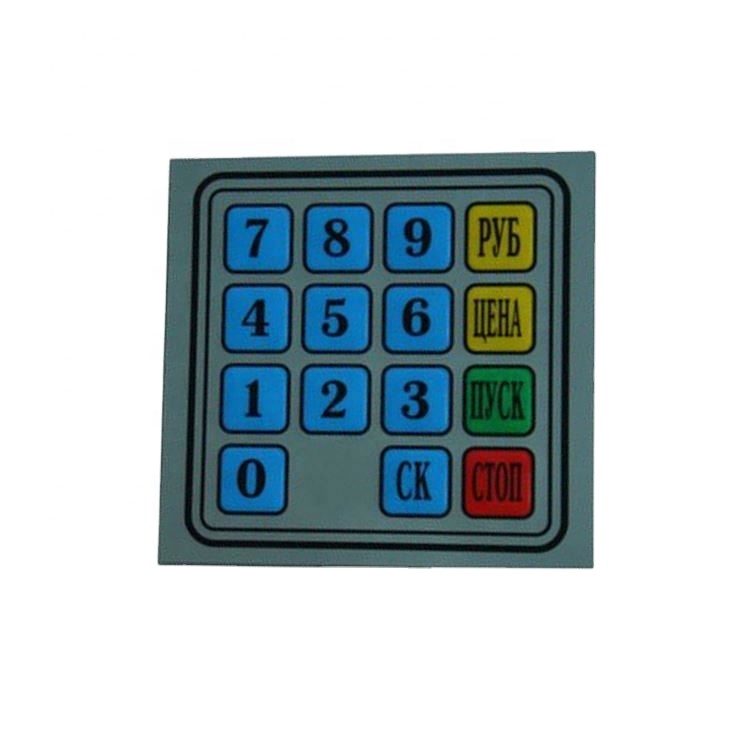
Combines rugged silicone button tactile travel with printed membrane sealing for harsh industrial shop floors.
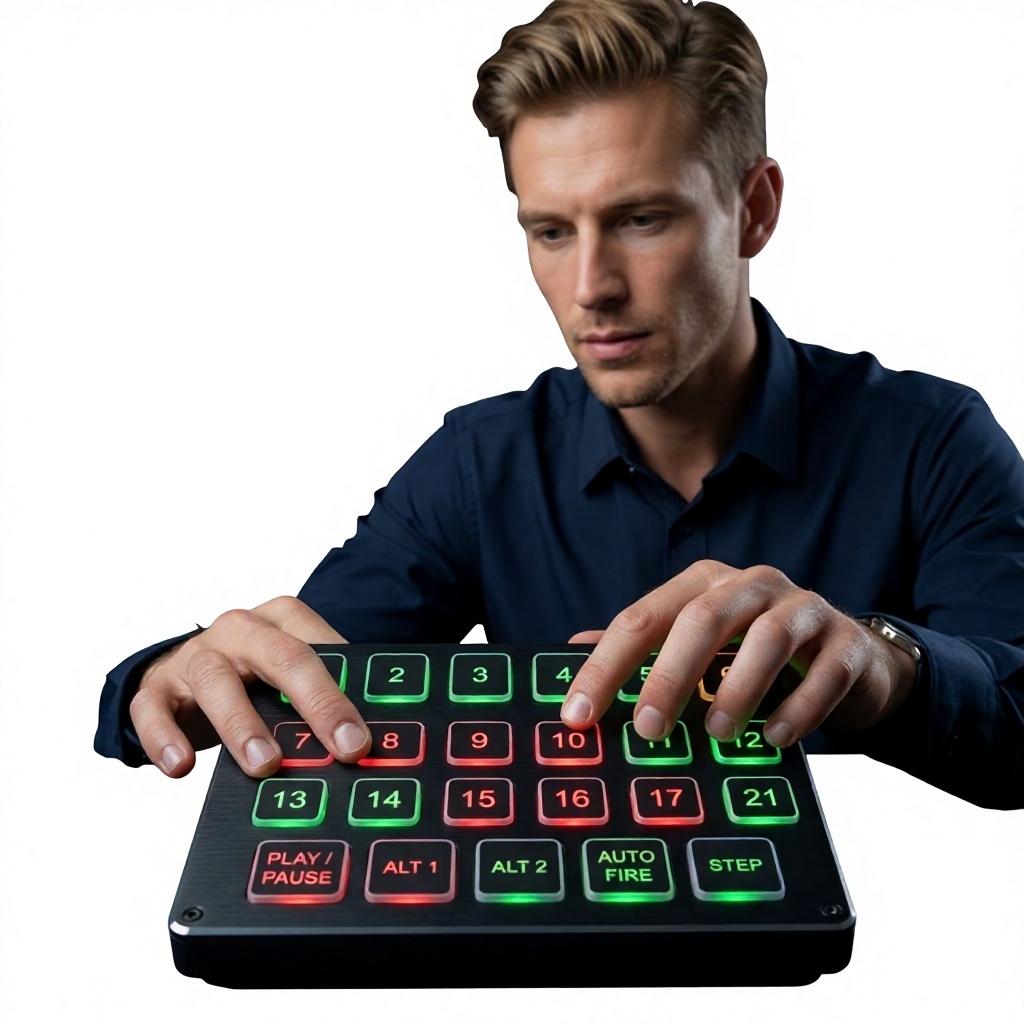
REACH-compliant backlighting engineering tailored for low-light automotive diagnostic and testing environments.
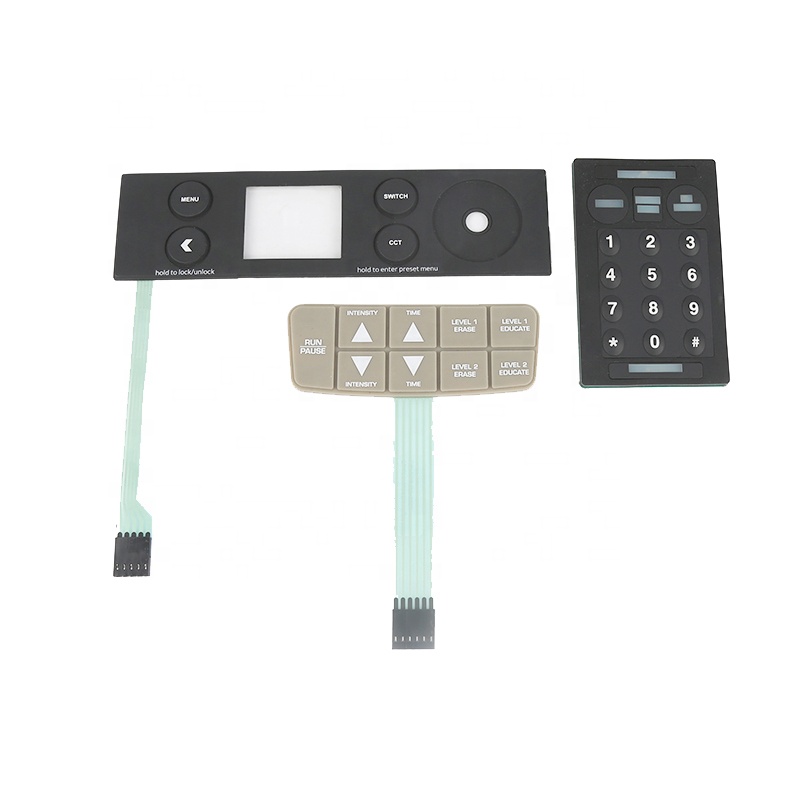
Hermetically sealed anti-microbial overlay surfaces built with 3M high-tack acrylic adhesives for hospital sterilization.
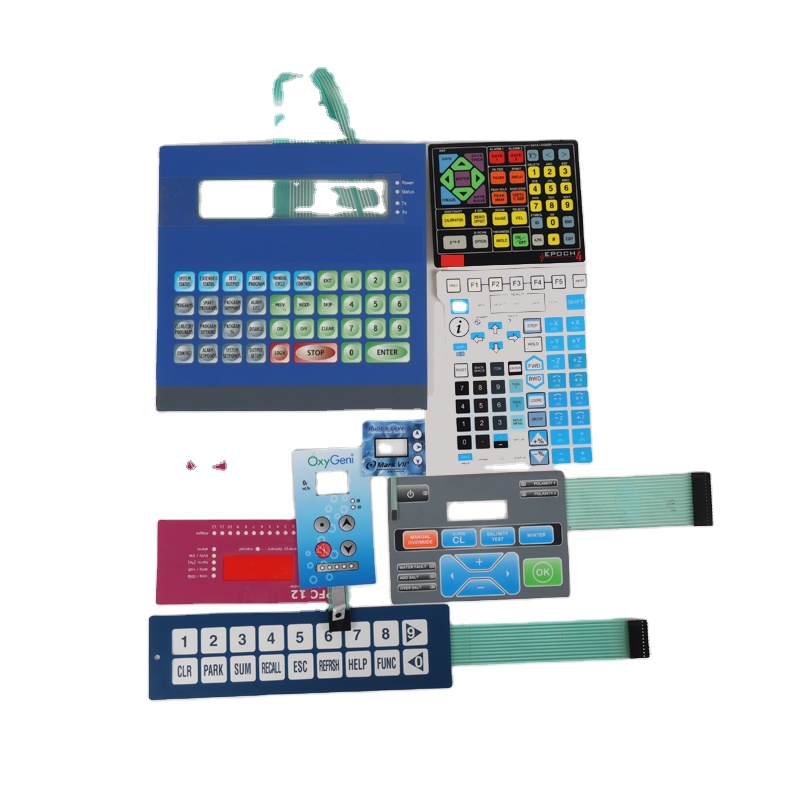
NEMA 4X / IP67 rated perimeter sealing providing impervious protection against washdowns, oils, and chemical spills.
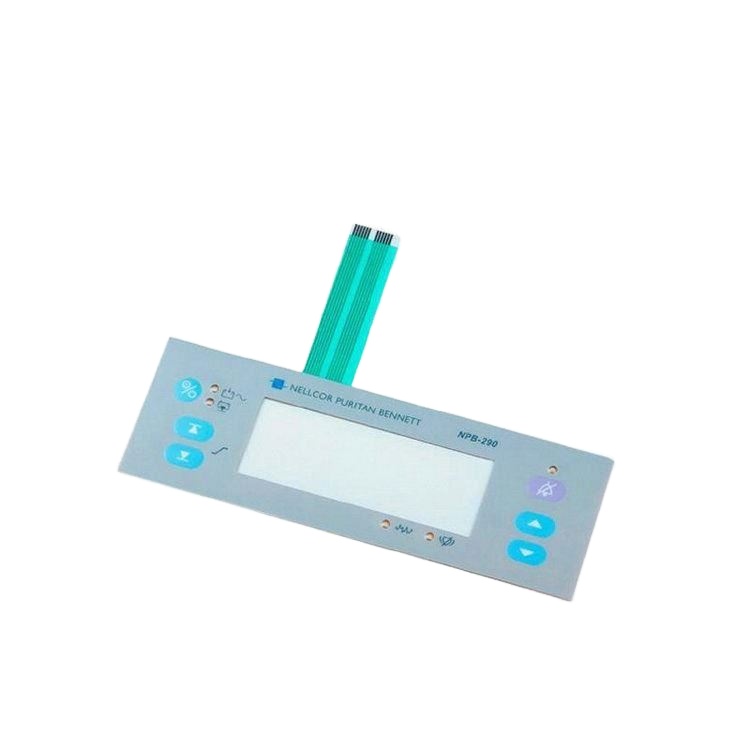
Engineered for versatile electrical integration with standard pitch connectors, zero insertion force (ZIF), or solder tabs.
Since 1996, Zhejiang ZIRA Membrane Switch Co., Ltd. has delivered turnkey Human-Machine Interface solutions for world-class OEMs including ABB and Emerson. Here is why North American procurement teams rely on our factory.
Spanning 3,000 to 5,000 m² across 5 specialized production lines in Ningbo. Screen printing, cleanroom curing, embossing, automated die-cutting, and final lamination are managed entirely under one roof.
Every single membrane switch and sub-assembly undergoes automated continuity, contact resistance, loop resistance, breakdown voltage, and insulation testing prior to packaging.
Independently audited and assessed onsite by Intertek. Our facility maintains transparent quality management, RoHS/REACH compliance documentation, and strict material tracing.
Sample prototypes from 1 piece with complete Design for Manufacturability (DFM) reviews. Flexible commercial Incoterms (DDP, FOB, CIF, EXW) tailored for North American supply chains.
Metro Detroit and Southeast Michigan represent the engineering nucleus of American automotive development, advanced robotics, medical instrumentation, and defense manufacturing. Our printed graphic overlays and membrane keypads are engineered to thrive in these demanding operational environments.
Detroit tier-1 automotive suppliers require interface panels capable of withstanding industrial lubricants, hydraulic fluids, and severe mechanical vibration. Our Autotex® and Autoflex® polyester graphic overlays undergo subsurface second-surface screen printing, ensuring text and branding never wear off from chemical washdowns or continuous glove-actuated operation on automated welding lines and assembly jigs.
Factory automation across Warren, Sterling Heights, and Auburn Hills depends on rugged teach pendants and PLC control interfaces. We construct overlays with selective UV-cured textures, tactile rim or pillow embossing, and stainless steel metal snap domes rated for over 1,000,000 cycles. Custom integrated EMI/RFI aluminum or copper shielding layers isolate delicate control logic from heavy factory electrical noise.
Healthcare engineering clusters in Ann Arbor and Detroit require sealed, sanitary interface surfaces. Our medical-grade membrane faceplates incorporate antimicrobial film coatings resistant to quaternary ammonium and bleach wipe-downs. Hermetic perimeter sealing ensures an IP67 rating, completely preventing fluid ingress into internal sensor circuits.
Selecting the optimal substrate and adhesive backing determines long-term field survivability. Below is an engineering comparison designed for Michigan component design engineers.
| Evaluation Parameter | Polyester (PET - e.g., Autotex / Melinex) | Polycarbonate (PC - e.g., Lexan) | Silicone Hybrid Keymats |
|---|---|---|---|
| Flexural Fatigue Life | > 5,000,000 switch cycles; superior flex recovery | < 100,000 switch cycles (susceptible to stress cracking) | > 1,000,000 cycles with conductive carbon pills |
| Chemical & Solvent Resistance | Exceptional resistance to alcohols, fuels, ketones, cutting oils | Poor; crazes when exposed to industrial solvents and harsh cleaners | High resistance to oil, moisture, and ozone exposure |
| Optical Clarity & Windows | High transmission with anti-glare / anti-reflective treatments | Superior optical clarity for high-resolution LCD/OLED readouts | Translucent silicone for laser-etched backlit illumination |
| Operating Temperature | -40°C to +85°C (-40°F to 185°F) continuous | -40°C to +100°C (-40°F to 212°F) continuous | -40°C to +150°C continuous high-heat tolerance |
| Recommended Detroit Applications | Automotive under-hood controls, industrial HMIs, robotic pendants | Indoor test fixtures, non-flexing decorative bezels, instrument lenses | Rugged handheld diagnostic scanners and vehicle remotes |
As Michigan manufacturing evolves toward Industry 4.0, electrification, and intelligent automation, the specifications for graphic overlays and control interfaces have experienced decisive technological shifts.
Modern machine builders in Michigan are moving away from purely mechanical pushbuttons toward hybrid interfaces. By integrating Indium Tin Oxide (ITO) or silver printed capacitive sensor arrays behind sleek, flush graphic overlays, OEMs achieve modern consumer-grade touch aesthetics while retaining dedicated tactile emergency stops or raised locator rims for glove-wearing operators.
Traditional bulky LED assemblies are being superseded by ultra-thin Light Guide Films (LGF) paired with side-firing surface-mount micro LEDs. This innovation enables perfectly uniform, non-glare graphic icon backlighting across multi-zone control consoles without light leakage, consuming less than 1.2 mm of total stack-up thickness—crucial for space-constrained vehicle dashboards.
In response to supply volatility, Detroit procurement teams increasingly bypass domestic brokers to partner directly with audited overseas manufacturers. Through Delivered Duty Paid (DDP) logistics, complete customs clearance, and transparent tooling validation, Michigan companies reduce custom interface tooling costs by 40–60% while accelerating engineering turnaround times.
Comprehensive technical and commercial answers addressing common engineering concerns from Michigan OEMs, procurement specialists, and quality directors.
We work natively with vector engineering formats including DXF, DWG, Adobe Illustrator (.AI), vector PDF, and CorelDRAW. For circuit printing, Gerber files or detailed pin-out schematics ensure swift turnaround. Our standard manufacturing tolerance on graphic overlay die-cutting is ±0.15 mm (±0.006"), with circuit registration maintained within ±0.10 mm. When custom window tinting or dead-front graphics are required, we match against standard Pantone or RAL color codes using computer-controlled spectrophotometers.
Adhesion failure in harsh industrial settings is unacceptable. We specify genuine 3M adhesive systems matched precisely to your mating bezel. For low surface energy (LSE) plastics like polypropylene and textured powder coats common on industrial automation machinery, we recommend 3M 300LSE (e.g., 9472LE, 9475LE) or 3M 200MP (e.g., 467MP, 468MP) for smooth, high surface energy metals and molded polycarbonates. Custom selective adhesive cutouts around display windows and tactile dome vents are die-cut with microscopic precision.
Embossing creates tactile button definition and finger location for equipment operators. Rim embossing forms a raised perimeter ridge around the perimeter of the key, keeping the graphic center flat—ideal for visual icons or LED indicators. Pillow (pad) embossing elevates the entire key area smoothly above the overlay surface, providing a distinctive tactile surface. Dome embossing creates a spherical domed profile that mimics the curvature of an internal metal snap dome, optimizing tactile feedback snap ratio.
Yes. Dead-front printing is widely specified in automotive center stacks and medical monitoring consoles. By printing semi-translucent smoke inks behind specific graphic legends, icons remain invisible ("dead") until back-illuminated by an internal LED. This technique eliminates visual clutter on complex control surfaces while improving user workflow and operator safety.
We ship internationally on all standard Incoterms, with DDP (Delivered Duty Paid), FOB Ningbo/Shanghai, and CIF being the most widely used. For prototypes and time-critical pilot builds, express air couriers (FedEx, DHL, UPS) deliver directly to Detroit, Grand Rapids, Troy, or Southfield facilities in 3 to 5 business days. For recurring volume production, scheduled sea container freight to East Coast or West Coast ports with intermodal rail delivery directly to Detroit logistics hubs optimizes landed unit costs.
Send our senior engineering team your CAD drawings, graphic artwork, or reverse-engineering sample. We deliver comprehensive DFM reviews, layer stack-up diagrams, and transparent factory-direct quotations within 24 hours.
