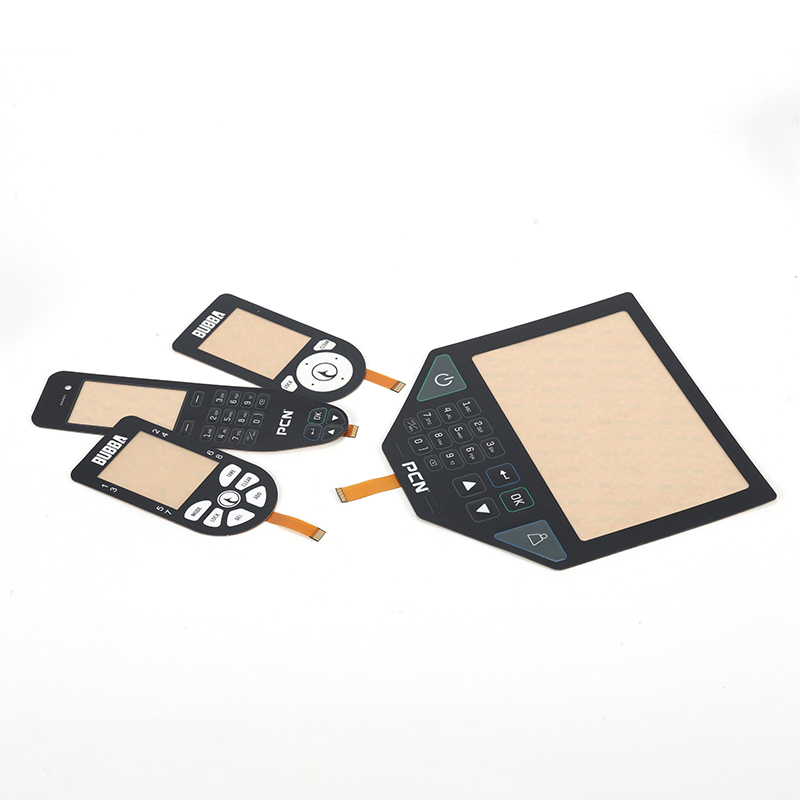
Technical Specification Analysis: Custom Plastic Keypad Assemblies for the Geneva Canton Industrial Hub
The manufacturing sector in the Canton of Geneva and the wider Lake Geneva region (encompassing Vaud, Valais, and neighboring micro-technology clusters) occupies a singular position in international commerce. Defined by uncompromising metrology, high-value life sciences instrumentation, cryogenic research at organizations like CERN, and high-tier horological assembly automation, procurement directors and hardware engineers in Geneva require input interfaces that satisfy exceptional physical, chemical, and electrical performance envelopes.
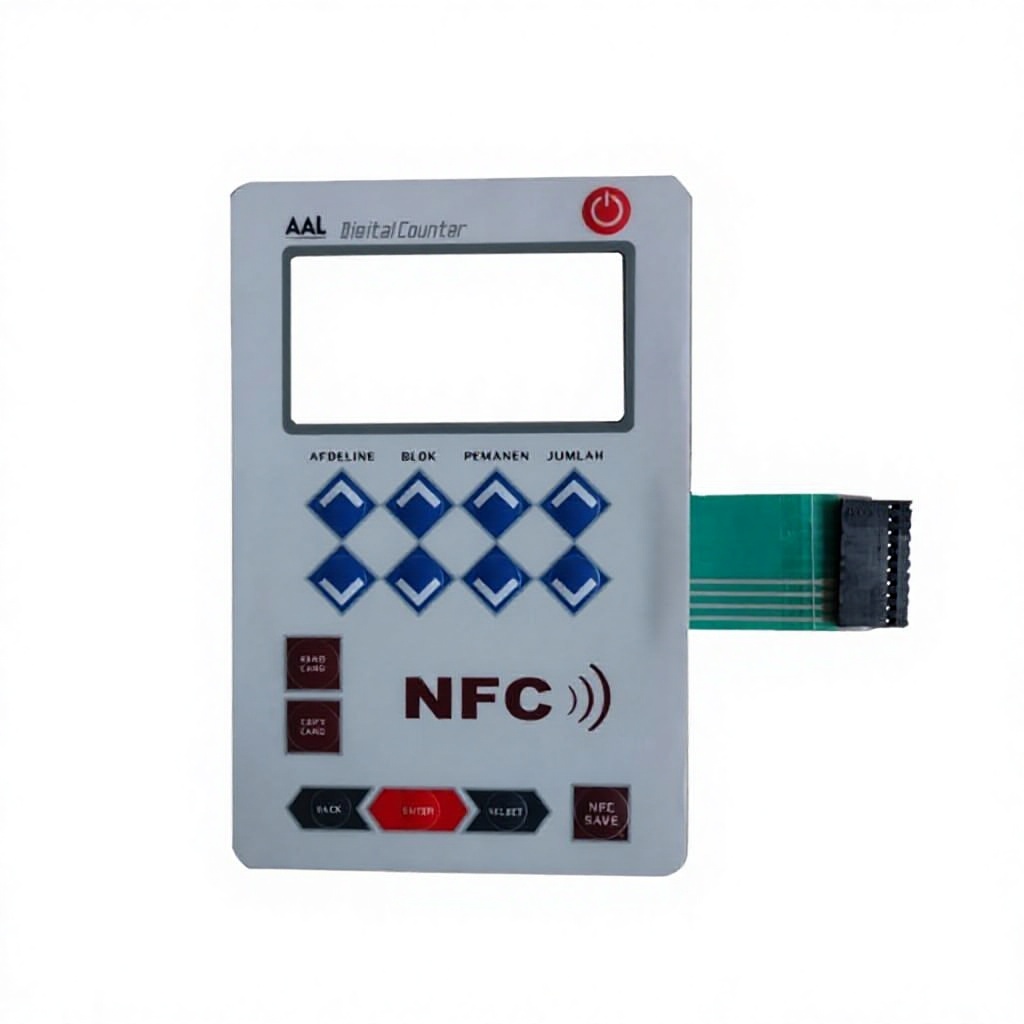
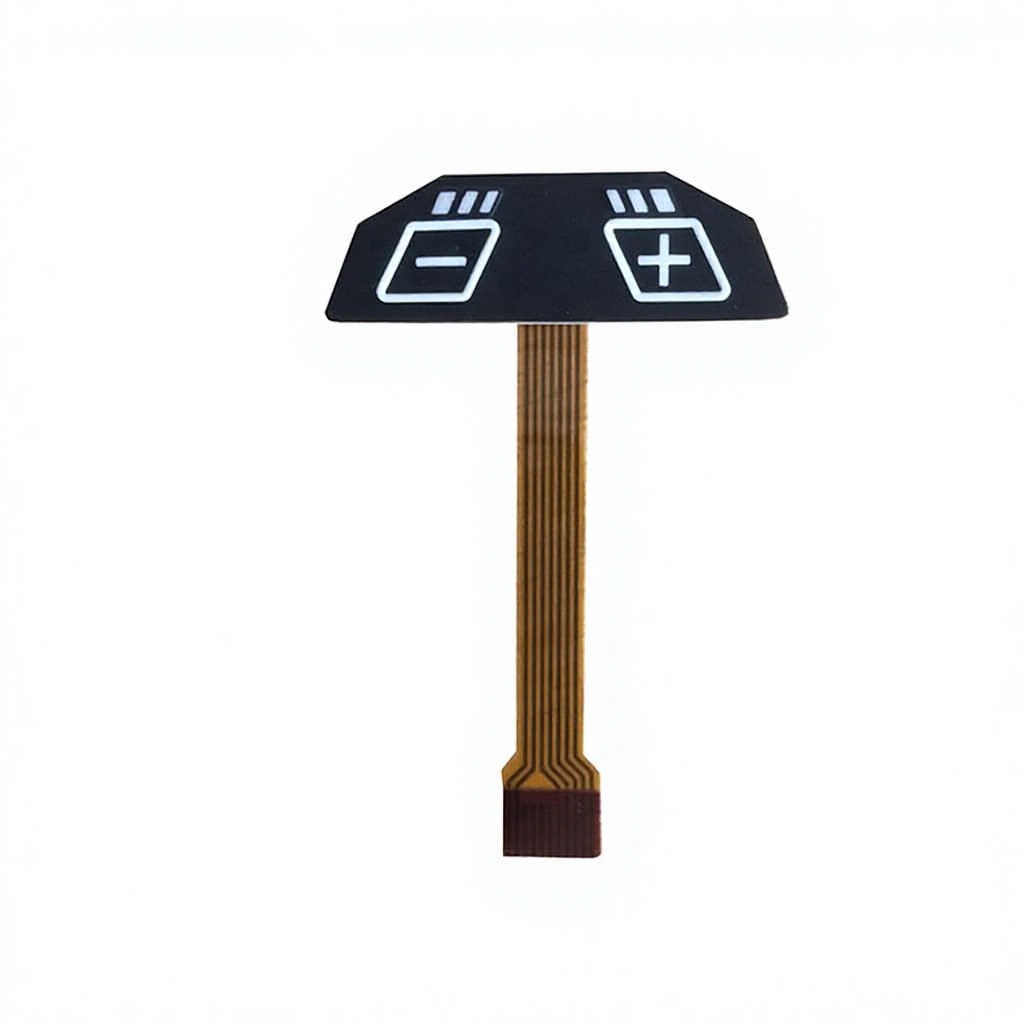
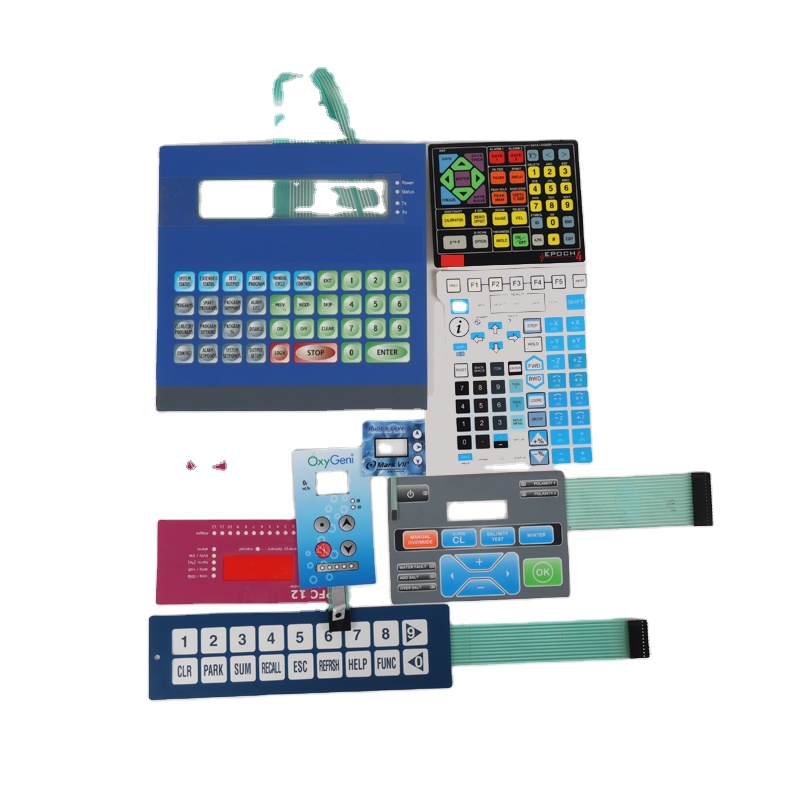
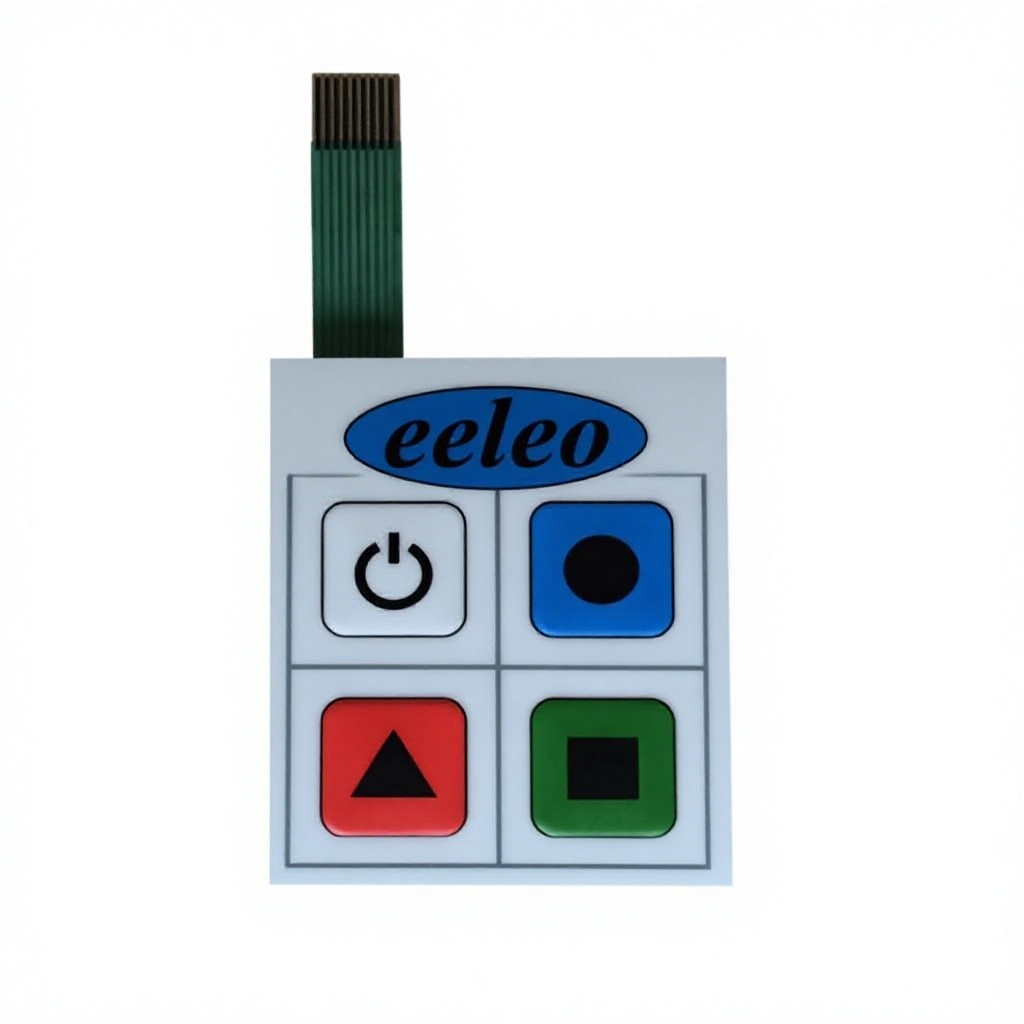
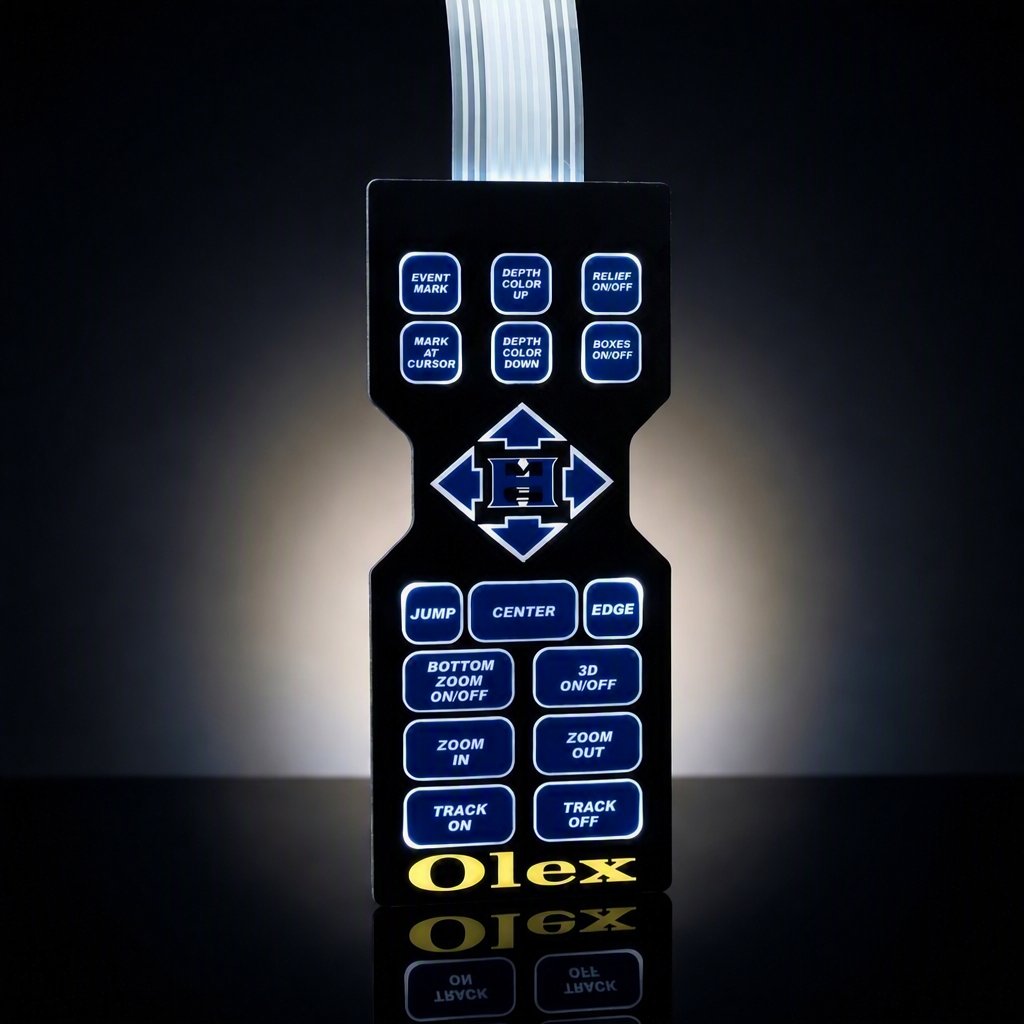
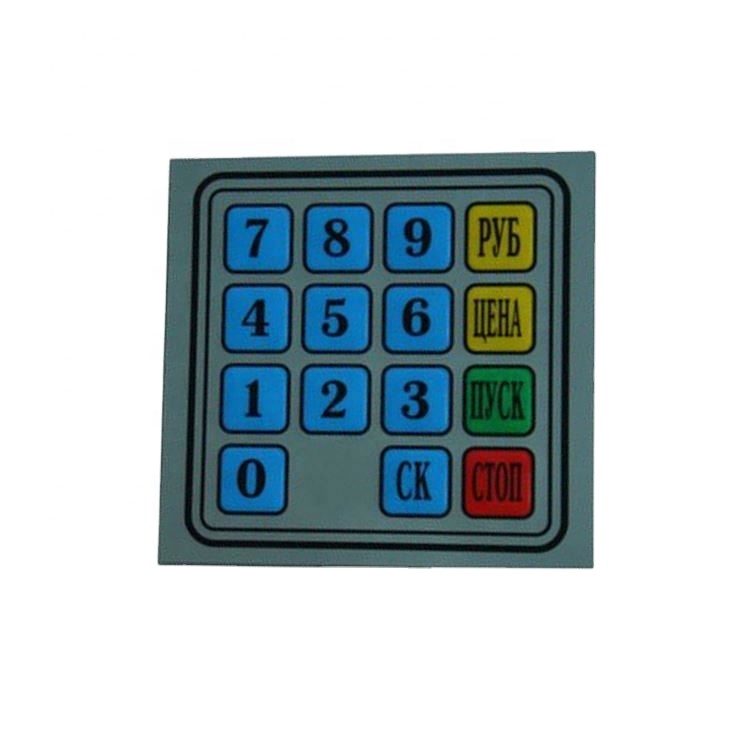
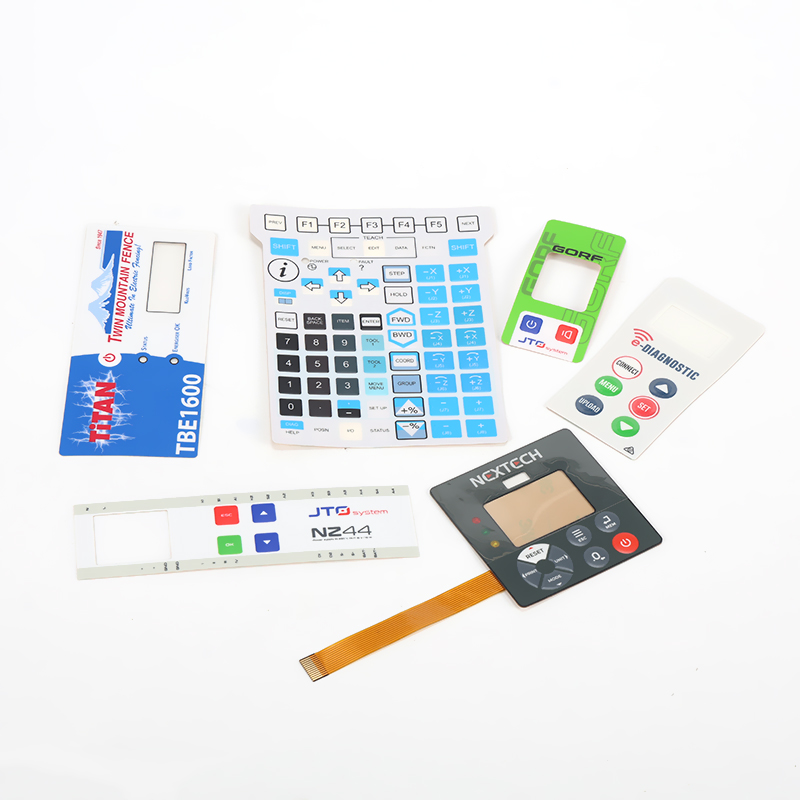
Plastic keypad assemblies—incorporating multi-layer membrane switches, silicone elastomer keymats, capacitive ITO sensor layers, and flexible printed circuits (FPC)—represent the critical physical boundary between human operators and complex embedded processors. When sourcing these sub-assemblies from specialized manufacturing plants in Ningbo, Chinese export leaders must provide clear technical data, verifiable material traceability, and adherence to European regulatory directives.
1. Material Science Selection: Biaxially Oriented PET vs. Polycarbonate (PC)
In Swiss instrumentation design, substrate selection fundamentally dictates operational longevity. While standard consumer interfaces frequently employ Polycarbonate (PC) for its immediate optical clarity and ease of die-forming, medical and industrial applications throughout Geneva almost universally demand premium heat-stabilized, biaxially oriented polyethylene terephthalate (PET), such as Autotype Autotex (F150/F200) or Toray Lumirror.
- Flexural Fatigue Endurance: PET substrates demonstrate a flex life exceeding 5 million switch cycles without localized stress cracking or micro-fissuring, whereas standard PC tends to show work-hardening and molecular embrittlement at approximately 100,000 cycles under repeated tactile deflection.
- Chemical Interactivity: Analytical laboratories across Geneva's bio-cluster routinely subject control panels to isopropyl alcohol (IPA), ethanol, quaternary ammonium sanitizers, and dilute hydrochloric acid washes. Polyester exhibits superior barrier resistance to solvent penetration, preventing cosmetic swelling, delamination, and graphic bleeding.
- Thermal Dimensional Stability: High-performance PET undergoes thermal pre-stabilization at 150°C during manufacturing, constraining thermal expansion coefficients to <0.002% per degree Celsius, thereby safeguarding circuit pitch integrity across silver-printed conductor lines.
Design-for-Manufacturability (DFM) Guideline for Swiss Engineers: When designing graphic overlays with tactile embossing for medical enclosures, specify a minimum 0.50 mm clearance between the embossed key rim and the die-cut display window. This guarantees zero optical interference and prevents moisture capillary bridging along the internal perimeter.
2. Tactile Dynamics and Contact Mechanics
The tactile feedback profile of a keypad directly governs operator ergonomics and error-free data entry in critical clinical and laboratory workflows. We engineer tactile response curves using precision stainless steel tactile domes (nickel or gold-plated) sourced with exact actuation thresholds:
- Actuation Force (Fa): Typically tuned between 220g and 450g for industrial instrumentation, ensuring distinct tactile feedback even through double-layered surgical or cleanroom nitrile gloves.
- Snap Ratio Formula: Quantified as $(F_a - F_r) / F_a \times 100\%$, where $F_r$ represents the return force. We maintain an engineering tolerance guaranteeing a snap ratio of 45% to 60%, delivering a crisp, audible, and tactile physical snap that eliminates ambiguous ghost-switching.
- Contact Bounce and Transition Speed: Gold-plated domes on gold-immersion FPC basepads limit contact bounce to under 5 milliseconds, completely mitigating the risk of micro-controller pulse misreads without demanding aggressive software debounce filtering.
3. Electrical Trace Architecture: Screen-Printed Silver vs. Flexible Copper (FPC)
For standard digital matrix configurations, screen-printed polymeric thick-film (PTF) conductive silver inks protected by a vacuum-cured dielectric carbon overcoat offer balanced cost efficiency. However, for Geneva’s micro-instrumentation requirements—where pitch densities fall below 1.0 mm or surface-mount devices (SMD LEDs, thermistors, photo-diodes) must be integrated directly into the keypad tail—Polyimide copper-clad Flexible Printed Circuits (FPC) become essential. Copper conductors offer negligible trace resistance (<0.05 Ω/sq compared to silver’s >15 Ω/sq), enabling extended cable runs through complex metal chassis without signal degradation.