Standard & Custom Configurations
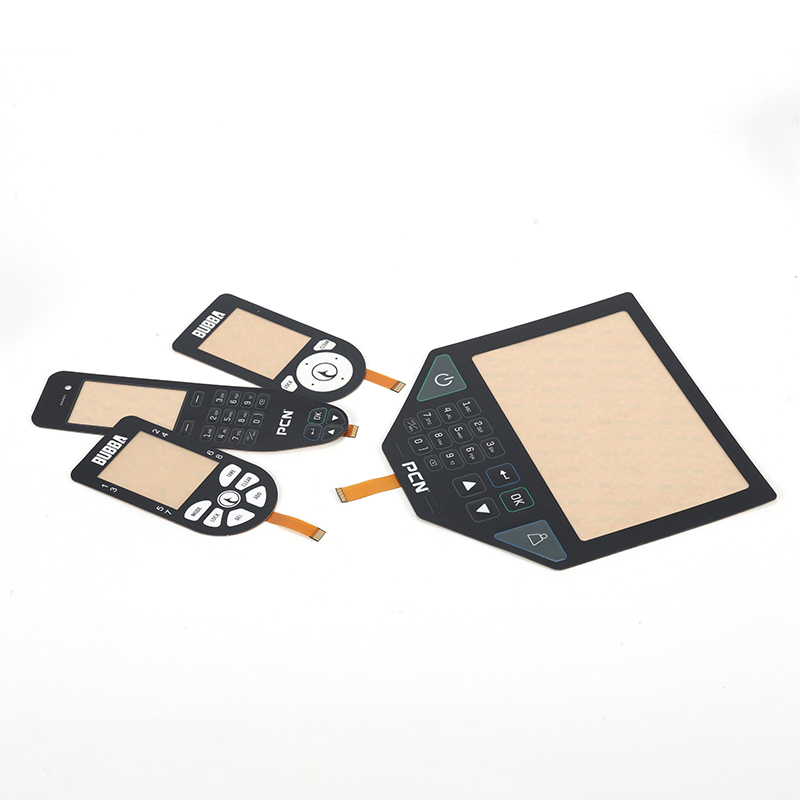
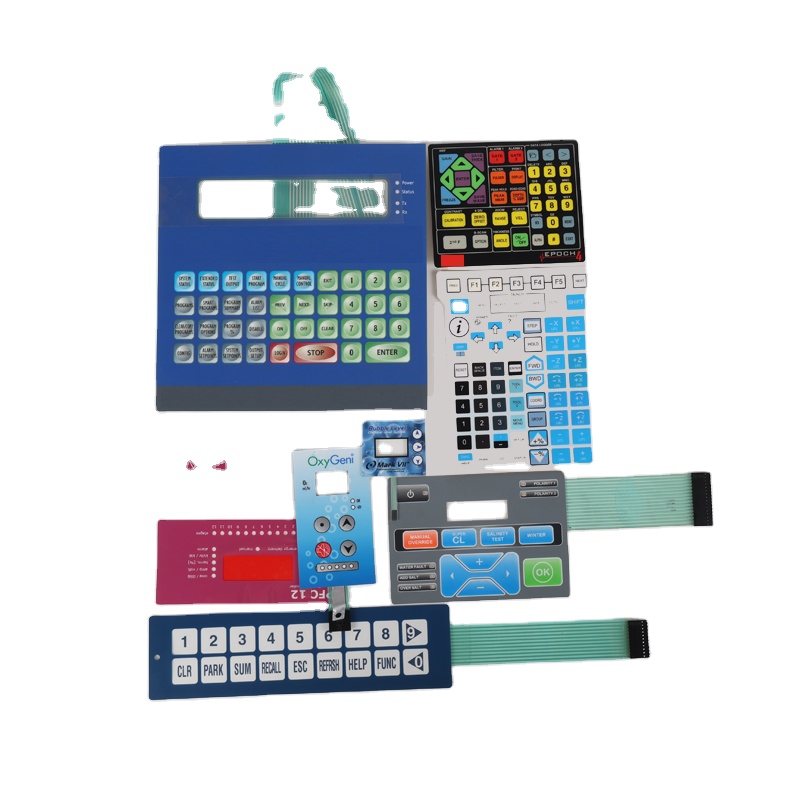
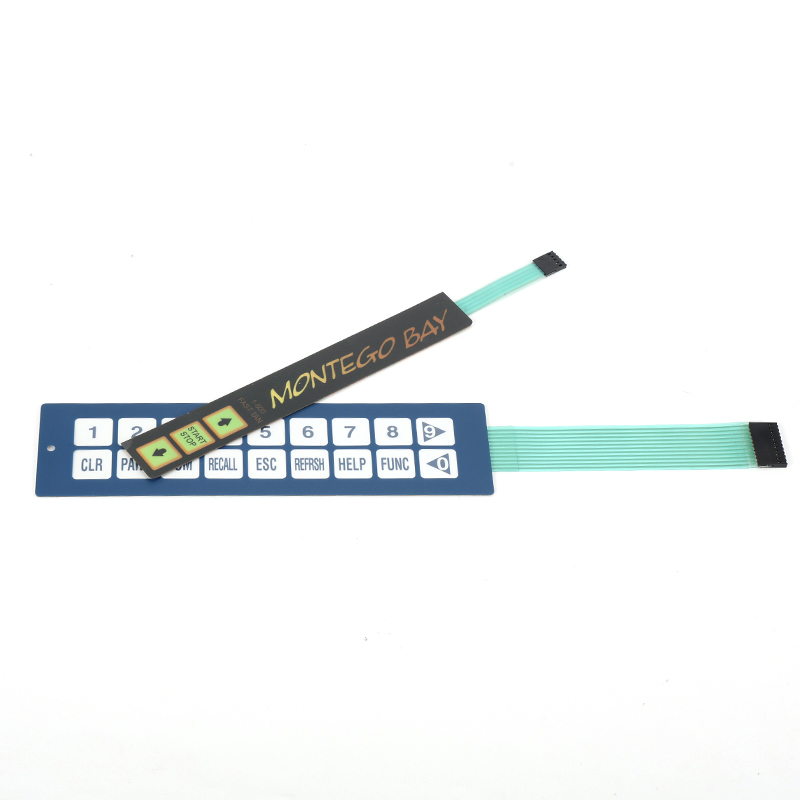
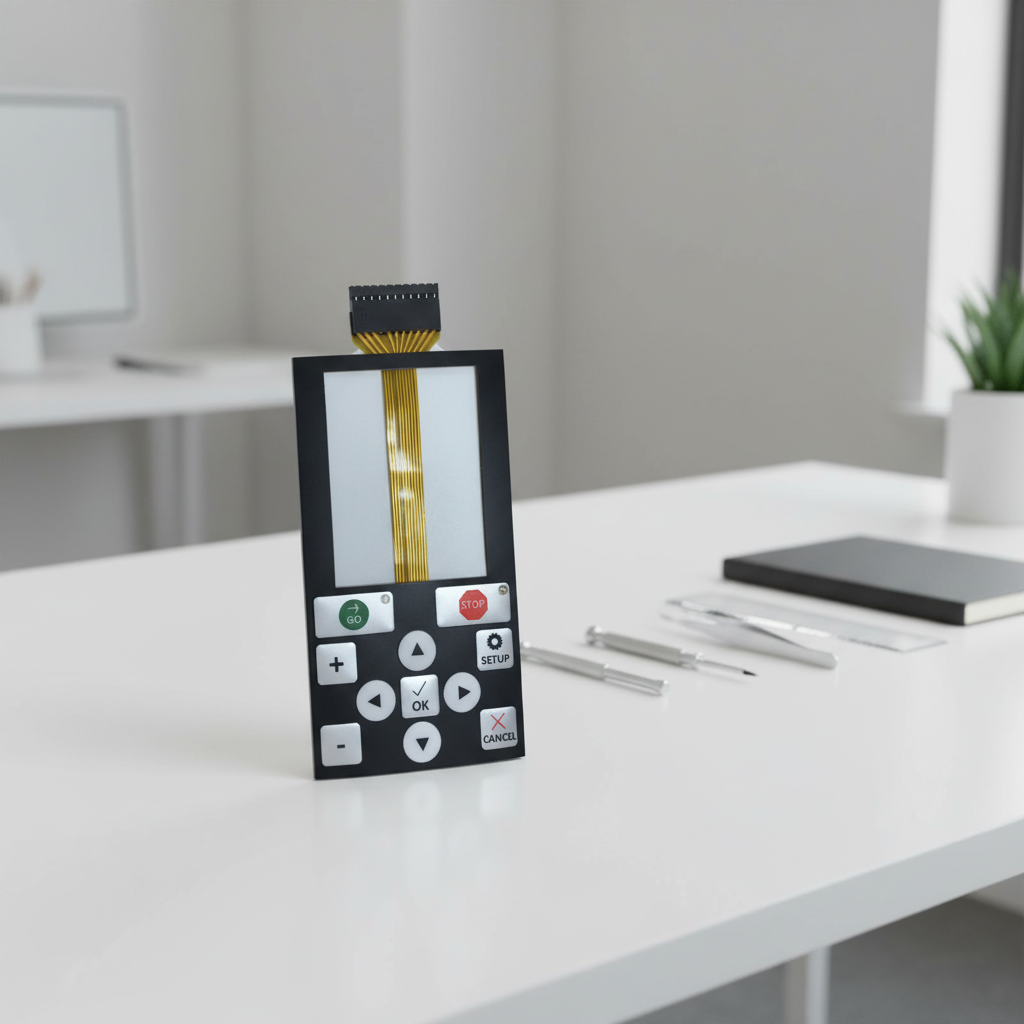
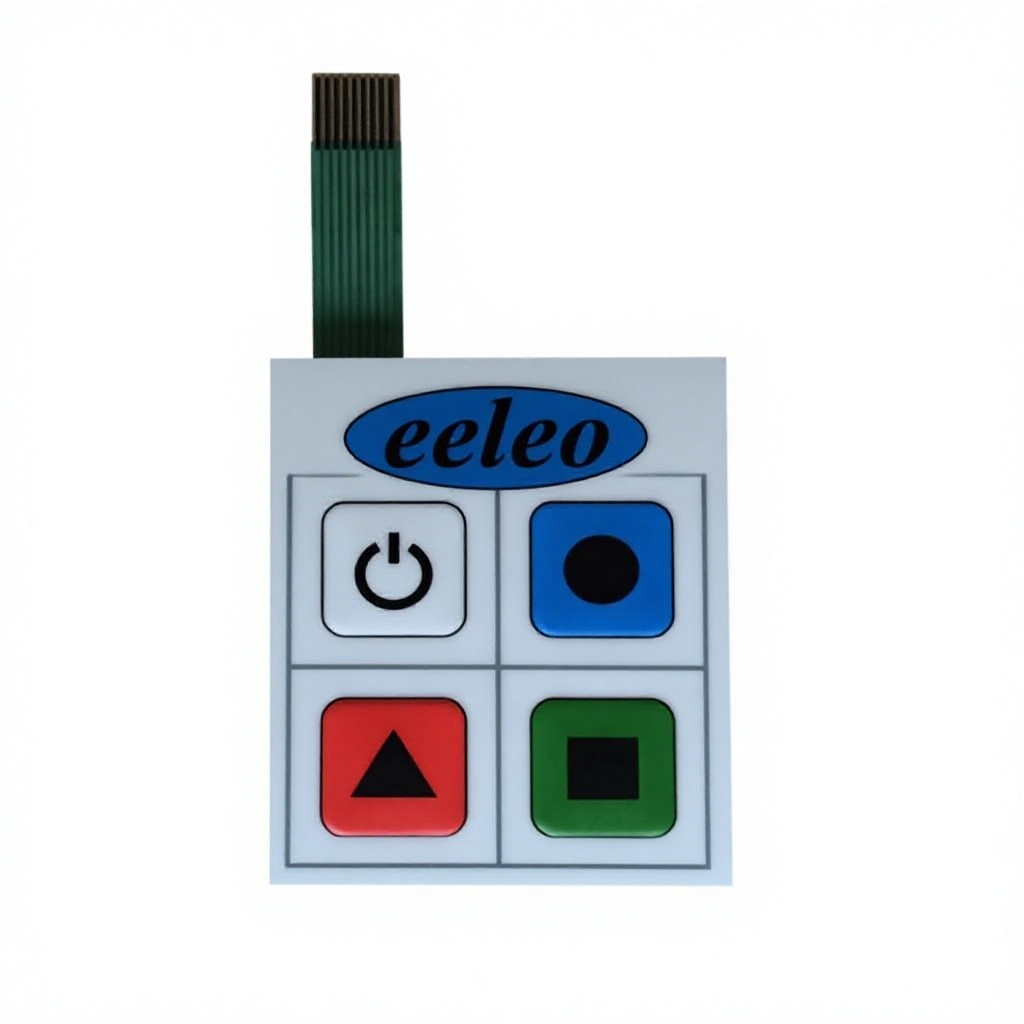
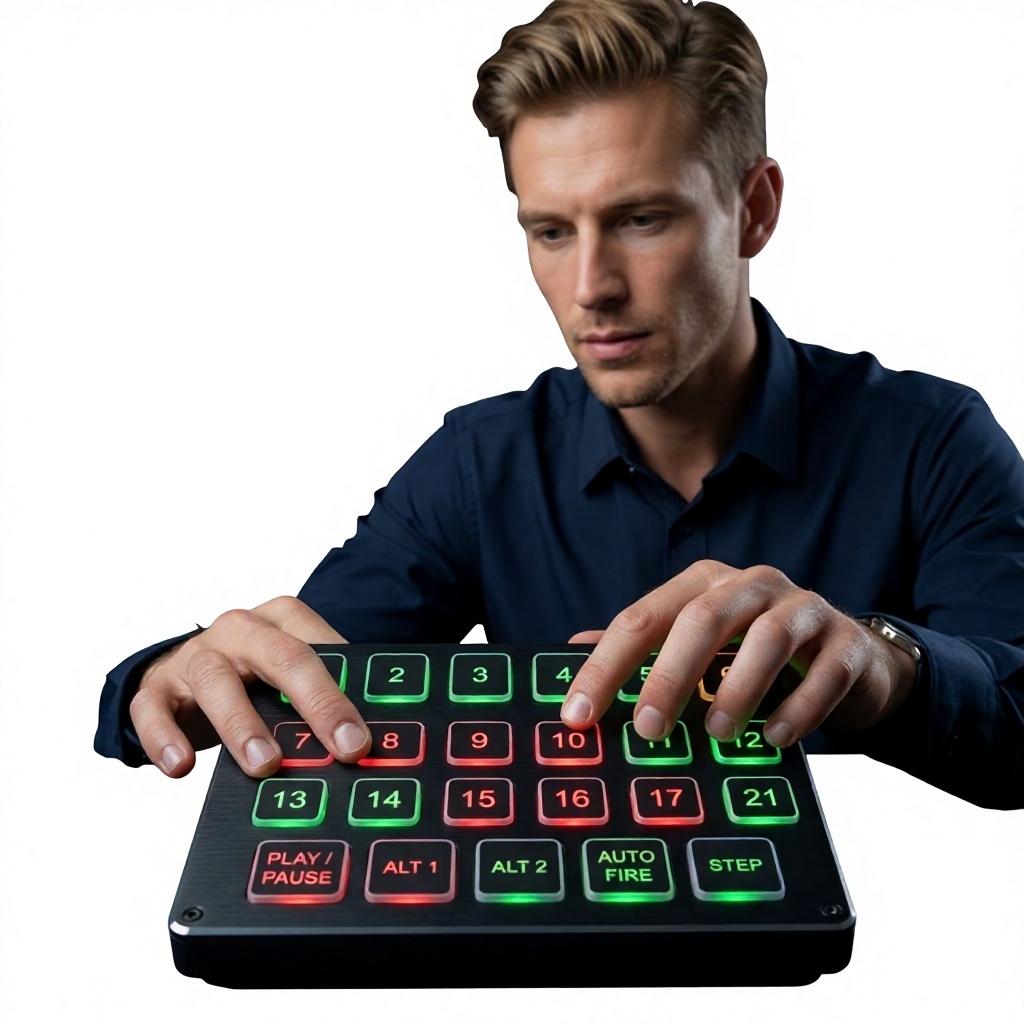
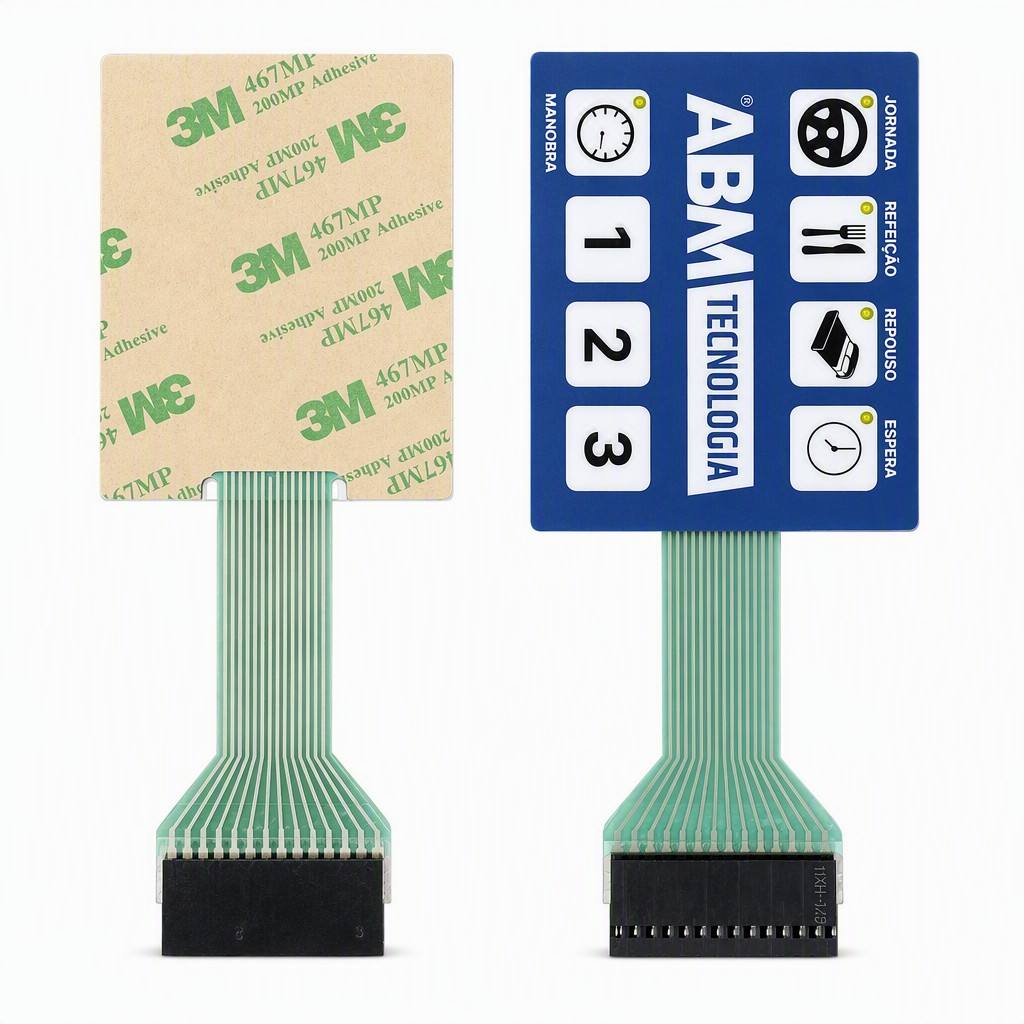
Featured Membrane Switches & Engineered Graphic Overlays
Factory-direct OEM/ODM interface solutions configured for mission-critical medical diagnostics, automation controls, and rigorous field equipment across Pennsylvania, New Jersey, and Delaware.
Factory Audited Reliability
Why Procurement Engineers in Philadelphia Partner with ZIRA
Leveraging over 29 years of proprietary manufacturing know-how, cleanroom screen printing, and complete vertical integration from artwork CAD to environmental stress testing.
Sub-Surface Screen & Digital Printing
Printing on the underside of premium biaxially oriented polyethylene terephthalate (PET) shields graphical inks, alphanumeric fonts, and corporate branding from surface friction, IPA sterilization, industrial grease, and UV-induced yellowing.
Intertek Verified & 100% Electrically Tested
Our Ningbo manufacturing plant is verified on-site by Intertek. Every batch undergoes continuity, open/short circuit, switch contact resistance (<100Ω), insulation impedance (>100MΩ @ 100V DC), and snap actuation force curve profiling.
Harsh Chemical & Environmental Resistance
We qualify Autotype MacDermid Autotex® and Toray PET substrates, coupled with 3M 467MP, 468MP, and 3M 300LSE adhesive transfer tapes. Assemblies resist ketones, bleach, saline fluids, and thermal cycling between -40°C and +85°C without delamination.
Rapid Prototyping to Low-MOQ Runs
Equipped with digital laser cutting and plotters, we support engineering iterations from 1-piece prototypes to validate physical geometry, display window tinting, embossing heights, and tail pinouts before cutting steel hardened dies for mass assembly.
Engineering Whitepaper: Specifying PET Graphic Overlays in Industrial Applications
Polyethylene Terephthalate (PET) has surpassed Polycarbonate (PC) and Polyvinyl Chloride (PVC) as the premier substrate for mission-critical front panels and membrane switch keyboards. Within severe operating environments—especially those characterized by continuous mechanical flexing, chemical exposure, and temperature fluctuations—PET demonstrates superior tensile modulus, cyclic flex endurance, and chemical inertness.
Standard polycarbonate films typically suffer micro-fracturing along hinge points and embossed rims after approximately 50,000 to 100,000 actuations. In contrast, biaxially oriented PET withstands more than 5,000,000 flexural cycles without localized embrittlement or trace rupture. When coupled with advanced screen-printed conductive polymer thick film (PTF) silver traces and carbon overcoats, PET graphic overlays provide a robust barrier capable of achieving ingress protection ratings of IP65, IP66, and IP67.
Comprehensive Substrate Comparison Matrix for Front-Panel Interfaces
| Engineering Property | Polyester (PET) Overlays | Polycarbonate (PC) Lexan | Silicone Elastomer Sheets | Acrylic (PMMA) Windows |
|---|---|---|---|---|
| Switch Actuation Life | > 5,000,000 cycles | ~ 100,000 cycles | > 2,000,000 cycles | Rigid / Non-tactile |
| Chemical & Solvent Resistance | Exceptional (IPA, Bleach, Acids, Oils) | Moderate (Prone to aromatic cracking) | Good (Vulnerable to petroleum distillates) | Moderate (Vulnerable to acetone) |
| Flexural Fatigue Resistance | Very High (Superior hinge & rim resilience) | Poor (Prone to stress cracking at emboss) | Excellent (3D elastomeric memory) | None (Brittle under flex) |
| Thermal Stability Range | -40°C to +120°C (-40°F to 248°F) | -40°C to +100°C (-40°F to 212°F) | -55°C to +200°C (-67°F to 392°F) | -30°C to +80°C (-22°F to 176°F) |
| Dielectric Strength (ASTM D149) | ≥ 140 kV/mm (0.175mm thickness) | ≥ 120 kV/mm | ≥ 25 kV/mm | ≥ 20 kV/mm |
| Surface Finishes & Textures | Fine, Velvet, Gloss, Antiglare, Anti-microbial | Polished, Suede, Matte, Brushed | Smooth matte, Polyurethane coated | Optical high-gloss, Anti-scratch |
Localized Supply Dynamics & Application Clusters in Greater Philadelphia
The Greater Philadelphia tri-state industrial zone—anchored across the Delaware Valley, Southeastern Pennsylvania, South Jersey, and Northern Delaware—represents a uniquely concentrated corridor of precision medical device innovation, advanced process pharmaceutical production, marine naval engineering, and industrial automation. Hardware manufacturers throughout King of Prussia, Conshohocken, Malvern, Horsham, Mount Laurel, and the Philadelphia Navy Yard necessitate suppliers who understand rigorous American manufacturing expectations, FDA equipment standards, and rapid supply chain execution.
Delaware Valley Life Sciences
Biotech & Medical Diagnostics
Medical devices developed in Malvern and the University City Science Center require wipe-down front panels that survive hospital-grade quaternary ammonium disinfectants, glutaraldehyde, and isopropyl alcohol without ink erosion or edge lifting. Integrated antimicrobial PET textures prevent pathogen harborage in emergency care environments.
King of Prussia & Horsham Hub
Pharmaceutical & Cleanroom Systems
Instrumentation panels deployed in automated vial filling, bioreactor monitoring, and cleanroom HVAC monitoring require airtight perimeter gaskets rated to IP66. Our sub-surface printed PET overlays ensure that particulate shedding is completely eliminated, strictly fulfilling cGMP facility mandates.
Delaware & South Jersey Marine
Harsh Industrial & Marine Controls
Naval auxiliary systems, port logistics terminals, and specialized pumping systems operating along the Delaware River face high humidity, salt spray, and abrasive cleaning. Utilizing UV-resistant outdoor-grade PET films paired with marine-grade 3M acrylic adhesive prevents saltwater creep and blistering.
Emerging Technology Trends in the Philadelphia HMI Market
Procurement teams and mechanical engineering groups across Pennsylvania and the Mid-Atlantic are aggressively modernizing legacy control consoles. Three distinct technical trends dominate current Requests for Proposals (RFPs):
- Integrated Light Guide Film (LGF) & Micro-LED Backlighting: Traditional discrete LEDs frequently produce inconsistent hot spots across keys. Industrial HMI designs are transitioning to ultra-thin LGF layers that bounce light uniformly across intricate graphic legends with minimal power draw—ideal for low-light clinical suites and mobile battery-driven diagnostics.
- Hybrid Capacitive Touch & Tactile Dome Feedback: In clinical environments where tactile response is vital to prevent operator dosage errors, engineers are combining capacitive ITO (Indium Tin Oxide) sensing films with embedded stainless steel metal domes, achieving sleek glass-like aesthetics while delivering 350g tactile snap feedback.
- EMI/RFI Aluminum & Copper Grid Shielding: With the multiplication of wireless IoT transmitters and high-frequency variable speed drives on industrial floors, electromagnetic noise can cause errant switch triggers. ZIRA integrates laminated copper mesh, selective conductive silver grids, and conductive foil layers grounded to chassis Earth to ensure full compliance with FCC Class B and CE EMC standards.
Buyer Knowledge Base
Philadelphia Buyer & Engineer FAQ: PET Graphic Overlays
Key answers addressing turnaround time, custom tooling, adhesive engineering, and design verification for Delaware Valley procurement professionals.
What is the typical prototype and production lead time to the Philadelphia area?
Rapid prototype overlays and laser-cut first articles are commonly completed within 3 to 5 business days following CAD artwork approval. Mass production runs of 500 to 50,000 units are fulfilled in 10 to 15 business days. We partner with air express carriers (DHL, FedEx International Priority) to ensure transit directly to your loading dock in Philadelphia, Malvern, or Cherry Hill within 3 to 4 days.
How do we select between 3M 467MP, 468MP, and 300LSE adhesive transfer tapes?
The selection depends entirely on your mounting enclosure substrate. 3M 467MP (2 mil) is optimal for high-surface-energy (HSE) surfaces like smooth painted steel or aluminum. 3M 468MP (5 mil) provides extra thickness to conform across mildly textured or powder-coated castings. For low-surface-energy (LSE) materials like polypropylene, polyethylene, or textured ABS plastics, 3M 300LSE adhesive provides high shear strength and peel resistance.
Can you precisely match Pantone (PMS) and RAL colors for branded front panels?
Yes. We utilize computerized color spectrophotometers to maintain tight color tolerance (ΔE ≤ 1.0) under D65 daylight simulation booths. Inks are formulated with high-solids solvent and UV-curable formulas to prevent color shifts across subsequent mass production lots. We can also provide physical printed drawdown proofs on your selected PET substrate for visual sign-off.
What tactile embossing options are feasible on polyester overlay films?
We offer pillow embossing, rim (perimeter) embossing, dome embossing, and customized tactile braille dots. With high-elongation PET films such as Autotex XE or Toray, embossing heights typically range between 0.3mm and 0.6mm with crisp draft angles. Embossed features retain their structural spring-back shape even under millions of repetitive actuations.
Are custom LCD and LED display windows transparent or dead-fronted?
Both configurations are fully supported. We selectively apply gloss clear window clears on textured matte PET surfaces to allow unobstructed viewing of numeric 7-segment LEDs or high-resolution TFT displays. Dead-front printing is accomplished with micro-translucent tinted inks, keeping icons invisible until illuminated by an underlying backlighting LED.
Do your membrane keypads comply with RoHS, REACH, and UL94 flammability ratings?
Yes. All raw film stocks, conductive silver paste, dielectric insulators, and transfer adhesives comply strictly with RoHS Directive 2011/65/EU and REACH regulations. When specified, we incorporate flame-retardant sub-layers rated to UL94 V-0 or UL94 VTM-2, ideal for electrical instrumentation and appliance power electronics.
Accelerate Your HMI Design Cycle in the Philadelphia Region
Consult with ZIRA's technical engineers for comprehensive DFM analysis, material stack-up recommendations, tactile force curves, and prompt quotation. Samples available from 1 piece.
Contact Us