High-Reliability Graphic Overlays & Membrane Switches
Manufactured under strict ISO-grade quality protocols with 100% electrical continuity testing, selective texturing, sub-surface graphic encapsulation, and precision 3M adhesive bonding calibrated for Denver's unique environmental parameters.
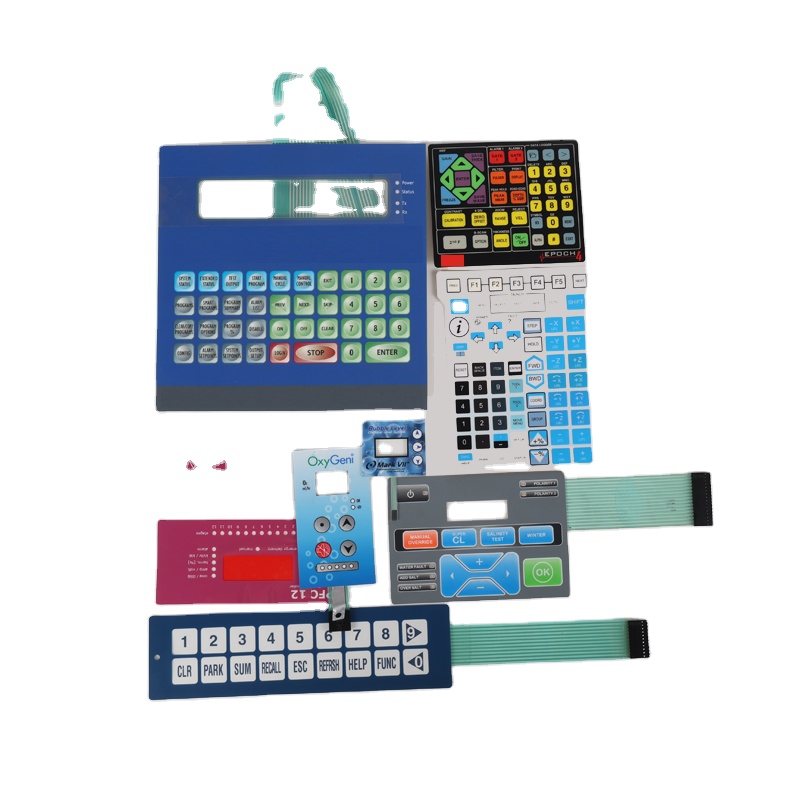
Waterproof Flexible Circuit Membrane Switch for Medical Equipment
- Full IP67 perimeter moisture barrier
- Disinfectant & chemical washdown resistant
- High-durability polyimide FPC traces
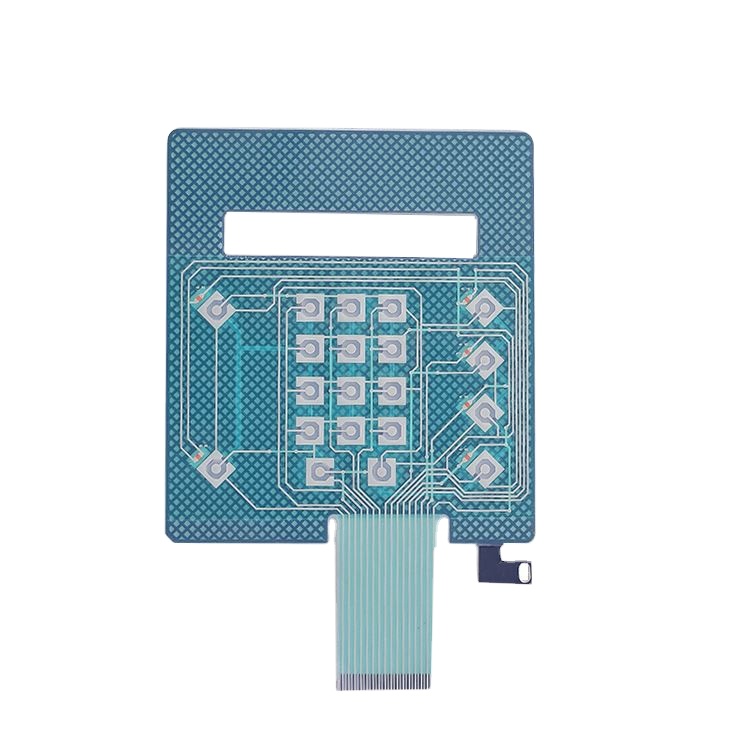
Custom PET Membrane Switch Keypad with Full ESD Shielding Layer
- Printed aluminum/graphite static grid
- Prevents arid Front Range static latch-up
- Autotex XE exterior textured PET
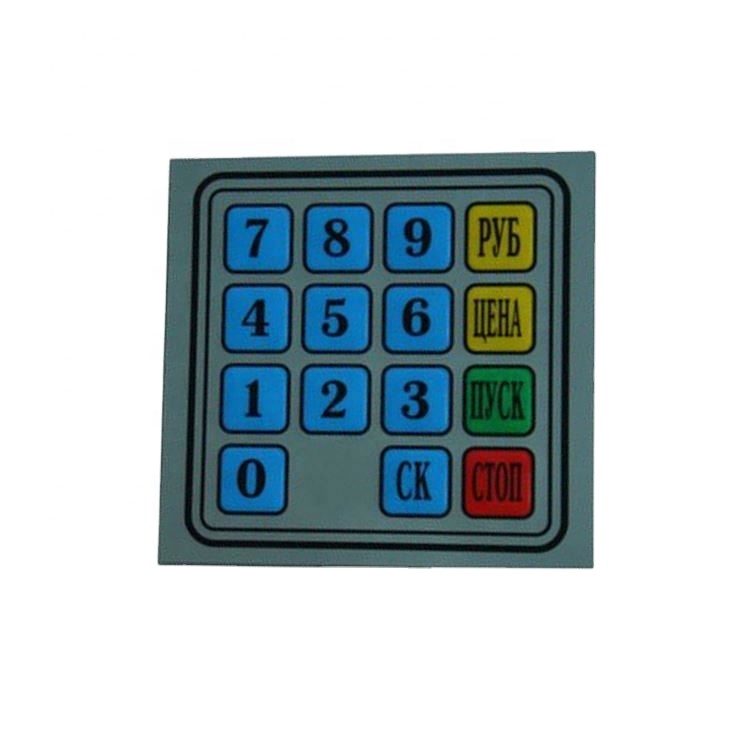
Membrane Switch Keypad with Molded Silicone Rubber Buttons
- Positive mechanical tactile travel
- Modular 4x4 & numeric MCU layouts
- Conductive carbon pill actuation
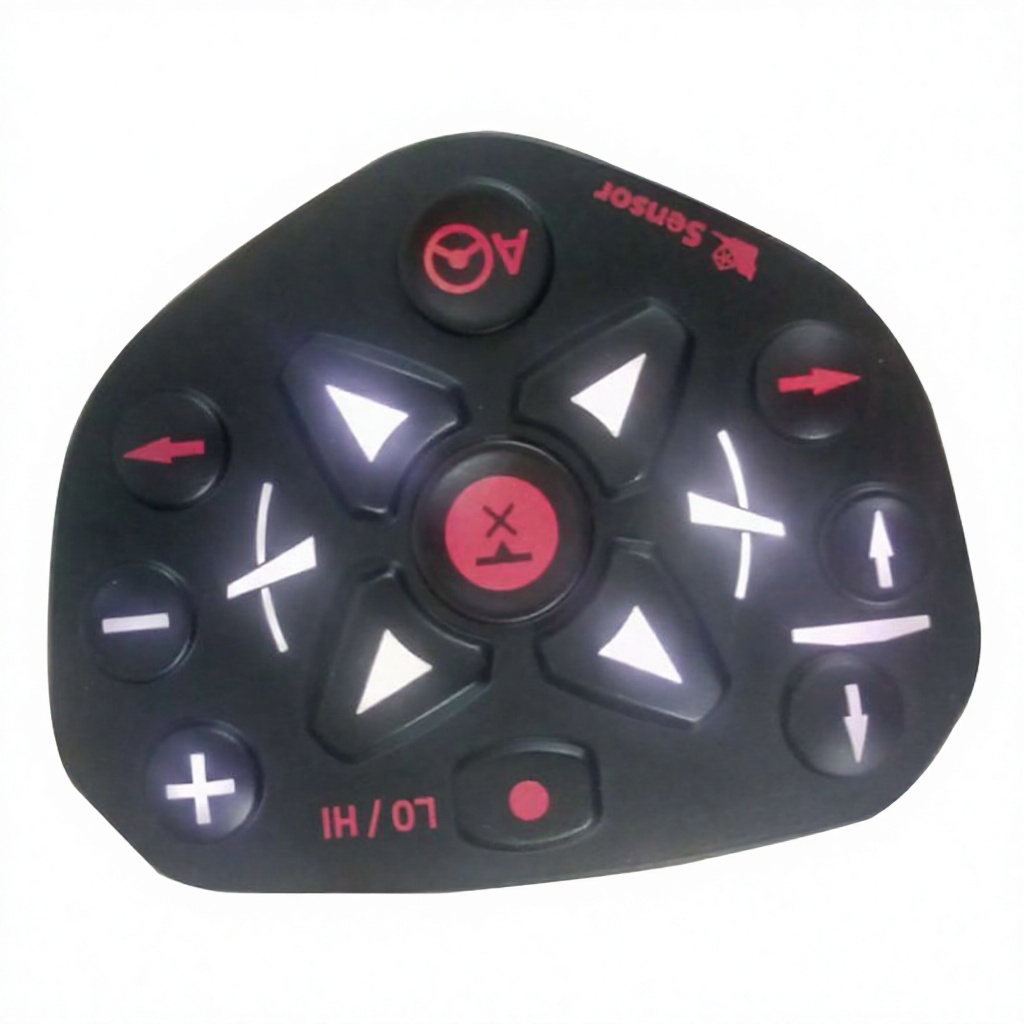
Translucent Graphic Overlay with Integrated Light Guide Layer (LGF)
- Zero-hotspot LED light diffusion
- Ultra-thin sub-millimeter stack profile
- High-contrast night-vision legibility
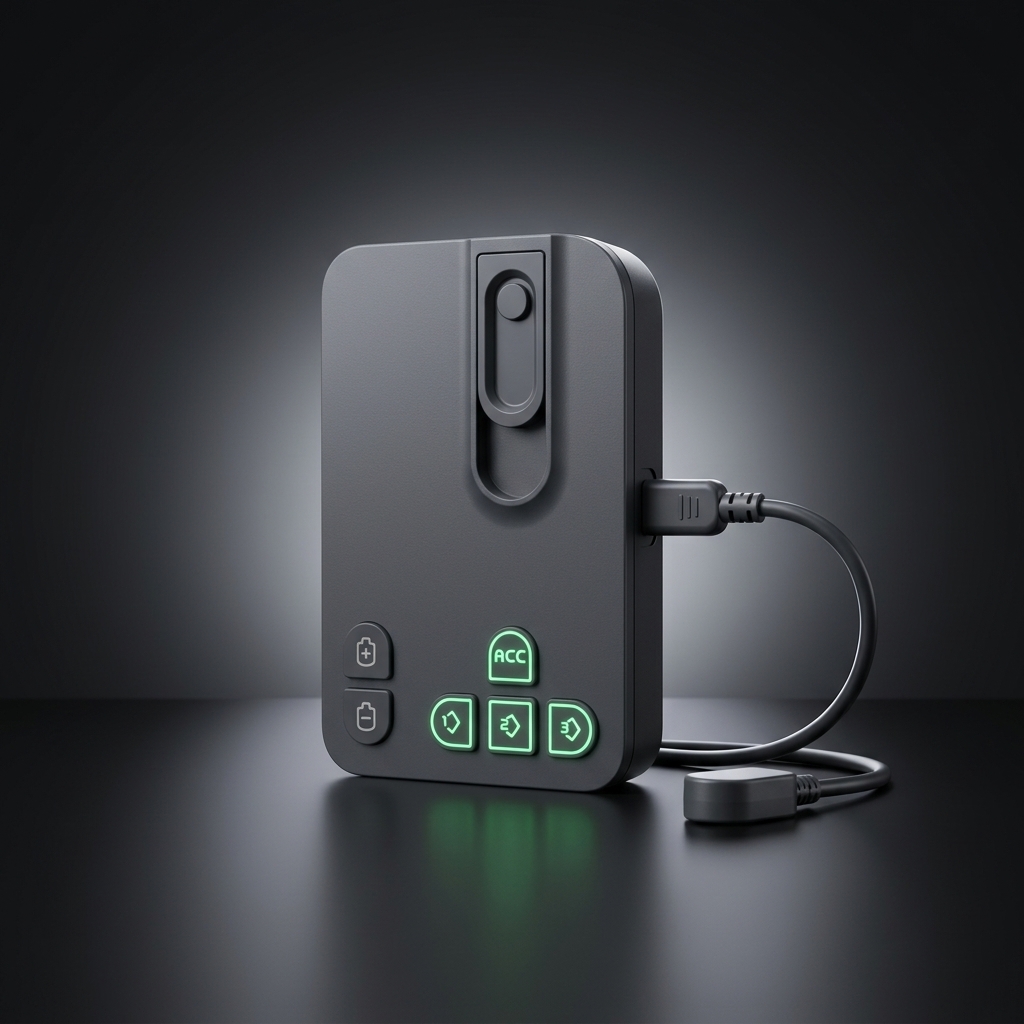
Custom Backlit Silicone Membrane Keyboard Switch (EL/LED)
- Laser-etched translucent legends
- Polyurethane abrasion-resistant coat
- RoHS & REACH compliant materials
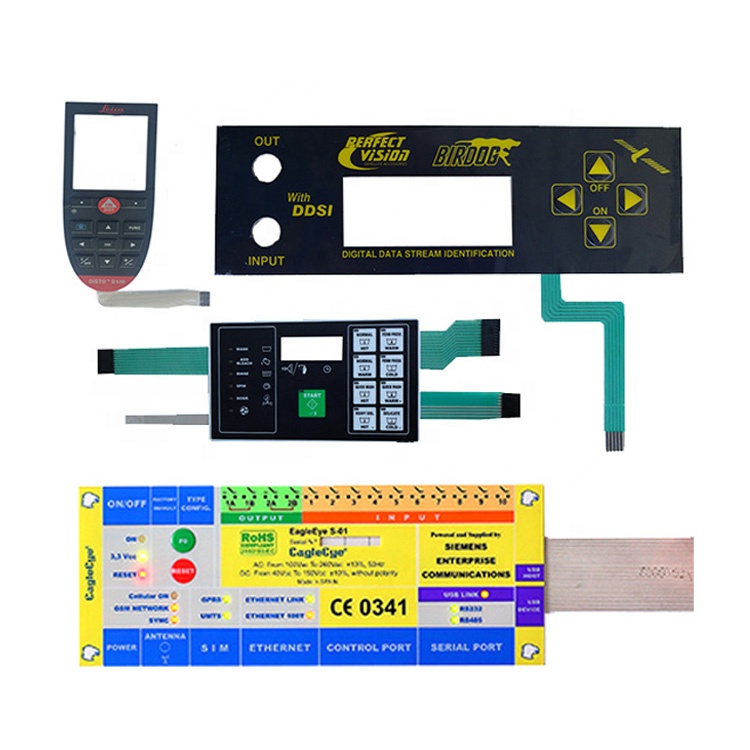
Waterproof Industrial Membrane Panel with Shock Resistance
- Anti-vibration metal dome dampening
- High tensile tear-resistant PET core
- Mining & field equipment certified
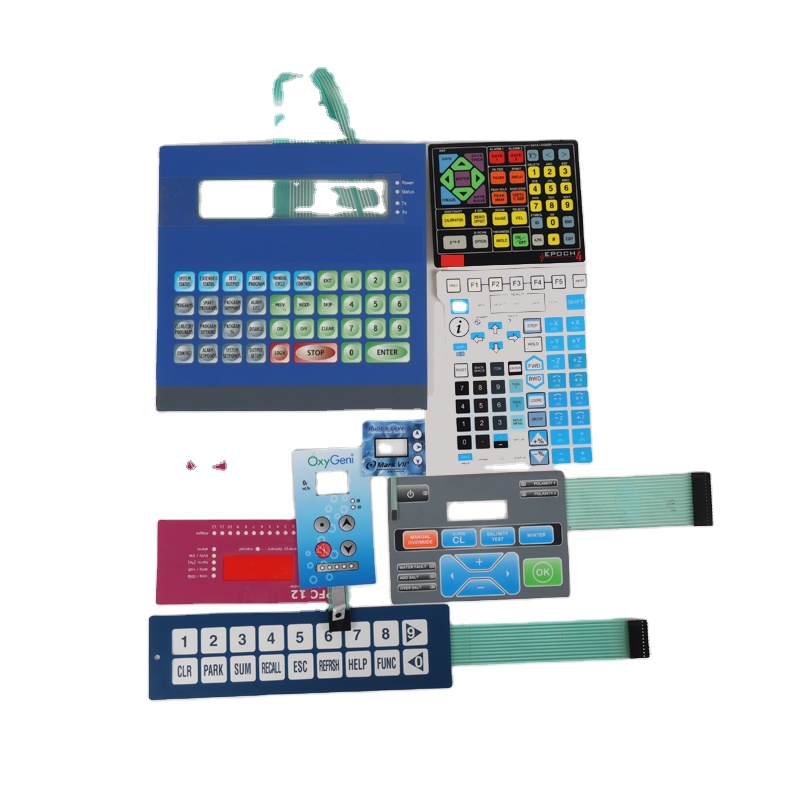
Tactile Metal Dome Membrane Push Button Switch with 3M Backing
- 3M 467MP/468MP high-tack acrylic
- Nickel-plated stainless steel domes
- Over 1,000,000 actuation cycles
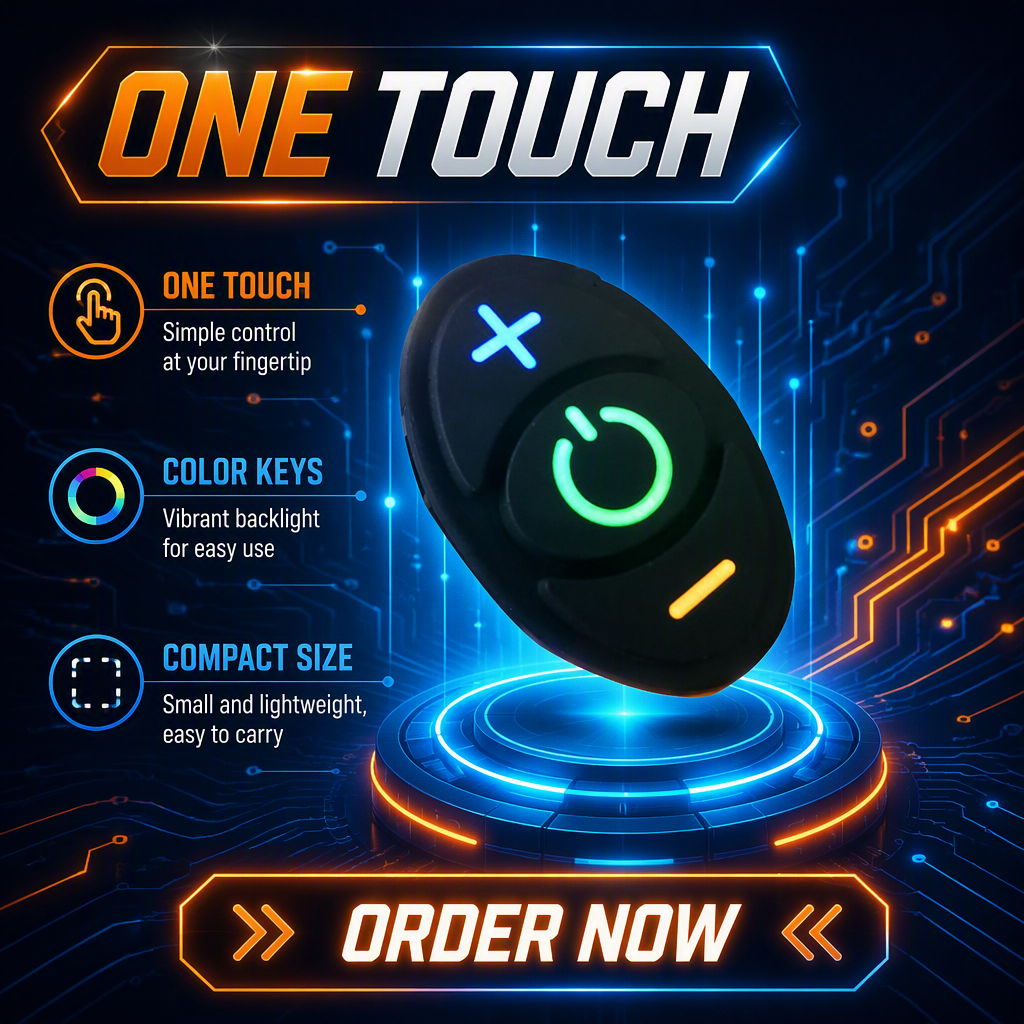
Multi-Zone Backlit Interface with Independent Circuit Routing
- Segmented light-blocking light guides
- Multi-color discrete status indicators
- High-density silver flexible interconnects
Overcoming Atmospheric Pressure & Arid Environmental Stressors in Denver
Designing human-machine interface (HMI) front panels for the Denver Metropolitan Area and the wider Front Range corridor requires solving complex environmental physics. Standard commercial graphic overlays routinely fail in Colorado due to altitude-induced pressure differentials, excessive UV exposure, rapid thermal swings, and severe electrostatic discharge.
Atmospheric Venting & Pillowing Prevention
Denver sits at an elevation of 5,280 feet, dropping ambient air pressure to approximately 83.4 kPa compared to 101.3 kPa at sea level. Standard sealed membrane switches trap sea-level atmospheric pressure inside sealed internal air pockets. When deployed along the Front Range or transported over mountain passes, trapped air expands against the flexible overlay. This causes "switch pillowing," pre-loading the metal dome, altering actuation force, and generating catastrophic phantom switch closures. Our manufacturing protocol integrates internal labyrinth channel venting and porous ePTFE membrane vents that balance barometric pressure while preserving rigorous IP65/IP67 liquid ingress barriers.
Intense High-Altitude Solar UV Stabilization
Due to thinner tropospheric air, Denver experiences 25% higher ultraviolet solar radiation than low-elevation industrial centers. Standard polycarbonate (PC) overlays rapidly experience photochemical degradation, yellowing, embrittlement, and window hazing within 12 to 18 months of outdoor exposure. We standardize on premium optical-grade, UV-stabilized biaxially oriented polyethylene terephthalate (PET)—specifically MacDermid Autotex XE and equivalent high-performance films. These materials provide full optical transmission for transparent LCD/OLED windows while resisting UV-induced micro-cracking and yellowing over 10+ years of direct exposure.
Arid Climate ESD Dissipation Architectures
Colorado's semi-arid continental climate routinely drops relative humidity below 15% during winter months. This ultra-dry environment turns equipment operators into significant electrostatic generators, with body static discharges frequently exceeding 15 kV to 20 kV. Without robust electrostatic discharge (ESD) mitigation, charge arcs directly through display windows, seams, or key perimeters into delicate sub-surface microcontrollers. Our factory engineers comprehensive full-coverage printed conductive graphite or vacuum-deposited aluminum/ITO grounding shields that route high-voltage surges directly to chassis earth before reaching internal logic circuits.
Engineering Rule of Thumb for Colorado OEMs: Never deploy unvented sea-level membrane switches in Front Range environments. Trapped volume expansion at 5,000+ feet reduces tactile snap ratios by up to 45%, accelerates metal dome micro-fatigue, and compromises perimeter adhesive shear planes under the region's rapid 40°F daily temperature swings.
| Performance Specification | PET Graphic Overlays (Autotex XE) | Standard Polycarbonate (PC) | Silicone Keymat Hybrid |
|---|---|---|---|
| Flexural Actuation Life | > 5,000,000 actuations (Zero dome fatigue) | < 100,000 actuations (Susceptible to cracking) | > 3,000,000 actuations (Elastomeric recovery) |
| High-Altitude UV Yellowing Resistance | Superior (Formulated with UV absorbers) | Poor to Moderate (Prone to yellowing & haze) | Excellent (Inherent UV resistance) |
| Chemical & Disinfectant Resistance | Exceptional (Resists IPA, bleach, acetone, MEK) | Moderate (Attacked by aromatic hydrocarbons) | Good (Resists common cleaners, oils) |
| Thermal Cycling Range (Front Range) | -40°C to +85°C continuous (-40°F to +185°F) | -30°C to +75°C continuous | -50°C to +150°C wide temperature profile |
| Embossing Longevity & Shape Retention | High retention under repeat mechanical flex | Moderate (Deforms under elevated temperature) | N/A (Compression molded 3D key geometry) |
| Adhesive Bond Integrity (3M 200MP) | Surface tension optimized for acrylic wet-out | Requires precise surface energy matching | Requires custom silicone-to-acrylic primers |
Localized Industry Application Scenarios Across the Denver-Boulder Basin
From the aerospace testing complexes of Littleton and Centennial to the biotechnology research facilities in Aurora and Boulder, our PET graphic overlays and custom membrane switches serve as the critical human-machine interface across the Rocky Mountain OEM supply chain.
Aerospace & Defense Field Telemetry (Centennial & Littleton)
Colorado hosts the nation's second-largest aerospace economy, anchored by prime contractors and sub-tier space system innovators. Our custom PET graphic panels and tactile membrane assemblies are engineered for portable satellite uplink terminals, ground support test consoles, and flight-line diagnostics. Designed to withstand MIL-STD-810 environmental dynamics, these panels incorporate conductive RFI/EMI attenuation grids, dead-front night-vision (NVIS) compatible LED backlighting, and non-reflective matte antiglare finishes for crisp sunlight legibility on high-altitude tarmac operations.
Medical Diagnostic & Lab Devices (Aurora & Boulder)
The Fitzsimons Innovation Community in Aurora and the Boulder life sciences cluster demand strict biocidal wipe-down survivability. Clinical equipment must endure continuous surface decontamination using aggressive hospital-grade cleaners such as quaternary ammonium compounds, hydrogen peroxide vapor, and 70% isopropyl alcohol. Our PET overlays utilize sub-surface reverse screen-printing, locking graphic inks beneath an impenetrable polyester barrier. Furthermore, smooth or micro-textured antimicrobial surfaces eliminate dirt-trapping crevices, ensuring complete IP67 washdown compliance for surgical carts, patient monitors, and blood analysis instruments.
Outdoor Clean Energy & Smart Grid Infrastructure
Colorado's rapid expansion in solar array management, high-altitude wind turbine sub-stations, and EV charging corridors across the I-25 corridor places severe demands on exterior control interfaces. Rapid temperature swings caused by Front Range "Chinook" winds can swing surface temperatures by 40°F within an hour. We pair biaxially stable PET substrates with modified 3M 468MP high-performance acrylic transfer adhesives, engineered to resist micro-shear delamination across thermal ranges from -40°F to 185°F (-40°C to 85°C) without adhesive oozing or bubble formation.
Emerging Front Range HMI Engineering Trends
Denver OEM product design teams are moving away from traditional thick plastic bezels and electromechanical toggle arrays toward slim, hygienic, multi-functional capacitive surfaces and unified smart overlays.
Capacitive Touch Behind PET
Replacing mechanical snap domes with solid-state Indium Tin Oxide (ITO) or PEDOT conductive polymer circuits laminated directly to high-impact PET overlays for zero-wear, 100% sealed washdown interfaces.
Ultra-Thin Light Guide Film (LGF)
Transitioning from power-hungry, bulky discrete LEDs to 0.125mm optical LGF layers that route micro-LED light uniformly across complex icons, key rims, and logos with zero hot-spots and minimal battery draw.
Embedded SMT Micro-Components
Integrating surface-mount resistors, sensors, and miniature status LEDs directly onto flexible printed circuits (FPC) or rigid FR4 backers, drastically simplifying internal assembly and reducing enclosure depth.
Selective Tactile Embossing
Utilizing high-precision CNC rim and pillow embossing dies to deliver intuitive blind-touch feedback for high-stress field gear, allowing gloved Rocky Mountain winter operators to actuate controls accurately.
Why Tier-1 Industrial Brands Partner with Our Factory
Headquartered in a specialized 5,000 m² cleanroom manufacturing facility in Ningbo, Zhejiang, we have provided high-precision membrane switches, silicone keymats, and graphic overlays to North American and global industry leaders—including long-term cooperation with ABB and Emerson—since 1996.
Front-End Engineering Review
Our engineers evaluate trace spacing, dome trip force, LED current routing, tail exit geometry, and altitude venting channels prior to cutting hard tooling.
Cleanroom Screen Printing
Graphic overlays and conductive silver/carbon traces are screen-printed in temperature and humidity-controlled Class 10,000 environments to ensure zero dust inclusion.
Optical Punching & Forming
CCD camera-assisted alignment ensures sub-0.05mm registration accuracy across multiple lamination layers, tactile embossing, and laser or steel-rule die cutting.
100% Automated Electrical Test
Every switch circuit is tested for trace loop resistance, switch contact resistance (<100Ω), insulation resistance (>100MΩ at 100V DC), and contact bounce.
Frequently Asked Questions by Denver Procurement Teams
Comprehensive engineering clarity on material selection, environmental qualification, lead times, and logistical delivery into Colorado manufacturing facilities.
How do you prevent graphic overlay pillowing and false actuations at Denver's high elevation?
Why is PET preferred over Polycarbonate (PC) for Colorado's Front Range climate?
How does your factory protect membrane switches against Colorado's severe electrostatic discharge (ESD)?
What adhesives are specified to prevent edge lifting under Front Range temperature swings?
What are your prototyping minimums, tooling costs, and production lead times for Denver OEMs?
What engineering documentation and drawings are required to initiate an overlay or switch build?
Accelerate Your Next Colorado Interface Project
Direct-from-factory pricing, certified Intertek-inspected quality governance, and 29+ years of technical manufacturing expertise. Let our engineering team optimize your graphic overlay or membrane switch design for high-altitude resilience, optical clarity, and lifetime durability.
