Medical Grade Keypad Manufacturers & Factory in Santa Ana
Precision-Engineered Silicone Rubber Interfaces, Sealed Tactile Membrane Switches, and Ingress-Protected HMI Subassemblies for Southern California's Life Science Corridors.
Engineered Interface Lineup
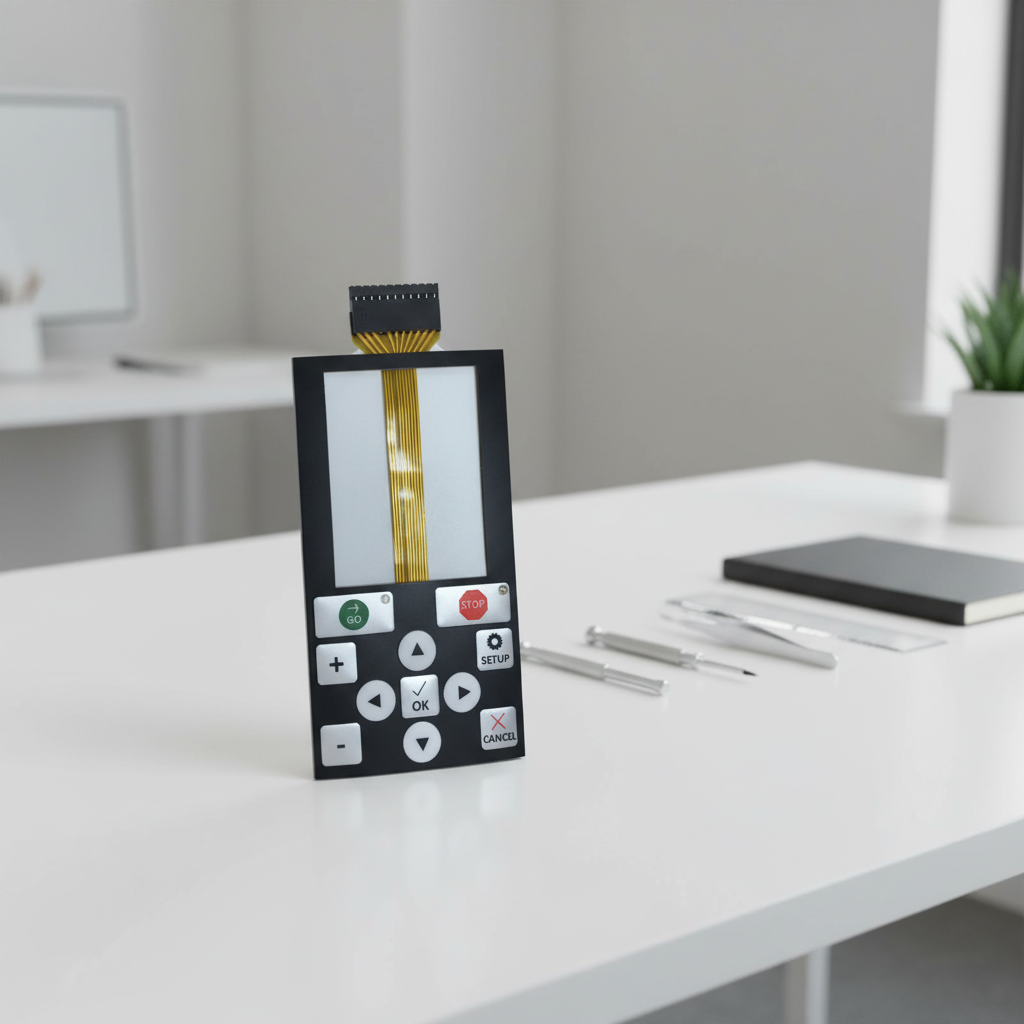
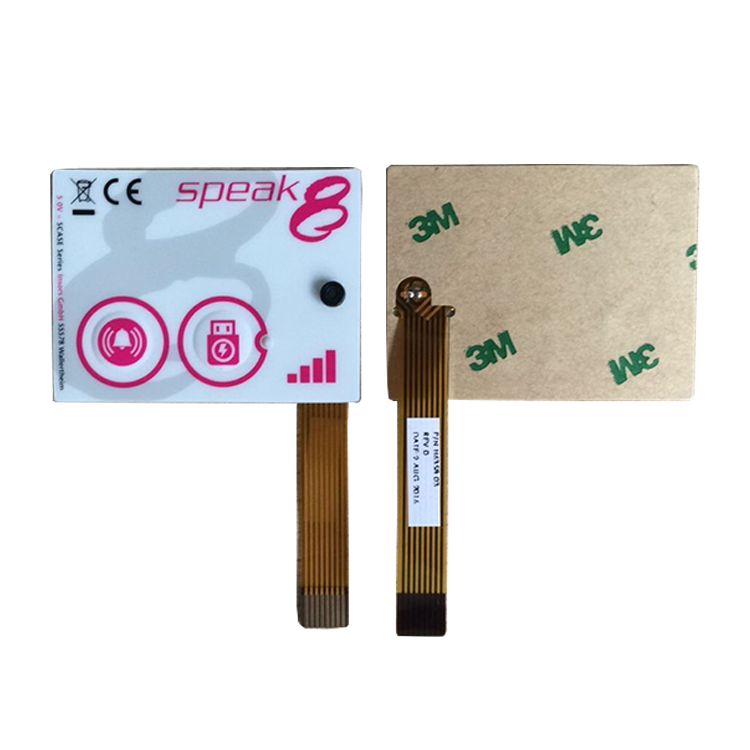
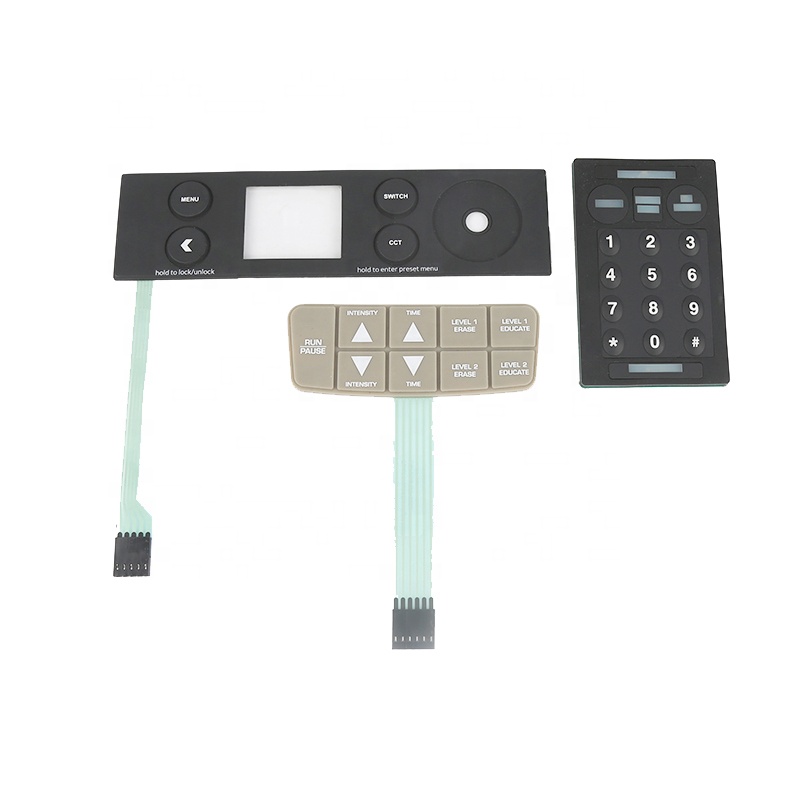
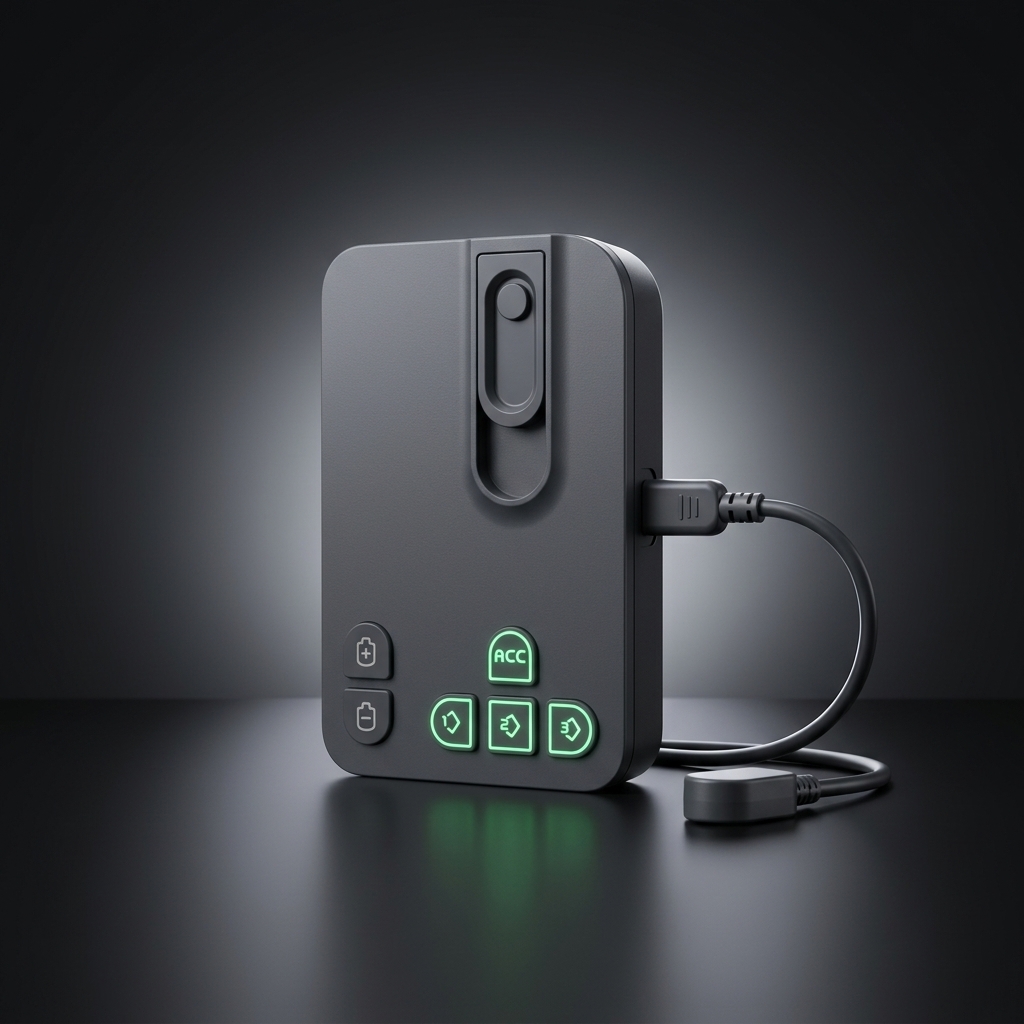
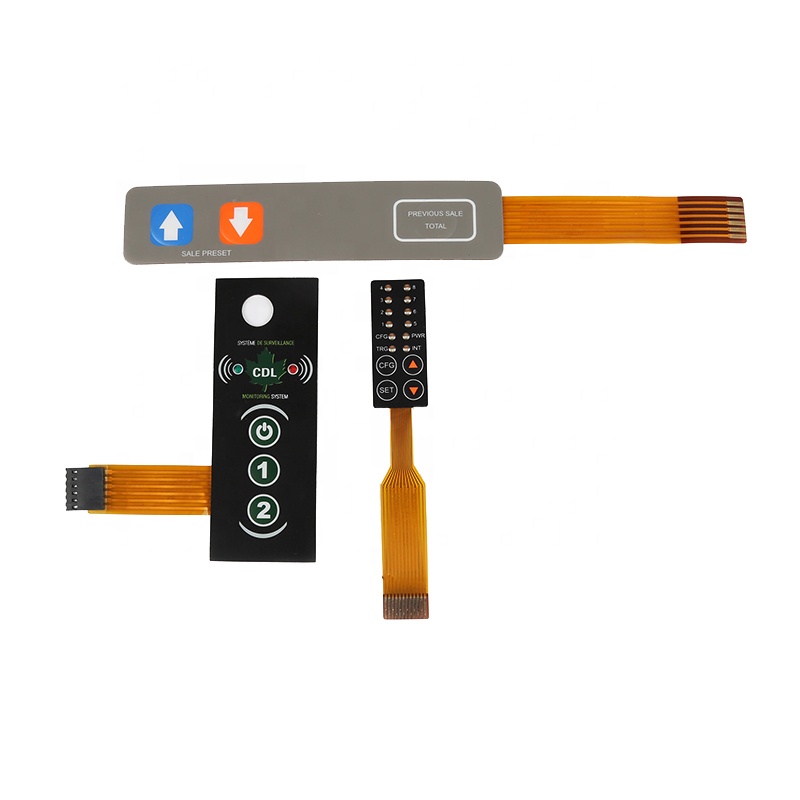
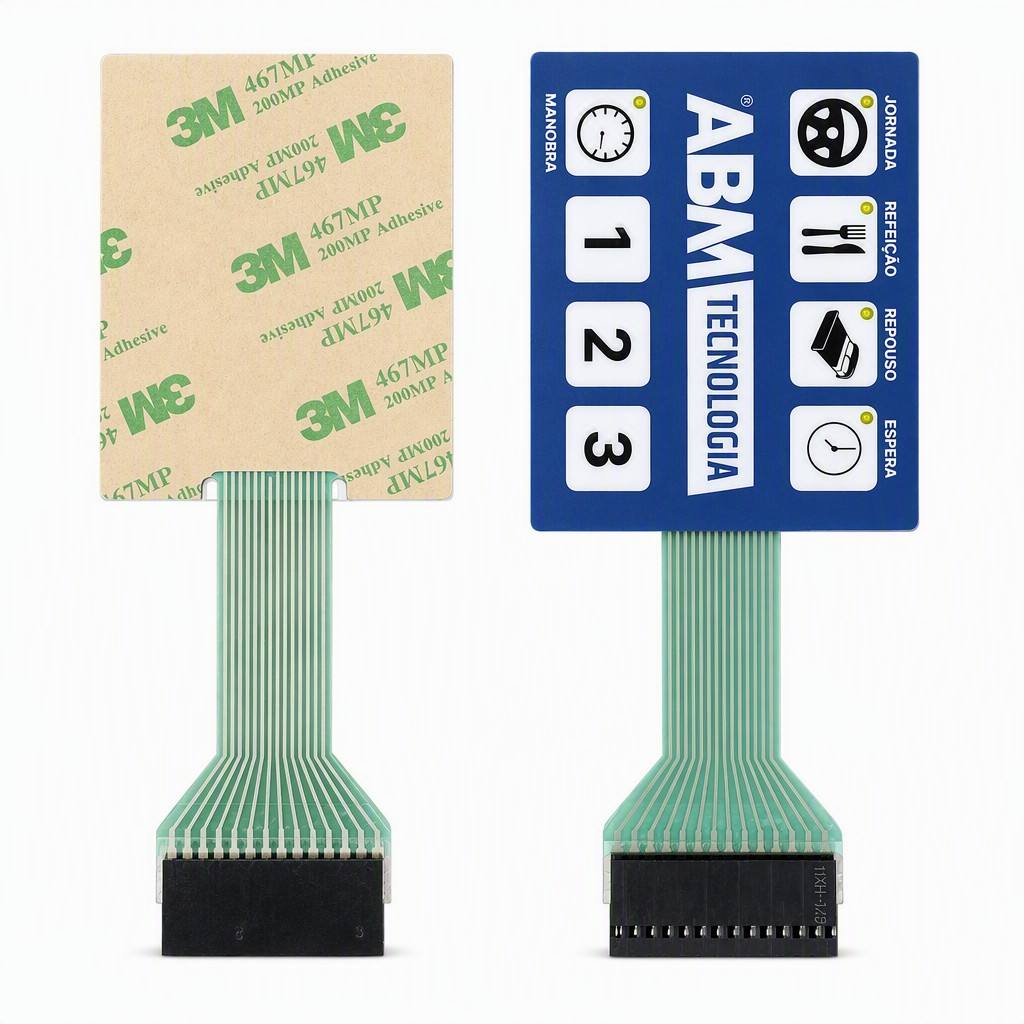
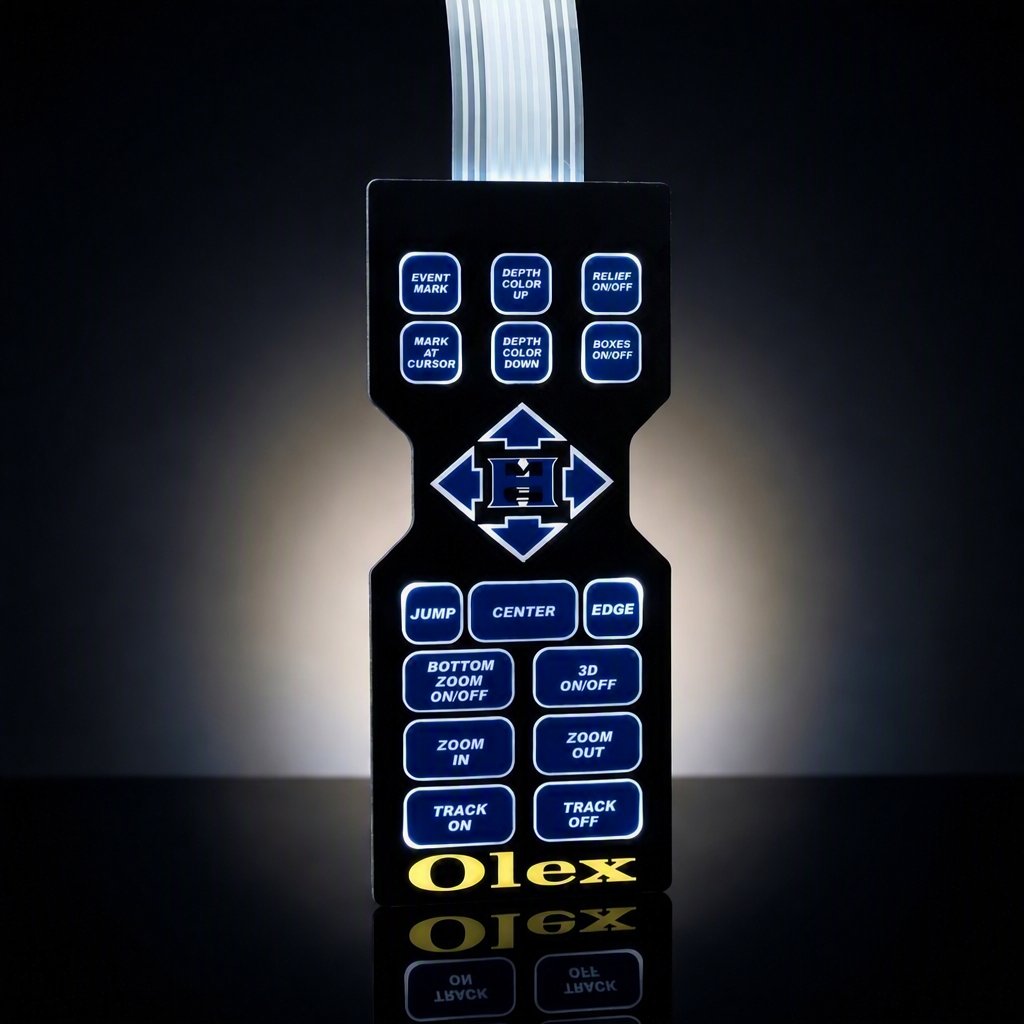
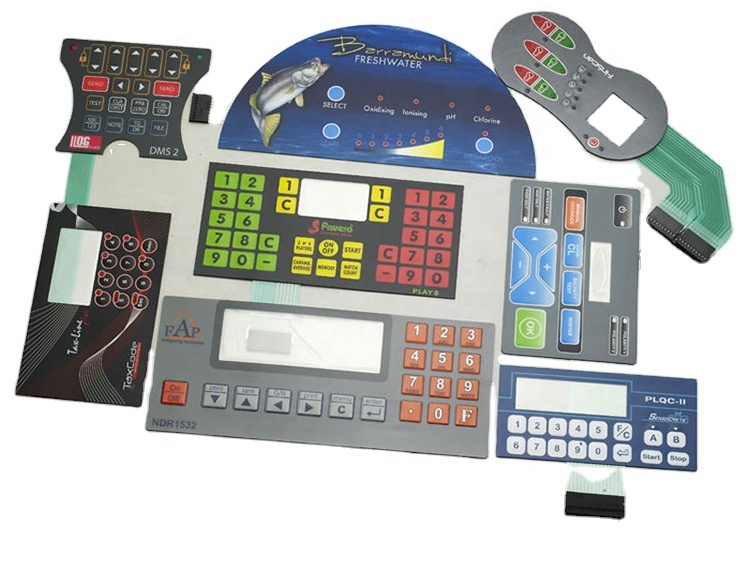
Specialized Medical Grade Keypads & Input Panels
Custom-built human-machine interfaces specifically qualified for diagnostic machinery, operating room monitors, surgical robotics, and ambulatory infusion systems requiring rigorous chemical disinfection and IP67/IP68 ingress defense.
Incorporates stainless steel tactile domes calibrated for tactile snap ratios of 45-60%, providing positive actuation feedback through surgical gloves.
Rapid prototyping configuration leveraging laser-cut steel rule dies and digital imaging. First-article functional samples ready in under 7 business days.
Medical Device HMI Engineering in Santa Ana & Greater Orange County
Situated at the heart of Orange County’s prominent MedTech hub—flanked by Irvine, Anaheim, and Costa Mesa—Santa Ana hosts one of the most sophisticated concentrations of biomedical research, clinical diagnostic tooling, and Class II/III medical device contract manufacturing in the United States. In this highly regulated ecosystem, the Human-Machine Interface (HMI) serves not merely as a decorative faceplate, but as an essential boundary of electrical isolation, operator precision, and sterile containment. For medical device manufacturers operating under FDA 21 CFR Part 820 regulations and ISO 13485 standards, keypad and front-panel failures are unacceptable risks that can trigger non-conformances, clinical delays, or biohazard ingress.
"A medical interface in clinical practice must endure more than 3,000 disinfectant wipe-downs annually using harsh hospital cleansers like quaternary ammonium compounds and hydrogen peroxide vapors, while preserving sub-millimeter tactile registration through nitrile gloves."
As hospital environments transition to automated monitoring and touch-centric controls, medical keypad engineering must satisfy competing demands: hermetic surface sealing against fluid contamination, positive mechanical and haptic feedback to prevent accidental command actuation, and sustained electrical continuity under repetitive actuation cycles. Zhejiang ZIRA Membrane Switch Co., Ltd. brings over 29 years of factory-direct precision manufacturing to Santa Ana engineering teams, bridging advanced material formulations (biaxially oriented polyethylene terephthalate, medical-grade silicones, and micro-embossed polydomes) with direct engineering support to resolve critical design-for-manufacturability (DFM) challenges.
Clinical Deployment
Targeted Medical Application Scenarios in Southern California
Our custom-built silicone rubber keymats and tactile membrane interfaces operate across demanding clinical platforms throughout Orange County's biomedical device clusters.
Surgical Robotics & OR Consoles
Minimally invasive surgical platforms require multi-functional pendant keypads. Featuring high-tactile snap domes (>350g actuation) and tactile rim embossing, our switches allow surgeons to execute precise commands without diverting ocular focus from endoscopic monitors.
Dialysis & Infusion Control Systems
Hemodialysis and ambulatory intravenous drug delivery devices require complete perimeter liquid sealing (IP67). Continuous micro-chemically treated PET top layers resist degradation from aggressive saline solutions, blood spills, and hospital-grade quaternary disinfectants.
In-Vitro Diagnostic (IVD) Analyzers
Automated clinical lab diagnostic equipment manufactured in Santa Ana utilizes our backlit capacitive ITO thin-film arrays. Zero mechanical gaps prevent reagent entrapment, simplifying cleanroom validation protocols and surface decontamination routines.
Point-of-Care Handheld Vital Signs Units
Portable patient telemetry systems and mobile ultrasound scanners demand drop-resistant, lightweight HMI architectures. Our compression-molded silicone elastomer keypads integrate conductive carbon pills directly mating with internal PCBs, surviving repeated 1.5-meter drop tests.
Autoclave & Sterilization Monitors
Autoclave logging stations and gas-plasma chamber user interfaces undergo extreme thermal fluctuations. We engineer specialized heat-stabilized polyester substrates and acrylic laminates rated for continuous operation from -40°C up to +85°C without adhesive delamination.
Cleanroom Environmental Air Handlers
Pharmaceutical compounding and semiconductor wafer cleanrooms across Orange County rely on flush-mounted, non-outgassing membrane switches with integrated ESD shields protecting sensitive logic boards from static discharges up to 15kV.
Selecting the appropriate interface architecture determines product longevity, tactile fidelity, and chemical compliance. The following matrix illustrates key engineering parameters validated through in-house optical, mechanical, and electrical bench testing:
Evaluation Parameter
Tactile Metal Dome Membrane
Silicone Elastomeric Keymat
Solid-State Capacitive ITO
Rigid PCB / FPC Hybrid Panel
Actuation Mechanism
Stainless steel snap dome (tri/four-leg)
Conductive carbon pill / gold pill
Electrical field disruption (no travel)
SMD micro-switches or metal domes
Actuation Force Range
180g – 450g (±30g precision)
60g – 250g (compression angle dependent)
0g (programmable sensitivity threshold)
150g – 500g
Rated Operational Lifespan
> 1,000,000 cycles
> 5,000,000 cycles
Virtually unlimited (solid-state)
> 3,000,000 cycles
Ingress Protection Ceiling
IP65 to IP67 (perimeter gasketed)
IP67 to IP68 (integral wrap sealing)
Hermetic IP68 / IP69K capable
IP65 (housing dependent)
Disinfectant Wipe Resistance
High (Autotex XE / Microban PET)
Very High (Parylene or PU coated)
Exceptional (Chemically strengthened glass/PET)
High (sealed overlay top-laminated)
Glove Operation Compatibility
Excellent (positive mechanical click)
Excellent (tactile travel up to 2.5mm)
Moderate (requires glove tuning firmware)
Excellent
Illumination Architecture
Integrated thin-line SMD LEDs / LGF
Translucent laser-etched silicone
Backlit capacitive rings / icons
Direct surface-mount RGB LEDs
Future Perspectives
Emerging Medical HMI Trends in Southern California
Technological pivots reshaping how Santa Ana biomedical engineering directors and contract manufacturers specify human interface components.
1. Bio-Inert Antimicrobial & Micro-Textured Films
Post-pandemic hospital sterilization requirements have made antimicrobial PET films (incorporating silver-ion agents) standard in clinical procurement. These surfaces inhibit 99.9% of bacterial colonization, resisting micro-cracking from continuous exposure to isopropyl alcohol, sodium hypochlorite, and glutaraldehyde.
2. Ultra-Thin Light Guide Film (LGF) Uniform Backlighting
Traditional discrete LEDs often create uneven hot spots that cause eye fatigue in dimly lit operating suites. Santa Ana designers increasingly adopt ultra-thin 0.125mm light-guide films with micro-etched optical extraction dots, directing light evenly across alphanumeric keys while drawing up to 70% less power.
3. Hybrid Haptic-Tactile Redundancy
Medical safety protocols mandate that critical alerts (such as bolus release on an infusion pump) provide dual confirmation. We combine flush capacitive outer controls with tactile metal dome stop/start keys, delivering physical tactile verification that mitigates touch-screen misfires during patient crises.
Device miniaturization drives migration from traditional silver flex circuits toward copper-clad Polyimide (FPC) and FR4 multi-layer backers. This allows Santa Ana OEMs to mount microcontrollers, temperature sensors, and passive filters directly on the keypad rear, eliminating intermediate daughterboards.
5. Integral Optical Bonding & Anti-Glare Display Windows
Modern medical devices integrate small OLED/TFT status displays directly under the graphic overlay. Utilizing optically clear adhesives (OCA) under cleanroom lamination eliminates internal air gaps, preventing internal condensation and reflections under bright operating room surgical luminaires.
6. Traceable Supply Chains with Verified Factory Audits
In response to global supply chain volatility, medical procurement teams audit tier-2 and tier-3 component vendors more strictly. Intertek-verified production facilities with certified environmental and quality traceability provide a clear path through FDA pre-market approval (PMA) and 510(k) reviews.
Why Partner With Us
Direct Factory Strengths & Proven Manufacturing Infrastructure
Zhejiang ZIRA Membrane Switch Co., Ltd. is not a broker or distributor; we are a dedicated, vertically integrated HMI manufacturer established in 1996. For over 29 years, our Changhe Industrial Park facility has produced custom human-machine interface components for global industrial leaders, including ABB and Emerson. We provide Santa Ana medical device engineers with direct engineering communication, rapid low-MOQ development, and transparent cost structures.
1996
Established Manufacturing Heritage
5,000m²
Modern Clean Production Facility
5 Lines
Dedicated Specialized Automated Lines
100%
Automated Electrical & Function Test
Intertek On-Site Verified Quality Management
Our facility, production lines, and QA workflows are independently verified on-site by Intertek. We maintain stringent traceability systems covering raw material lot testing, screen-printing tension, ink adhesion curing, and dimensional laser validation.
DFM Engineering Support & Rapid Sampling
Before cutting tooling, our senior engineering team conducts comprehensive Design for Manufacturability (DFM) reviews on your CAD, DXF, and circuit schematics. We offer rapid-turn prototyping (from 1 piece) to speed up your verification and validation cycles.
Standardized Operations
10-Stage Precision Manufacturing Workflow
Every medical-grade membrane keyboard and silicone rubber switch follows strict quality gates, from incoming substrate validation to final continuity testing.
01
Raw Materials
Optical clarity, surface tension, and dielectric strength verification of PET/PC films.
02
Artwork & DFM
Circuit schematic verification, Pantone/RAL color matching, and tail routing.
Sub-surface graphic printing and micro-silver conductive circuit deposition.
05
Oven Curing
Thermal curing stabilizes conductive silver and eliminates trace resistance drift.
06
Alignment Tooling
Optical punching of internal registration guide holes to within ±0.05mm tolerance.
07
Key Embossing
Precision hydro-forming or heat-press shaping of rim, pillow, or dome profiles.
08
Crimping & Pinout
Gold/tin-plated female contacts, solder tabs, or ZIF flex connectors attached.
09
Clean Lamination
Adhesive layers, spacer channels, and metal domes assembled in clean air enclosures.
10
100% Inspection
Automated electrical continuity, open/short, resistance, and visual QA check.
Procurement Knowledgebase
Santa Ana & Southern California Procurement FAQ
Clear, direct answers to common questions raised by California medical device procurement teams, design engineers, and QA managers.
How do you manage lead times and shipping for medical OEMs located in Santa Ana?
We operate an optimized export logistics workflow directly to Southern California. Standard functional prototypes and low-volume pre-production batches are typically delivered to Santa Ana via expedited air courier (FedEx, DHL, or UPS) within 3 to 5 business days after completion. For production volumes, we accommodate DDP, CIF, FOB, or CIP terms, delivering through the Port of Los Angeles / Long Beach or Los Angeles International Airport (LAX). Our engineering and project management teams maintain daily communication windows with Pacific Time (PST/PDT) to resolve technical inquiries without delay.
What specific information is required to generate an engineering quote and DFM review?
To provide an accurate technical proposal, please supply:
Dimensional 2D artwork (DXF, DWG, Adobe Illustrator, or Vector PDF) showing key placements and cutouts.
Circuit schematic or pinout definition (common bus or X-Y matrix), tail length, and preferred connector style (e.g., 2.54mm female housing, solder tabs, or ZIF bare contact pitch).
Graphic color specifications (Pantone, RAL, or physical color chips) and surface texture preferences (matte, gloss, or anti-glare).
Operating environment details: operating temperature ranges, fluid ingress requirements (e.g., IP65, IP67), and specific hospital disinfectants used.
How do your keypads withstand hospital disinfectants like bleach and isopropyl alcohol?
We use specialized biaxially oriented polyester (PET) films, such as Autotex XE or MacDermid Autotype with textured hardcoats. Unlike standard polycarbonates that craze or yellow when exposed to isopropyl alcohol, hospital bleach, or glutaraldehyde, our treated PET substrates preserve optical clarity and tactile elasticity over thousands of disinfection cycles. We also offer medical-grade silicone keypads sealed with polyurethane or parylene barrier coatings.
What are the trade-offs between tactile metal dome membrane switches and elastomeric silicone keypads?
Tactile membrane switches offer an ultra-thin profile (typically 0.8mm to 1.5mm), crisp tactile feedback (45%–60% snap ratio), and flat surfaces that simplify wipe-down cleaning. Silicone rubber keypads provide a deeper mechanical travel (1.0mm to 2.5mm), soft ergonomic touch, and molded three-dimensional keytops that can wrap around the enclosure edge to create an IP68 barrier. For designs requiring both, we manufacture hybrid assemblies: a silicone keymat mounted over a tactile metal dome membrane or printed circuit board.
What is your typical Minimum Order Quantity (MOQ) for custom medical assemblies?
We support agile NPI (New Product Introduction) cycles. Functional prototype batches can be produced from as few as 1 to 10 pieces using digital printing and laser tooling to avoid early hard tooling costs. For production orders, our standard MOQ begins at 100 units. For mass-production numeric panels or standard assemblies, scalable volume breaks start at 1,000 units.
What measures protect against static electricity (ESD) and silver migration in high-humidity clinical settings?
We deposit a solid-carbon or cross-hatched silver ESD shield layer across the full interior surface, routed to a dedicated grounding pin. This layer shunts electrostatic discharges up to 15kV away from internal semiconductors. To prevent silver electromigration in warm, humid clinical settings, our conductive silver circuit tracks are overprinted with carbon-resin barriers and dielectric isolation coatings.
How does your factory verify electrical continuity and quality before shipment?
Every production batch undergoes 100% automated electrical testing using computerized testing jigs. This system tests loop resistance, open/short circuits, LED polarity and forward voltage, switch contact resistance (typically <100 ohms), and insulation resistance (tested at 100V DC, >100 Megohms). We also conduct optical visual inspections, dimensional laser checks, and actuate metal domes through calibrated lifecycle counters to ensure consistent switch feel.
Ready to Engineer Your Custom Medical Interface?
Connect directly with our senior application engineers. We provide comprehensive DFM evaluations, stack-up diagrams, material recommendations, and rapid quotes for your medical device program.