29+
Years Manufacturing Excellence (Est. 1996)
>90%
LGF Illumination Uniformity Ratio
100%
Electrical & Optical Automated Inspection
IP67
Ingress Protection for Tropical Humidity
Featured Interface Catalog
Precision LGF & Waterproof Membrane Switches
Explore our export-grade tactile keypads, custom light guide film assemblies, and industrial HMI control panels engineered for long-term reliability.
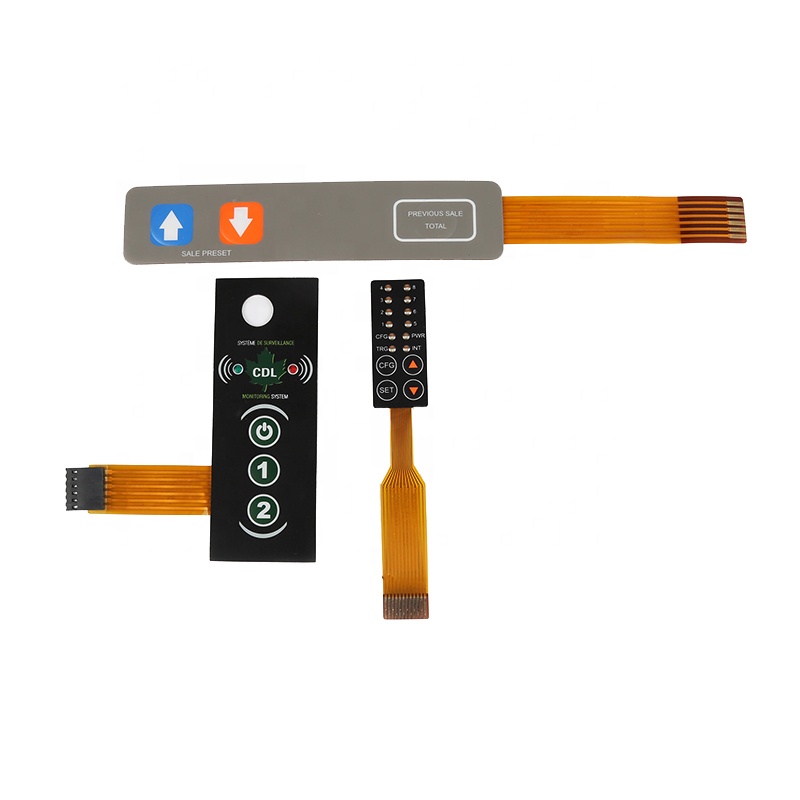
High Quality Reasonable Price Waterproof Membrane Keyboard with LEDs and 3M Adhesive Flat Design
View Product Specs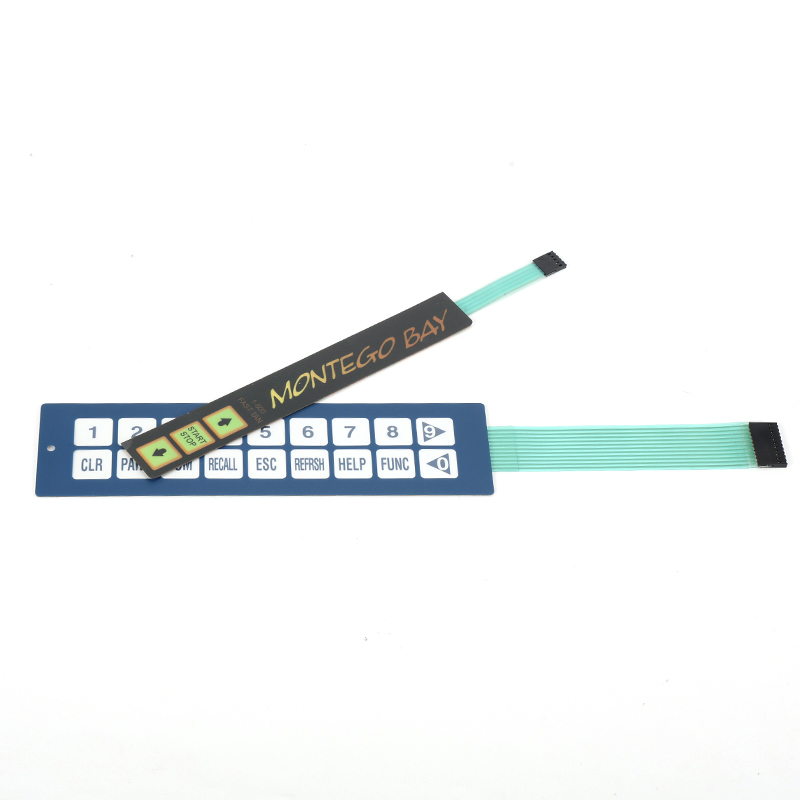
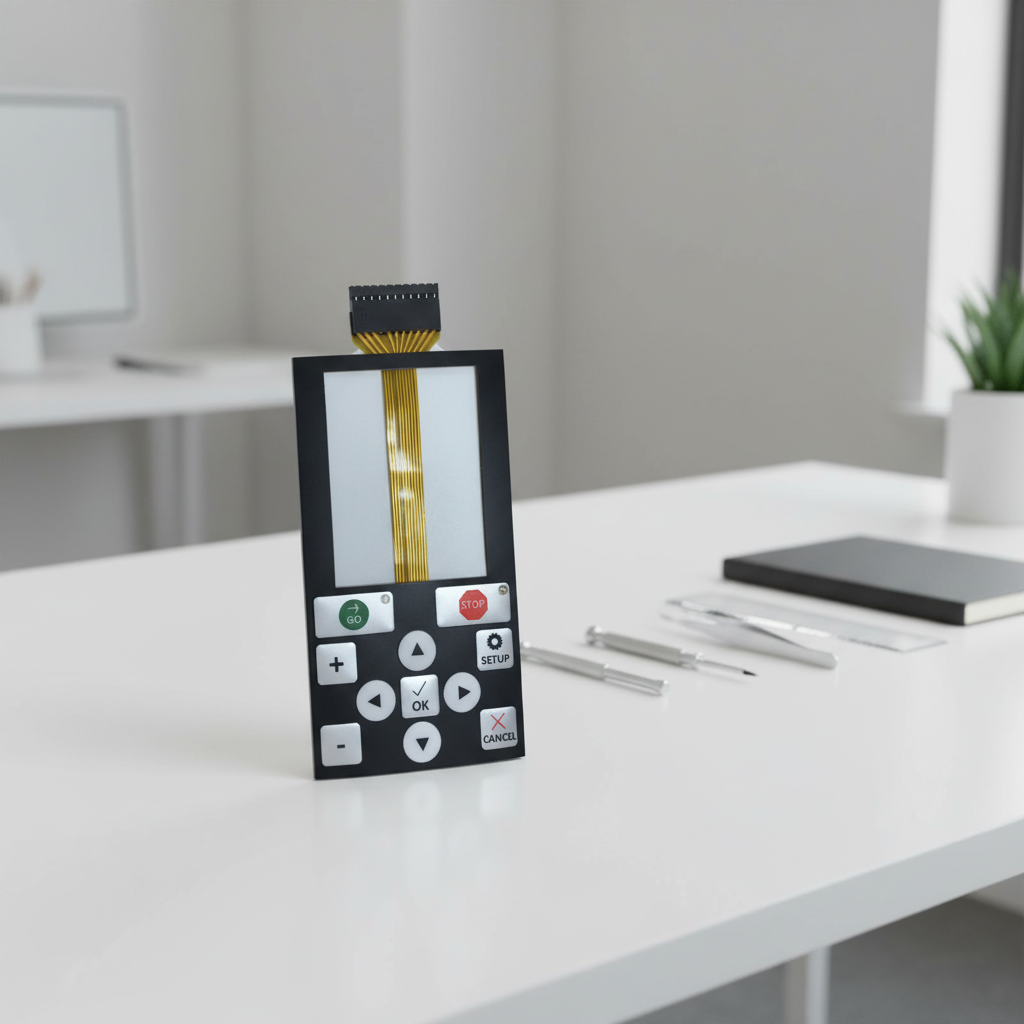
Long-Lasting High Durability Membrane Keypad for Electronic Appliances & Devices
View Product Specs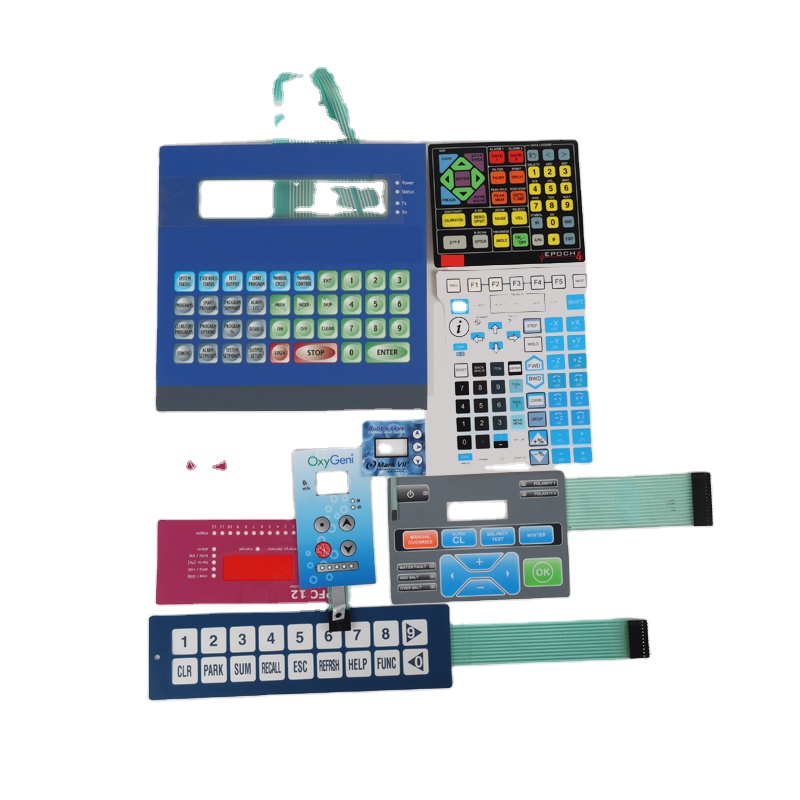
Custom Membrane Switch Medical Device Keypad Durable Medical Grade Polyester PET Compliant RoHS REACH 3M Adhesive Backing 2.54mm
View Product Specs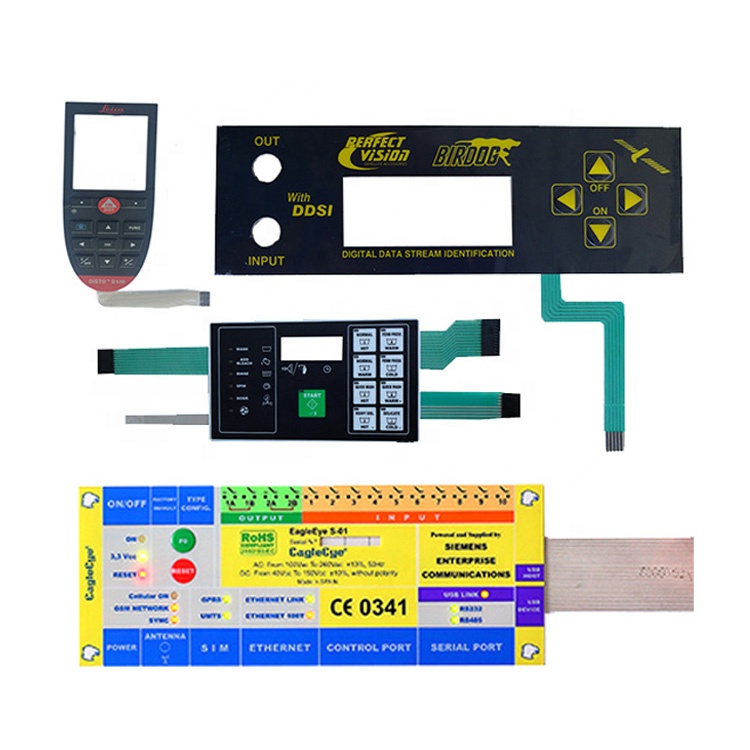
Waterproof Industrial Membrane Panel with Shock Resistance Feature Membrane Switch
View Product Specs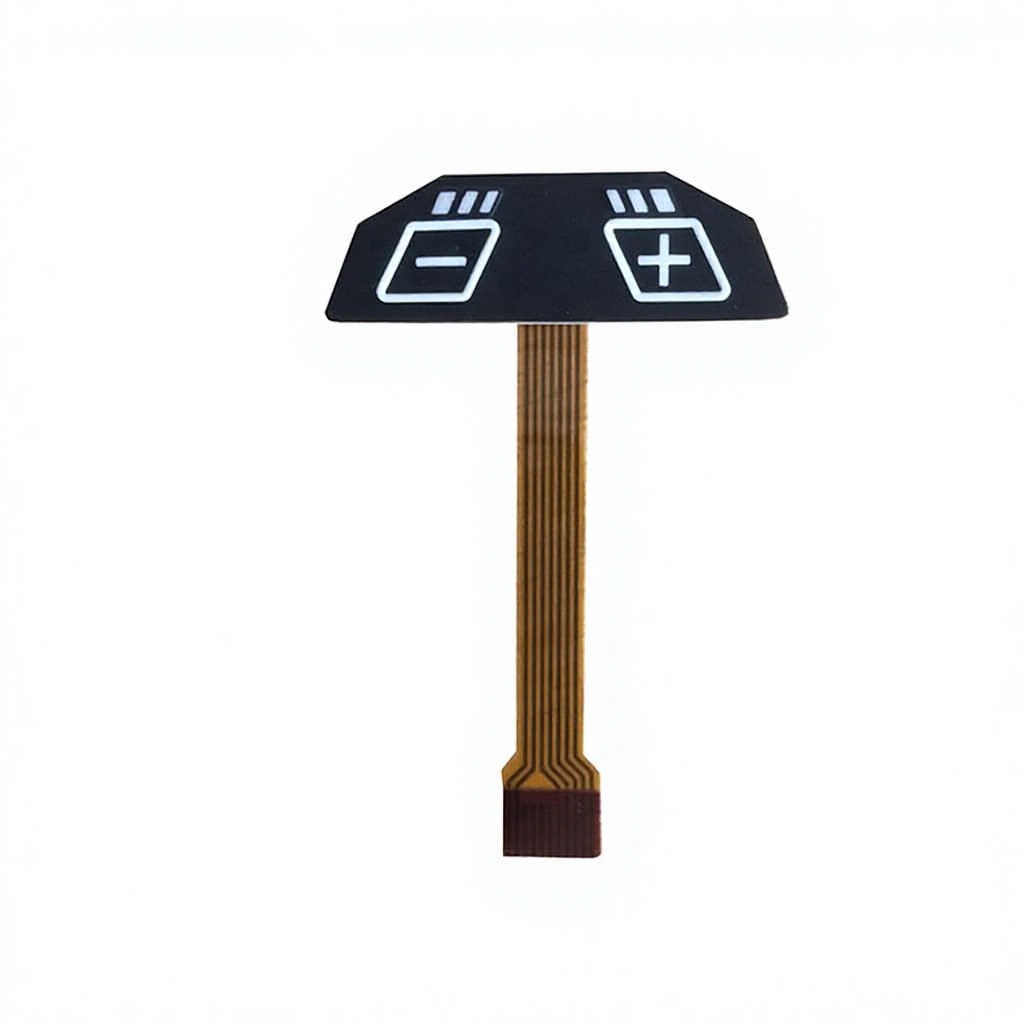
Customized Multi Layer Construction Printed Silver Circuit OEM ODM Wholesale Graphic Overlay Membrane Keypad
View Product Specs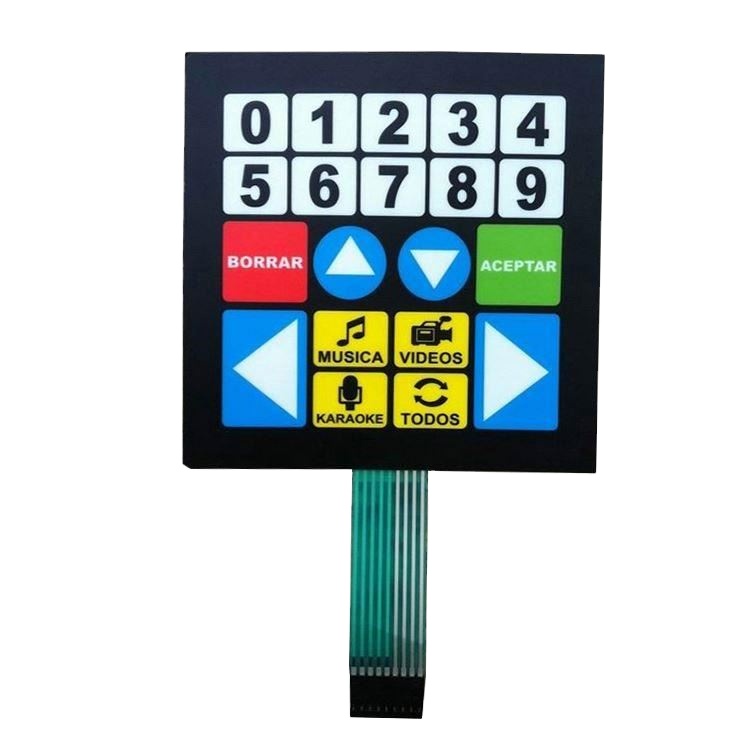
OEM ODM Custom Membrane Switch Keypad, PET PC Graphic Overlay Tactile Push Button Membrane Switch for Industrial Control Panel
View Product Specs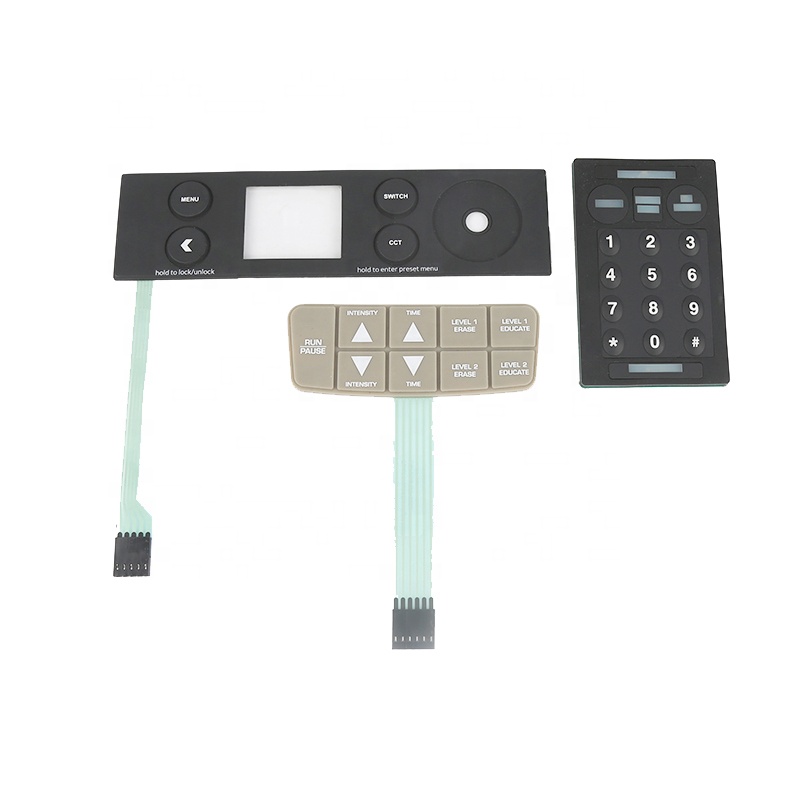
Customize High Sensivity Metal Dome 3M Adhesive Medical Membrane Switch
View Product Specs
Technical Whitepaper & Market Insights
Optimizing Human-Machine Interfaces (HMI) for the Haitian Operating Environment
A rigorous examination of Light Guide Film (LGF) backlighting mechanics, layer stack-up durability, and localized procurement strategies for original equipment manufacturers (OEMs) in Haiti.
In modern industrial design, medical diagnostic equipment manufacturing, and renewable power infrastructure, the Human-Machine Interface (HMI) serves as the primary touchpoint between the user and the system logic. As electrical equipment deployed in tropical, high-humidity, and off-grid environments across Haiti face severe operational stressors—such as power fluctuations, salt-spray exposure in coastal logistics hubs like Port-au-Prince and Cap-Haïtien, high ambient solar radiation, and pervasive airborne dust—traditional backlighting solutions often fail prematurely. **Light Guide Film (LGF) membrane switches** have emerged as the definitive electro-mechanical standard to resolve these environmental and optical challenges.
Information Gain Insight: Unlike legacy Discrete LED arrays or Electroluminescent (EL) panels that suffer from hot-spotting, rapid luminance decay, and excessive power draw, LGF technology utilizes side-firing Surface Mount Device (SMD) LEDs channeled through ultra-thin optical polycarbonate or PMMA film. Laser-etched micro-dot reflection patterns redistribute light evenly across complex switch geometry with a photopic uniformity exceeding 90%, while consuming up to 70% less power.
The Optical Physics and Architecture of Light Guide Film (LGF)
The technical superiority of an LGF membrane switch lies in its ability to leverage Total Internal Reflection (TIR). Light emitted by strategically placed side-firing LEDs enters the edge of an optically clear polyurethane or polycarbonate film layer measuring between 0.125mm and 0.25mm in thickness. Without interruption, the light rays bounce internally between the upper and lower boundaries of the film due to refractive index differentials.
To extract the light selectively beneath target icons, key borders, or transparent branding logos, precise micro-dots are etched into the lower surface of the film via high-precision laser engraving or optical screen printing. These micro-dots disrupt TIR, refracting light upward through the graphic overlay at exact vector angles. By modulating micro-dot density relative to the light source distance, optical engineers achieve seamless, shadow-free backlighting with virtually zero thermal dissipation.
| HMI Backlighting Feature | Light Guide Film (LGF) | Discrete SMT LEDs | Electroluminescent (EL) Wire/Film | Fiber Optic Waveguide |
|---|---|---|---|---|
| Illumination Uniformity | >85% - 92% (Homogeneous) | Poor (<45%, severe hot spots) | High (>90% when new) | Moderate (70% - 80%) |
| Operating Lifespan (Half-Life) | 50,000+ Hours (LED dependent) | 50,000+ Hours | 3,000 - 5,000 Hours (Fast decay) | 10,000 - 20,000 Hours |
| Thickness Stack-up Addition | 0.125mm - 0.25mm (Ultra-thin) | 1.2mm - 2.5mm (Requires spacing) | 0.3mm - 0.5mm | 0.8mm - 1.5mm |
| Power Consumption | Very Low (2-6 LEDs total) | High (Requires 10-30 LEDs) | High Voltage / Inverter required | Low to Moderate |
| EMC / EMI Interference | Zero (Passive optical layer) | Negligible | High (AC Inverter hum) | Zero |
| Tropical Environmental Sealing | Seamless IP67 integration | Prone to moisture traps | Moisture sensitive degradation | Moderate sealing complexity |
Anatomy of a 7-Layer Industrial LGF Membrane Switch
To ensure long-term structural integrity when exposed to harsh operating conditions, high-reliability LGF switches designed by Zhejiang ZIRA Membrane Switch Co., Ltd. incorporate a multi-layer composite assembly. Each layer is selected for specific thermal, electrical, and mechanical properties:
1. Graphic Overlay Layer
Autotype Fine Polyester (PET) or Lexan Polycarbonate (PC) featuring anti-glare, chemical-resistant textured matte surfaces with transparent or tinted display windows.
2. LGF Optical Waveguide Layer
Precision 0.125mm optical polycarbonate film with custom laser-etched dot density patterns matched to side-firing LED optical radiation angles.
3. Reflective Diffuser Film
Specular white reflector film attached to the bottom of the LGF layer to redirect scattered photons upward, maximizing overall photopic efficiency.
4. Tactile Metal Dome Retainer
Custom-cut spacer sheet housing stainless steel tactile metal domes (12mm to 20mm diameter, 250g to 450g actuation force) for crisp, tactile feedback exceeding 1 million cycles.
5. Printed Conductive Circuit
Screen-printed conductive silver ink circuit on stabilized PET substrate, or double-sided Flexible Printed Circuit (FPC) with surface-mounted side-firing LEDs.
6. Structural Rear Adhesive
High-tack 3M adhesive backing (e.g., 3M 467MP, 3M 468MP, or 3M 300LSE for low-surface-energy plastics) offering permanent bonding under extreme ambient heat.
Localized Application Scenarios across Haitian Industries
Sourcing electronic components for deployment in Haiti requires a deep understanding of local infrastructural realities. Equipment operated in cities like Port-au-Prince, Les Cayes, Saint-Marc, and Cap-Haïtien must perform reliably despite unpredictable electrical grids, intense tropical sunlight, salt-air oxidation, and high ambient moisture.
1. Off-Grid Solar & Battery Storage Systems
With Haiti's rapid transition toward solar microgrids, inverter control panels require low-power HMIs. LGF backlighting allows clear night monitoring of battery charge controllers without draining stored energy reserves.
2. Mobile Medical & Clinical Diagnostics
Haitian healthcare facilities rely on ruggedized, portable diagnostic devices. Our LGF membrane switches feature fluid-tight, non-porous PET surfaces compatible with aggressive medical sanitizers and alcohol wipes.
3. Port Maritime & Logistics Terminals
Control terminals utilized in coastal freight handlings require salt-spray resistance and high sunlight contrast ratios. Anti-glare LGF overlays eliminate mirror reflections during peak mid-day outdoor usage.
4. Food & Beverage Agro-Processing
Agricultural processing plants dealing with grain, sugar, and beverage bottling require dust-tight IP65/IP67 sealed control keypads that prevent airborne particulate ingress into sensitive internal electronics.
5. Telecommunication Power Nodes
Remote cellular tower backup power systems demand HMIs capable of withstanding continuous ambient temperatures of +60°C to +85°C without overlay delamination or circuit degradation.
6. Commercial Security & Access Control
Outdoor keypads installed on commercial buildings require backlighting that guides users in pitch-black conditions while withstanding mechanical impact and high daily actuation volume.
Local Market Trends & Sourcing Dynamics in Haiti
As industrial procurement teams in Haiti optimize their international supply chains, direct sourcing from verified original equipment manufacturers (OEMs) in China has become the preferred operational strategy. Sourcing managers are increasingly prioritizing technical verification over initial unit cost alone:
- Shift to Low-Power Interface Architectures: Due to heavy reliance on diesel generators and solar energy storage across Haiti, hardware developers are replacing high-draw incandescent and discrete LED arrays with ultra-efficient LGF and capacitive touch solutions.
- Demand for Tropicalization Engineering: Standard industrial keypads fail prematurely in Haiti due to humidity-induced silver migration (short circuits) and adhesive shear under heat. ZIRA incorporates dielectric protective overcoats, carbon-graphite cross-overs, and high-tack 3M low-surface adhesives.
- Direct Air & Sea Freight Logistics: Streamlined customs documentation and direct logistics pipelines from Ningbo/Shanghai ports to Port-au-Prince facilitate reliable delivery timeframes for both prototyping and mass production orders.
Enterprise Strengths & Manufacturing Governance: Zhejiang ZIRA
Founded in 1996, Zhejiang ZIRA Membrane Switch Co., Ltd. (operating from No. 509 Sanheng Road, Changhe Industrial Park, Ningbo, Zhejiang) has established itself as an international leader in human-machine interface manufacturing. Our facilities house end-to-end design, printing, embossing, laser-cutting, cleanroom assembly, and automated electrical testing.
Intertek Onsite-Verified
Our production floor, legal compliance, and quality control systems are independently verified onsite by Intertek, providing transparent assurance to global procurement teams.
DFM Engineering Support
Our engineering team performs comprehensive Design for Manufacturability (DFM) reviews on vector artwork (DXF, DWG, AI, PDF), optimizing trace spacing, dome force, and optical backlighting stack-ups.
100% Electrical Inspection
Every single membrane switch leaving our facility undergoes automated electrical testing for pin-to-pin continuity, contact resistance (<100 ohms), insulation resistance (>100M ohms at 100V DC), and LED functionality.
Procurement & Technical FAQ
Frequently Asked Questions by Haitian Sourcing Managers
Clear, direct answers regarding custom engineering, minimum order quantities, logistics, and environmental durability.
What is the Minimum Order Quantity (MOQ) for custom LGF membrane switches?
We accommodate both rapid engineering prototyping and full-scale manufacturing. Prototype quantities start as low as 1 to 10 pieces. Standard production batch sizes typically start at 100 pieces, offering maximum flexibility for specialized equipment builds.
How do ZIRA switches prevent moisture and humidity damage in Haiti?
We utilize perimeter sealing techniques incorporating 3M waterproof adhesive gaskets, liquid-impermeable polyester overlay films, and carbon-over-silver printed circuitry. This construction eliminates humidity entrapment and prevents electrochemical silver migration.
What technical files are required to initiate a custom quote?
To provide a detailed quote and stack-up recommendation, please provide your CAD mechanical drawing (DXF, DWG, STEP), graphic overlay artwork (AI, PDF, CorelDraw with Pantone color codes), circuit schematic or pin-out matrix, and preferred tail length/connector style.
What shipping terms and international payment methods are supported?
We support standard Incoterms including FOB Ningbo/Shanghai, CIF Port-au-Prince, EXW, CIP, CPT, and DDP direct express (DHL/FedEx/UPS). Accepted payment options include T/T, L/C, D/P, D/A, and Western Union in USD or EUR.
Ready to Engineer Your Custom LGF Membrane Switch?
Send your drawings or technical requirements today. Our engineering team responds within 24 hours with DFM feedback and competitive pricing.
