High-Performance Backlit & Industrial Membrane Switches
Explore our core OEM product series engineered for harsh ambient conditions, extreme duty cycles, and exceptional tactile response.
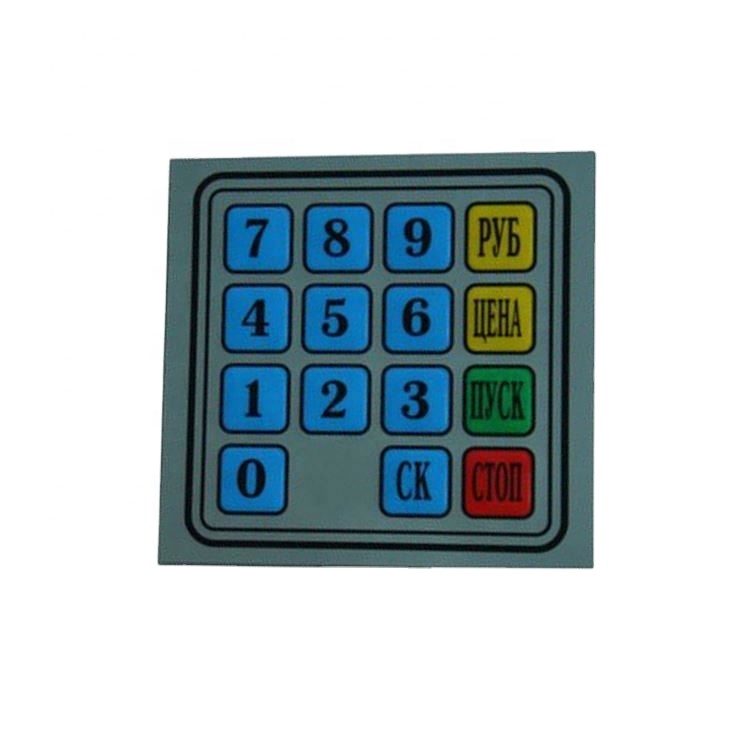
Hoee Factory Membrane Switch Keypad with Rubber Buttons 4*4/1*4 Layout
View Product Details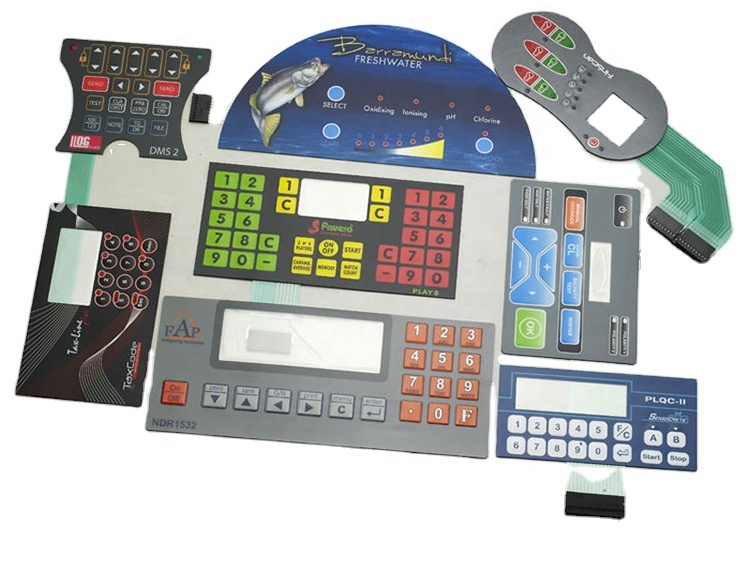
Custom Membrane Keyboards LED Backlit Membrane Switch for Electronics
View Product Details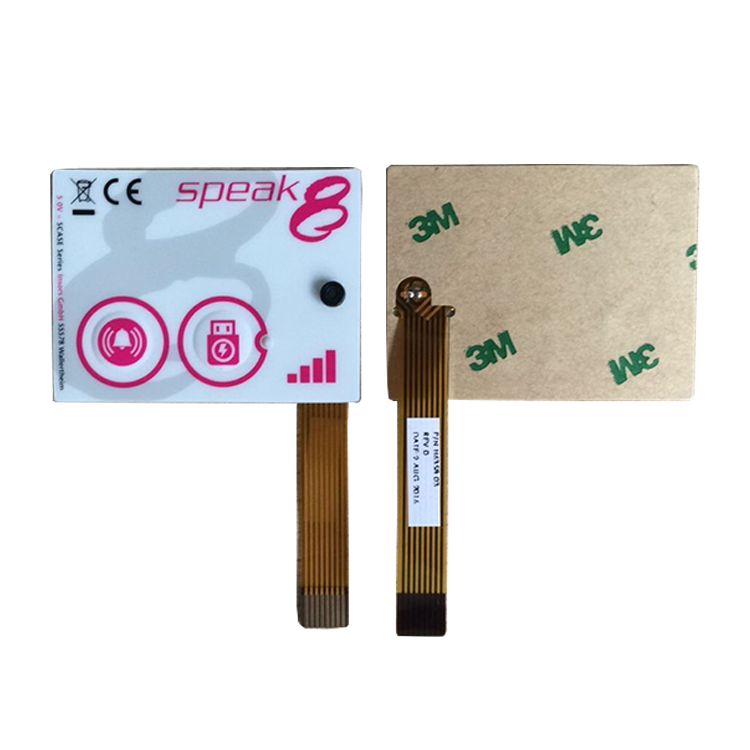
Custom Silk Screen Flexible Membrane Switch Keypad Push Button
View Product Details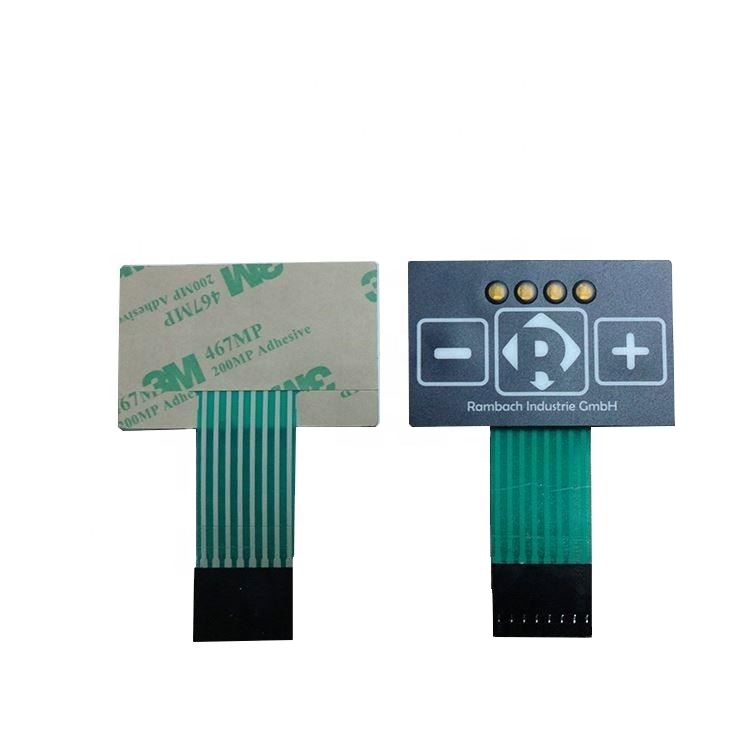
Custom Thin Film Illuminated Panel LGF / LED Backlight Membrane Switch
View Product Details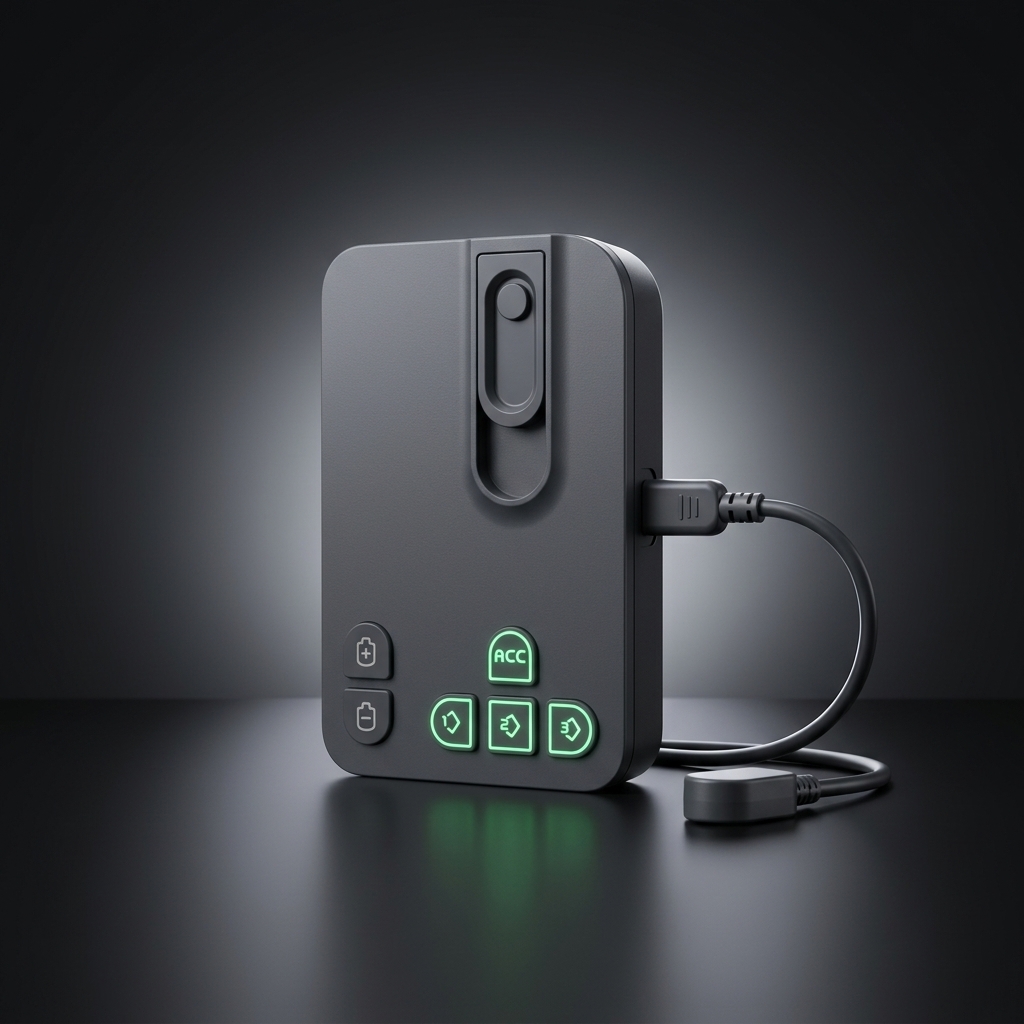
Custom Backlight Silicone Membrane Keyboard Switch Uniform Light Guide
View Product Details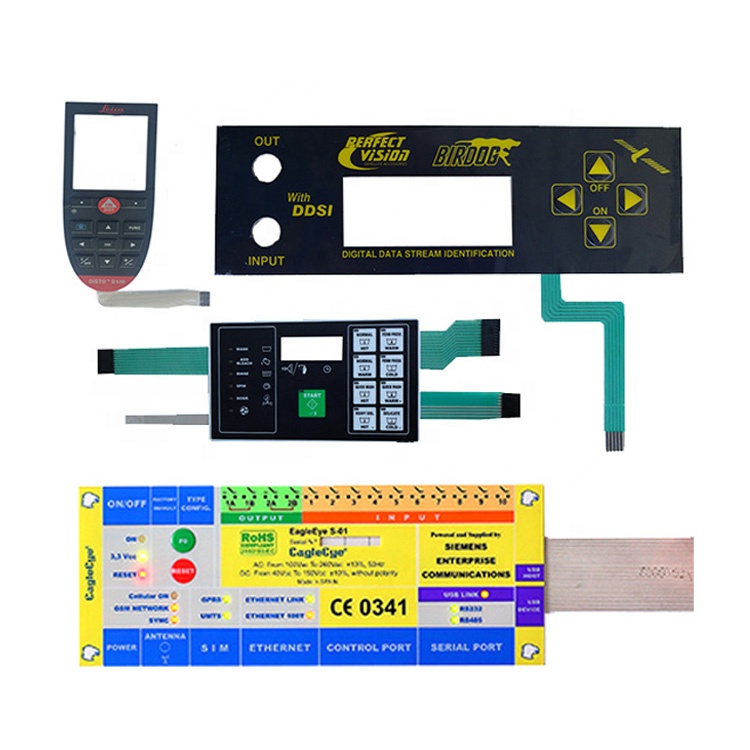
Waterproof Industrial Membrane Panel with Shock Resistance Feature
View Product Details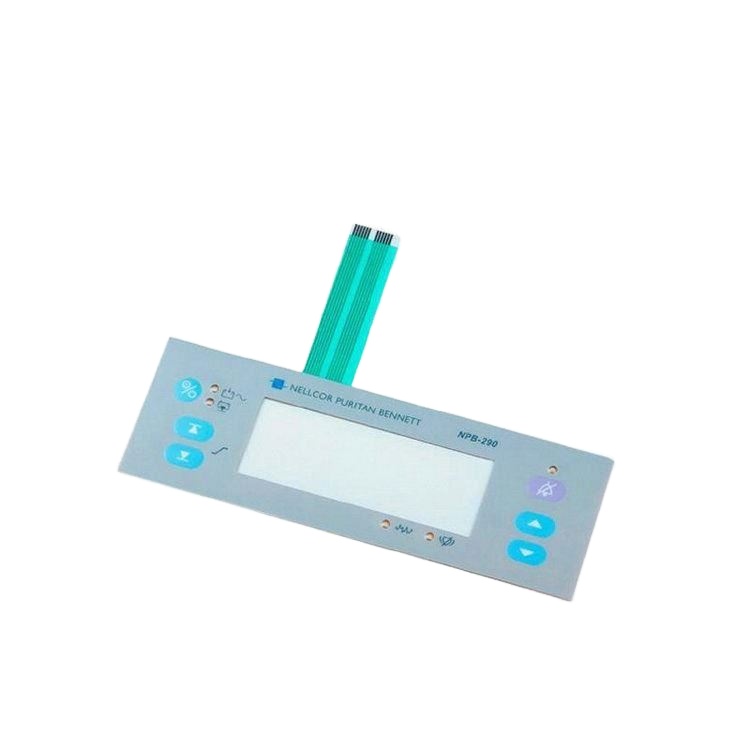
Custom Flexible Membrane Keypad Push Button Switch OEM/ODM
View Product Details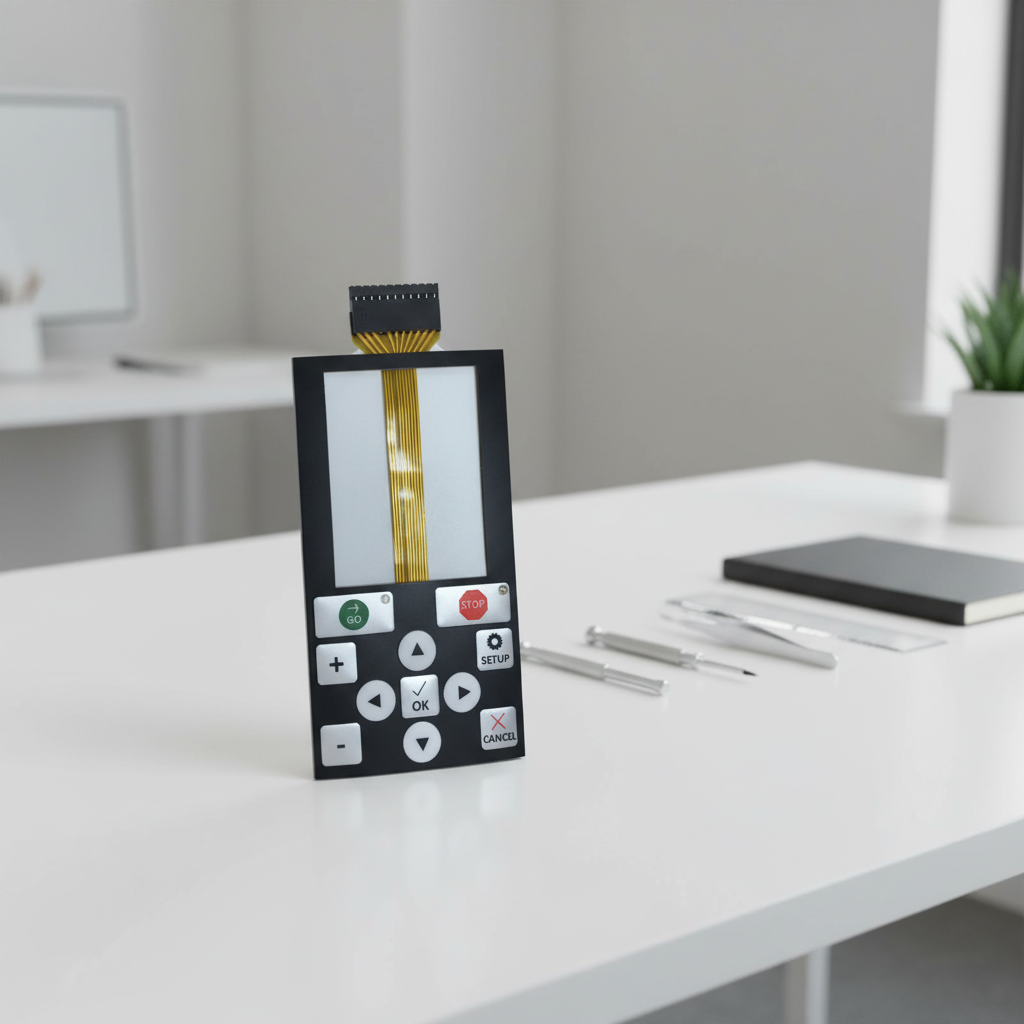
Waterproof LED Membrane Keyboard with 3M Adhesive Flat Design
View Product DetailsLight Guide Film (LGF) Technology in Modern HMI Design
Overcoming backlighting dispersion challenges in heavy industrial and high-humidity operational environments.
In modern electronic engineering, human-machine interface (HMI) performance relies heavily on visual clarity, tactile response, and mechanical durability. Traditional backlighting techniques—such as discrete surface-mount LEDs or bulky electroluminescent (EL) panels—frequently suffer from key design flaws including light hot-spots, high power dissipation, limited operating lifespans, and excessive stack-up thickness.
As a leading LGF membrane switch manufacturer and exporter in Lae, Zhejiang ZIRA Membrane Switch Co., Ltd. resolves these limitations by integrating micro-structured Light Guide Film (LGF) technology directly into custom thin-film keypad assemblies. LGF technology uses side-firing SMD LEDs coupled with precision-engineered optical PET films. These films feature computer-calculated micro-dots or micro-prisms that refract light upwards at exact 90-degree angles. The result is uniform visual illumination across expansive graphic overlays, distinct key borders, and translucent icon windows—all within a profile thinner than 1.5mm.
For industrial operators, mining facilities, maritime operations, and agricultural processors in Lae and the wider Morobe Province of Papua New Guinea, LGF membrane switches offer an ideal interface solution. They withstand intense tropical humidity, high temperatures, dust intrusion, and aggressive physical usage while maintaining continuous, low-power visual feedback.
LGF Backlighting Stack-up Advantages
- Ultra-Thin Geometry: Total light guide layer thickness ranging from 0.125mm to 0.25mm.
- Optimal Uniformity: Achieves over 85% light distribution uniformity, eliminating harsh LED hot-spots.
- Power Efficiency: Reduces the required number of LEDs by up to 70% compared to direct-backlit layouts.
- Tactile Integrity: Retains high click ratios without dampening metal dome tactile feedback.
- Environmental Sealing: Fully compatible with IP67 rim-printed perimeter gaskets.
Tropicalized Material Engineering for Lae's Operational Environment
Deploying electronic interfaces in Lae requires specialized material selection to withstand high humidity, coastal air salinity, and demanding mechanical wear.
Hermetic Perimeter Sealing & IP67 Integrity
Lae experiences heavy annual rainfall and extreme relative humidity. Moisture migration into internal conductive silver traces can cause silver migration, short circuits, and trace oxidation. ZIRA integrates specialized perimeter adhesive sealing using premium 3M 200MP, 300LSE, or VHB water-tight gaskets. This creates a fully hermetic chamber around internal metal domes and conductive circuit traces, guaranteeing IP67 or IP68 fluid and dust resistance.
UV Stabilization & Chemical Resistance
Direct exposure to intense tropical solar radiation quickly degrades standard polycarbonate overlays, resulting in yellowing, embrittlement, and cracking. Our engineering team exclusively specifies engineered Autotex XE and Autotype Fine PET films. These films feature chemical-resistant, UV-hardened topcoats that withstand harsh sunlight, salt fog, industrial cleaning solvents, and petroleum hydrocarbons without delamination or optical fogging.
Corrosion-Proof Actuation Domes
High ambient moisture accelerates oxidation in standard carbon-pill or low-grade steel contacts. We incorporate premium 4-leg stainless steel snap domes plated with pure gold or bright nickel. Rated for over 1,000,000 actuation cycles, these tactile domes deliver clear haptic click feedback (180g to 450g actuation force options) while resisting atmospheric oxidation and contact fatigue.
Industrial Use Cases Across Morobe Province & Papua New Guinea
As the primary industrial and cargo logistics hub of Papua New Guinea, Lae demands rugged electronic interfaces across a wide range of commercial sectors.
1. Mining, Mineral Processing & Heavy Equipment
The Morobe region and highlands corridors are home to extensive mining and excavation sites. Heavy machinery control consoles, rock crusher interface panels, and slurry pumping systems encounter continuous vibration, abrasive dust, and impacts. ZIRA’s shock-resistant LGF membrane switches feature thick PET graphic overlays, embossed tactile keys, and solid FR4 or FPC circuit backings. This ensures reliable operation under severe mechanical stress and vibration.
2. Maritime Logistics & Lae Port Operations
As the busiest container port in PNG, maritime loading systems, crane control consoles, and vessel navigation gear operating in Lae Port are exposed to constant salt spray and high humidity. Our water-tight LGF switches incorporate integrated LED backlighting for clear nighttime visibility, anti-glare graphic surfaces, and salt-fog-resistant adhesives that maintain structural bond strength during continuous maritime exposure.
3. Food, Beverage & Agriculture Processing
Lae hosts major food manufacturing operations, tuna processing plants, palm oil refineries, and poultry processing facilities. Equipment interfaces in these plants undergo strict washdown procedures using high-pressure water jets and caustic sanitizing agents. Our flush, seamlessly sealed LGF membrane keypads eliminate crevices where bacteria can collect, delivering hygienic, washdown-safe performance.
4. Remote Utilities, Telecommunications & Solar Power
Off-grid power generation systems, solar inverter monitoring units, and telecom relay stations located in remote PNG settings require low-power, dependable operator keypads. LGF backlighting technology uses significantly less electrical current than traditional panel lights, helping conserve battery storage while maintaining crisp visual feedback for field technicians operating in the dark.
HMI Industry Trends & Sourcing Dynamics in Lae
Key technical shifts driving the adoption of advanced thin-film interfaces across regional South Pacific industrial markets.
Replacement of Mechanical Push-Buttons
Industrial OEMs in PNG are rapidly transitioning away from traditional electromechanical push-buttons and toggles. Traditional mechanical switches feature open gaps that allow dust, moisture, and insects to penetrate control boxes. Sealed membrane keypads offer a fully enclosed, zero-maintenance alternative that significantly reduces field equipment failure rates.
Demand for Integrated Backlighting Solutions
With expanded round-the-clock operations in mining, shipping, and processing plants, night-shift operational safety requires backlit control panels. The market is shifting from external bezel illumination to integrated LGF backlighting, which provides uniform icon lighting without adding bulk or generating excessive heat inside the enclosure.
Direct Manufacturer Export Partnerships
Local engineering procurement teams in Lae are establishing direct partnerships with qualified OEM factories in China like ZIRA. Direct factory collaboration grants access to full Design for Manufacturability (DFM) support, custom prototyping, lower unit costs, and tailored material selections tailored specifically to tropical operating conditions.
Why Procurement Leaders Choose Zhejiang ZIRA
Combining 29 years of manufacturing expertise with rigorous international quality verification standards.
Intertek Onsite Verified
Our manufacturing plant in Ningbo, Zhejiang, undergoes rigorous third-party onsite audits by Intertek. Our production capacity, QA processes, and business credentials are fully certified and verifiable.
Complete In-House Manufacturing
From graphic silk-screen printing and precision CNC laser cutting to LGF dot matrix printing, surface-mount LED placement, and final lamination, every step is completed in-house for absolute quality control.
100% Automated Testing
Every single production piece undergoes automated electrical testing for circuit resistance, short circuits, insulation resistance, LED function, and light guide luminance uniformity prior to shipment.
Global Logistics to Lae
We provide comprehensive export handling with flexible Incoterms (FOB, CIF, DDP, EXW) and direct ocean/air freight shipping routes to Lae Port (PNG) with complete customs documentation.
Comparison of Backlighting Technologies for Membrane Keypads
A comprehensive engineering comparison to guide HMI technology selection for your custom equipment design.
| Performance Metrics | Light Guide Film (LGF) | Electroluminescent (EL) | Discrete Surface LED | Fiber Optic Matrix |
|---|---|---|---|---|
| Thickness Stack-Up | 0.125mm – 0.25mm (Ultra-Thin) | 0.20mm – 0.30mm | 1.0mm – 2.5mm (Bulky) | 0.50mm – 0.80mm |
| Illumination Uniformity | > 85% (High Uniformity) | > 90% (Excellent) | Poor (Creates Hot-Spots) | > 80% (Moderate) |
| Operating Lifespan | 50,000+ Hours (LED dependent) | 3,000 – 5,000 Hours (Half-life decay) | 50,000+ Hours | 50,000+ Hours |
| Operating Voltage / Power | 3.0V – 3.3V DC (Low Power) | 100V AC / 400Hz (Requires Inverter) | 2.0V – 3.2V DC | 3.0V DC (Coupled LED) |
| Tactile Feel Preservation | Excellent (No dome interference) | Good | Poor (Interferes with travel) | Moderate |
| High Moisture Resistance | Outstanding (Fully Sealable) | Susceptible to humidity breakdown | Requires potting | Good |
| Overall Unit Cost | Cost-effective in volume | High initial & inverter cost | Low unit cost | High manufacturing cost |
Frequently Asked Questions for Sourcing LGF Switches in Lae
Direct answers to common technical, logistics, and order questions from procurement managers in Papua New Guinea.
What design files and specifications are required to receive a formal quotation?
To provide an accurate technical quote and DFM analysis, please submit your mechanical dimensional drawings (DXF, DWG, PDF, or STEP), vector graphic artwork (AI or CDR with specified Pantone/RAL color codes), circuit schematic or pin-out diagram, tail connector type, and target operating environmental requirements (IP rating, working temperature, UV exposure).
What is your typical Minimum Order Quantity (MOQ) and sample prototyping lead time?
We support engineering development with flexible order quantities. Functional prototype samples can be manufactured in quantities as low as 1 to 5 pieces for initial testing. Production lead time for custom prototype samples is typically 7 to 10 working days. Standard mass production runs start at 100 pieces with lead times ranging from 2 to 3 weeks depending on design complexity.
How do you ensure LGF membrane switches withstand Lae's humid and tropical climate?
We apply specialized tropicalization engineering techniques: premium Autotex XE UV-resistant PET films, full perimeter water-tight 3M adhesive gaskets (blocking relative humidity up to 98%), gold-plated stainless steel metal domes to prevent contact oxidation, and insulating dielectric overcoats across all silver conductive traces to permanently prevent silver migration.
What shipping methods and delivery timelines do you offer for shipments to Lae, PNG?
We regularly export globally and support air express shipment (DHL, FedEx, UPS, TNT) reaching Nadzab Airport in 4 to 7 business days for urgent prototype sampling. For mass production orders, sea freight directly to Lae Port is coordinated via major shipping lines with full export documentation, Certificate of Origin, and packing lists.
Can LGF membrane switches be integrated with custom silicone rubber keypads or rigid PCBs?
Yes. We excel in hybrid HMI engineering. We can combine an LGF optical illumination layer with a molded silicone rubber keymat surface for deep key travel, or bond the entire thin-film membrane assembly onto a rigid FR4 PCB or flexible polyimide (FPC) backing circuit with SMT components integrated.
How is light uniformity checked and verified on custom illuminated keypads?
During the design phase, our optical engineers calculate light dot diffusion density using optical simulation software. In production, 100% of illuminated switches are inspected using automated optical luminance meters to verify uniform color temperature, brightness levels, and complete absence of hot-spots or dark zones.
Start Your Custom LGF Membrane Switch Project Today
Partner with a verified manufacturer with 29+ years of expertise. Get a comprehensive engineering DFM review, material recommendation, and competitive quote within 24 hours.
