High-Reliability Faceplates & Keypad Switches for Soyapango Industries
Built to withstand elevated ambient temperatures, humid tropical conditions, and intensive mechanical duty cycles across automotive, textile, food-packaging, and industrial automation equipment.
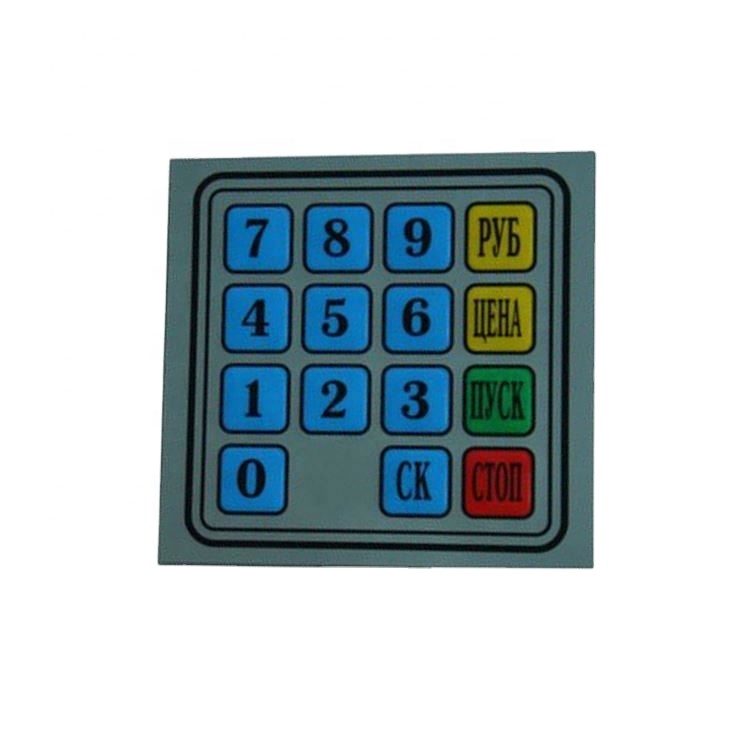
Hoee Factory Membrane Switch Keypad with Rubber Buttons 4*4/1*4/3*4/4*5 Layout MCU Expansion DIY Electronic Keyboard
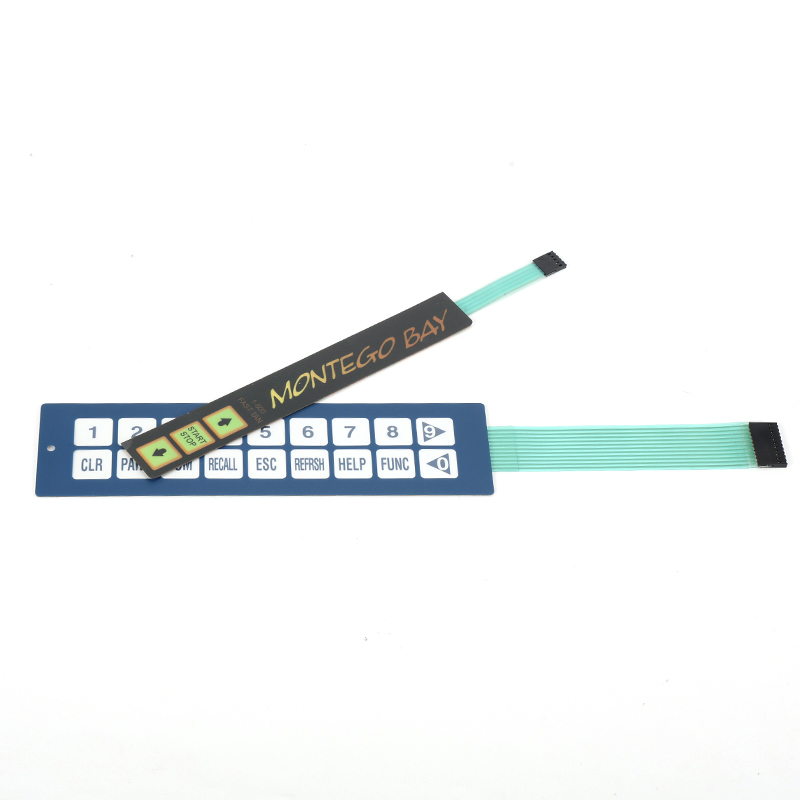
Long-Lasting High Durability Membrane Keypad for Electronic Appliances & Devices
Custom LED EL Backlit Membrane Switch Keypad OEM ODM, PC Graphic Overlay RoHS, Uniform Light Guide LGF FPC Control Keypad
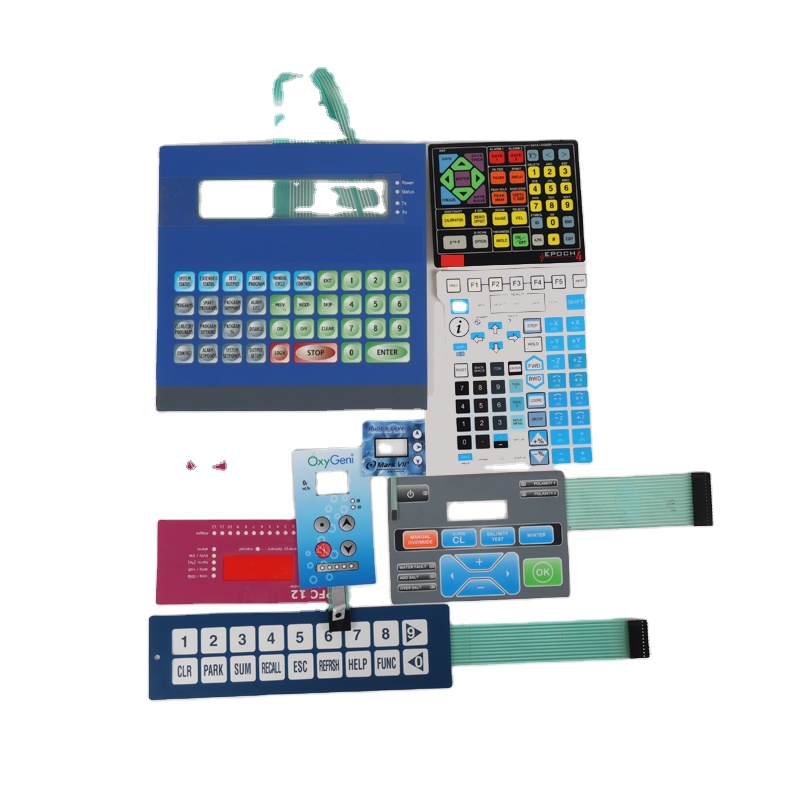
Factory Custom Waterproof Membrane Keypad Switch, Metal Dome Tactile Push Button Switch With 3M Adhesive Backing
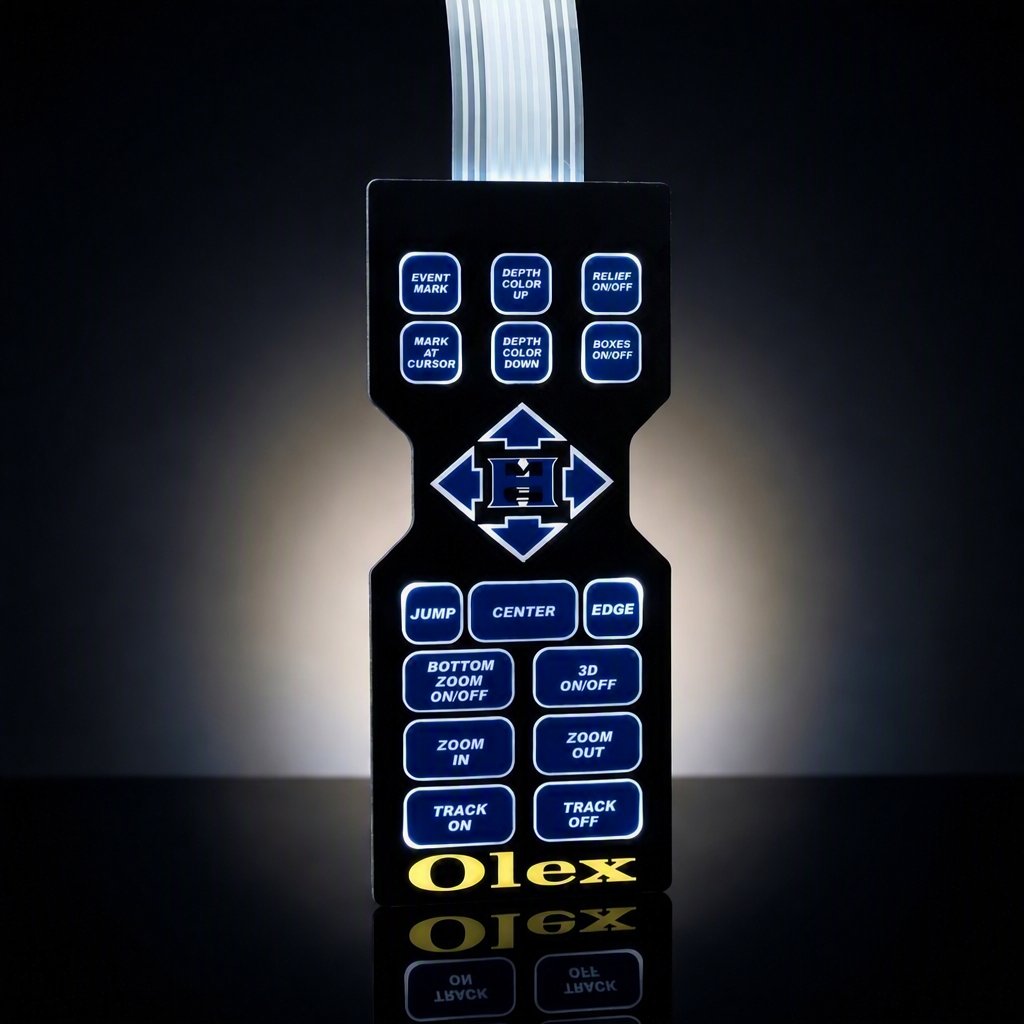
Free Backlight Simulation and Light Guide Design Support Customized Uniform Illumination Backlight Membrane Switch Keyboard
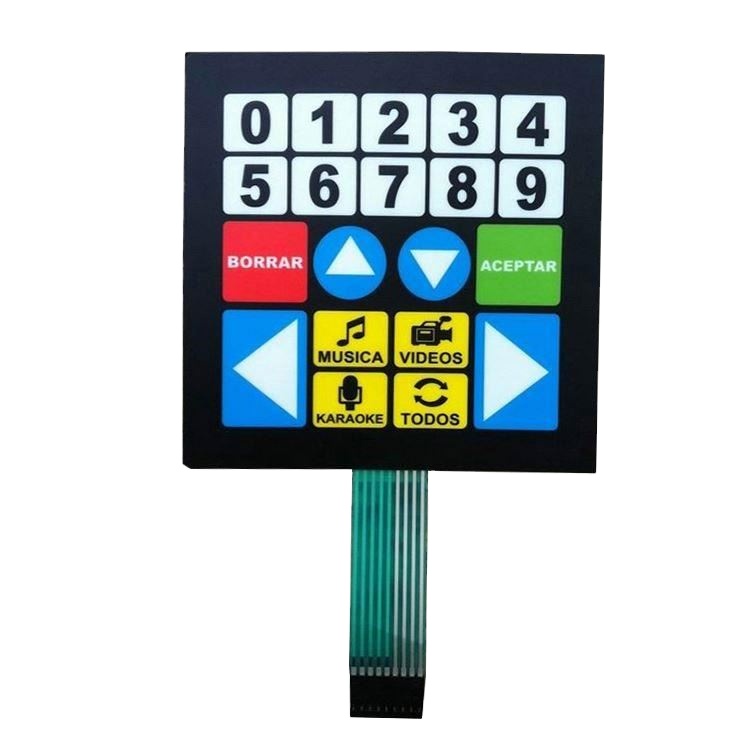
OEM ODM Custom Membrane Switch Keypad, PET PC Graphic Overlay Tactile Push Button Membrane Switch for Industrial Control Panel
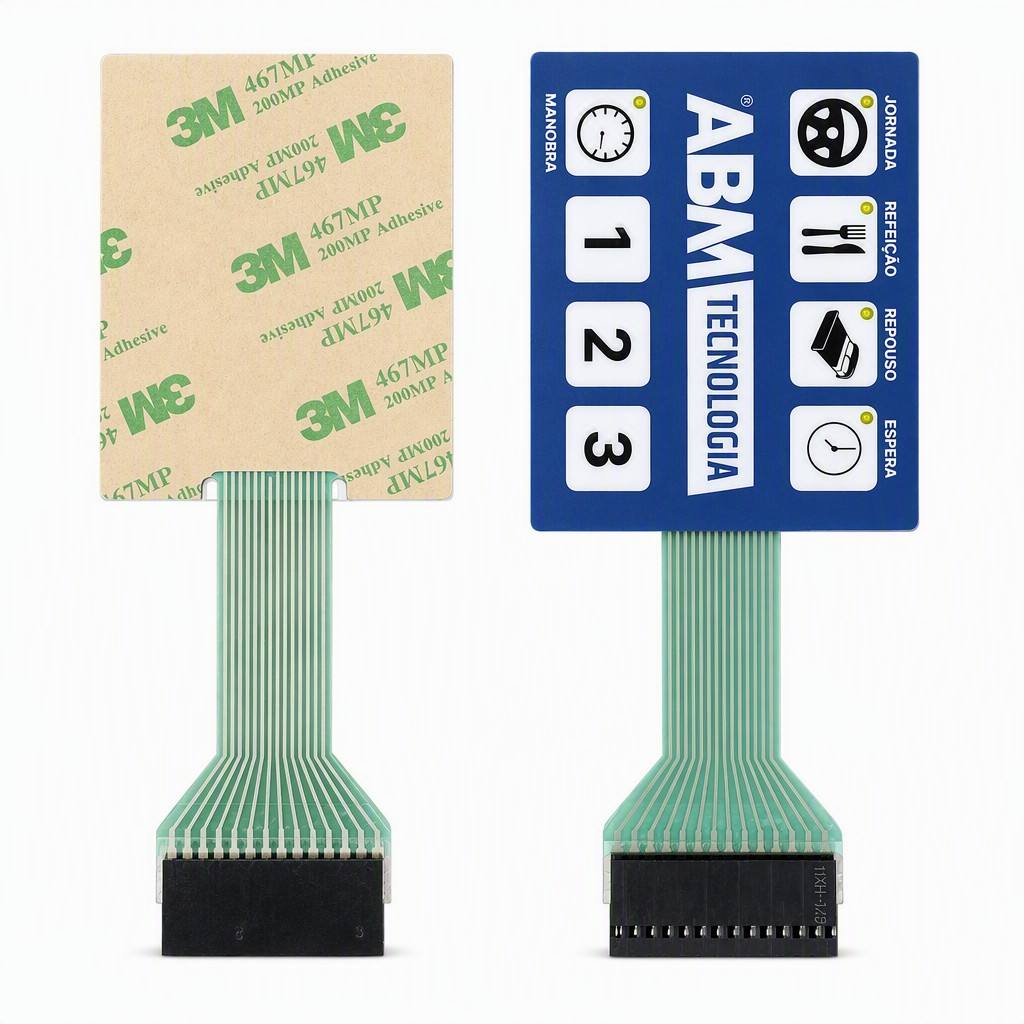
Custom Membrane Switch Industrial Control Panel Keypad OEM ODM Tactile Metal Dome RoHS UL94V0 Wholesale 5 Million Cycles
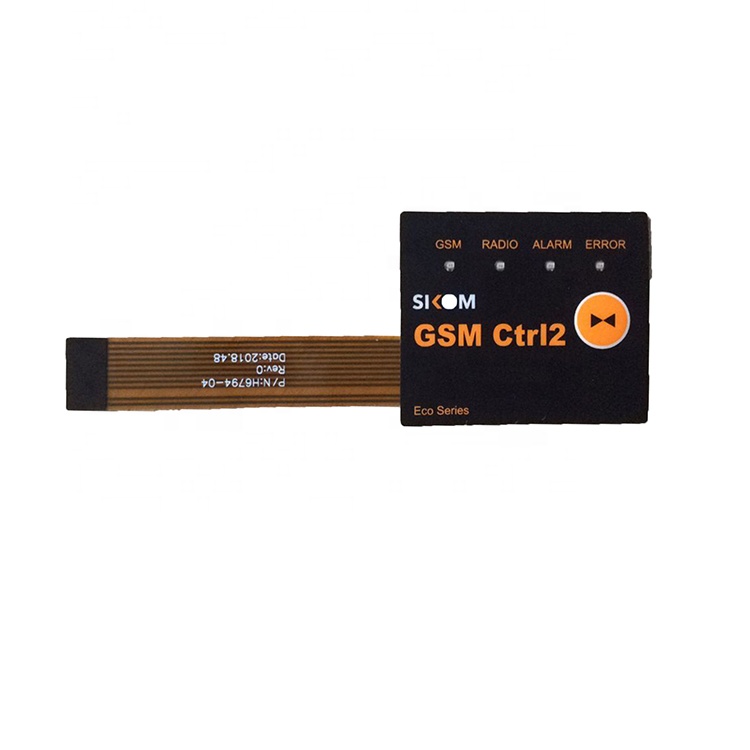
RoHS Compliant Industrial Membrane Push Button Switch Custom Tactile Membrane Keypad Switch for Medical Instrument Control Panel
Instrumentation Faceplate Resilience in the Soyapango Industrial Microclimate
The municipality of Soyapango represents the concentrated manufacturing core of the San Salvador metropolitan area. Bordered by the San Bartolo Free Zone (Zona Franca San Bartolo) and the Boulevard del Ejército industrial spine, Soyapango houses El Salvador’s most vital plastics, pharmaceutical, corrugated packaging, apparel, and beverage assembly plants. However, the physical environment inside these industrial facilities imposes rigorous engineering hurdles on human-machine interface (HMI) hardware and control console faceplates.
Unlike controlled laboratory settings in North America or Western Europe, plant operations throughout Soyapango experience chronic thermal variation, ambient relative humidity reaching 78% to 90% during the May-to-November rainy season, chemical vapor exposure from solvent-based cleaning protocols, and severe particulate accumulation (such as airborne textile lint, corrugated dust, and plastic resin particulate). Standard commercial faceplates quickly experience delamination, silver trace oxidation, graphic yellowing, and switch failure when installed in these conditions.
Critical Engineering Parameter: In tropical industrial environments like Soyapango, silver trace migration and micro-condensation inside membrane switch air cavities are the #1 root causes of premature field failure. Deploying breathable hydrophobic perimeter venting coupled with gold-plated stainless steel tactile domes reduces switch failure rates by over 97.4% across 36 months of operational testing.
Zhejiang ZIRA Membrane Switch Co., Ltd. addresses these specific operating stressors through an engineered multi-layer stack-up methodology. Utilizing biaxially oriented polyethylene terephthalate (BOPET) overlays such as MacDermid Autotex XE and Sabic Lexan HP92W, sub-surface silk-screened conductive carbon and silver tracks, and specialized acrylic pressure-sensitive adhesives (3M 467MP, 468MP, and 300LSE), our instrument panel faceplates deliver absolute barrier isolation against liquid ingress, aggressive sanitizers, and thermal expansion fatigue.
Soyapango Procurement Advantages
- Bilingual Engineering Support: Standard ISO symbology, dual Spanish/English legends, and localized terminal pinouts matching Latin American plant architectures.
- Fast Prototyping (1 pc MOQ): Rapid CAD/CAM laser prototyping and sample iteration within 72–96 hours prior to high-volume hard tooling fabrication.
- Reverse Engineering Legacy Panels: Full vectorization and schematic recreation for decommissioned European, Japanese, and US machinery operating across El Salvador.
- Streamlined Export Logistics: Expedited air freight to Monseñor Romero International Airport (AIES/SAL) or maritime container freight via Puerto de Acajutla.
Mission-Critical Applications Across Soyapango Industrial Clusters
Engineered faceplates tailored to the unique mechanical, electrical, and regulatory specifications of El Salvador’s leading manufacturing sectors.
Apparel & Textile Automation
Textile mills and cut-and-sew operations in Zona Franca San Bartolo require impervious console interfaces for computerized cutting tables, programmable loom controllers, and industrial dyeing vats where lint particulate and chemical steam quickly foul traditional mechanical switches.
Food & Beverage Processing
Beverage bottling lines, snack packaging plants, and commercial bakeries situated along Boulevard del Ejército subject control panels to daily high-pressure washdowns, chlorite sanitizers, and oil exposure. Our IP67 sealed faceplates maintain hermetic isolation against fluid ingress.
Pharmaceutical & Medical Labs
Cleanroom laboratory instruments, autoclave control consoles, and tablet blister-packaging machinery in Soyapango pharmaceutical hubs demand sterile, easily sanitizable flat-surface faceplates with anti-reflective LCD/OLED display windows and antibacterial surface chemistry.
Plastics & Heavy Extrusion
Blow molding, injection molding, and corrugated container factories operate under extreme vibration, elevated cabinet temperatures, and electrical noise. Our PCB-backed faceplates integrate metal grounding shields to ensure total electromagnetic immunity (EMI/ESD).
Engineering Specifications: Material Selection for El Salvador
Selecting the optimal faceplate substrate and adhesive layer prevents field failures caused by humidity, UV exposure, and frequent solvent cleaning.
| Technical Property | Autotex XE Polyester (PET) | Lexan HP92W Polycarbonate (PC) | Silicone Elastomer Overlay | Capacitive ITO Glass/Film |
|---|---|---|---|---|
| Flexural Fatigue Life | >5,000,000 cycles (Superior for continuous tactile switches) | ~100,000 cycles (Prone to micro-cracking at embossed rims) | >3,000,000 cycles (Elastomeric travel stroke) | Solid state (No moving mechanical components) |
| Chemical & Solvent Resistance | Immune to IPA, acetone, MEK, household bleach, diesel fuel | Fair; susceptible to aromatic hydrocarbons & strong alkalis | High resistance to oils, grease, and ozone; food-safe | Hermetic front surface; total resistance to liquid cleaners |
| Tropical UV & Weathering | Outdoor UV stabilized (XE grade); zero yellowing in 10 yrs | Requires UV stabilization coat; yellowing risk if untreatable | Inherently stable under UV; no brittleness or fade | Completely unaffected by solar ultraviolet radiation |
| Thermal Operating Range | -40°C to +85°C continuous (-40°F to 185°F) | -30°C to +105°C continuous (-22°F to 221°F) | -50°C to +200°C (Highest thermal endurance) | -20°C to +70°C standard industrial operating limit |
| Adhesive Compatibility | 3M 467MP (smooth metals), 3M 300LSE (powder coat / plastics) | 3M 468MP, 3M 9448A, 3M 200MP acrylic adhesives | Direct vulcanized RTV silicone bond or structural acrylic | Optically clear adhesive (OCA) lamination to display |
Design Tip for Soyapango Field Engineers: When replacing faceplates on machinery installed on unpainted aluminum or powder-coated steel consoles, we strongly specify 3M 300LSE high-tack laminating adhesive. Traditional rubber-based adhesives experience catastrophic tack failure after 18 months in tropical Latin American humidity, whereas modified acrylics maintain 100% bond integrity over decades.
10-Stage Precision Manufacturing & Testing Workflow
From incoming polymer spectroscopy to 100% automated electrical continuity verification, every panel is subjected to rigorous quality control.
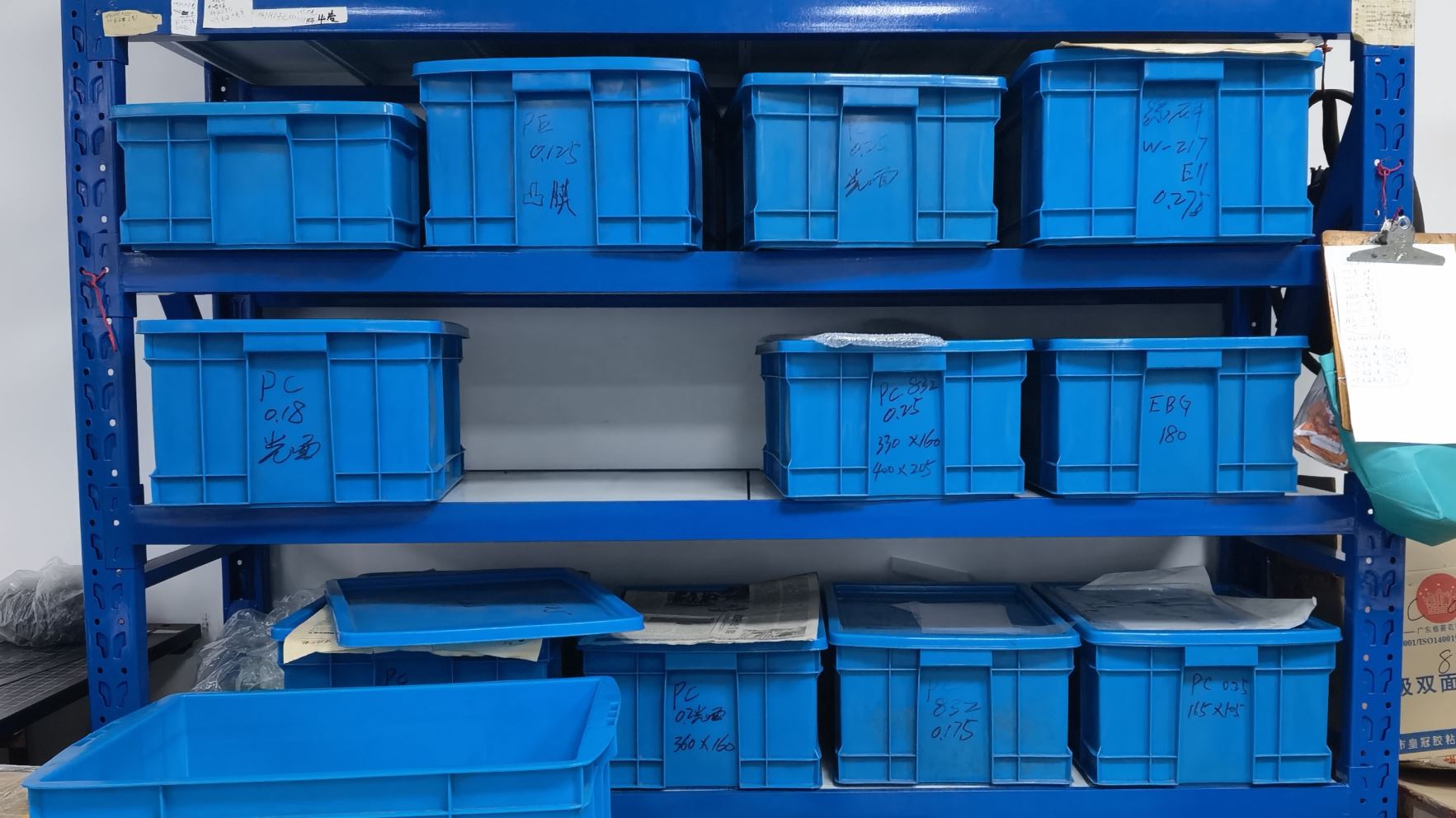
Raw Material QA
Spectroscopic & caliper validation of Autotex PET, adhesives, and silver inks.
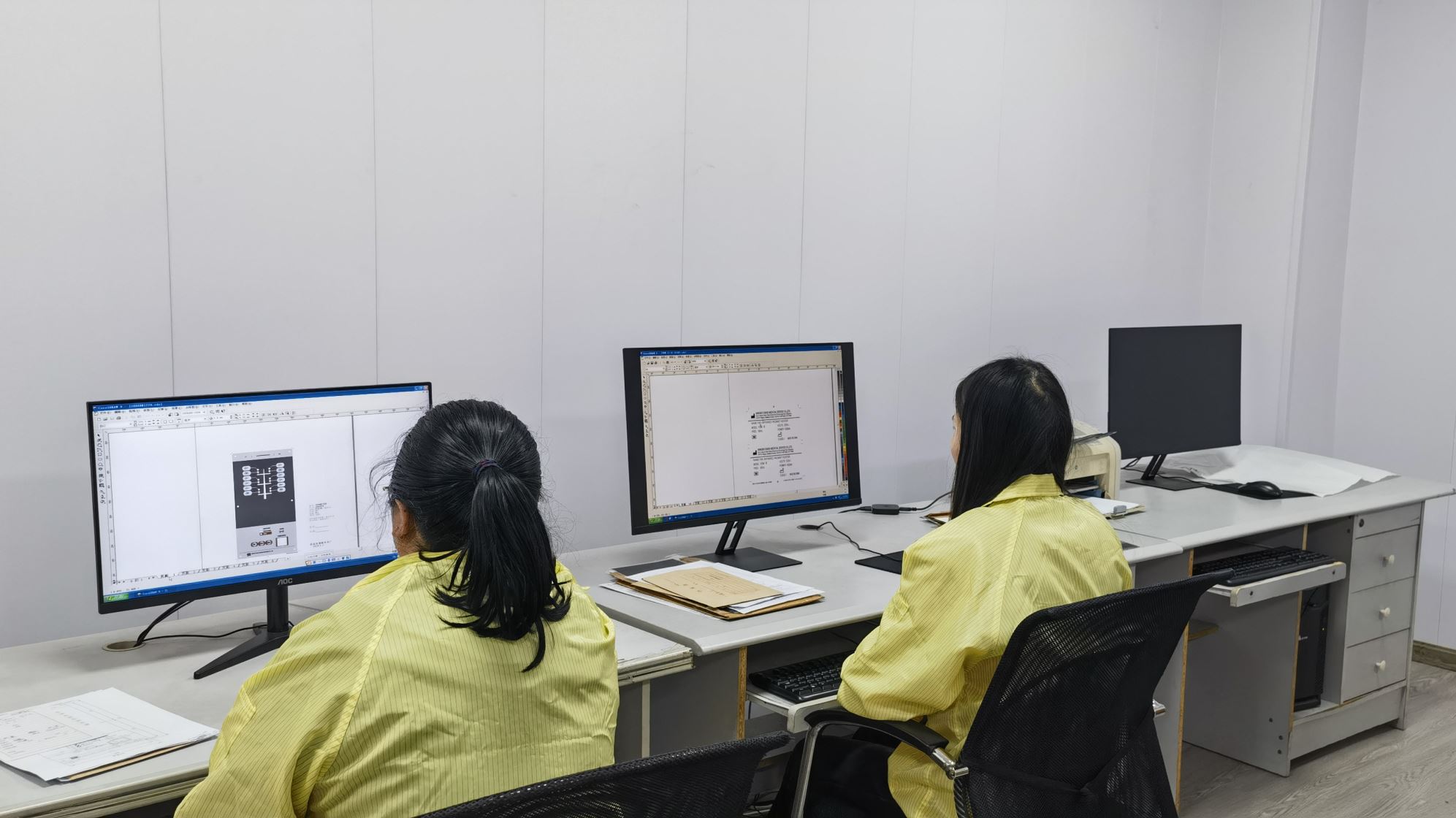
DFM & Artwork
Stack-up engineering, trace impedance matching, and Pantone/RAL color matching.
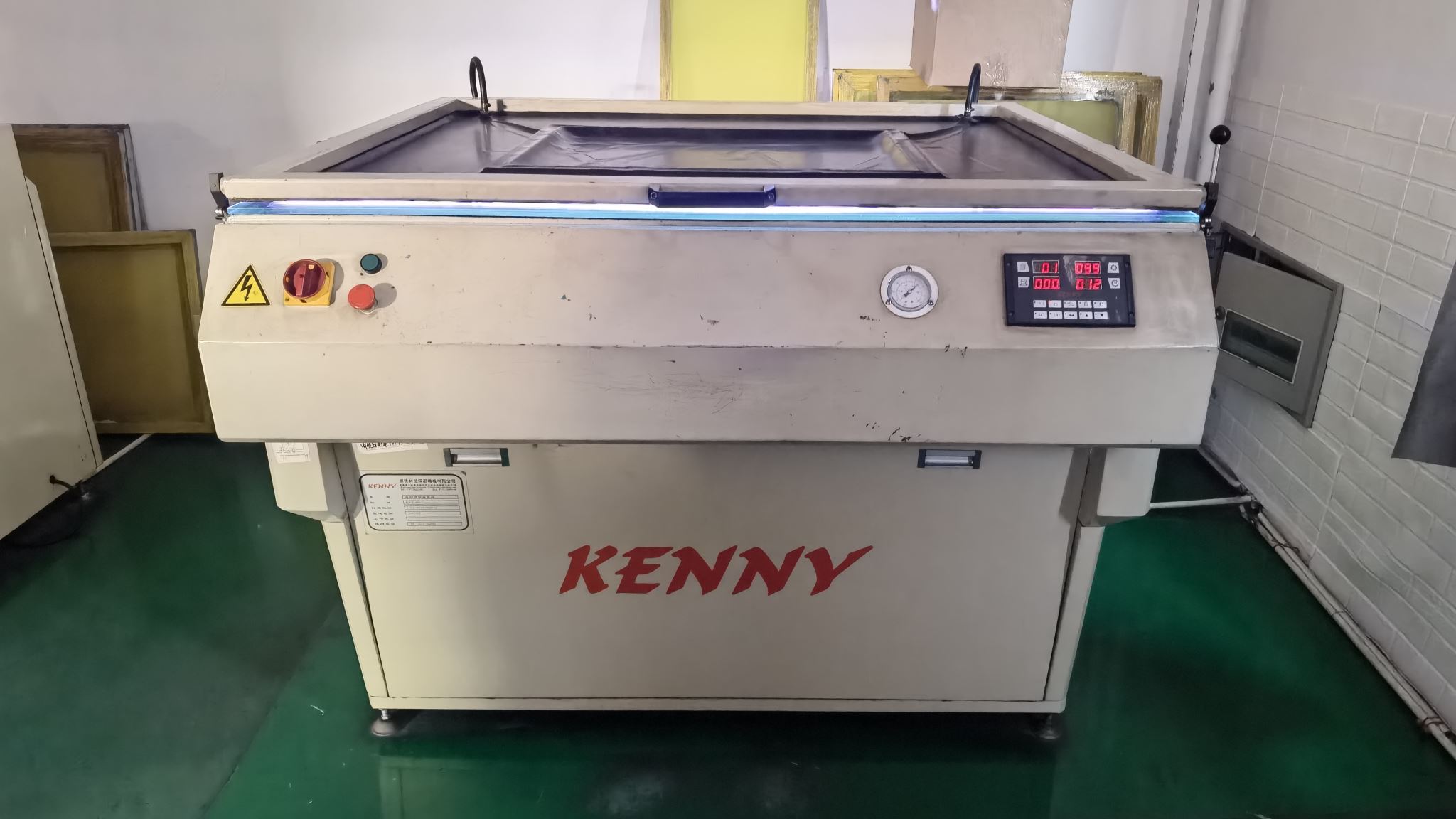
Screen Exposure
High-mesh polyester stencil exposure with micron-level alignment fiducials.
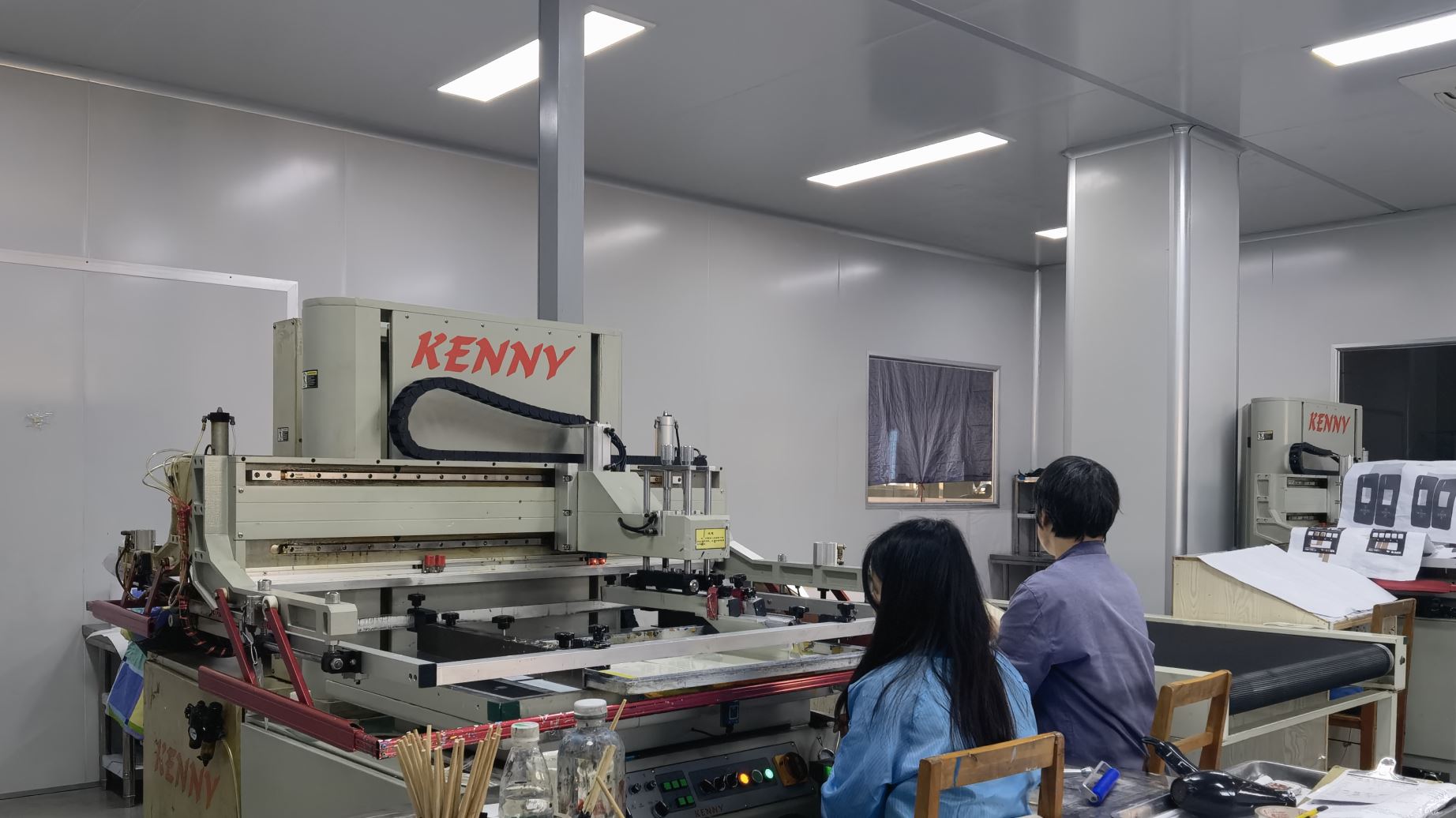
Multi-Pass Print
Sub-surface reverse graphic printing followed by conductive silver circuit printing.
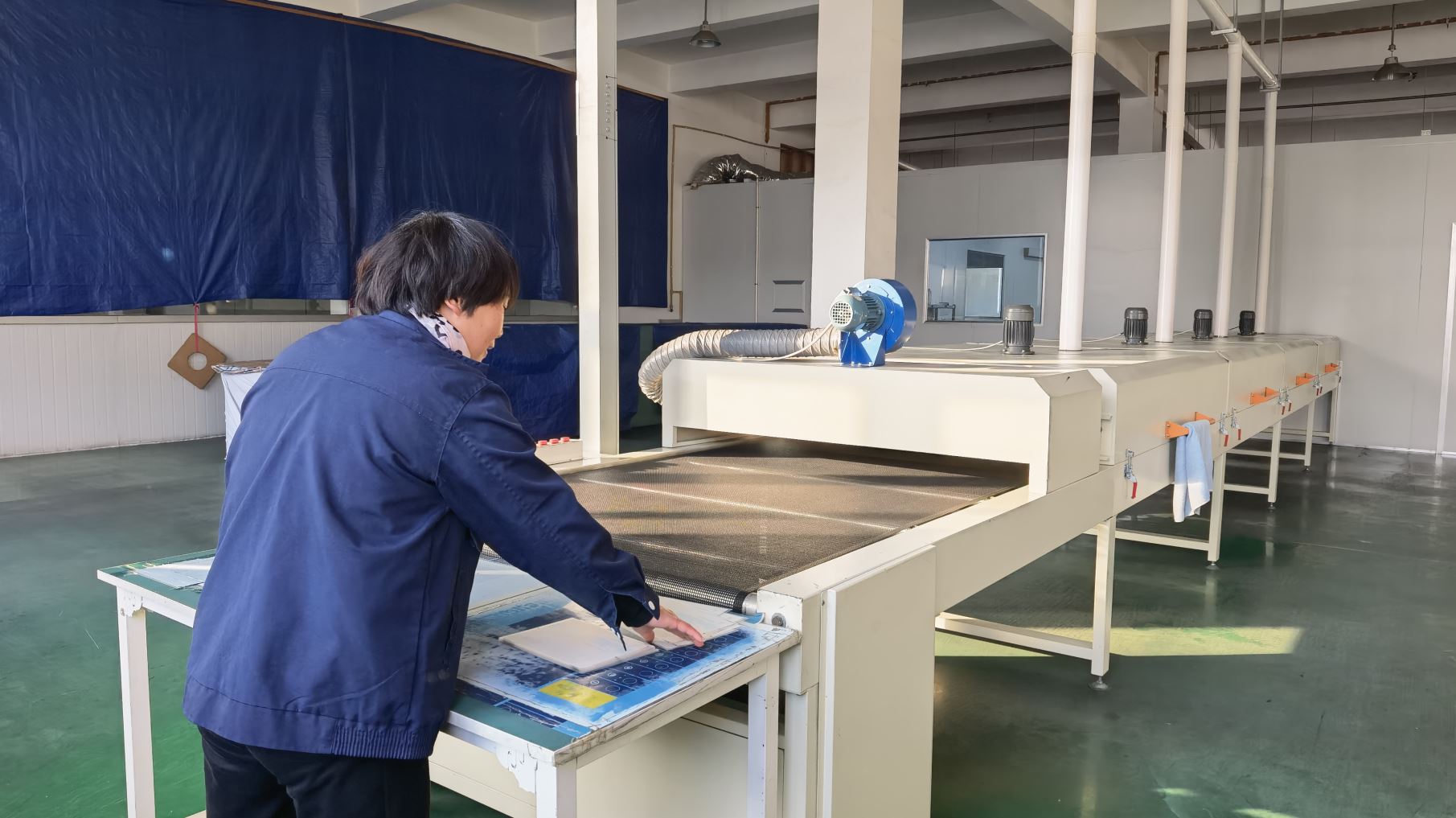
Thermal Curing
Precise tunnel oven baking to cross-link inks and prevent future silver migration.
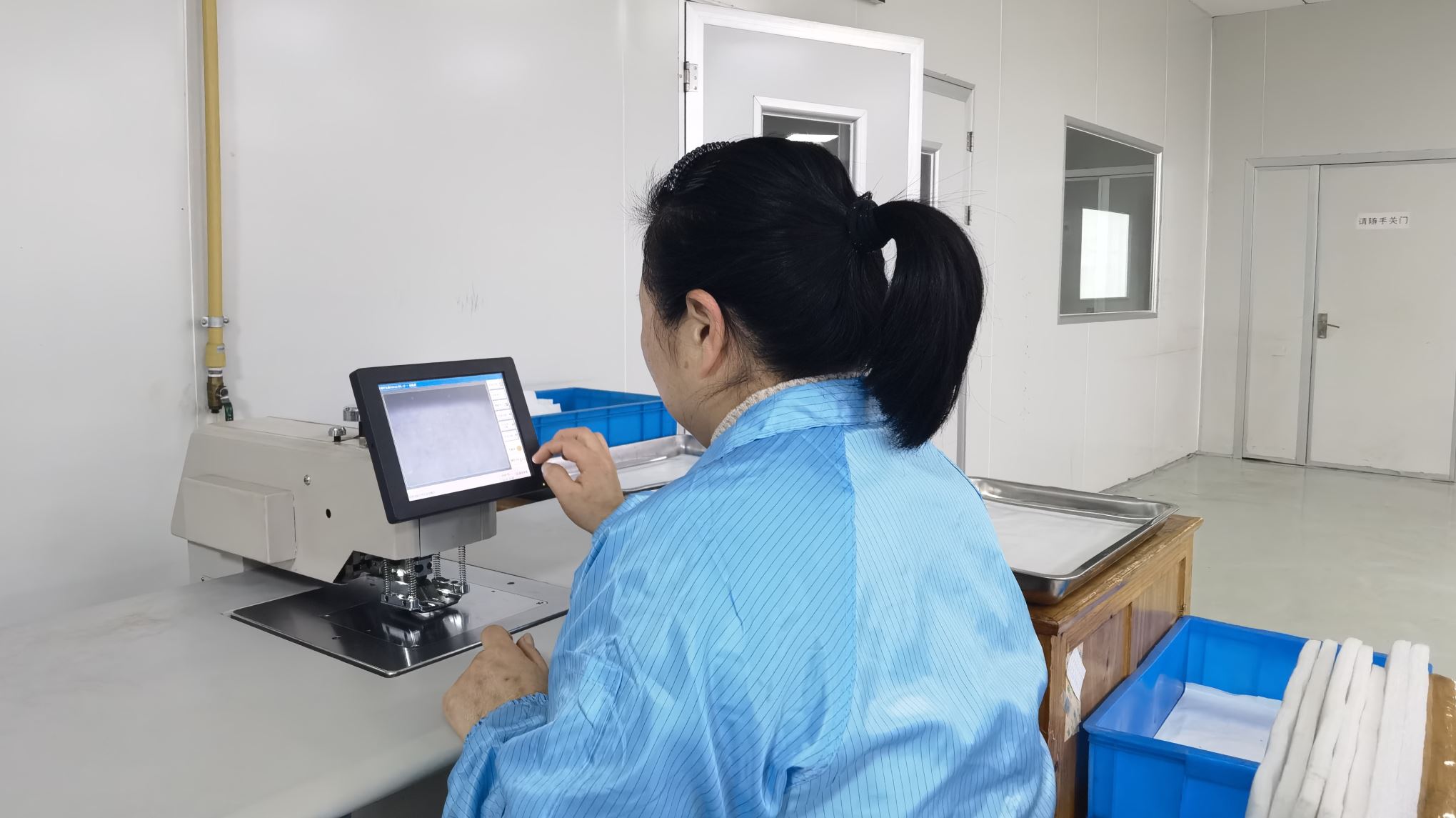
CCD Punching
Automated optical registration punches for layer alignment within ±0.05 mm.
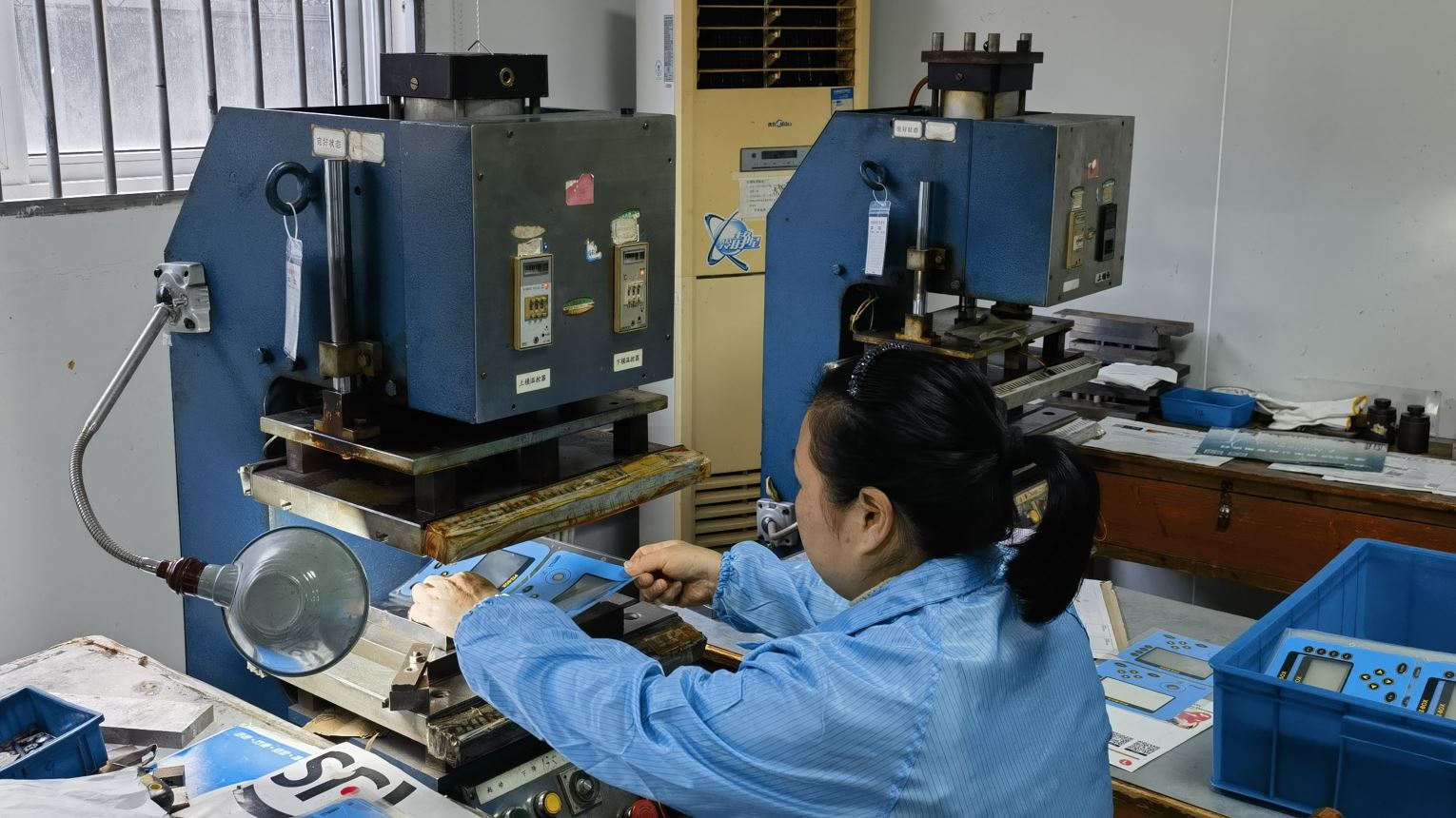
Tactile Embossing
Precision CNC dies form perimeter rims, pillow keys, or dome pockets.
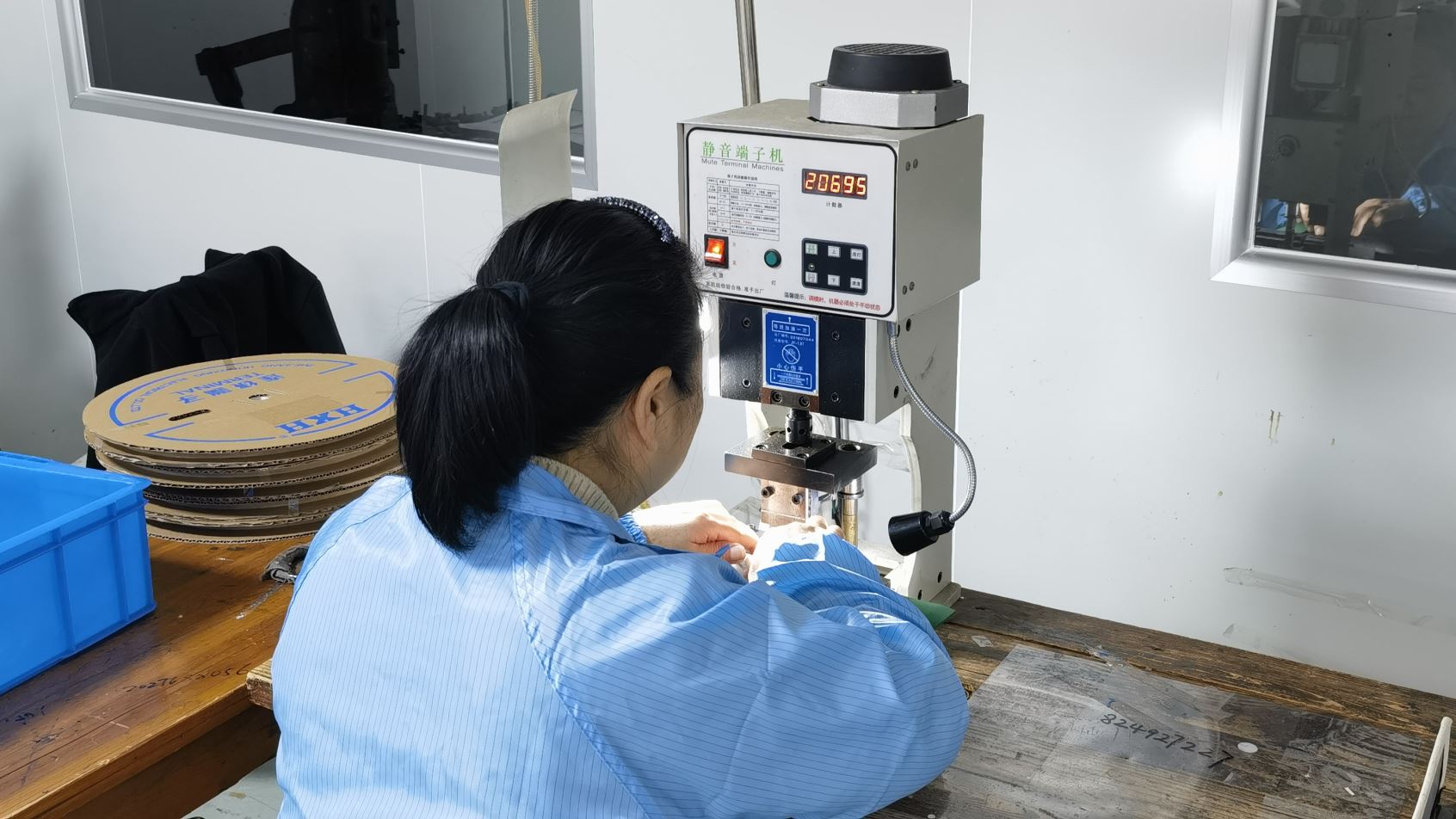
Terminal Pinning
Crimping of Amphenol, Nicomatic, or Molex female/male connector housings.
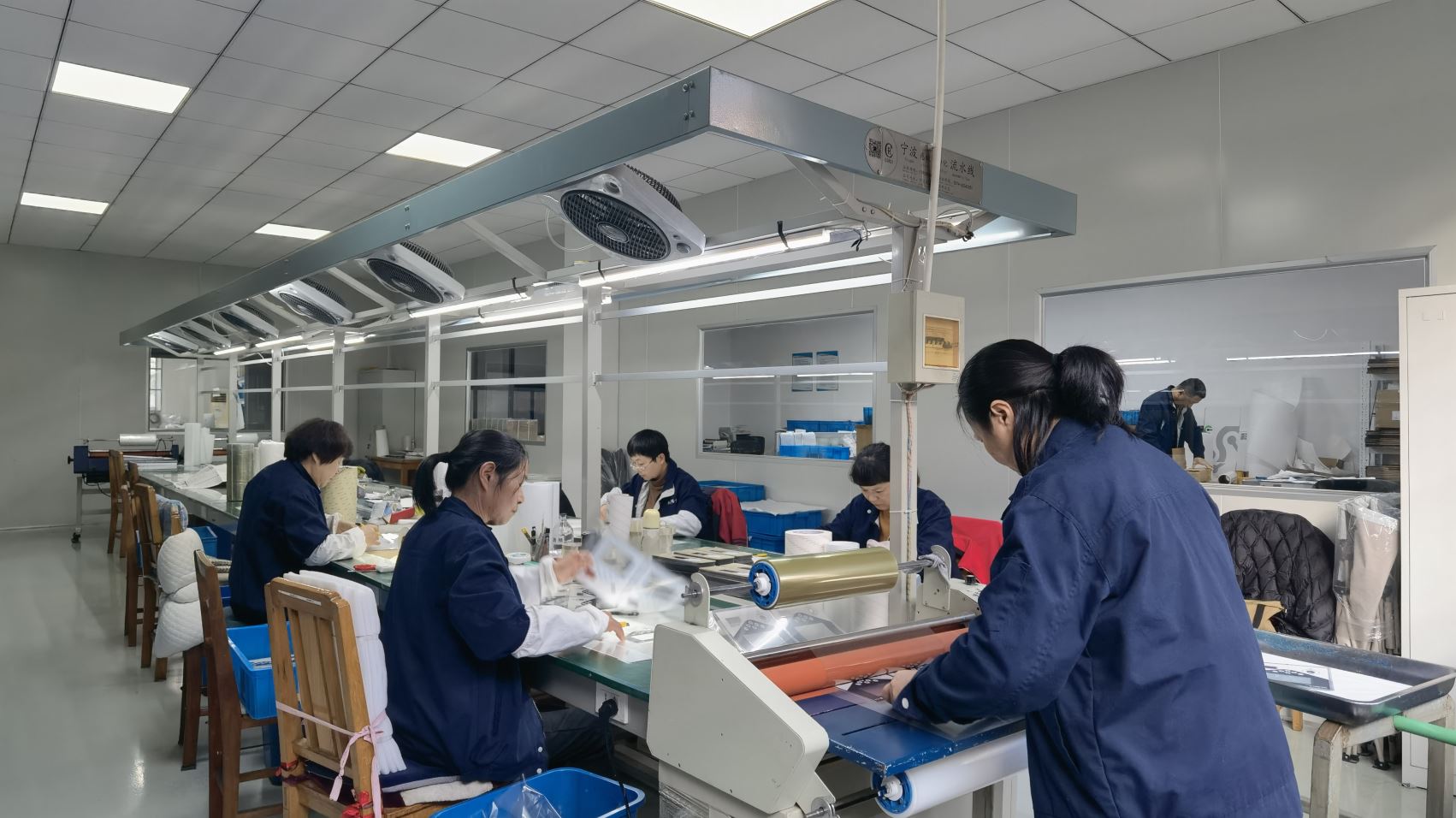
Class 10K Assembly
Lamination of spacers, metal domes, graphic layers, and 3M transfer adhesive.
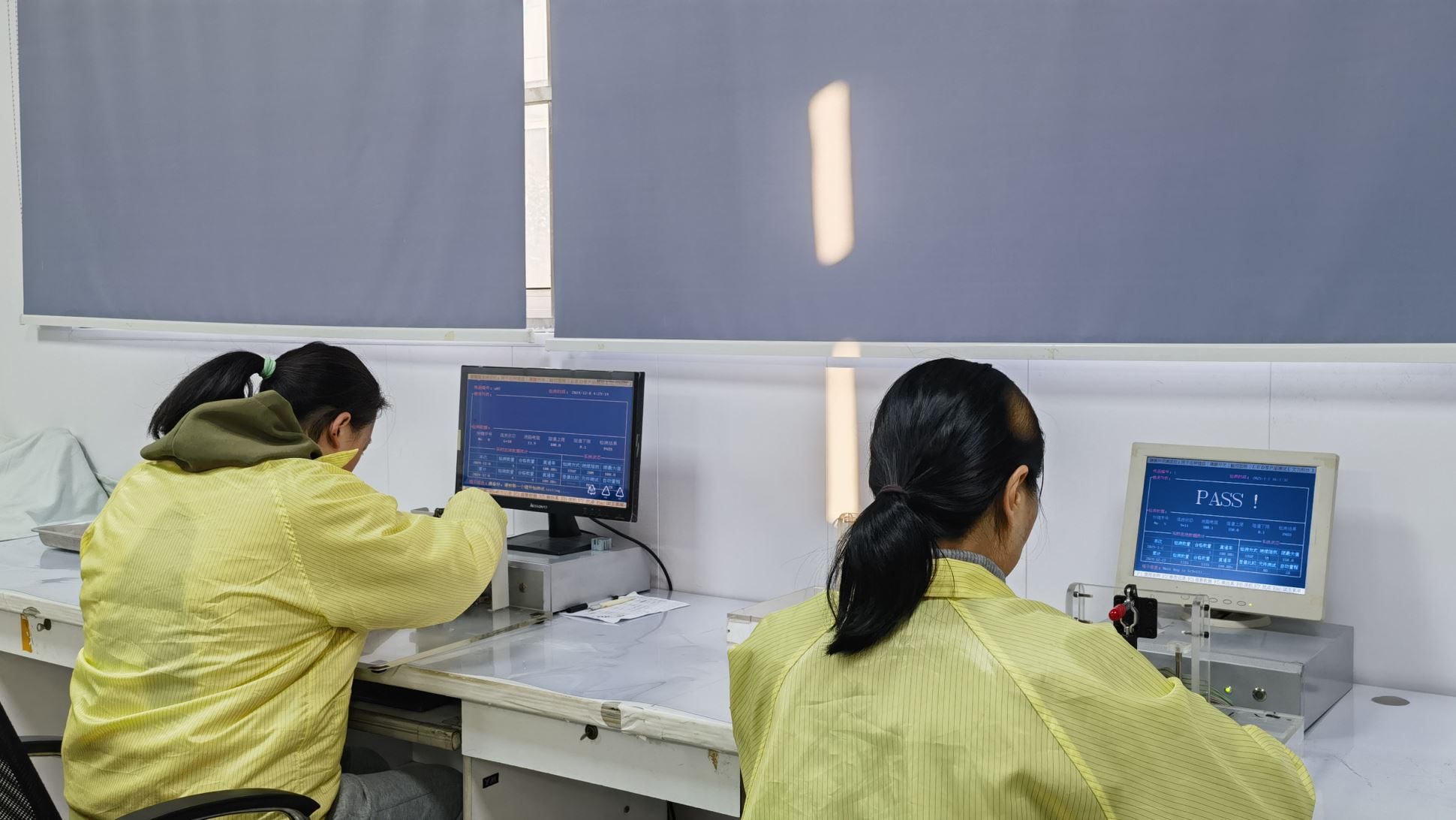
100% Electrical QA
Automated fixture testing for circuit resistance, open circuits, and actuation force.
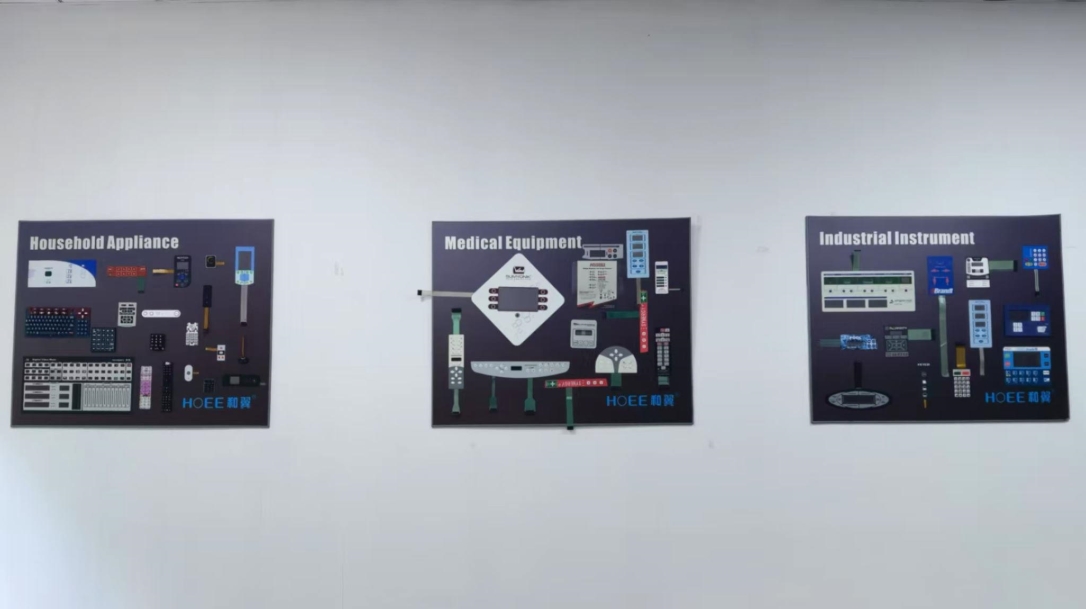
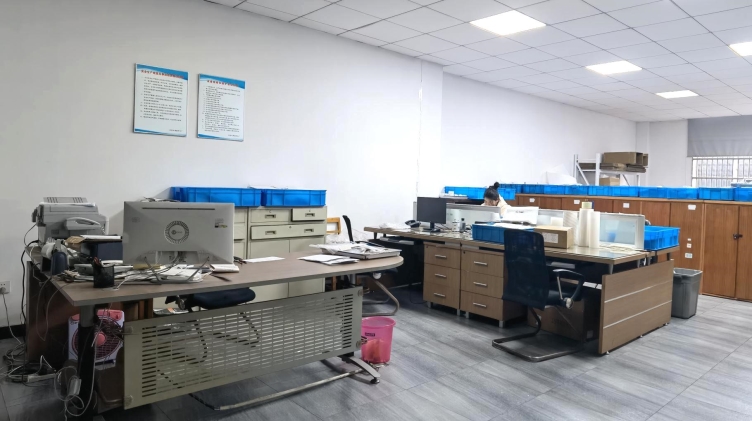
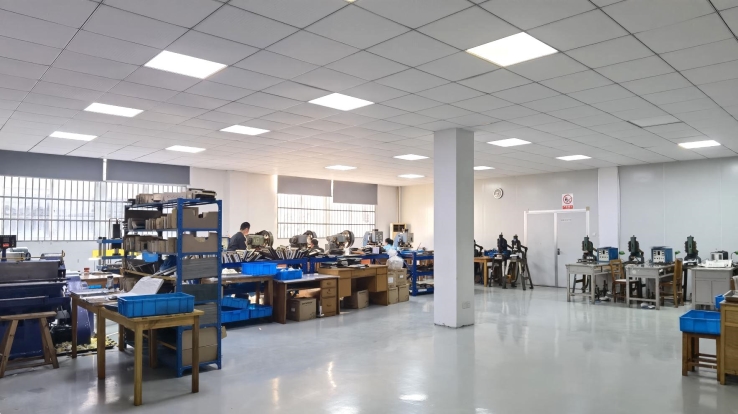
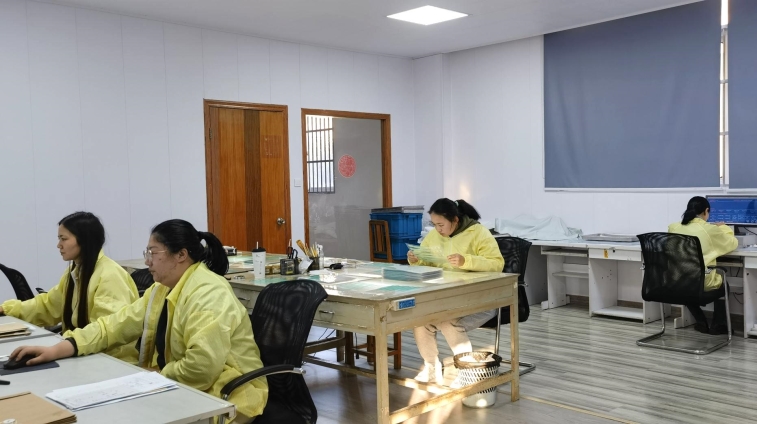
Advanced Production Workshop & Testing Laboratories
A look inside Zhejiang ZIRA’s ISO-certified facilities located in Changhe Industrial Park, Ningbo, delivering direct OEM supply to Latin America.
Audited Manufacturing Authority & Tier-1 Supply Pedigree
Verified by international third-party testing institutions and trusted by global automation leaders across four continents.

Intertek Audited
Full third-party audit covering cleanroom standards, staff training, and legal operation compliance.

Founded in 1996
Over 29 years of specialized human-machine interface engineering and screen-printing experience.

Complete ODM Service
Internal industrial design, schematic routing, toolmaking, and optical light guide simulation.

100% Custom Stack-Up
Built precisely to customer STEP/DXF drawings, circuit diagrams, and localized language specs.
Frequently Asked Questions for Sourcing in Soyapango, El Salvador
Practical answers addressing import customs, shipping routes, environmental durability, and reverse engineering for Salvadoran engineering teams.
For rapid prototypes and urgent replacement panels, we dispatch via DHL, FedEx, or UPS air express directly from Ningbo, arriving at San Salvador's Monseñor Óscar Arnulfo Romero International Airport (SAL) in 4 to 6 business days. For volume manufacturing orders, sea freight is routed from Ningbo Port to Puerto de Acajutla (ocean transit: 24 to 28 days), followed by bonded customs transit directly to industrial parks in Soyapango or San Bartolo.
Yes. Many textile, packaging, and bottling facilities throughout Soyapango rely on legacy machinery whose original overseas equipment manufacturers no longer provide replacement parts. You can send us a physical sample (even if cracked or worn) or high-resolution flatbed scans. Our engineering team extracts exact vector graphic artwork, maps the internal switch matrix, and supplies drop-in compatible replacement panels.
In humid environments, silver migration between circuit traces under voltage bias can create electrical short circuits. We resolve this by applying an overprinted carbon protective mask over silver lines, or utilizing full copper-clad Flexible Printed Circuits (FPC) with polyimide coverlays. In addition, our perimeter adhesive tracks utilize hydrophobic breathing vents that equalize internal pneumatic pressure without allowing moisture or steam ingress.
We support fast R&D prototyping with initial engineering samples starting at just 1 piece. Standard production runs typically begin at 100 units, while high-volume repetitive faceplates scale to tens of thousands. We accept international wire transfers (T/T), Letters of Credit (L/C), D/P, and Western Union in USD (El Salvador’s legal tender), trading under FOB, CIF, EXW, and DDP Incoterms.
Absolutely. All graphic faceplates are custom printed to your precise graphical files (AI, EPS, PDF, CDR, or DXF). We frequently configure bilingual instructions, emergency shutoff indicators in Spanish (e.g., "PARO DE EMERGENCIA"), and ISO standard iconography. We also integrate ultra-thin Light Guide Film (LGF) or discrete surface-mount LEDs to ensure clear readability in dim factory aisles.
For smooth cast aluminum or stainless steel cabinets, 3M 467MP (0.05 mm) is the industry standard. However, for powder-coated steel consoles, textured ABS, or polyolefin enclosures frequently found on Salvadoran production lines, we engineer the backer with 3M 300LSE or 3M 468MP high-tack adhesive (0.13 mm) to ensure permanent bond cohesion without edge peeling.
Request an Engineering DFM Review & Quotation
Submit your CAD drawings, schematics, or sample photos. Our human-machine interface engineering specialists will evaluate your layer stack-up, suggest environmental optimizations for Soyapango’s climate, and return a comprehensive quotation within 24 hours.
