Industrial-Grade HMI Keypads & Push-Button Assemblies
Explore 8 precision-manufactured HMI keypad architectures designed for rigorous field instrumentation, hazardous-location control consoles, and continuous industrial cycling.
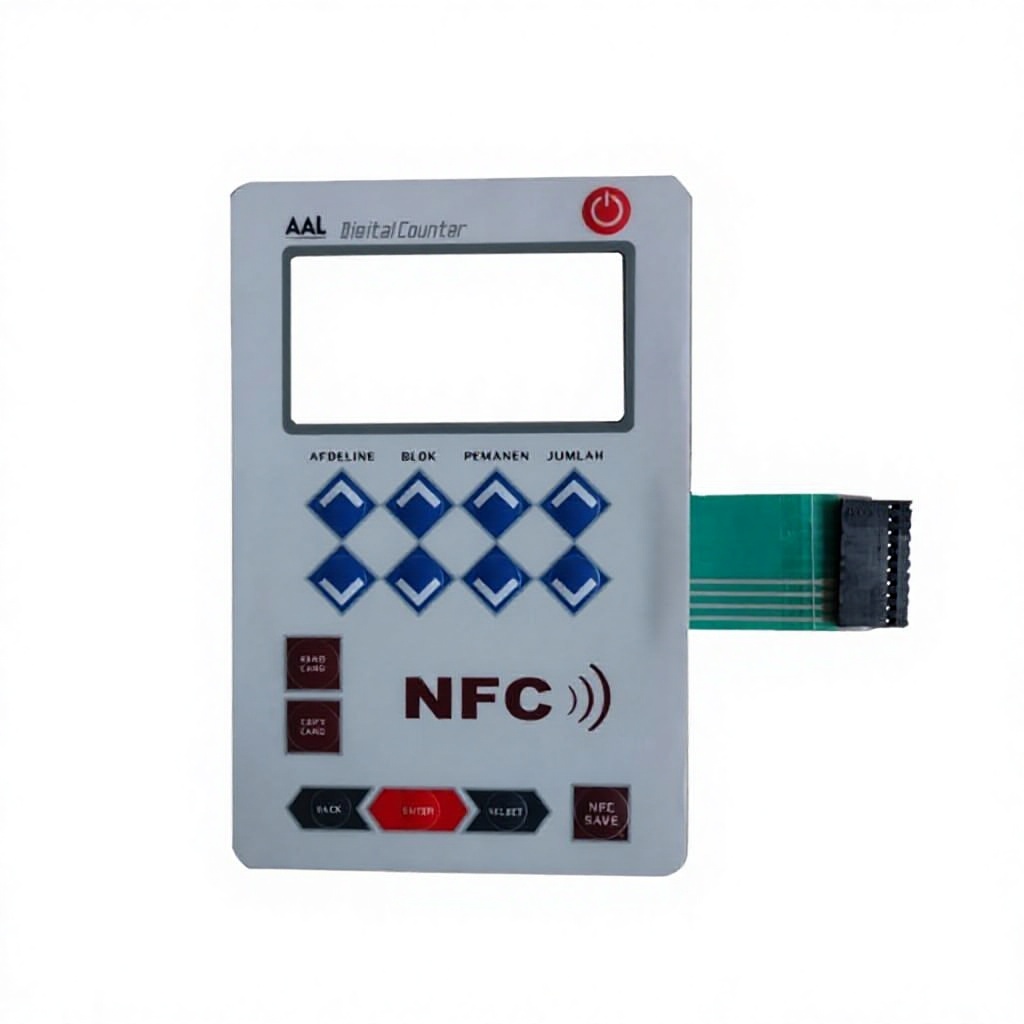
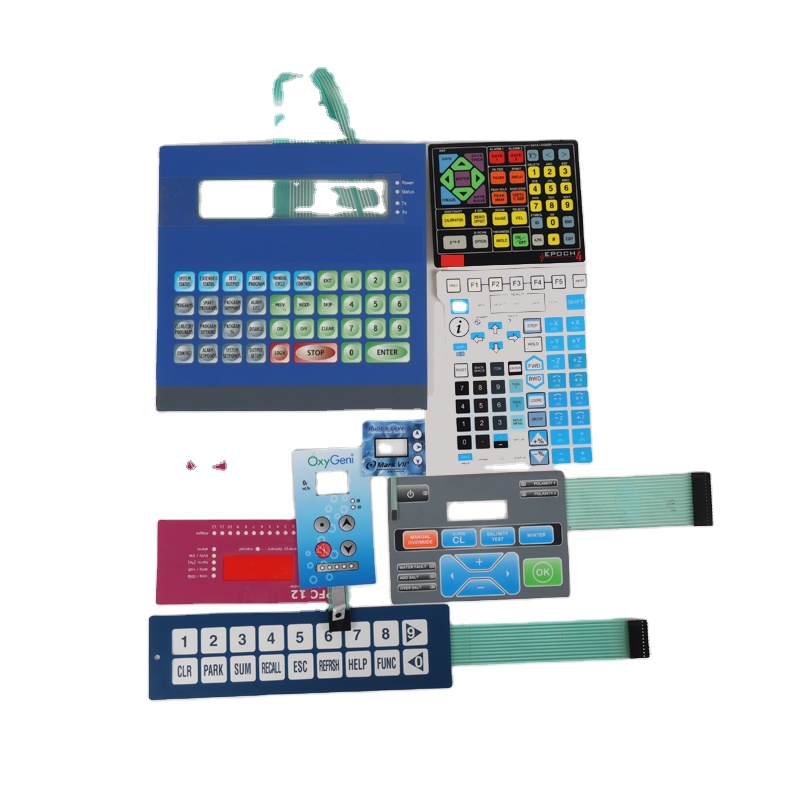
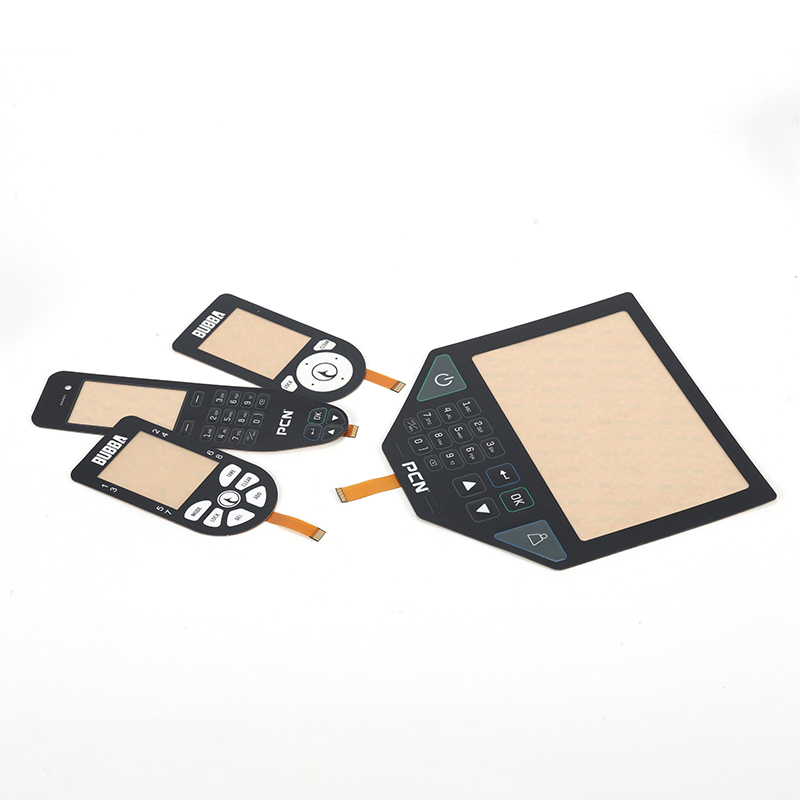
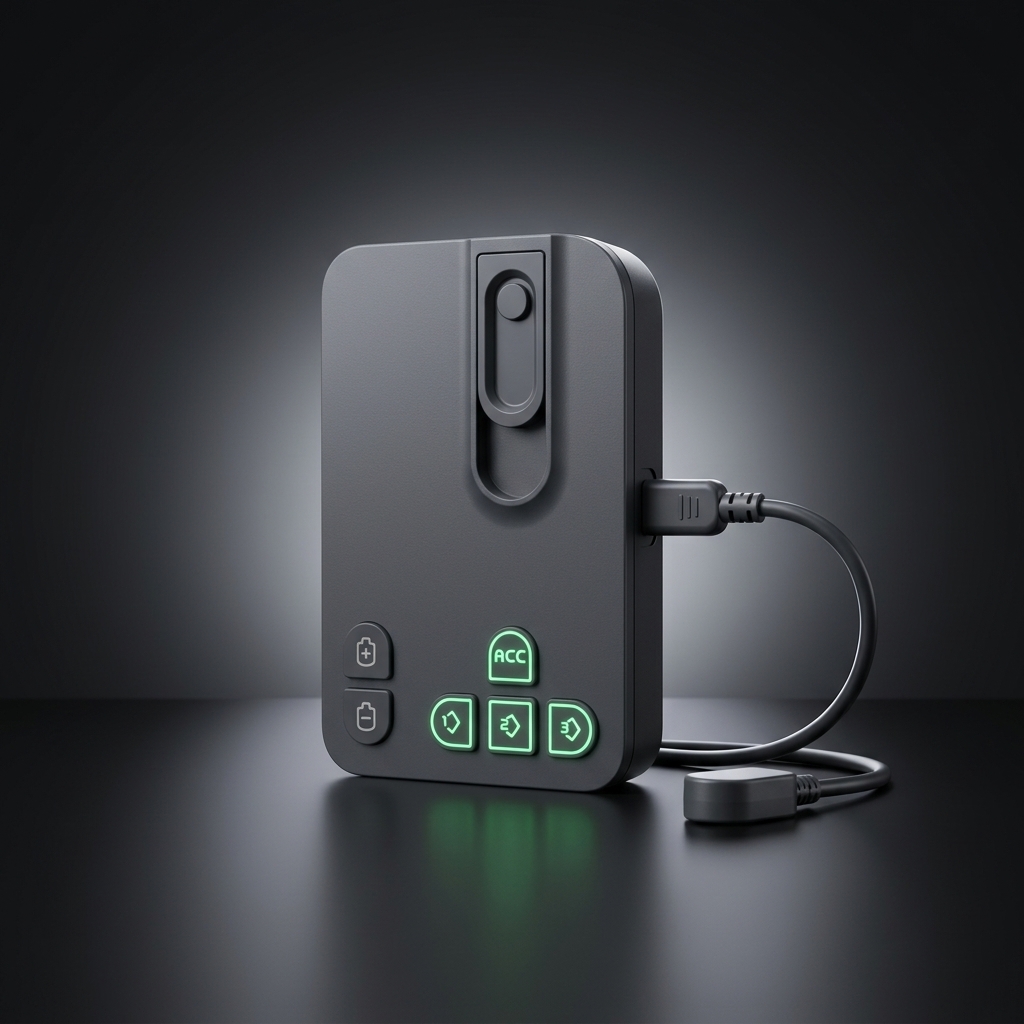
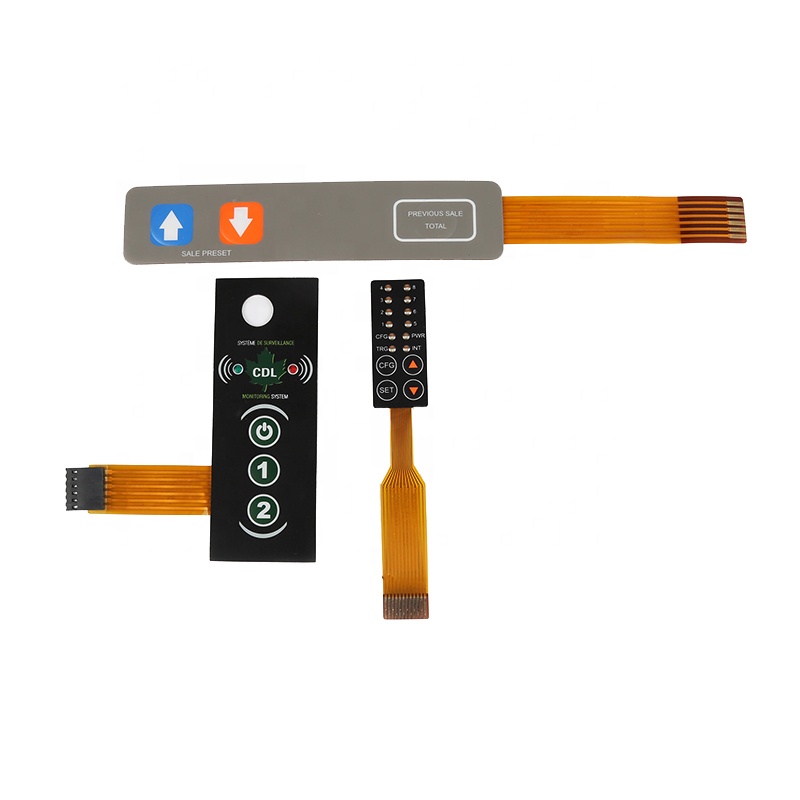
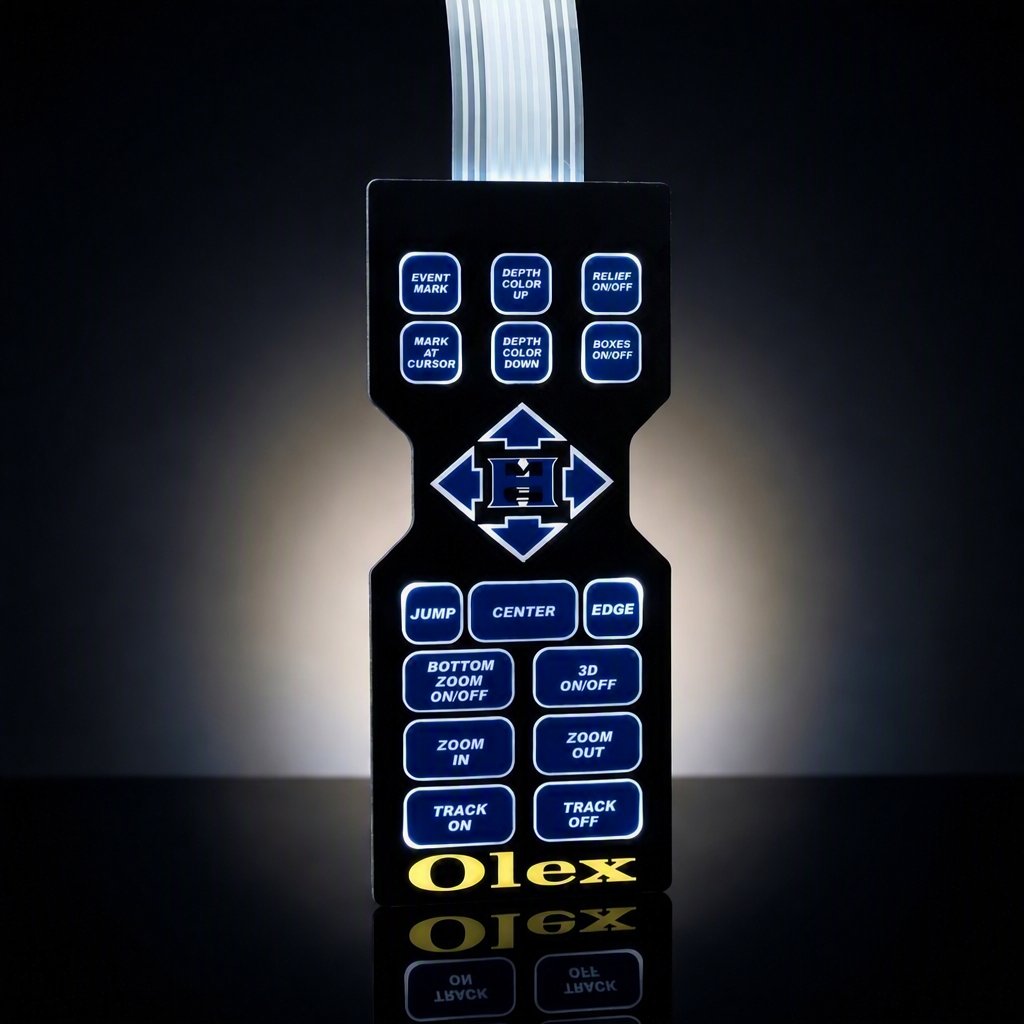
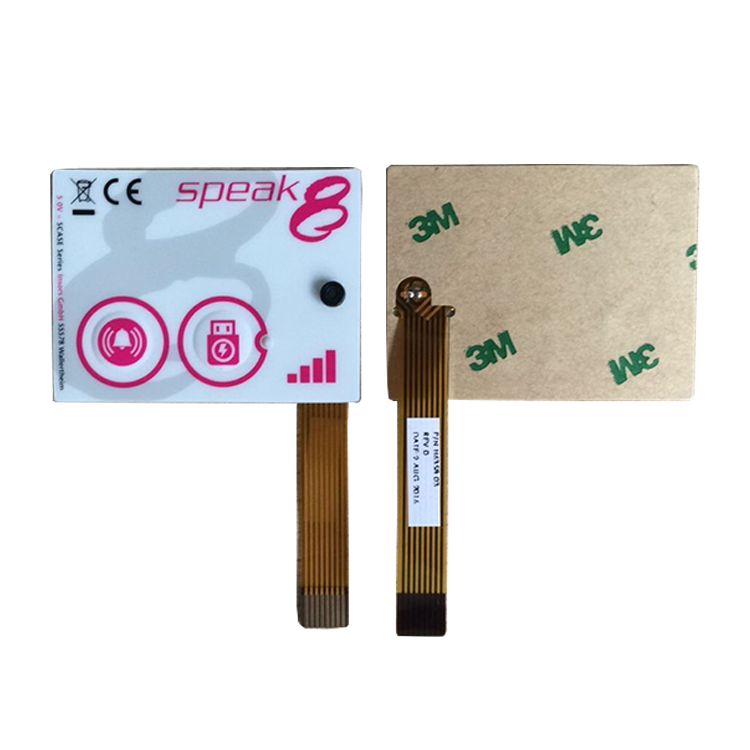
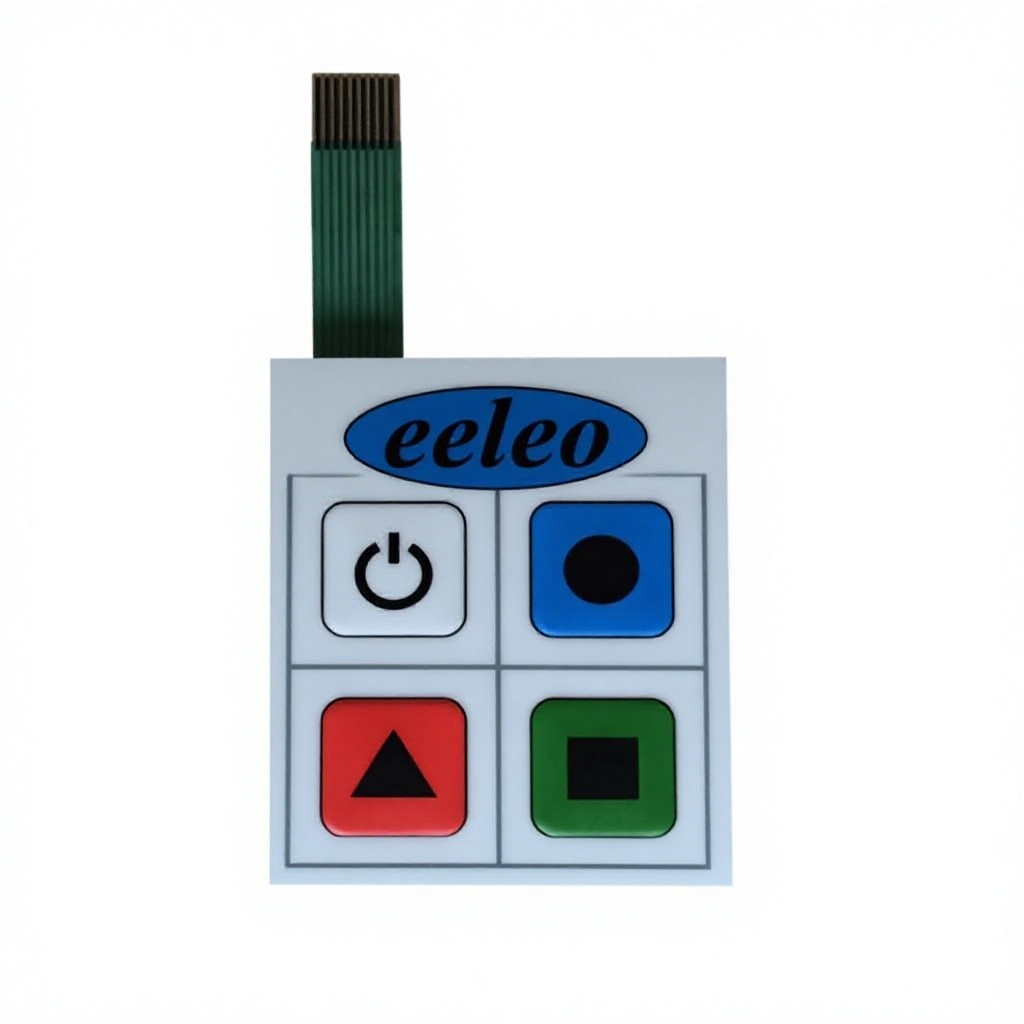
Engineering HMI Keypads for Houston's Severe Industrial Operating Environments
Houston, Texas represents the premier industrial automation capital of North America. Anchored by the Houston Ship Channel's massive petrochemical downstream corridor, the offshore exploration headquarters clustered along the Energy Corridor (I-10 West / Eldridge Parkway), the maritime logistics hubs of the Port of Houston, and the precision med-tech pioneers in the Texas Medical Center, local original equipment manufacturers (OEMs) face extraordinary interface engineering challenges.
Unlike standard consumer keyboards or commercial-grade touchscreens, Human-Machine Interface (HMI) keypads deployed across Southeast Texas must continuously withstand brutal thermodynamic and atmospheric stress vectors. Gulf Coast operations are characterized by subtropical relative humidity averaging over 85%, sustained thermal exposure exceeding 45°C (113°F) inside unconditioned field enclosures, severe UV photodegradation, and ambient chemical contamination ranging from airborne hydrogen sulfide (H2S) and caustic hydrocarbon mist to aggressive chemical cleaning agents.
To eliminate unscheduled plant downtime, Houston control system engineers require purpose-built HMI interfaces designed with specialized multilayer architectures. At Zhejiang ZIRA Membrane Switch Co., Ltd., we configure custom HMI solutions utilizing medical/automotive-grade biaxially-oriented polyethylene terephthalate (Autotex XE PET), closed-cell chemically inert 3M acrylic adhesive matrices, and high-integrity flexible printed circuits (FPC) with gold/nickel plating to deliver an intrinsically reliable human-to-machine control interface.
Downstream Petrochemical
Continuous exposure to aromatics, methyl ethyl ketone (MEK), and caustic washdown detergents mandates textured Autotex PET front fascias with sub-surface screen printing and chemically inert 3M 300LSE adhesive bonds.
Offshore Drilling & Subsea
Marine rigs operating in the Gulf of Mexico require hermetic perimeter sealing to IP67/NEMA 4X, military-spec salt spray resistance (ASTM B117 >500 hrs), and high-deflection tactile feedback for gloved operators.
TMC Medical Electronics
Sterilizable, antimicrobial medical front panels with flush embossed boundaries that resist hospital-grade glutaraldehyde and isopropyl alcohol sanitization without graphic delamination or cloudy LED display windows.
Emerging HMI Keypad Technology Trends Across Texas Energy Corridor
How engineering procurement managers and control system architects are evolving beyond fragile capacitive glass toward hybrid tactile interfaces.
1. The Shift to Hybrid Silicone-Over-Membrane & FPC Substrates
In heavy industrial environments where rig operators, drilling technicians, and pipeline maintenance staff wear thick leather or chemical-resistant nitrile gloves, standard projected capacitive touchscreens (PCAP) suffer massive usability limitations—false actuations from rainwater, grease smears, and zero tactile confirmation. The Houston market has increasingly pivoted toward Hybrid HMI Assemblies. These systems mate a molded silicone rubber keymat (offering 1.2mm to 2.5mm key travel, crisp ergonomic feel, and 3D perimeter rebated sealing) with an underlying high-density Flexible Printed Circuit (FPC) or rigid FR-4 PCB.
By replacing screen-printed conductive polymer thick film (PTF) silver traces with rolled annealed copper FPC traces (1 oz or 0.5 oz copper), electrical interconnect trace resistance is minimized by over 90%, virtually eliminating trace oxidation in high-sulfur petrochemical atmospheres.
2. Hazardous Location Intrinsic Safety & Class I, Division 2 Compliance
Equipment deployed in refinery tank farms, LNG liquefaction terminals (Freeport / Sabine Pass), and pipeline metering stations must conform to Class I, Div 2 (Zone 2) non-incendive design criteria. Membrane switch keypads fulfill this mandate natively when constructed with zero internal air pockets that could harbor volatile gas mixtures. By incorporating stainless steel snap domes (nickel-plated or selective gold-flashed) rated for low actuation energy, low bounce times (<5ms), and current dissipation below ignition thresholds, our HMI panels prevent sparking hazards while ensuring tactile feedback exceeding 350 grams of force.
3. Light Guide Film (LGF) & Sunlight-Readable Backlighting
Traditional electroluminescent (EL) lamps degrade within 3,000 to 5,000 hours under Houston's relentless outdoor heat. The current industry benchmark relies on ultra-thin Light Guide Film (LGF) driven by perimeter-mounted surface-mount (SMD) LEDs embedded directly inside the FPC or PCB layer. LGF technology channels photon dispersion uniformly across legends, symbols, and keypad borders while maintaining a razor-thin overall profile of less than 1.5mm. This enables high-contrast readability in direct Texas sunlight while drawing minimal operational wattage.
| Engineering Parameter | Standard Silver PTF Membrane | FPC-Based Tactile Keypad | Molded Silicone-over-FPC |
|---|---|---|---|
| Substrate Material | Heat-stabilized PET Film (125μm) | Polyimide (Kapton) Base (50μm) | Shore A 50-60 Silicone + Polyimide |
| Trace Conductor Metallurgy | Conductive Silver Ink + Carbon Cap | Rolled Annealed Copper (Cu) + Gold Plating | Copper (FPC) + Conductive Carbon Pill |
| Trace Contact Resistance | < 100 Ω (Length Dependent) | < 0.5 Ω Ultra-Low Resistance | < 100 Ω (Carbon) / < 1 Ω (Gold Dome) |
| H2S & Chemical Resistance | Moderate (Needs Encapsulation) | Exceptional (Chemically Inert) | Superior (Hermetic Seal) |
| Actuation Life Expectancy | 1,000,000 cycles | 3,000,000 to 5,000,000 cycles | 1,000,000+ cycles |
| Ingress Protection Capability | IP65 (Perimeter Gasket) | IP67 / NEMA 4X Submersible | IP68 / NEMA 4X / NEMA 12 |
| Tactile Feedback / Travel | 0.3mm to 0.6mm (Snap Dome) | 0.4mm to 0.8mm (Metal Dome) | 1.0mm to 2.5mm (Elastomeric Travel) |
| Operating Thermal Window | -20°C to +70°C (-4°F to 158°F) | -40°C to +85°C (-40°F to 185°F) | -40°C to +125°C (-40°F to 257°F) |
ZIRA's Direct Manufacturing Advantages for Gulf Coast System Integrators
Combining 29+ years of precision HMI fabrication with rigorous third-party audited quality management systems.
Single-Source Accountable Fabrication
Zhejiang ZIRA Membrane Switch Co., Ltd. (founded in 1996) operates a dedicated 5,000 square meter facility in Ningbo's Changhe Industrial Park. For North American procurement managers navigating complex supply chains, ZIRA provides direct factory pricing, zero intermediary margins, and unmatched traceability.
Unlike brokers who outsource production steps, our entire product journey—precision screen printing, UV curing, laser cutting, automated dome placement, embossing, FPC soldering, and final cleanroom lamination—takes place under one roof across 5 automated production lines.
- Intertek Onsite-Verified: Audited and validated for physical infrastructure, production machinery, and ISO quality management.
- Tier-1 Automation Pedigree: Long-term OEM supplier for global electrical and automation heavyweights including ABB and Emerson.
- 100% Comprehensive Electrical Testing: Every keypad undergoes computerized circuit mapping, contact resistance verification, and LED luminance testing prior to export.
- Houston Direct Logistics: Flexible Incoterms including DDP Houston, CIF Port of Houston, or Express Air via George Bush Intercontinental Airport (IAH).
Design For Manufacturability (DFM) Within 24 Hours
Houston engineering teams frequently operate on tight project turnarounds. Send us your CAD drawings (DXF, DWG, STEP), vector artwork (AI, PDF), or circuit schematics. Our dedicated senior engineering team evaluates:
- Tail routing & ZIF connector pitch optimization
- Actuation force calibration (250g to 450g) based on glove thickness
- Selective adhesive placement to eliminate switch cavity venting issues
- Window tint optical density matching for LCD/OLED readability
Houston Industrial Procurement & Engineering FAQ
Clear, technically rigorous answers to the most common queries raised by Houston engineering directors, quality managers, and industrial buyers.
