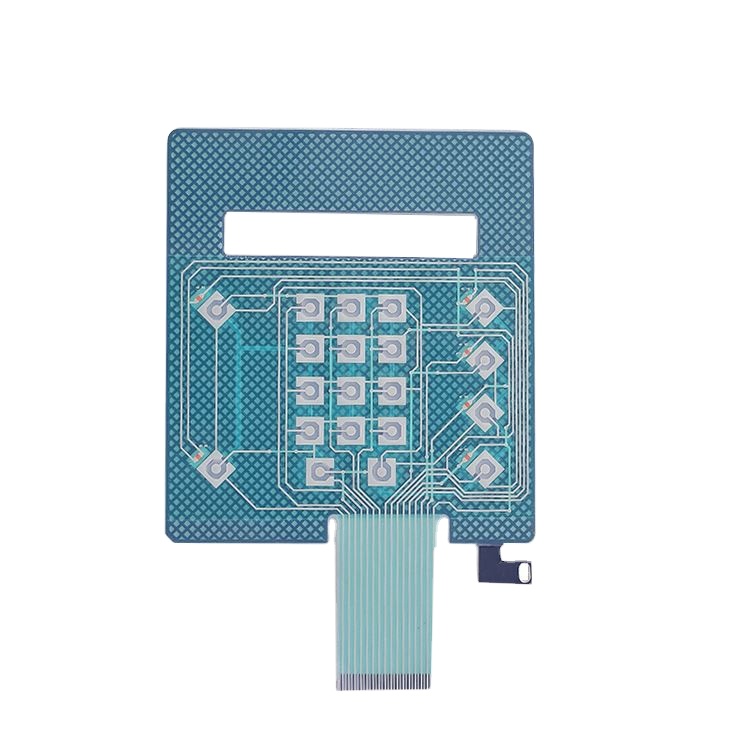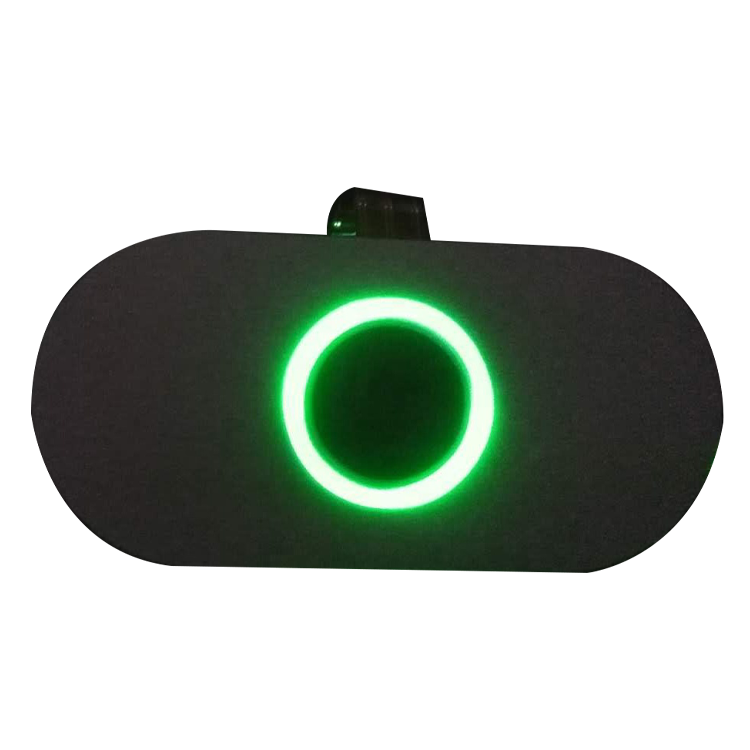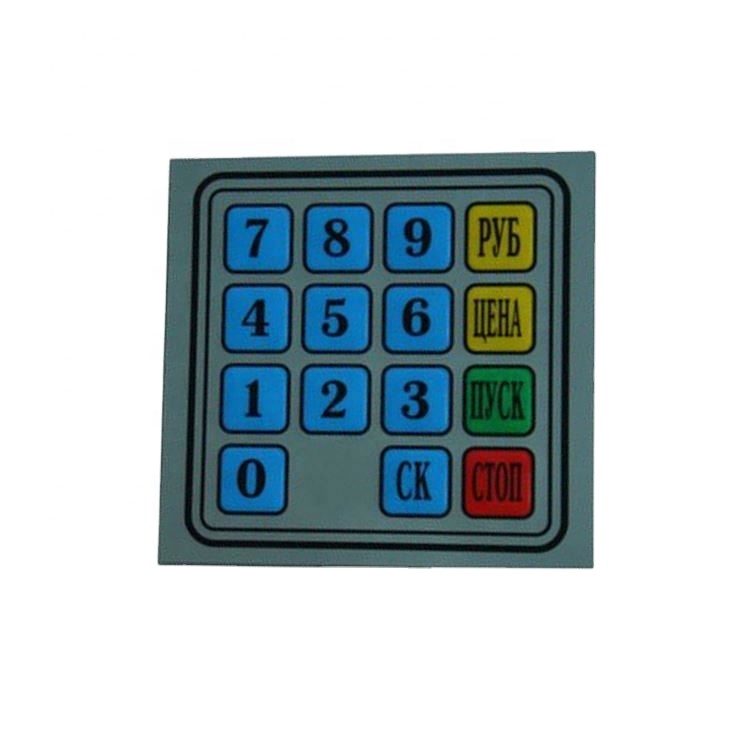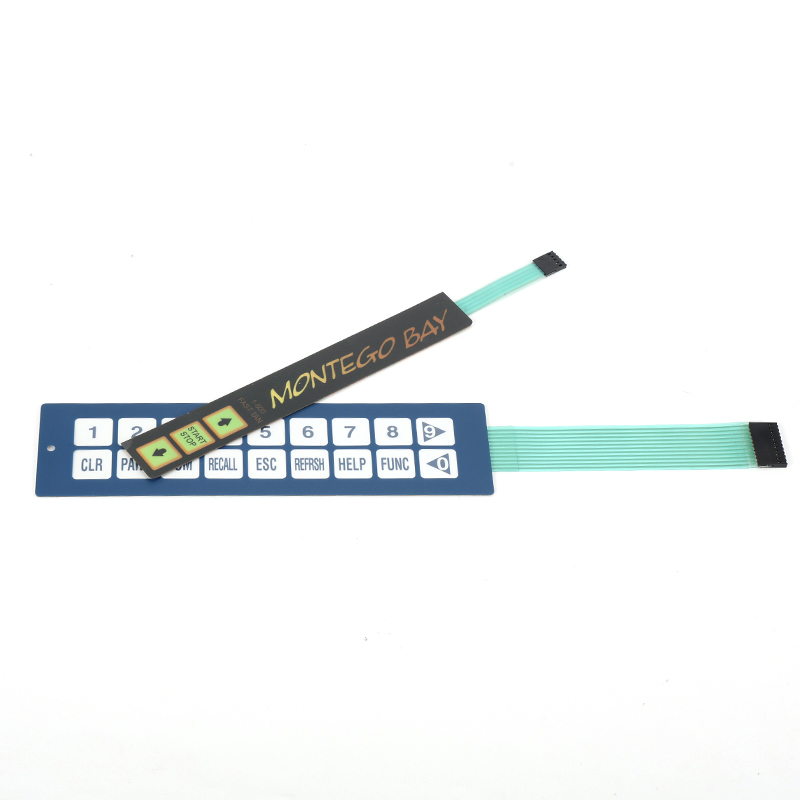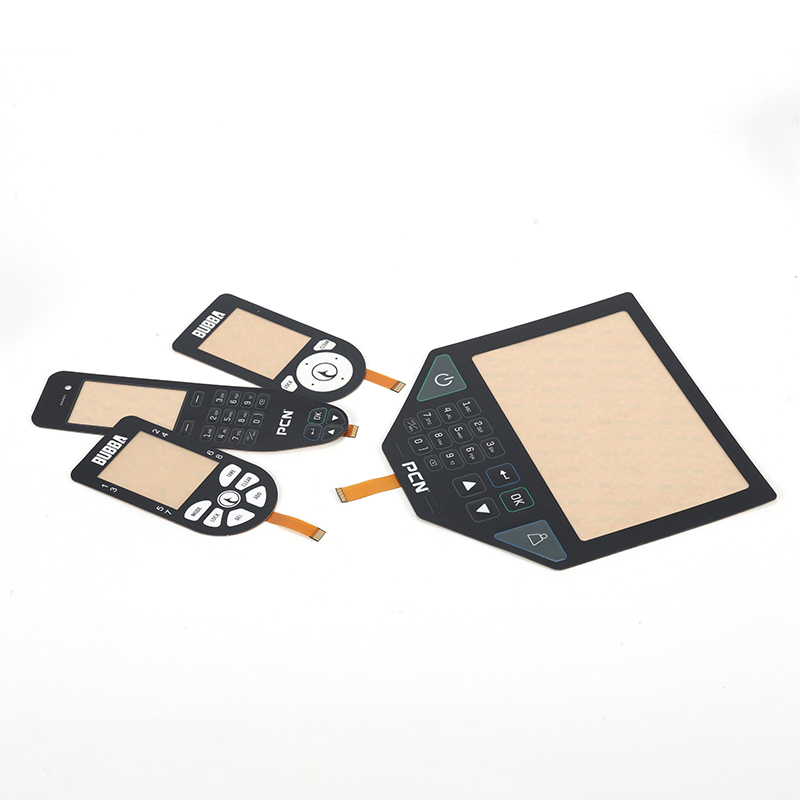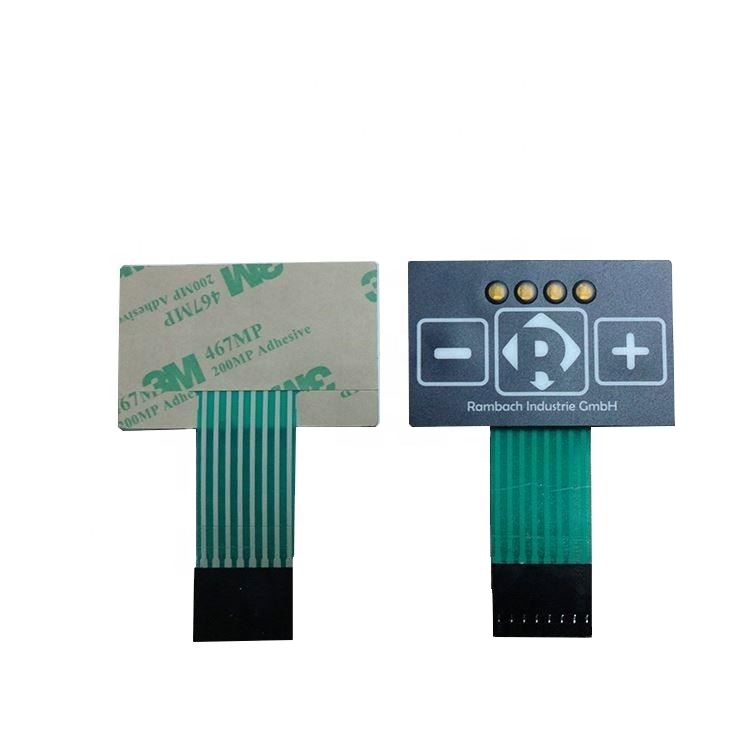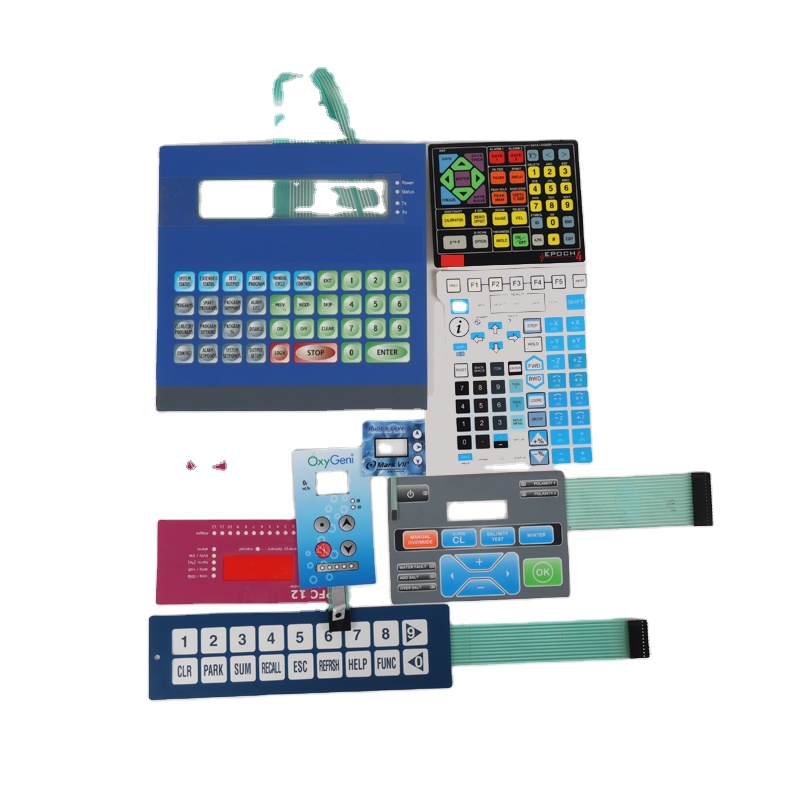
Factory Custom Waterproof Membrane Keypad Switch, Metal Dome Tactile Membrane Push Button Switch With 3M Adhesive Backing
- Perimeter adhesive gasket for IP67 seal
- High-snap stainless steel domes (350g)
- Autotex® textured polyester film
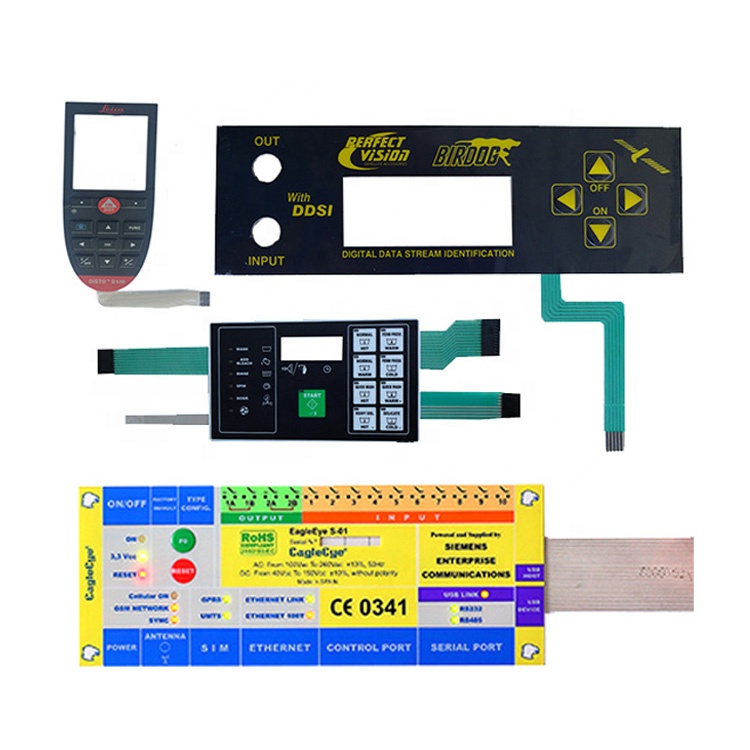
Custom manufactured to precise mechanical drawings and circuit schematics. Our interfaces combine ruggedized multi-layer polyester film, stainless steel snap domes, and tailored shielding to serve high-reliability electronics and automated manufacturing machinery in Harju County.
Estonia’s high-tech industrial economy pairs world-class digital innovation with demanding physical manufacturing environments. From Baltic maritime transport hubs to high-density cleanroom facilities, our HMI panels are engineered to thrive in Estonia's unique operating conditions.
Serving automated freight hubs such as the Port of Muuga and Tallinn Passenger Terminal. Our IP67/IP68 front panels resist corrosive Baltic salt fog, airborne hydrocarbons, and direct wash-downs. Sealed tactile membrane buttons allow crane, gantry, and automated guided vehicle (AGV) operators to execute tactile inputs while wearing heavy safety gloves in sub-zero dockside temperatures.
Designed for contract manufacturers, IoT incubators, and testing labs in Ülemiste City and the Lasnamäe industrial district. Our static-dissipative (ESD) membrane keypads prevent catastrophic electrostatic discharge down to 15kV, protecting sensitive microcontrollers, surface-mounted ASICs, and telemetry modems during sensitive assembly and field deployment.
Estonia's accelerating green energy grid transformation demands ruggedized control interfaces for wind turbine control cabinets, grid inverter consoles, and district heating monitoring systems. Equipped with UV-stabilized Autotex XE films and flame-retardant 3M acrylic adhesive backings, these panels resist embrittlement and thermal cycling between -35°C and +85°C.
For Estonia's dynamic autonomous delivery robot innovators, mobile defense platforms, and forestry harvest consoles in Harju County. We incorporate thick silicone rubber keymats over tactile snap domes or flexible printed circuit (FPC) backings to deliver high shock dampening, deep tactile feedback, and unwavering reliability over millions of rough mechanical strokes.
As Estonian hardware designers bridge software-defined intelligence with ruggedized mechanical enclosures, physical control panel architecture is undergoing a rapid evolution toward resilient hybrid interfaces.
Tallinn’s winters cause traditional poly-dome switches to stiffen, lose elasticity, and suffer premature cracking. Estonian industrial equipment makers increasingly mandate nickel-plated stainless steel tactile domes with actuation snap ratios maintained above 45% down to -30°C. Our specialized venting channels and silicone-buffered dome pockets prevent air entrapment vacuum effects during sudden temperature drops.
As an EU member, Estonia strictly enforces RoHS 3 (Directive 2015/863), REACH chemical restrictions, and CE safety standards. Local procurement teams audit every raw material in the HMI stack. We provide complete material certification for printing inks, conductive silver traces, dielectric spacers, and adhesives (3M 467MP, 468MP, 300LSE), ensuring complete customs clearances through the Tax and Customs Board.
Nordic winter days feature limited daylight hours, making illuminated front panels a vital ergonomic and safety requirement. Rather than power-hungry discrete lamp clusters that cause hot spots, Estonian OEMs are standardizing on Light Guide Film (LGF) membrane panels. This optical film channels light from just a few edge-firing SMD LEDs, illuminating complex icon arrays with pinpoint optical consistency and minimal battery drain.
Evaluate key physical, chemical, and electrical properties to specify the ideal membrane switch or rubber keypad stack-up for your enclosure design.
| Performance Metric | Autotex® PET (Polyester) | Lexan® PC (Polycarbonate) | Silicone Elastomeric Keymat | Copper Flex FPC Substrate |
|---|---|---|---|---|
| Tactile Actuation Life | > 5,000,000 cycles | > 100,000 cycles (Flat) | > 1,000,000 cycles | > 10,000,000 cycles |
| Operating Temperature | -40°C to +85°C | -20°C to +70°C | -40°C to +150°C | -40°C to +105°C |
| Chemical / Solvent Resistance | Outstanding (Alcohols, Oils, Acids) | Moderate (Degraded by Solvents) | High (Hydrophobic, UV-stable) | Impervious to Industrial Wash |
| Minimum Trace Pitch | 1.0 mm (Screened Silver) | N/A (Graphic overlay only) | N/A (Mechanical actuator) | 0.15 mm (Chemical Etched) |
| Ingress Sealing Ability | IP65 to IP68 perimeter seal | IP65 max (Brittle over time) | IP67 with integrated lip seal | Hermetic solderable tail seal |
| Best Applications | Harsh automation, Nordic outdoors | Indoor displays, budget housings | Handheld remotes, heavy tactile gear | High-density circuitry, tight bends |
Zhejiang ZIRA Membrane Switch Co., Ltd. has specialized in human-machine interface manufacturing since 1996. Located in Ningbo with direct shipping corridors to European ports, our comprehensive factory handles all tooling, printing, embossing, and electrical testing in-house.
Our manufacturing facility has been physically inspected and audited by Intertek. European procurement officers can independently verify our legal registration, production capacity, cleanroom conditions, and rigorous quality control documentation.
Decades of continuous production support for world-tier industrial automation brands like ABB and Emerson demonstrate our ability to meet the most stringent electrical, cosmetic, and durability specifications across mass-production schedules.
Before cutting steel tooling or exposing printing screens, our technical team executes Design for Manufacturability (DFM) reviews: auditing circuit loop resistance, tail bend radius, dome placement clearance, and multi-layer ventilation channels to avoid switch bounce.
We accommodate the agile development cycles typical of Estonian startups and prototyping labs. Functional switch prototypes are supplied from 1 piece for field trial validation, with seamless scaling to pilot batches of 100 units or high-volume series.
Clear, authoritative answers addressing supply chain mechanics, technical stack-up configurations, import processes, and testing standards for Tallinn buyers.
For rapid prototypes and urgent evaluation batches, we ship air-express directly via DHL, FedEx, or UPS with transit to Lennart Meri Tallinn Airport (TLL) taking only 4 to 6 business days. For volume series, we coordinate consolidated ocean freight to the Port of Muuga or Port of Tallinn, supported by standard DDP, CIP, or FOB Incoterms. All shipments include complete EUR-compliant commercial invoices and packing lists.
Low-temperature embrittlement is avoided by utilizing premium heat-stabilized Autotex® XE polyester films combined with low-temperature conductive silver pastes and high-tack 3M 467MP/468MP acrylic adhesive transfer tapes. We also engineer breathing channels between sealed switch cavities to equalize internal atmospheric pressure, preventing false switch triggers or dome lockup when air contracts during sub-zero exposure.
Please provide your graphic overlay artwork in vector format (Adobe Illustrator .AI, vector .PDF, or CorelDraw) with Pantone (PMS) or RAL color codes specified. For mechanical cutouts, embossing profiles, and circuit routing, send CAD files (.DXF, .DWG, or .STP) along with your circuit schematic (matrix or common bus), preferred tail length, and connector pitch (standard 2.54mm or 1.0mm ZIF female housing).
Yes. We laminate an integrated aluminum foil shield or screen-print a conductive graphite grid between the front graphic overlay and the active circuit layer. This shielding plane connects directly to an independent ground trace in the flexible tail, safely bleeding off electrostatic charges up to 15kV and guarding internal logic boards against electromagnetic interference generated by industrial motors or radio transmitters.
Silver-printed circuits use polymer thick-film silver conductive ink screen-printed onto PET film; this provides an economical, thin, and reliable circuit for most membrane switches with moderate trace density. FPC (Flexible Printed Circuit) uses polyimide film laminated with etched copper foils; this allows much tighter trace pitches (down to 0.15mm), dramatically lower trace resistance (<1 Ω), and direct surface-mount soldering of fine-pitch active LEDs and IC components.
Every single switch undergoes 100% automated electrical testing for open/short circuits, contact loop resistance, and insulation resistance (>100MΩ at 100V DC). We also verify actuation force profiles with load-displacement testers and inspect color accuracy under standardized D65 lighting booths. Formal Certificate of Conformity (CoC), RoHS/REACH compliance declarations, and dimensional inspection reports are supplied with each export crate.
Collaborate directly with our senior application engineers. Submit your panel CAD files or circuit drawings today to receive a comprehensive DFM audit, layer stack-up recommendation, and competitive factory-direct quote tailored for your Tallinn facility.