Backlit LGF
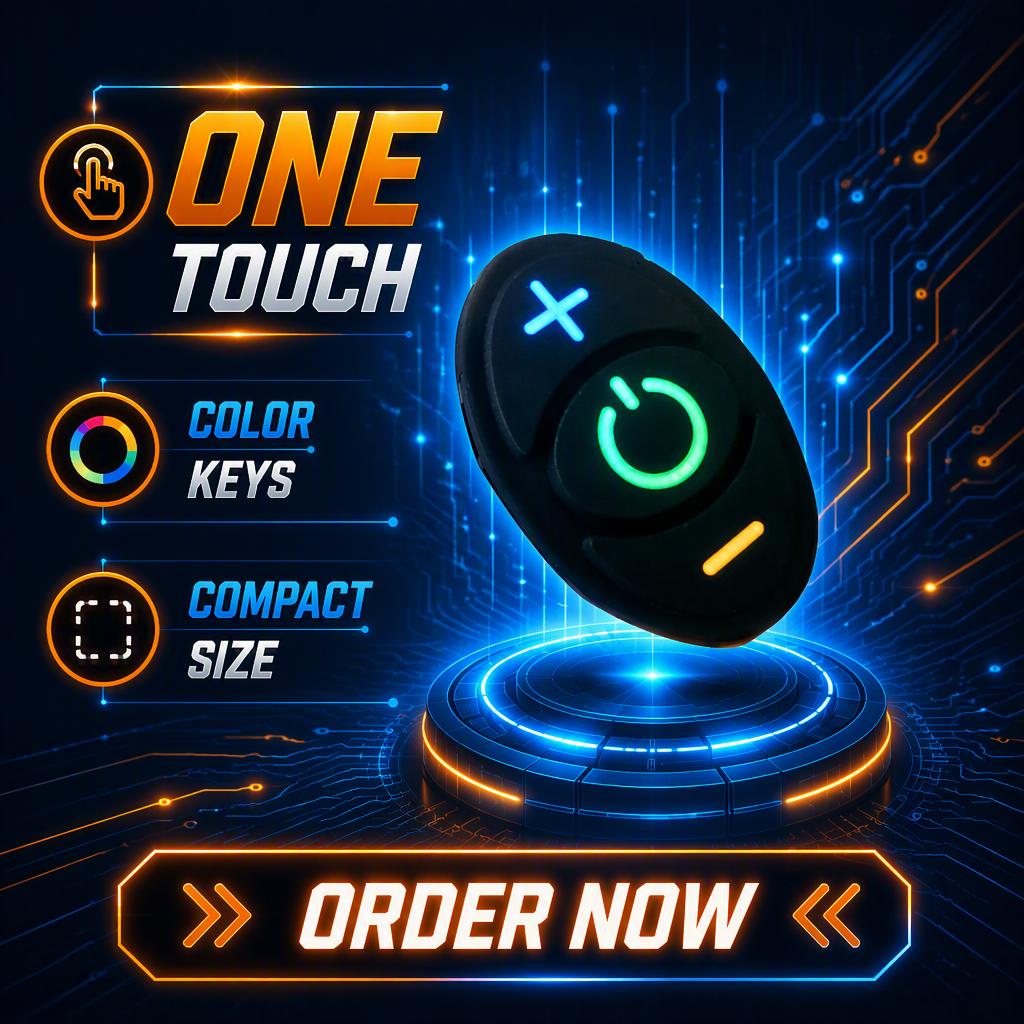
Custom LED EL Backlit Membrane Switch Keypad OEM ODM
Uniform light guide film (LGF), PC graphic overlay, RoHS compliant, ultra-thin profile for low-light industrial consoles.
Inquire NowPrecision-molded silicone rubber keypads, FPC-backed tactile circuits, and perimeter-sealed graphic panels verified through 100% electrical continuity tests and accelerated cycle testing.
Uniform light guide film (LGF), PC graphic overlay, RoHS compliant, ultra-thin profile for low-light industrial consoles.
Inquire Now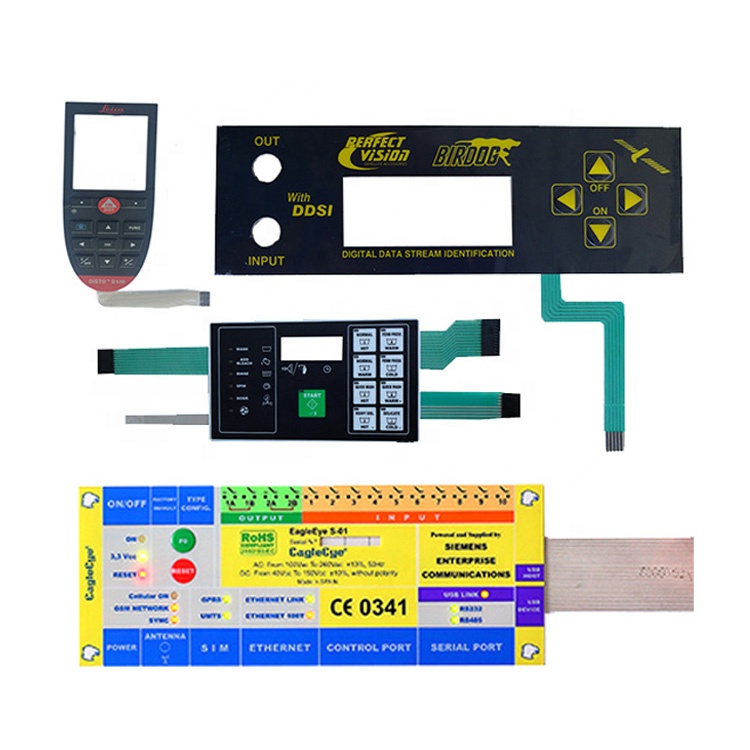
Perimeter elastomer seal, impact-dampening sublayer, engineered for outdoor machinery and seismic testing hardware.
Inquire Now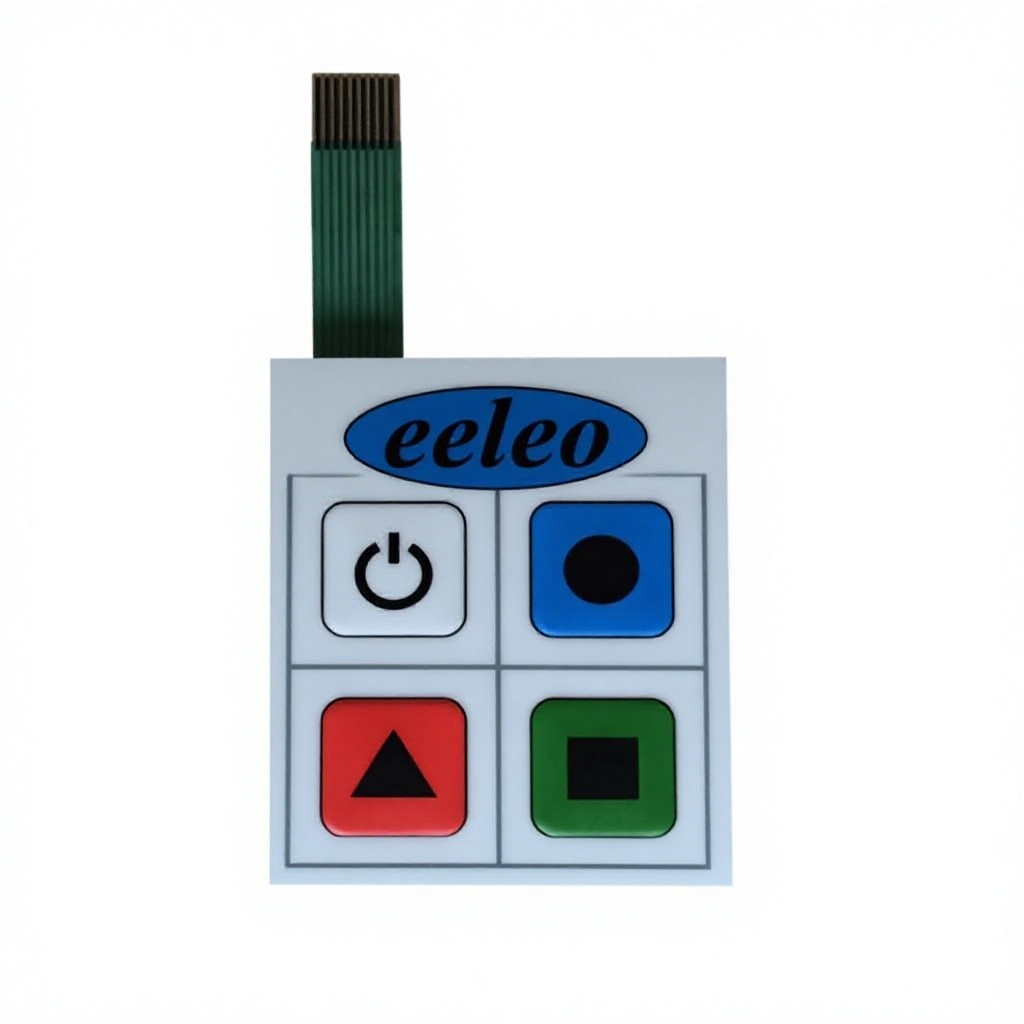
Polyester PET overlay, UV-cured graphical textures, grease/chemical resistant surface, custom snap response.
Inquire Now
Optical diffusion engineering, custom side-fire LED integration, zero light bleed across adjacent keys.
Inquire Now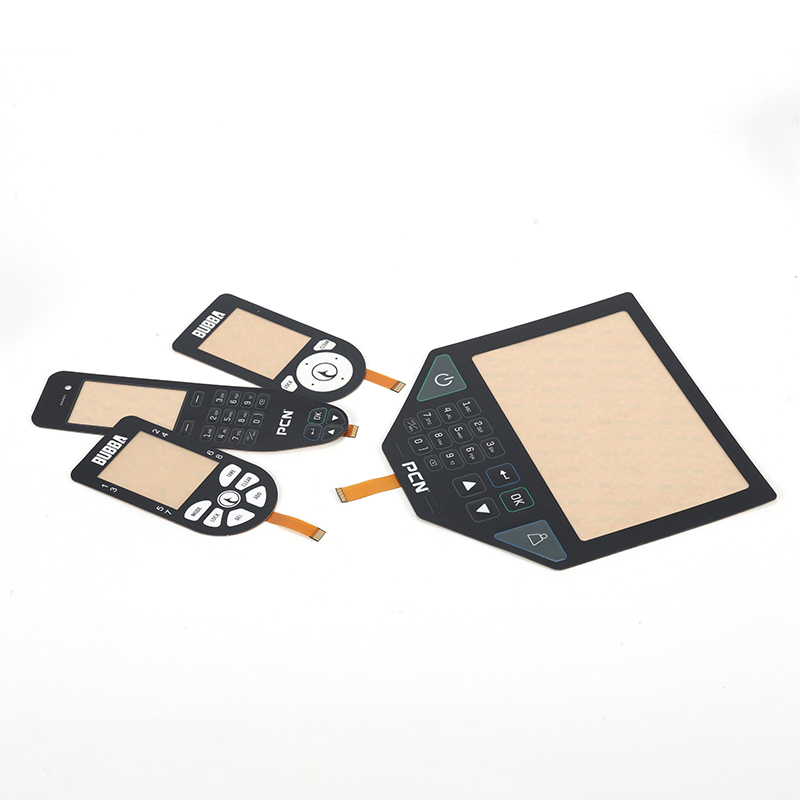
Copper flex circuit base, grounded aluminum or carbon grid shielding, high-density trace routing for sensitive I/O lines.
Inquire Now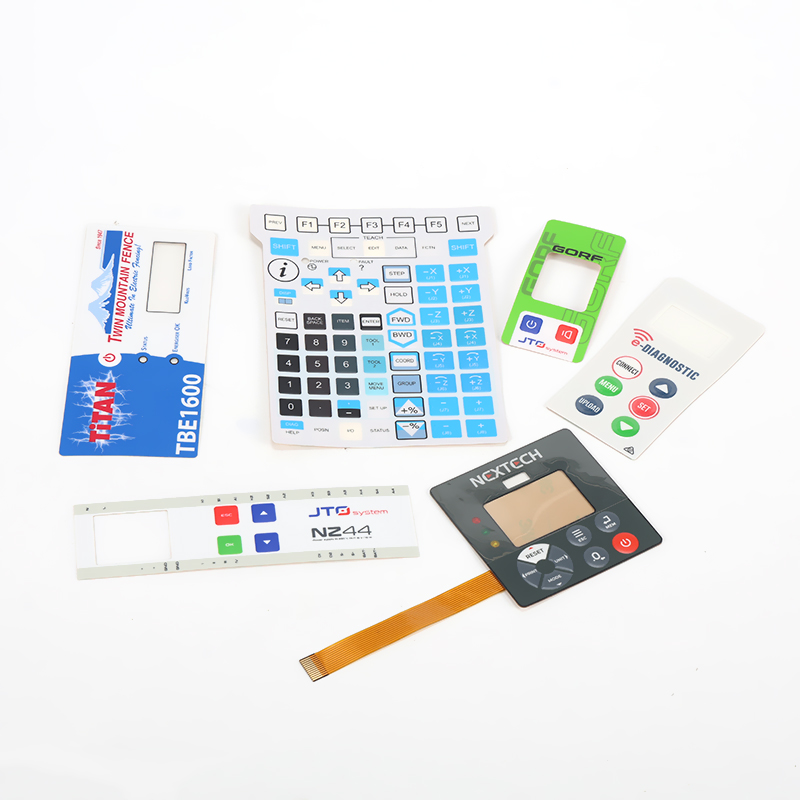
Hermetically sealed switch chamber, extreme thermal endurance (-40°C to +85°C), suited for outdoor field instruments.
Inquire Now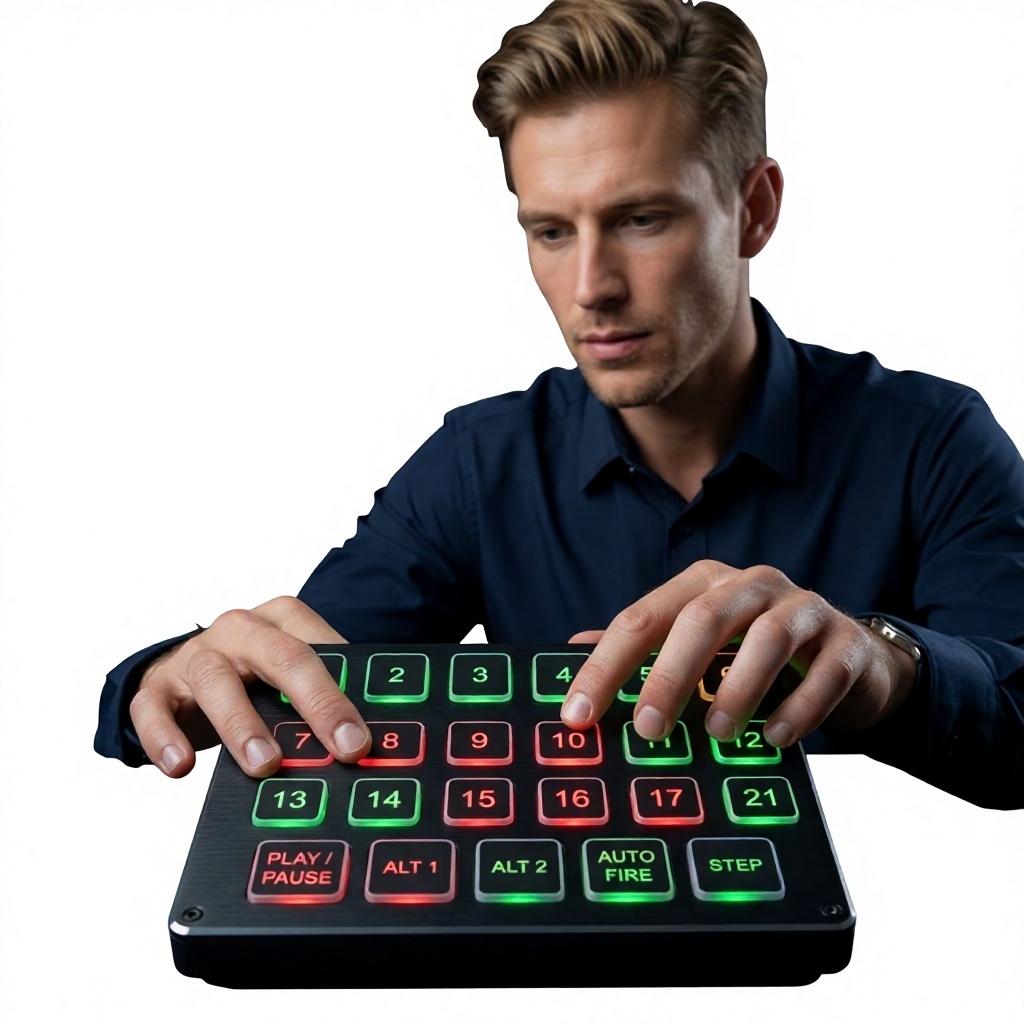
Laser-etched light windows, balanced lumen distribution across alphanumeric arrays, cleanroom assembly.
Inquire Now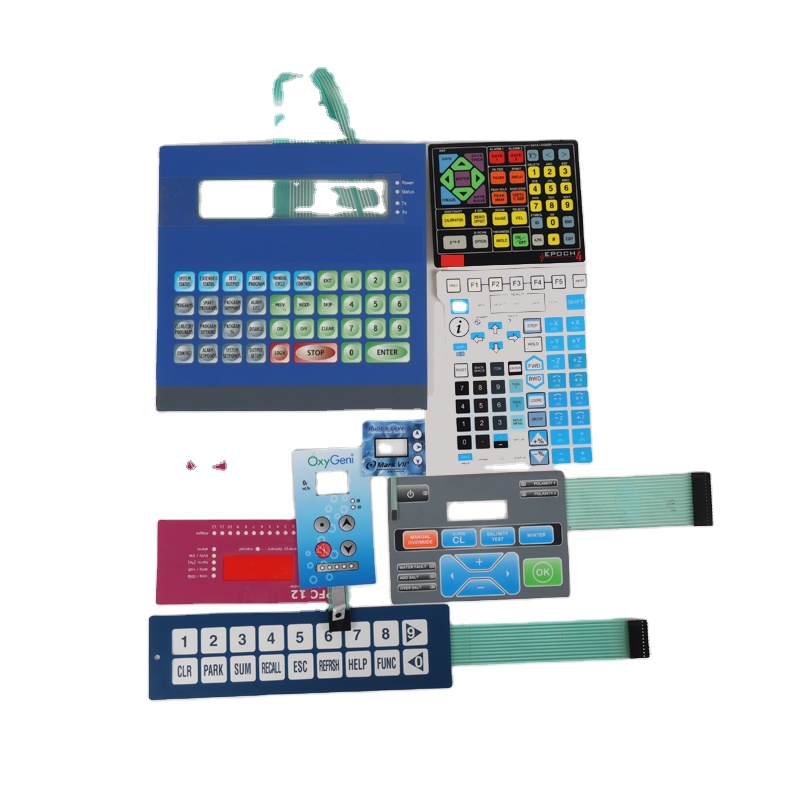
Nickel/gold plated stainless steel domes, crisp tactile feedback, 3M 467/468MP high-tack backing, rated for >1,000,000 cycles.
Inquire Now
Full regulatory adherence across ISO 9001 quality systems, REACH environmental directives, RoHS hazardous substance restrictions, and rigorous ESD control protocols.
In the competitive engineering landscapes of the Portland metropolitan region—spanning the Silicon Forest technology corridor in Beaverton and Hillsboro, heavy manufacturing centers along the Columbia River industrial basin, and cutting-edge oceanographic hubs along the Oregon coast—Human-Machine Interface (HMI) reliability dictates overall equipment uptime. While product designers frequently debate the merits of touchscreens versus electromechanical keyboards, mission-critical applications require the robust tactile assurance, environmental isolation, and chemical endurance that only custom elastomer keymats and integrated membrane switches can deliver.
Procuring elastomer keypads in Portland requires balancing domestic rapid design verification with cost-controlled, large-scale cleanroom fabrication. Original Equipment Manufacturers (OEMs) across Oregon operate within demanding operational conditions: automated agricultural sorting units in the Willamette Valley face moisture and organic washdowns; cleanroom photolithography sub-consoles in Hillsboro demand non-outgassing polymers; and maritime navigation terminals operating along the Pacific require hermetic NEMA 4X / IP67 perimeter integrity. Achieving these performance metrics requires granular control over compression tooling, shore A hardness calibration, silicone compounding, and conductive pill contact resistance.
Molded using hardened steel multi-cavity tooling. Precision snap webs regulate actuation forces between 120g and 500g with uniform stroke travel and zero web hysteresis.
Low-resistance vulcanized carbon pills (<100Ω), gold-plated contacts, or direct integration with tactile stainless-steel metal domes on FPC/PCB substrates.
Polyurethane (PU) spray coatings, UV-cured topcoats, and parylene vapor deposition deliver superior abrasion, IPA, solvent, and oil protection over millions of actuations.
Translucent medical-grade silicone with multi-layer color spray and laser etching for high-contrast symbols, combined with light guide film (LGF) for zero hot-spot illumination.
From semiconductor test interfaces to rugged maritime handheld devices, see how custom elastomeric keyboards bridge the mechanical and digital domains in local manufacturing ecosystems.
Fab support machinery in Hillsboro and Gresham requires high-purity, non-outgassing silicone compounds. Our post-cured elastomeric keypads eliminate volatile siloxanes that could compromise vacuum chambers and cleanroom wafers, while offering chemical resistance to aggressive cleaning agents such as IPA and acetone.
Marine navigation systems, shipboard sonar monitors, and dockside cranes require IP67/NEMA 4X impervious interfaces. Integrated silicone perimeter gaskets block saltwater ingress, prevent internal condensation during cold coastal operations, and feature night-vision-friendly dimmable backlighting.
Healthcare manufacturers across the Portland-Vancouver corridor integrate our antimicrobially treated, wipeable silicone keymats into patient monitoring hardware and surgical tools. Sealed membrane baselines withstand regular sterilizing sweeps with bleach, quaternary ammonium, and hospital disinfectants without legend degradation.
Analysis of shifts in HMI procurement across Oregon: How hardware engineers merge hybrid physical-capacitive touch, optimize supply-chain lead times, and prioritize ESG compliance.
Portland design teams are moving away from purely touchscreen terminals. In outdoor machinery or glove-operated healthcare instruments, spurious water droplets trigger false capacitive touches. Engineers are integrating silicone rubber keymats over membrane circuits, blending sleek capacitive slide bars with tactile physical emergency controls.
Hardware startups in Portland utilize local quick-turn shops for 3D printed mechanical enclosures and initial prototype checkouts. Once PCB layouts and tactile feel profiles are locked in, volume contracts transition to audited high-capacity facilities like ZIRA to achieve economies of scale, tight tooling tolerances, and 100% electrical testing.
With the Pacific Northwest's emphasis on clean technology, corporate sustainability audits require strict material tracking. Tier-1 suppliers must certify non-toxic vulcanizing agents, lead-free low-temperature solder connections, halogen-free flame-retardant silicone ratings (UL94 V-0), and fully recyclable packaging.
Compare key mechanical, tactile, and environmental parameters to determine the ideal switch architecture for your bill of materials (BOM).
| Design Parameters | Compression Molded Elastomer | Tactile PET/PC Membrane | Capacitive ITO / FPC Panel |
|---|---|---|---|
| Key Travel Distance | 0.8 mm – 2.5 mm (Deep tactile feedback) | 0.2 mm – 0.6 mm (Crisp snap click) | 0.0 mm (Zero movement, solid state) |
| Actuation Force (Typ.) | 120g – 500g (Regulated via snap web) | 180g – 450g (Stainless steel domes) | Zero force (Electrostatic sense) |
| Mechanical Life Expectancy | > 5,000,000 Cycles | > 1,000,000 Cycles | > 20,000,000 Cycles (No wear parts) |
| Environmental Protection | IP67 achievable with integrated gasket | IP65 – IP67 with perimeter seal | IP68 hermetic glass or resin bond |
| Low-Light Backlighting | Laser etched + LGF / Diffused LEDs | Surface SMT LEDs / Light Guide Film | Backlit capacitive icons & OLED cutout |
| Tooling & Setup Investment | Moderate (Precision compression mold) | Low (Printing screens, cutting dies) | Low to Medium (Sensor routing masks) |
| Primary Application Focus | Rugged handhelds, remotes, maritime | Medical instruments, industrial HMIs | Modern lab appliances, clean interfaces |
With almost three decades of continuous manufacturing excellence, Zhejiang ZIRA Membrane Switch Co., Ltd. supplies high-precision human-machine interfaces to multinational brands including ABB and Emerson.
From silicone formulation, compression molding, and screen printing to laser etching, dome array placement, and die cutting, every phase operates under one roof to maintain tight quality and delivery control.
Experienced interface engineers review your 3D CAD step files, switch schematics, snap-web angles, and connector tail routings before tool manufacture, minimizing redesign cycles.
Every switch batch undergoes computerized testing for contact loop resistance, open/short circuits, dielectric withstand voltage, and key actuation force consistency prior to global shipping.
We provide rapid sample prototypes starting from 1 piece and handle scalable production lots with international shipping terms (FOB, CIF, EXW, DDP) and multi-currency billing (USD, EUR).
Key considerations covering tooling lead times, environmental certifications, engineering tolerances, and prototype production.
Prototyping molds typically run 10 to 14 business days, followed by sample delivery within 3 to 5 business days. Once engineering evaluation and tactile profiles are signed off, high-volume production molds require 18 to 22 business days, with mass manufacturing cycles scaling from 2 to 4 weeks depending on batch volume.
For applications where operators wear insulated cleanroom or heavy work gloves, we recommend a stroke travel of 1.5mm to 2.0mm and an actuation force between 250g and 400g. This configuration provides a clear tactile snap feel and prevents accidental key presses during machinery operation.
Yes. By molding an integrated perimeter sealing rib directly into the silicone keymat and pairing it with a rigid subpanel and 3M 467MP/468MP adhesive or mechanical bezel clamping, the assembly creates a continuous barrier against water jets, dust, and corrosive moisture.
We require a 3D mechanical file (STEP or IGES format) showing key height, key travel, and enclosure clearances; a 2D engineering drawing (PDF or DWG) with dimensional tolerances; graphic artwork (AI, vector EPS, or DXF) with Pantone/RAL color codes; and electrical details including circuit schematics, pinouts, and connector types.
Vulcanized conductive carbon pills provide a soft, quiet, and durable switch closure directly onto gold or carbon PCB traces, ideal for remote controls and audio hardware. For sharp tactile feedback and audible snap confirmation, stainless steel metal domes are positioned beneath the rubber key stems.
Legends can be printed sub-surface on clear overlays or protected by spraying a high-grade polyurethane (PU) or UV-cured matte clear coat over the cured silicone surface. For backlit keypads, translucent silicone is spray-coated with opaque ink layers and precision laser-etched, preventing wear and graphic fading over millions of cycles.
Connect directly with our engineering team for a comprehensive Design for Manufacturability (DFM) assessment, material consultation, and rapid sample quotation tailored to your specific application requirements.
