Precision Control Interfaces
Engineered Keypad & Human-Machine Interface Solutions
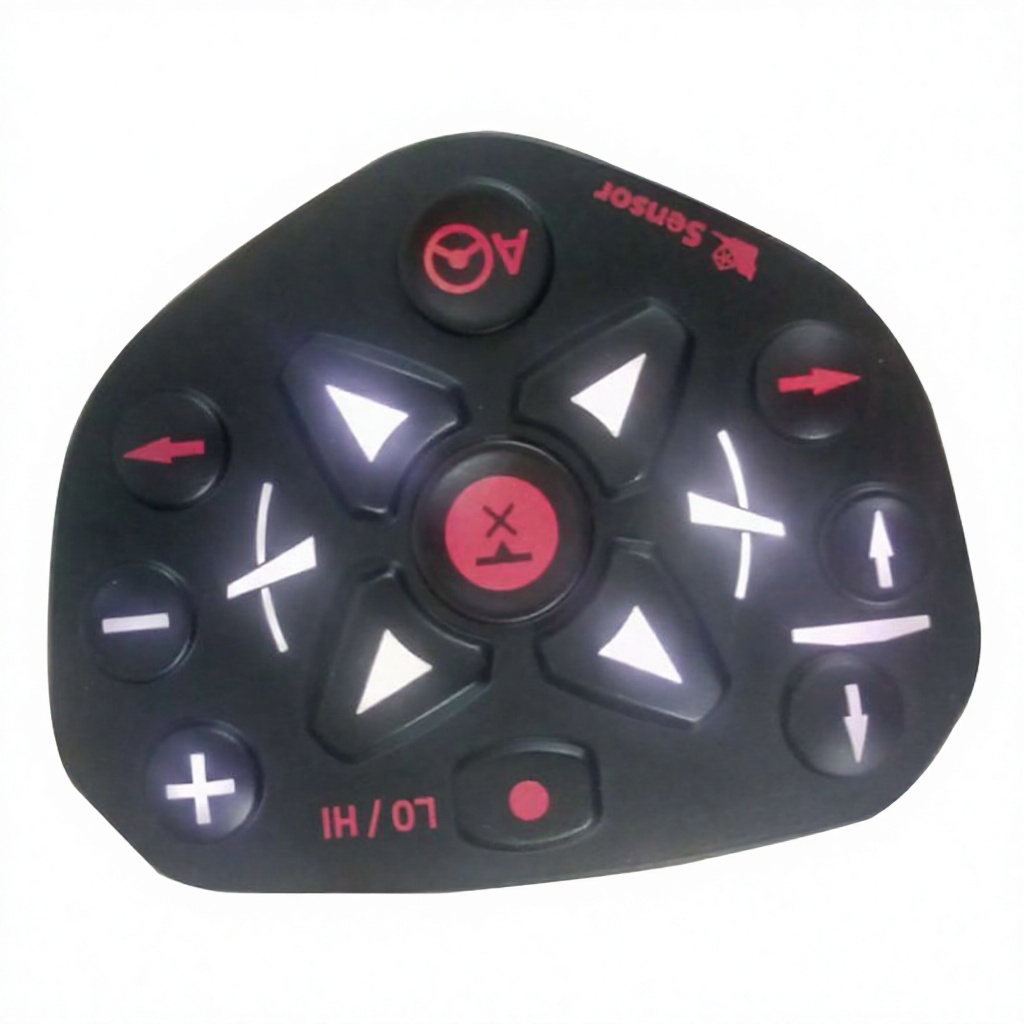
Certified industrial and medical-grade elastomer keypads, illuminated graphic overlays, and hybrid membrane assemblies engineered to strict environmental tolerance standards.

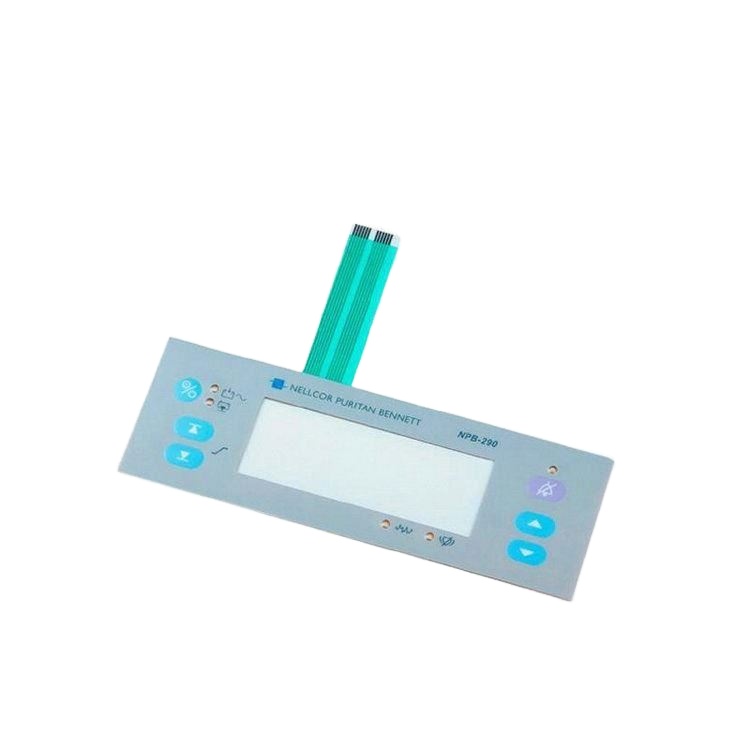
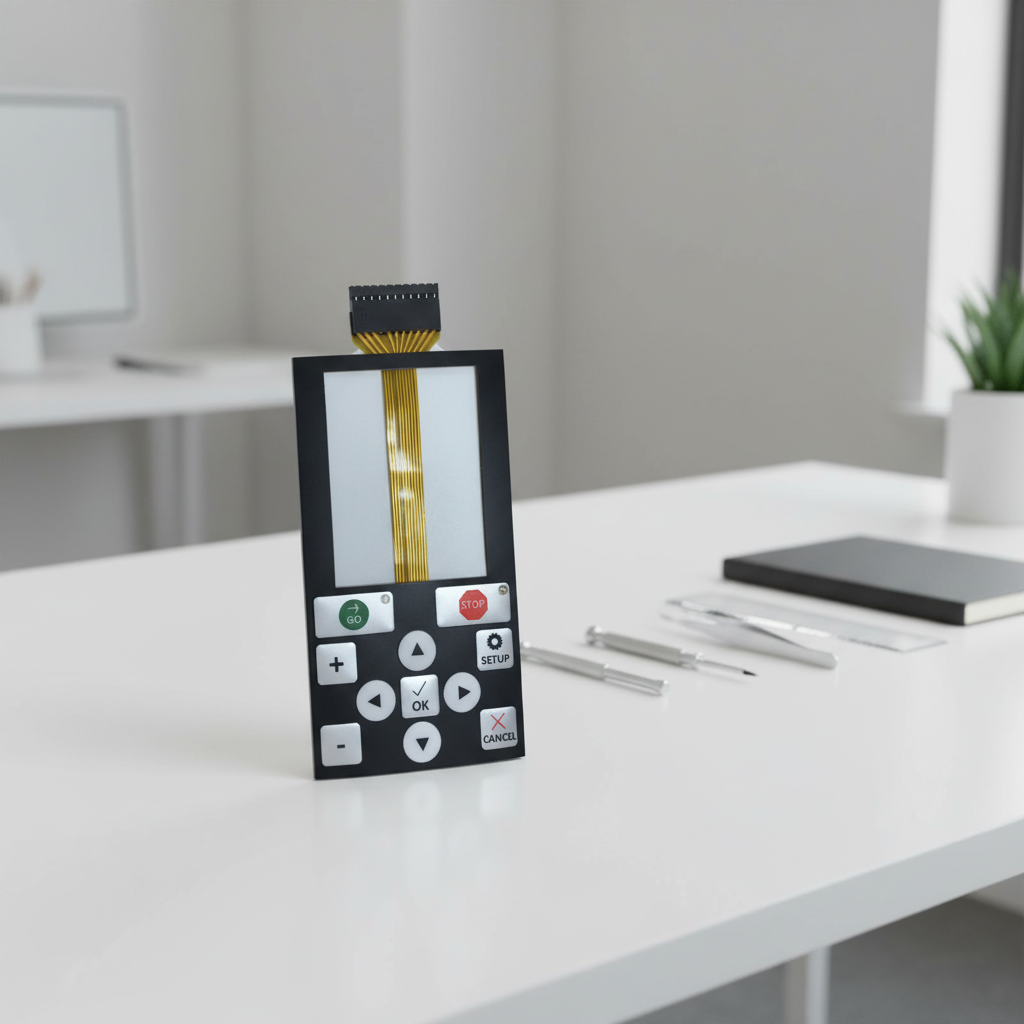
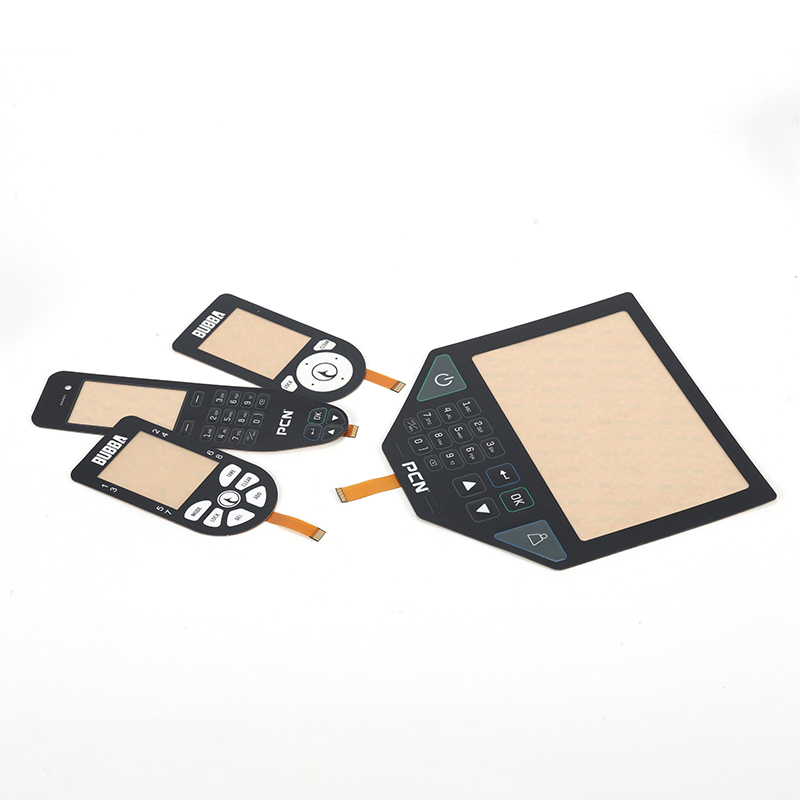
29+
Years Engineering Expertise
(Established 1996)
(Established 1996)
5,000m²
Cleanroom-Equipped Manufacturing Plant
100%
Electrical & Optical Continuity Tested
5M+
Rated Mechanical Cycles per Keymat Switch
Engineering Whitepaper: Silicone Rubber Keypad Design & Elastomer Integration for Waterford OEMs
In modern industrial equipment design, human-machine interface (HMI) reliability serves as the primary gateway for operator safety, operational precision, and product longevity. For engineering procurement teams operating within County Waterford—anchoring Ireland’s vibrant South East manufacturing cluster—selecting an international fabrication partner for custom silicone rubber keypads requires rigorous technical alignment. Beyond standard tactile response, assemblies must maintain mechanical elasticity and chemical resilience across harsh washdowns, aggressive sanitization, wide thermal gradients, and intense duty cycles.
Silicone rubber keypads (also classified as elastomeric keymats) utilize the exceptional physical properties of cross-linked thermoset polydimethylsiloxane polymers. Through precision compression molding or liquid silicone rubber (LSR) injection, silicone keyboards provide a three-dimensional ergonomic tactile envelope that flat membrane switches cannot achieve alone. This comprehensive whitepaper reviews material compounding, actuation web physics, conductive contact chemistries, laser-etched illumination mechanics, and precision integration protocols tailored for Waterford’s medical technology, industrial automation, and advanced testing clusters.
Key Engineering Takeaway for Waterford Procurement
Specifying the correct webbing geometry (actuation angle between 40° and 60°) directly governs snap ratio and tactile feel. By balancing Shore A durometer (typically 40° to 60° Shore A) with stroke travel distance (0.8mm to 2.0mm), engineers prevent operator fatigue while ensuring over 5,000,000 cycles of structural deflection without web rupture or tactile degradation.
Elastomer Formulations: Shore Hardness & Force-Displacement Mechanics
The performance of a custom silicone keypad begins at the compounding stage. Raw silicone gum stock is blended with precipitated silica fillers, vulcanizing agents, and heat stabilizers. The physical responsiveness of the key is dictated by its force-displacement curve:
When an operator applies load to the keytop, resistance increases linearly along the actuation webbing until it reaches the peak force (F1). At this precise threshold, the elastomeric webbing buckles intentionally, inducing a sudden drop in resistive force to the contact force level (F2). The conductive pill then impacts the contact circuit traces. The snap ratio is mathematically defined as:
Snap Ratio (%) = [(F1 - F2) / F1] × 100%
For industrial machinery operating in Waterford’s automated manufacturing lines, a snap ratio between 40% and 60% with an actuation force between 150g and 280g delivers tactile clarity even when operators wear heavy nitrile or leather protective gloves. Conversely, for benchtop medical diagnostics or patient monitors, lower actuation forces (80g to 120g) with shallower strokes (1.0mm) reduce mechanical noise and provide soft, precise, non-jarring feedback.
Conductive Contact Architectures: Carbon Pills vs. Gold Plating vs. Metal Domes
Transferring an elastomeric key depression into an electrical signal requires robust conductive contact mechanics. Depending on the electrical load, current levels, and bounce tolerances required by the printed circuit board (PCB) or flexible printed circuit (FPC), three primary contact systems are deployed:
| Contact Architecture | Typical Contact Resistance | Actuation Lifecycle | Bounce Time | Recommended Waterford Applications |
|---|---|---|---|---|
| Conductive Carbon Pill (Compression Molded) | < 100 Ω (Typically 10–50 Ω) | > 5,000,000 cycles | ≤ 5 ms | Industrial automation panels, handheld remote controls, material handling HMIs. |
| Low-Resistance Carbon Coating (Printed) | < 150 Ω | > 1,000,000 cycles | ≤ 8 ms | Cost-sensitive consumer instrumentation, non-critical sub-assemblies. |
| Gold-Plated Metal Dome (Hybrid Sub-Assembly) | < 1 Ω (True zero-resistance) | > 1,000,000 to 3,000,000 cycles | ≤ 1 ms | Life-support medtech, precision lab spectroscopy, high-speed telemetry. |
| SC-Pill (Gold/Silver Inlaid) | < 0.5 Ω | > 2,000,000 cycles | ≤ 2 ms | Automotive electronic controllers, aerospace ground units, marine navigation. |
Environmental Ingress Sealing (IP67 / IP68) & Chemical Resistance
Waterford’s coastal geography—flanking the River Suir and the Atlantic seaboard—subjects field equipment and harbor facilities to ambient humidity, coastal salinity, and fluctuating temperatures. Inside Waterford’s pharmaceutical and dairy processing facilities, control surfaces face daily exposure to sodium hydroxide, quaternary ammonium sterilants, alcohol-based wipes, and steam cleaning.
Silicone rubber keypads provide a natural mechanical barrier against fluid ingress. When engineered with an integrated continuous perimeter lip (gasket bead) that clamps between the front bezel and rear PCB housing, an uncompressed 0.8mm to 1.2mm silicone flange compresses to form an impenetrable IP67 or IP68 seal. Because silicone is inherently non-porous and hydrophobic, it maintains elasticity across a continuous temperature spectrum of -40°C to +200°C.
Optical Backlighting Engineering: Laser Etching & Light Guide Films (LGF)
For Waterford laboratories, operating theaters, and marine terminals operating in low-light environments, tactile interfaces require legible visual feedback. We engineer multi-tier backlighting configurations using two primary manufacturing methods:
1. Spray Coating & Laser Abrasion: Translucent silicone rubber keymats are molded using virgin optical-grade silicone gum. The key surfaces are then coated with an opaque white pigment layer, followed by a color-matched topcoat (such as RAL or Pantone specifications). Computer-controlled fiber laser systems selectively vaporize the top color coat, exposing the inner translucent layer to generate sharp, luminescent letters, numbers, and graphic symbols.
2. Light Guide Film (LGF) Coupling: Rather than positioning individual discrete LEDs beneath every button—which dramatically inflates power consumption and creates localized thermal gradients—we integrate ultra-thin (0.125mm to 0.25mm) micro-grooved polycarbonate or PMMA Light Guide Films. Side-firing SMD LEDs inject lumens into the LGF, where micro-etched prismatic dots disperse the light upward through the keys, producing 95%+ optical uniformity with zero hot-spotting.
Industrial Ecosystem Integration
Localized Application Scenarios Across Waterford & the South East
County Waterford serves as a strategic advanced manufacturing engine for Ireland. Our custom keypad solutions are tailored specifically to meet the functional expectations of regional industrial hubs.
MedTech Hub
Medical Devices & Diagnostics
Waterford hosts global leaders in contact lens manufacturing, ophthalmic surgical instruments, and clinical diagnostics centered around the IDA Butlerstown and Cleaboy business parks.
- USP Class VI biocompatible medical-grade liquid silicone rubber (LSR).
- Antimicrobial silver-ion surface coatings resistant to hospital-grade Isopropyl Alcohol (IPA).
- Smooth radius keytops eliminating particulate entrapment for ISO Class 7/8 cleanrooms.
- Zero-bounce gold dome contact systems ensuring fault-free medical dosages.
Advanced Processing
Pharmaceutical & Biotech Instrumentation
With prominent biopharmaceutical manufacturing and chemical synthesis facilities across the Suir Valley, control panels require chemical-proof sealing against caustic washdown protocols.
- Hermetic perimeter sealing preventing CIP (Clean-in-Place) fluid entry.
- Polyurethane (PU) and fluorosilicone top coatings preventing ketone solvent degradation.
- Laser-etched status legends resistant to prolonged exposure to chlorine sanitizers.
- Tactile travel engineered for operators wearing multiple layers of cleanroom gloves.
Marine & Port Logistics
Belview Port & Maritime Equipment
As Ireland’s closest multi-modal port to mainland Europe, the Port of Waterford at Belview demands ruggedized control hardware for cargo handling, cranes, and marine vessels.
- UV-stabilized elastomer chemistry preventing embrittlement from outdoor exposure.
- IP68 immersion sealing resisting salt-spray fog and maritime humidity.
- High-contrast backlit keys engineered for 24/7 day-and-night navigation and crane cabs.
- Extended operating thermal thresholds handling freezing winter docks and heated engine rooms.
Forward-Looking Technology
Technological & Procurement Trends Shaping Waterford’s HMI Sector
How modern mechanical engineering teams in Ireland are balancing tactile physical switches with smart connectivity, ergonomic sustainability, and international supply-chain agility.
Hybrid Silicone-Membrane-PCB Architectures
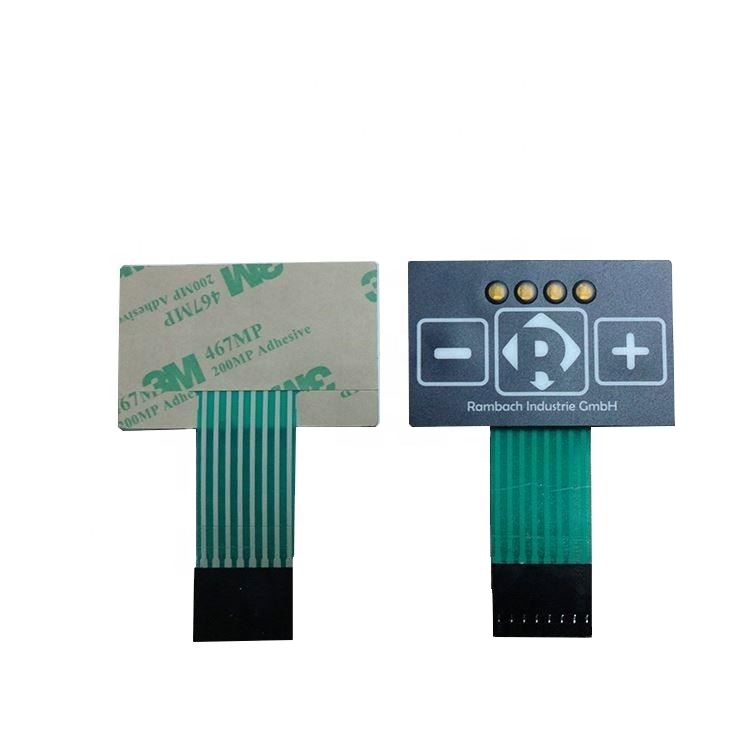
Pure capacitive touch screens lack physical confirmation, leading to operator error in vibrating or high-stakes environments. Designers are increasingly specifying hybrid assemblies: an ergonomic silicone keymat overlaid on a rigid FR4 PCB or flexible copper circuit (FPC), combining tactile snap domes with integrated surface-mount microcontrollers.
Low Carbon & REACH Annex XVII Compliance
With European Green Deal initiatives impacting Irish supply chains, Waterford procurement groups require comprehensive documentation. Our silicone formulations comply with EU REACH, RoHS 3, and conflict-free mineral directives, utilizing platinum-cured catalyst systems that eliminate volatile organic plasticizers and halogenated flame retardants.
Dead-Front & Dynamic Night-Vision Lighting
Next-generation user interfaces incorporate "dead-front" optical technology. When unpowered, the silicone key presents a solid, uniform matte panel face. Upon system activation, dedicated multi-color RGB micro-LEDs illuminate specific contextual sub-icons, guiding Waterford machine operators intuitively through safety-interlocked sequences.
Rapid Tooling DFM for Compressed NPI Cycles
To meet accelerating New Product Introduction (NPI) cycles in Waterford’s contract manufacturing facilities, we provide high-speed single-cavity prototype tooling within 7–10 working days, verified through 3D CAD stress simulations (FEA) before steel cutting, followed by high-capacity multi-cavity hardened tooling for production scale.
Factory-Direct Reliability
Why Leading Global OEMs Trust Our Production Lines
Founded in 1996, Zhejiang ZIRA Membrane Switch Co., Ltd. has spent over 29 years perfecting precision human-machine interface fabrication. Operating from our dedicated 5,000 m² manufacturing plant in Ningbo, China, we operate an integrated production model spanning in-house tooling CNC machining, automated screen printing, silicone vulcanization, laser engraving, SMT component soldering, and 100% automated electrical continuity verification.
Our verified quality control procedures have earned long-term supply partnerships with multinational industrial engineering enterprises, including ABB and Emerson. Whether delivering low-MOQ prototype trials for Waterford tech startups or sustaining high-volume containerized shipments across Europe, our factory delivers audited reliability at every step.
Intertek Onsite Assessed Facility
100% Pre-Shipment Electrical Testing
Founded 1996 (29+ Years)
Tier Supplier to ABB & Emerson
5 Dedicated
Full-process manufacturing lines ensuring uninterrupted production flow and rapid order turnover.
US $10M–$50M
Annual turnover demonstrating substantial capitalization and material supply stability.
50% Export
Global shipment ratio directly serving OEMs across Ireland, Western Europe, North America, and Oceania.
1-Piece MOQ
Low-barrier engineering prototype support allowing fast physical validation before volume tooling commit.
Procurement & Engineering FAQ
Frequently Asked Questions by Waterford Engineering & Sourcing Teams
Key technical, regulatory, and supply chain questions answered by our Senior HMI Application Engineering Team.
How do you ensure seamless logistics and customs clearance into Waterford, Ireland?
We support a full suite of international commercial terms (Incoterms 2020), including DDP (Delivered Duty Paid), DAP, CIF, and FOB. For our customers across County Waterford, DDP service is frequently selected: we manage all international air or sea freight, Irish customs customs clearance, TARIC classification, and customs duties handling, delivering directly to your facility in Butlerstown, Cleaboy, or surrounding industrial parks via trusted couriers (DHL, FedEx, UPS) or freight forwarders. Air express shipments typically arrive within 4 to 6 business days from dispatch.
What design files and specifications are required to receive a formal quotation and DFM review?
To provide an accurate technical quotation and comprehensive Design for Manufacturability (DFM) assessment within 24 hours, our engineering office requires:
1. 3D CAD Model: STEP, IGES, or SolidWorks files detailing key heights, travel, webbing profiles, and mounting gaskets.
2. 2D Engineering Drawing: PDF, DWG, or DXF with complete dimensional tolerances, Shore A hardness specifications, and cross-section details.
3. Graphic Artwork: Adobe Illustrator (.AI), vector EPS, or high-resolution vector PDF with Pantone or RAL color references.
4. Electrical & Environmental Requirements: Desired contact resistance (carbon pill vs gold dome), voltage/current levels, IP-rating targets, and operating temperature extremes. Physical golden samples can also be reverse-engineered in our laboratory.
Can silicone rubber keypads be manufactured to comply with strict medical and pharmaceutical standards?
Yes. We regularly formulate keypads using high-purity medical-grade silicone elastomers compliant with USP Class VI, ISO 10993 cytotoxicity parameters, and FDA 21 CFR 177.2600. For cleanroom deployments within Waterford’s pharmaceutical and medical manufacturing sectors, our silicone parts can undergo post-curing baking cycles (typically 200°C for 4 hours) to drive off volatile low-molecular-weight siloxanes, preventing outgassing and residue formation.
How do you prevent the printed graphics and legends from wearing off under heavy industrial usage?
We apply three levels of abrasion protection depending on duty-cycle intensity:
1. Silicone Overcoat: Matte or glossy protective clear silicone spray baked onto the keytops, providing standard finger-wear resistance.
2. Polyurethane (PU) Coating: A durable PU resin layer that dramatically amplifies resistance to fingernail scratches, industrial oils, and alcohol sterilants.
3. Epoxy Dripping: An optical-grade, thick epoxy domed cap poured over each keytop, creating a rock-hard 3D protective shield that makes mechanical legend wear virtually impossible even after millions of actuations.
What is your typical tooling lead time and minimum order quantity (MOQ)?
We are committed to agile prototyping:
- Prototype Tooling: Single-cavity soft tooling can be produced in 7 to 10 working days, with functional first-article samples shipped immediately for fit, tactile, and electrical verification. Samples can be ordered from as few as 1 piece.
- Mass Production Tooling: Multi-cavity hardened steel tooling requires approximately 15 to 20 working days.
- Production MOQs: Standard production runs typically start at 100 units, enabling Waterford contract manufacturers to manage inventory leanly without excessive upfront capital outlay.
What quality verification tests are performed prior to batch dispatch?
Every production lot undergoes rigorous quality gates: 100% automated electrical continuity and contact resistance testing, actuation force-displacement curve analysis (snap ratio checking), RCA abrasion testing for surface coatings, dimensional verification via optical video measuring systems (VMS), and color-matching inspection under standard D65 illuminants. Our factory inspection protocols are verified onsite by Intertek.
Ready to Engineer Your Custom Keypad Assembly?
Connect directly with our senior application engineers. We offer complete Design-for-Manufacturability (DFM) reviews, material stack-up proposals, and prompt commercial quotations for development teams in Waterford, across Ireland, and worldwide.
