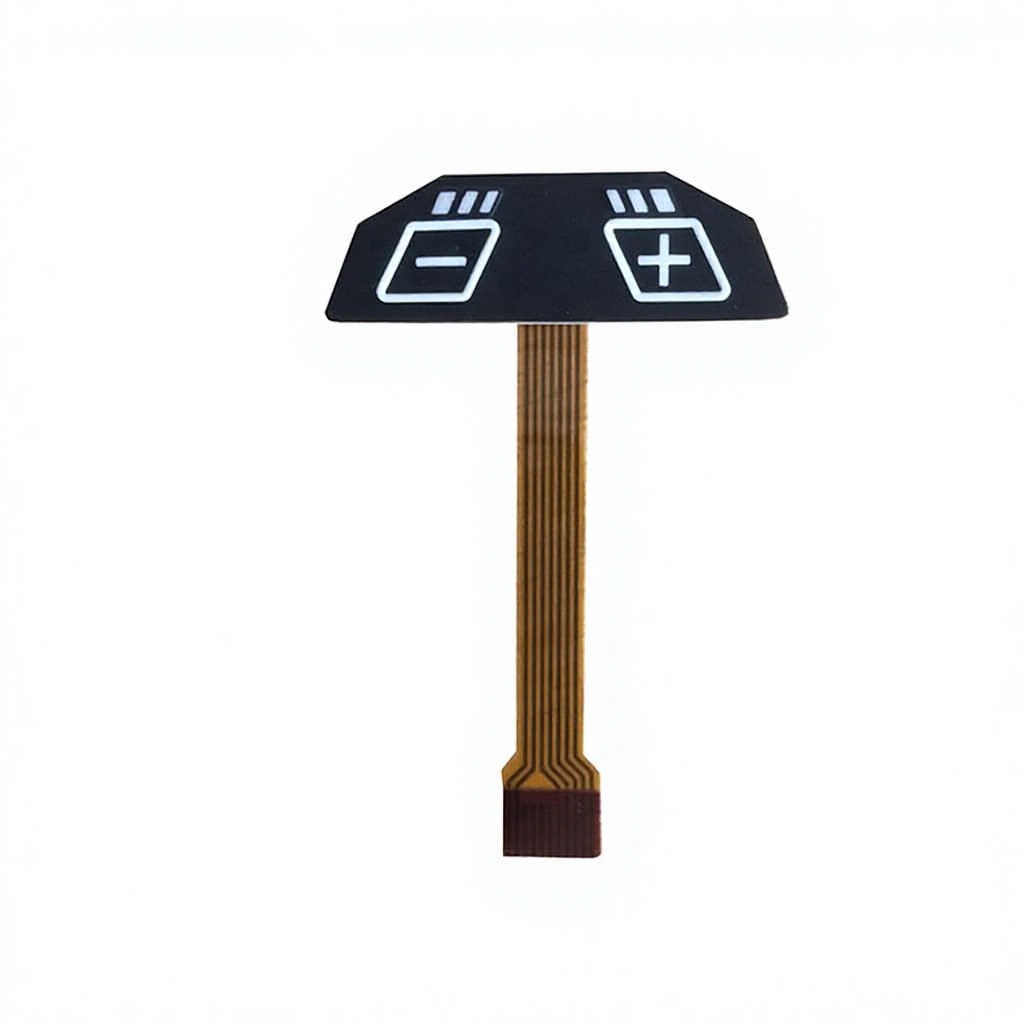
OEM / ODM Core Engineering Catalog
High-Reliability Human-Machine Interface Solutions
Engineered to survive aggressive sanitization, relentless UV solar loads, and saline trade-wind atmospheres in Betio's maritime and industrial sectors. Fully compliant with RoHS, REACH, and UL94V0 flammability ratings.
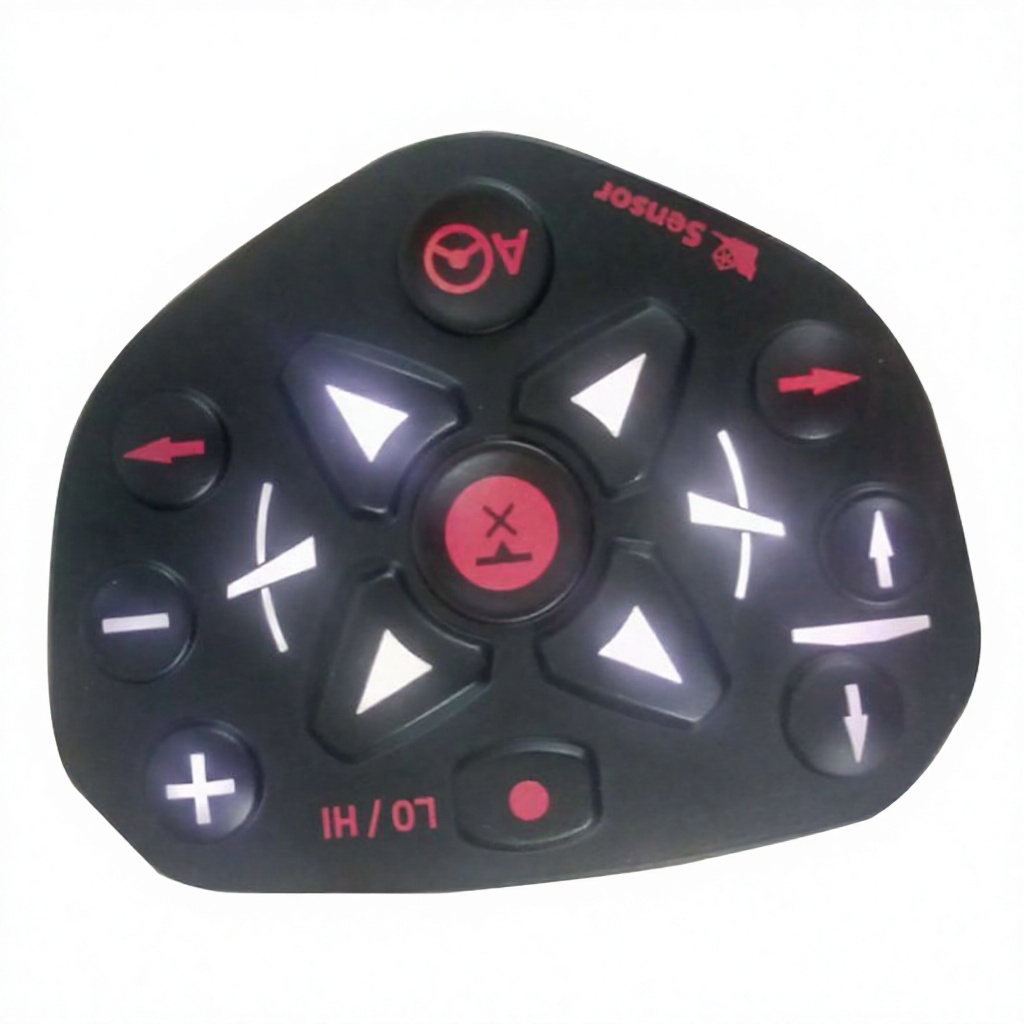
Translucent Polycarbonate PC Overlay with Light Guide
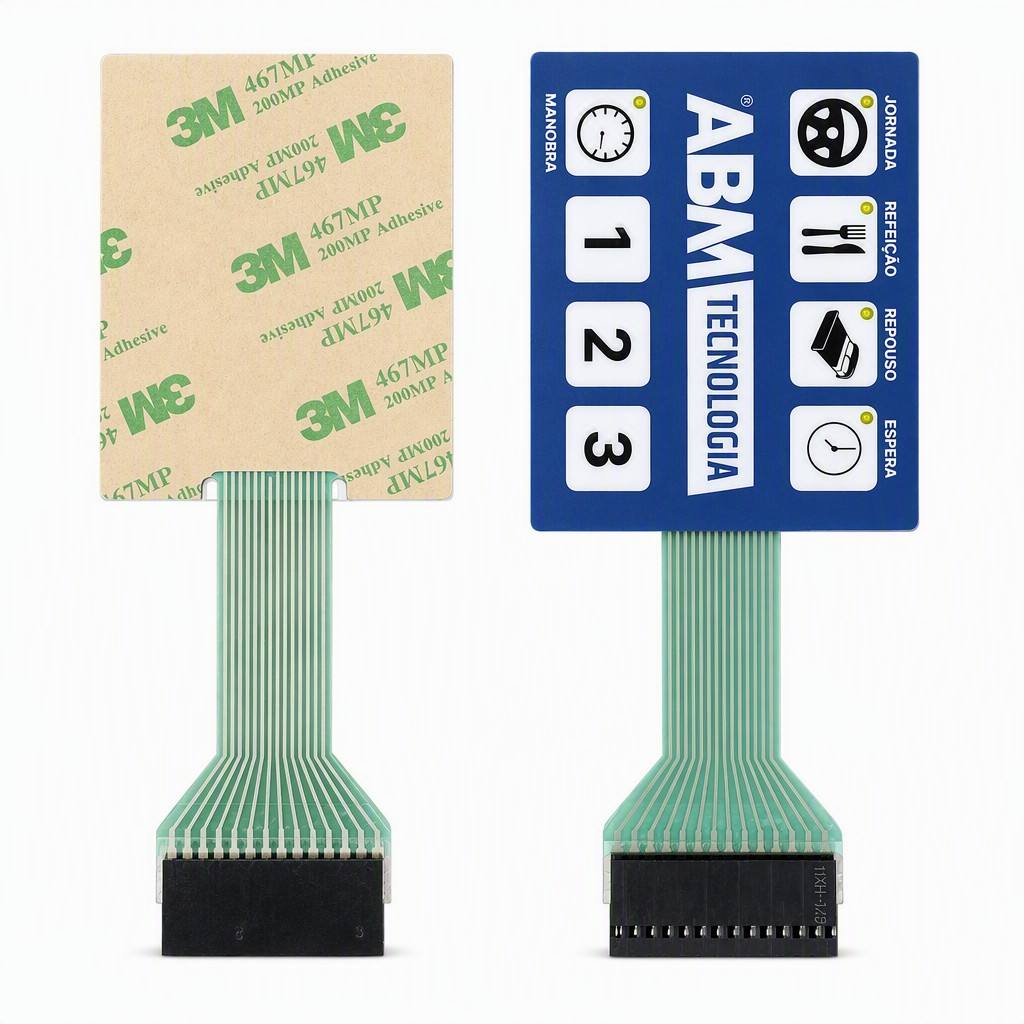
Custom Industrial Control Panel Keypad (Metal Dome)
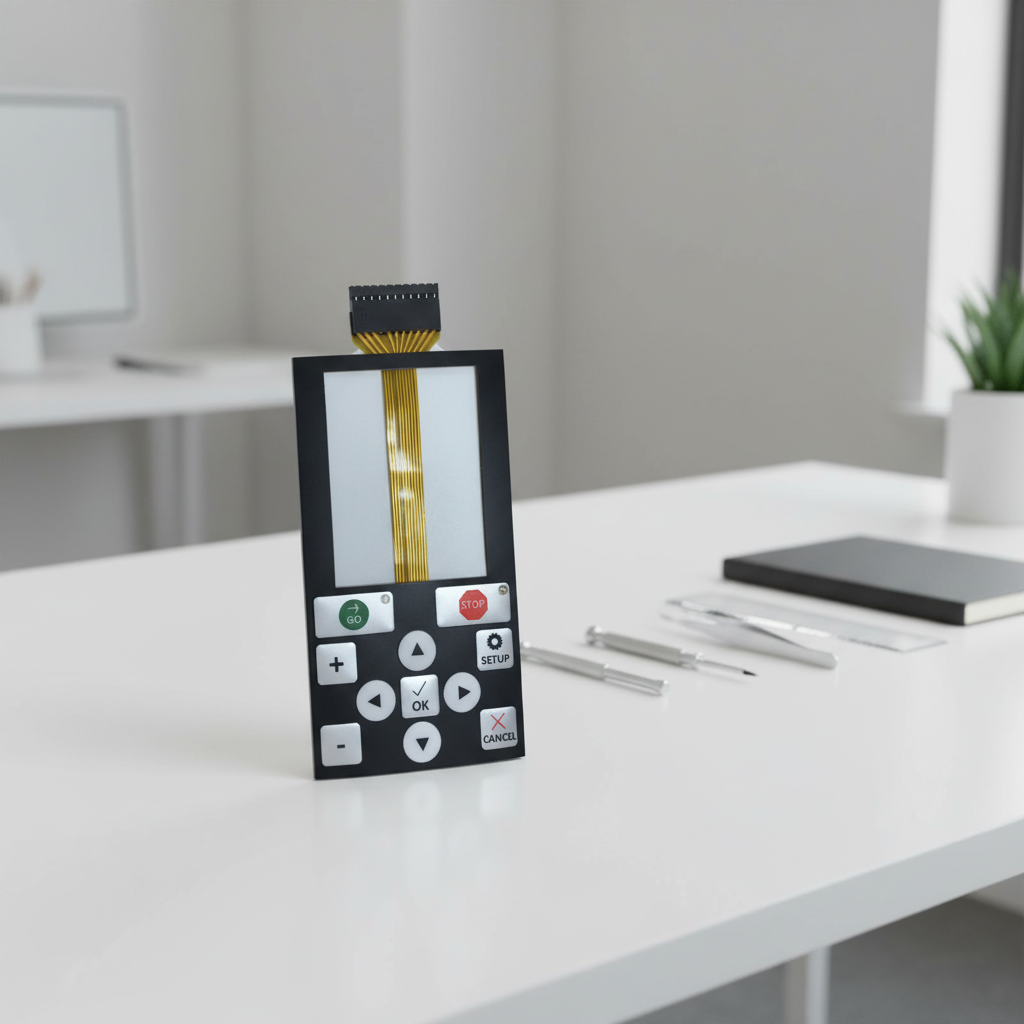
Waterproof LED Membrane Keyboard with 3M 300LSE
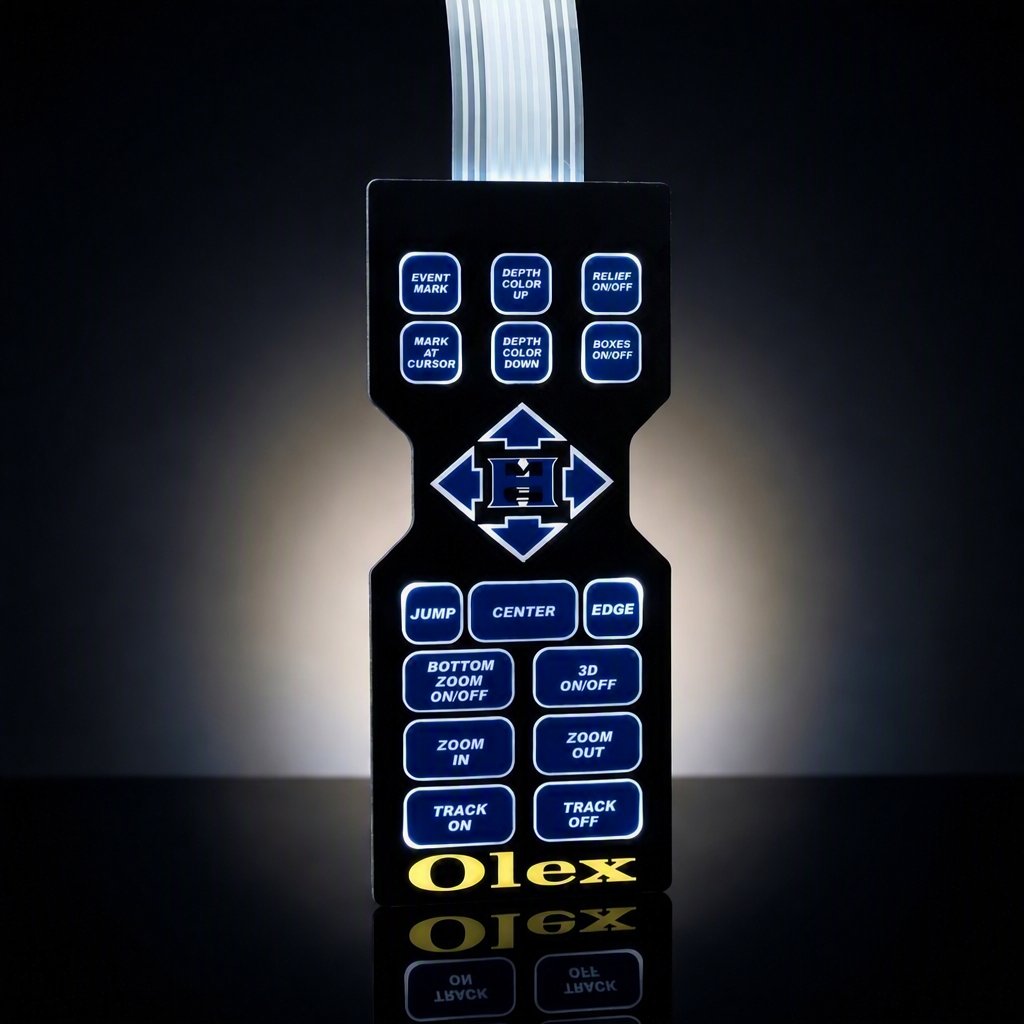
Backlight Simulation & Uniform Light Guide Keyboard
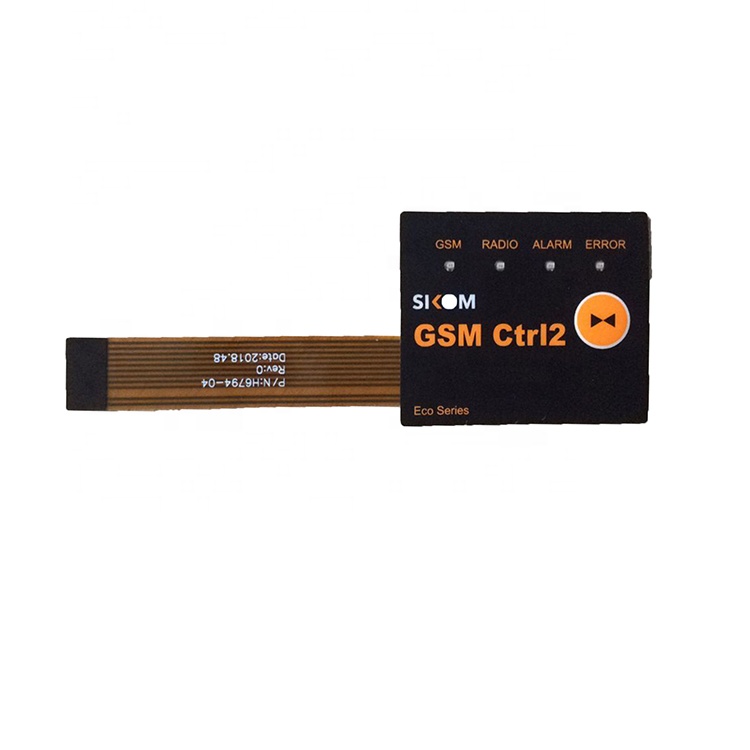
Medical Instrument Push Button Membrane Switch
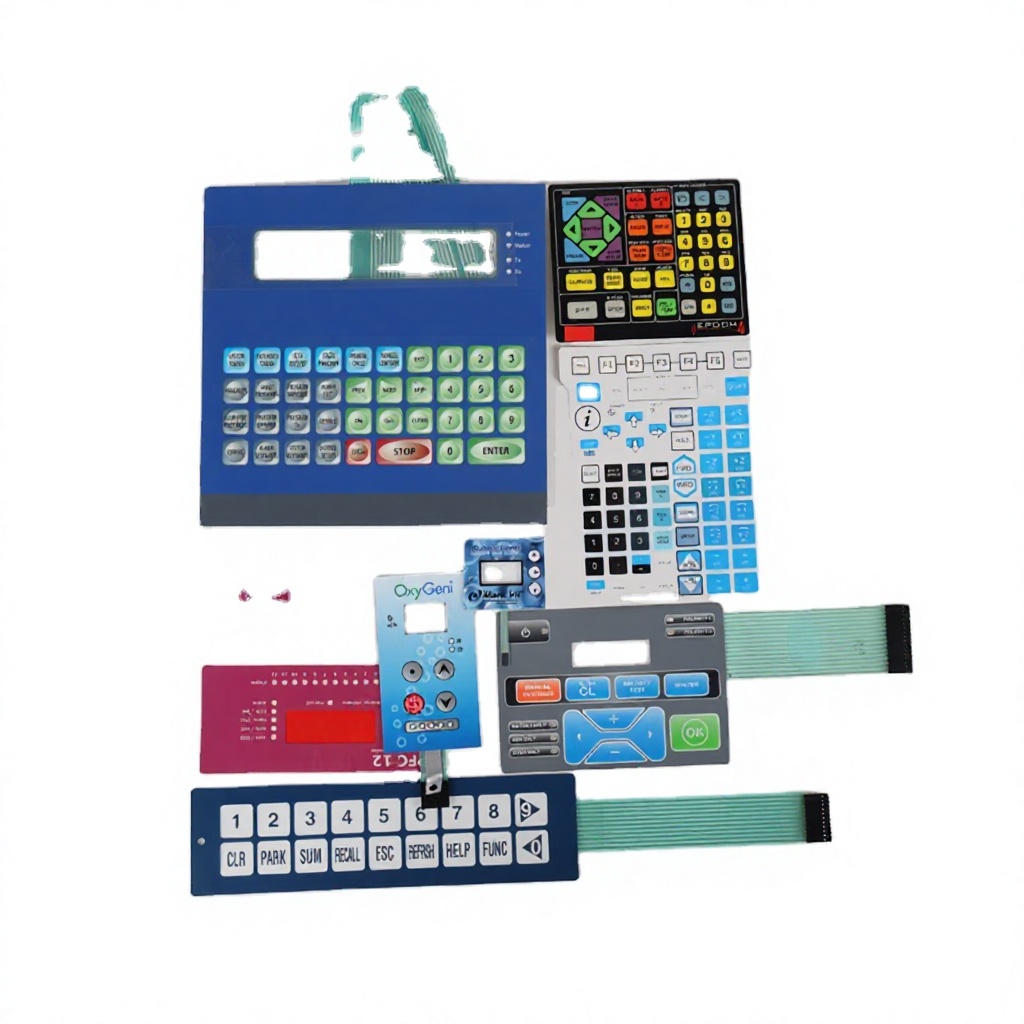
IP67 Hermetically Sealed Tactile Membrane Keyboard
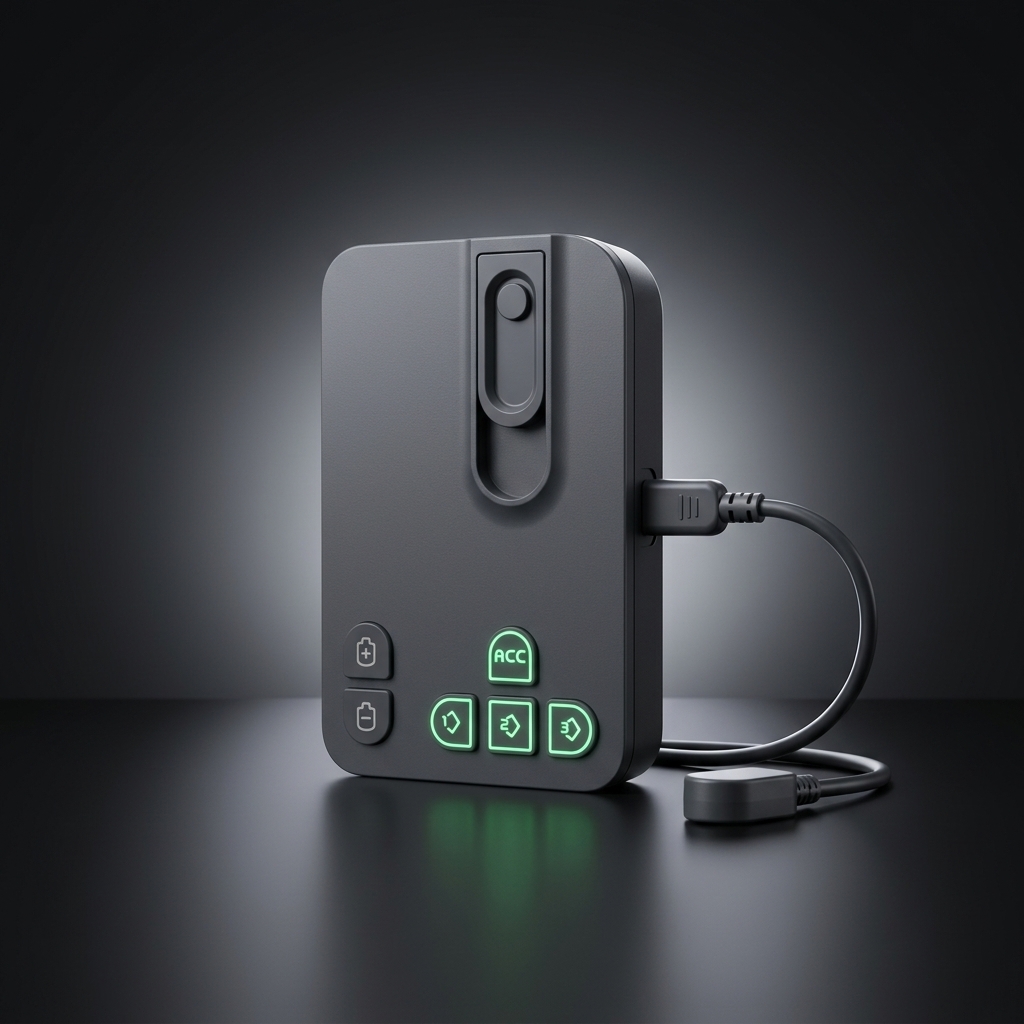
Silicone-to-Membrane Hybrid EL/LED Keypad Switch
29+
Years Precision Manufacturing (Est. 1996)
99.99%
Biofilm Reduction (JIS Z 2801 / ISO 22196)
5,000m²
Intertek Verified Cleanroom Facility
100%
Electrical Continuity & Hi-Pot Testing
Engineering Whitepaper
Antimicrobial Graphic Overlay Engineering for High-Salinity Tropical Atoll Environments
Operating human-machine interfaces (HMIs) in the port town of Betio, South Tarawa (Kiribati) presents a combined degradation challenge rarely encountered in continental deployments. Situated directly along the equatorial Pacific corridor, Betio exposes industrial instrumentation to persistent relative humidity ranging between 78% and 94%, sustained ambient operating temperatures exceeding 32°C, intense solar irradiance (UV Index 11+), and continuous maritime aerosol rich in airborne sodium chloride ($NaCl$) and magnesium ions.
When standard control panels made of untreated polycarbonate (PC) or plain polyester (PET) are deployed in local fish processing packing lines, maritime stevedoring equipment, or peripheral clinical hubs, micro-fissuring and high biological surface contamination occur rapidly. Bacterial colonization generates destructive biofilms that accelerate chemical polymer breakdown, fog visual indicator windows, cause switch sticking, and permit dendritic silver migration across underlying conductive circuit traces.
Matrix-Dispersed Silver ($Ag^+$) Zeolites
Unlike topical post-production coatings that wear away under frequent sanitization, our antimicrobial overlays utilize an inorganic silver-glass matrix permanently compound-blended directly into the hardcoat resin. Silver ions continuously exchange with ambient moisture to rupture bacterial cell walls, halt respiratory enzymes, and completely arrest cell division (fission).
Efficacy: JIS Z 2801 Certified
Silver Migration Arrest Technology
High equatorial humidity combined with constant low-voltage direct current causes ionic silver ($Ag^+$) to dissolve and bridge across adjacent conductor paths, leading to catastrophic short circuits. We engineer a proprietary carbon overprint barrier and apply dielectric polymer micro-encapsulation across all traces, suppressing dendritic electromigration under 95% RH stress.
Zero Circuit Drift Guarantee
Chemical Washdown Resistance
Betio's tuna processing facilities and Betio Hospital triage equipment undergo daily aggressive wipe-downs using sodium hypochlorite (bleach), 70% isopropanol (IPA), and quaternary ammonium salt blends. Our textured Autotex AM and specialized chemically treated PET withstand 24-hour chemical saturation without surface hazing, bubbling, or embrittlement.
DIN 42 115 Part 2 Compliant
Cross-Sectional Architecture
Engineered 6-Layer Hermetic Stack-Up
To achieve reliable actuation forces, complete moisture exclusion, and lifelong antimicrobial performance in the Kiribati trade-wind belt, each custom graphic overlay membrane switch assembly is fabricated according to this tightly laminated internal architecture:
L1
Antimicrobial Hardcoat Film: 150µm – 200µm texturized Autotex AM PET with impregnated active biocidal silver ions.
L2
Subsurface Screen Print Graphics: First-surface protected inks (Pantone / RAL matched), optical windows with anti-glare clear zones.
L3
Top Circuit & Dome Retainer: Polyester film carrying printed conductive traces with vented breather channels and SUS301 stainless metal domes.
L4
Perimeter Sealing Spacer: High-cohesion acrylic adhesive spacer with closed-cell perimeter rings maintaining an IP67 hermetic chamber.
L5
Bottom Circuit Layer: Screen-printed conductive silver flakes overlaid with protective colloidal carbon bridge shields.
L6
Rear Mounting Adhesive: 3M 467MP, 468MP, or 300LSE adhesive selected specifically to bond securely to powder-coated aluminum or ABS enclosures.
Mechanical & Environmental Specifications
- Actuation Life: > 5,000,000 operations per tactile key
- Actuation Force: 280g to 450g (crisp tactile snap ratio > 45%)
- Contact Rating: 30V DC at 100mA max, 1W maximum wattage
- Insulation Resistance: > 100MΩ at 250V DC across contacts
- Dielectric Withstanding: 500V rms (50-60Hz, 1 min) breakdown
- Contact Bounce: < 5 milliseconds opening/closing duration
- Operating Temperature: -35°C to +85°C steady state rating
- Salt Fog Ingress: ASTM B117 tested 120+ hours corrosion proof
- IP Barrier: IP65 / IP67 with peripheral hydrostatic gasket
| Material Engineering Property | Autotex AM Impregnated PET | Standard Textured Polycarbonate | Standard Untreated Polyester |
|---|---|---|---|
| Antimicrobial Activity (JIS Z 2801) | ✓ > 99.9% Kill (MRSA & E. coli) | 0% Kill (Bacterial Cultivation) | 0% Kill (Biofilm Accumulation) |
| Flexural Fatigue Resistance | ✓ > 5,000,000 Actuations | Approx. 100,000 Actuations | > 3,000,000 Actuations |
| Equatorial UV Degradation & Yellowing | ✓ UV Stabilized (No discolouration) | Severe Yellowing & Hazing | Moderate UV Embrittlement |
| Chemical Washdown Tolerance (IPA / Bleach) | ✓ Complete Immunity (24h soak) | Crazing, Cracking & Blurring | Good Resistance |
| Silver Migration Immunity (High RH) | ✓ Carbon Overprint Shielded | Prone to Dendritic Shorting | Prone without Carbon Shield |
Strategic Regional Implementation
Mission-Critical Applications in Betio's Maritime Economy
From the bustling docks of the Port of Betio to isolated solar microgrids and triage diagnostic pods, our antimicrobial and hermetically sealed overlays solve specific equatorial reliability issues.
1. Port of Betio Stevedoring & Crane Telematics
Betio acts as the primary international container transshipment nexus for Kiribati. Marine gantry cranes, forklift scale monitors, and tugboat helm controls are subjected to dense salt-mist atomization. Our IP67-sealed, UV-hardened overlays prevent moisture creep into digital encoder circuits while preserving switch tactile feedback for operators wearing heavy work gloves.
2. Industrial Fisheries & Cold Storage Handling
Tuna transshipment and local seafood processing facilities in South Tarawa generate severe biological hazards, including fish protein residue and microbial films that rapidly rot standard rubber keypads. Our continuous smooth-face antimicrobial graphic overlays eliminate crevices, allowing high-pressure hot water sanitization without breaking adhesion.
3. Reverse Osmosis (RO) Desalination Consoles
Potable water security in Betio depends heavily on solar-powered seawater reverse osmosis units. Salt crystallization frequently jams mechanical switches. Our sealed membrane switches feature isolated conductive traces and chemical-resistant front windows that maintain pressure-gauge readability despite continuous splashing from hypersaline brine reject streams.
4. Betio Hospital & Primary Clinic Diagnostic Equipment
Healthcare facilities across South Tarawa experience high patient turnaround in humid conditions, turning diagnostic monitors, autoclaves, and centrifuge consoles into cross-contamination vectors. Impregnated silver zeolites eradicate 99.9% of MRSA and pathogenic enterobacteria within minutes of touch contact, safeguarding clinical staff and outpatients.
5. Island Microgrid & Solar Battery Inverter Panels
Decentralized photovoltaic generation systems across Kiribati utilize remote inverter switchboards exposed to equatorial thermal cycling (-5°C inside night inverter cases to +65°C daytime solar surge). Our breathable microporous membrane vent plugs equalize internal barometric pressure, completely stopping water-vapor condensation while keeping marine salt crystals out.
Regional Market Analysis
Emerging Procurement Trends in the Betio & Pacific Island HMI Sectors
For decades, equipment specifiers in the Republic of Kiribati relied on low-cost generic pushbuttons and unsealed membrane assemblies imported through regional intermediaries. However, procurement analysis shows a fundamental transition toward factory-direct custom OEM antimicrobial interfaces, driven by four pivotal technical factors:
Shift to Total Lifecycle Costing (TCO)
Premature switch failure caused by salty trade winds requires air-freighting entire replacement circuit boards from Australia, Fiji, or East Asia, incurring substantial shipping costs and downtime. Municipal agencies and private fleet operators in Betio now insist on high-cycle (>5,000,000 hits) tactile switches with verified IP67 marine sealing.
Operational Longevity
Stringent Donor & Grant Specifications
Major infrastructure modernization projects in Tarawa funded by international development agencies (such as the World Bank, Asian Development Bank, and Pacific Community SPC) mandate strict compliance with international hygiene and flammability protocols, specifically requiring ISO 9001 quality management, RoHS eco-compliance, and UL94V0 flammability ratings.
Institutional Standards
Integration of Capacitive Touch & Backlighting
24-hour operations at the Betio container wharf require night-time visibility without dazzling port workers. Conventional top-mounted incandescent indicators are being replaced by micro-thin Light Guide Film (LGF) and integrated surface-mount low-power LEDs that run on minimal milliwatt power budgets while providing crystal-clear legibility.
Optoelectronic Upgrade
Procurement & Engineering FAQ
Frequently Asked Questions for Betio Buyers
Clear, direct answers regarding custom tooling, tropical material performance, shipping logistics to Kiribati, and antimicrobial validation.
How does the antimicrobial coating survive continuous tropical humidity and daily disinfectant wiping in Betio?
Our antimicrobial graphic overlays do not use a short-lived liquid topical spray. We utilize Autotex AM polyester film, where microscopic silver-ion zeolites are incorporated into the textured polymer matrix throughout the manufacturing process. Because the biocidal agents reside in the material itself, regular abrasion, high ambient Pacific humidity (90%+ RH), and intensive chemical sanitization with bleach, IPA, or quaternary ammonium do not wash away or diminish the antimicrobial efficacy. It remains active throughout the mechanical lifespan of the interface.
Can your membrane switches withstand direct airborne salt-spray at Betio Port?
Yes. We engineer our marine-duty switches with a continuous closed-loop adhesive perimeter gasket using high-performance 3M 300LSE or 468MP acrylic adhesive systems. This forms a complete barrier around the inner circuit and dome chambers, preventing airborne salt aerosol ($NaCl$) from corroding the internal silver tracks or causing dielectric breakdown. Furthermore, we seal tail exits using UV-cured flexible potting resins to prevent capillary moisture wicking.
What is the Minimum Order Quantity (MOQ) for custom-printed overlays and switches?
We support both initial rapid prototyping and commercial volume runs. Prototyping and pre-production evaluation batches can be supplied starting from 1 to 10 pieces. Standard OEM production orders typically start at 100 units. For high-volume numeric panels or standardized utility enclosures, we offer scalable production agreements with scheduled export shipments.
How do you prevent silver migration shorts in high-humidity atoll environments?
Silver migration occurs when an applied direct current voltage interacts with absorbed ambient moisture, causing silver atoms to migrate across insulating spaces and form dendritic short circuits. We counteract this in two ways: first, by printing an overlapping, protective colloidal carbon layer over every critical silver trace; and second, by using dielectric micro-coatings that protect the conductive paths from moisture, even during prolonged temperature cycling.
What documentation is required to initiate an OEM/ODM tooling quote?
To initiate Design for Manufacturability (DFM) review, send us your mechanical vector drawings in DXF, DWG, Step, or Adobe Illustrator (AI/PDF) format, detailing dimensions, key cutouts, and window requirements. Please include your desired circuit pin-out schematic, tail length, connector pitch (such as 1.0mm, 1.27mm, or 2.54mm), color codes (Pantone or RAL references), tactile dome preferences, and target operating environments. Physical golden samples can also be reverse-engineered at our laboratory.
What are the international transit lead times and delivery terms available for Kiribati?
Engineering proofs and DFM files are completed within 24 to 48 hours. Rapid tooling and prototype samples are typically fabricated within 7 to 10 working days. Mass production requires 15 to 20 business days depending on complexity. We ship worldwide under FOB, CIF, DDP, or international express air freight (DHL, FedEx, UPS) directly to South Tarawa (TRW / Bonriki International Airport or Port of Betio), handling export clearance documentation smoothly.
Are your membrane switches compatible with backlighting and low-light night shifts?
Absolutely. We offer three primary backlighting technologies suited to maritime and nocturnal use: ultra-thin Light Guide Film (LGF) fed by side-firing edge LEDs for uniform diffusion without hot-spots, discrete embedded surface-mount (SMD) LEDs for distinct key annunciators, and Electroluminescent (EL) backlighting foils for low-power, wide-area illumination.
How do you verify the physical quality and electrical reliability before dispatch?
Every manufactured unit undergoes 100% automated electrical testing before packaging. This includes automated continuity testing, trace resistance validation (typically under 100Ω depending on track layout), dielectric breakdown and insulation resistance checking (>100MΩ at 250V DC), actuation force and snap ratio verification, and microscopic visual alignment inspection. Our operations are verified onsite by Intertek.
Manufacturing Credibility & Trust
Why Global Industry Leaders Partner with ZIRA
Combining 29 years of HMI engineering heritage with verified cleanroom precision to deliver resilient user interfaces across four continents.
Intertek Onsite Audited
Manufacturing facility, cleanroom compliance, and quality control systems are independently verified on-site by Intertek.
29+ Years Track Record
Specialized exclusively in membrane keypads, graphic overlays, and silicone interfaces since our founding in 1996.
Trusted by Tier-1 Brands
Long-term trusted OEM component manufacturing partner to multinational automation and electrical brands including ABB and Emerson.
Certified Compliance
Full adherence to RoHS and REACH environmental mandates, with UL94V0 flame retardant plastics and ISO 9001:2015 quality standards.
Project Consultation
Ready to Engineer Your Custom Antimicrobial Overlay?
Connect with our technical engineering group today. We review your layer stack-up, advise on antimicrobial film selection, run trace resistance models, and produce functional prototypes built to withstand Betio's demanding Pacific environment.
