Export-Certified HMI Keypads & Overlays for Remote Island Applications
Manufactured using automotive-grade Autotex PET, high-tack 3M marine adhesives, and nickel-plated tactile metal domes. Each interface undergoes 100% electrical continuity and insulation validation before dispatch.
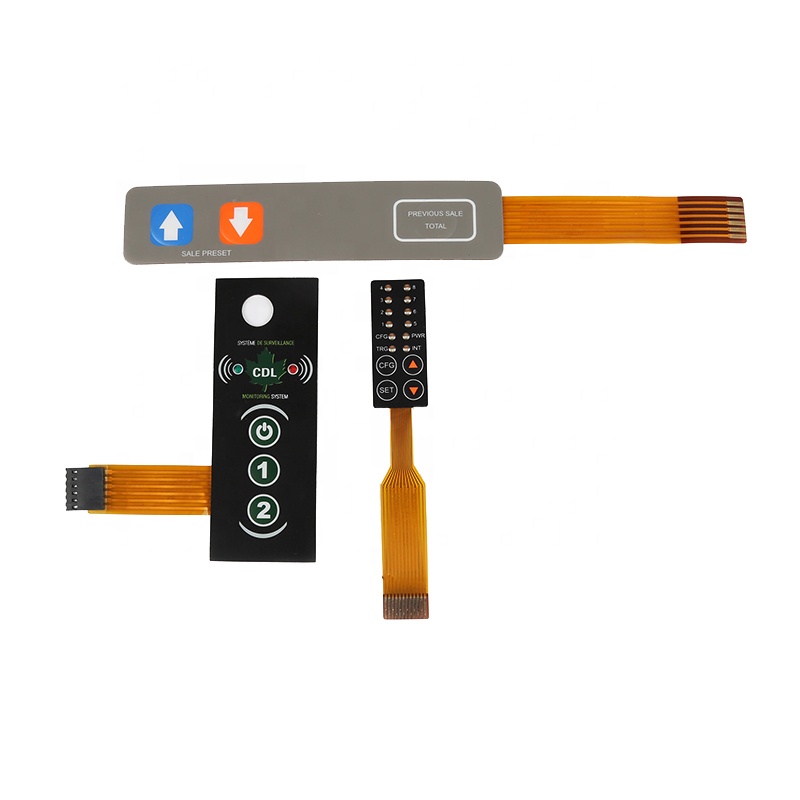
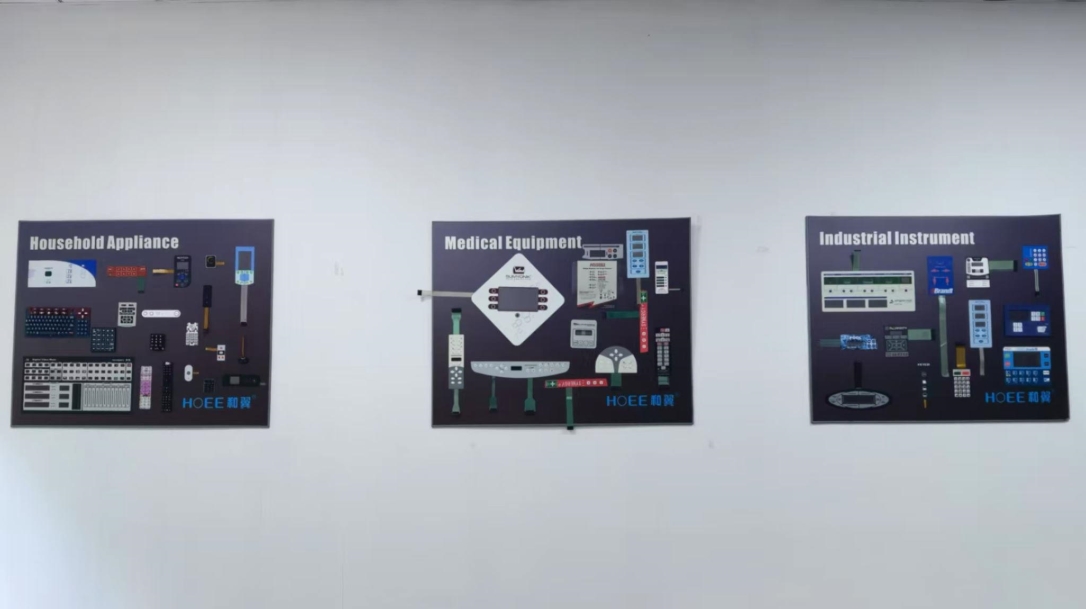
Waterproof Capacitive Touch Membrane Switch with Customizable Color and Texture
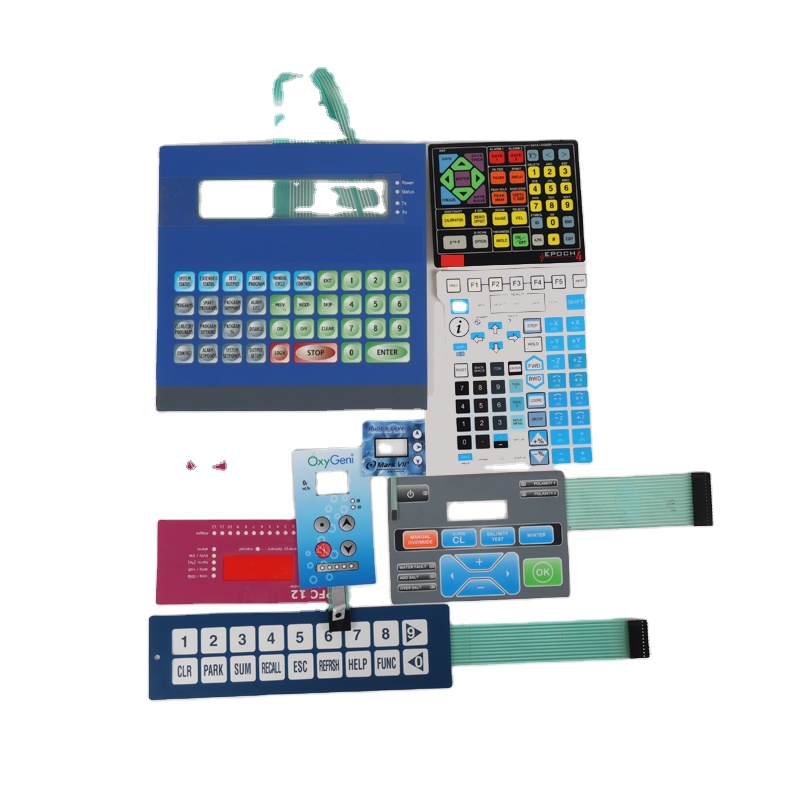
Factory Custom Waterproof Membrane Keypad Switch, Metal Dome Tactile Push Button
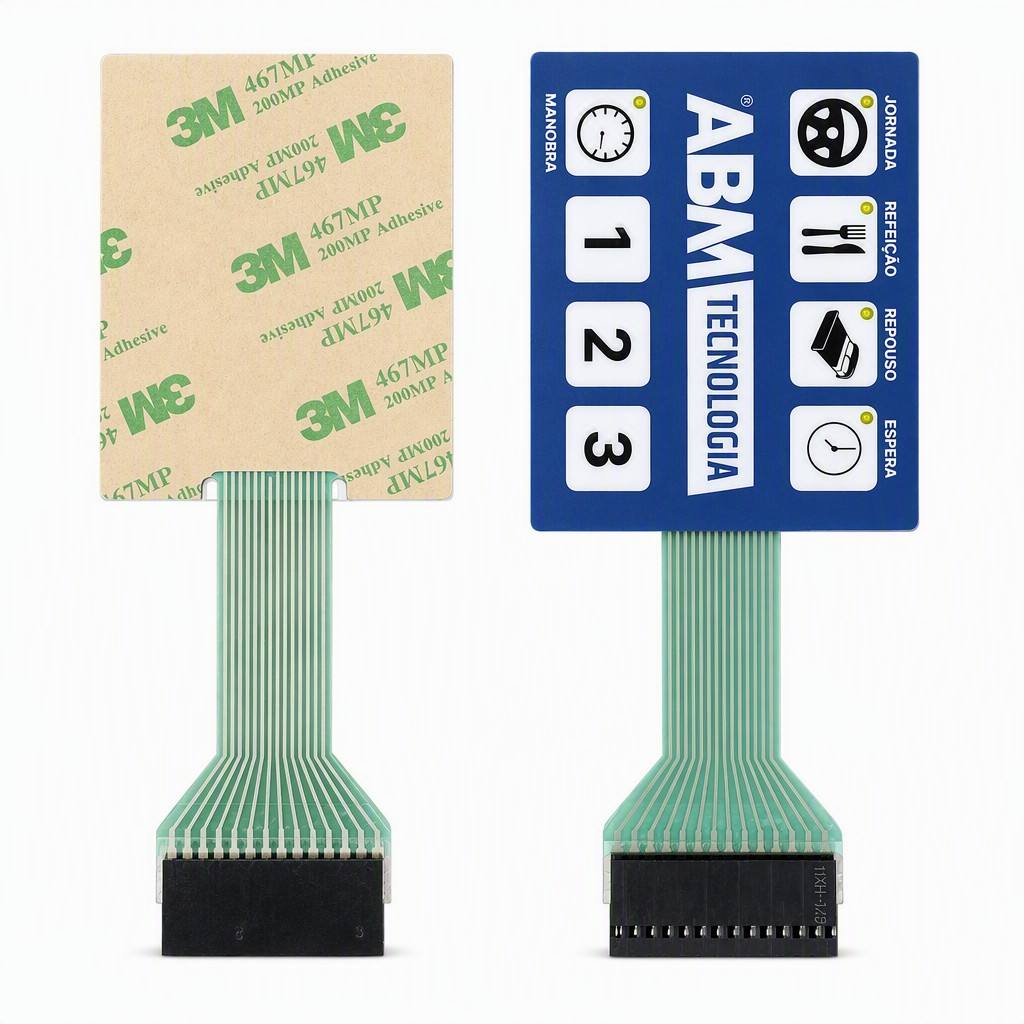
Custom Membrane Switch Industrial Control Panel Keypad OEM ODM RoHS UL94V0
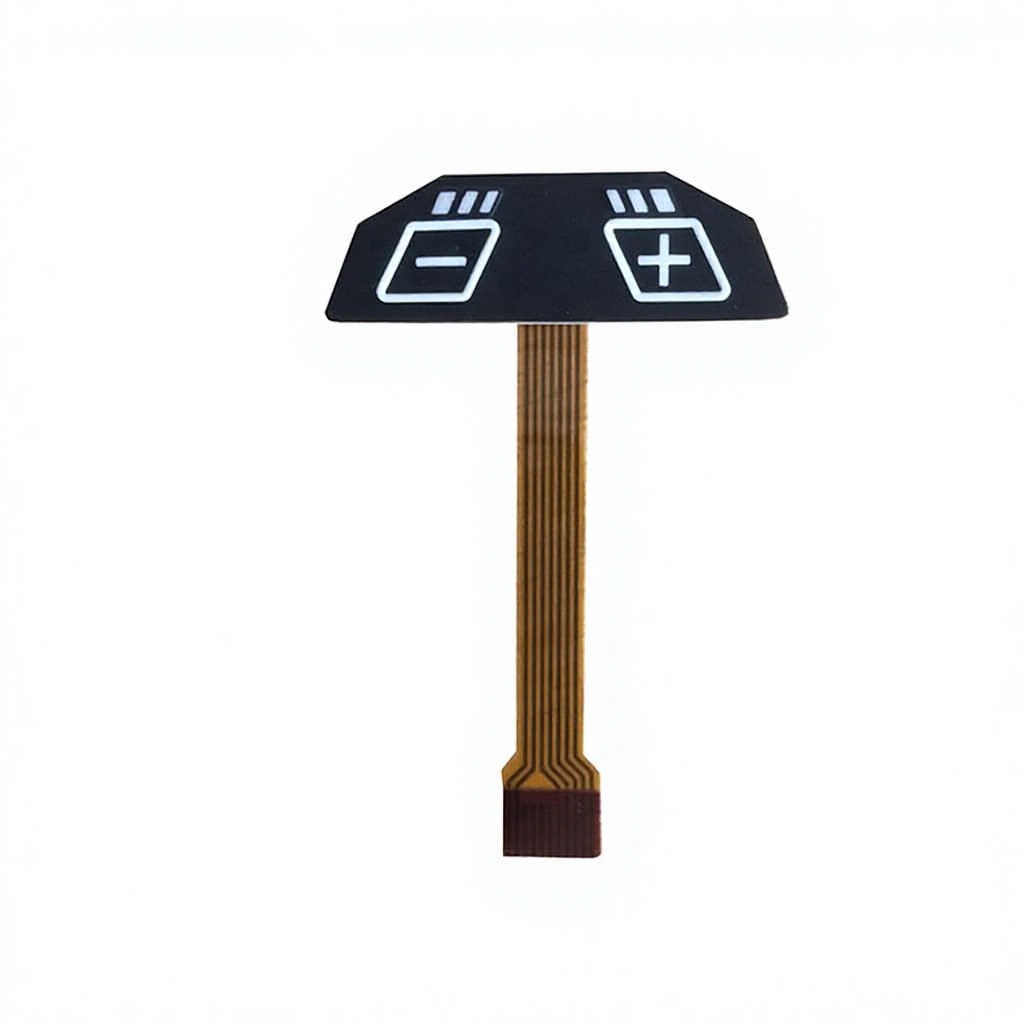
Customized Multi-Layer Printed Silver Circuit Graphic Overlay Membrane Keypad
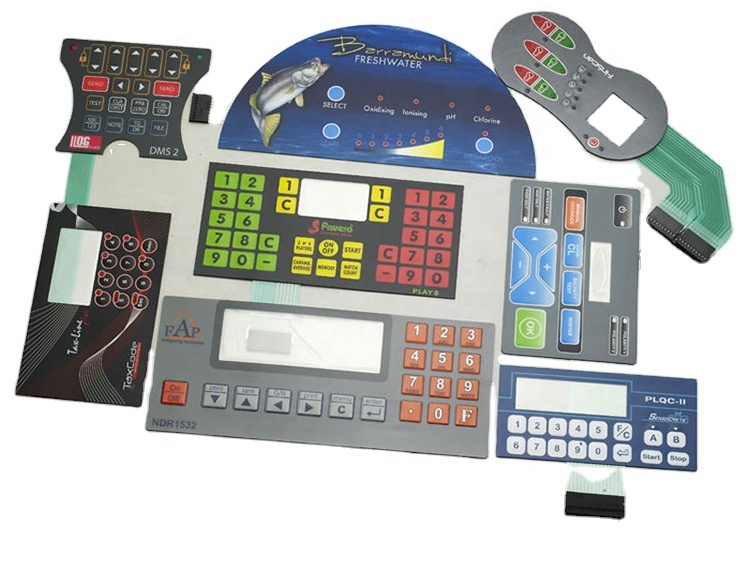
Custom Membrane Keyboards LED Backlit Membrane Switch for Rapid Sampling
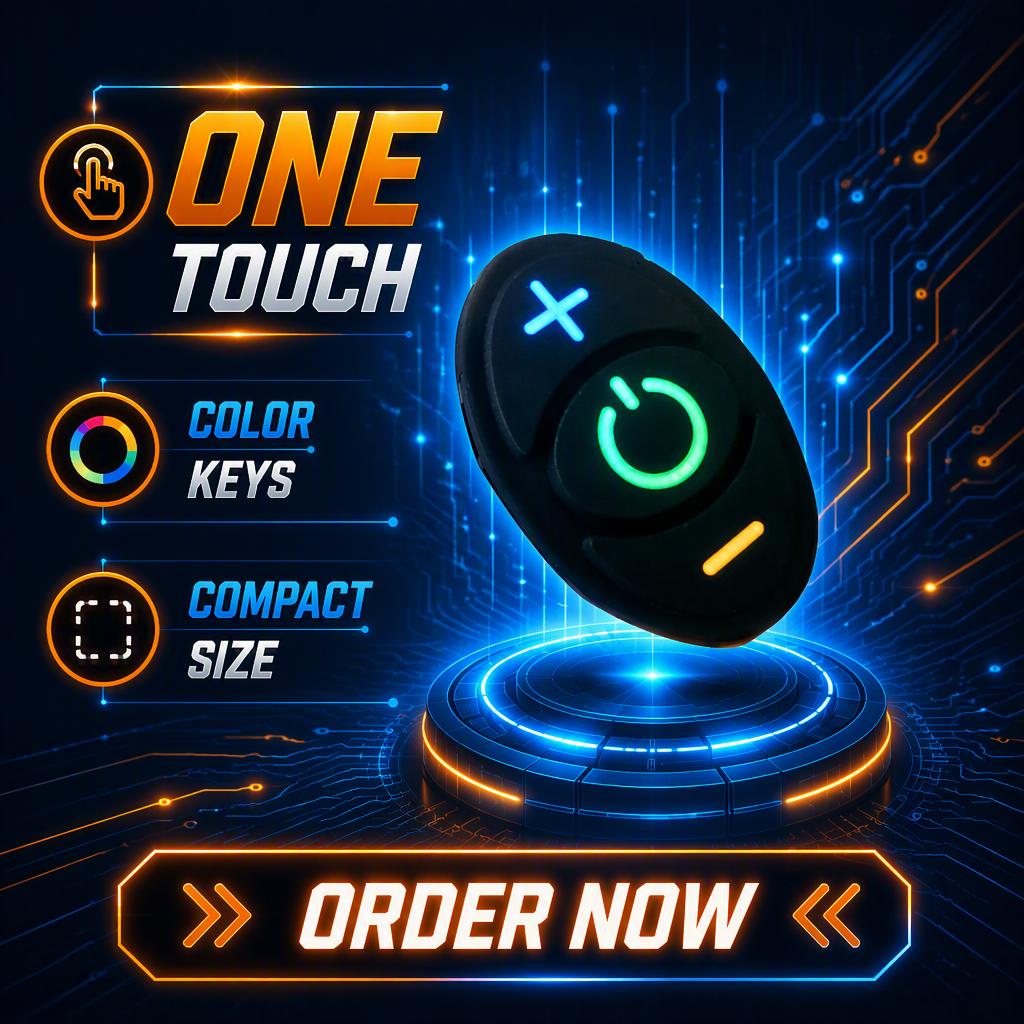
Custom LED EL Backlit Membrane Switch Keypad, Uniform Light Guide Film (LGF)
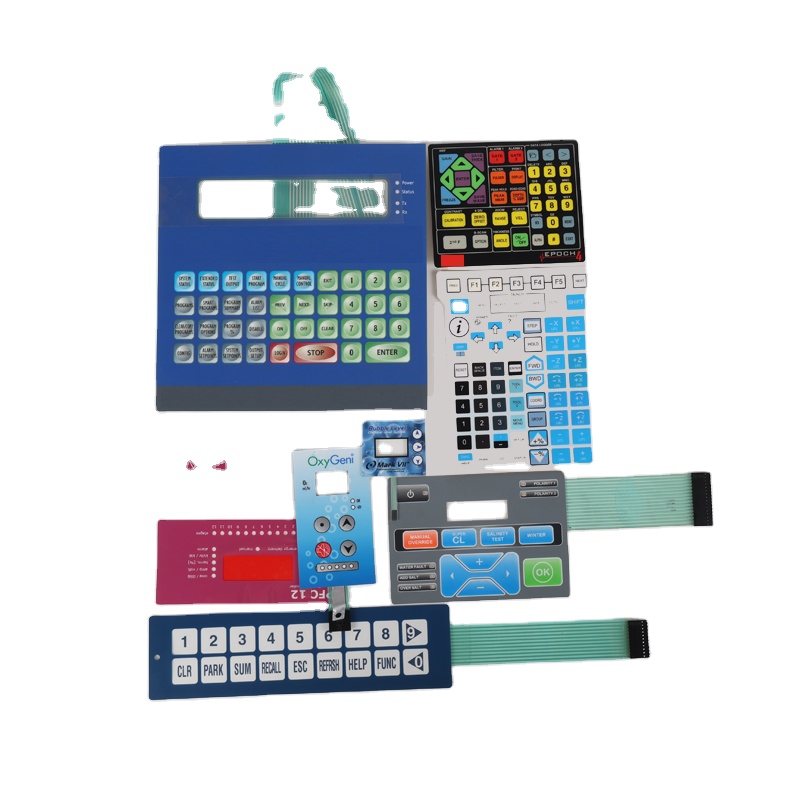
Waterproof Flexible Circuit Membrane Switch for Medical Diagnostic Equipment
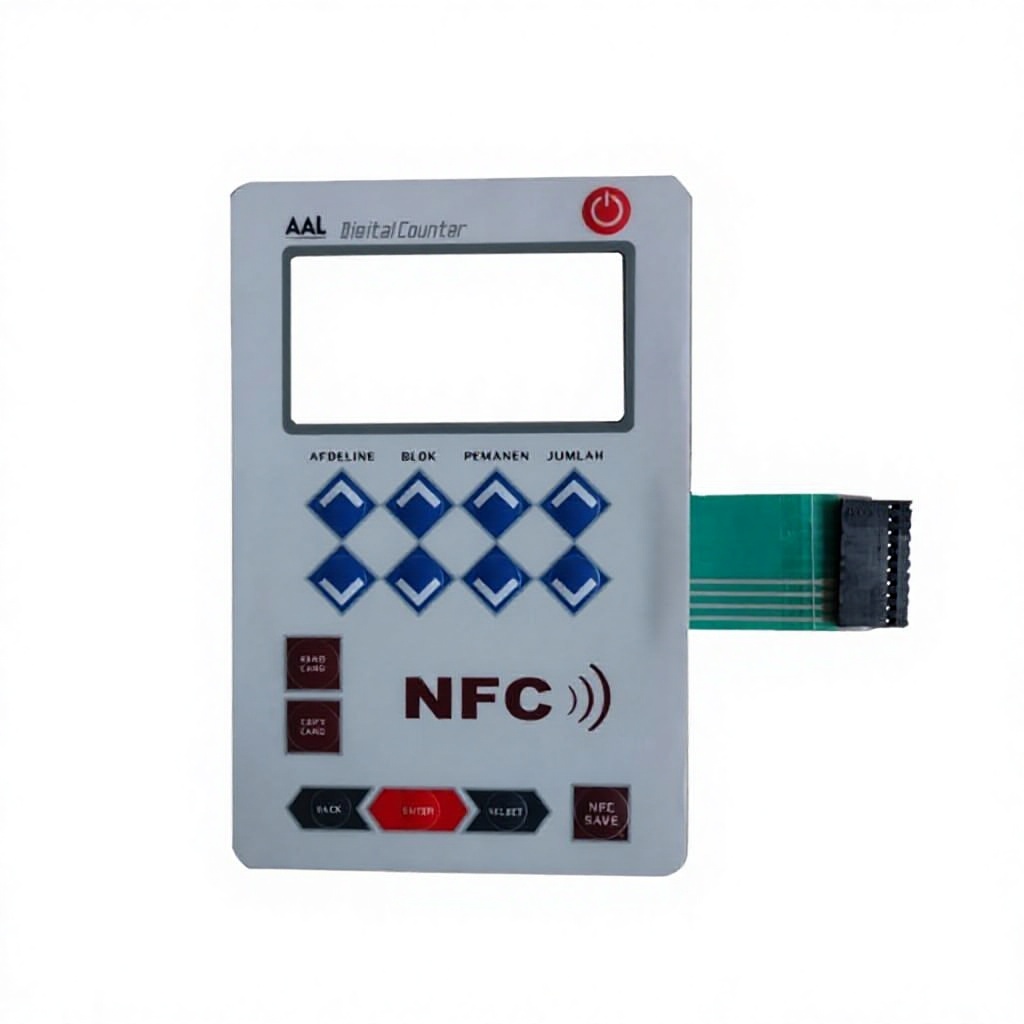
Polyester or Metal Dome Options Rated 1M Cycles Instrumentation Keypad
Engineering Graphic Overlays for Equatorial Oceanic Microclimates
Operating electronic hardware across the Pacific island chains of Micronesia—encompassing the Federated States of Micronesia (Yap, Chuuk, Pohnpei, Kosrae), Guam, the Republic of Palau, the Marshall Islands, and the Northern Mariana Islands (Saipan)—imposes severe physical stress on human-machine interfaces. Human-Machine Interfaces (HMIs) deployed in these tropical archipelagos face a destructive cocktail of continuous salt-laden atmospheric aerosol, non-condensing relative humidity hovering above 85% year-round, elevated ambient thermal cycling (28°C to 38°C), and intense UV-A/UV-B photochemical degradation.
Conventional consumer-grade graphic faceplates manufactured from unmodified polycarbonate (Lexan) or commodity PVC invariably suffer catastrophic field failures within 6 to 18 months in Micronesian deployments. Unstabilized polycarbonate undergoes extensive photo-Fries rearrangements under solar ultraviolet exposure, leading to yellowing, embrittlement, stress cracking along embossed switch perimeters, and catastrophic loss of seal integrity. Once moisture vapor breaches the perimeter adhesive gasket, atmospheric sodium chloride ions induce rapid electrolytic silver migration across conductive circuit traces, resulting in dendritic growth, short circuits, and unrecoverable hardware downtime.
| Performance Dimension | Autotex XE UV-Resistant PET | Standard Textured Polycarbonate | Hardcoated Acrylic (PMMA) |
|---|---|---|---|
| UV Weatherability (ASTM G154 Xenon Arc) | Superior (>5,000 hrs UV-A/B) | Poor (Yellowing <800 hrs) | Moderate (Brittle over time) |
| Switch Flex Life (Actuation Cycles) | >5,000,000 Embossed Flexes | <100,000 Embossed Cycles | Rigid Only (0 Cycles) |
| Salt Spray Corrosion Resistance (ASTM B117) | Impervious (Sealed IP67) | Prone to micro-cracking | Impervious to salt salts |
| Chemical / Disinfectant Resistance | Excellent (Alcohols, Diesel, Acids) | Crazes with ketones/esters | Susceptible to aromatic solvents |
| Moisture Vapor Transmission Rate (MVTR) | Extremely Low (3.5 g/m²/24h) | Elevated (15.0 g/m²/24h) | Moderate (10.0 g/m²/24h) |
As a vertically integrated custom graphic overlay and membrane switch manufacturer established in 1996, Zhejiang ZIRA Membrane Switch Co., Ltd. resolves these tropical engineering hurdles through advanced polymer stack-up engineering. For island equipment builders and infrastructure modernization teams serving Micronesia, we recommend biaxially oriented, UV-cured hardcoated polyester films (such as MacDermid Autotype Autotex XE) combined with closed-loop perimeter sealing channels and modified high-cohesion acrylic adhesives (3M 467MP, 468MP, or 300LSE). This architecture provides total hermetic defense against liquid saline penetration, coastal condensation, and high-intensity solar irradiance.
Mission-Critical Application Environments Across Micronesia
From solar microgrids in Chuuk to commercial marine docks in Majuro, custom interface panels must survive extreme maritime humidity, remote logistics chains, and intensive continuous usage.
Off-Grid Island Microgrids & BESS
Decentralized photovoltaic hybrid systems, inverter control panels, and Battery Energy Storage Systems (BESS) installed across outer atolls (such as Ulithi or Weno). Our UV-stabilized Autotex XE graphic overlays with dead-front LED status indicators ensure solar monitoring equipment survives full sun exposure without adhesive delamination or LCD window fogging.
Marine Fleets & Port Infrastructure
Commercial tuna purse-seine fleets, inter-island cargo vessels, and container terminal cranes operating at the Port of Guam and Pohnpei Harbor. Sealed tactile metal dome membrane switches with perimeter gasket encapsulation prevent seawater ingress from high-pressure deck spray, hydraulic fluid exposure, and diesel soot.
Seawater Desalination (SWRO) & Utilities
Municipal reverse osmosis plants and island water treatment stations combat constant chlorination, caustic backwash fluids, and high-pressure pumps. Our chemically inert polyester overlays resist prolonged exposure to sodium hypochlorite, citric acid cleaning regimens, and sulfuric chemical dosing systems without legend erosion.
Telecom & Satellite Ground Uplinks
Tropical satellite earth stations, broadband repeaters, and emergency VHF broadcast terminals situated on mountaintops in Saipan and Guam. Graphic control faceplates built with integrated EMI/RFI shielding layers protect sensitive microcontroller logic from atmospheric electrical discharges and severe tropical storm interference.
Island Healthcare & Field Diagnostics
Hospital autoclaves, portable blood analyzers, and patient monitors deployed across rural health centers in Koror and Ebeye. Seamless, flat-surface capacitive membrane keypads eliminate crevices, allowing wipe-down decontamination with hospital-grade biocides while inhibiting bacterial and fungal colonization.
Cold Storage & Fish Processing Plants
Brine freezing facilities and shore-based tuna processing plants in Majuro require switches that operate continuously across rapid thermal transitions—from -25°C blast freezers to +35°C outdoor staging docks. Our cold-rated adhesives and nickel-plated stainless steel domes avoid contact oxidation and brittle fractures.
Regional Technology & Engineering Trends in the Micronesian Corridor
Infrastructure modernization initiatives across Micronesia—backed by regional development funds, renewable energy mandates, and international compact agreements—are rapidly reshaping human-machine interface procurement requirements. Original equipment manufacturers (OEMs) and local maintenance, repair, and overhaul (MRO) contractors are migrating away from traditional discrete electromechanical push-buttons toward integrated, fully sealed graphic overlays and membrane assemblies.
Transition to Hermetic Ingress Protection (IP67 / NEMA 4X)
Island operators are phasing out open-contact switches whose internal copper pads rapidly corrode from salt air. Modern procurement specifications dictate monolithic graphic overlays with continuous perimeter die-cut gaskets that seal against cast aluminum or stainless steel enclosures, blocking moisture and salt-fog penetration entirely.
Optical Clarity & Sunlight Readability
Given intense equatorial glare, standard glossy windows cause high reflectivity and eye fatigue. Local buyers now specify selective anti-glare (AG) or anti-reflective (AR) surface texturing over LCD/OLED cutouts, complemented by dead-front screen printing that conceals indicator graphics until illuminated by back-mounted SMT LEDs.
Supply Chain Nearshoring & Low-MOQ Replacement
Because isolated island grids cannot store massive spare-parts inventories, municipal utilities and maritime operators require direct-from-factory partnerships offering low minimum order quantities (from 1 to 100 pcs) with rapid CAD-to-prototype cycles for urgent custom retrofits and equipment overhauls.
Why Global Industry Leaders Partner with ZIRA
Since 1996, Zhejiang ZIRA Membrane Switch Co., Ltd. has delivered precision HMI assemblies for critical infrastructure, medical devices, and heavy industry across North America, Europe, Oceania, and Pacific markets.
30+ Years Cleanroom Manufacturing
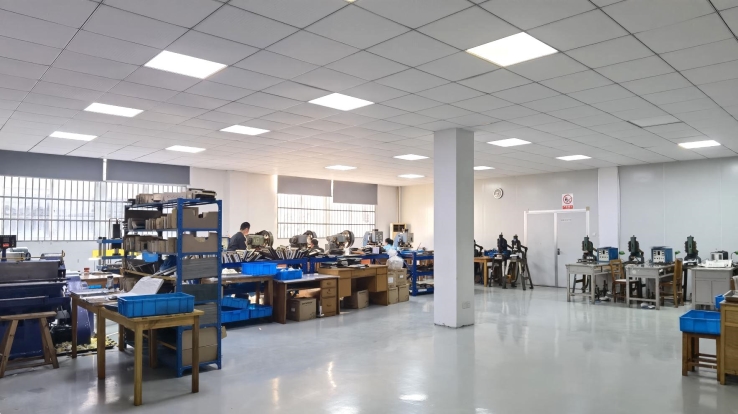
Founded in 1996 in Changhe Industrial Park, Ningbo. Fully owned 3,000–5,000 m² production floor featuring automated precision screen printing lines, CNC laser cutting, and computerized embossing tooling under strict Class 1,000 cleanroom controls.
Intertek Onsite Verified Facility
Independently audited and assessed onsite by Intertek. Comprehensive verification covers production capacity, cleanroom environmental management, material traceability, and ISO 9001:2015 quality management compliance.
Tier-1 Industrial OEM Supplier
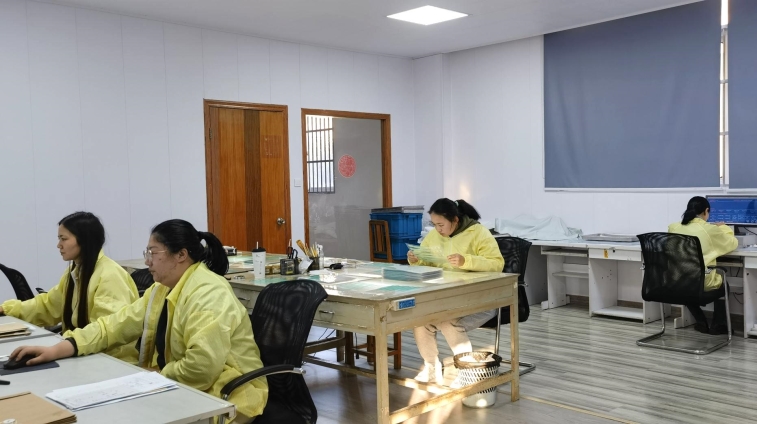
Established track record as an approved custom keypad and overlay manufacturer for multinational automation leaders including ABB and Emerson. Our engineering team conducts full DFM reviews on circuit routing, tail geometry, and dome travel prior to tooling.
100% Electrical Inspection Protocol
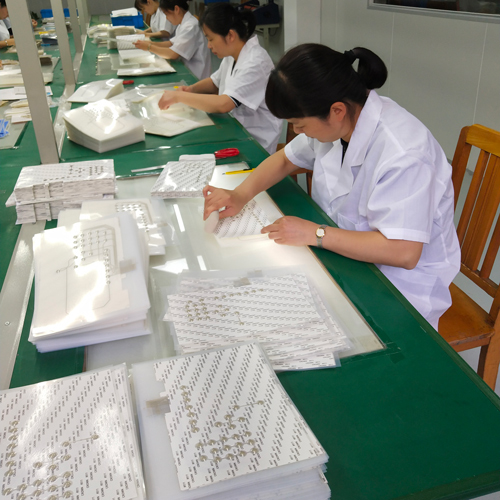
Every single membrane switch is individually validated using automated circuit analyzers for trace resistance (typically <100Ω), contact bounce (<5ms), dielectric insulation (>100MΩ at 250V DC), and snap ratio before final moisture-barrier packaging.
Frequently Asked Questions for Micronesian & Island Buyers
Key technical, logistic, and commercial questions answered by ZIRA’s Senior HMI Systems Engineering Team.
How do your graphic overlays prevent silver electromigration in 90%+ tropical humidity?
What are typical shipping lead times and air/ocean freight terms to Guam and the FSM?
Which overlay film is recommended for outdoor solar hardware exposed to direct equatorial sunlight?
Can ZIRA manufacture replacement overlays for legacy generator and desalination control panels?
How do you ensure proper adhesive bonding to powder-coated or cast-aluminum marine housings?
What minimum order quantities (MOQ) apply to custom OEM runs for island projects?
Launch Your Custom Interface Project with Factory Engineers
Send your CAD files, schematic drawings, or legacy overlay photos. Our engineering department provides comprehensive DFM reviews, material recommendations, and tailored quotations within 24 business hours.
