High-Durability Keypads & Sealed Control Interfaces
Engineered by Zhejiang ZIRA Membrane Switch Co., Ltd. for extreme mechanical duty, high-humidity marine consoles, and mission-critical instrumentation. Explore our 8 benchmark product architectures:
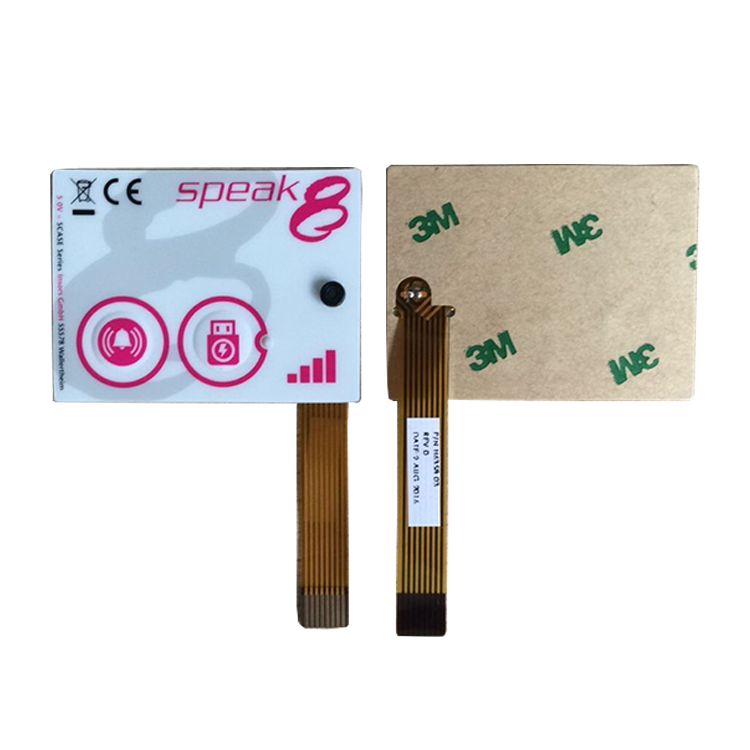
Custom Silk Screen Flexible Membrane Switch Thin Film Keypad
Ultra-thin, multi-layer screen printed layout with tactile push buttons for domestic devices and portable medical diagnostics.
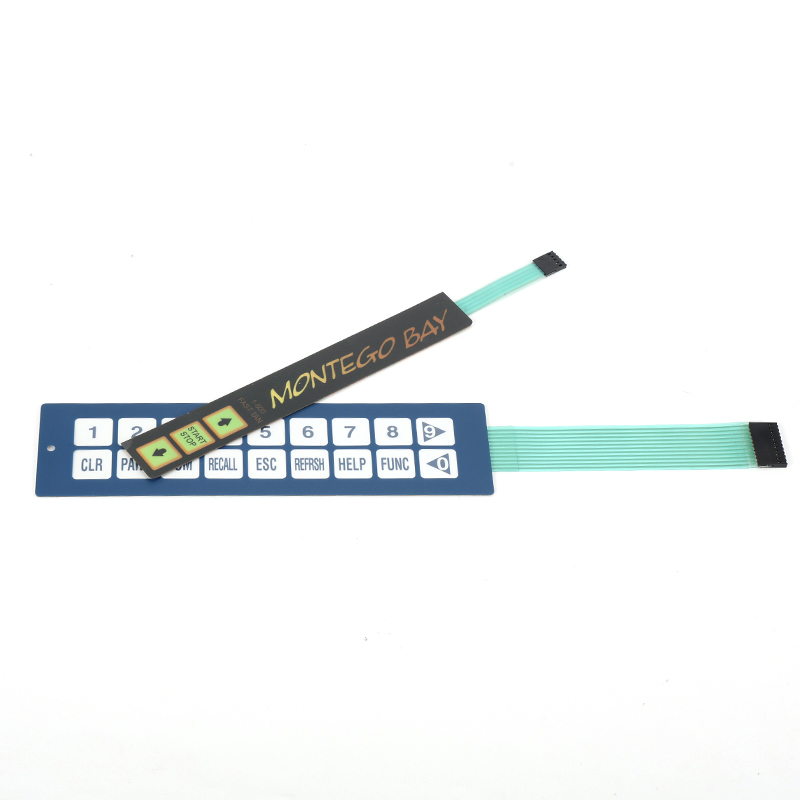
Long-Lasting High Durability Membrane Keypad for Electronic Appliances
Over 1,000,000 actuation cycle life rating with chemical-resistant Autotex PET film and moisture barrier perimeter sealing.
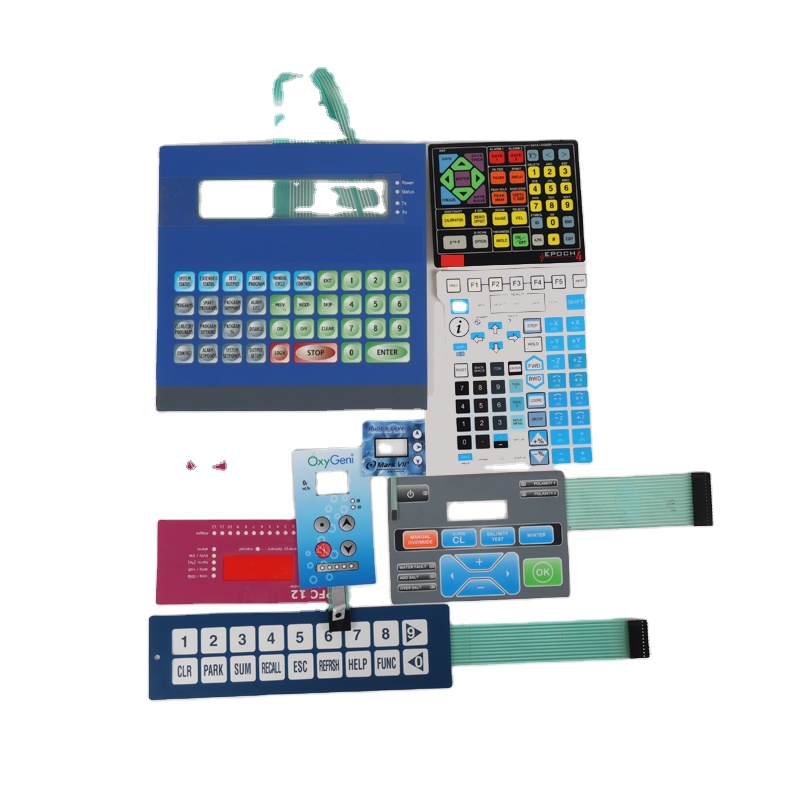
Factory Custom Waterproof Metal Dome Tactile Switch (3M Adhesive)
Stainless steel snap domes embedded in a 3M 300LSE adhesive sandwich, delivering crisp tactile snap and hermetic ingress resistance.
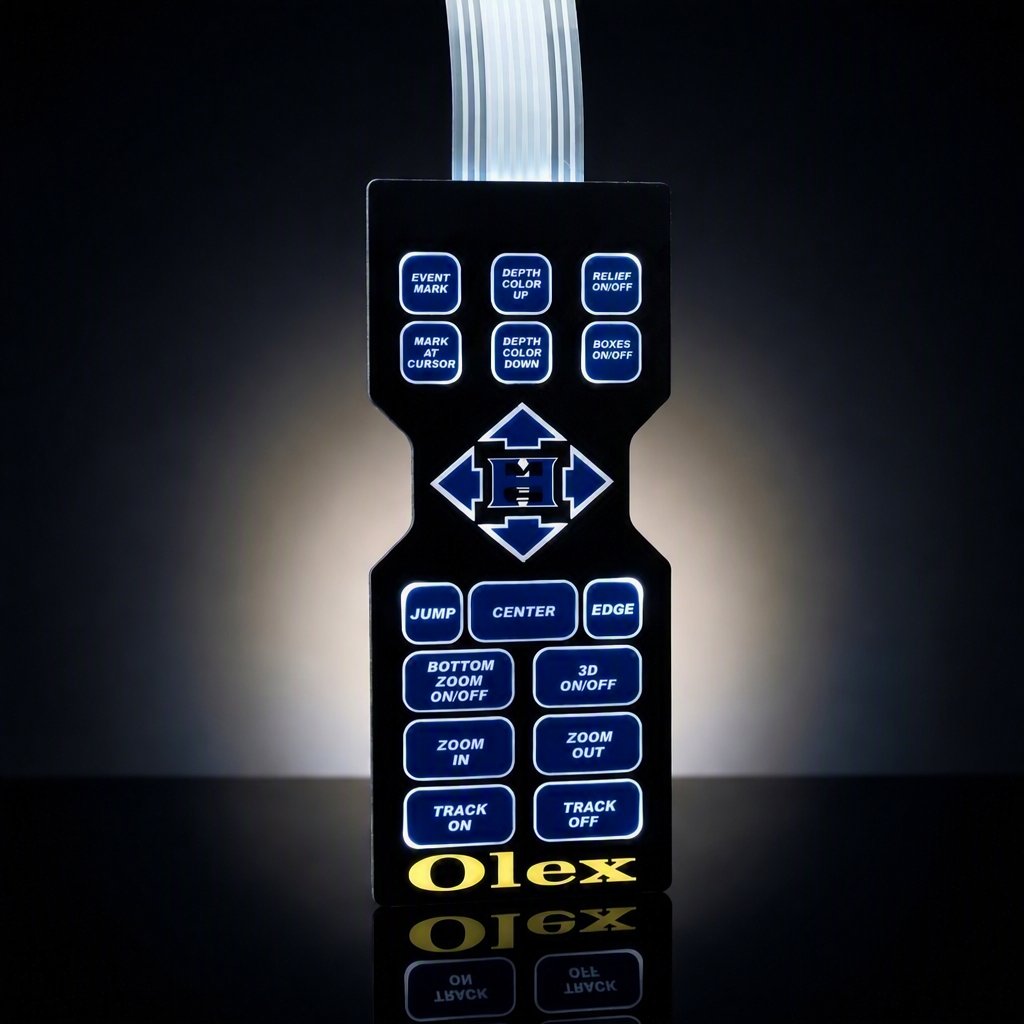
Uniform Illumination Backlight Membrane Switch with Light Guide
Includes free optical simulation and ultra-thin light guide film (LGF) ensuring zero light-leakage for low-light marine navigation stations.
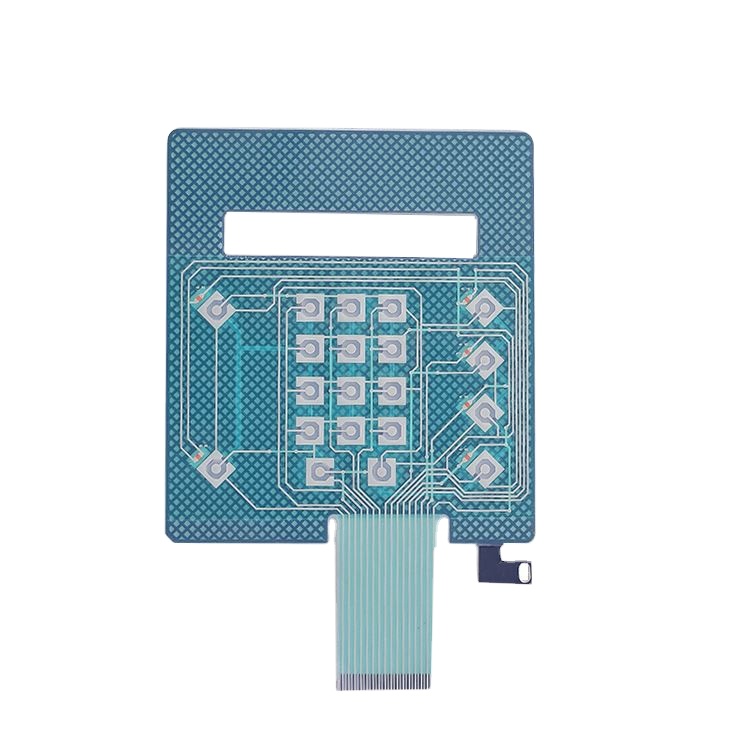
Custom PET Membrane Switch Keypad with ESD Shielding Layer
Integrated solid aluminum foil or carbon conductive grid providing up to 15kV static discharge protection for sensitive microcontrollers.
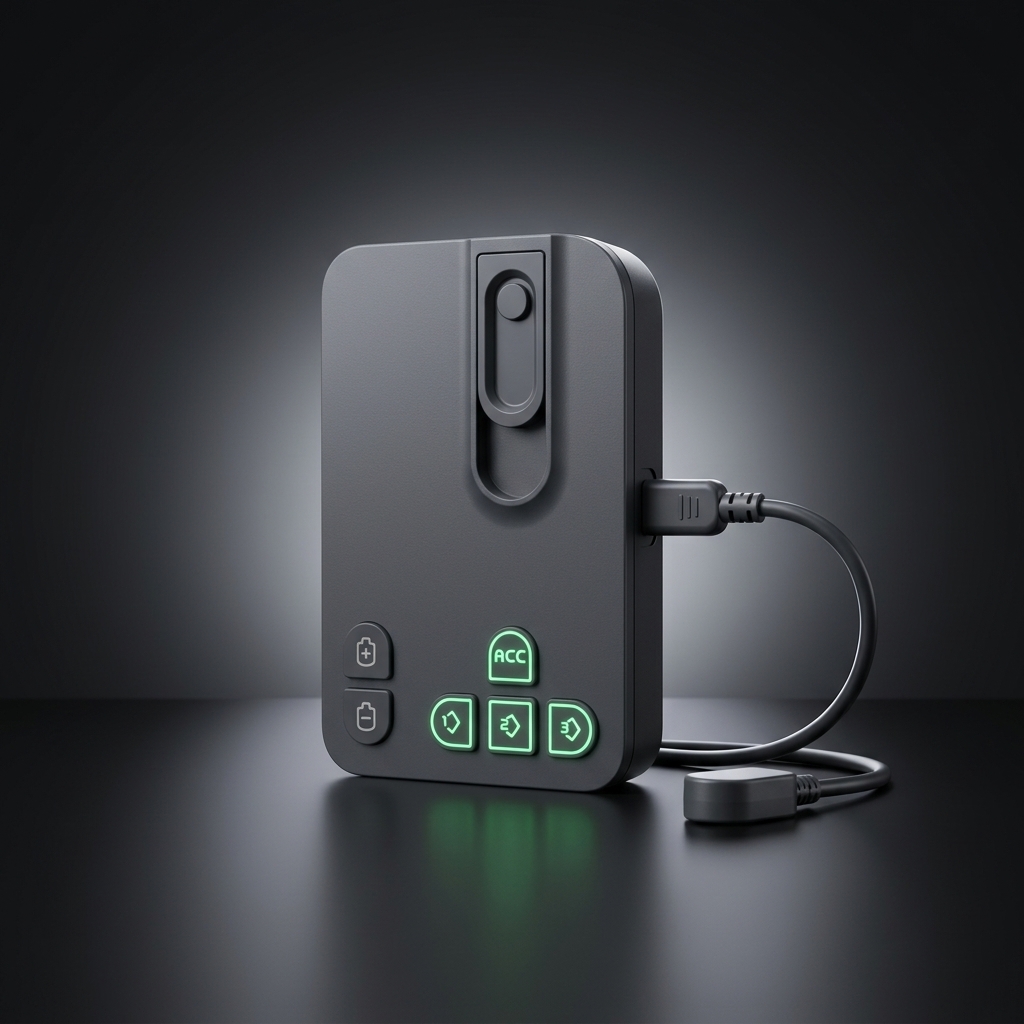
Custom Backlight Silicone Membrane Keyboard Switch (EL/LED)
Compression molded silicone elastomer faceplate combined with electroluminescent or LED backlighting; RoHS compliant materials.
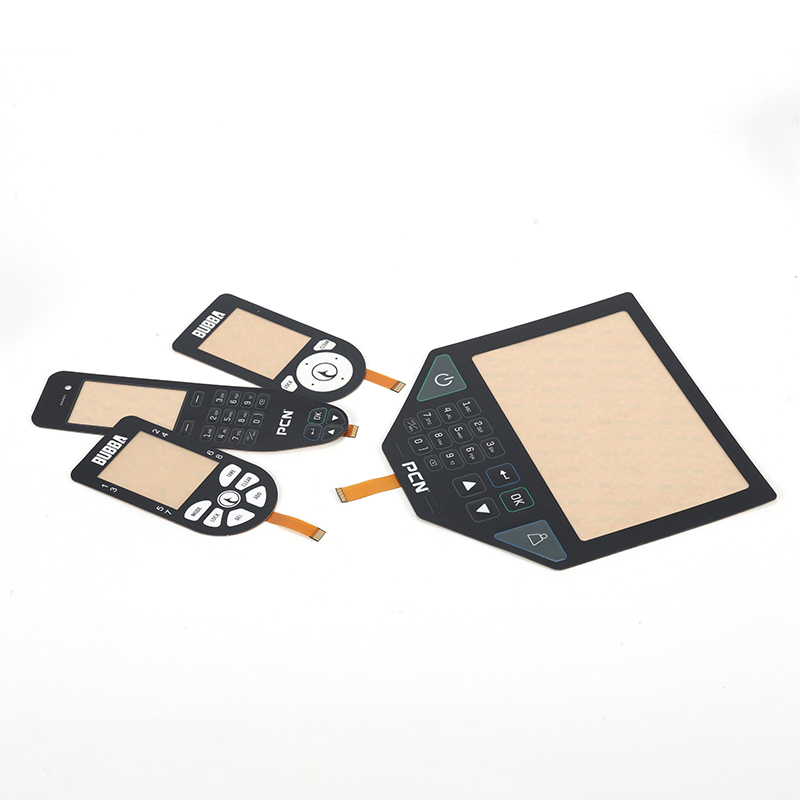
Customized Push Button Switch with FPC Circuit & Shielding
Polyimide Flexible Printed Circuit (FPC) tail featuring 0.5mm/1.0mm pitch, immersion gold contacts, and extreme flexural endurance.
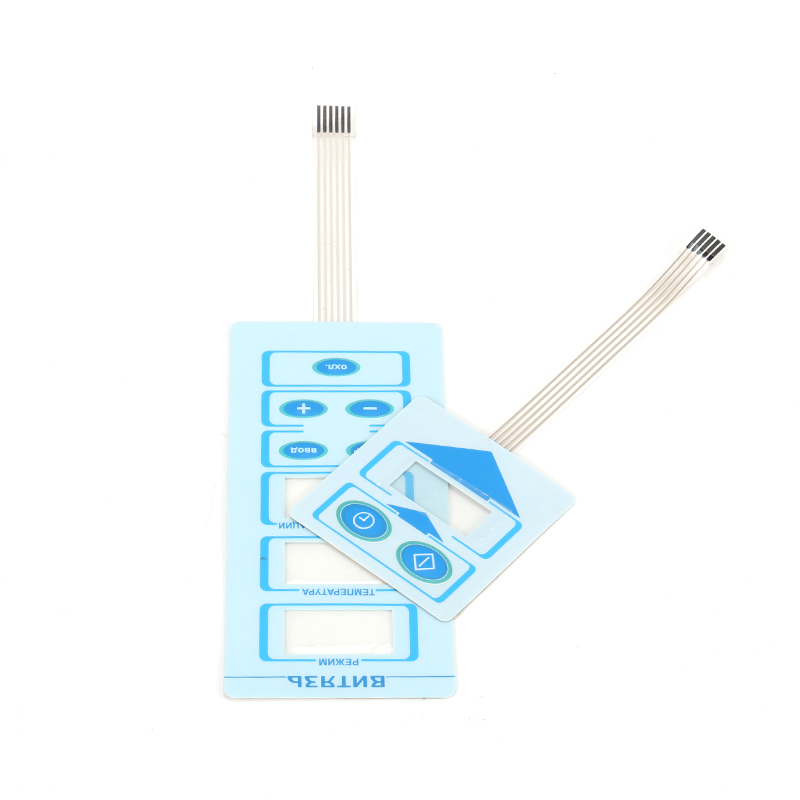
OEM/ODM Industrial Waterproof Membrane Keypad with 3M Adhesive
Rugged tactile feedback engineered for industrial control racks, pumps, agricultural machinery, and harsh maritime monitoring units.
Engineering Resilient Silicone Keypads for Atoll Environmental Stressors
Procuring electronic components for equatorial Pacific territories such as Tuvalu (Funafuti, Vaitupu, Nanumea) demands a radical departure from standard commercial-grade specifications. Operating within an isolated atoll environment creates a convergent storm of mechanical and electrochemical stress vectors: ambient relative humidity routinely exceeding 90%, relentless UV-A and UV-B radiation indices topping 11+, and an aerosolized salt-fog environment rich in corrosive chloride ions (NaCl, MgCl₂).
The Physics of Ingress Failure in Oceanic HMI Interfaces
In standard elastomer keypads, microscopic vapor permeability leads to internal cavity condensation during daily thermal cycling (24°C night to 38°C midday solar loading). This moisture, laden with marine halides, rapidly corrodes exposed copper traces or degrades standard carbon contacts, causing phantom triggering, contact chatter, and open circuits. Zhejiang ZIRA's specialized engineering protocol resolves these vulnerabilities through advanced polymer science and hermetic lamination.
1. High-Consistency Rubber (HCR) Compounding & Shore A Vulcanization
Our custom silicone keypads utilize 100% virgin methyl-vinyl silicone rubber (VMQ) cured via platinum-catalyzed addition systems rather than legacy peroxide agents. This prevents post-cure outgassing, ensuring that no volatile siloxanes condense onto underlying contact pads. Depending on the mechanical response curve required for gloved marine operation versus high-speed telemetry entry, we custom-formulate hardness ranges from 40 to 70 Shore A, with actuation force profiles precisely engineered between 80g and 350g.
2. Conductive Interconnect Reliability: Carbon Pills vs. SC-Nickel vs. Gold Plating
For operations in Tuvalu's marine salt air, conductive pill composition is paramount. Standard carbon pills can suffer from surface salt crusting. ZIRA provides three hardened contact options:
- High-Density Conductive Carbon Pills: Compression-vulcanized directly into the silicone base (<150 Ω contact resistance) with non-migrating conductive carbon black, completely immune to salt corrosion.
- SC-Nickel & Gold-Coated Domes: Placed over nickel/gold-plated PCB or FPC traces, enclosed in an airtight PET spacer pocket to prevent electrolytic oxidation while providing tactile snaps exceeding 50% snap ratio.
- Pill-Less Low Resistance Tracks: Screen-printed with flexible silver-carbon polymeric blends formulated to withstand micro-flexing without microscopic microcracks.
UV & Sunlight Hardening
Formulated with organic hindered amine light stabilizers (HALS) and nano-TiO₂ UV absorbers to prevent discoloration, brittleness, and micro-cracking under intense Pacific solar radiation.
Hermetic Perimeter Sealing
Engineered with perimeter elastomer gaskets and continuous perimeter seals utilizing 3M 300LSE / 200MP acrylic adhesives that bond permanently to powder-coated aluminum and marine-grade polycarbonate enclosures.
Anti-Microbial / Anti-Fungal
Equatorial heat and dampness promote rapid fungal colonization. Our silicone matrices incorporate inorganic zinc pyrithione additives, achieving zero fungal growth per ASTM G21 standards.
Mission-Critical Applications Across Tuvalu's Infrastructure
Tuvalu’s geographic reality—nine low-lying coral atolls across 500 nautical miles—necessitates electronic components that run without failure. From Funafuti's administrative hub to the outer islands of Nanumea, Nukufetau, and Niutao, ZIRA keypads operate across vital public and commercial systems:
Marine Navigation & Fleet Operations
Inter-island transport vessels (such as the MV Nivaga III and MV Manu Folau) along with local artisanal fishing boats face continuous ocean wave battering and direct salt-crust accumulation.
- Bridge navigation consoles, GPS chart plotters, and depth sounders
- Deck-mounted bilge pump switches and engine telegraph panels
- IP68 silicone keypads with laser-etched legends for night voyage bridge illumination
Telecom & Satellite Ground Stations
Tuvalu Telecommunications Corporation (TTC) maintains critical satellite downlinks (Kacific/Starlink backhauls) and outer-island VHF transceiver networks.
- Earth station antenna steering control units and RF amplifiers
- Ruggedized field handsets, dispatch consoles, and microwave link tuners
- ESD-shielded membrane panels guarding sensitive low-noise blocks (LNBs)
Solar Microgrids & TEC Battery Storage
The Tuvalu Electricity Corporation (TEC) deploys solar photovoltaic microgrids with battery energy storage systems (BESS) across the outer atolls to replace diesel dependence.
- Solar hybrid inverter parameter configuration faceplates
- Outdoor charge controller Human-Machine Interfaces with anti-glare windows
- High-temperature tolerant silicone elastomeric keymats (tested up to 85°C continuous)
Desalination Plants & Rainwater Utilities
Freshwater security is Tuvalu’s primary existential requirement. Solar and diesel-powered Reverse Osmosis (RO) plants demand completely sealed interfaces.
- High-pressure RO membrane pump control consoles
- Salinity sensor monitoring and UV sanitization dispatch keypads
- Chemical-proof graphic overlays resistant to sodium hypochlorite washdowns
Meteorological Stations & Tide Monitoring
Tuvalu Meteorological Service automated weather stations (AWS) and coastal sea-level tide gauges monitor storm surges, king tides, and tropical cyclones.
- Autonomous data-logger configuration pads exposed to open ocean spray
- Low quiescent current tactile switch assemblies powered by small solar panels
- Sealed connector tail blocks preventing salt-wicking into internal electronics
Funafuti Port & Air Cargo Logistics
Funafuti Port container handling and Funafuti International Airport (FUN) ground service equipment require heavy-duty operator keypads.
- Container crane remote pendants and cargo hoist controls
- Aviation refueling consoles and airfield lighting control panels
- High-travel ergonomic silicone keymats designed for positive feedback with work gloves
Next-Generation HMI Evolution in Remote Island Territories
Procurement teams in the South Pacific are moving away from legacy electro-mechanical switches toward integrated, non-corroding solid-state and elastomeric composite assemblies. Three macro trends dominate the region:
Hybrid Silicone-over-FPC Architectures
While traditional membrane switches use printed silver circuits on PET film, oceanic moisture can eventually trigger silver dendrite migration under sustained bias voltage. The trend for Tuvalu is migrating toward Polyimide FPC with immersion gold plating underneath molded silicone keymats. This renders electrochemical migration virtually zero, tripling field lifespan.
Solar-Glare Mitigated Display Integration
Equatorial sunlight washes out conventional display panels. Modern procurement mandates integrated graphic overlays featuring anti-glare (AG) and anti-reflective (AR) textured PET hardcoats, optical bonding windows with zero air gap, and integrated Light Guide Film (LGF) LED backlights for seamless day-to-night visibility.
Atoll Circular Economy & Zero-Maintenance HMI
On isolated islands where replacement parts take weeks to arrive via freight vessels, failure is not an option. Hardware designers are adopting hermetically sealed keypads rated for >3,000,000 operations, reducing electronic waste (e-waste) disposal pressures on fragile coral environments.
Comparative Performance in Marine & Equatorial Environments
Compare the four primary interface technologies engineered by ZIRA to match your exact mechanical, environmental, and budget specifications for Pacific deployment:
| Evaluation Parameter | Compression Molded Silicone | PET Membrane Switch | Silicone-over-FPC Hybrid | Capacitive ITO Touch |
|---|---|---|---|---|
| Tactile Response | Long travel (1.0–2.5mm), cushioned, tactile web | Crisp tactile snap via metal dome (0.3–0.6mm) | Ergonomic elastomeric key + metal dome snap | Zero travel (solid state, relies on buzzer/LED) |
| Ingress Protection (Sealing) | IP67 to IP68 (with molded flange) | IP65 to IP67 (perimeter gasket) | IP68 Hermetic (dual barrier) | IP69K (continuous glass front) |
| Salt Fog / Chlorine Resistance | ASTM B117 >1,000 hrs (Inert polymer matrix) | ASTM B117 500 hrs (Requires edge sealing) | ASTM B117 >1,500 hrs (Immersion gold FPC) | Excellent (Front glass surface unaffected) |
| UV & Thermal Degradation | -40°C to +180°C; extreme UV resistance | -20°C to +70°C; UV stabilized PET film | -30°C to +120°C; outstanding stability | -20°C to +70°C; UV resistant glass/OCA |
| Backlighting Integration | Laser-etched legends + LED backlighting | Surface-mount LEDs, EL lamps, LGF film | SMD LED arrays embedded directly on FPC | Edge-lit icons, segmented display backlights |
| Gloved Operation (Marine Deck) | Optimal (Distinct button height) | Moderate (Requires embossed rims) | Optimal (High travel + tactile snap) | Poor (Requires tuned sensitivity) |
| Tooling & Prototyping Lead Time | 12–15 days (Steel compression mold) | 5–7 days (Laser cutting, film positives) | 14–18 days (FPC etching + silicone mold) | 15–20 days (Sensor layout + glass tooling) |
Why International Tier-1 Leaders Partner with ZIRA
Founded in 1996 in Ningbo, Zhejiang, ZIRA has evolved from a precision screen printing workshop into an advanced engineering manufacturer serving global giants such as ABB, Emerson, and critical infrastructure projects worldwide.

Intertek Onsite-Verified
Production capacity, cleanroom environments, QA procedures, and legal standing independently inspected and audited on site.

29+ Years Manufacturing
Continuous operational history since 1996, retaining master mold-makers, polymer chemists, and electrical layout engineers.

Turnkey OEM & ODM Support
From CAD/DXF schematic review and DFM stack-up modeling to rapid CNC tooling, screen exposure, and pilot sampling from 1 pc.

100% In-Line Electrical Test
Automated computer testing of every single circuit for loop resistance, open/short circuits, contact bounce, and 500V DC insulation isolation.
Our 10-Step Controlled Quality Assurance Workflow
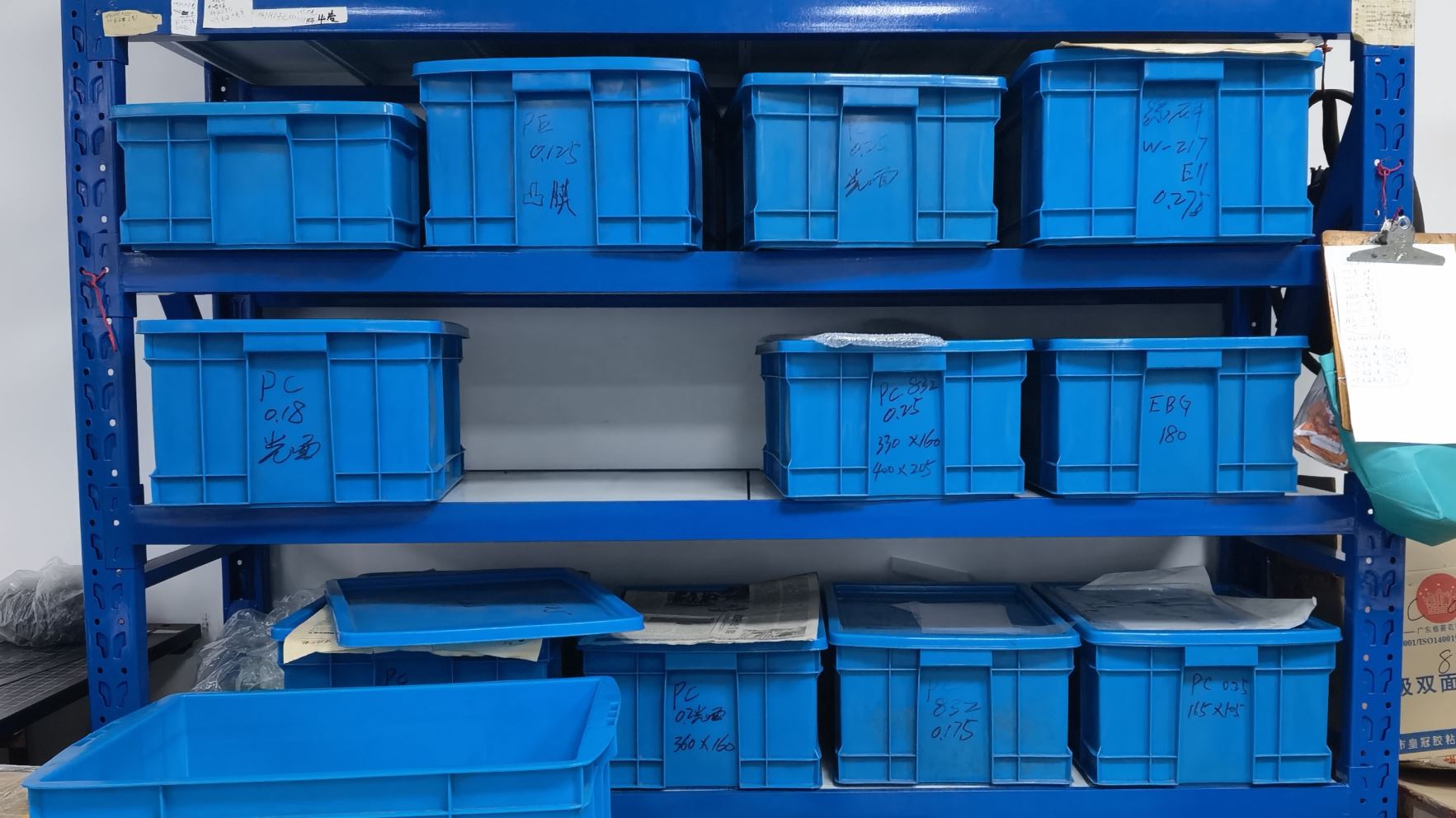
Raw Materials
Spectroscopic verification of incoming silicone gum, PET films, conductive inks, and 3M adhesives.
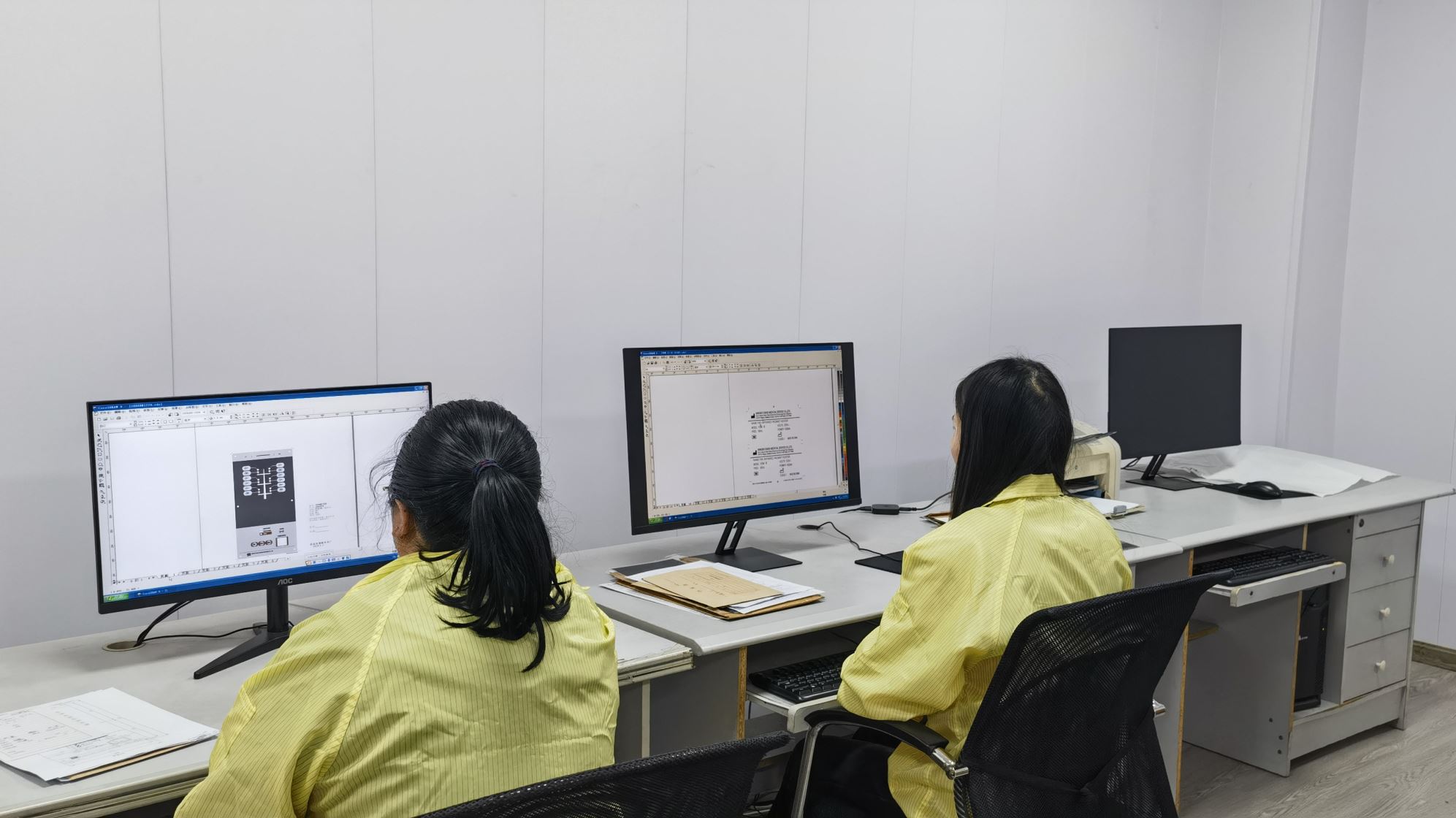
Design & DFM
Circuit trace routing, dome snap ratio modeling, and graphic artwork alignment with the client.
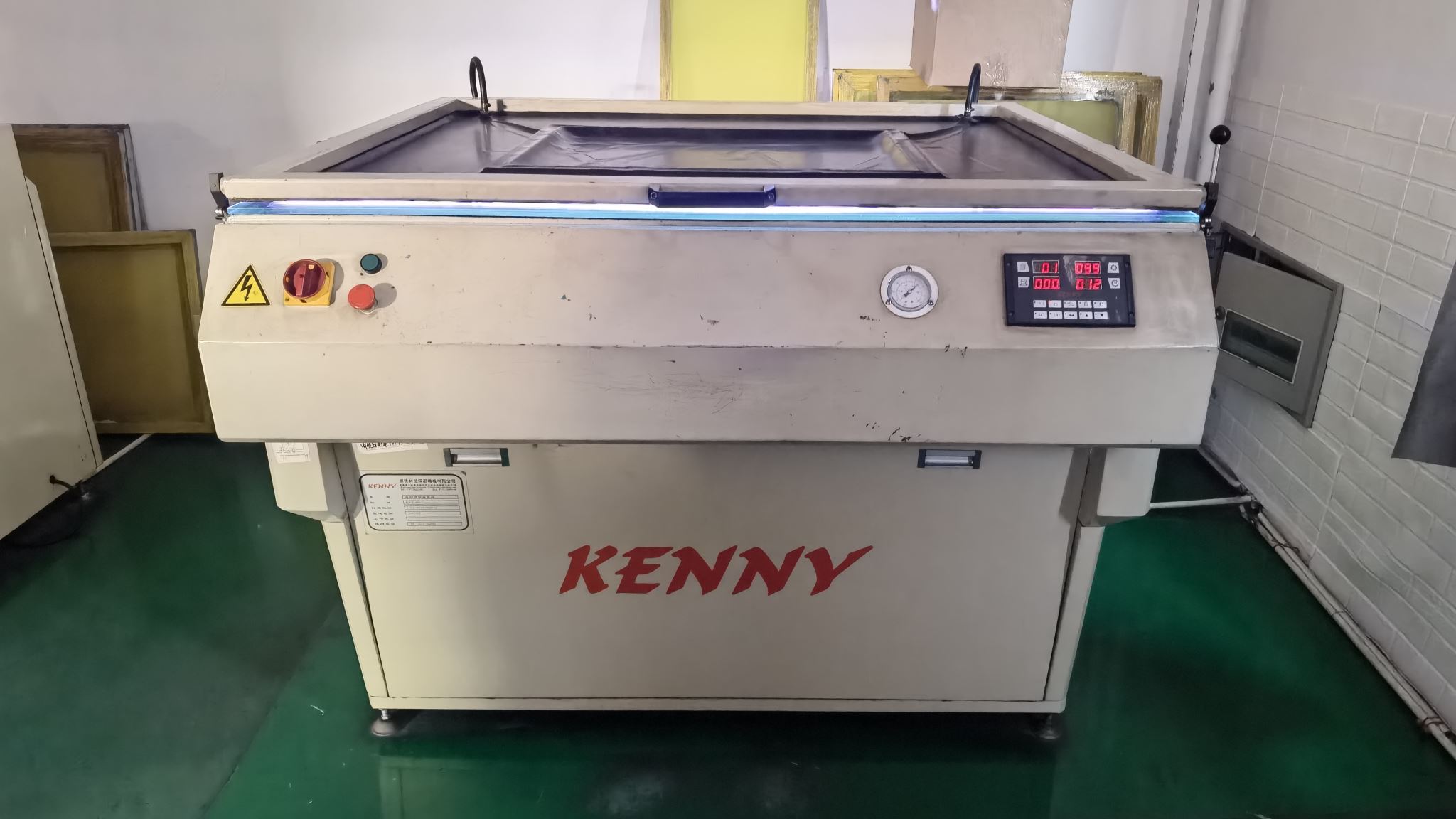
Screen Exposure
High-tension mesh plate-making ensuring micron-level line resolution for conductors and graphics.
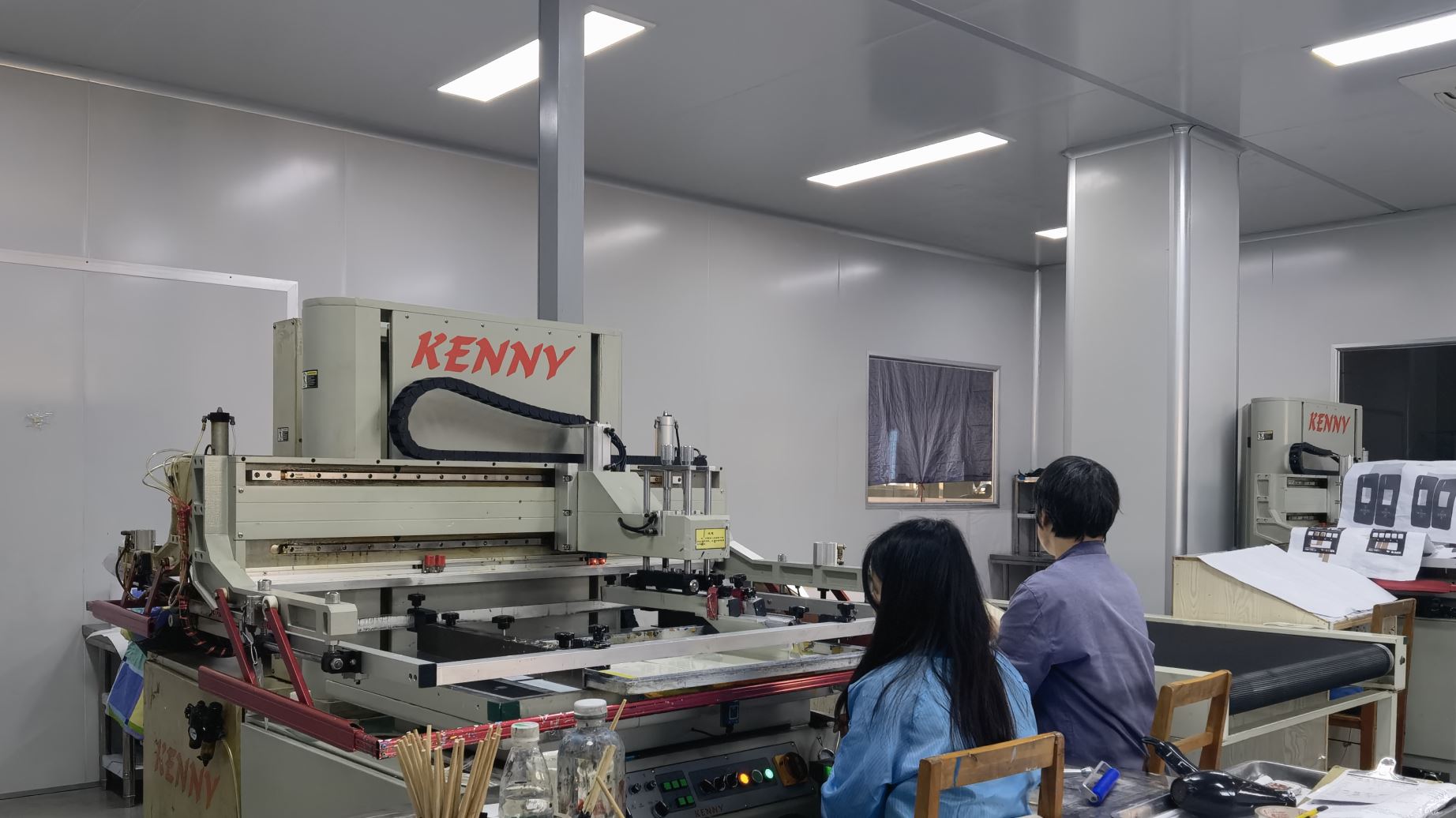
Precision Printing
Semi-automatic cleanroom printing of silver circuits, carbon wear pads, and Pantone/RAL matched colors.
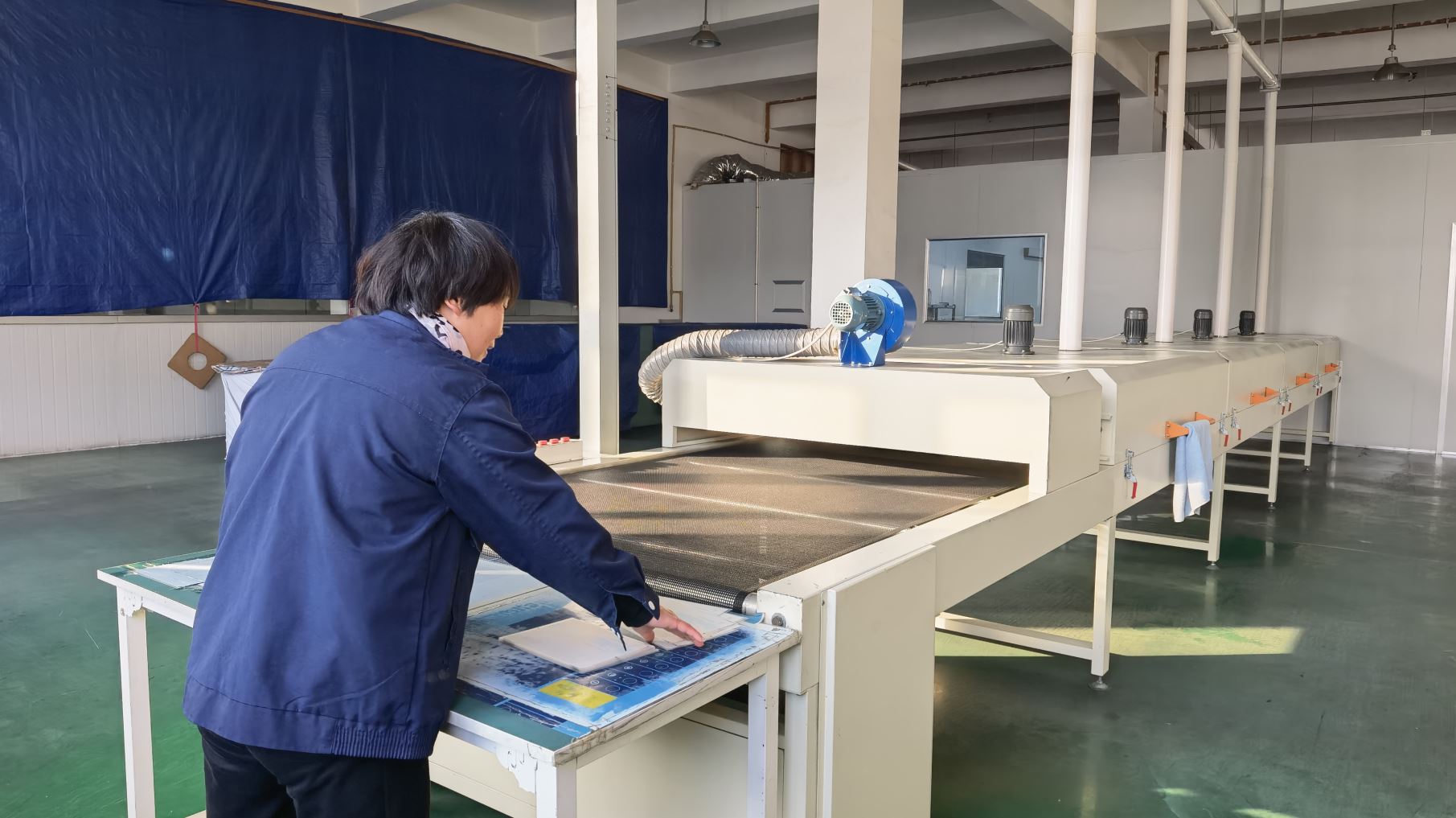
Tunnel Oven Curing
Strictly controlled temperature and dwell time curing to solidify conductive ink matrices.
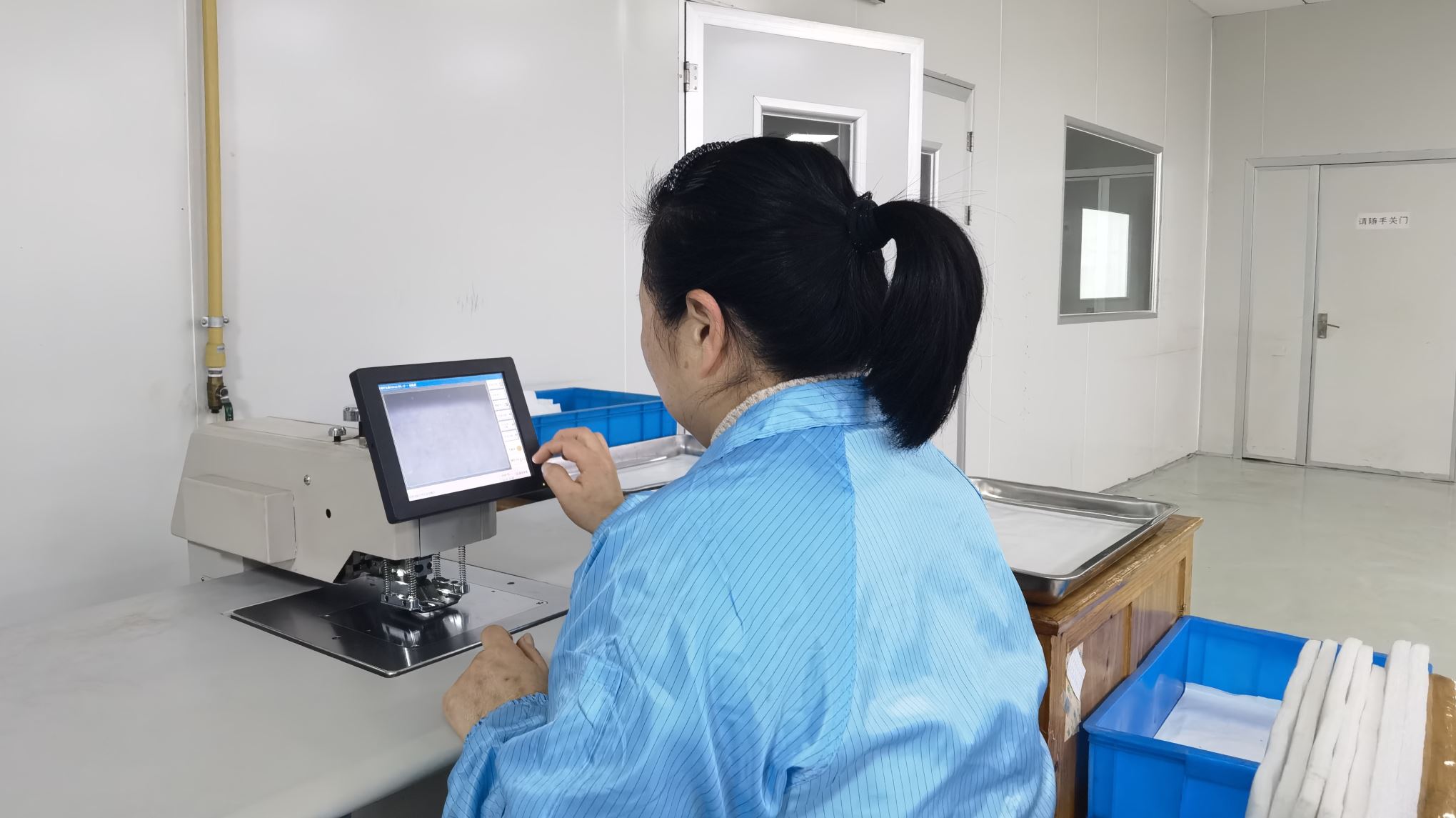
Positioning Holes
Optical CCD punch machines align registration points to prevent layer misregistration during lamination.
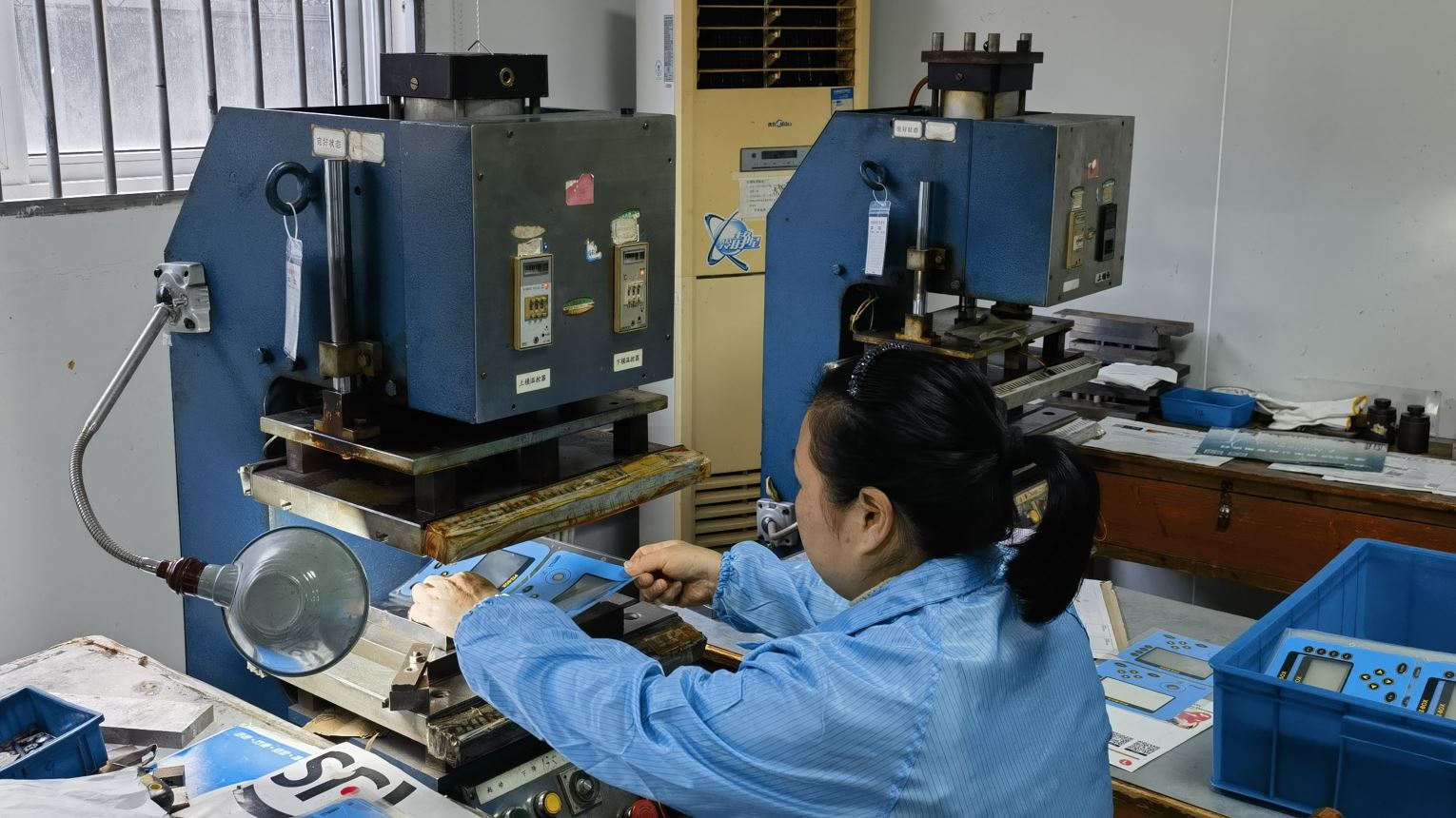
Convex Embossing
Heated hydraulic press tooling forms tactile pillow rims, dome shapes, and LED display windows.
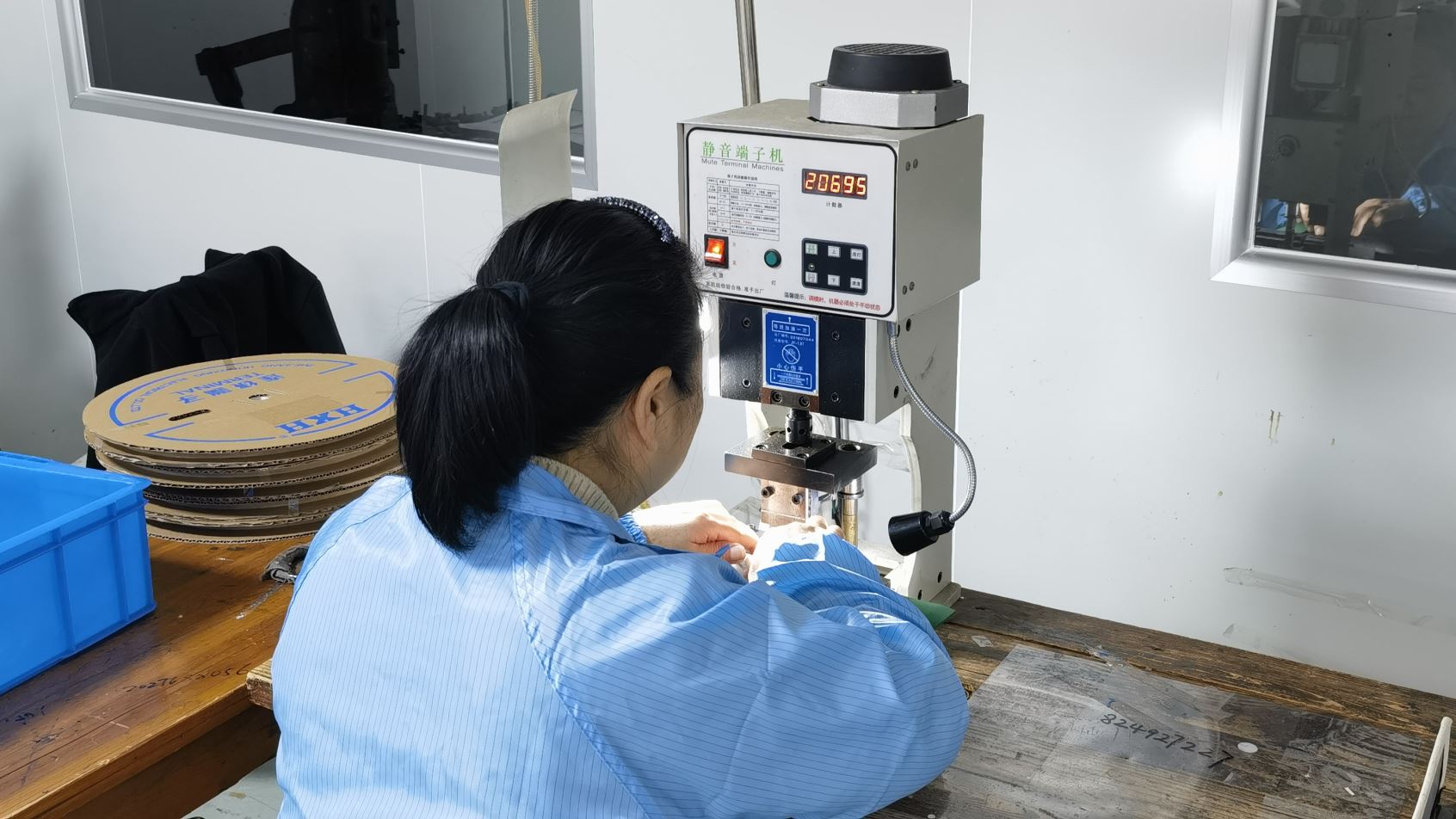
Terminal Crimping
Precision crimping of female Amp/Nicomatic connectors or zero-insertion-force (ZIF) pitch profiling.
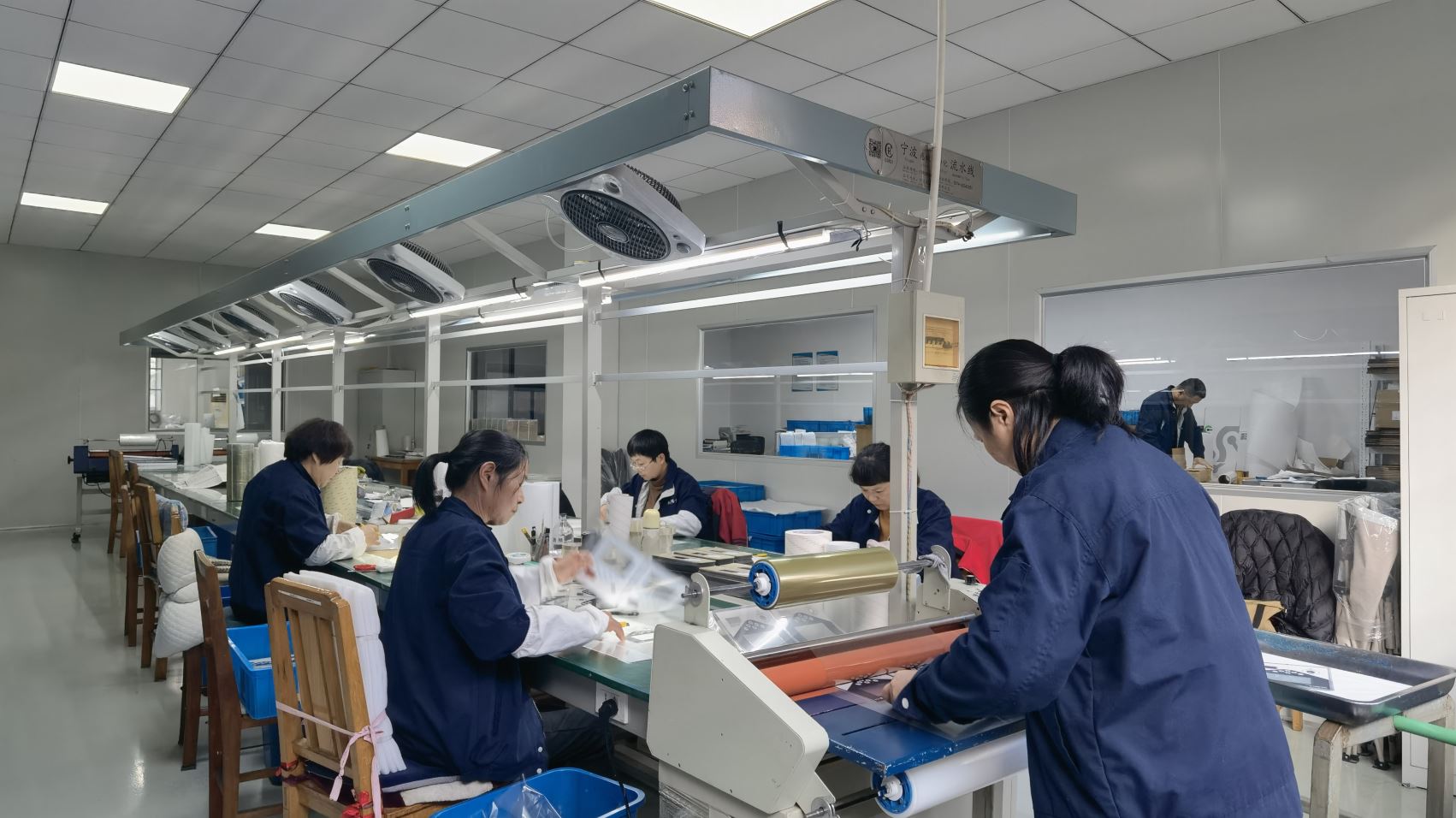
Layer Lamination
Cleanroom assembly sandwiching overlay, metal domes, circuit tails, and waterproof adhesives.
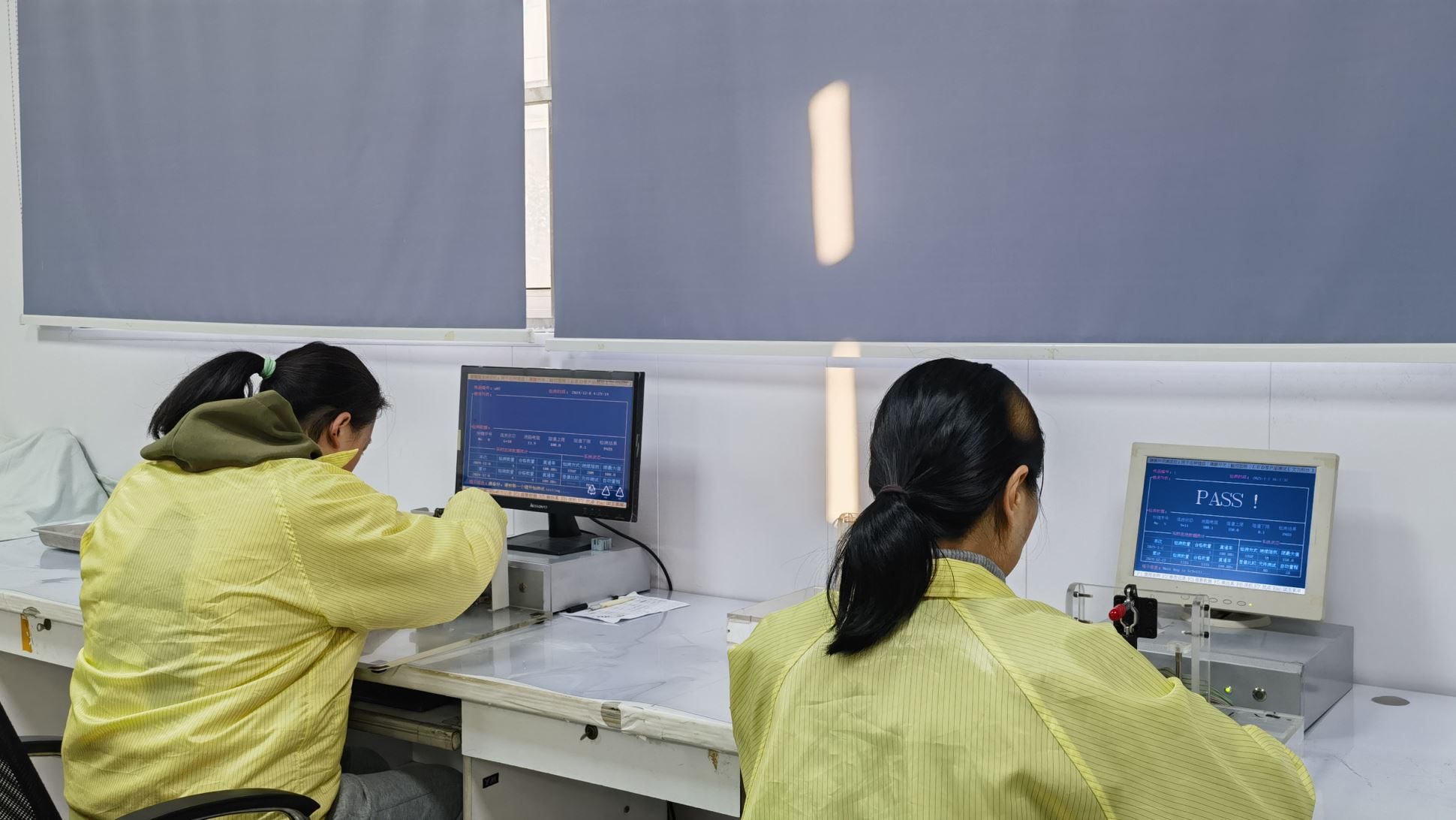
100% Inspection
Automated electrical functional testing, contact resistance measurement, and optical surface checks.
Frequently Asked Questions for Tuvalu Procurement Teams
Addressing the technical, logistics, freight, and quality questions most critical to buyers in Tuvalu and the wider Oceania region:
What are the freight shipping options and transit timelines from Ningbo to Funafuti, Tuvalu?
ZIRA supports multiple air and ocean freight corridors to Funafuti (FUN). For urgent engineering prototypes and critical infrastructure maintenance, we ship via priority express (DHL, FedEx, UPS) transshipped through Fiji (Suva/Nadi) directly into Funafuti International Airport, typically taking 7 to 12 business days. For volume production orders (such as large municipal solar or utility builds), consolidated ocean cargo departs from Ningbo Port or Shanghai to Suva, Fiji, followed by the regular Neptune Pacific Direct Line or Pacific Forum Line feeders into Funafuti Port (approximate transit time of 35 to 45 days). We provide full export documentation (Form A, Certificate of Origin, commercial invoice, packing list, and custom HS code classification) for frictionless clearance with the Tuvalu Customs Revenue and Border Protection Services.
How does ZIRA ensure rubber keypads will not degrade under Tuvalu’s high-salinity air?
Our marine-grade elastomer keypads are compounded with 100% high-purity methyl-vinyl silicone rubber (VMQ) and undergo an extensive secondary post-cure bake (200°C for 4 hours) to eliminate all moisture and cross-linking volatiles. In addition, we utilize vulcanized non-corroding carbon pills or immersion-gold plated switch pads enclosed in sealed air pockets protected by continuous acrylic adhesives (such as 3M 300LSE). Our assemblies comply with ASTM B117 salt spray testing exceeding 500 to 1,000 hours with zero loss of contact conductivity or layer delamination.
What is the Minimum Order Quantity (MOQ) for custom-molded silicone rubber keypads?
Unlike many large factories that reject low-volume requests, ZIRA supports low-volume infrastructure projects. We can provide first-article prototype samples starting from 1 to 10 pieces using single-cavity prototype soft tooling. For standard production runs, our MOQ typically begins at just 100 pieces. For high-volume consumer appliance keypads or utility rollouts, our multi-cavity hardened steel tooling can scale effortlessly to hundreds of thousands of units per month.
Can ZIRA reverse-engineer or replace obsolete keypads for Tuvalu's power plant or ships?
Yes. If you have an obsolete control panel on a maritime vessel, generator, or water facility where the original equipment manufacturer (OEM) no longer exists, you can simply send a non-working physical sample or detailed dimensional photos to our engineering department. Our R&D team will scan the outline, extract the circuit routing logic, match the original graphic overlay colors via spectrophotometer, recreate the CAD tooling files, and deliver fully modern, drop-in replacement units.
What international payment terms and Incoterms are accepted?
We accept telegraphic transfer (T/T), irrevocable Letter of Credit (L/C at sight), D/P, D/A, and Western Union in major currencies including USD, AUD, EUR, and CNY. For trade terms, we operate smoothly under FOB (Ningbo/Shanghai), CIF (Funafuti Port), CFR, CPT, EXW, and DDP (Delivered Duty Paid where express logistics handle all clearance directly to your facility in Funafuti).
How do we prevent key legends and button icons from rubbing off under heavy use?
For silicone rubber keypads, we offer three high-wear solutions: (1) Silicone Wear-Resistant Topcoat (matte or glossy polyurethane/silicone coating cured under heat); (2) Laser-Etched Backlit Keys, where translucent silicone is coated in opaque ink and the legend is vaporized away via laser, keeping the graphics immune to surface rub-off; and (3) Epoxy Resin Doming, which encases each individual key top in a thick crystal-clear layer of liquid polyurethane, delivering permanent scratch, solvent, and chemical immunity.
Ready to Engineer Your Custom Keypad Solution?
Submit your 2D/3D drawings (CAD, DWG, DXF, STP, or AI), electrical pinout schematics, or physical sample specifications. Our senior engineering team in Ningbo will return a complete Design for Manufacturability (DFM) review, material stack-up proposal, and formal quotation within 24 hours.
