China Best Industrial Control Panel Switch Manufacturer & Exporter in San Francisco
Precision HMI Engineering, High-Density Membrane Matrices, Rugged Elastomers, and Direct OEM Sub-Assemblies Built for Mission-Critical Automation and Northern California Advanced Technology Corridors
Export-Grade Architectural HMIs
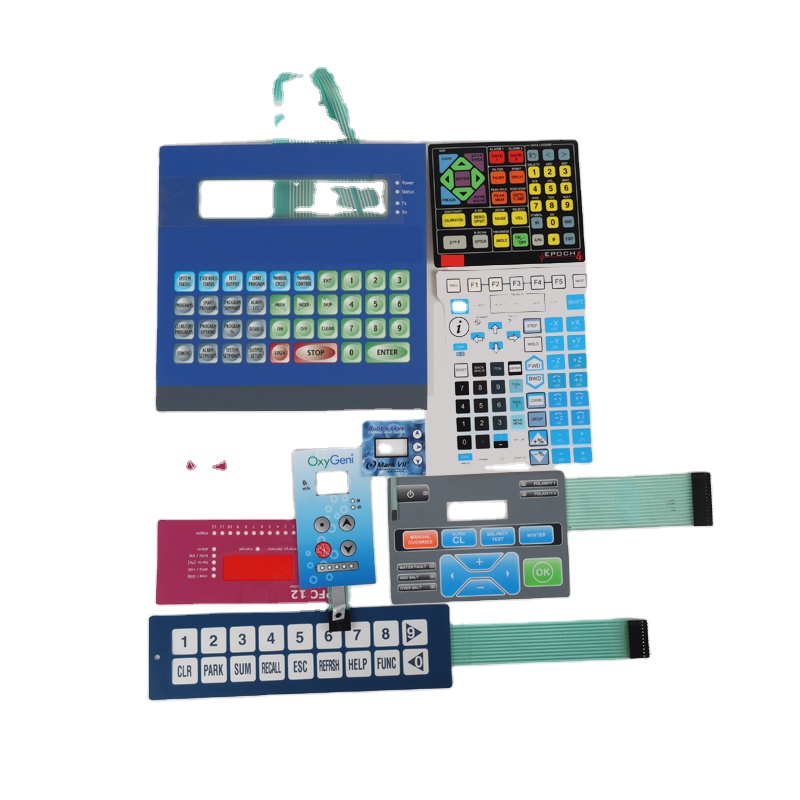
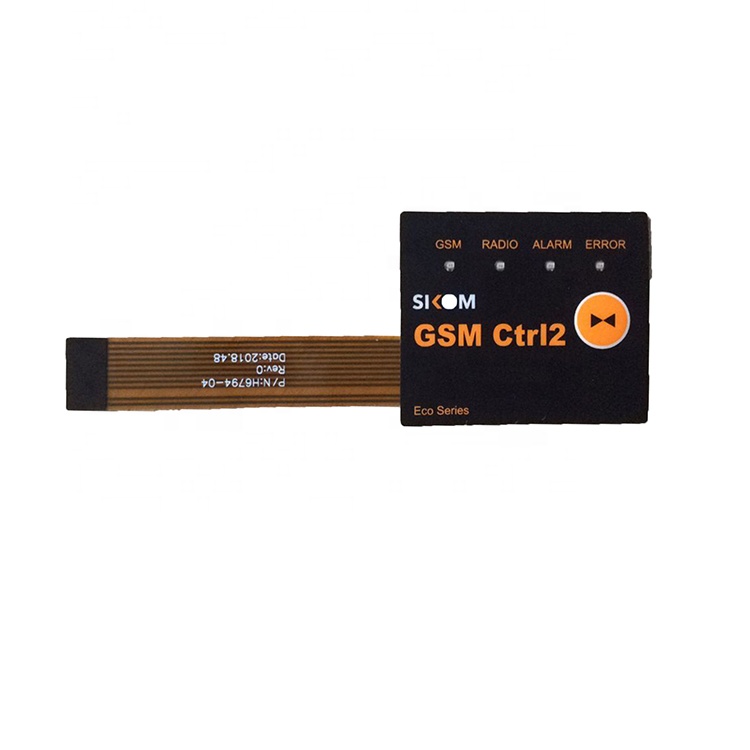
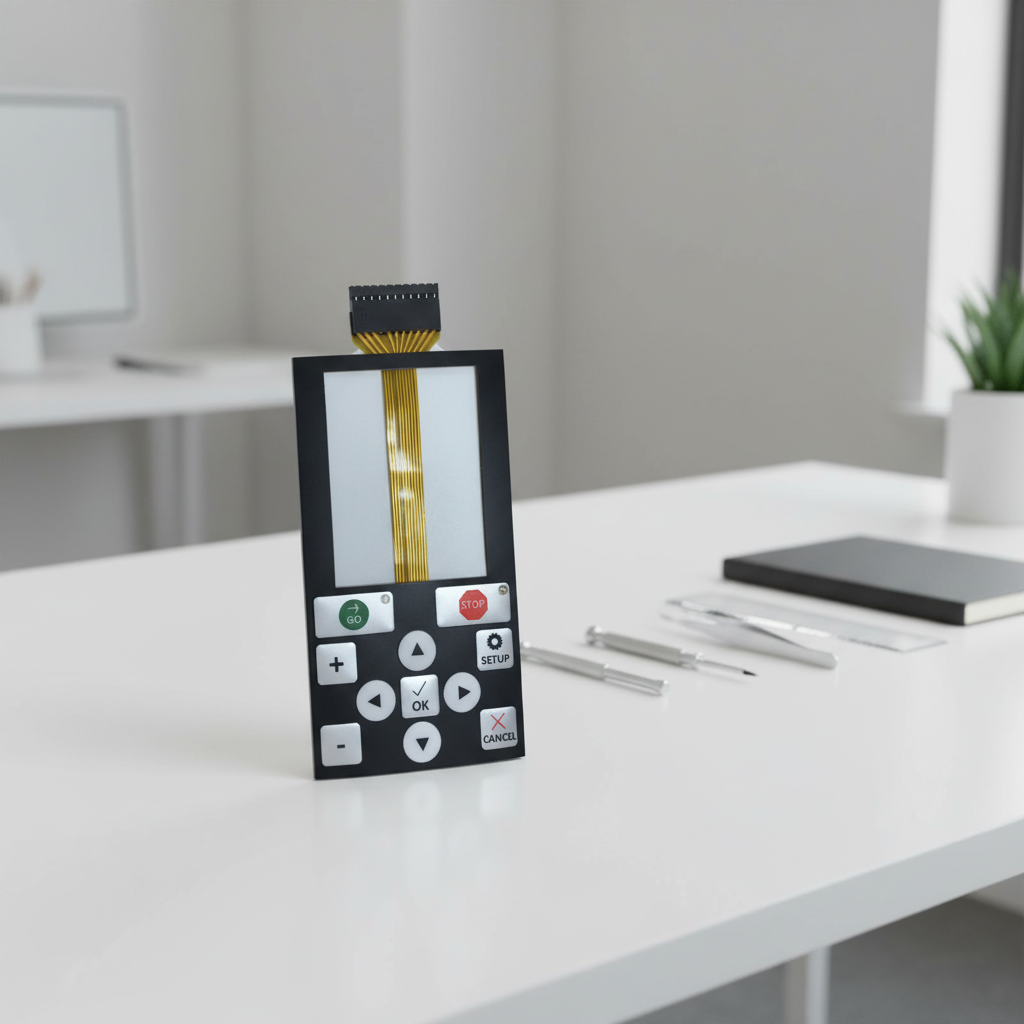
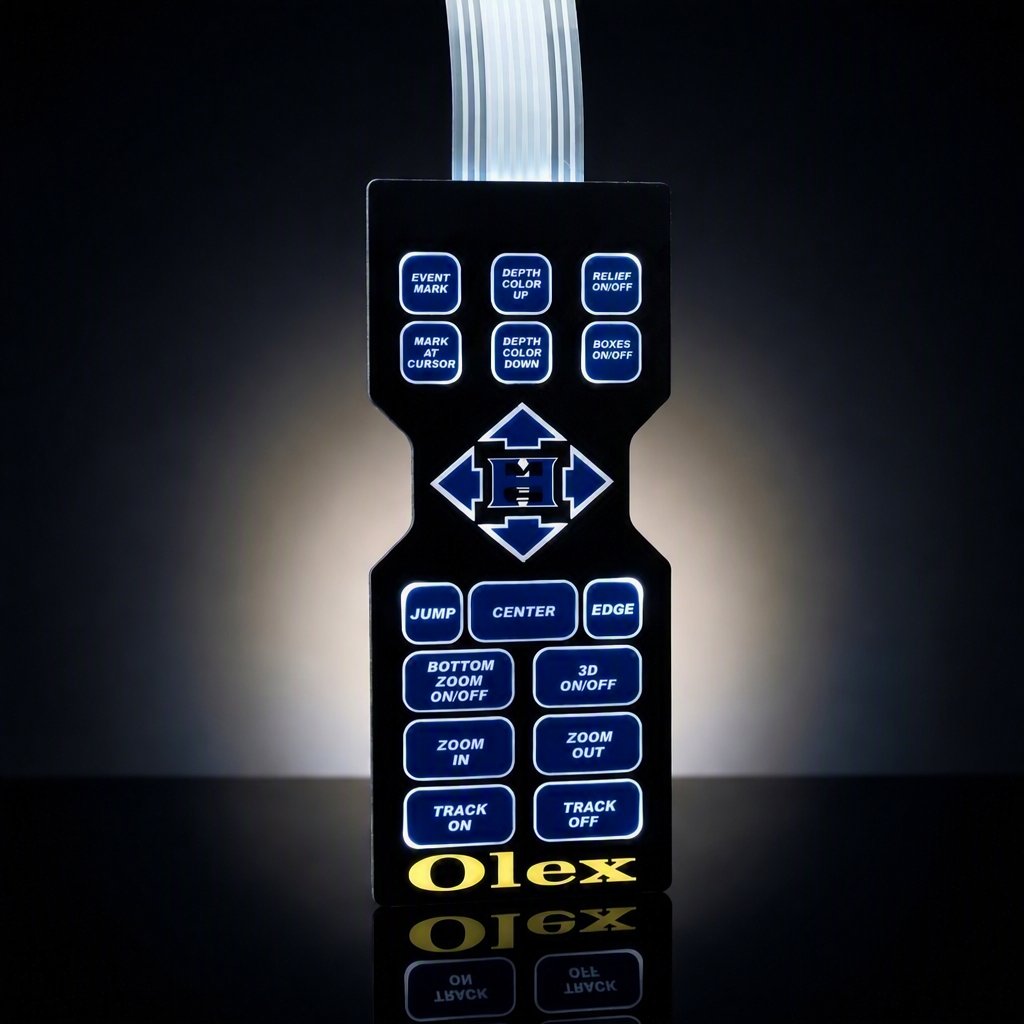
Precision Industrial Control Switches & Custom Keypad Assemblies
Engineered to withstand rigorous operational cycles, mechanical shocks, harsh chemical cleaning agents, and aggressive EMI environments across North American automation and cleanroom facilities.
Direct Volume Export to North America & Western Europe
Engineering Industrial Control Panel Switches for San Francisco & Silicon Valley Ecosystems
As the greater San Francisco Bay Area consolidates its role as the nerve center for robotics commercialization, precision analytical instrumentation, advanced laboratory automation, and semiconductor tooling, the demand for high-reliability Human-Machine Interfaces (HMIs) has transitioned from commoditized off-the-shelf push buttons to bespoke, high-density industrial control panel switch assemblies. System integrators, contract electronics manufacturers (CEMs), and hardware startups headquartered from South San Francisco's biotech centers to Fremont's advanced manufacturing hubs require control interfaces that do not merely register keystrokes, but offer uncompromising signal integrity, chemical impermeability, and strict electromagnetic containment.
Zhejiang ZIRA Membrane Switch Co., Ltd. serves as an end-to-end original design manufacturer (ODM) and precision component exporter, closing the critical loop between high-level architectural hardware prototyping in California and industrial-scale production in Ningbo, China. With 29 years of dedicated manufacturing pedigree, our facilities operate under comprehensive quality management frameworks verified onsite by Intertek. We eliminate the systemic vulnerabilities historically associated with distributed manufacturing: excessive micro-ohmic trace resistance, silver migration induced by coastal ambient humidity, premature mechanical fatigue of metal domes, and adhesive debonding under fluctuating operating temperatures.
Structural Polymer Integrity
Utilizing high-performance Autotype MacDermid bi-axially oriented polyester (PET) that outperforms low-grade polycarbonate under continuous UV radiation and prolonged exposure to isopropyl alcohol (IPA), quaternary ammonium sterilizers, and synthetic cutting fluids.
Low-Ohmic Conductivity
Engineered with polymer thick film (PTF) silver paste backed by pure carbon shielding barriers. This architecture controls contact bounce below 5 milliseconds, ensures loop resistance under 100 Ohms, and halts electrochemical silver bridging across microscopic trace clearances.
Environmental Ingress Sealing
Seamless lamination utilizing 3M 300LSE high-tack acrylic adhesives and custom-machined closed-cell silicone foam perimeter gaskets, achieving true IP65, IP67, and NEMA 4X front-face barrier sealing against particulate jet washdowns and pressurized steam.
Localized Application Scenarios in Northern California’s Core Industrial Sectors
San Francisco, Silicon Valley, and the broader Northern California industrial corridor represent a unique operating environment. Equipment deployed here operates across pristine biological cleanrooms, heavy automated electric vehicle assembly lines, microelectronics wafer processing suites, and outdoor agricultural packing hubs in neighboring valleys. Our industrial control panel switches are configured specifically to address these stringent operational parameters:
Biotech & Medical Robotics
Installed in South San Francisco genome sequencing suites, automated centrifuges, and surgical robotic consoles. Demands antimicrobial graphic overlays, dead-front status displays, non-porous flat panel hygiene, and tactile snap ratios that penetrate through two layers of sterile nitrile surgical gloves without false triggers.
Semiconductor Fab HMIs
Deployed throughout Santa Clara and San Jose wafer handling tools, chemical vapor deposition (CVD) enclosures, and etching systems. Requires static dissipation (ESD protection > 15kV), Class 94V-0 flame retardancy, low outgassing adhesives, and sub-surface graphic printing that shields against harsh solvent mists.
Automated Sorting & Autonomous Systems
Equipped across East Bay autonomous mobile robots (AMRs), automated storage and retrieval systems (ASRS), and package routing hubs. Built with rugged silicone elastomeric keymats over PCB backplanes, capable of resisting persistent 3G vibration vectors and millions of repeated impacts.
Bay Area Marine & Transit Systems
Integrated within San Francisco municipal rail controls, maritime telematics at the Port of Oakland, and commercial EV charging stations. Designed to endure dense salt-fog atmospheric corrosion, thermal shock (-40°C to +85°C), and continuous solar UV exposure without overlay yellowing.
Architectural Analysis: Membrane Switches vs. Silicone Elastomers vs. Capacitive ITO
System designers balancing bill-of-materials (BOM) constraints with performance lifecycles must rigorously evaluate HMI architectures. The matrix below synthesizes 29 years of physical testing data and field performance metrics across our primary industrial product categories:
Evaluation Parameter
Silver Flex Membrane Switch
Rigid PCB / Metal Dome Hybrid
Silicone Keymat + Carbon Pill
Capacitive ITO Touch Panel
Mechanical Actuation Life
1,000,000 to 3,000,000 cycles
> 5,000,000 cycles
2,000,000 to 5,000,000 cycles
Solid-state (Virtually infinite)
Tactile & Ergonomic Profile
Flat or embossed (0.3 - 0.5mm)
Crisp metal snap (0.4 - 0.8mm)
Deep tactile travel (1.0 - 2.5mm)
Zero travel (Requires haptic motor)
Loop Trace Resistance
10 - 100 Ω (Circuit length dependent)
< 1 Ω (Direct copper routing)
< 150 Ω (Conductive carbon pill)
100 - 500 Ω (ITO sheet resistance)
Ingress & Chemical Resistance
IP67 with perimeter gasket seal
IP65 to IP67 sealed assembly
IP68 continuous fluid barrier
IP69K flat glass/acrylic barrier
Illumination Modality
Discrete SMT LEDs / Thin LGF Film
High-density SMT & LED matrices
Laser-etched backlight windows
Uniform perimeter halo / LED backlight
Tooling & Prototyping Overhead
Extremely low; Rapid laser tooling
Moderate (PCB fabrication + dies)
Higher initial tooling (Compression mold)
Moderate to high (Sensor layout)
Typical Deployment Field
Medical instruments, CNC machinery
High-vibration robotics, avionics
Handheld terminals, rugged controllers
Sanitary cleanrooms, smart appliances
Emerging Regional HMI Trends Across the San Francisco Technology Sector
Procurement directors and senior reliability engineers operating within the Bay Area are revising their technical specifications to align with macro trends in product miniaturization, edge computing integration, and international regulatory harmonizations:
Convergence of Hybrid Capacitive and Tactile Arrays: Modern medical and laboratory hardware developed in Silicon Valley is eschewing purely touchscreen-based interfaces. Designers are embracing hybrid front panels where capacitive slider/touch matrices are integrated adjacent to physically isolated tactile membrane push buttons. This prevents unintended operation during fluid spills while retaining high-precision multi-parameter selection.
Shift Toward Copper FPC Substrates for Dense Micro-Pinouts: As internal device space shrinks, the traditional 2.54mm pitch silver-printed tail is increasingly replaced by 0.5mm to 1.0mm pitch Flexible Printed Circuit (FPC) tails. Our automated SMT lines allow surface-mounting of micro-diodes, resistors, driver ICs, and ultra-compact ZIF connectors directly onto the flexible circuit backer, drastically simplifying the motherboard interface.
Mandatory Cleanability & Aggressive Biocidal Compatibility: Driven by revised FDA and industrial hygiene standards, interfaces must survive thousands of wipe-down cycles with hospital-grade surface disinfectants (such as sodium hypochlorite, isopropyl alcohol, and hydrogen peroxide vapor). ZIRA utilizes chemically stabilized Autotype textured polyester films with micro-porous surface coatings that resist plasticizer degradation, hazing, and delamination.
Tight Supply Chain Decoupling and Engineering Prototyping: Silicon Valley product cycles demand rapid iterations. Hardware firms can no longer endure 12-week prototyping cycles. By maintaining an in-house rapid laser-cutting, digital printing, and sample assembly department, ZIRA supplies production-grade, electrically functional HMI switch prototypes to San Francisco engineers within 5 to 7 business days via air freight.
Zero-Defect Quality Gates
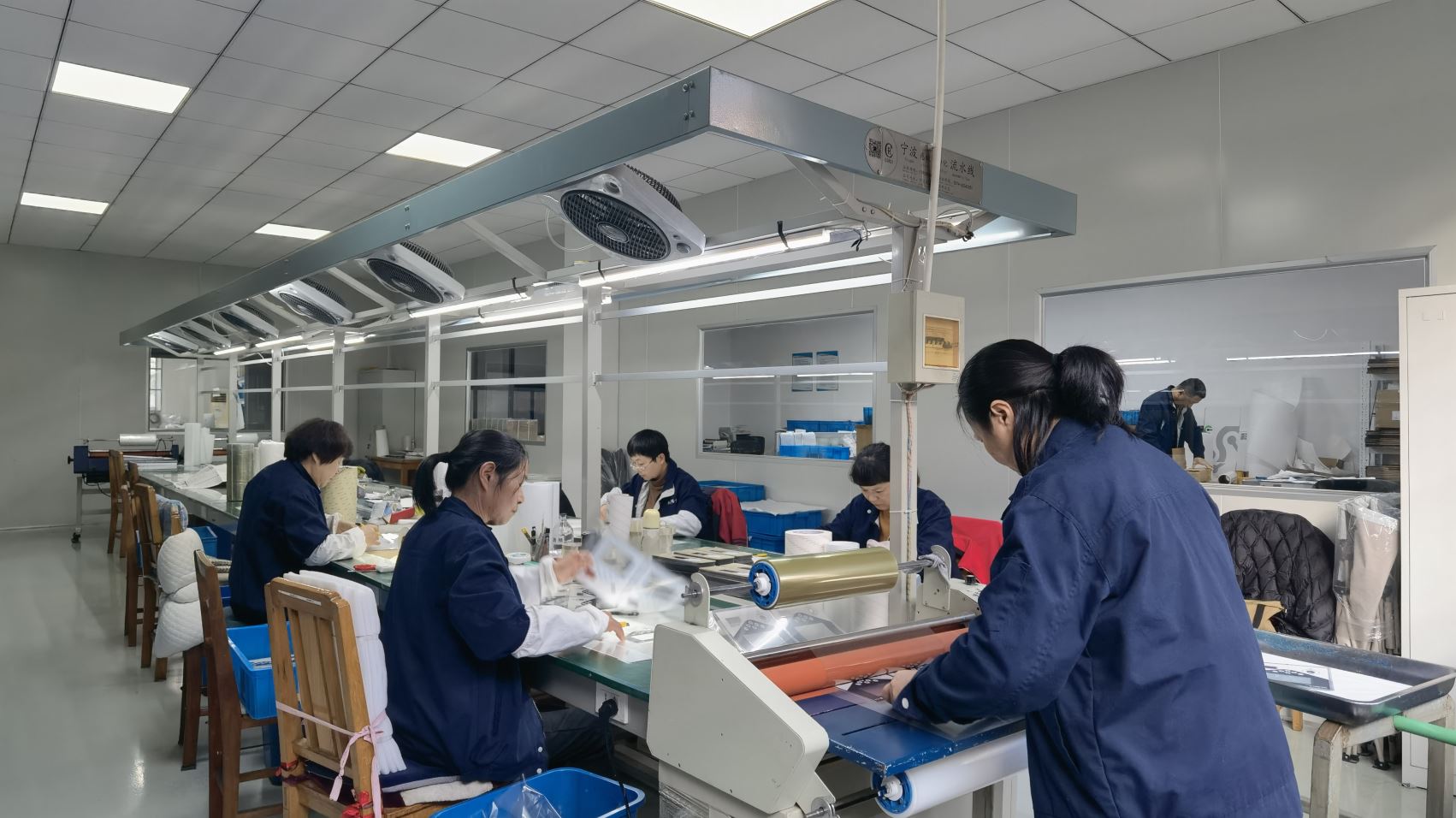
10-Step Controlled Manufacturing Workflow from Raw Film to Verified HMI
Every industrial switch that leaves our Ningbo manufacturing center adheres to a deterministic, serialized process control sequence audited and certified by Intertek.
Stage 01
Raw Material Audit
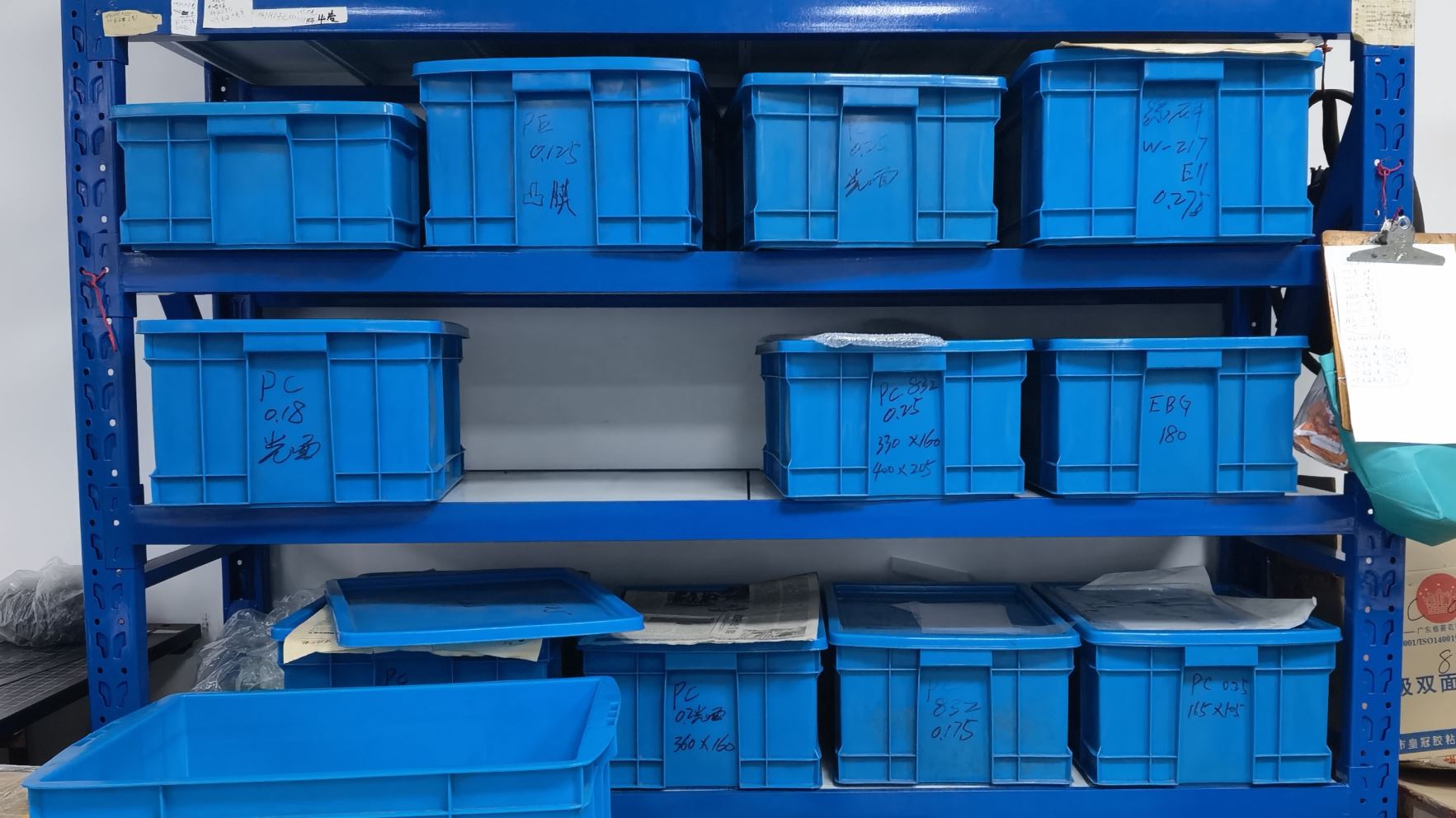
Spectroscopic verification of PET/PC sheets, 3M adhesive lots, and silver ink paste purity.
Stage 02
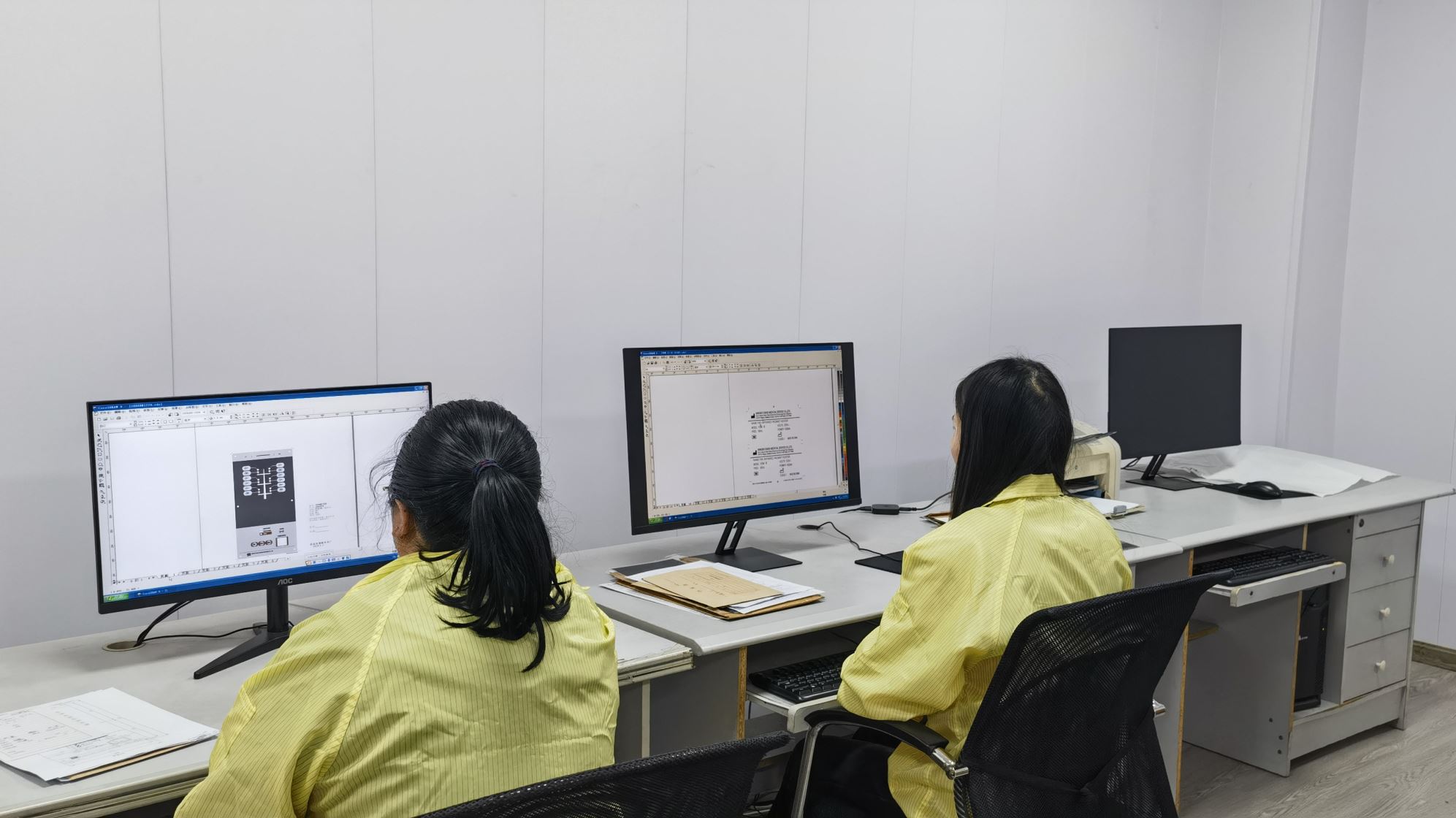
DFM & Artwork CAD
Rigorous trace routing, trace clearance validation, and dome tactile force optimization.
Stage 03
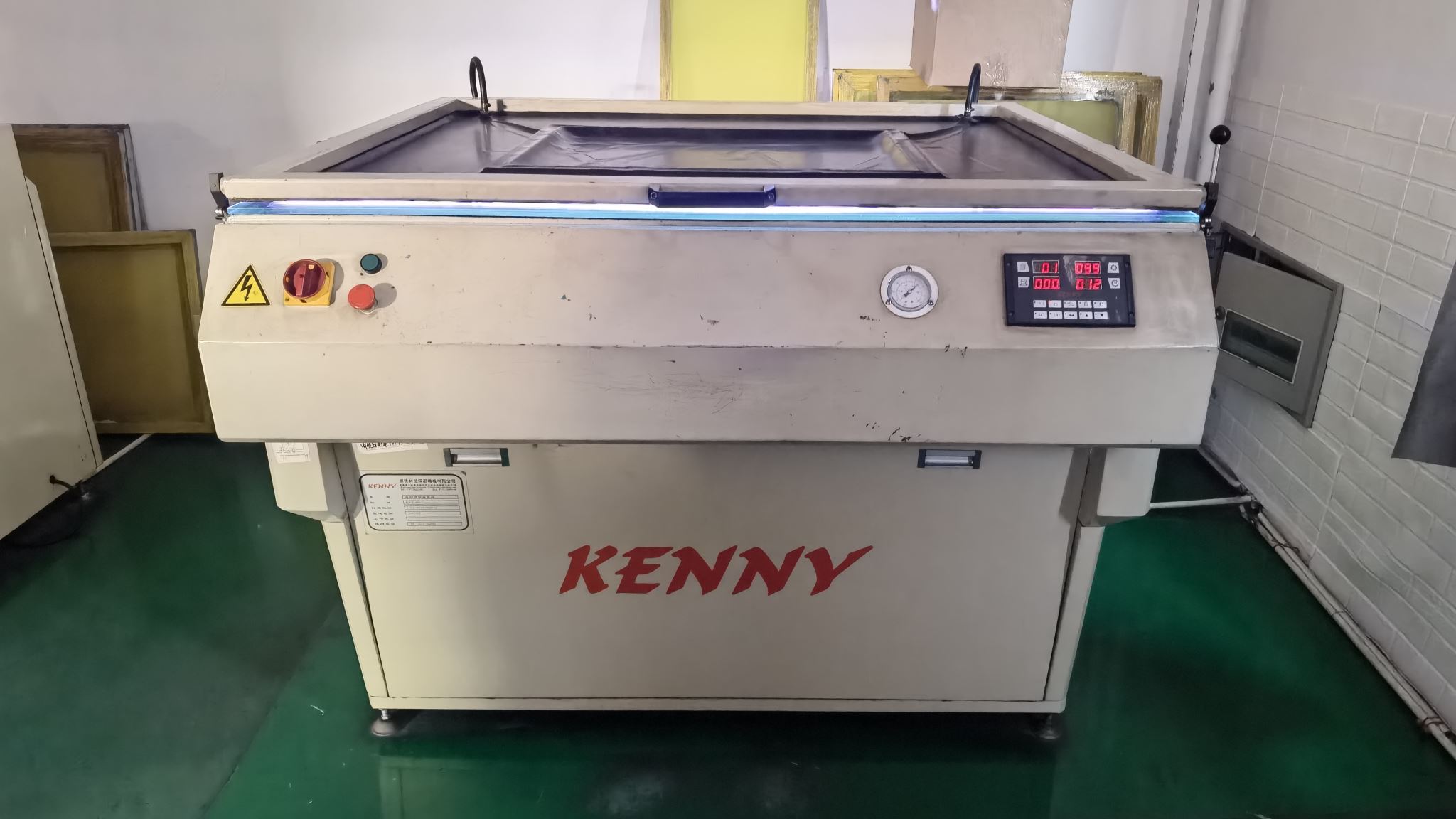
Screen Exposure
High-tension steel and polyester mesh imaging ensuring line definitions down to 0.15mm.
Stage 04
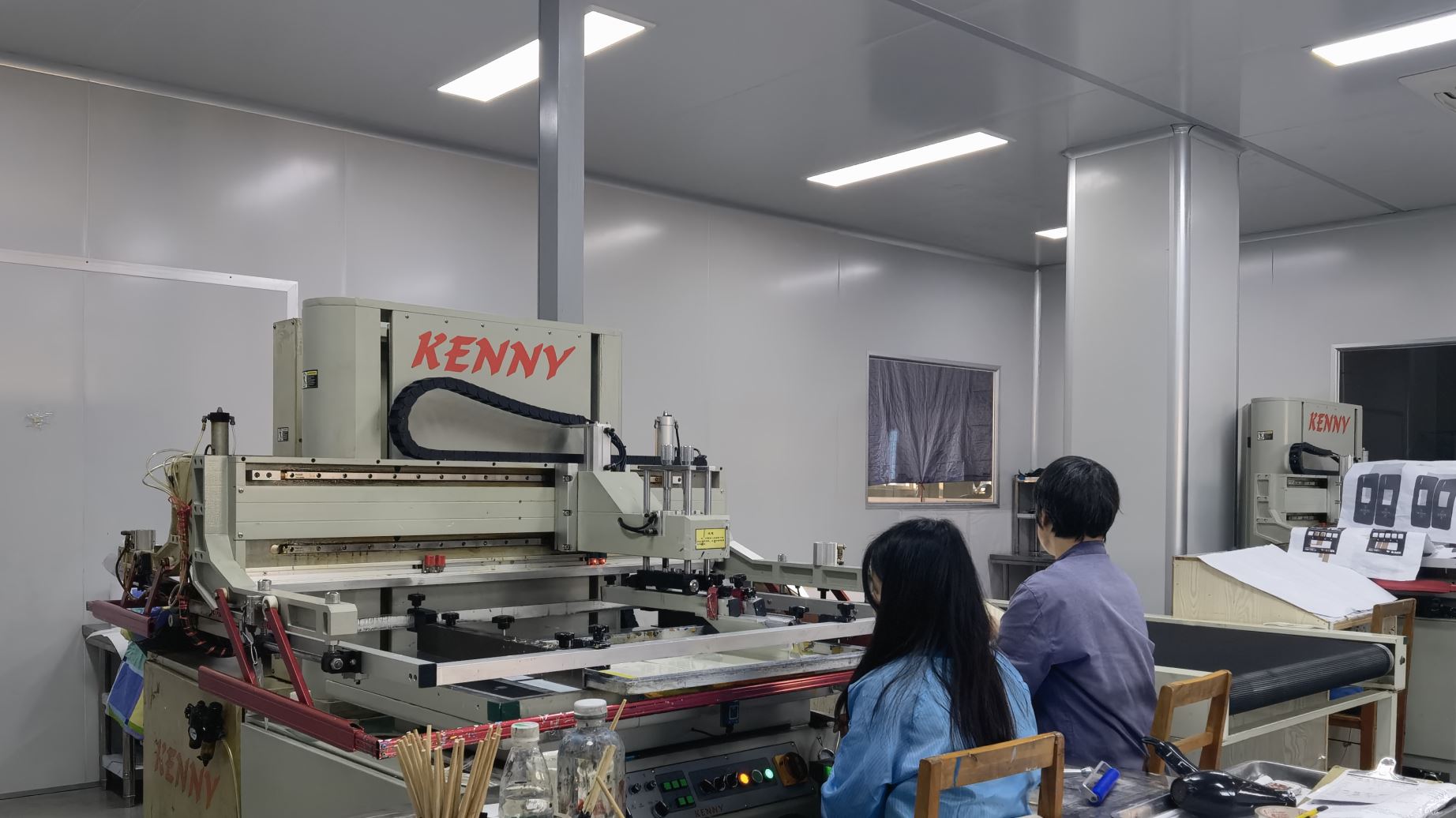
Precision Screen Print
Optical-aligned deposition of graphic layers, dielectric masks, and silver conductive traces.
Stage 05
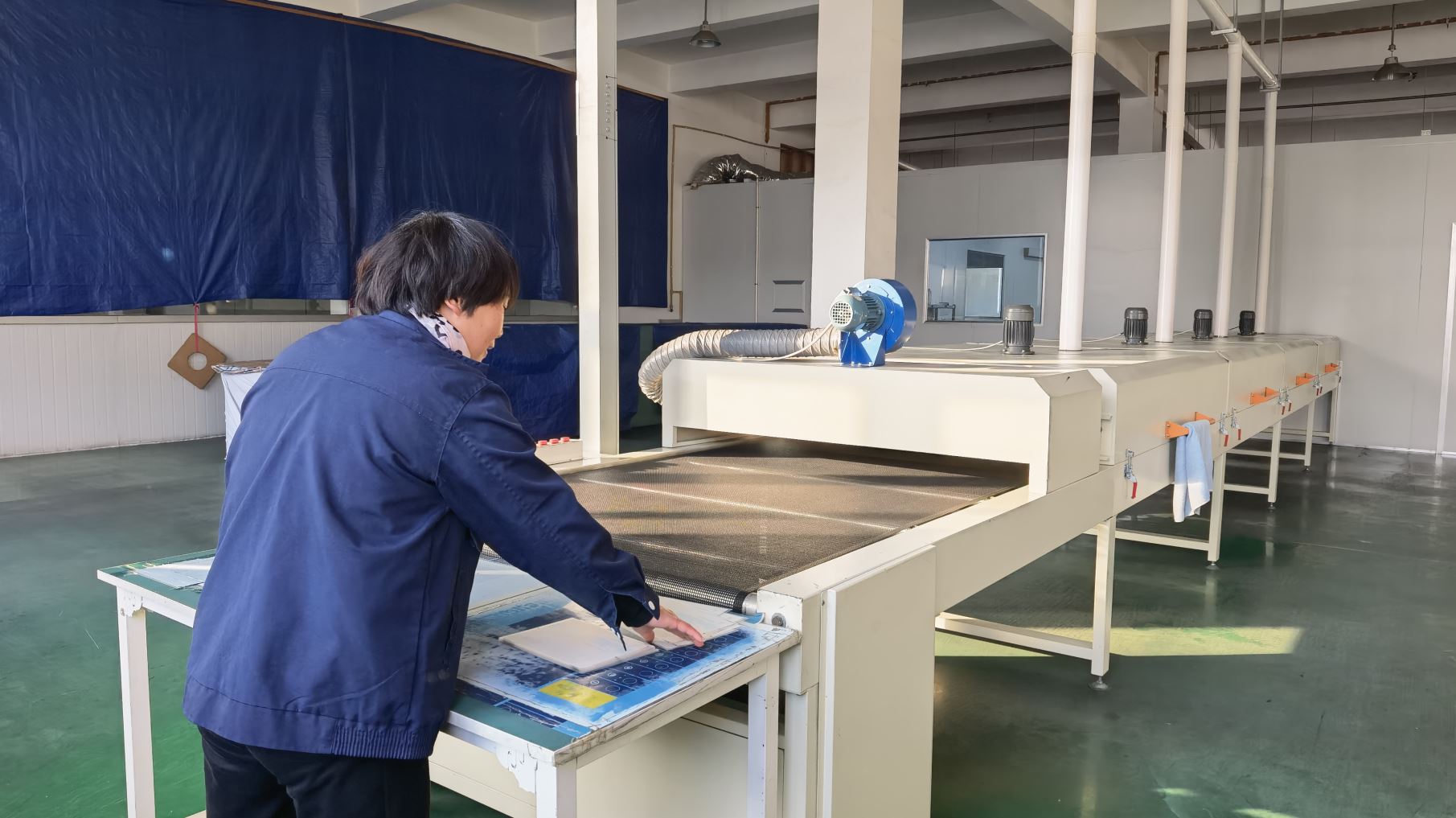
Tunnel Oven Curing
Temperature-ramped IR sintering maximizing polymer cross-linking and eliminating micro-cracking.
Stage 06
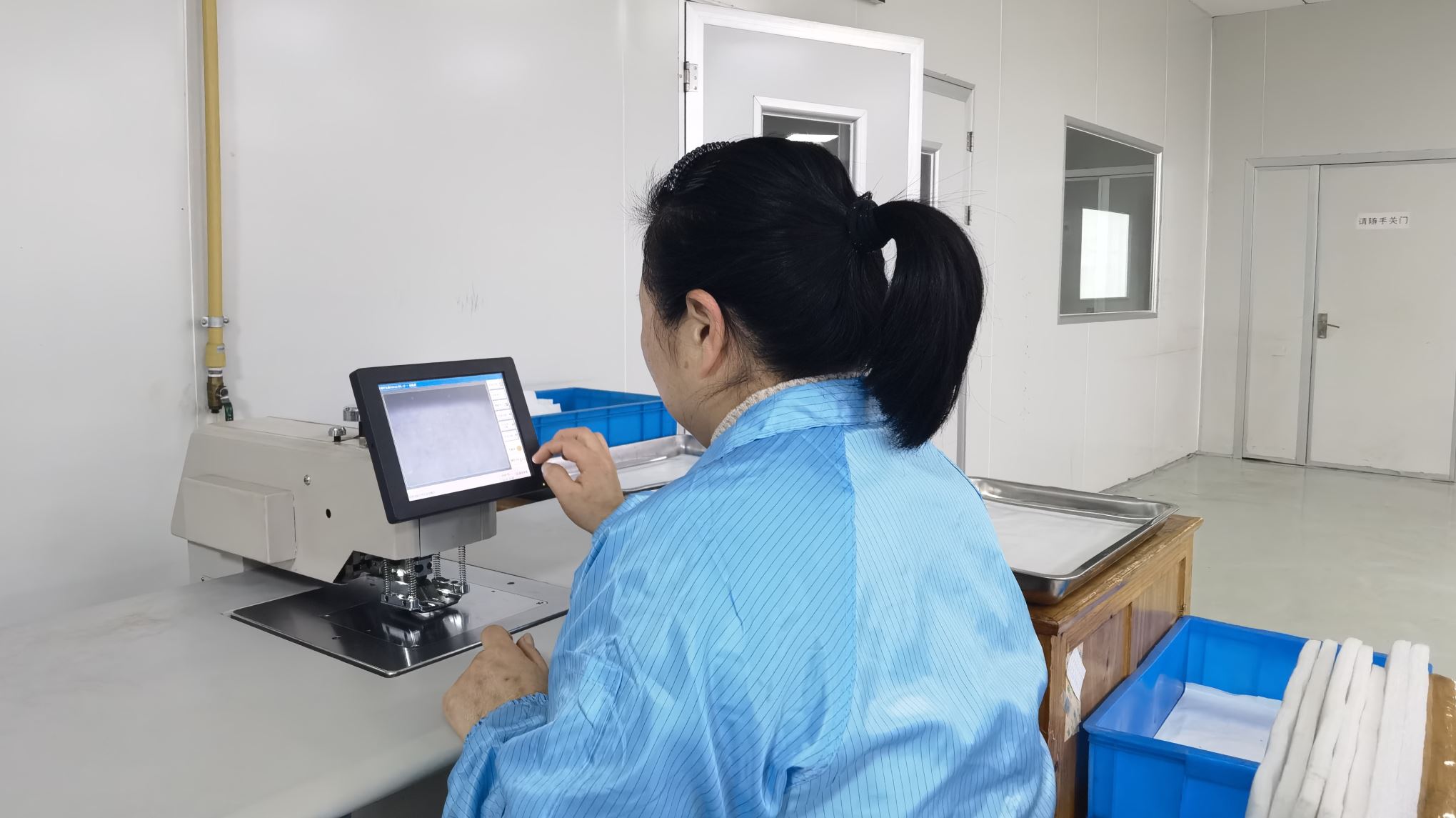
Optical Registration
CCD automated pin-punching securing multi-layer overlay-to-circuit alignment tolerance within ±0.05mm.
Stage 07
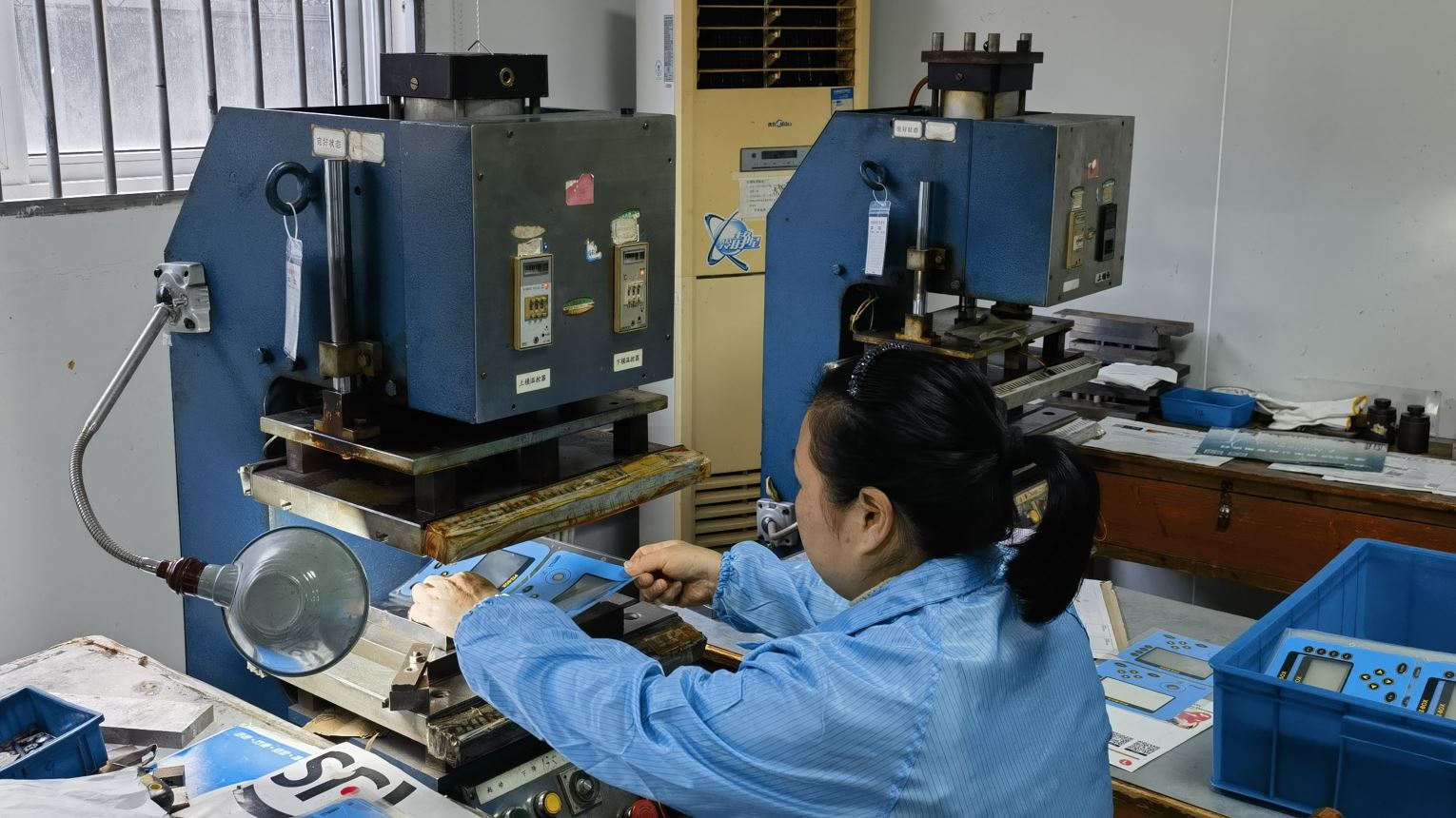
Hydraulic Embossing
Precision-milled matched CNC male/female dies shaping sharp tactile rims and uniform key domes.
Stage 08
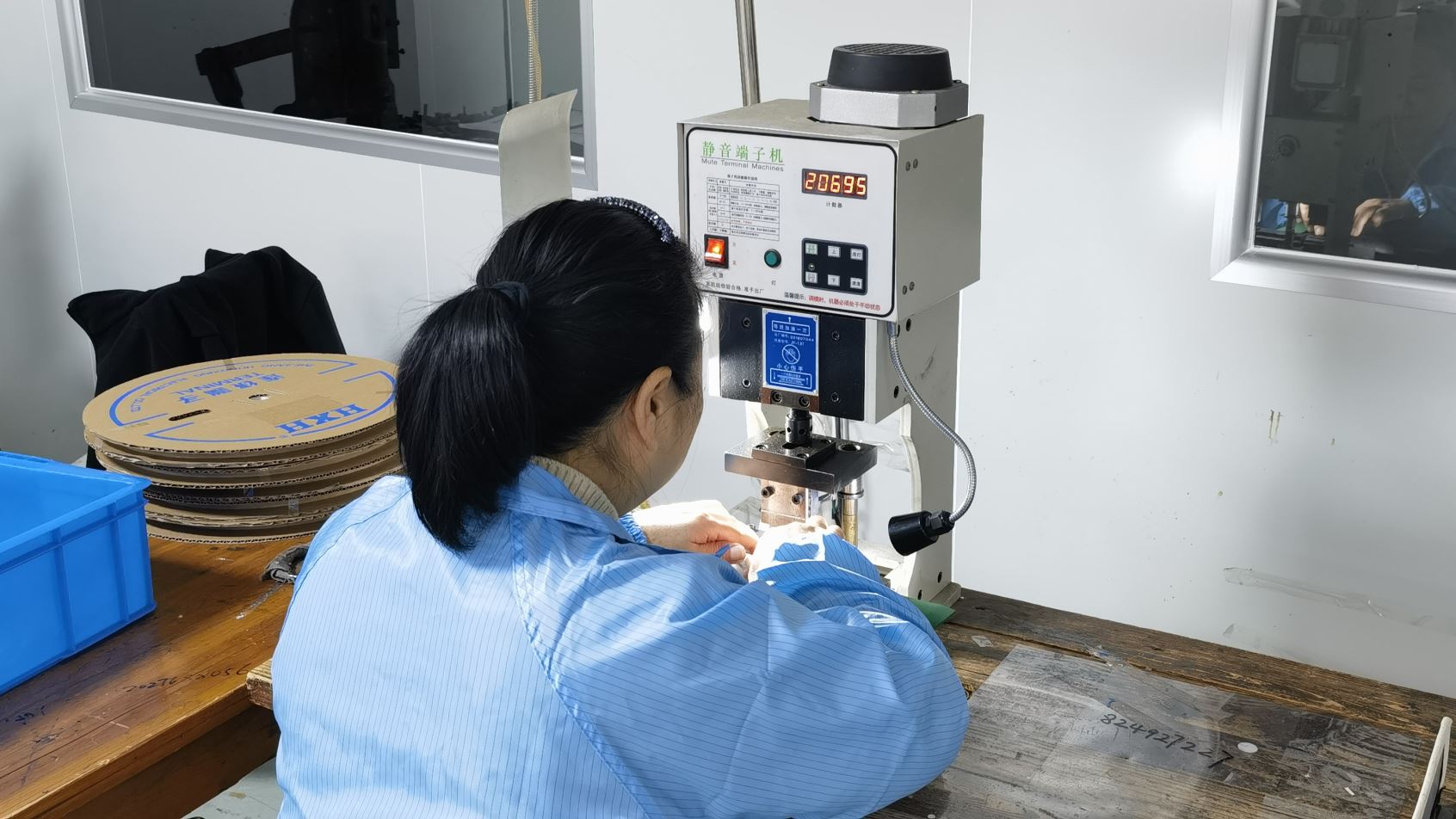
Terminal Crimping
High-retention crimping of female contact housings, solder tabs, or gold-flashed ZIF connector tails.
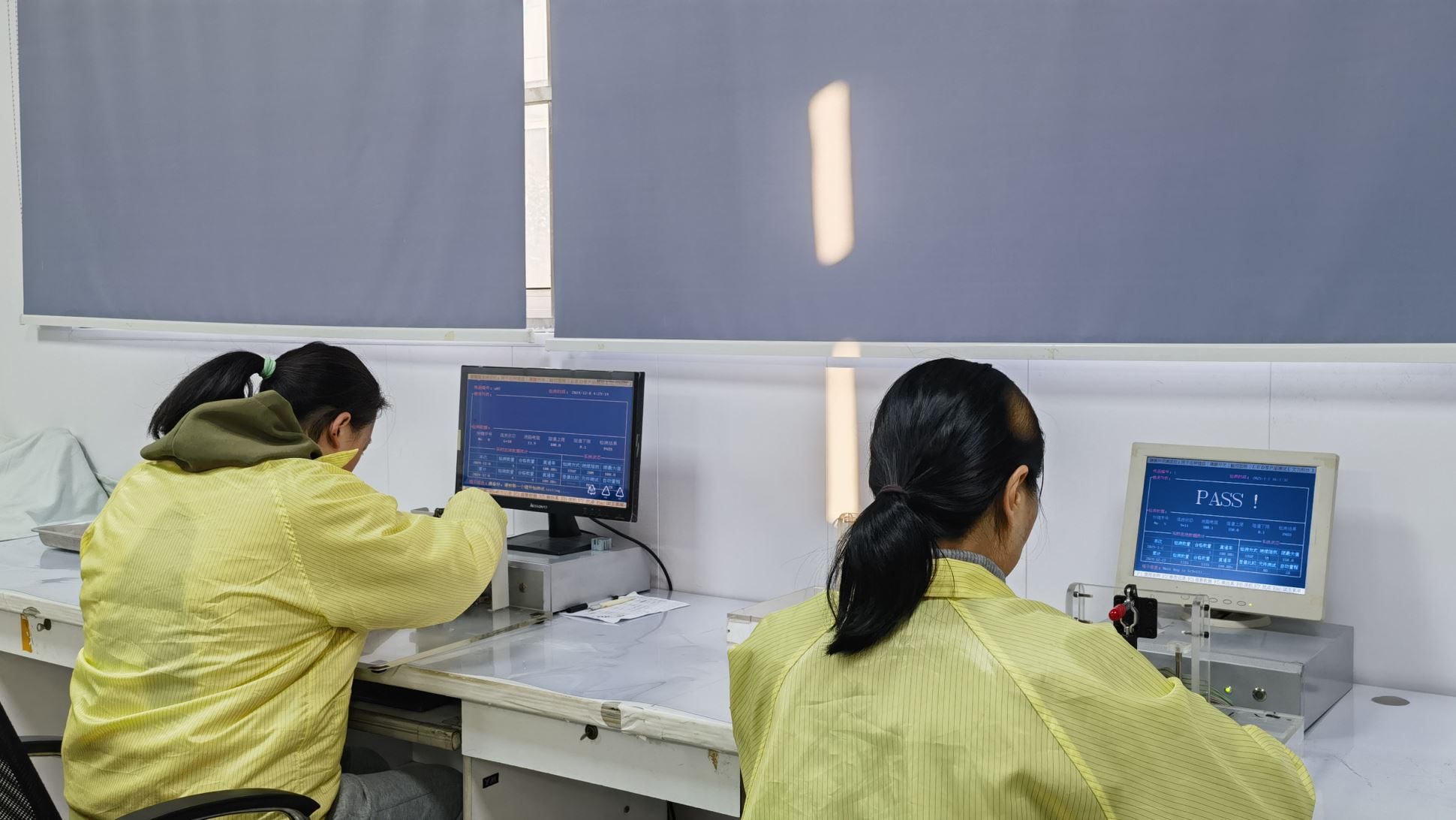
Micro-ohmic matrix testing, insulation resistance (>100MΩ at 100VDC), tactile snap ratio, and cosmetic inspection.
Manufacturer Pedigree: Why Global Fortune 500 Brands Rely on ZIRA
Headquartered in the Changhe Industrial Park of Ningbo, Zhejiang ZIRA Membrane Switch Co., Ltd. has spent nearly three decades mastering the physics and chemistry of electromechanical membrane switches and polymer interfaces. Operating an advanced manufacturing compound yielding an annual transaction volume between US$10 Million and US$50 Million, our infrastructure is optimized to support the rigorous audit frameworks of multi-national enterprise buyers such as ABB and Emerson.
Intertek Onsite Assessed
Our complete engineering workflow, testing equipment calibration records, environmental safety systems, and manufacturing integrity have been verified onsite by Intertek third-party audit authorities.
In-House Tooling & Moldshop
From high-speed CNC steel tooling to liquid silicone compression molds, all mechanical fixtures are produced internally. This cuts prototype lead times down to days and ensures total tooling dimensional governance.
Frictionless San Francisco Logistics
We manage direct air and ocean export channels to San Francisco International Airport (SFO), Oakland Port, and regional bonded warehouses. Supported Incoterms encompass DDP, FOB, CIF, EXW, and CIP with complete customs clearance facilitation.
Agile Low-to-High Volume Scaling
We bridge the transition from proof-of-concept prototype runs (sampling from 1 piece) to standard production batches of 100 to 1,000 units, all the way to multi-million part annual automotive and medical production runs.
Procurement Due Diligence
Frequently Asked Questions: Sourcing Industrial Switches from San Francisco
Direct technical answers addressing the mechanical, logistical, and commercial inquiries routinely raised by Bay Area engineering leads and supply chain executives.
How do you prevent silver migration and trace degradation in coastal or humid environments like San Francisco?
Silver migration occurs when moisture condenses between adjacent conductive traces under a continuous direct current (DC) electrical bias, leading to dendritic silver growth and catastrophic short circuits. In designs bound for Northern California coastal industrial zones, ZIRA mitigates this via three redundant protections: (1) We strictly maintain a minimum trace clearance of 0.5mm; (2) We screen-print a continuous protective polymer carbon layer entirely encapsulating the silver traces; and (3) We apply a high-solid, pinhole-free dielectric barrier mask UV-cured under controlled atmospheric conditions. For ultra-demanding environments, we recommend our copper-clad Flexible Printed Circuit (FPC) or FR4 PCB architectures, which completely replace silver paste with etched copper lines.
What engineering documentation is required to initiate a custom HMI switch quote and DFM analysis?
To provide a detailed engineering proposal and firm price matrix within 24 hours, our R&D engineering team requires: (1) Vector artwork or mechanical dimensional drawings in DXF, DWG, STEP, or Adobe Illustrator (.AI) formats outlining perimeter dimensions, key locations, transparent display windows, and cutouts; (2) Electrical schematic or pinout definition specifying common-bus or matrix connection; (3) Tactile preference (non-tactile, stainless steel metal domes, or poly-domes with specific actuation forces from 200g to 500g); (4) Backing adhesive specification (e.g., 3M 467MP for smooth aluminum housings, or 3M 300LSE for low surface energy powder-coated plastics); and (5) Tail termination details (standard 2.54mm pitch female housing, male pins, or ZIF zero-insertion force flex tail).
What are the standard lead times for prototyping and volume manufacturing delivered to California?
Because all film printing, laser profiling, tool-and-die fabrication, and electrical testing are maintained 100% in-house at our Ningbo facility, standard prototype samples are completed and ready for dispatch in 5 to 7 working days following engineering drawing sign-off. Express air freight to San Francisco, San Jose, or Oakland typically takes 3 to 5 business days via DHL, FedEx, or UPS. Mass production runs of 500 to 10,000 units require approximately 12 to 18 working days. For long-term enterprise OEM agreements, we also support scheduled blanket order releases, safety buffer warehousing, and door-to-door Delivered Duty Paid (DDP) logistics handling all US customs formalities.
How does ZIRA guarantee color accuracy across repeat batch orders for brand-critical front panels?
Industrial front panels define the visual identity of your equipment. We calibrate ink formulations against international standard Pantone Matching System (PMS) and RAL color charts under certified D65 daylight matching booths. Furthermore, our optical engineering team utilizes precision benchtop spectrophotometers to record the spectral reflectance curve (L*a*b* coordinates) of approved pre-production samples. This color fingerprint is digitally archived against your company part number, guaranteeing ΔE color variation tolerances under 1.0 across separate production runs years apart.
Can surface mount components (SMT) and backlighting be directly embedded within the thin membrane layers?
Yes. Our automated SMT pick-and-place lines populate miniature 0603, 0805, and 1206 footprint surface-mount single or bi-color LEDs, current-limiting resistors, and light sensors directly onto conductive circuits using specialized anisotropic conductive adhesives (ACA) or low-temperature solder alloys. For backlighting keys and branding logos in ultra-slim profiles (under 1.2mm total thickness), we integrate high-efficiency Light Guide Film (LGF) layers with strategically laser-etched micro-dot reflection patterns. This directs light from side-firing edge LEDs uniformly upward across key legends without generating hot spots, excessive power drain, or thermal dissipation problems.
Accelerate Your Next-Generation Control Interface
Partner directly with Zhejiang ZIRA’s technical team. From early DFM stack-up reviews and rapid prototyping for Bay Area hardware startups to million-unit multi-year supply contracts for global industrial automation leaders, our engineering staff is available to evaluate your drawings and deliver a competitive proposal within 24 hours.