Tactile Metal Dome
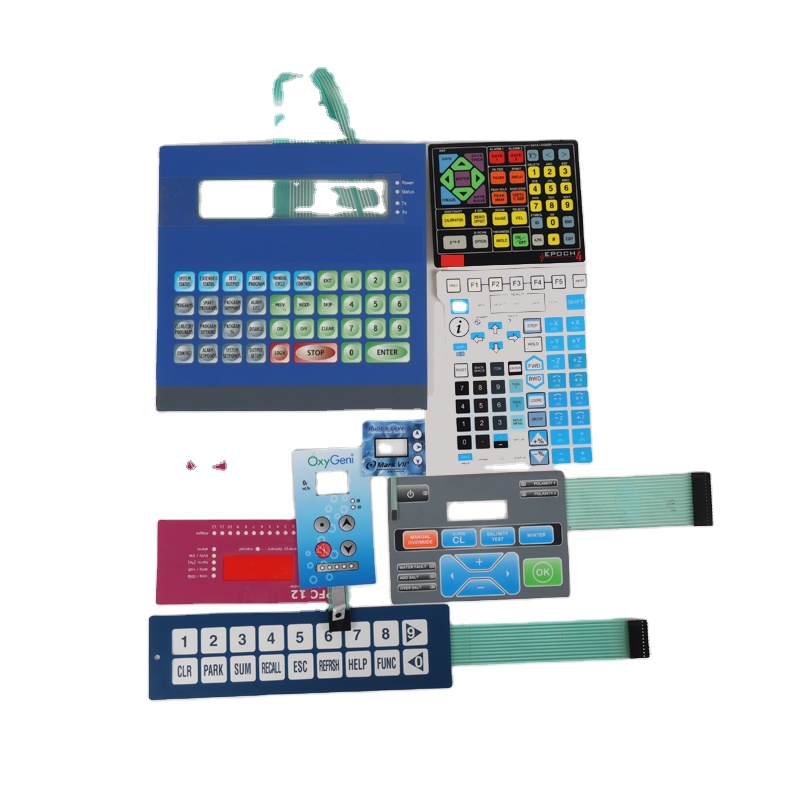
Precision-fabricated control surfaces designed for high duty cycles, marine salt-mist tolerance, clinical grade sanitization, and seamless mechanical integration into European-standard enclosures.
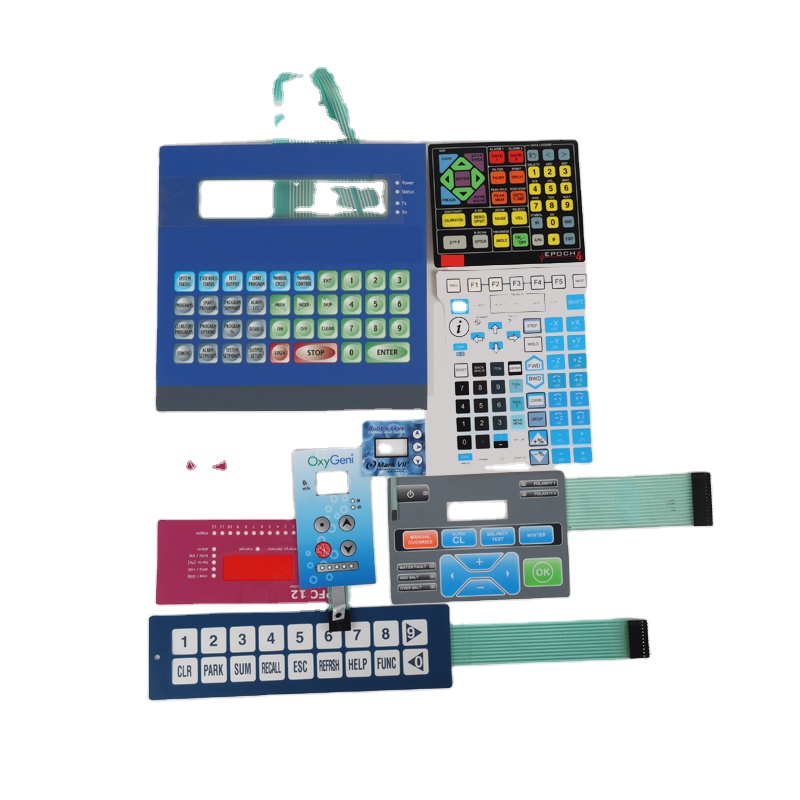
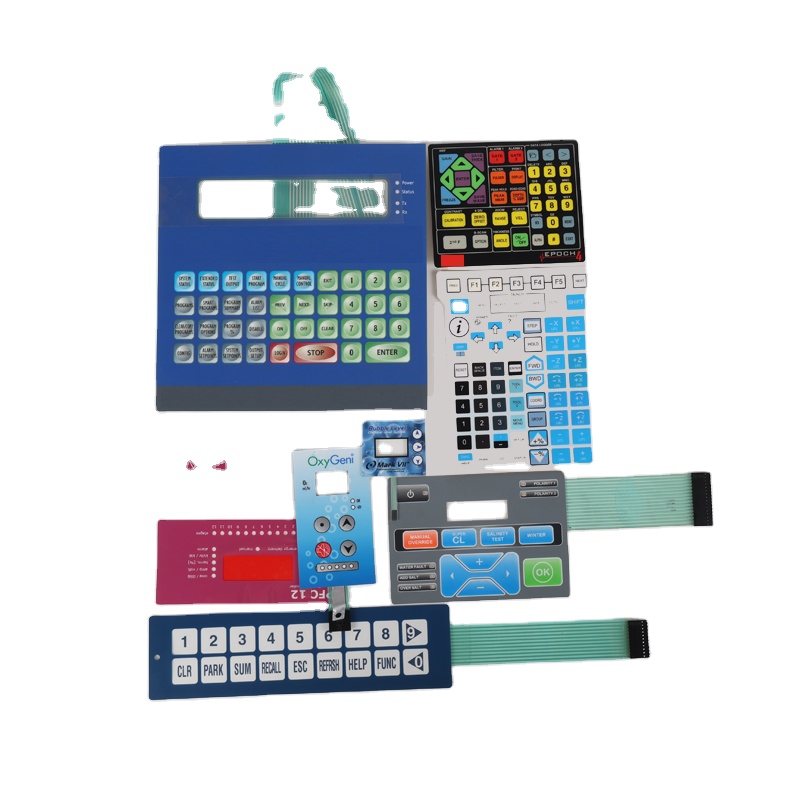
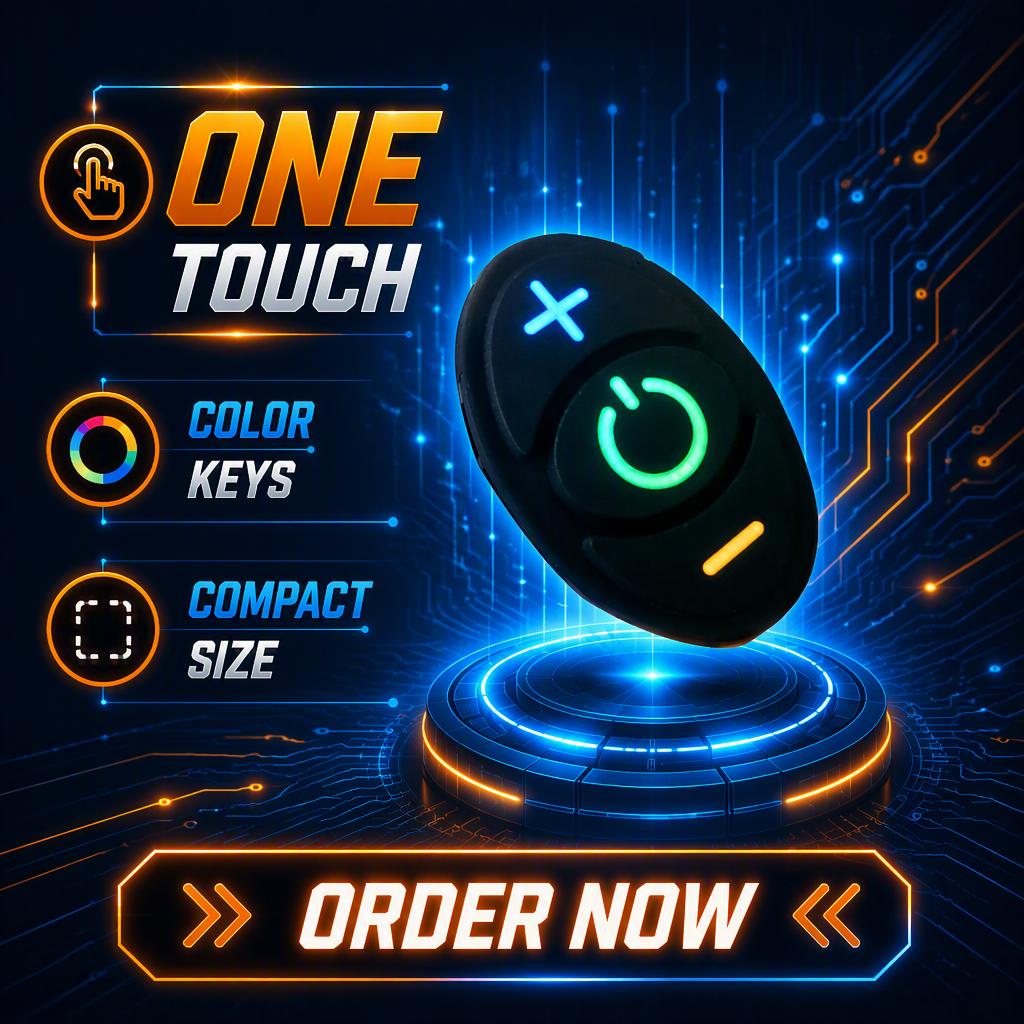
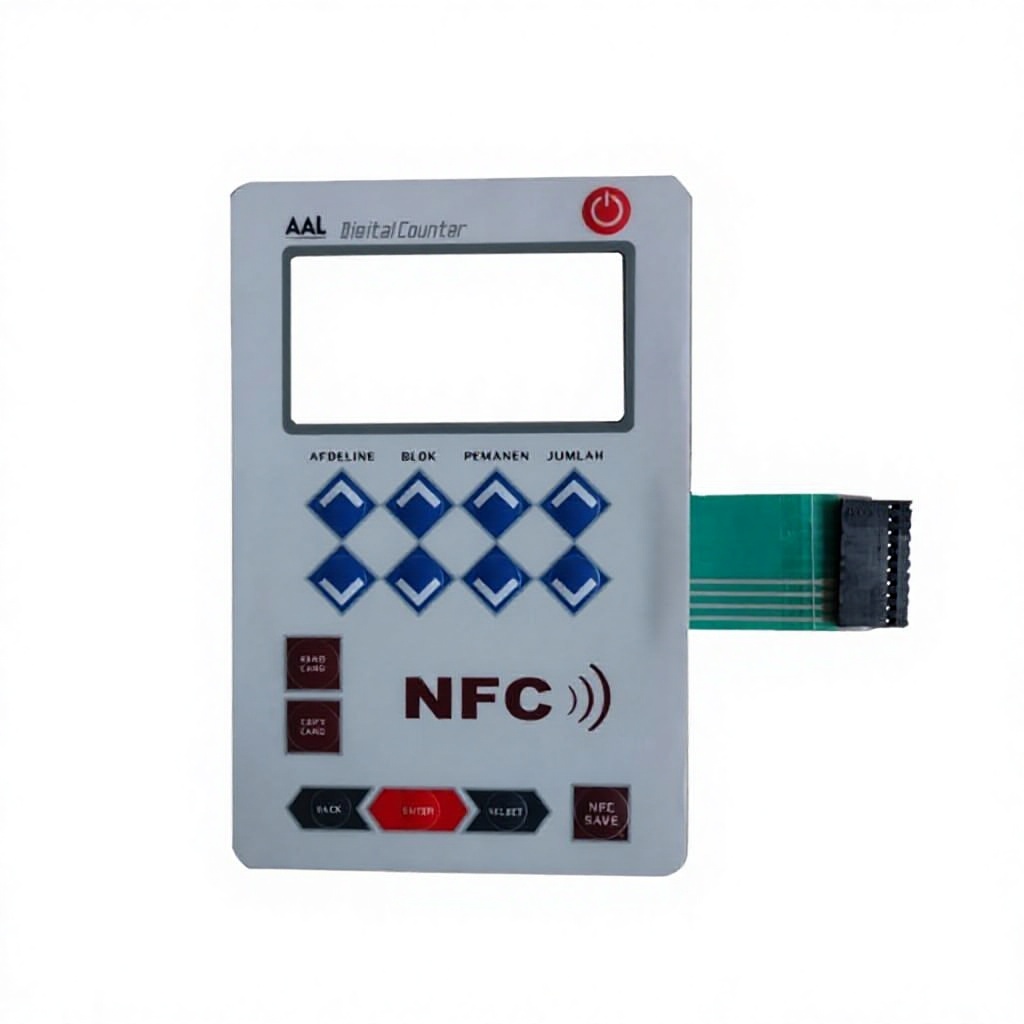
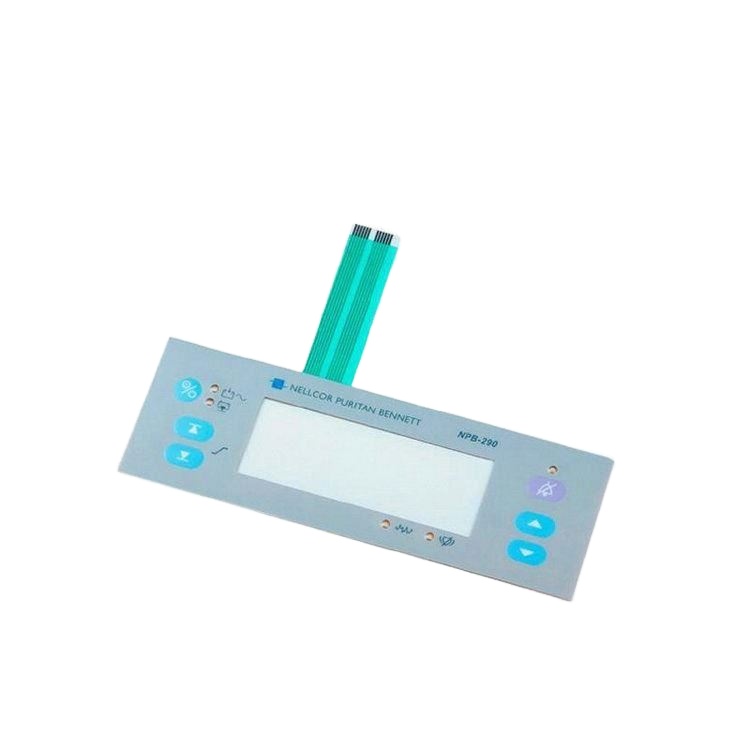
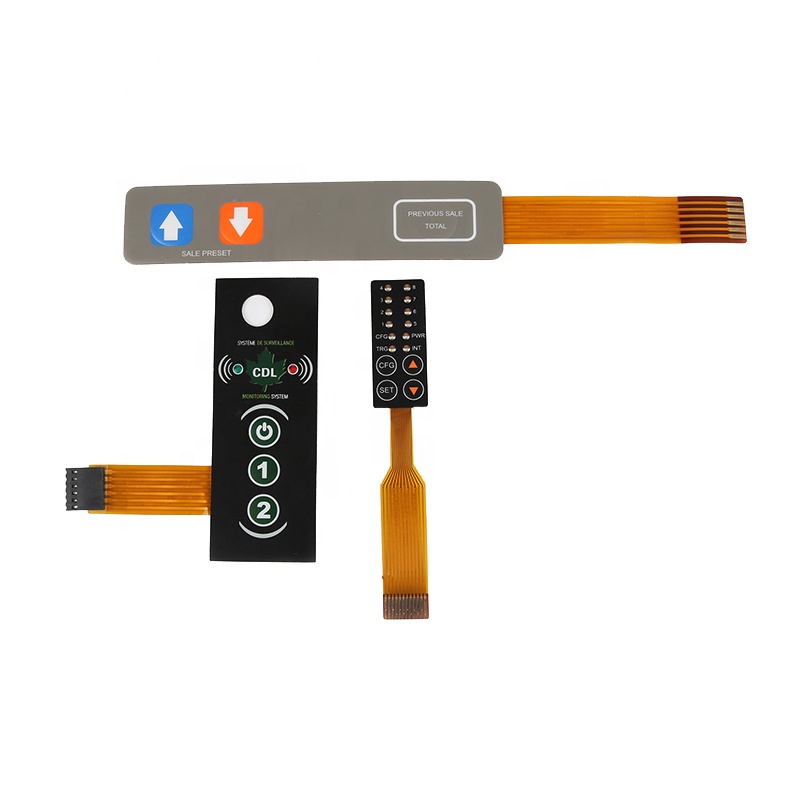
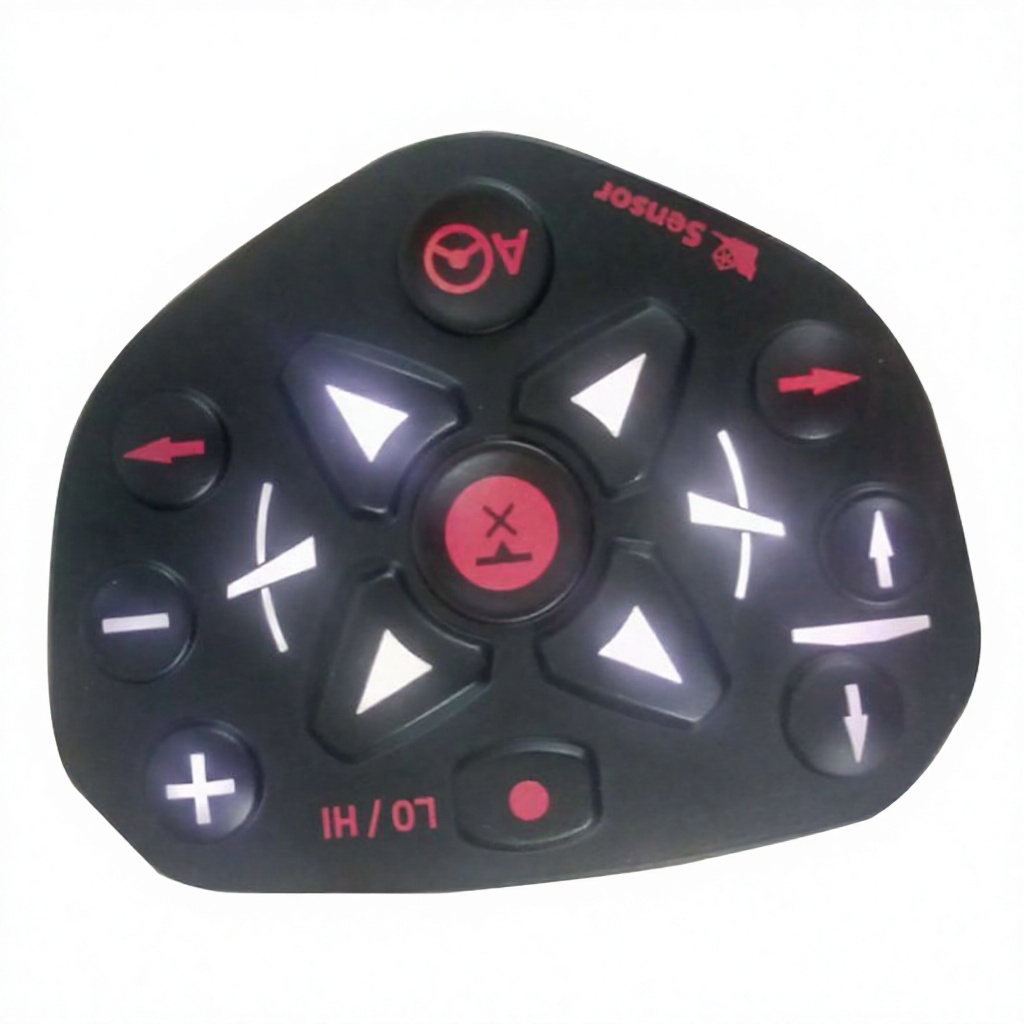
As industrial automation, biomedical devices, and specialized electronics engineering continue to expand across Birkirkara and the surrounding Mrieħel Central Business District, electronic hardware engineers face a unique combination of operating stressors. Front panel graphic overlays and membrane keypads are the front line of defense for internal electronics. In the Maltese archipelago, these human-machine interface (HMI) assemblies must withstand sustained atmospheric salinity, intense ambient ultraviolet radiation (averaging UV index 9–10 during peak months), relative humidity fluctuating up to 85%, and aggressive commercial cleaning agents.
The operational longevity of a front panel overlay hinges strictly on base polymer thermodynamics and chemical inertness. For procurement and R&D teams serving Birkirkara's marine electronics and clinical fabrication sectors, selecting between Polycarbonate (PC) and Polyester (PET) requires a detailed mechanical audit:
1. Autotype MacDermid Autotex Polyester (PET): PET is the industry benchmark for high-repetition switch arrays. Because of its internal molecular crystallization, biaxially oriented PET resists flex-fatigue failure for more than 5,000,000 switch actuations under ASTM F1578 protocols. Furthermore, PET exhibits outstanding chemical resistance against aggressive chemicals such as isopropanol, quaternary ammonium compounds, hydrogen peroxide, and sodium hypochlorite, making it indispensable for medical diagnostic panels and cleanroom instrumentation throughout Malta.
2. Sabic Lexan Polycarbonate (PC): Lexan remains an economical choice for non-tactile diagnostic panels, optical readouts, and stationary machine instrument labels requiring flame retardancy ratings (UL 94 V-0 / V-2). However, uncoated PC is vulnerable to micro-fissuring when exposed to aromatic hydrocarbons or continuous ultraviolet light. Where optical transparency is paramount, ZIRA applies an in-house UV-curable fluorocarbon hardcoat that achieves a 3H pencil hardness rating while maintaining over 92% light transmission across the visible spectrum (400–700nm).
Tactile perception directly governs operator safety, input confidence, and device ergonomics. When industrial operators in Birkirkara's manufacturing zones interact with automated test equipment or heavy power distributors, tactile feedback must remain crisp and unambiguous, even through heavy protective nitrile or thermal gloves:
Our tactile arrays utilize premium grade stainless steel metal domes (SUS301) plated with nickel or optional 24K gold flash. These domes are mechanically rated from 180g to 450g actuation force. The engineered Tactile Snap Ratio—defined as (F1 - F2) / F1, where F1 represents peak actuation load and F2 represents contact return load—is held strictly between 40% and 60%. This tight tolerance suppresses contact bounce to under 5 milliseconds, completely mitigating accidental double-triggers in sensitive microcontroller circuits.
Atmospheric moisture combined with coastal airborne salt particles creates a corrosive electrolyte that destroys printed conductive silver circuits through electrochemical dendrite growth (silver migration). To deliver complete resilience, ZIRA provides:
Under the European Union EMC Directive 2014/30/EU and Low Voltage Directive 2014/35/EU, electronic equipment imported and integrated within the EU single market must prove robust electrostatic discharge (ESD) mitigation. ZIRA incorporates a solid vapor-deposited aluminum or selective screen-printed copper shielding layer located immediately beneath the graphic overlay. When bonded to chassis earth through our integrated grounding tab, this shield dissipates static discharges up to ±15 kV air discharge and ±8 kV contact discharge in full compliance with IEC 61000-4-2 standards.
Empirical comparative engineering values under ISO and ASTM test standards to guide procurement specifications.
| Performance Parameter | Autotex PET (Polyester) | Lexan PC (Polycarbonate) | Silicone Rubber Keymat | Capacitive Touch ITO Film |
|---|---|---|---|---|
| Mechanical Switch Life | > 5,000,000 actuations | > 100,000 (flat only) | > 3,000,000 actuations | Solid state (infinite) |
| Chemical Resistance | Superior (Alcohols, Bleach, Acids) | Moderate (Vulnerable to solvents) | High (UV & Ozone inert) | Excellent (Glass-face resistant) |
| Ingress Protection Rating | IP65 to IP67 (continuous seal) | IP65 (die-cut dependent) | IP66 to IP68 (perimeter bead) | IP68 / IP69K (seamless face) |
| UV Weathering Stability | Grade 4–5 (Non-yellowing XE-arc) | Requires UV hardcoat barrier | Naturally UV & Ozone immune | Optically stable |
| Tactile Travel & Feedback | Crisp (0.3–0.6 mm snap dome) | Flat / light tactile emboss | Long travel (1.0–2.5 mm stroke) | Zero travel (Buzzer/Haptic feedback) |
| Operating Temperature | -40°C to +85°C | -30°C to +105°C | -50°C to +180°C | -20°C to +70°C |
| Tooling & Prototyping Cost | Low (Steel rule die & screens) | Low (Laser cut compatible) | Medium-High (Compression steel mold) | Medium (Laser etched circuit tooling) |
ZIRA supplies OEM/ODM front panel assemblies tailored directly to the specific operational stresses of Malta's primary economic and technological sectors.
Birkirkara's biomedical assembly facilities and pharmaceutical technology cleanrooms demand sterile front panels that withstand continuous wipedowns with chlorine, alcohol, and hydrogen peroxide. Our bio-compatible PET overlays with antimicrobial coatings eliminate bacterial colonization pockets while maintaining IP67 sealing for blood analyzers, patient monitoring consoles, and infusion control units.
With Malta serving as a Mediterranean maritime logistics fulcrum, equipment deployed in port terminals, superyacht systems, and coastal industrial cranes requires front panels resilient to continuous salt spray (ASTM B117 testing) and extreme solar glare. ZIRA integrates high-contrast, dead-front translucent graphics and optical-grade anti-glare finishes that guarantee daylight legibility and long-term durability without yellowing.
Maltese electrical engineering firms developing photovoltaic inverters, microgrid switches, and public EV charging pedestals require HMI panels engineered for outdoor thermal cycling between 0°C and +50°C ambient. We utilize flame-retardant UL 94 V-0 rated polycarbonates, silicone-damped tactile switches, and high-temp acrylic adhesives to prevent blistering and maintain hermetic seals over decade-long deployments.
How evolving regulatory frameworks and technical requirements are shaping front panel interface specifications from 2025 through 2030.
Industrial HMI architectures in Birkirkara are transitioning from traditional mechanical switches to sleek, seamless capacitive touch surfaces. By coupling screen-printed Indium Tin Oxide (ITO) or PEDOT conductive polymers with rigid PMMA/tempered glass facings, Maltese developers achieve completely flat, crevice-free operator interfaces that eliminate dust entrapment, support multi-touch gestures, and resist aggressive industrial washdowns.
For Maltese companies developing medical technology and in-vitro diagnostic instruments, the European Medical Device Regulation (EU MDR) enforces full traceability of all polymer and adhesive contact layers. ZIRA provides complete technical documentation dossiers, including RoHS 3 (Directive 2015/863) certificates of analysis, REACH SVHC declarations, and flame-retardant compliance documentation for fast-track CE audit sign-offs.
Hardware startups and specialized system integrators in Malta require rapid iterative engineering rather than massive single-product runs. ZIRA supports low-volume, high-mix development cycles through precision digital flatbed printing and laser cutting, allowing Maltese engineers to order functional prototypes from 1 piece with zero steel-tooling amortizations before committing to full die-struck volume production.
Over 29 years of precision engineering heritage backed by comprehensive in-house manufacturing, rigorous testing, and reliable global logistics.
We manufacture 100% in-house across our 5,000 m² clean workshop with 5 automated production lines in Ningbo. Zero subcontracting ensures total IP security and tight pricing control.
Every single membrane switch is individually tested for loop resistance, insulation impedance (>100MΩ at 100V DC), contact bounce, and visual defect registration before vacuum sealed packaging.
Our senior mechanical and electrical engineers review your Gerber files, vector artwork (AI/DXF), tail routing, dome clearance, and adhesive stack-up within 24 hours to eliminate costly production errors.
We provide hassle-free global shipping options via DDP, FOB, CIF, or CIP through DHL/FedEx express air freight or Malta Freeport sea consolidation, handling customs clearances and VAT directly.
Prototypes and design validation test units available from just 1 piece. Standard production runs start at an accessible 100 units, supporting agile R&D through volume manufacturing.
We build strictly with verified, original materials: Autotype MacDermid PET, Sabic Lexan PC, genuine 3M transfer adhesives, DuPont conductive silver inks, and Nicomatic/Berg connectors.
Clear, direct answers regarding CE compliance, international logistics to Malta, material durability, and prototyping procedures.
Yes. All graphic overlays, membrane switches, and HMI panels manufactured by Zhejiang ZIRA comply fully with European Union CE requirements. While passive membrane switches do not carry a standalone CE logo independently, they are engineered to enable your complete end-device to achieve CE certification under the EMC Directive 2014/30/EU and Low Voltage Directive (LVD) 2014/35/EU. We integrate continuous aluminum foil or screen-printed copper shielding grids for electrostatic discharge (ESD) protection up to 15kV. Furthermore, all materials—including inks, adhesives, and base films—are 100% compliant with RoHS Directive (EU) 2015/863 and REACH Regulation (EC) No 1907/2006.
For urgent engineering prototypes and small batches, we utilize express air freight (DHL, FedEx, or UPS), which delivers directly to Birkirkara or the Mrieħel industrial cluster within 4 to 7 business days from our Ningbo facility. For volume production orders, sea-air or ocean freight to Malta Freeport (Birżebbuġa) is available, taking approximately 24 to 28 days. We support complete DDP (Delivered Duty Paid) terms, meaning ZIRA manages all export customs declarations, transit clearance, and local Maltese import VAT/duties so shipments arrive directly at your loading dock without administrative delay.
Standard electronic keypads degrade in coastal environments due to airborne salt ions penetrating the circuit layers and causing silver migration (electrochemical dendrite short circuits). To prevent this in Malta's high-salinity climate, ZIRA engineers apply a three-stage protection strategy: (1) An uninterrupted perimeter seal using water-impervious 3M 468MP/300LSE adhesive; (2) Fully encapsulated silver conductive traces overprinted with conductive carbon barriers to prevent oxidation; and (3) Internal vent breathing channels that prevent ambient external air exchange. Our switches pass 96-hour continuous salt spray testing per ASTM B117 without loss of insulation impedance.
Yes. We specialize in low-volume, high-mix (LVHM) agile engineering. For new R&D projects in Malta, we offer rapid-turn prototyping with a minimum order quantity (MOQ) of just 1 to 5 pieces. We utilize high-precision digital UV flatbed printing and plotter/laser die-cutting, which eliminates the need for expensive hard tooling during initial proof-of-concept stages. Once your electrical engineering team validates fit, tactile response, and firmware integration, we build dedicated steel tooling dies for cost-effective volume manufacturing.
To initiate a comprehensive DFM review and quotation, please send: (1) Vector artwork files for the graphic overlay (Adobe Illustrator .AI, CorelDraw .CDR, or vector .PDF) specifying Pantone or RAL color codes; (2) Mechanical dimensional drawings (AutoCAD .DWG or .DXF) showing cutouts, display windows, emboss borders, and overall dimensions; and (3) Circuit schematics indicating pin-out assignments, tail length, and connector pitch (standard 2.54mm or high-density 1.00mm/1.27mm ZIF). If you only have an existing physical sample, you can courier it to our lab for full reverse engineering.
We provide three distinct backlighting architectures: (1) Light Guide Film (LGF): Ultra-thin 0.125mm to 0.25mm optical films utilizing micro-dot laser refraction patterns fed by side-firing edge LEDs. This provides uniform, hotspot-free illumination with minimal power consumption; (2) Embedded Surface-Mount LEDs: Discrete micro SMD LEDs (0603 or 0805 packages) embedded directly into spacer layers for localized status indicators; and (3) Electroluminescent (EL) Lamps: Thin phosphorescent sheets for soft, aesthetic whole-panel illumination in avionics and naval consoles.
Adhesive selection depends strictly on your chassis material and surface energy: For smooth, high surface energy plastics (ABS, Polycarbonate) and bare metals (Stainless Steel, Anodized Aluminum), we recommend 3M 467MP (0.05mm thick) or 3M 468MP (0.13mm thick). For low surface energy (LSE) materials, such as powder-coated metal housings, cast aluminum with texture, or polypropylene/polyethylene enclosures, we specify 3M 300LSE, which provides rapid initial green strength and high peel adhesion up to 90°C continuous operating temperature.
We accept international bank wire transfers (T/T), confirmed Letters of Credit (L/C), and Western Union. We conduct transactions directly in Euros (€), eliminating foreign exchange conversion losses for Maltese businesses, as well as in US Dollars (USD). For recurring European OEM accounts, we offer flexible net-term credit arrangements upon credit review.
Consult directly with our senior application engineers. Receive a comprehensive DFM analysis, 3D layer stack-up proposal, and transparent factory-direct pricing for your Birkirkara deployment within 24 hours.
