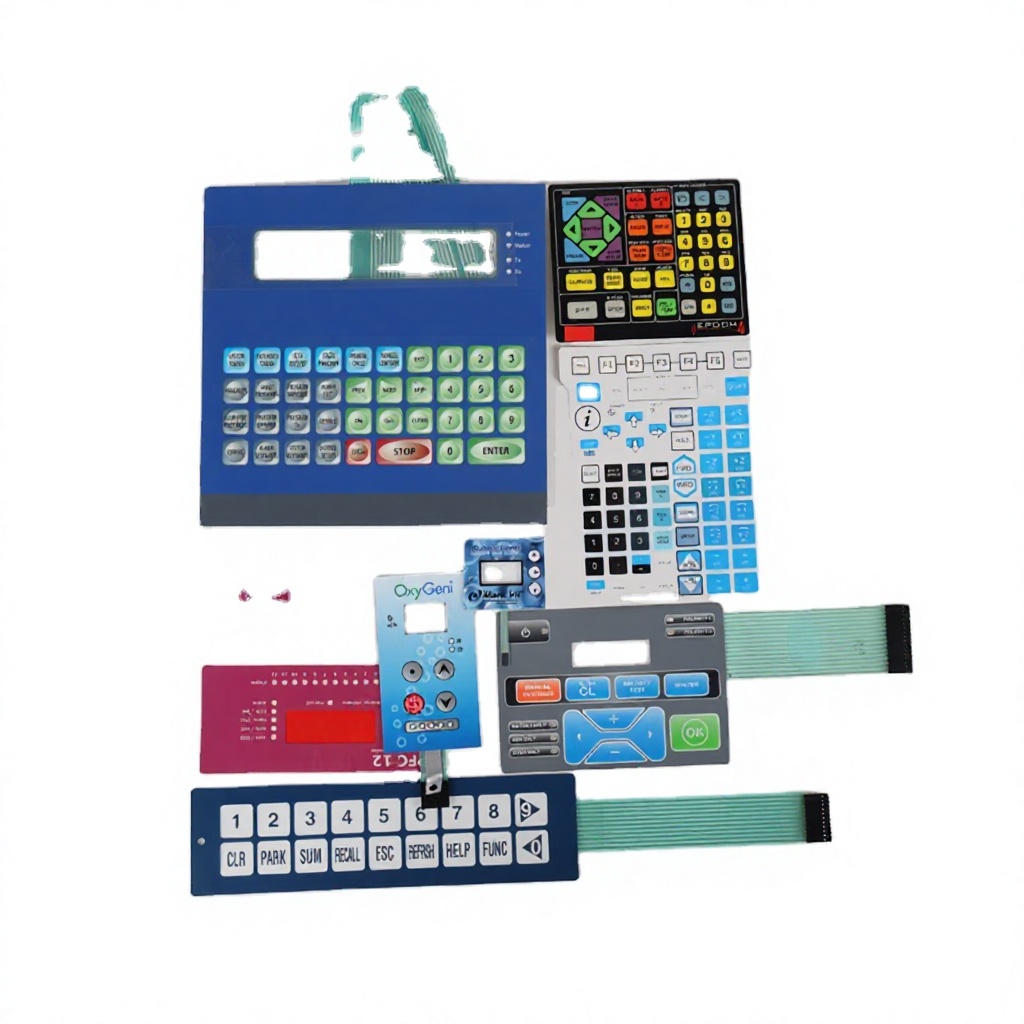
Factory Catalog Showcase
Precision Membrane Switches & Graphic Overlays
Engineered to ISO 9001:2015 and ISO 13485-compatible standards, offering custom silver circuits, antimicrobial coatings, IP67 seals, and crisp tactile responses.
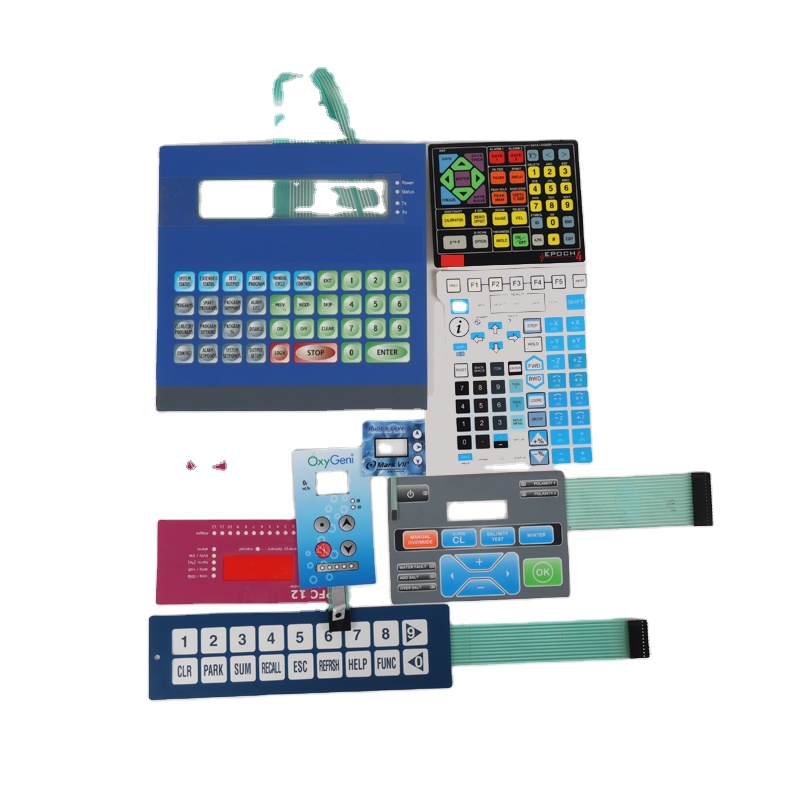
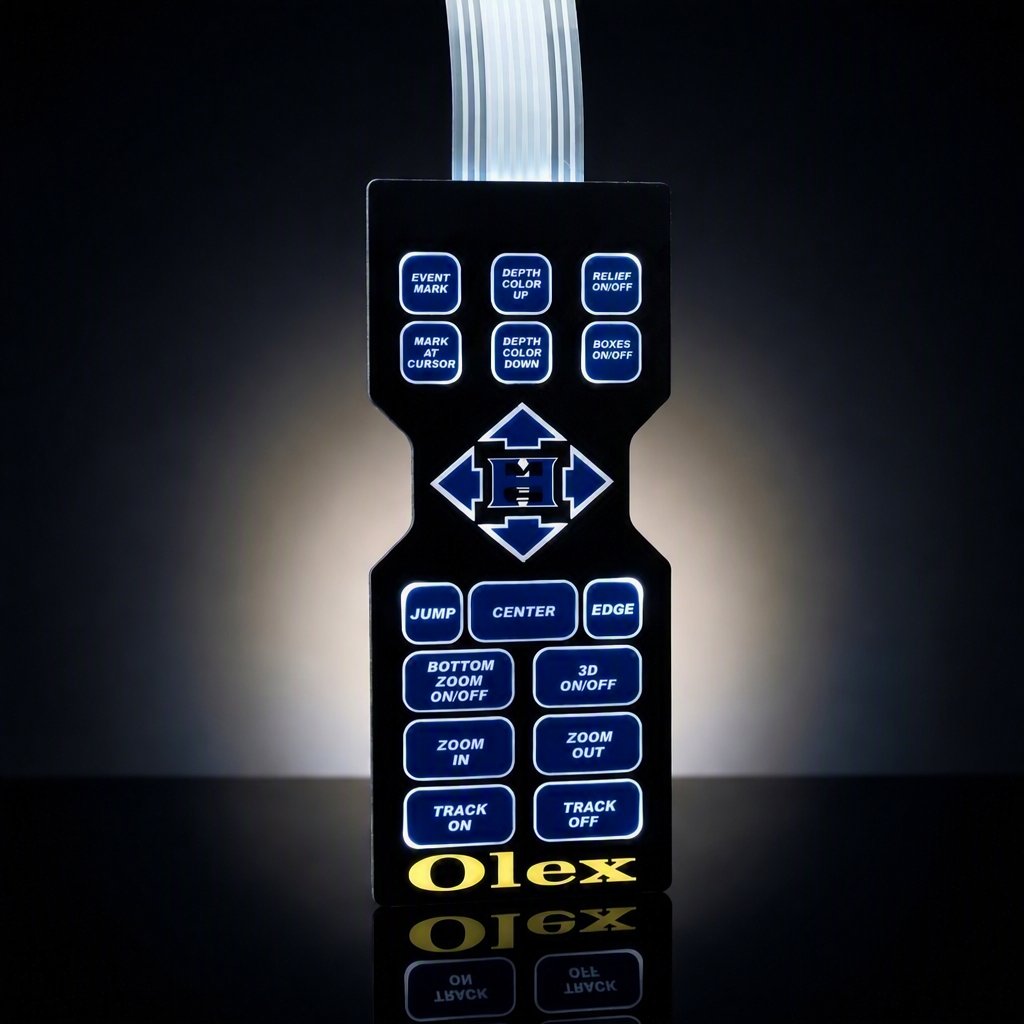
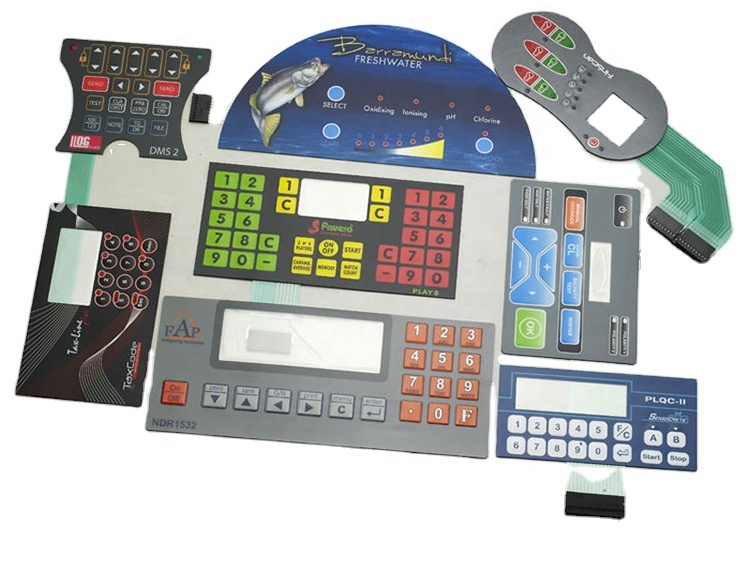
Material Science & Biocidal Chemistry
Engineering Antimicrobial Graphic Overlays for High-Reliability HMIs
Within human-machine interface (HMI) engineering, surface hygiene is no longer treated merely as a custodial maintenance protocol; it is an intrinsic design variable. For industrial designers, cleanroom automation builders, and medical technology developers operating across the Alpine manufacturing belt—centered in the Rhine Valley covering Liechtenstein, eastern Switzerland, and Vorarlberg—front-panel hygiene must survive constant mechanical actuations, harsh chemical washdowns, and continuous pathogen challenges.
Conventional graphic overlays manufactured from standard biaxially-oriented polyethylene terephthalate (PET) or untreated polycarbonate (PC) exhibit microscopic surface porosities. Over time, recurring contact transfers sebum, moisture, and cellular debris, establishing optimal micro-environments for bacterial biofilm accumulation. Regular topical wiping with isopropyl alcohol (IPA), quaternary ammonium formulations, or hydrogen peroxide vapor provides episodic sterilization but leaves surfaces vulnerable to re-colonization within minutes.
Antimicrobial Graphic Overlays resolve this vulnerability through proactive chemical incorporation. Rather than relying on transient external biocidal sprays, premium antimicrobial overlays utilize silver-ion (Ag+) zeolite matrices or organic micro-encapsulated antimicrobial agents compounded directly into the hardcoat lacquer during the thermal biaxial stretching and curing phase of polymer synthesis.
>99.9%
Pathogen Kill Rate (ISO 22196)
5M+
Actuation Cycle Endurance
24h
Bactericidal Saturation Time
IP67/IP69K
Washdown Sealing Capability
The Ionic Antimicrobial Mechanism: Continuous Cellular Lysis
The core mechanism relies on ambient atmospheric humidity diffusing infinitesimally into the outermost functional hardcoat. This moisture triggers a controlled, sustained release of active silver ions (Ag+). The released silver ions penetrate pathogenic bacterial walls through passive uptake and electro-chemical attraction:
1. Cell Membrane Rupture: Silver ions interact avidly with thiol (sulfhydryl, -SH) functional groups found in bacterial cell wall proteins, rupturing transmembrane ionic transport gradients.
2. Metabolic Enzyme Inactivation: Once inside the cytoplasmic matrix, the ions bind irreversibly to respiratory enzymes, extinguishing oxygen metabolism and cellular energy production (ATP synthesis).
3. Genomic Interruption: Ag+ complexes bind with bacterial DNA base pairs, arresting genomic transcription and preventing cell duplication. This three-pronged action denies microbes the evolutionary capability to develop resistance, delivering an audited >3 log10 reduction (>99.9%) against widespread clinical pathogens including Methicillin-resistant Staphylococcus aureus (MRSA), Escherichia coli, Pseudomonas aeruginosa, and Klebsiella pneumoniae under both JIS Z 2801 and ISO 22196 test parameters.
Rhine Valley Industrial Integration
Localized Applications in Liechtenstein's Advanced Manufacturing Belt
The Principality of Liechtenstein holds one of the highest industrial concentrations per capita globally. Far from being merely a financial enclave, municipalities including Schaan, Vaduz, Balzers, Triesen, and Eschen host globally recognized leaders in precision engineering, vacuum deposition, dental materials, micro-optics, and cleanroom production equipment. These demanding industrial ecosystems generate specific, stringent design requirements for antimicrobial front panels and tactile switch assemblies.
Precision Dental & Clinical Consoles
Liechtenstein is a world hub for dental prosthetics and clinical fabrication systems. Graphic overlays applied to dental milling machines, intraoral curing furnaces, and surgical chairs face blood-borne pathogens, aerosolized saliva, and constant wipedowns using hospital-grade biocides.
- Tested against Cavicide & 70% IPA
- Dead-front display windows for LCDs
- Contaminant-free rim embossing
Thin-Film Vacuum & Coating Systems
Balzers is famed for high-vacuum surface modification and thin-film coating apparatus. Control terminals mounted directly onto coating reactors require overlays that repel aggressive condensation while resisting particulate shedding within pristine cleanroom environments.
- Anti-static ESD grounding layers (<10Ω)
- Zero particulate outgassing in vacuum
- Chemical resistance to vacuum lubricants
Automated Pipetting & Bio-Robotics
Surrounding pharmaceutical robotics and micro-dispensing equipment in the Rhine Valley require touch surfaces that do not harbor bacterial colonies during automated 24/7 cell assays or microplate incubation routines.
- Microban® / BioCote® silver integration
- Capacitive ITO touch sensor compatibility
- Uniform LGF backlight simulation
Material Selection Whitepaper
Comparative Engineering Matrix: Antimicrobial Film Substrates
Selecting the optimal front-face substrate requires balancing tactile actuation life, chemical impermeability, optical transmission for integrated displays, and regulatory compliances (RoHS, REACH, UL94 V-0). The table below details technical parameters evaluated by R&D teams when designing human-machine interfaces for clinical and industrial environments.
| Substrate Parameter | Antimicrobial PET (Autotex AM) | Hardcoated Polycarbonate (PC) | Antimicrobial Silicone Rubber | Standard Untreated PET |
|---|---|---|---|---|
| Antimicrobial Efficacy | >99.9% (ISO 22196) | Topical Spray Only (<85%) | >99.5% (Compounded) | 0% (Inert microbial biofilm risk) |
| Switch Actuation Life | >5,000,000 cycles (Embossed) | ~100,000 cycles (Prone to fatigue) | >2,000,000 cycles (Elastomer) | >5,000,000 cycles (Embossed) |
| Chemical Resistance | Exceptional: IPA, Bleach, VHP | Moderate (Crazes under esters/IPA) | High (Except aromatic hydrocarbons) | High (Impervious to mild solvents) |
| Pencil Hardness | 2H to 3H | HB to 1H (Untreated) | Shore A 40–70 Hardness | 3H |
| Optical Clarity (Windows) | Gloss or Anti-Glare (>91%) | High Clarity (>92%) | Translucent / Light-diffusive | Gloss / Matte (>90%) |
| Sterilization Compatibility | IPA, EtO, Autoclave-wipeable | UV-C (Yellowing risk), Dry wipe | Steam Autoclave, Gamma, EtO | IPA, Standard disinfectants |
*Values are representative of empirical tests conducted under room temperature (23°C ± 2°C) following ASTM D3363 (Pencil Hardness), ASTM F1578 (Tactile Switch Life), and ISO 22196 (Bactericidal Efficacy).
Quality Control & Traceability
10-Step Controlled Cleanroom Manufacturing Pipeline
From raw chemical verification to automated optical testing, Zhejiang ZIRA enforces stringent in-process inspection gates. Every production batch destined for export is fabricated under Class 10,000 cleanroom environments to prevent airborne particulates from compromising the dielectric layer, silver track density, or antimicrobial topcoat integrity.
01
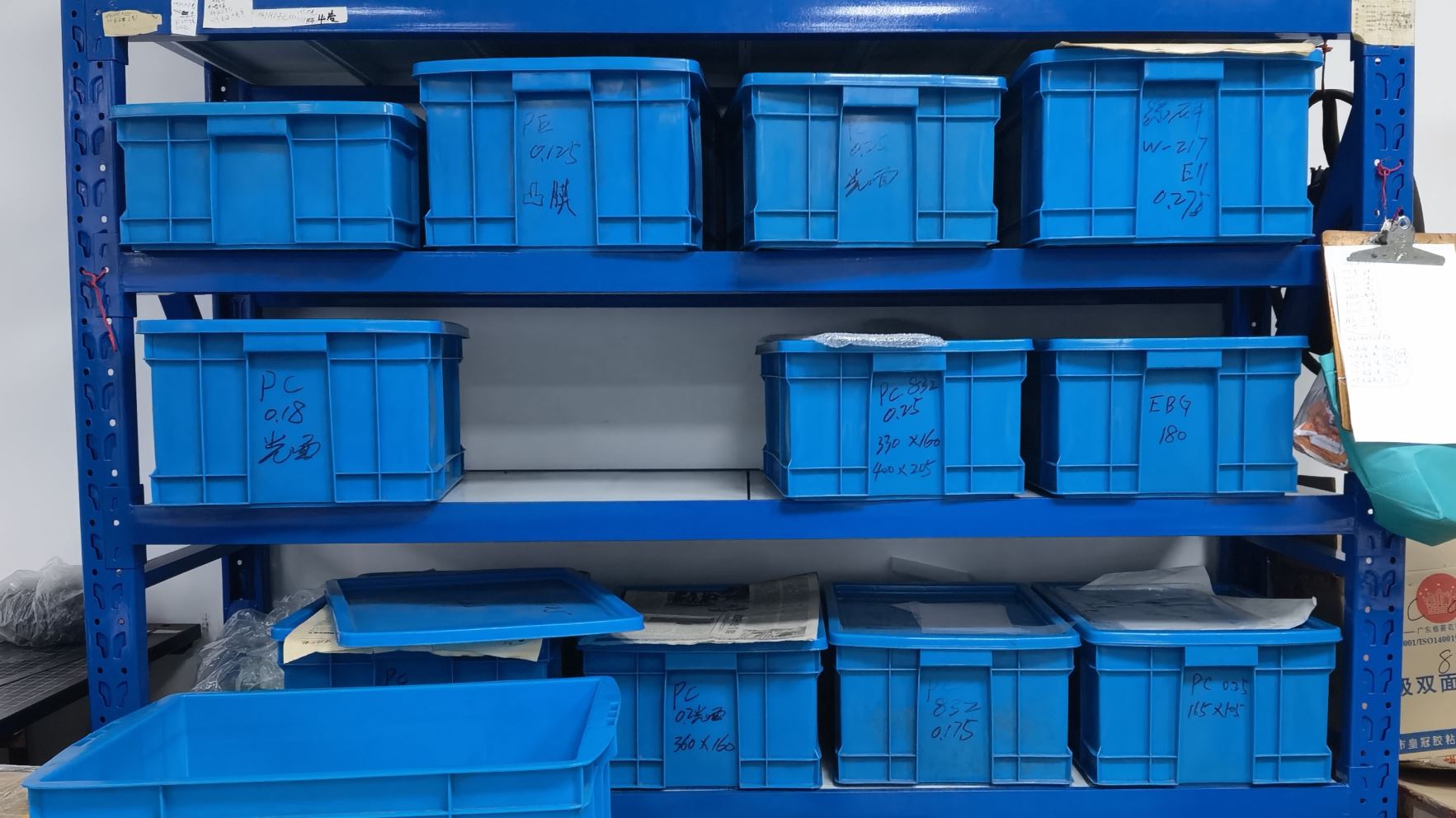
Raw Material QA
Spectroscopic audit of incoming Autotex AM film, 3M adhesives, and conductive inks.
02
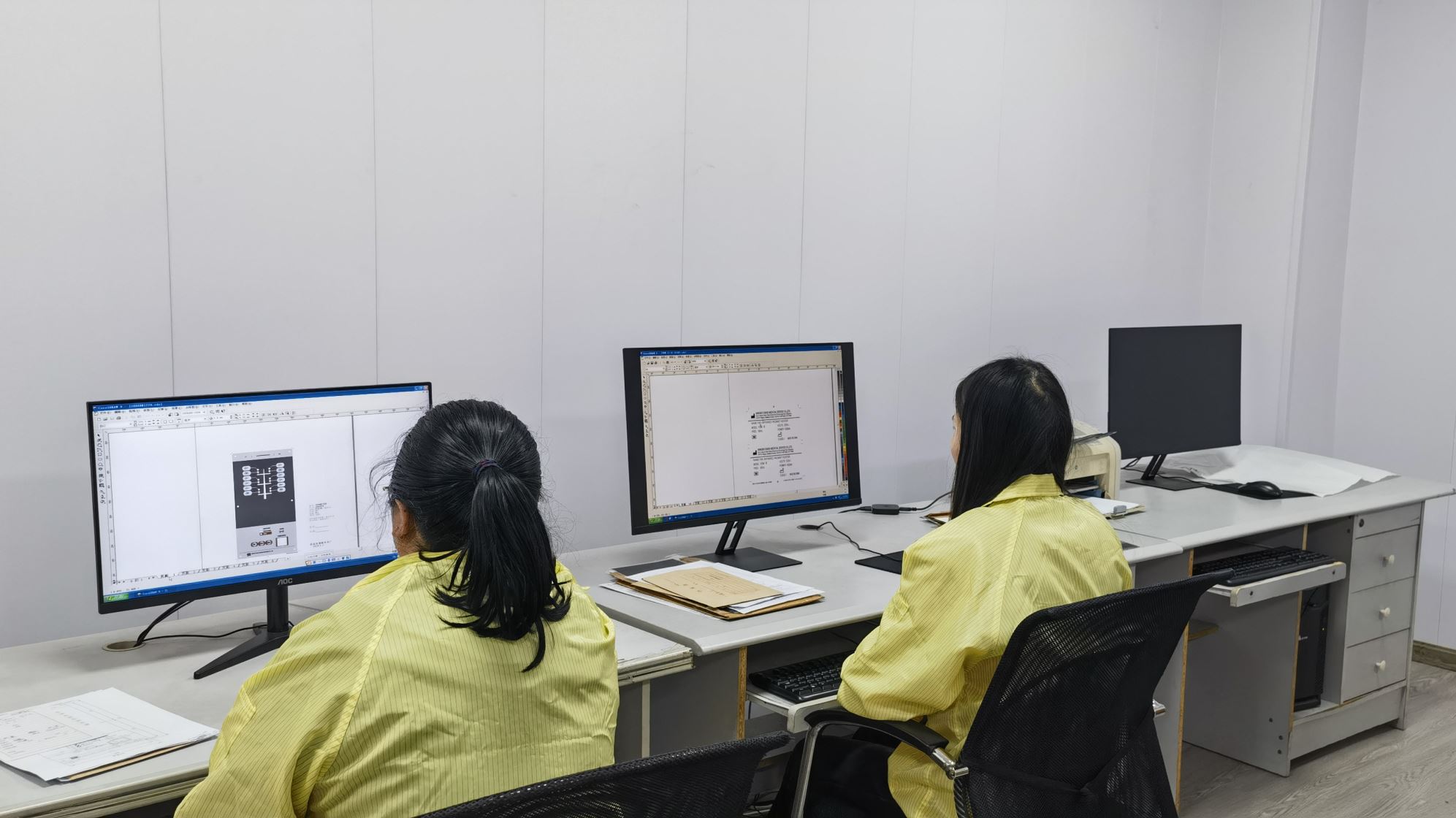
DFM Engineering
Stack-up schematic validation, trace separation, and tactile snap ratio calculation.
03
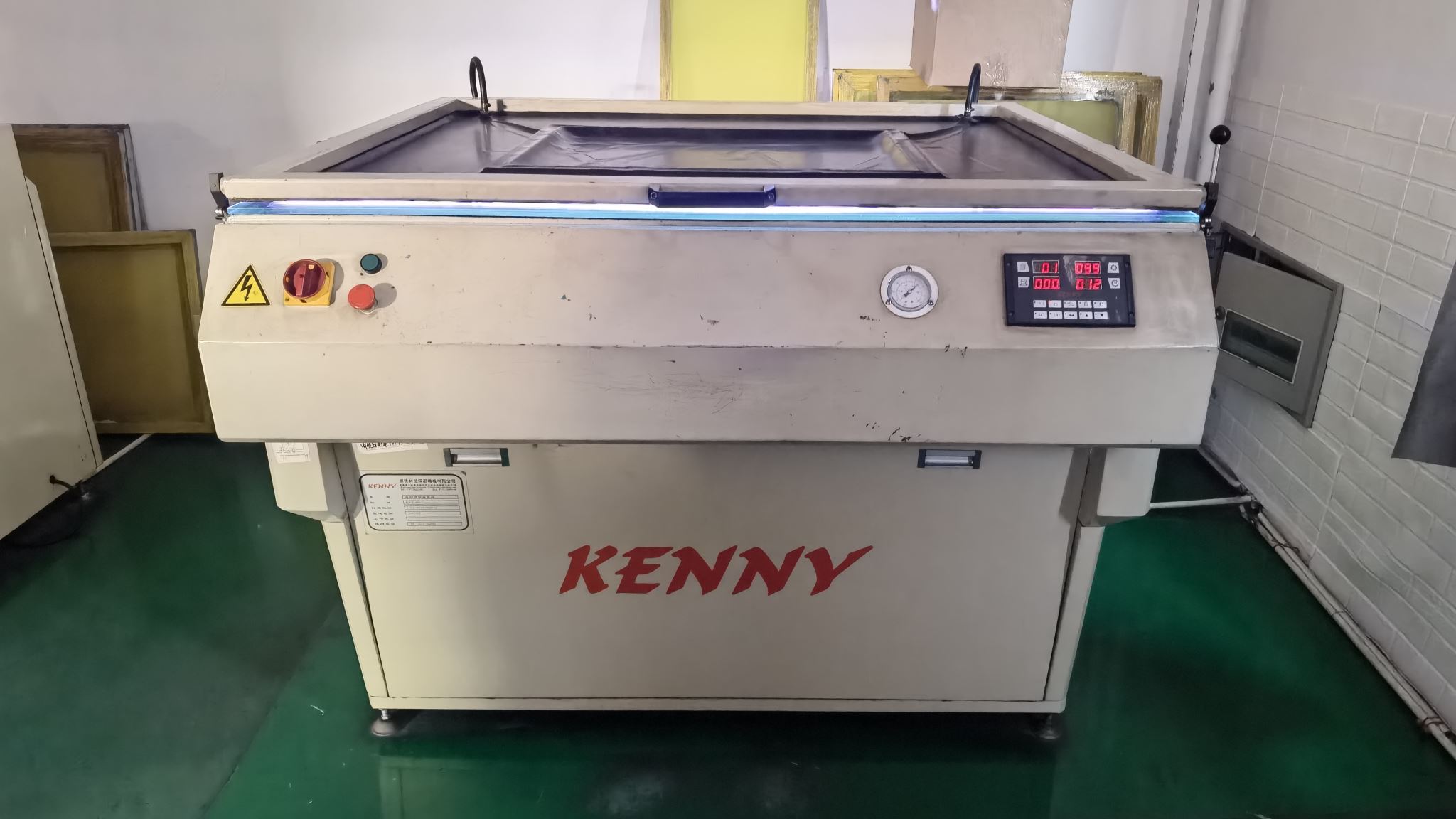
Screen Exposure
High-tension stainless/polyester mesh exposure for sub-0.15mm silver line resolution.
04
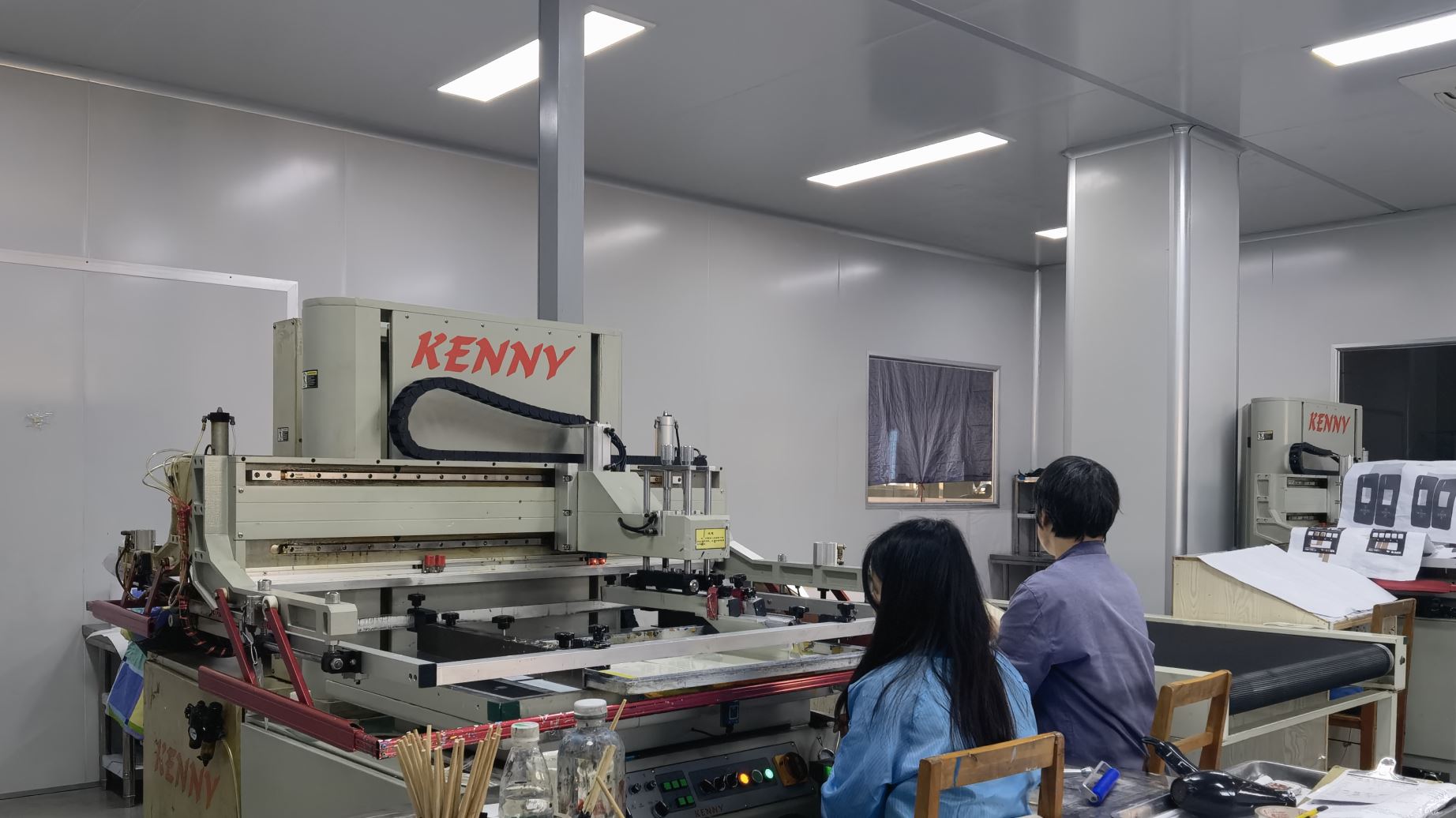
Cleanroom Printing
Color matching to Pantone/RAL alongside silver and carbon crossover printing.
05
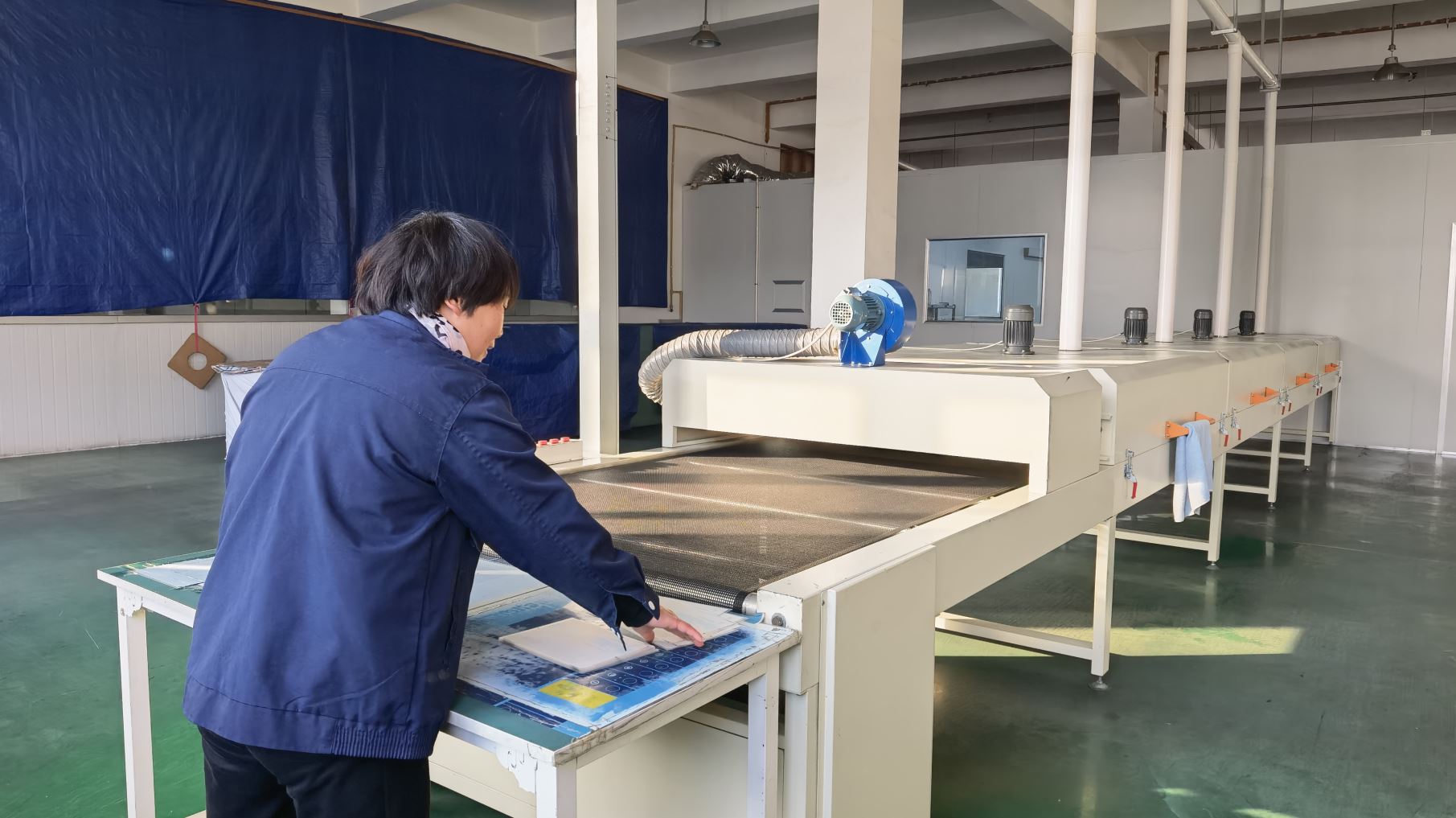
Tunnel Curing
Computerized multi-zone thermal drying to stabilize polymer resistance and adhesion.
06
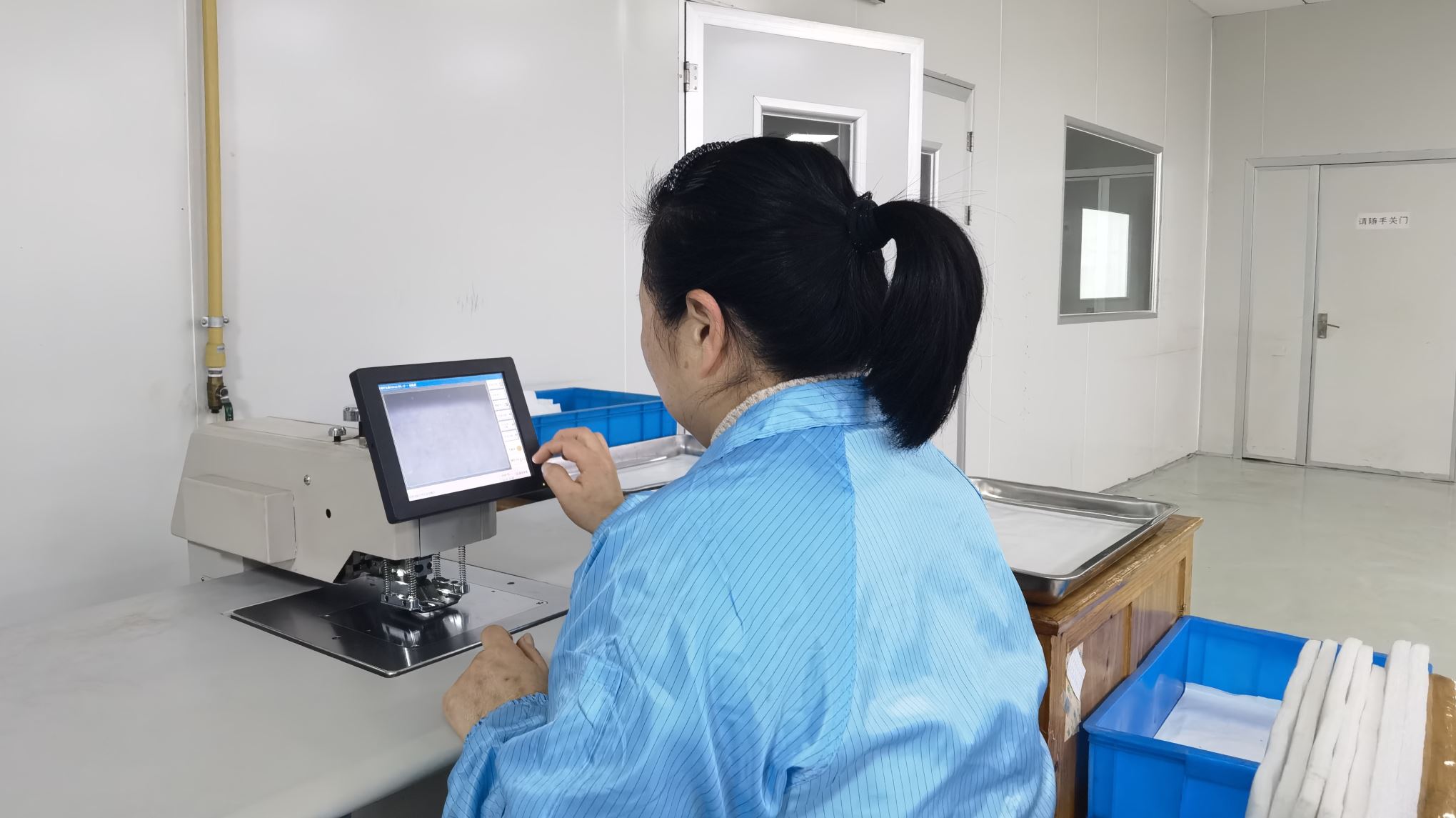
CCD Punching
Optical registration hole punching ensuring layer alignment within ±0.05mm tolerance.
07
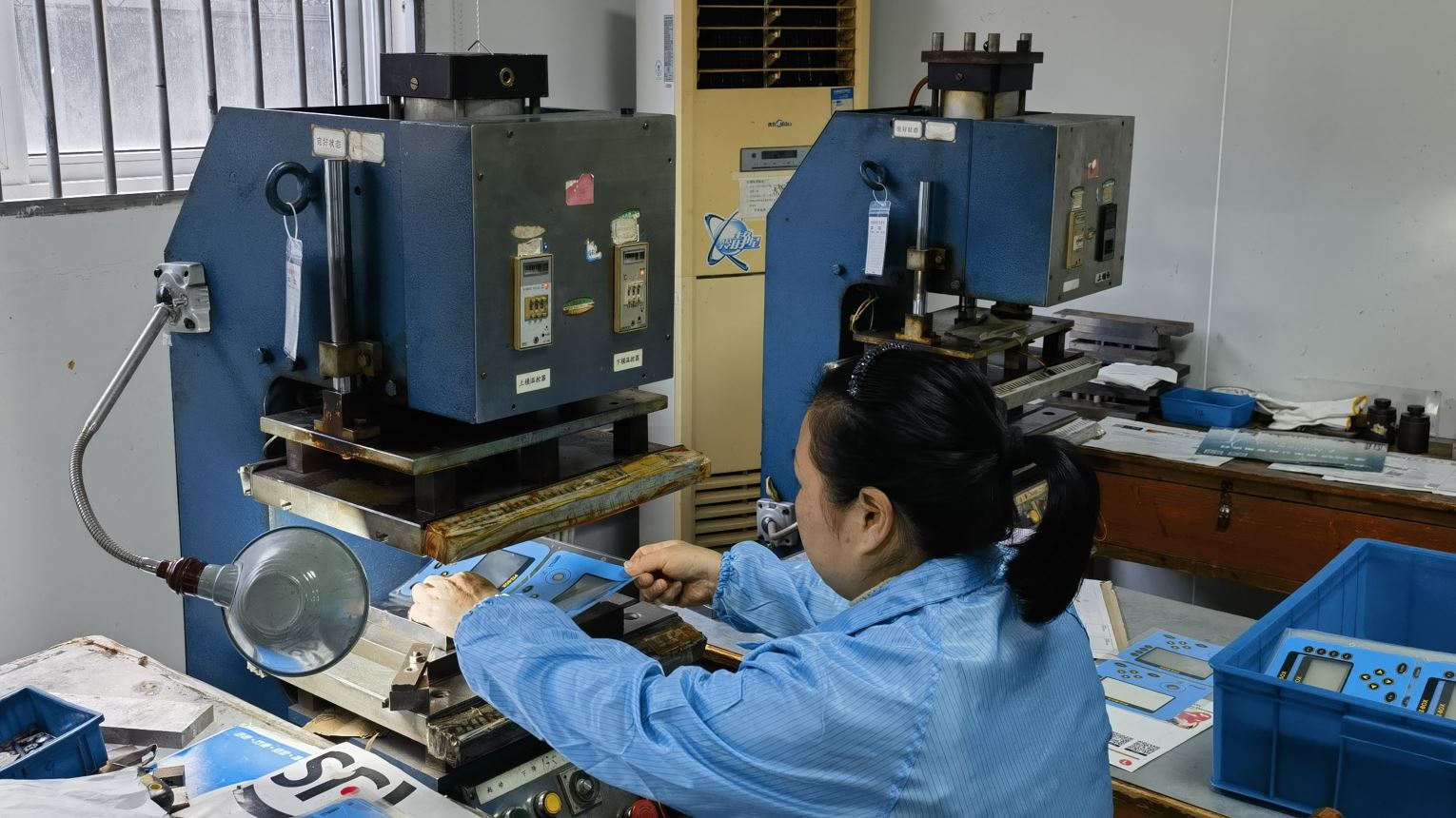
Tactile Embossing
Hydraulic hot/cold thermoforming of rim, pillow, or polydome tactile actuation keys.
08
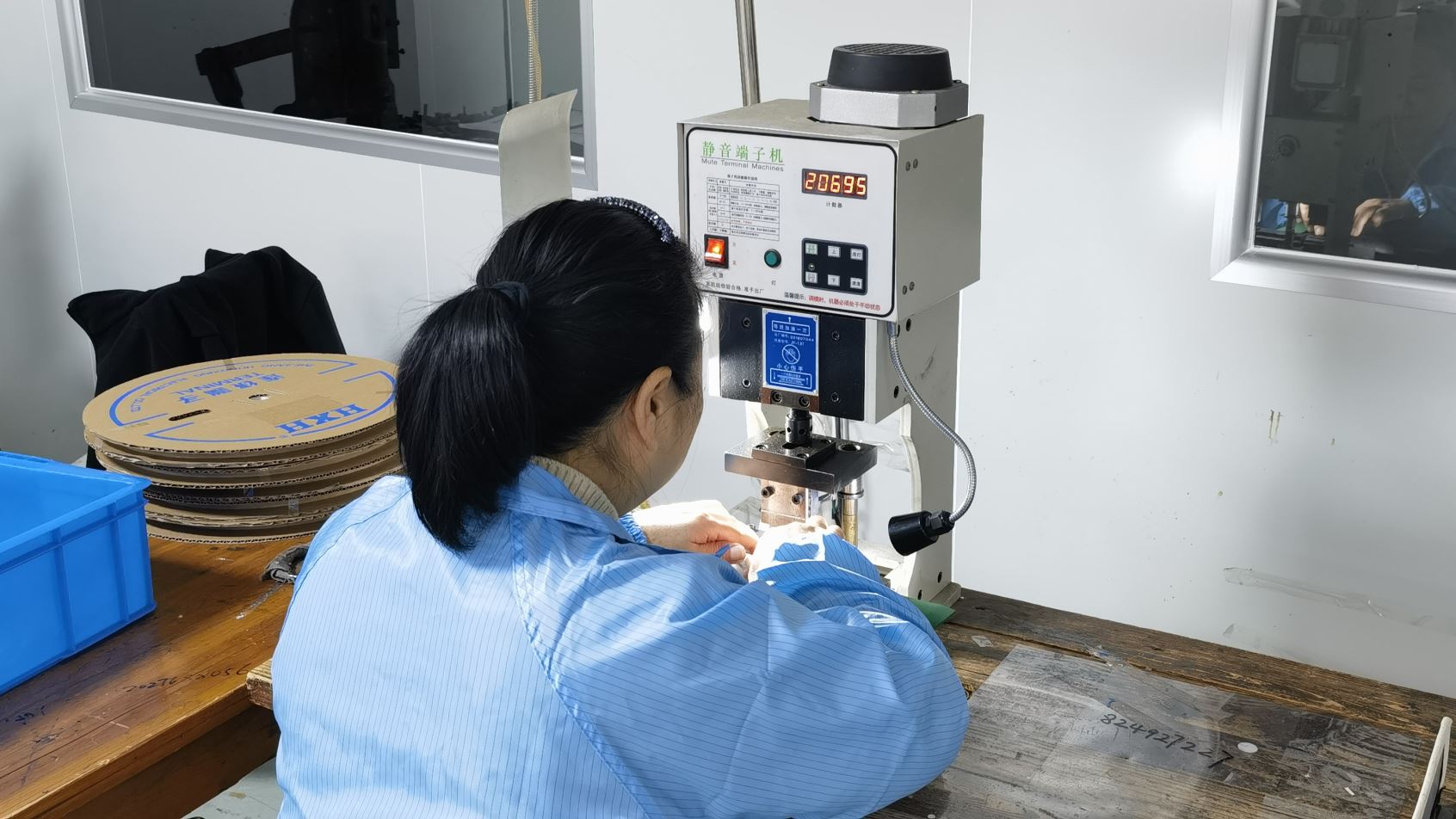
Terminal Crimping
Micropitch connector assembly with Berg, Nicomatic, or ZIF zero-insertion interfaces.
09
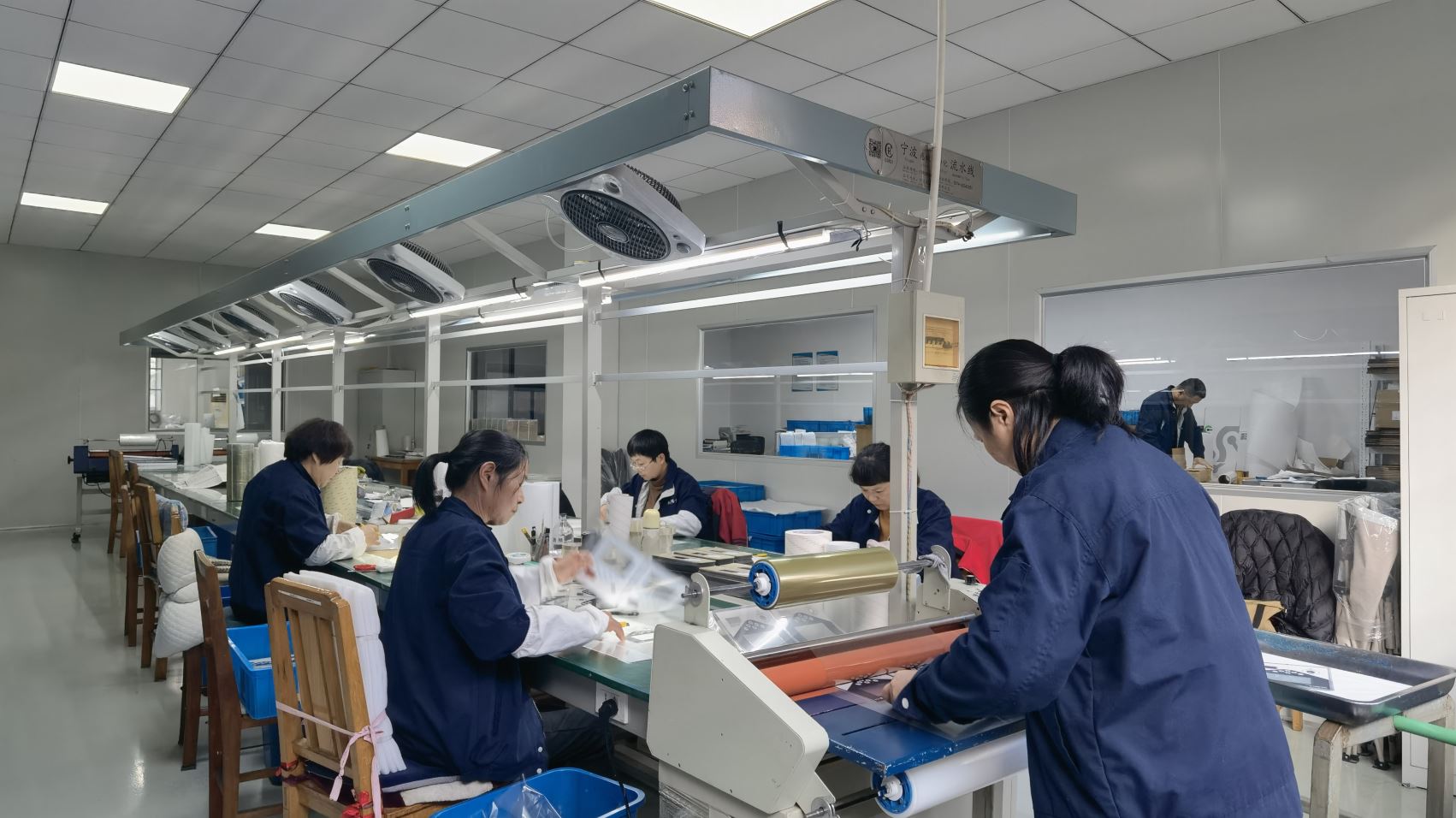
Vacuum Lamination
Multi-layer adhesive stacking under uniform pressure to eliminate micro air pockets.
10
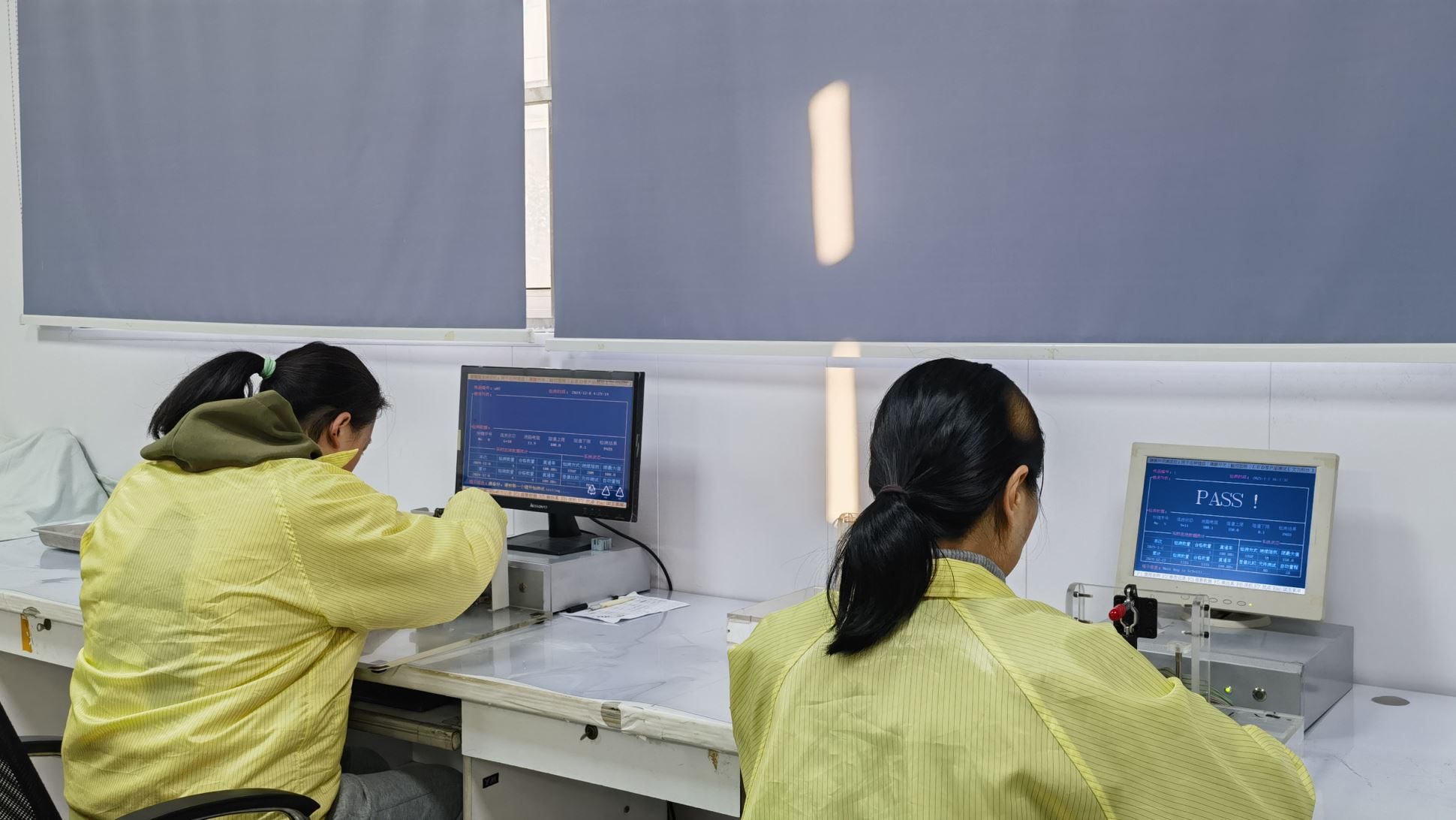
100% Electrical QA
Continuity, insulation resistance (>100MΩ at 100V DC), contact bounce, and optical checks.
3 Decades of Interface Authority




Zhejiang ZIRA Membrane Switch Co., Ltd.
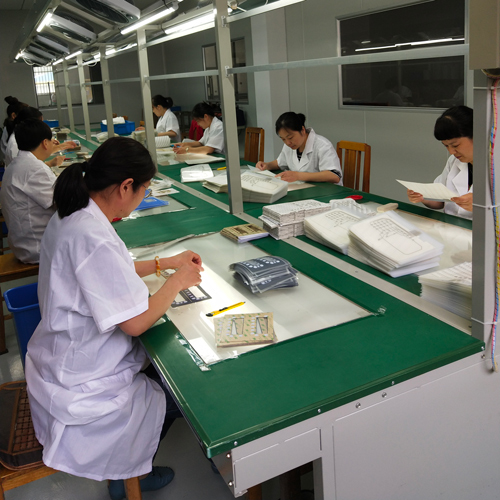
Founded in 1996, ZIRA has evolved from a specialized screen-printing workshop into an advanced human-machine interface fabrication facility operating across 5,000 square meters in Changhe Industrial Park, Ningbo. We serve original equipment manufacturers across North America, Western Europe, and the DACH region (Germany, Austria, Switzerland, Liechtenstein).
Audited and verified onsite by Intertek, our facility integrates 5 automated production lines, laser die-cutting, environmental aging chambers, and 100% automated optical and electrical testing rigs. Over 50% of our annual production is exported to demanding medical, automation, and aerospace clients worldwide, including long-term supply partnerships with industry conglomerates like ABB and Emerson.
29+ Years Dedicated
HMI manufacturing since 1996
Intertek Onsite Checked
Third-party audit certification
Turnkey OEM/ODM
From CAD sketch to production
Engineering Support
Free DFM & light-guide modeling
Procurement & Engineering Due Diligence
Liechtenstein Procurement & Technical FAQ
Direct answers addressing supply chain integration, regulatory documentation, cleanroom packaging, and import logistics for procurement managers and mechanical engineers across Vaduz, Schaan, Balzers, and the Swiss border corridor.
How are customs clearance and import VAT handled for deliveries to Liechtenstein?
Liechtenstein participates in a customs union with Switzerland (Swiss Customs Territory). Consequently, all shipments dispatched from our Ningbo facility destined for Liechtenstein (e.g., Vaduz, Schaan, Balzers) follow the unified Swiss Federal Customs framework. We support standard Incoterms including DDP (Delivered Duty Paid), CIP (Zurich Airport), or DAP via major express carriers (DHL Express, FedEx, UPS). Under DDP terms, all import customs clearances, Swiss customs duties (based on gross weight/tariff codes 8537.10/8538.90), and Swiss statutory VAT (currently 8.1%) are handled prior to delivery at your dock doors, removing administrative burdens for local purchasing teams.
Can you provide full compliance documentation for EU MDR 2017/745 and Swiss MedDO?
Yes. While graphic overlays and membrane keypads are typically categorized as sub-assemblies or component parts rather than finished medical devices, our materials comply fully with the biological safety requirements demanded by Medical Device Regulation (MDR) Annex I and the Swiss Medical Devices Ordinance (MedDO / SR 812.213). We supply comprehensive Declarations of Conformity, full material declarations for RoHS 3 (EU 2015/863), REACH SVHC candidate lists (>230 substances monitored), cytotoxicity screening certificates (ISO 10993-5), and antimicrobial efficacy audit reports under ISO 22196 / JIS Z 2801.
What is your rapid prototyping turnaround for R&D engineering projects in Liechtenstein?
We understand the rapid iterative prototyping cycles required by precision engineering departments in Schaan and Balzers. For new customized designs, our engineering team returns a comprehensive DFM (Design for Manufacturability) review and layer stack-up drawing within 24 hours. Following CAD drawing sign-off, functional prototype samples (with laser-cut tooling, digital or screen printing, and metal dome assembly) typically ship within 7 to 10 business days. Full-scale production tooling (hard steel die-cutters, embossing dies) takes approximately 12 to 15 days, with repeat mass production batches shipping in 2 to 3 weeks.
How does your antimicrobial graphic overlay withstand harsh industrial disinfection protocols?
Our antimicrobial overlays use premium medical-grade Autotex AM films. Because the biocidal silver-ion matrix is incorporated deep within the cross-linked polymeric hardcoat (rather than a delicate surface dip or spray), it survives repeated wipe-down regimens using aggressive hospital and industrial disinfectants. In empirical laboratory washdown testing, our panels withstand over 24 hours of continuous exposure to 70% Isopropyl Alcohol, 10% Sodium Hypochlorite (household bleach), Hydrogen Peroxide vapor (30%), Glutaraldehyde, and Chlorhexidine gluconate without hazing, surface cracking, discoloration, or loss of biocidal efficacy.
What tactile dome options and actuation forces are recommended for gloved operation?
In clinical dental suites, cleanrooms, and automated chemical lines, operators routinely wear nitrile, latex, or heavy-duty chemical gloves. To ensure positive tactile confirmation without visual reliance, we recommend stainless steel snap domes (nickel-plated or gold-plated) with an actuation force ranging from 280g to 420g and a crisp snap ratio of 40% to 55%. Domes range in diameter from 8.4mm to 16mm (four-leg or round shapes). We combine this with precision rim or pillow embossing (0.3mm to 0.5mm height) on the graphic overlay, providing distinct physical tactile boundaries that operators can feel cleanly through multiple glove layers.
Can you integrate backlighting and display windows without breaking the IP67 sterile perimeter seal?
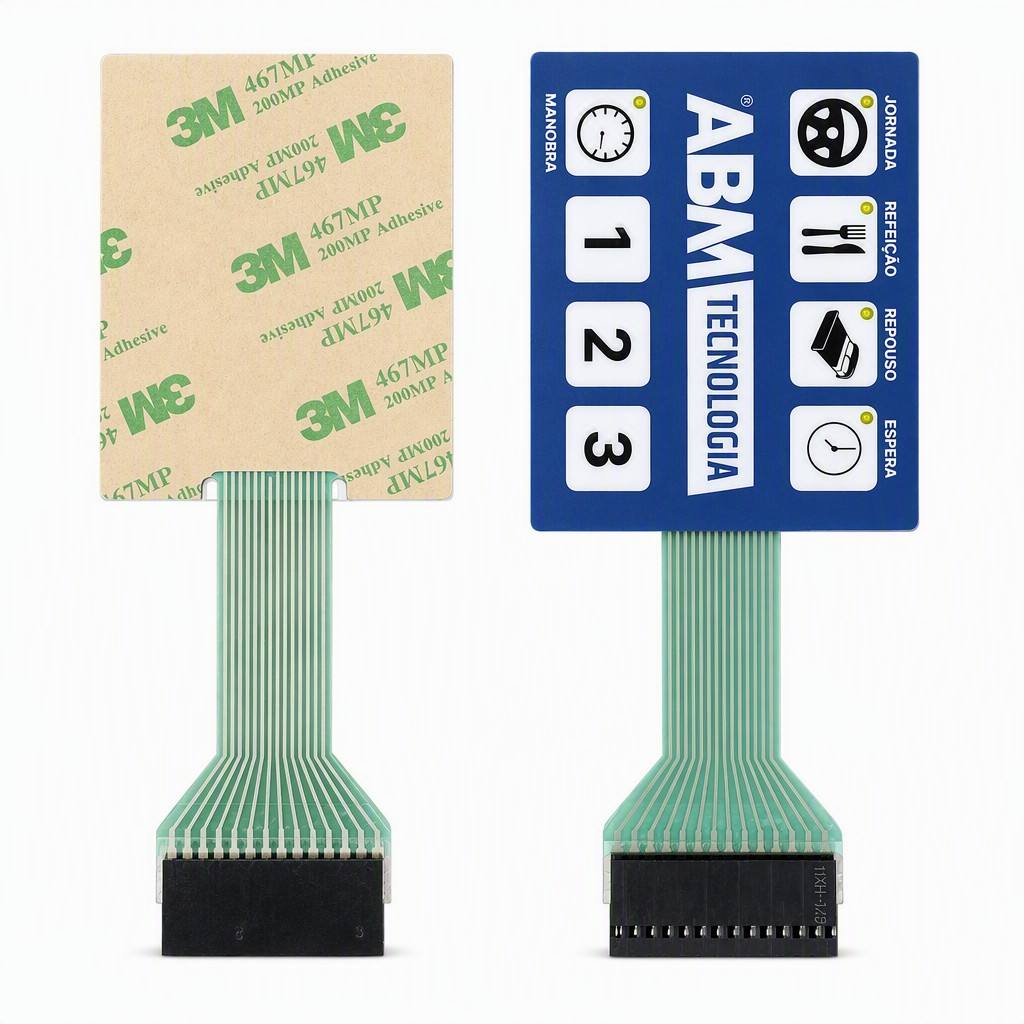
Yes. Maintaining a continuous IP67 or IP69K perimeter barrier against liquid ingress is critical for washdown environments. For backlighting, we deploy ultra-thin Light Guide Films (LGF) or side-firing SMT LEDs (0603/0805 packages) integrated directly into internal circuit spacers, requiring zero exterior openings. For displays (OLED, LCD, TFT, or 7-segment LEDs), the graphic overlay incorporates selectively textured, optically clear display windows with light transmittance exceeding 91%. The window perimeter is sealed using closed-cell, continuous 3M acrylic foam adhesives (e.g., 3M 467MP, 468MP, or 3M VHB), guaranteeing a hermetic seal against pressurized fluid ingress.
What are your Minimum Order Quantities (MOQ) for custom OEM graphic overlay projects?
To support early-stage product validation and specialized low-volume, high-mix European instrument batches, our engineering prototype MOQ starts at just 1 piece. Standard pre-series pilot batches typically run between 50 and 100 pieces. For serial mass production, batch sizes from 500 to 10,000+ units benefit from high-speed semi-automatic reel-to-bed printing, reducing unit costs substantially. Tooling costs are amortized transparently, with no hidden engineering or film setup surcharges on repeat purchase orders.
How do you ensure electromagnetic shielding (EMI/ESD) in precision measurement environments?
For sensitive analytical instruments, vacuum deposition controllers, and laser diagnostic devices susceptible to static discharges, we integrate dedicated ESD/EMI shielding layers within the membrane switch sandwich. Options include a solid screen-printed conductive silver grid layer, a continuous carbon shielding plane, or an aluminum-polyester laminated foil layer grounded via the tail harness or a dedicated chassis grounding tab. This construction dissipates electrostatic discharges up to 15kV (air discharge) and 8kV (contact discharge) per IEC 61000-4-2, preventing false actuations and protecting sensitive microcontroller electronics behind the front bezel.
Fast-Track Engineering Collaboration
Request an Engineering DFM Review for Your Project
Send your CAD drawings, dimensional PDF schematics, or sample specifications to our Ningbo engineering center. We provide a complete DFM report, layer stack-up recommendation, and rapid prototype quote within 24 hours.
