Q:
What CAD and electrical documentation is required to receive a formal DFM quote?
To provide an accurate technical quotation and Design for Manufacturability (DFM) review within 24 hours, our engineering department requires:
1. Vector graphic artwork (Adobe Illustrator .AI, CorelDraw .CDR, or vector .PDF) specifying Pantone or RAL color codes.
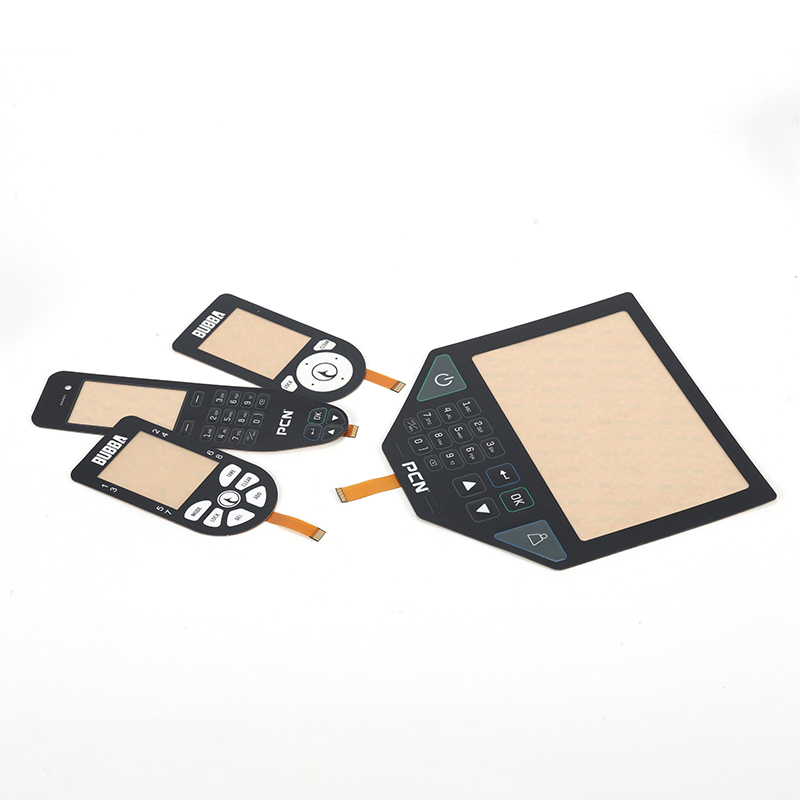
2. Mechanical dimensioned drawing (.DWG, .DXF, or 3D .STEP file) indicating perimeter contours, window locations, embossing heights, and tail exit coordinates.
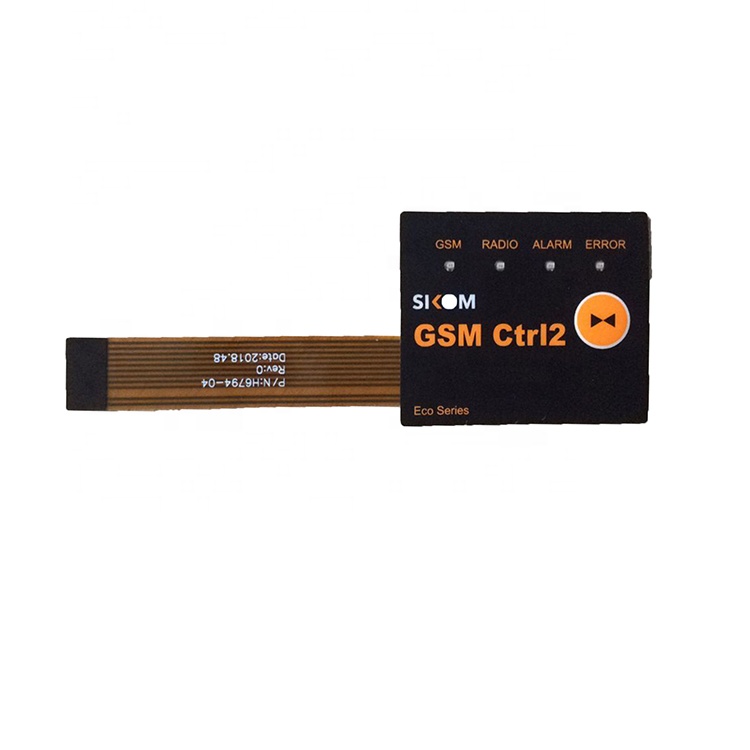
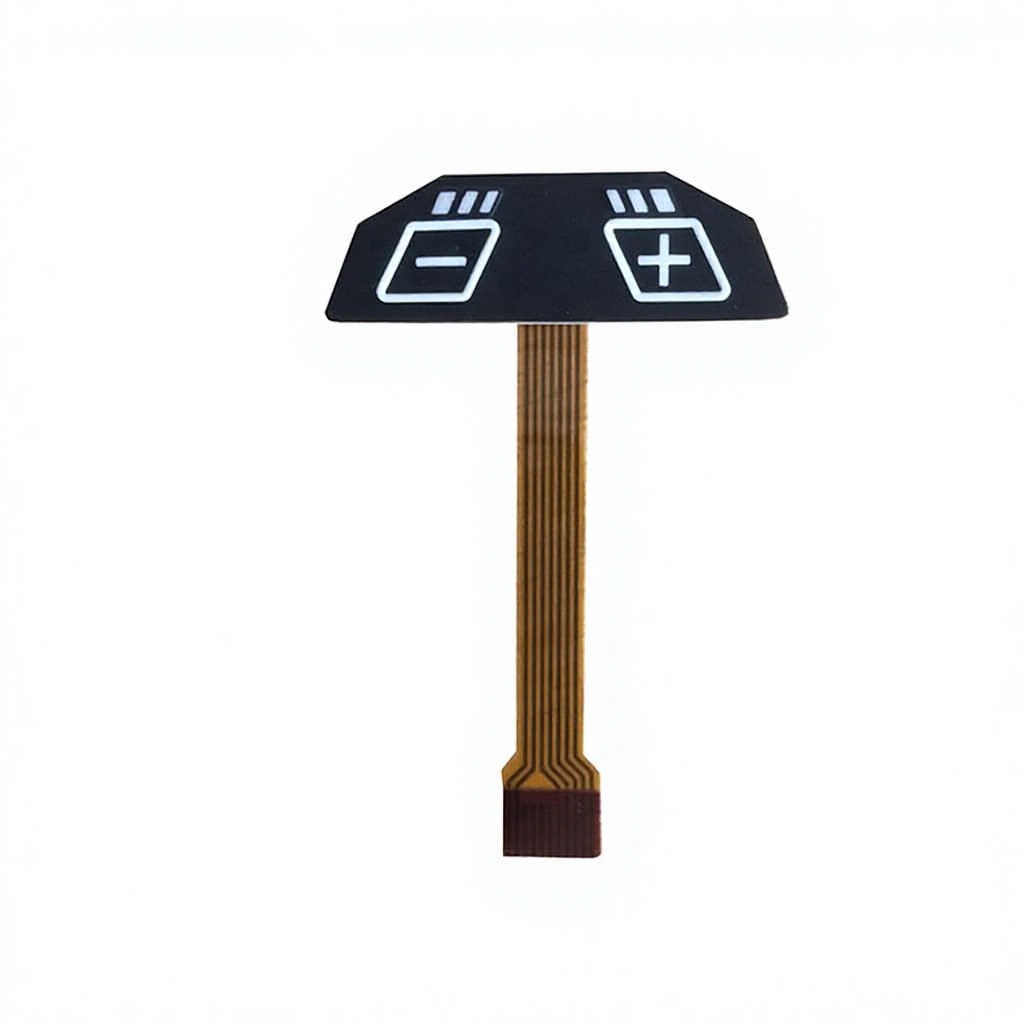
3. Electrical schematic or pin-out truth table specifying pin pitches (typically 1.0mm, 1.27mm, or 2.54mm), connector socket types (e.g., Nicomatic, Berg Clincher, or bare ZIF leads), and any embedded LED diode configurations.
Q:
How does ZIRA prevent silver migration in humid or outdoor industrial applications?
Silver migration occurs when moisture and DC electrical bias cause silver ions to migrate across dielectric spacings, creating dendritic micro-shorts. ZIRA mitigates this through three distinct engineering measures:
1. Overprinting silver conductive traces with a continuous carbon-graphite protective ink barrier.
2. Maintaining strict circuit trace separation design rules (≥0.75mm in high-humidity operating environments).
3. Utilizing polyimide-based FPC (Flexible Printed Circuit) with chemically etched copper conductors and polyimide coverlay for mission-critical outdoor and marine assemblies requiring zero dielectric risk.
Q:
What adhesive transfer tapes are recommended for low-surface-energy (LSE) plastic enclosures?
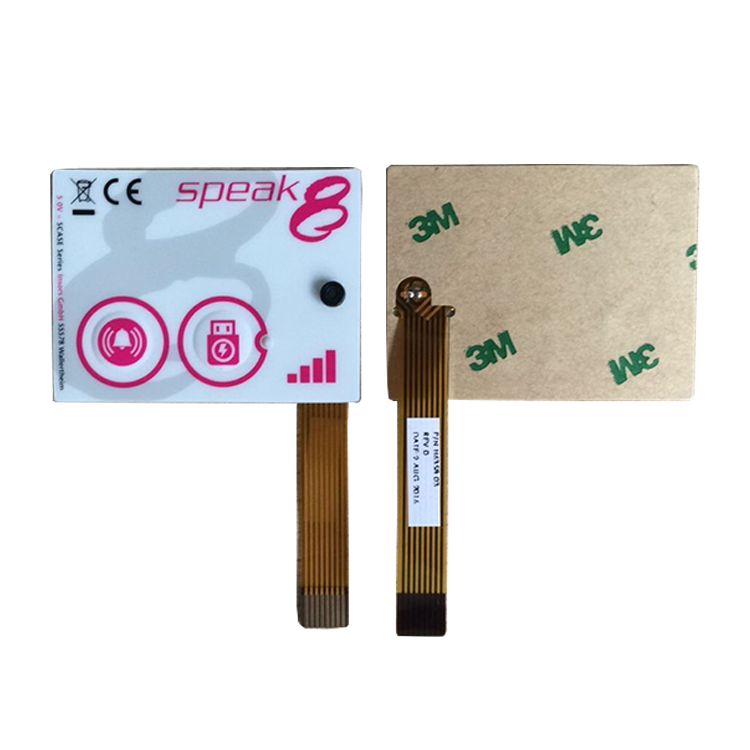
Keypad assemblies mounted to powder-coated cast aluminum, polypropylene (PP), or polyethylene (PE) enclosures require specialty pressure-sensitive adhesives. While standard 3M 467MP/468MP acrylic adhesives provide exceptional bonding to high-surface-energy metals and ABS, we specify 3M 300LSE (such as 3M 9471LE/9472LE) for low-surface-energy housings. 3M 300LSE adhesive delivers rapid initial tack, exceptional peel strength (>35 N/100mm), and broad thermal stability from -40°C to +150°C.
Q:
Can silicone rubber keymats be integrated directly with tactile membrane switches?
Yes, this hybrid design is one of ZIRA's core strengths. In a "Silicone Keymat + Membrane" hybrid assembly, a compression-molded silicone elastomer overlay (often with laser-etched legends, polyurethane protective coating, and long 1.5mm–2.5mm travel) sits directly above a sealed metal dome membrane circuit. The elastomeric key acts as a tactile actuator plunger, providing the ergonomic feel of 3D molded rubber keys while maintaining the hermetic perimeter sealing and cost-effective circuit routing of a flat membrane switch.
Q:
What is your standard production lead time and minimum order quantity (MOQ)?
We operate highly agile production scheduling. Rapid engineering prototype samples with custom laser-cut tooling and screen printing are typically delivered within 5 to 7 working days. For standard production runs, our MOQ starts as low as 100 units for custom membrane switches and 500 units for compression-molded silicone keypads. Standard mass production orders ship within 12 to 18 business days via major air couriers (DHL, FedEx, UPS) or consolidated sea freight.
Q:
What international trade Incoterms and payment options are supported?
As an established exporter with 29+ years of international logistics experience, ZIRA supports standard global trade terms including FOB Ningbo/Shanghai, CIF destination port, EXW factory, CIP, CPT, and full door-to-door DDP (Delivered Duty Paid) service for customers who require customs clearance handled seamlessly. Payment terms include T/T, L/C at sight, D/P, and Western Union in USD, EUR, GBP, or CNY.