IP67 Waterproof
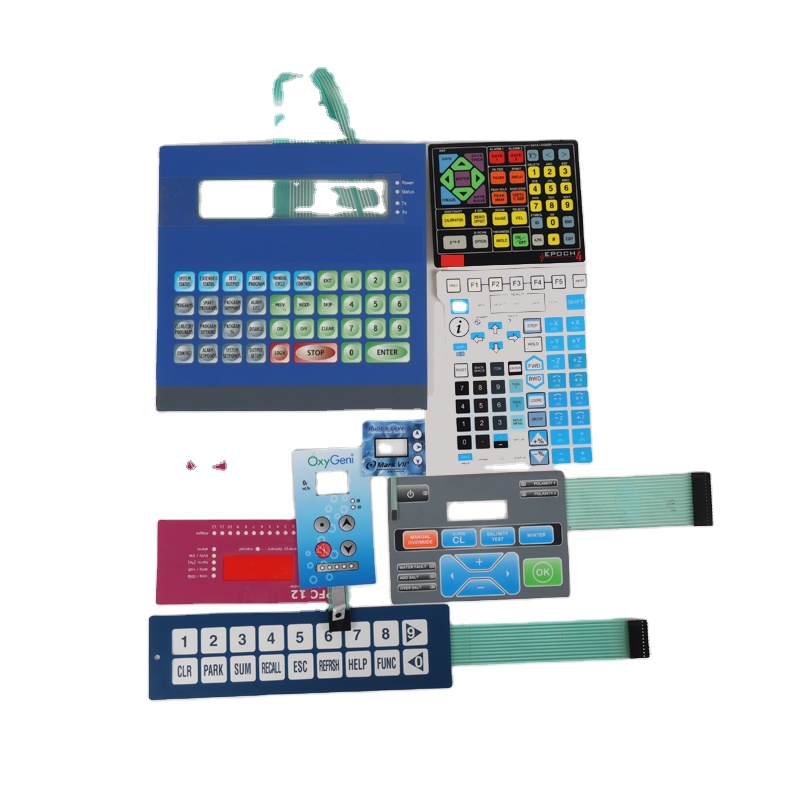
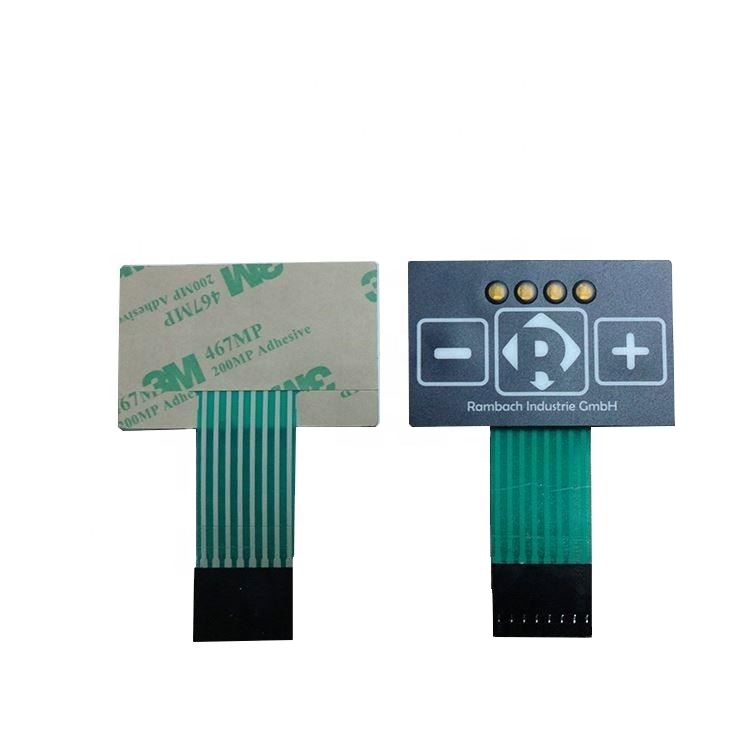
Factory Custom Waterproof Membrane Keypad Switch, Metal Dome Tactile Push Button Switch With 3M Adhesive
- 3M VHB/468MP Environmental Sealing
- Crisp Metal Dome Tactile Feedback
Engineered for high actuation fatigue resistance, chemical wipe-down resilience, and precise tactile response across demanding industrial, medical, and instrumentation panels.
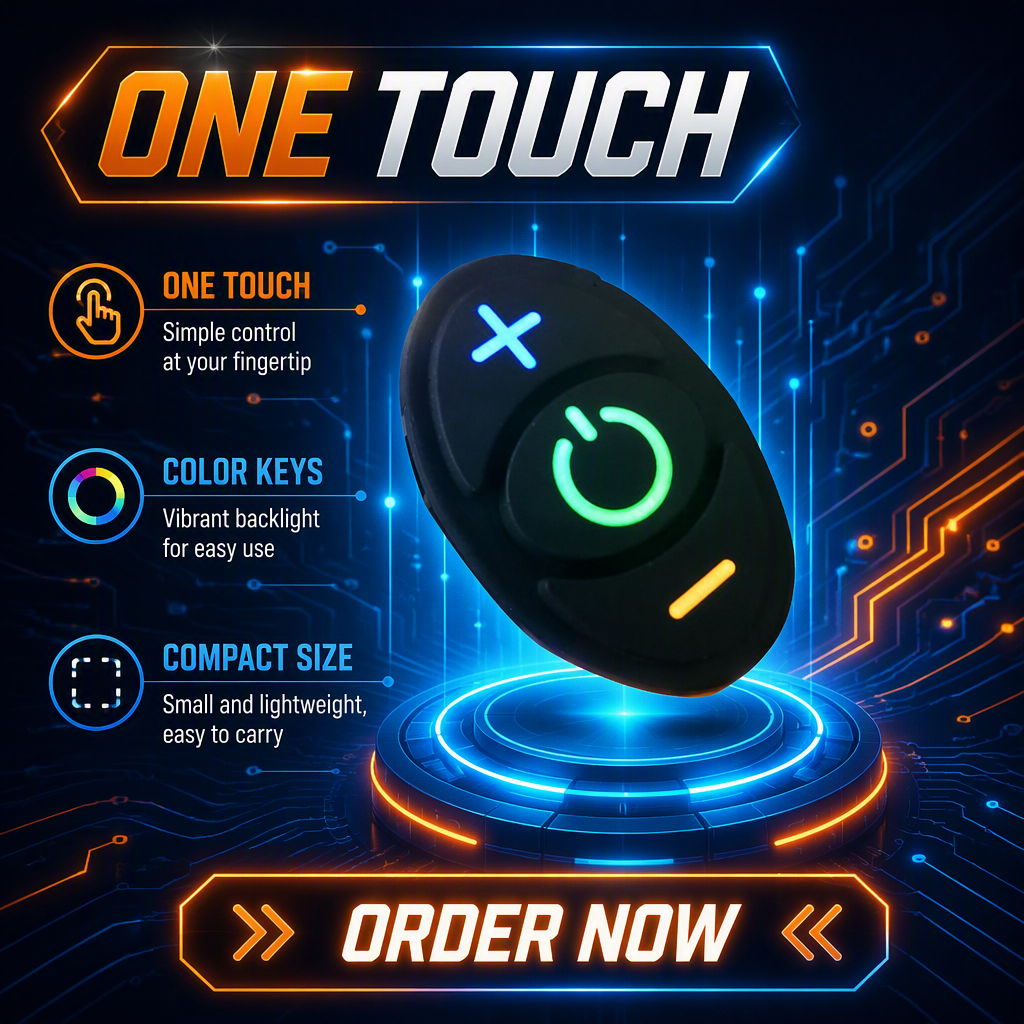
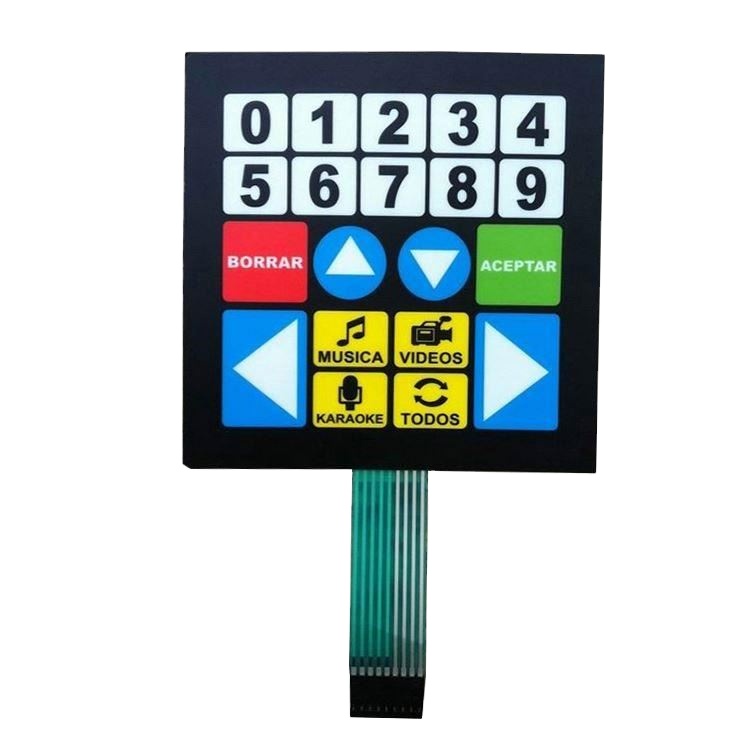
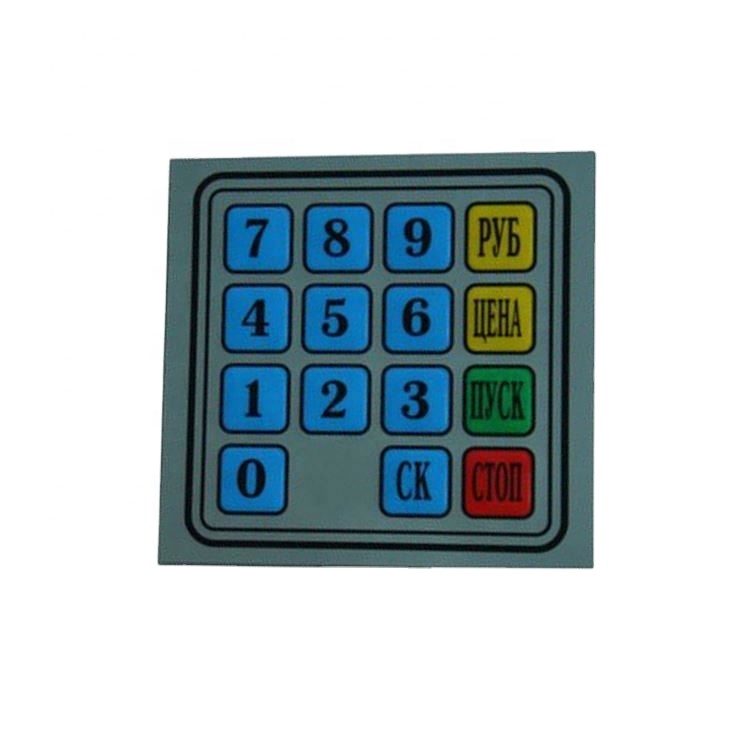
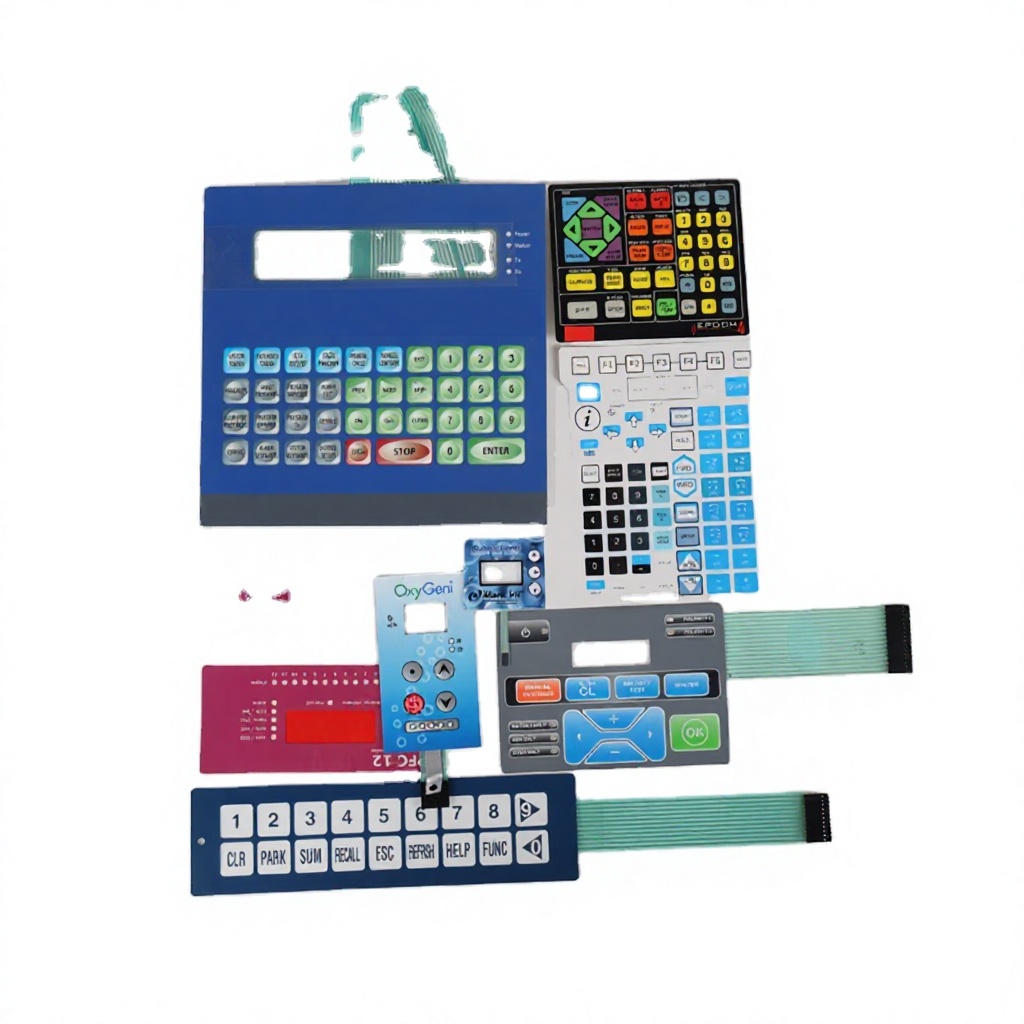
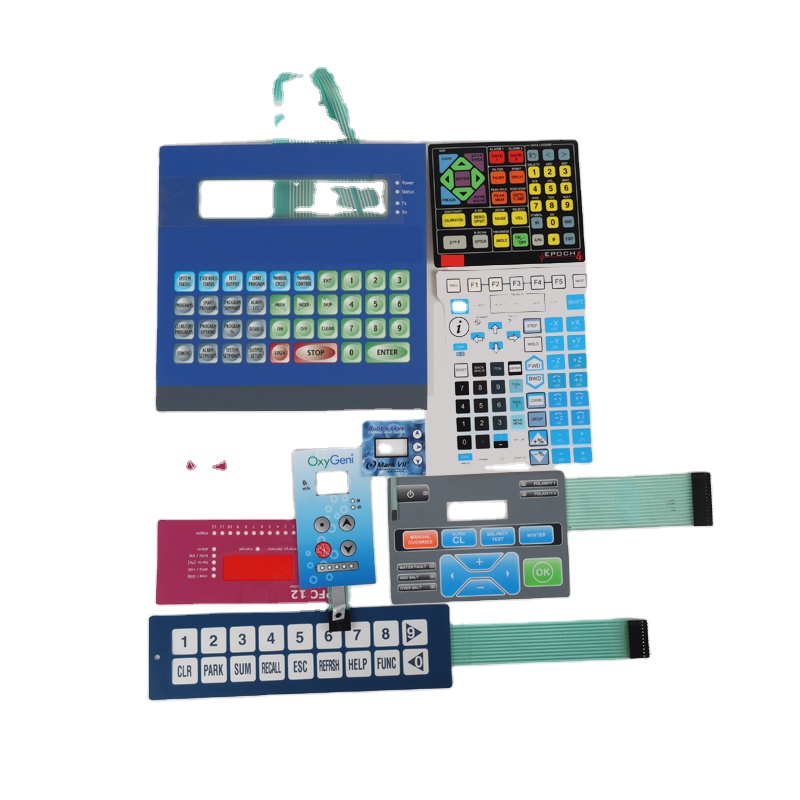
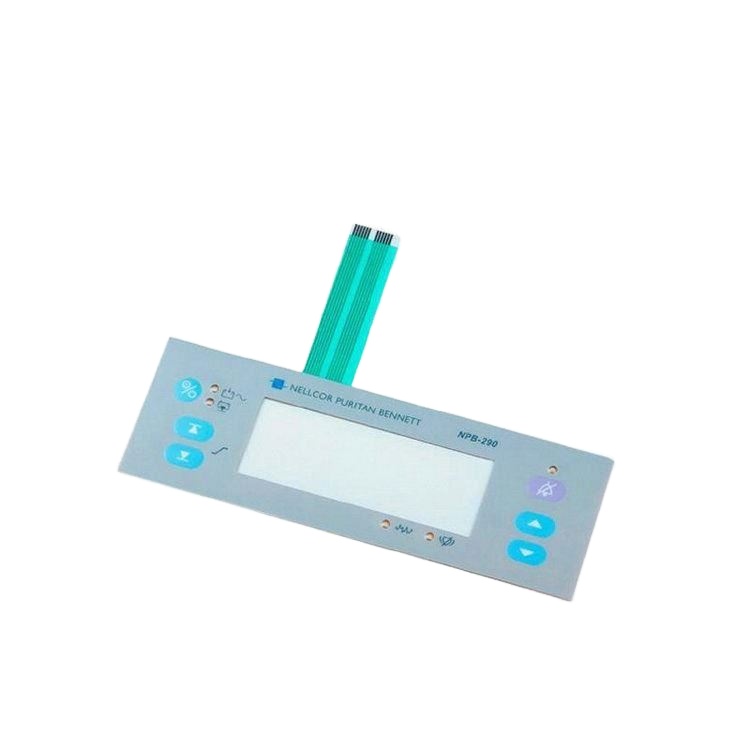
A rigorous examination of elastomeric compounds, conductive vulcanization mechanics, tactile ratio optimization, and circuit contact resistance.
Conductive silicone rubber keypads represent one of the most mechanically resilient and versatile human-machine interface (HMI) solutions deployed across global industrial automation, medical diagnostics, automotive cockpits, and defense electronics. Unlike standard mechanical switches that rely on discrete solder-mounted components, elastomeric keypads utilize high-consistency silicone rubber (HCR) formulated via compression or liquid injection molding. The core switching function relies on conductive carbon pills (carbon tablets) permanently vulcanized to the underside of the elastomeric switch webbing, or selectively deposited conductive carbon/nickel/gold coatings.
When an operator applies downward actuation force to the silicone keytop, the elastomeric webbing undergoes controlled elastic buckling. This snap action provides crisp tactile feedback while driving the conductive carbon pill directly across interleaved copper PCB traces or screen-printed silver contact pads on a membrane circuit. Upon contact closure, the circuit loop drops from infinite resistance to typically below 100 Ohms, signaling an instantaneous micro-controller register read. Zhejiang ZIRA Membrane Switch Co., Ltd. (operating from its dedicated 5,000 m² facility in Ningbo, Zhejiang) has optimized this compound formulation and mold-tooling discipline since 1996, catering directly to rigorous international standards audited on-site by Intertek.
Compound hardness is engineered strictly between 30 to 80 Shore A using synthetic methyl vinyl silicone elastomers. We ensure tactile stroke deflection consistency within ±5 Shore A across the entire keypad footprint, eliminating operator finger fatigue.
The relationship between actuation force (Fa) and return force (Fr) determines the tactile snap ratio: Snap Ratio = (Fa - Fr) / Fa. We target a 40% to 65% snap ratio, generating crisp acoustic and sensory feedback with operational lifespans exceeding 5,000,000 cycles.
We deploy high-density conductive carbon pills with contact resistance verified below 100 Ω at 150g load. For ultra-low resistance bus signals, we co-mold specialized gold-plated or nickel-impregnated rubber pills delivering resistance under 10 Ω.
Verified physical, mechanical, and electrical parameters guiding ZIRA's precision compression molding lines.
| Performance Parameter | Standard Commercial Grade | Medical & Military Grade (ZIRA Spec) | Verification Test Method |
|---|---|---|---|
| Actuation Force (Fa) | 100g – 250g ± 30g | 50g – 500g ± 15g (Custom Tuned) | ASTM F1578 Automated Force-Displacement |
| Contact Resistance (Carbon Pill) | < 150 Ω @ 100g load | < 50 Ω (Carbon) / < 5 Ω (Gold Flash) | MIL-STD-202 Method 307 Milliohm Metrology |
| Contact Chatter / Bounce Time | ≤ 10 ms | ≤ 5 ms (Debounce Circuit Compatible) | High-Speed Digital Oscilloscope Sampling |
| Operating Temperature Envelope | -20°C to +70°C | -40°C to +180°C (High-Purity Silicone) | IEC 60068-2-1 / IEC 60068-2-2 Chamber Run |
| Flammability Rating | Standard Synthetic Elastomer | UL94 V-0 Flame Retardant Certified | UL94 Vertical Flame Burn Chamber |
| Dielectric Breakdown Voltage | ≥ 10 kV / mm | ≥ 23 kV / mm (Cleanroom Blended) | ASTM D149 Short-Time Dielectric Test |
| Abrasion Resistance (Legend Graphics) | > 50,000 cycles | > 500,000 cycles (PU / Epoxy Overcoat) | Norman Tooling RCA Abrasion Tester (ASTM F2357) |
How laser micro-machining, light-guide film integration, and hybrid electronics are redefining human-machine interface performance.
The global conductive rubber keypad landscape is evolving rapidly from standalone, passive switch mats into intelligent, multi-modal interface assemblies. As equipment enclosures become more compact and ergonomic requirements accelerate, engineering teams must overcome traditional design limitations such as uneven LED illumination, legend wear, and electrical ingress.
Traditional top-firing LEDs often create hotspots. Modern trends integrate ultra-thin Light Guide Films (LGF) measuring 0.125mm to 0.25mm directly beneath the silicone keymat. Side-firing micro-LEDs channel uniform photonic flux across legends, consuming up to 70% less power while providing crisp day/night visibility.
To eliminate legend erosion in high-friction environments like industrial forklifts and hospital monitors, translucent silicone is sprayed with an opaque colored base coat followed by a contrasting topcoat. Fiber laser systems ablate micro-precise legends, sealed underneath tough polyurethane or UV-cured anti-fingerprint lacquers.
Where operators require both the cushioned travel of an elastomer keytop and the distinct metallic snap click of a tactile switch, hybrid assemblies have emerged. The rubber keymat functions as an IP67 environmental bezel and actuator, directly actuating high-reliability stainless steel domes mounted on rigid FR4 or polyimide FPC circuits.
Strategic insights for procurement directors, global sourcing managers, and hardware engineers sourcing elastomeric sub-assemblies.
Procuring custom human-machine interfaces from overseas manufacturers has transitioned from simple unit-price comparisons into sophisticated lifecycle evaluations. Sourcing executives now evaluate suppliers based on mold-tooling precision, material compliance provenance (RoHS 3, REACH SVHC, conflict minerals), engineering DFM feedback speed, and geopolitical supply continuity.
High-volume programs (>100k units/year) necessitate hardened NAK80 or P20 mold tool steel with multi-cavity architectures (32 to 64 cavities) to minimize cycle time and unit costs. For prototyping and low-volume aerospace/medical runs, ZIRA provides rapid aluminum tooling capable of producing 100 to 1,000 sample parts within 10 to 14 days, minimizing capital risk during early design verification.
Disjointed supply chains—where rubber molding, circuit printing, laser engraving, and final testing are subcontracted across different vendors—introduce critical quality drop-offs and lead time friction. Sourcing from a fully integrated manufacturer like ZIRA ensures tool design, compound mixing, compression molding, silk screening, automated circuit testing, and final cleanroom packaging occur under a single audited roof.
With escalating global environmental oversight (EU RoHS Directive 2011/65/EU and REACH Regulation EC 1907/2006), procurement teams face severe border-entry risks if silicone contains restricted phthalates or volatile siloxanes (D4, D5, D6). ZIRA procures exclusively from certified virgin silicone suppliers (such as Dow Corning and Shin-Etsu) paired with complete material test certificates and continuous post-curing baking cycles.
Relying solely on digital storefront claims exposes tier-1 OEMs to unauthorized trading intermediaries. ZIRA's manufacturing plants and quality assurance laboratories in Ningbo are verified onsite by Intertek, ensuring actual machine assets, testing fixtures, and production lines match audited inspection reports.
Combining 29+ years of craft with automated production lines, serving global leaders including ABB and Emerson.
Founded in 1996 in the Changhe Industrial Park, Ningbo, Zhejiang, Zhejiang ZIRA Membrane Switch Co., Ltd. has established itself as a premier Chinese exporter of custom membrane switches, graphic overlays, conductive silicone rubber keypads, and integrated PCB/FPC electro-mechanical assemblies. Spanning an annual trade capacity of US$10M to US$50M, with up to 50% of production exported directly to North America, Western Europe, and Oceania, our production workflow is tuned around the rigorous demands of mission-critical instrumentation.
Every single manufactured keypad undergoes automated electrical continuity verification, open/short circuit screening, contact resistance metrology, and visual aesthetic inspection before hermetic packing, ensuring an out-of-box acceptance rate exceeding 99.8%.
Our senior mechanical R&D engineering staff reviews your 3D CAD models (STEP/IGES) and schematic pinouts within 24 hours. We optimize webbing geometry, draft angles, pill clearance, and vent grooves to guarantee structural integrity before steel cutting.
We empower early-stage R&D prototyping with low sample minimums (from 1 pc on custom assemblies) while maintaining high-speed compression capacity for high-volume repeat runs. Supporting FOB, CIF, EXW, CIP, CPT, and DDP shipping with rapid door-to-door transit.
In-depth answers addressing mold tooling, resistance degradation, environmental sealing, and manufacturing lead times.
A properly engineered silicone rubber keypad utilizing high-elasticity silicone webbing and premium carbon pills achieves between 1,000,000 and 5,000,000 mechanical switch operations. Factors affecting longevity include the actuation force, stroke length (typically 1.0mm to 2.5mm), the snap angle of the webbing (ideally 45° to 60°), and the operating environment. Under automated life-cycle fatigue testing (ASTM F1578), ZIRA keypads maintain stable contact resistance without webbing tear or carbon delamination beyond 3,000,000 cycles.
Carbon pill degradation typically stems from poor mold vulcanization, plasticizer leaching, or environmental sulfur contamination. ZIRA mitigates this by utilizing solid compression-molded carbon pills co-vulcanized with virgin silicone at high temperature and pressure, rather than relying solely on post-printed conductive inks. Additionally, our keypads feature internal venting channels (breather grooves) linked between key cavities, allowing air to circulate during compression while keeping out moisture and preventing vacuum lock.
To provide a definitive DFM report and price breakdown within 24 hours, our engineering team requires:
1. 3D mechanical drawings (STEP, IGES, or SolidWorks) showing key dimensions, stroke depth, wall thickness, and outer bezel profiles.
2. Graphic design files (Adobe Illustrator vector format, DXF, or high-res PDF) specifying Pantone or RAL color codes.
3. Electrical specifications: circuit contact resistance thresholds, pinout schematics, connector termination type (e.g., 2.54mm female housing, ZIF connector, or bare PCB traces).
4. Environmental criteria: target IP sealing level (IP65, IP67), operating temperature limits, flammability rating (UL94 V-0), and chemical exposure risks.
Yes. Conductive rubber keypads can be molded with an integrated perimeter sealing rib (gasket flange) that compresses against the mating plastic or aluminum enclosure during assembly. Alternatively, we laminate automotive-grade 3M adhesive backings (such as 3M 467MP, 468MP, or 3M VHB series) to the keypad underside, creating an impermeable barrier against pressurized water jets, cleaning solutions, fine dust, and chemical vapors.
For custom compression tooling, standard prototyping molds (single cavity or soft tooling) take 10 to 14 business days. Initial first-article samples are immediately submitted with a dimensional inspection report, Shore A durometer verification, and force-displacement curves. Full production tooling (multi-cavity hardened steel) typically requires 18 to 22 business days, with mass production runs dispatching within 2 to 3 weeks following sample approval.
Membrane switches feature an ultra-low profile (0.5mm – 1.5mm total thickness), completely flat or gently embossed key surfaces, and high resistance to liquid chemicals, making them ideal for flat diagnostic lab equipment and wipe-clean medical panels. Silicone rubber keypads provide true 3D ergonomics, deeper mechanical stroke travel (0.8mm – 3.5mm), soft acoustic dampening, and rugged tactile feel, making them preferred for handheld industrial remotes, heavy machinery consoles, telecom handsets, and ruggedized military gear. ZIRA frequently manufactures hybrid assemblies incorporating both technologies.
