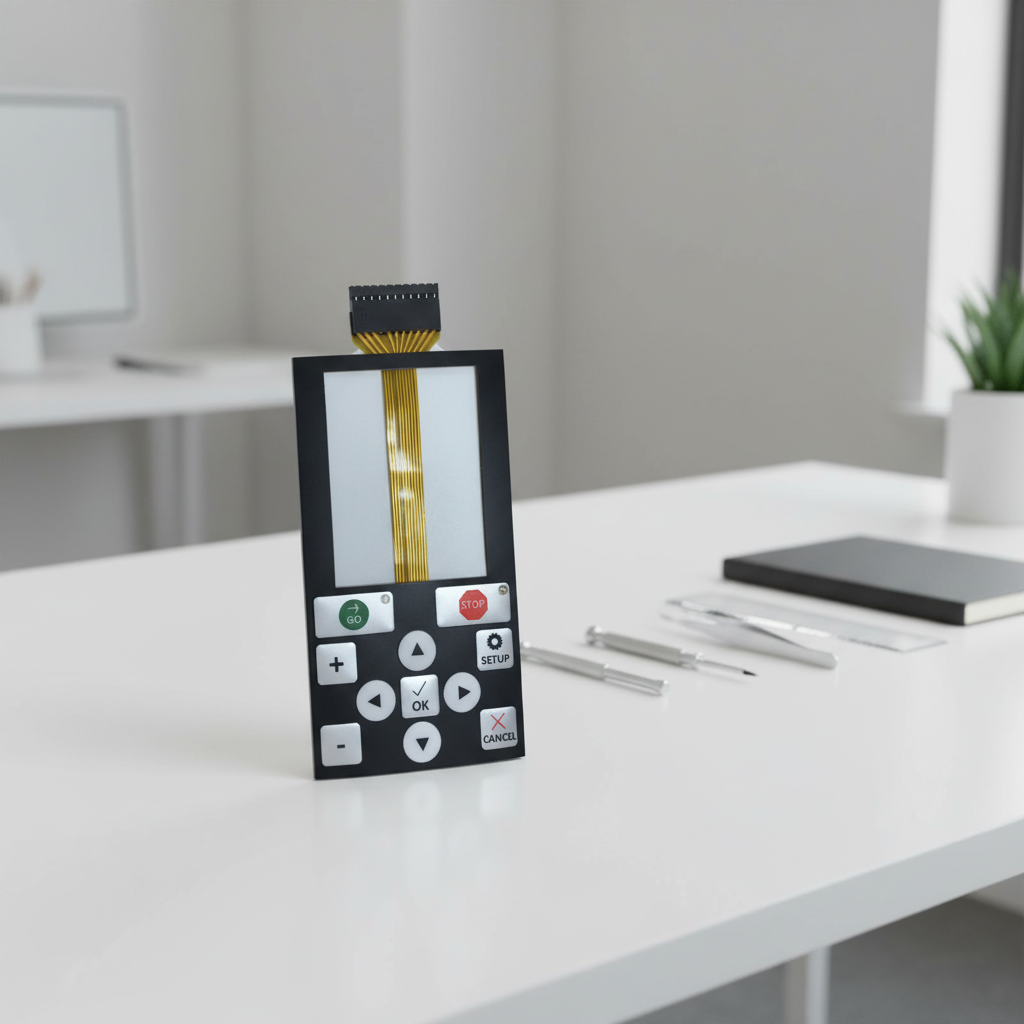
IP67 Waterproof
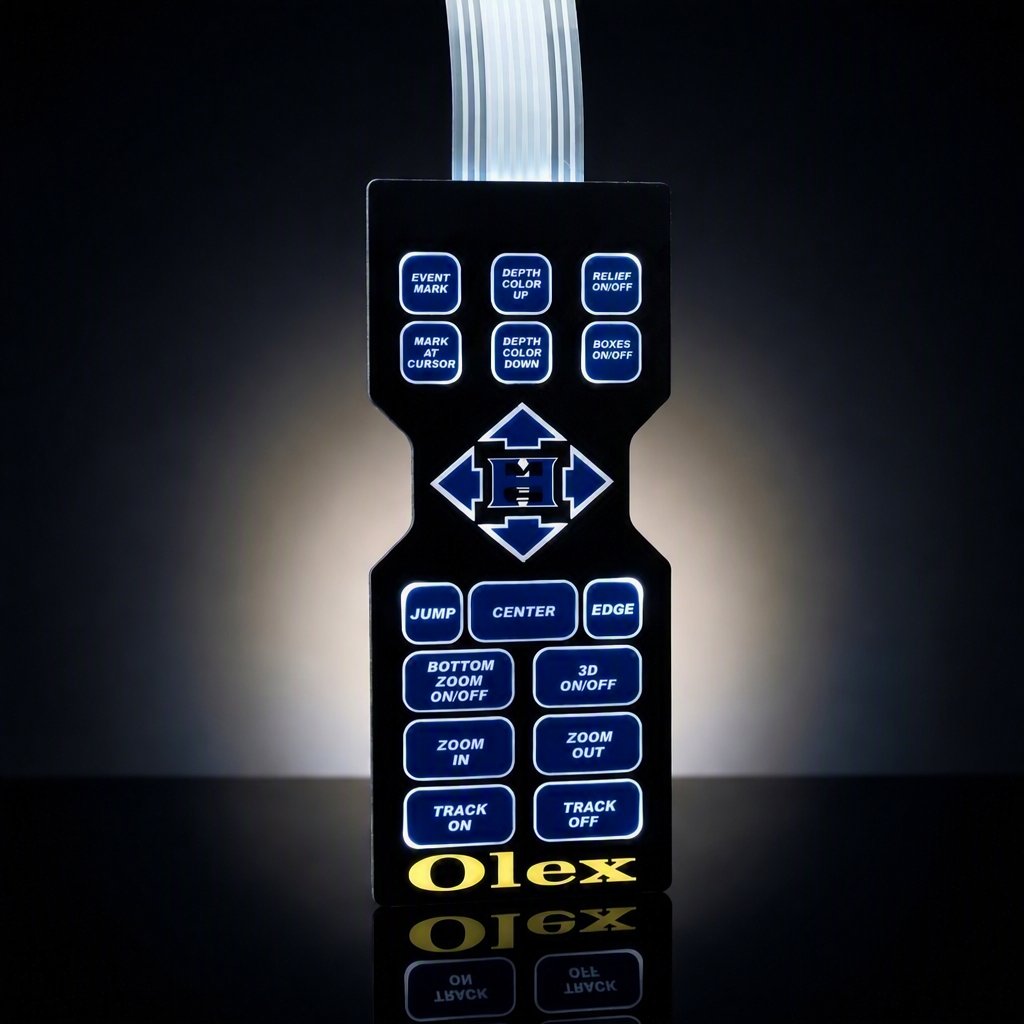
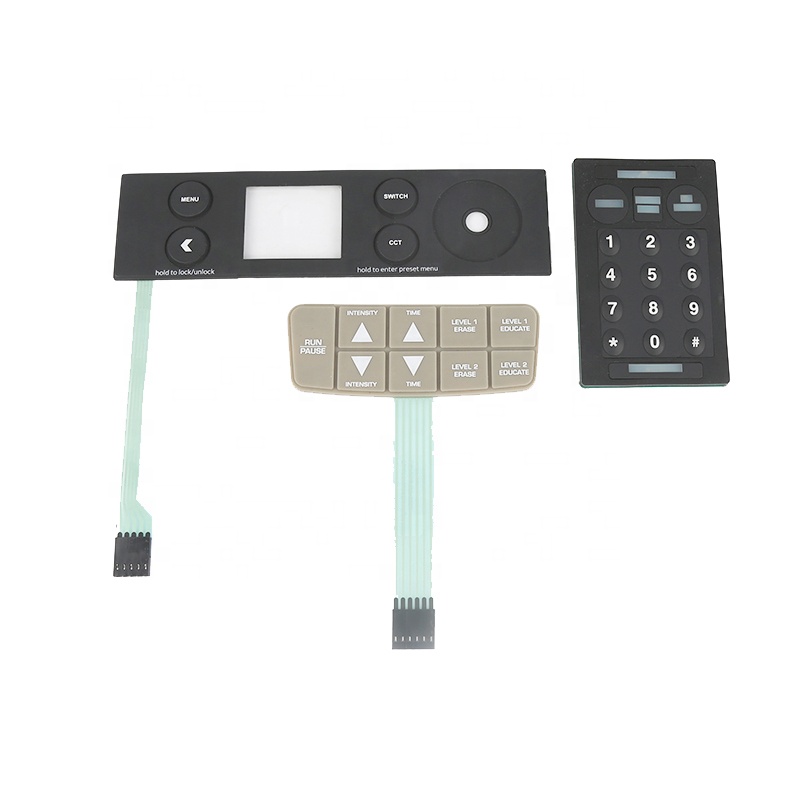
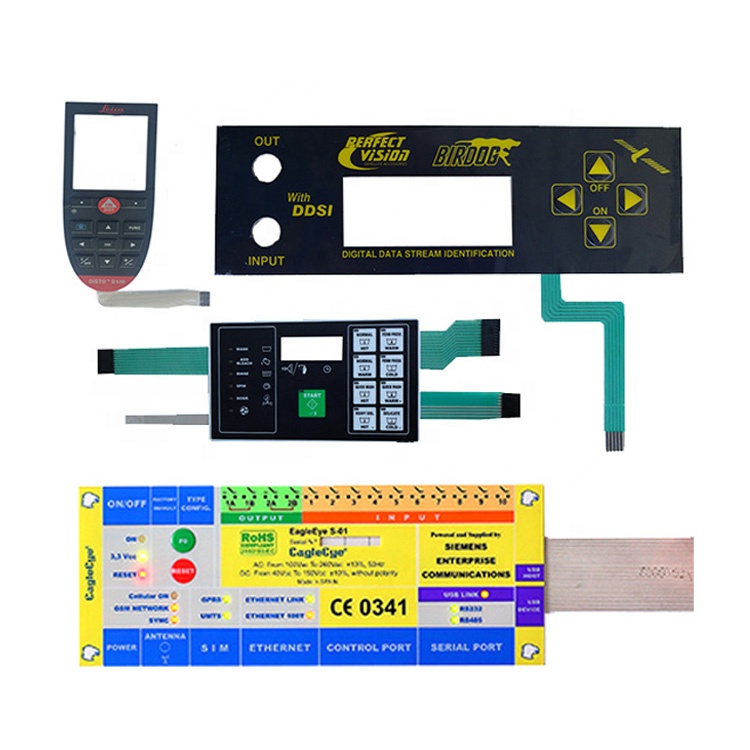
Waterproof LED Membrane Keyboard with 3M Adhesive Flat Design
Embedded surface-mount LEDs, customized 3M 467/468MP backing, high-cycle metal domes.
Engineered for high actuation fatigue resistance, crisp snap ratios, and environmental resilience in mission-critical applications.
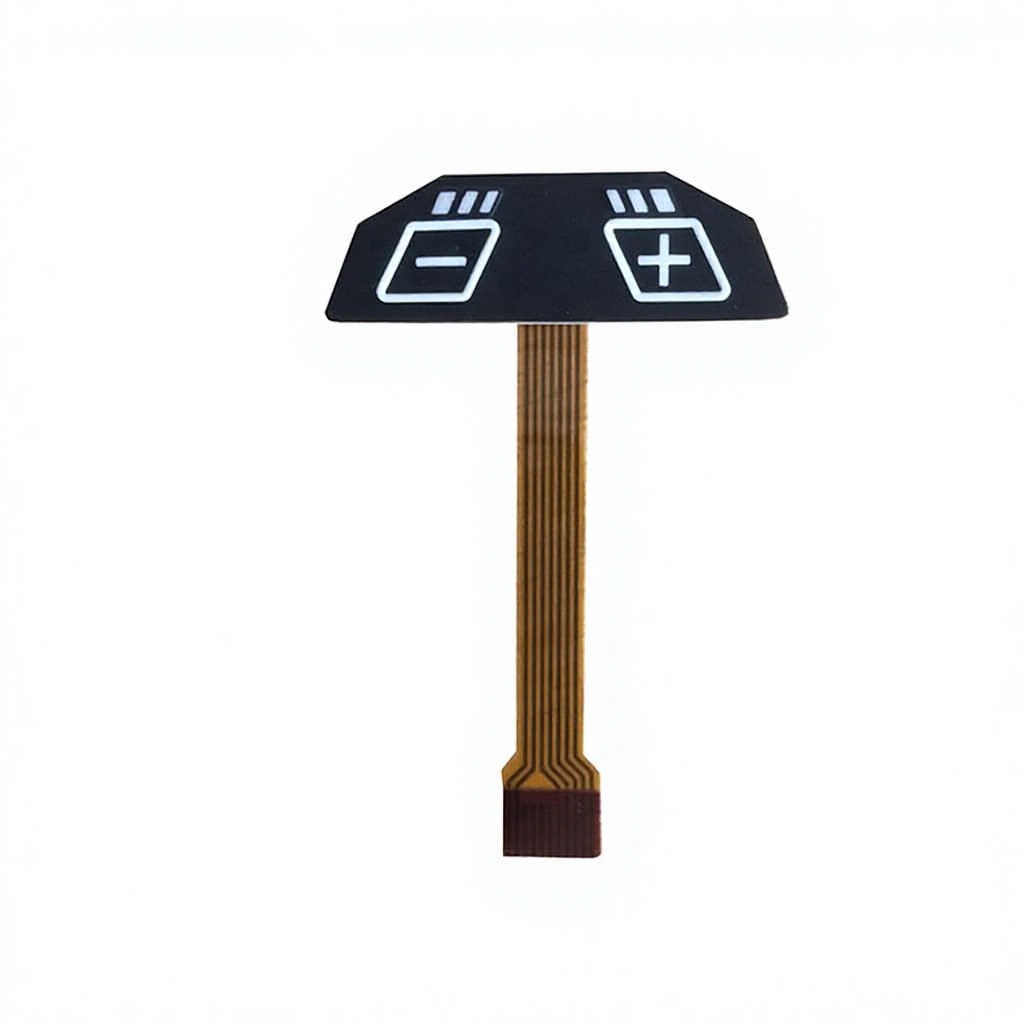
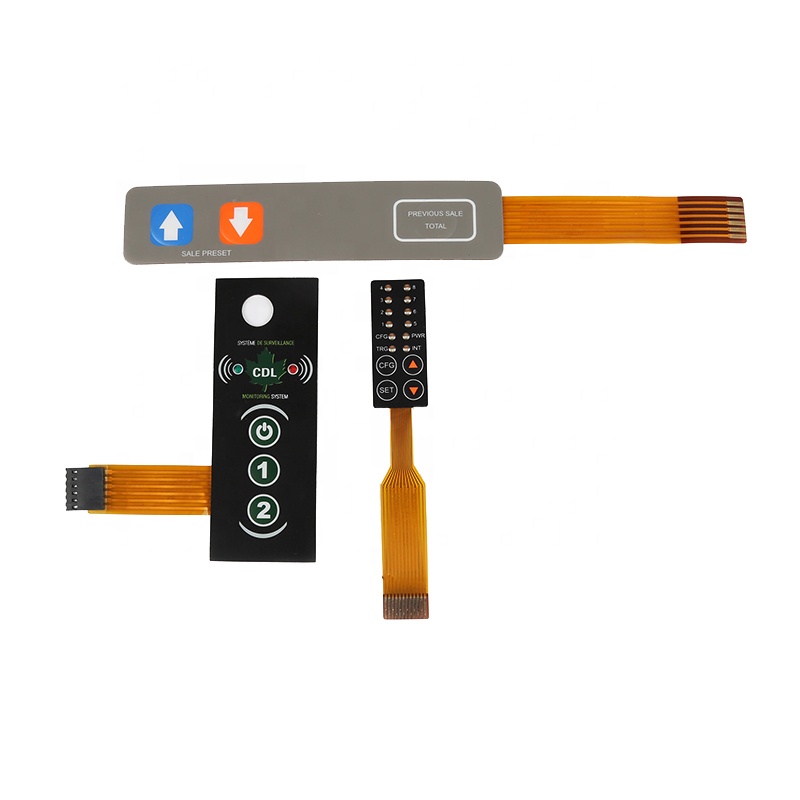
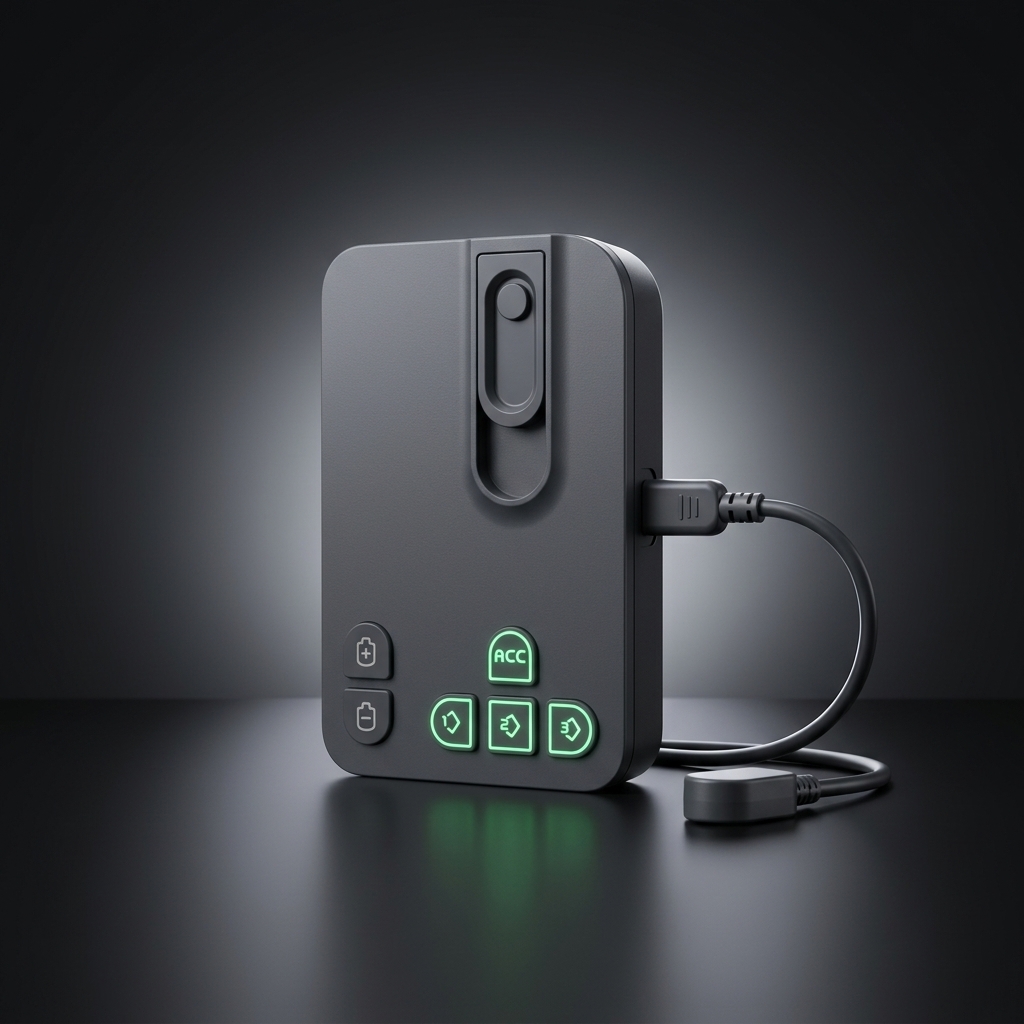
Combining three decades of precision tooling, multi-layer screen printing, and certified DFM engineering to deliver zero-defect tactile switch interfaces worldwide.
Our production facilities, cleanroom environments, quality management protocols, and export certifications are independently audited and verified on-site by Intertek, ensuring rigorous IP protection and contract reliability.
Zero tolerance for open circuits or high contact resistance. Every single switch assembly undergoes automatic computer-controlled continuity, insulation resistance (>100MΩ at 100VDC), actuation travel, and LED chromaticity inspection.
Our veteran R&D team provides comprehensive Design for Manufacturability (DFM) reviews within 24 hours. We evaluate trace loop resistance, metal dome snap ratio, venting air-channel design, and adhesive shear boundaries before cutting steel.
Long-term strategic collaboration with leading global multinational enterprises such as ABB and Emerson. We source verified engineering substrates including Autotype PET, 3M VHB/High-Tack Adhesives, and genuine Nicomatic metal domes.
Optimized for modern agile hardware development. We support prototype sampling from 1 piece with digital cutting and UV flatbed proofs, up to million-unit mass production across five automated lamination and screen-printing lines.
Complete regulatory compliance with RoHS, REACH, and CE directives. Fully verified Incoterms operations covering FOB, CIF, EXW, CIP, and door-to-door DDP with customs handling for clients throughout Europe, North America, and APAC.
In modern industrial and medical Human-Machine Interface (HMI) design, the metal dome membrane switch remains an irreplaceable component despite the proliferation of pure touchscreens. When mission-critical equipment requires indisputable actuation confirmation under harsh conditions, tactile metal dome switches provide physical snap feedback that capacitive glass interfaces simply cannot replicate.
Traditional membrane switches relied on simple screen-printed silver ink traces directly on polyester (PET). However, modern requirements for high-density components, integrated SMT LEDs, and rigorous moisture sealing have driven several manufacturing shifts:
| Technical Parameter | Standard Silver Flex PET | Copper FPC Core Hybrid | Rigid FR4 PCB Core |
|---|---|---|---|
| Circuit Resistance | 10Ω – 100Ω (Length dependent) | < 1Ω (Virtually zero loss) | < 0.5Ω (High conductivity) |
| Component Density | Low (Conductive epoxy bonding) | Extremely High (SMT soldering) | Highest (Full SMT multi-layer) |
| Flexibility / Profile | High flexibility (0.5mm – 1.0mm) | High flexibility (0.6mm – 1.2mm) | Rigid / Non-flexible (1.6mm – 3.2mm) |
| Actuation Life Expectancy | 1,000,000 Cycles | 3,000,000 to 5,000,000 Cycles | 5,000,000+ Cycles |
| Tooling & Unit Cost Ratio | Lowest Tooling / Moderate Unit | Moderate Tooling / Balanced Unit | Higher Tooling / Low Unit at Scale |
| Primary Application Fields | Consumer appliances, basic remotes | Medical monitors, avionics, defense | Heavy industrial, vibration cabinets |
Global supply chain directors and component sourcing managers are navigating rapid geopolitical, environmental, and technological transformations. When procuring custom metal dome switches from China, leading organizations are focusing on three decisive procurement vectors:
Medical and food-processing environments increasingly mandate anti-microbial textured PET films (such as textured Autotype with micro-biocidal agents) that withstand continuous exposure to hospital-grade IPA disinfectants, bleach, and quaternary ammonium compounds without yellowing or overlay delamination.
Procurement teams are cutting bill-of-materials (BOM) overhead by consolidating separate display windows, silicone keymats, and mechanical chassis into a single integrated sub-assembly. ZIRA delivers full mechanical-to-electronic integration, complete with pre-assembled aluminium backer plates, PEM studs, and optically bonded display lenses.
As global regulatory requirements (e.g., EU CBAM, RoHS 3, and REACH SVHC) tighten, industrial buyers require transparent material certification down to adhesive lot numbers and dome metallurgy. Every production batch at ZIRA is backed by full material compliance documentation and retained QA records.
From raw substrate inspection to cleanroom multi-layer optical assembly, every step is guarded by strict automated inspection gates.
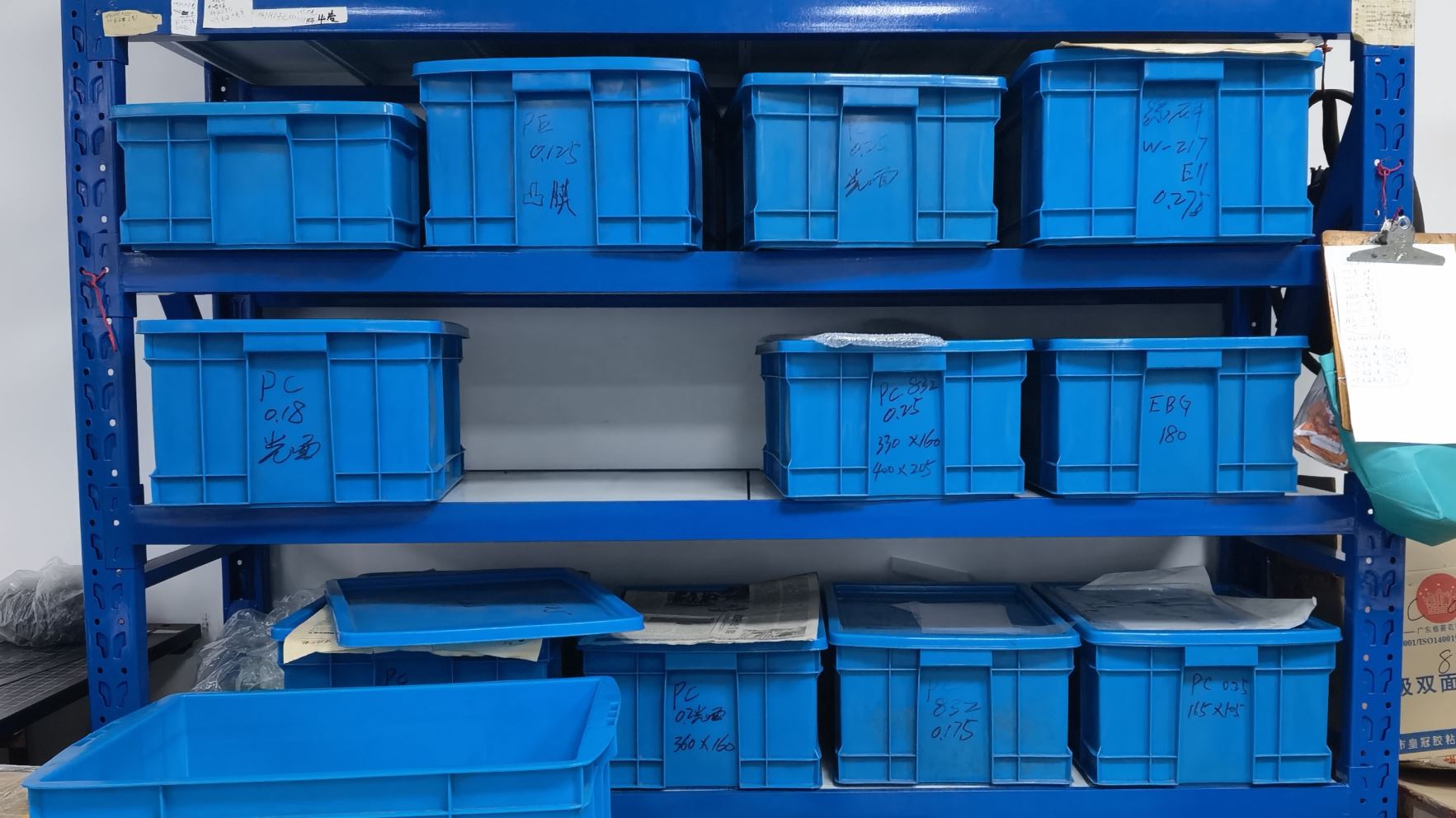
Verification of PET/PC film tension, sheet squareness, and 3M adhesive shear strength.
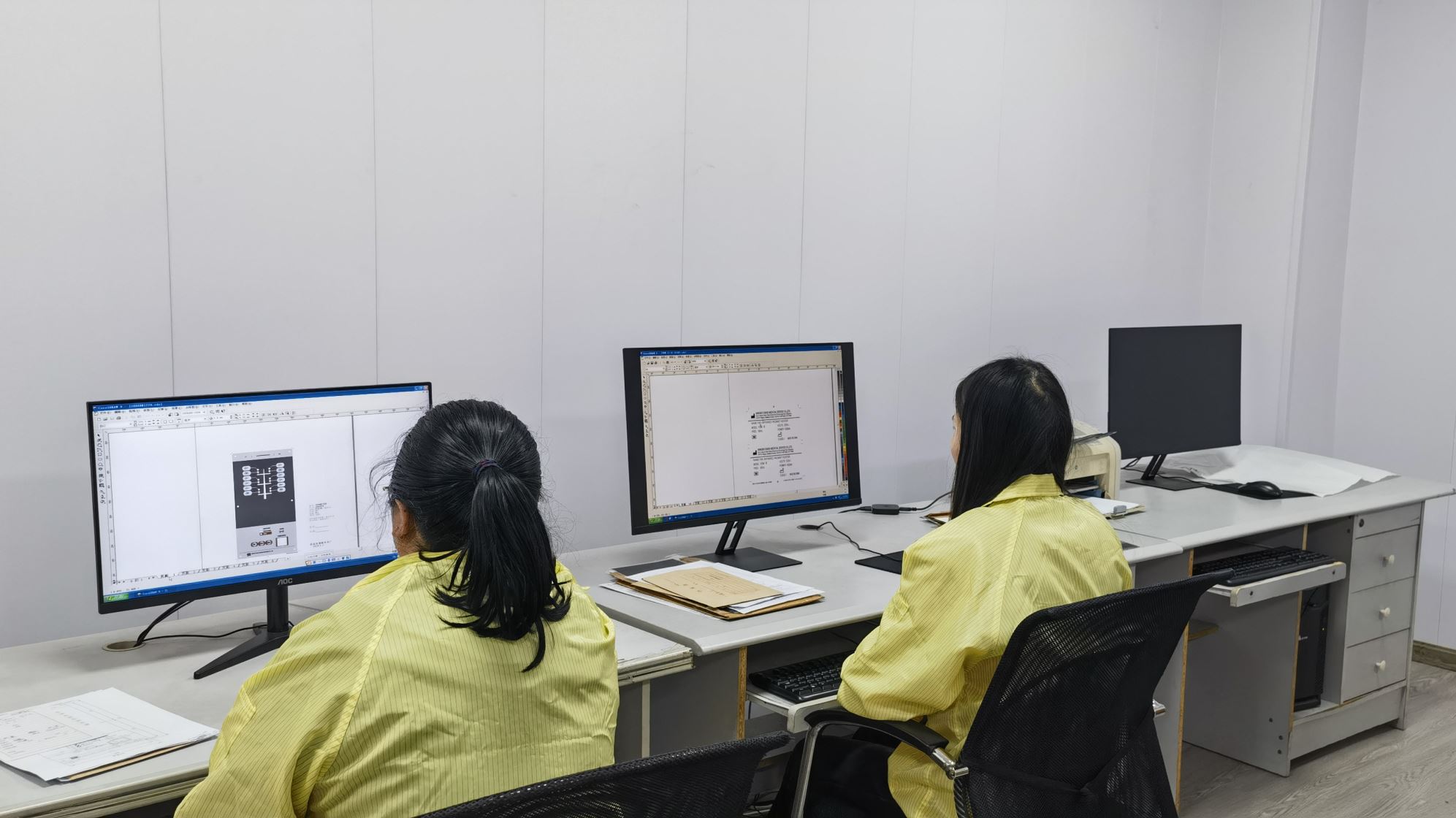
Precise trace calculation, dome retention clearance, and CAD registration setup.
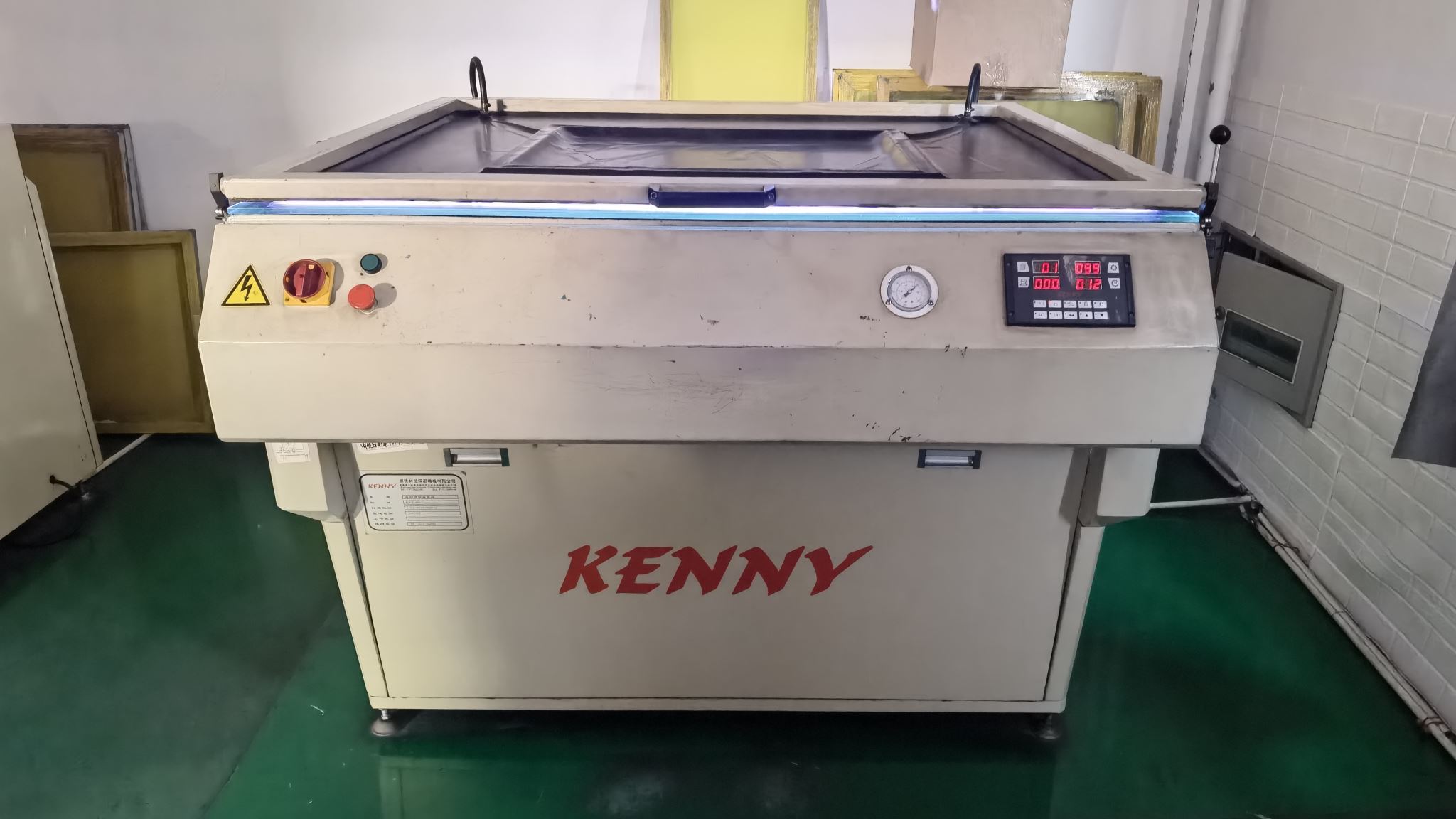
Ultra-fine mesh tensioning for sharp graphic edges and dense silver conductivity.
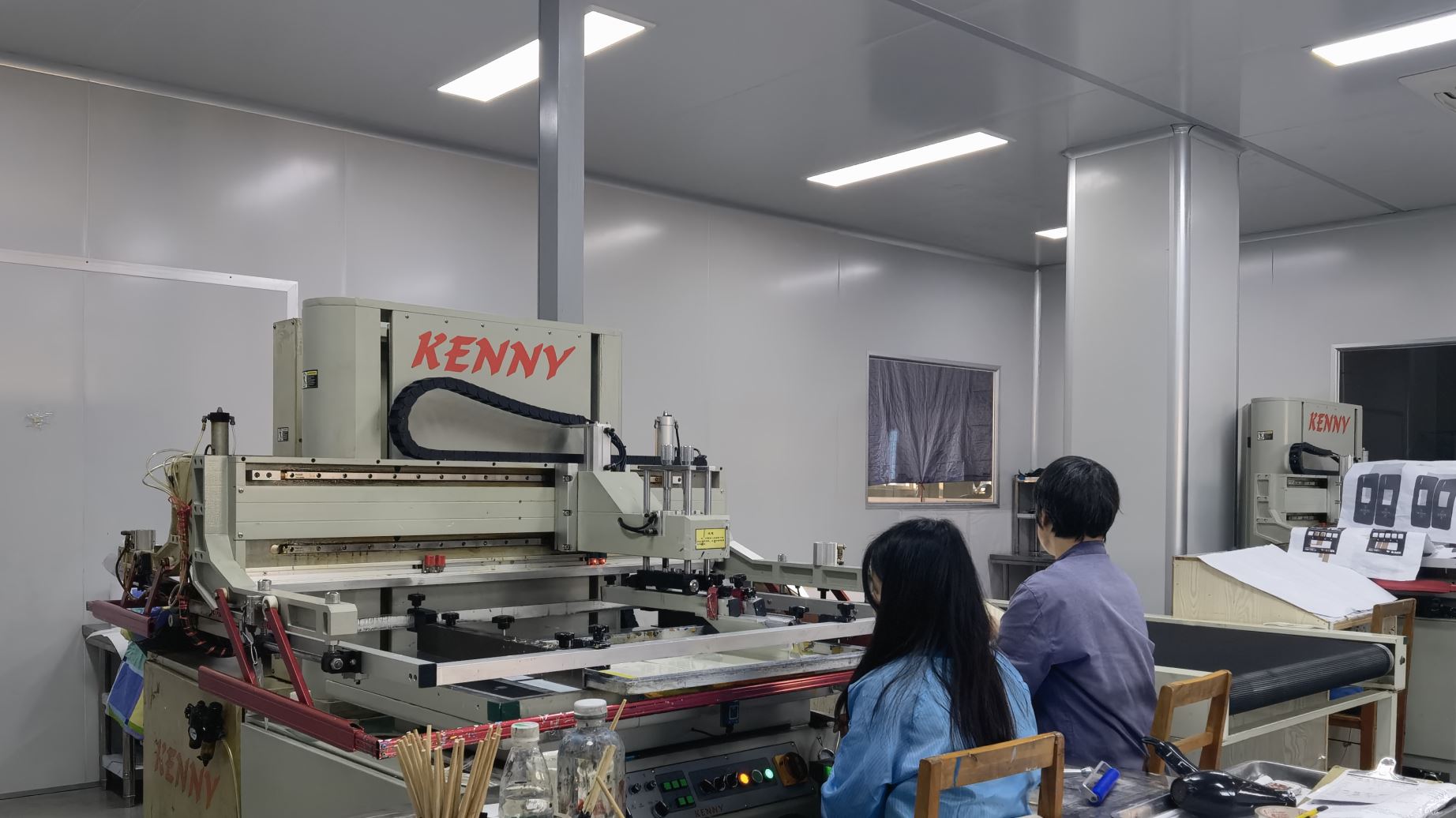
Multi-color overlay graphics and highly conductive silver circuit paths.
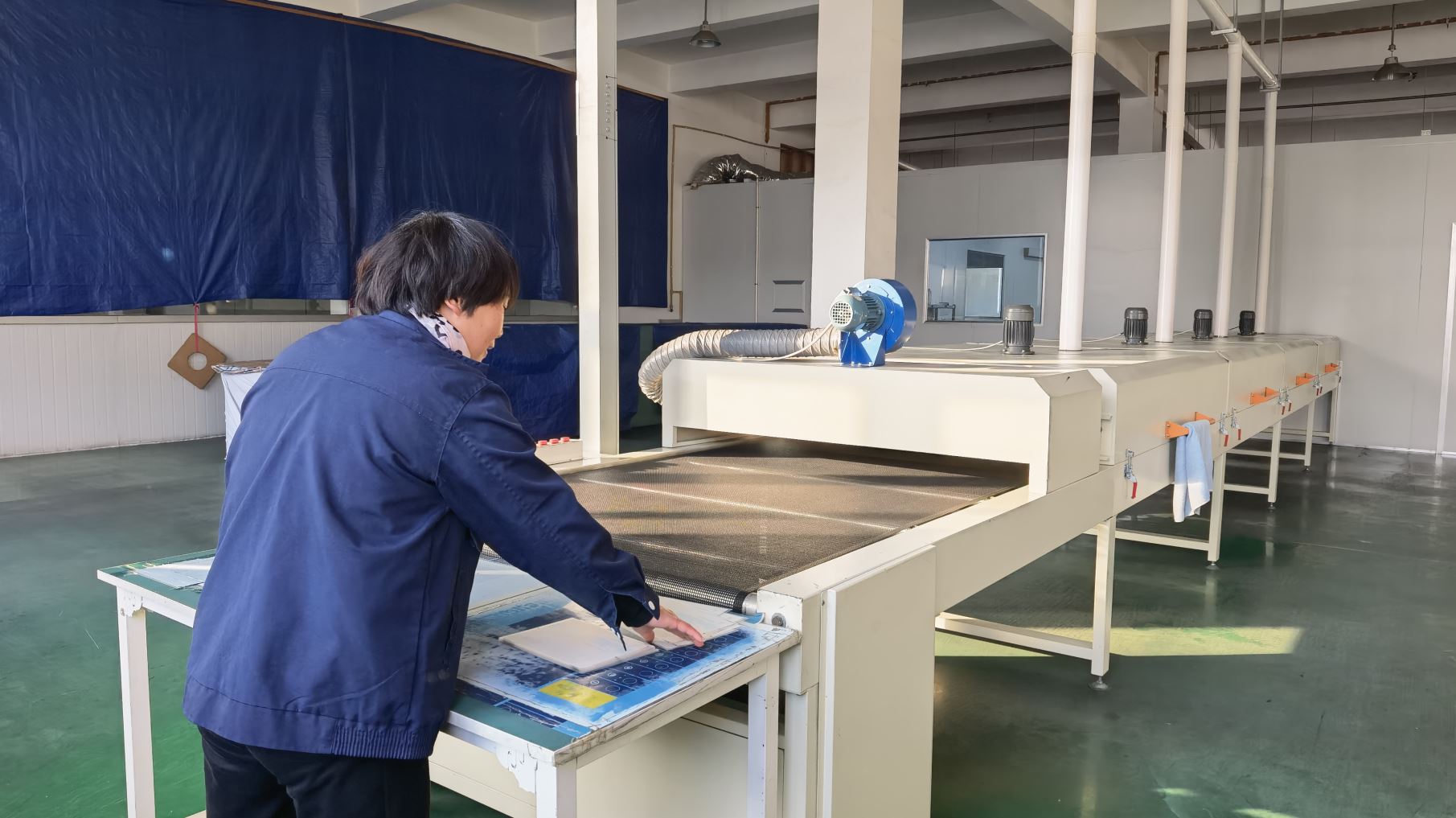
Controlled multi-zone thermal drying to stabilize cross-linking ink resistance.
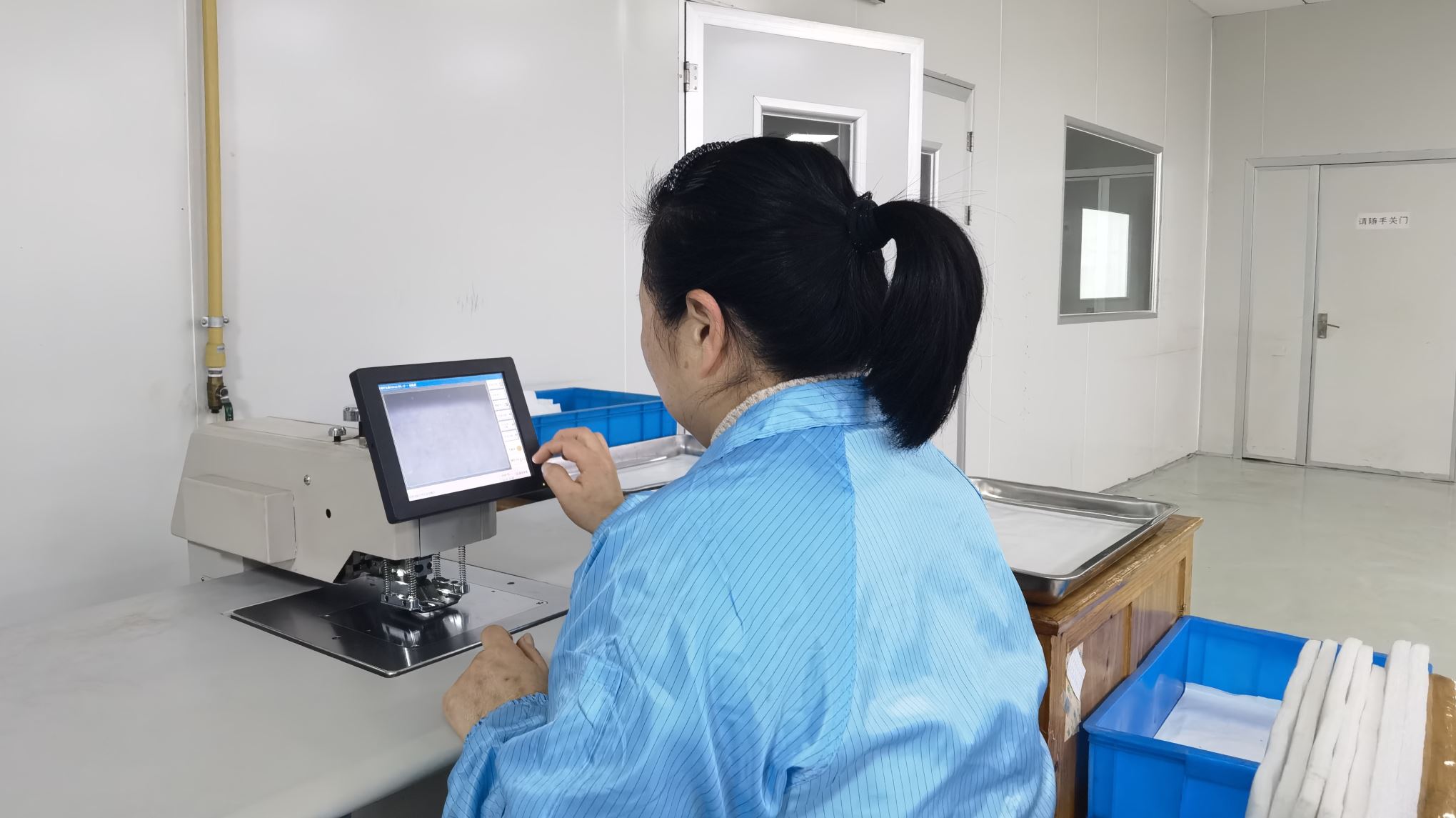
Automated optical registration ensures micro-tolerance alignment across all layers.
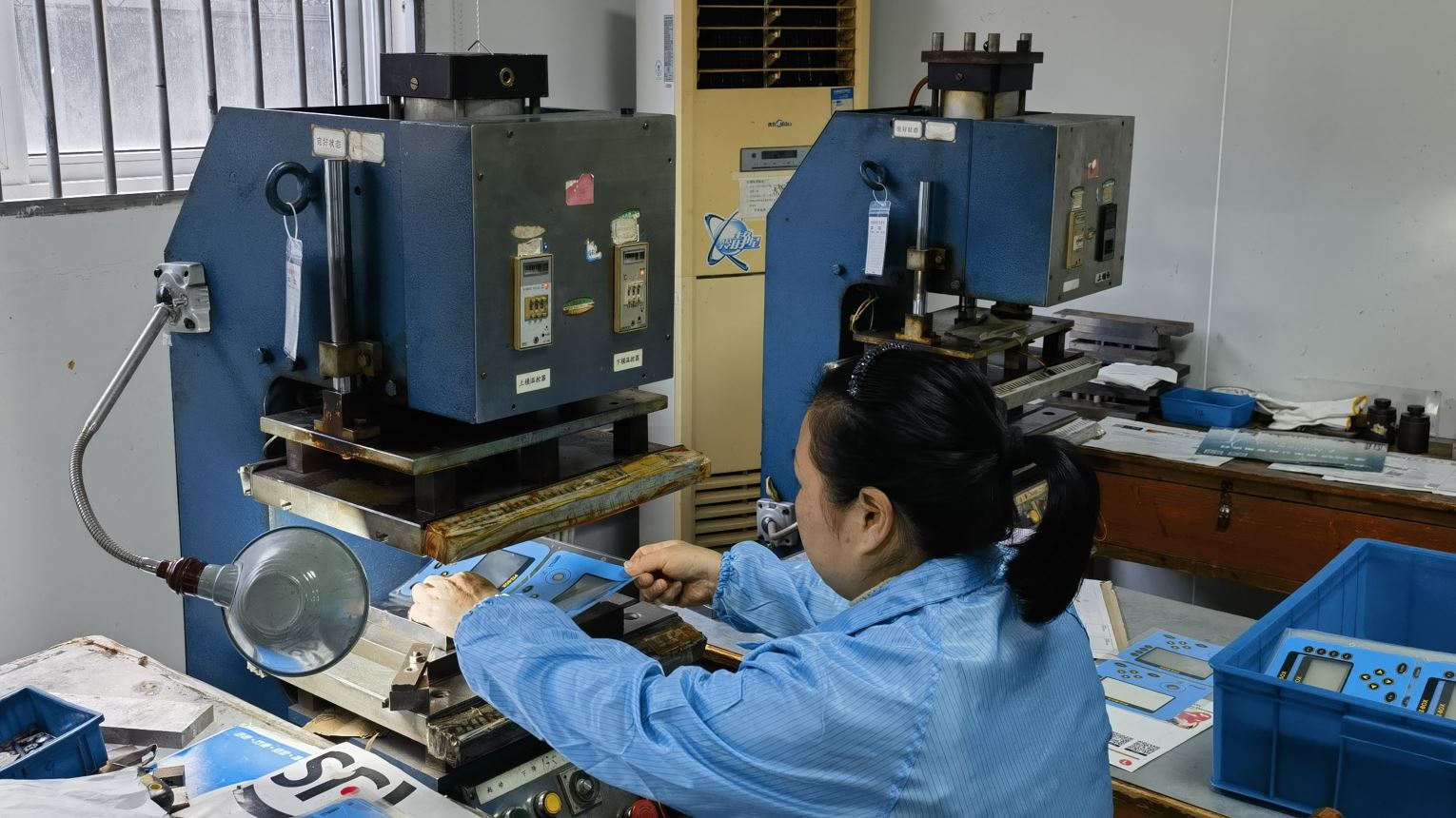
Precision thermal tooling for rim, pillow, or spherical tactile key embossing.
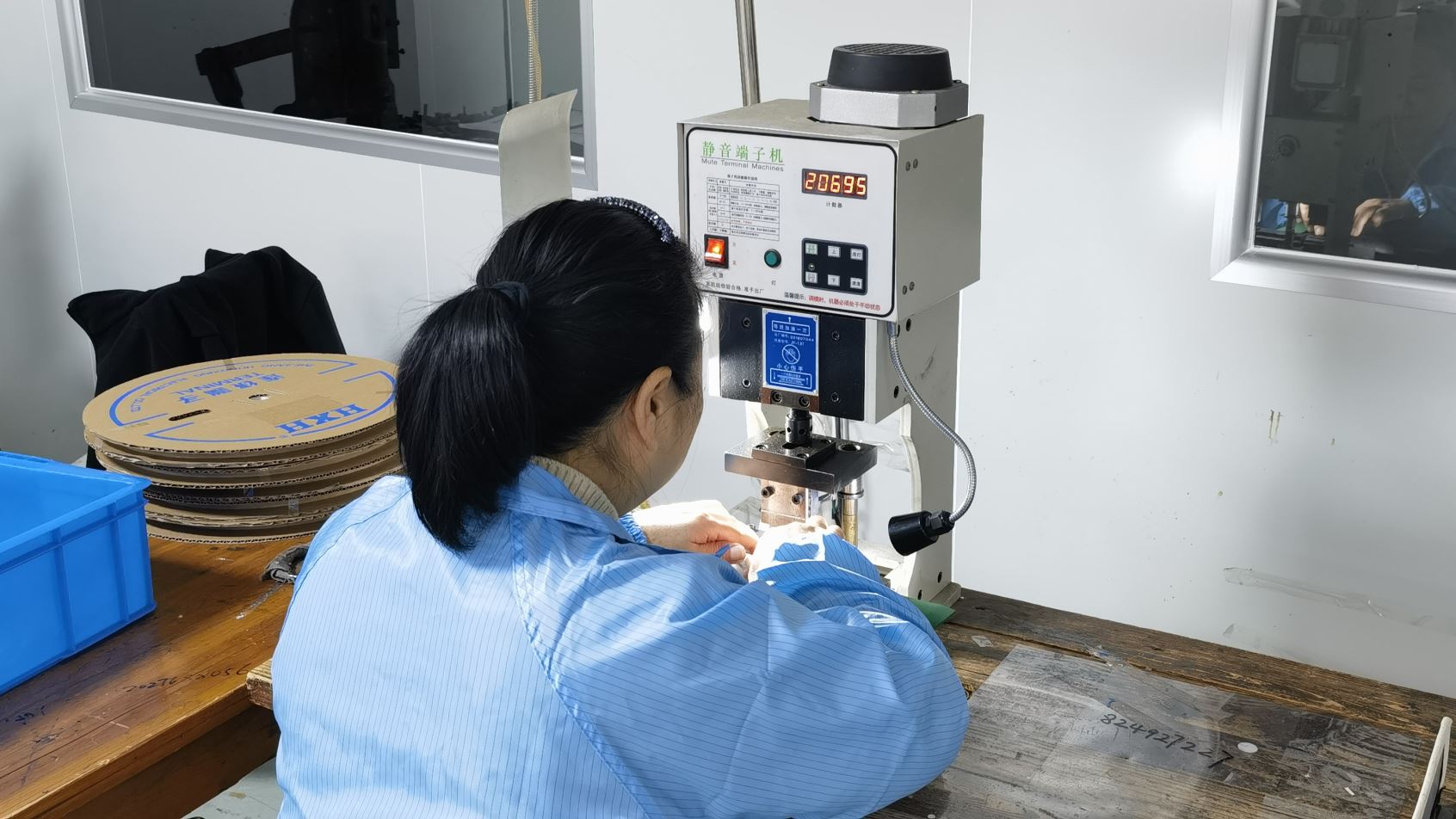
High-reliability housing attachment for 2.54mm or 1.0mm pitch connectors.
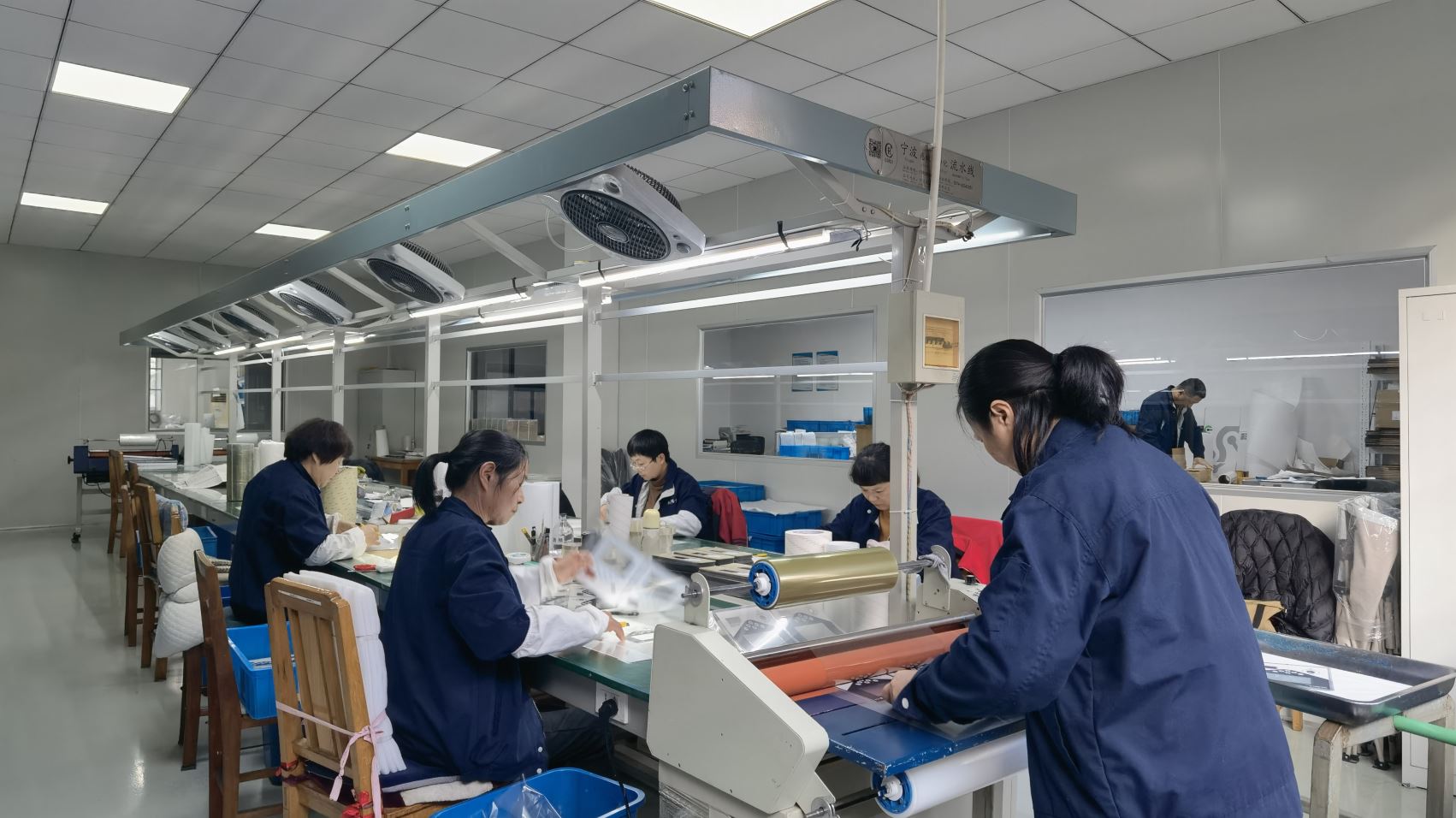
Static-free bubbleless layering of dome arrays, spacers, and exterior graphics.
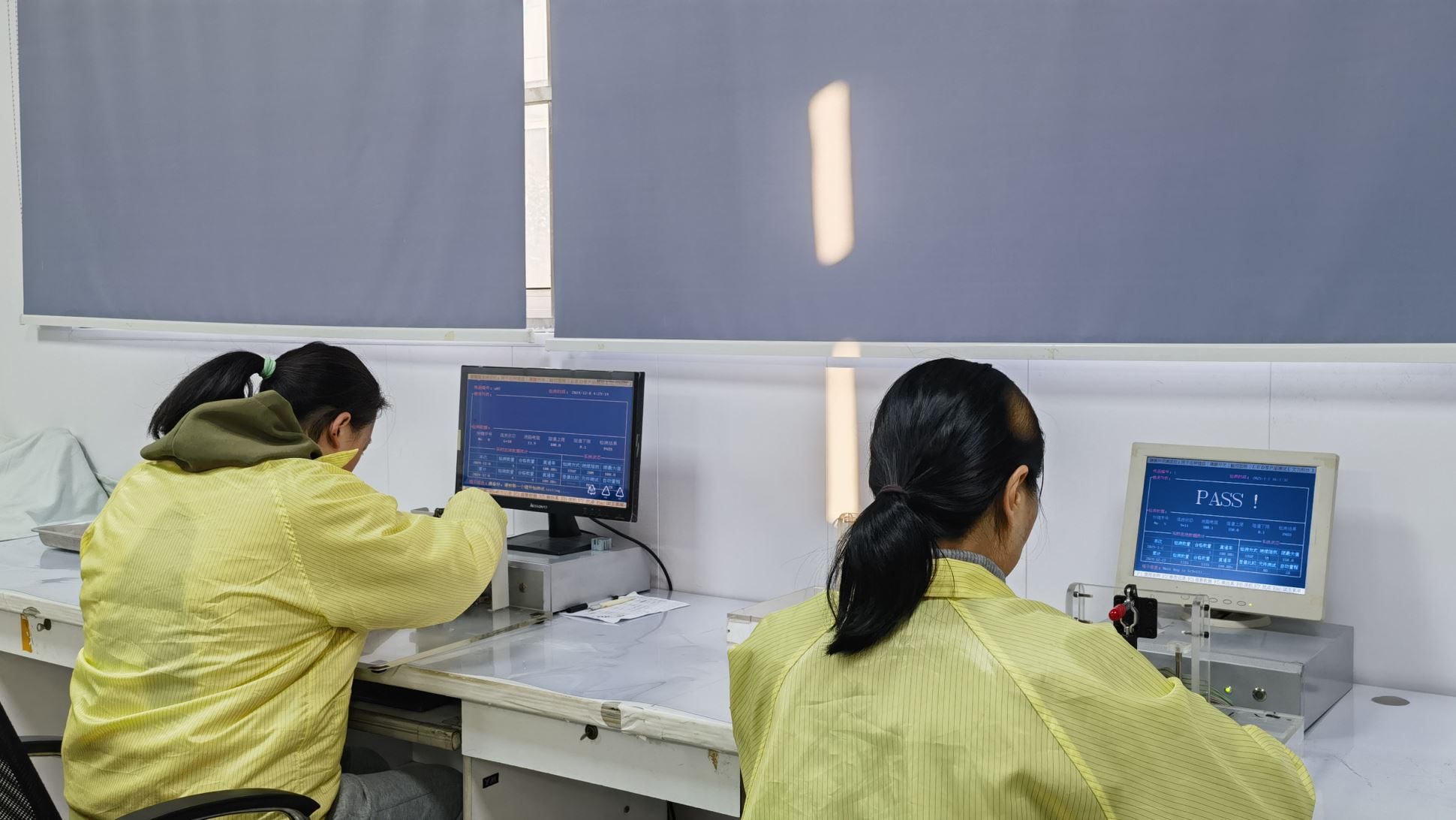
Complete computerized verification of open/short circuits and tactile snap metrics.
Direct technical answers from our chief engineers to help you eliminate design risks and accelerate sample approvals.
Our standard stainless steel nickel-plated or gold-plated metal domes are rated for 1,000,000 to over 5,000,000 cycles depending on dome diameter (ranging from 6mm to 20mm) and actuation force (typically 180g to 450g). We conduct automated cyclical life testing to ensure long-term tactile recovery without flattening or contact bounce failure.
Silver migration occurs when moisture bridges silver ions under DC voltage potential. ZIRA addresses this through three proven engineering options: 1) Over-printing all silver traces with carbon ink shields; 2) Applying high-potency UV dielectric crossover masks; or 3) Transitioning the circuit layer to a Polyimide Copper Flexible Printed Circuit (FPC) or rigid FR4 PCB.
To initiate a rapid quote and DFM evaluation within 24 hours, provide vector graphic layouts in DXF, DWG, AI, or Vector PDF format, along with your circuit schematic/pin-out assignments. Please specify Pantone/RAL color codes, tail length, connector brand/pitch (e.g., Nicomatic, Berg, FCI), and mounting substrate material.
We implement perimeter continuous adhesive gaskets utilizing high-cohesion 3M acrylic foam tapes (such as 3M 200MP, 300LSE, or VHB series). Internal vent channels are strategically directed into protected connector tail zones or dry equipment housings, allowing rapid pressure equalization without permitting moisture or chemical aerosol ingress.
Because we operate integrated CNC laser cutting and digital UV flatbed proofing lines, prototyping orders are supported from as low as 1 to 5 pieces. Standard pre-production sample lead times range from 7 to 10 working days upon drawing approval. Mass production runs usually start from 100 to 1,000 units with typical turnaround in 2 to 3 weeks.
Yes. We specialize in sub-millimeter Light Guide Film (LGF) design. By engineering high-density optical reflection dot patterns matched to side-view ultra-thin SMT LEDs, light is distributed evenly across icons and keys with zero hot-spotting and minimal chassis depth (<1.2mm total stack thickness).
