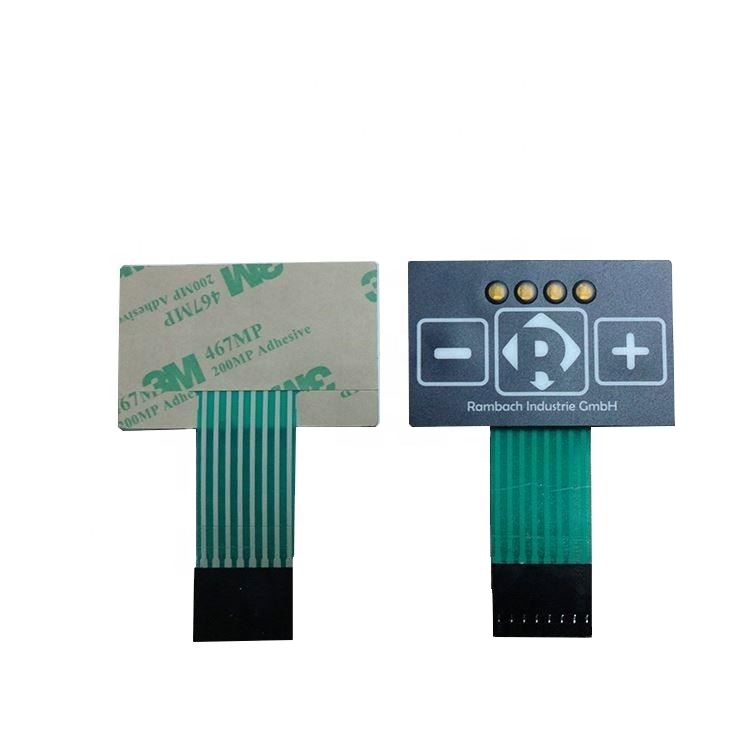
Custom Thin Film Illuminated Panel Lgf/LED Backlight Membrane Switch for Electronics
Light Guide Film (LGF) and surface-mounted ultra-thin LEDs deliver low-power, uniform luminescence across graphic panel keys.
Send an InquiryCustom OEM/ODM manufacturing conforming strictly to industrial, commercial, and medical equipment reliability standards.
Light Guide Film (LGF) and surface-mounted ultra-thin LEDs deliver low-power, uniform luminescence across graphic panel keys.
Send an Inquiry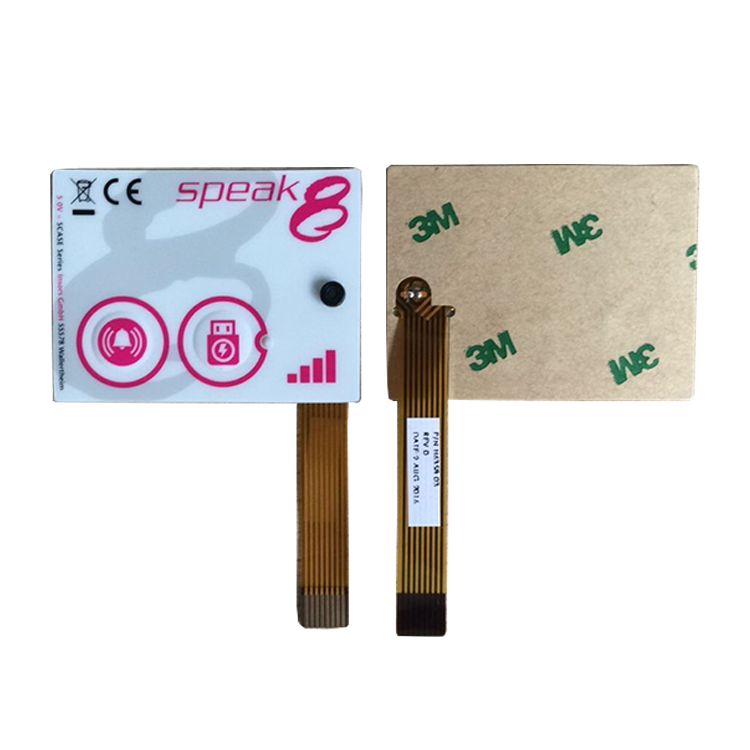
Multi-color precision silk screen graphics on high-tensile PET substrate; anti-microbial, oil-resistant, and high-abrasion proof.
Send an Inquiry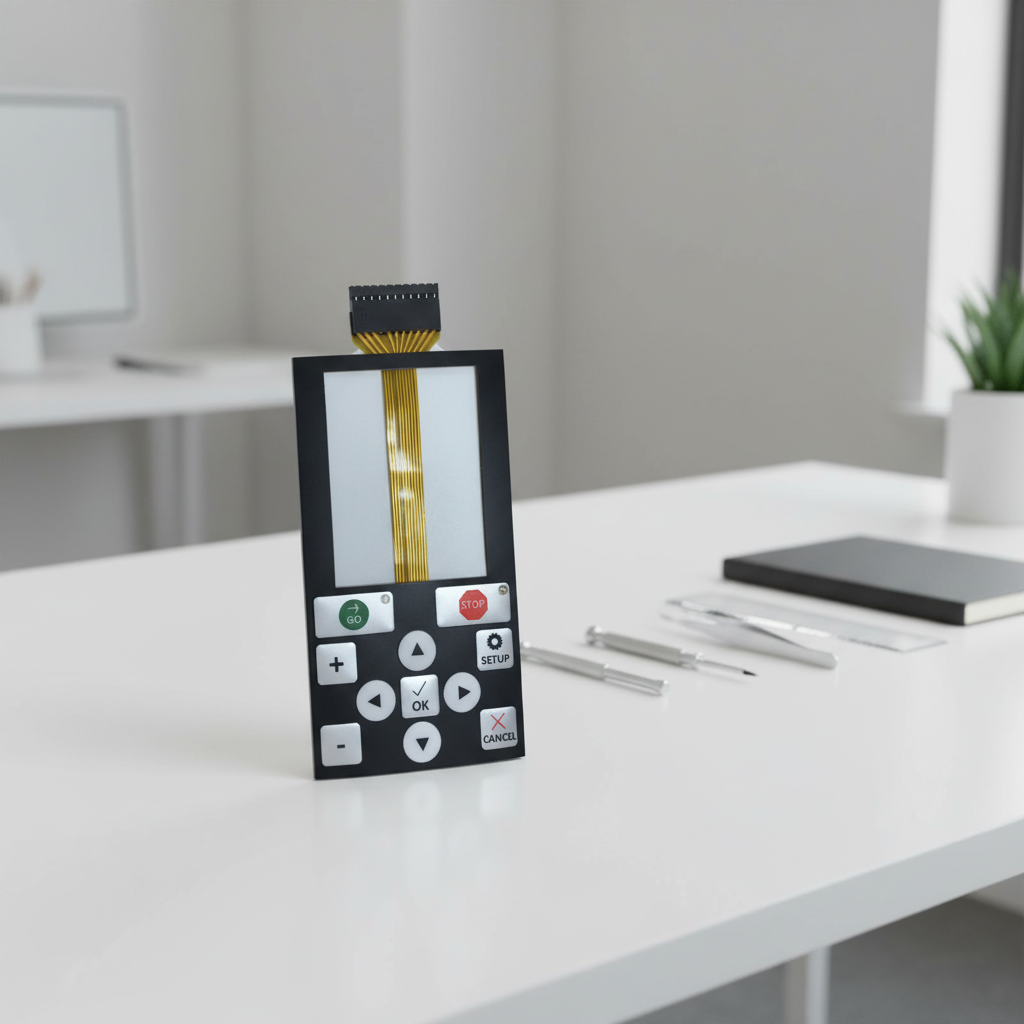
Equipped with 3M 467MP/468MP industrial adhesives and full perimeter liquid dams achieving IP65/IP67 ingress ratings.
Send an Inquiry
Optimized illumination matrix configured for high-contrast low-light operations in tactical and avionics instrumentation.
Send an Inquiry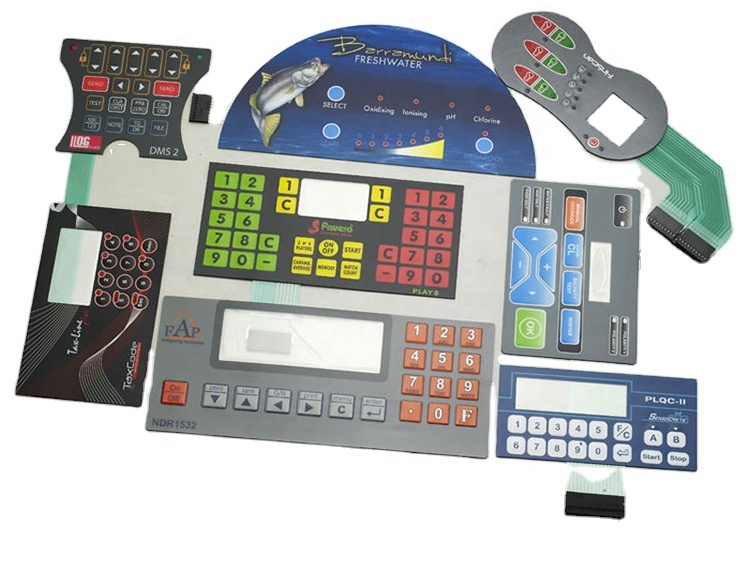
Fast-turn prototyping from 1 piece with complete DFM layer audits, laser-cut profiling, and expedited electrical trace routing.
Send an Inquiry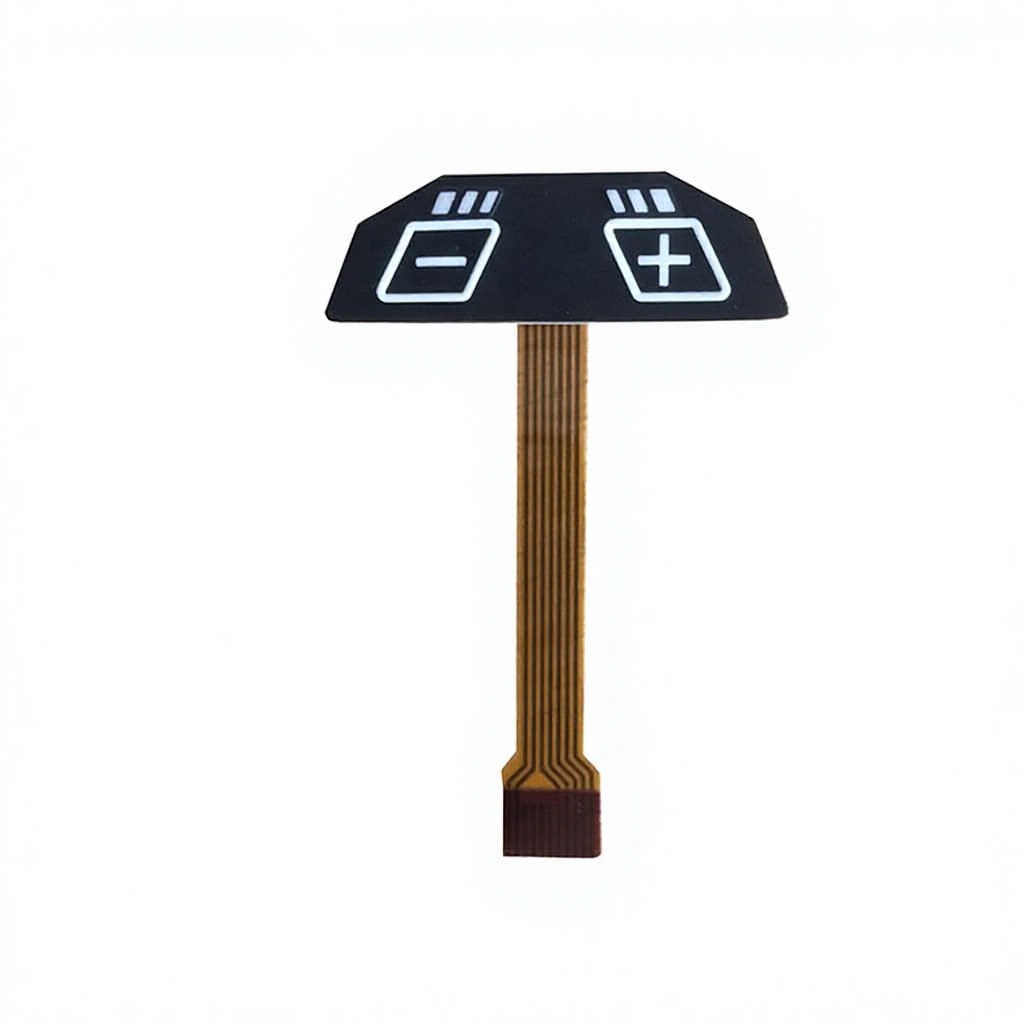
High-conductivity silver paste interconnections covered by screen-printed carbon protective overcoats for anti-migration life.
Send an Inquiry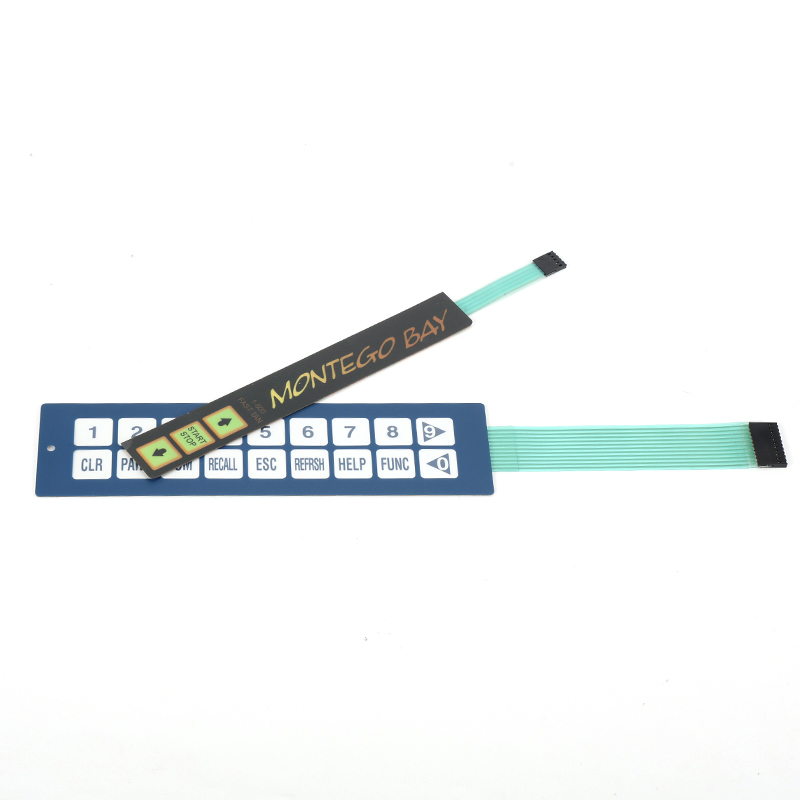
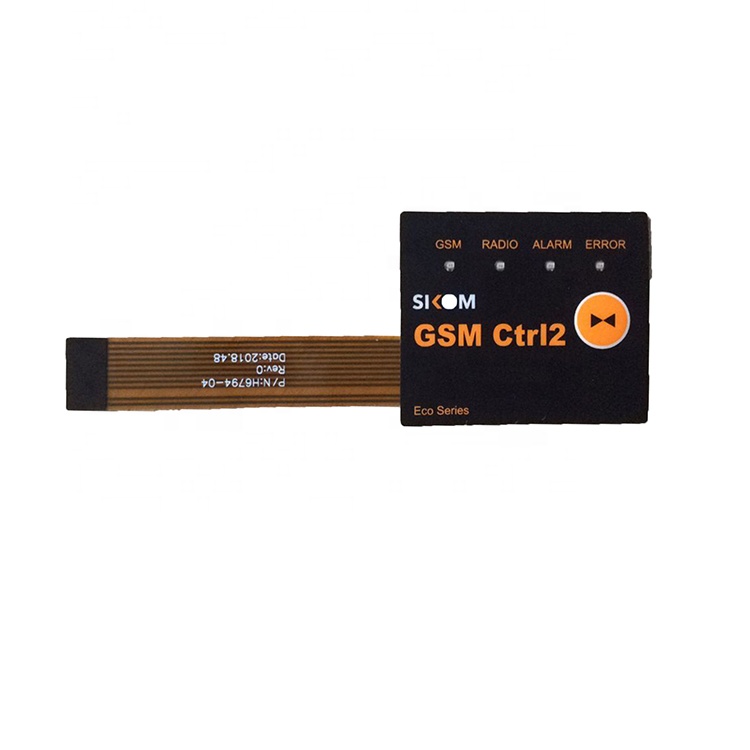
Hospital-grade chemical resilience; withstands alcohol wiping, bleach cleansers, and high-frequency tactile input in clinical setups.
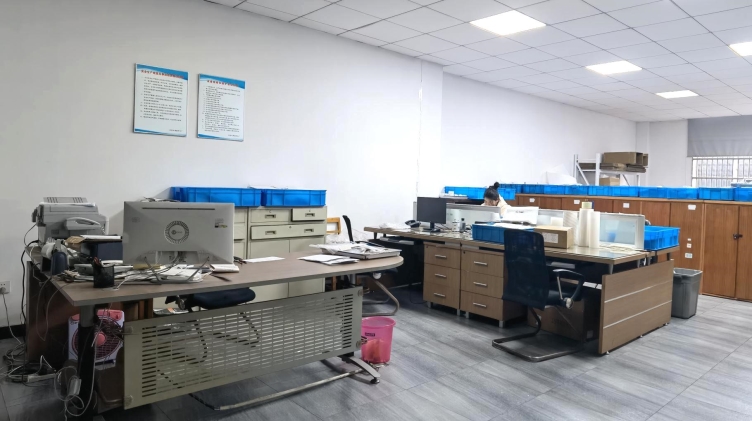
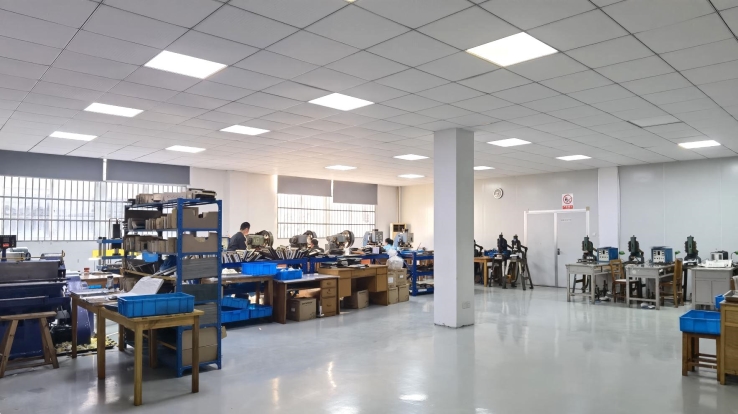
Send an InquiryOperating out of Ningbo's Changhe Industrial Park, we combine domestic vertical supply speed with tier-1 international manufacturing compliance.
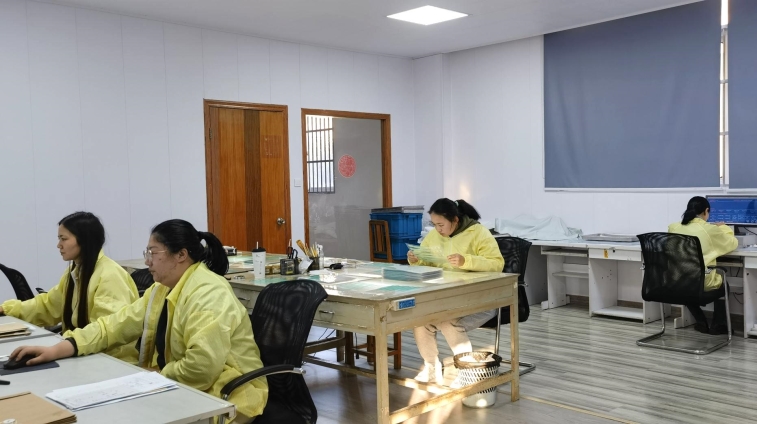
Our plant scale (3,000–5,000 m²), workforce compliance, manufacturing lines, and legal standing are thoroughly evaluated onsite by Intertek, ensuring transparency for global procurement audits.
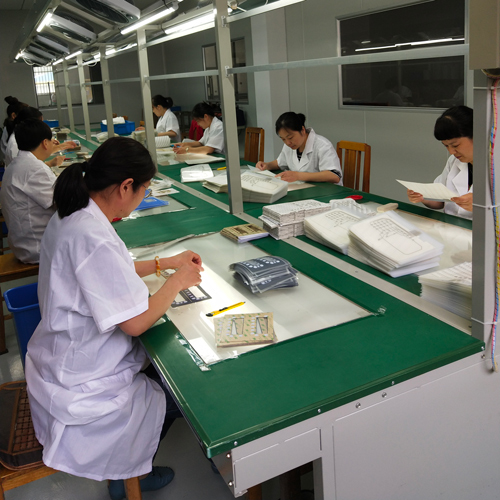
Zero-defect dispatch discipline: Every trace line undergoes automated continuity checking, dielectric loop isolation tests, and contact resistance grading prior to cleanroom lamination and crating.
Complete control over silver printed film, flexible printed circuits (FPC), FR4 PCB substrates, and compression-molded silicone rubber keypads equipped with conductive carbon pills.
As user interfaces shift toward intelligent, ergonomic, and extreme-environment usability, Chinese export manufacturers are spearheading three pivotal industrial evolutions.
Traditional electromechanical contacts are transitioning into seamless, non-moving capacitive sensor layers using Indium Tin Oxide (ITO) or silver nanowires. When integrated behind chemically strengthened glass or antimicrobial Autotex PET film, these switches eliminate ingress points, enabling IP69K washdown compliance in sterile medical operating rooms and food processing equipment.
Bulky, power-consuming electroluminescent (EL) lamps are being replaced by micro-etched Light Guide Films (LGF) fed by lateral SMT LEDs. This allows engineered optical diffusion patterns that achieve uniform brightness across arbitrary key clusters with thickness profiles under 0.8mm, dramatically mitigating thermal emissions and battery consumption for handheld instrumentation.
The boundary between graphic overlays and physical housings is closing. Through In-Mold Electronics (IME) and thermoformable conductive inks, flexible silver circuits are molded directly into structural 3D resin housings. This consolidates mechanical fasteners, trims sub-assembly costs, and provides complete immunity to severe shock and vibration cycles.
Navigating global supply chain volatility demands that hardware procurement managers and electrical engineering teams audit membrane switch manufacturing partners beyond unit price alone.
| Procurement Factor | Traditional Sourcing Channel | ZIRA Advanced OEM/ODM Model | Procurement Impact |
|---|---|---|---|
| Tooling & Prototyping | High hard-tooling fees, rigid 500-1000 pcs MOQs | Low tooling cost; quick sampling from 1 pc via digital plotters | Lowers NPI (New Product Introduction) capital risk |
| Substrate Selection | Generic PVC / Recycled Polycarbonate (PC) | Optical grade PET (Autotex), FR4 PCB, Polyimide FPC | Prevents graphic yellowing and trace micro-cracking |
| Conductive Migration | Raw silver ink traces exposed to moisture | Carbon paste encapsulation + UV dielectric barrier coating | Eliminates short circuits caused by silver dendrite migration |
| Lead Time & Incoterms | Ex-Works only, opaque sub-contracted lines | In-house screen print, die-cut, crimping; FOB, CIF, DDP delivery | Predictable delivery pipelines for overseas inventory control |
Precision HMI manufacturing requires repeatable, tightly monitored cleanroom processes at every stage of production.
Engineering review of circuit schematic, dome snap ratios, tail pinouts, and selection of raw PET, PC, and adhesive films.
Multiple screen passes apply graphic pigments, silver conductor traces, and carbon wear pads in controlled positive-pressure rooms.
Automated convection drying stabilizes ink resistivity; precision thermo-forming presses form rim or pillow embossed keys.
High-speed placement of stainless-steel tactile domes, spacer die-cuts, 3M adhesive backings, and tail terminal crimping.
Technical and commercial answers addressing common engineering inquiries, qualification steps, and volume orders.
Submit your CAD drawings or technical requirements today. Our Ningbo engineering hub will supply a comprehensive DFM audit, layer stack-up recommendation, and quotation within 24 hours.
