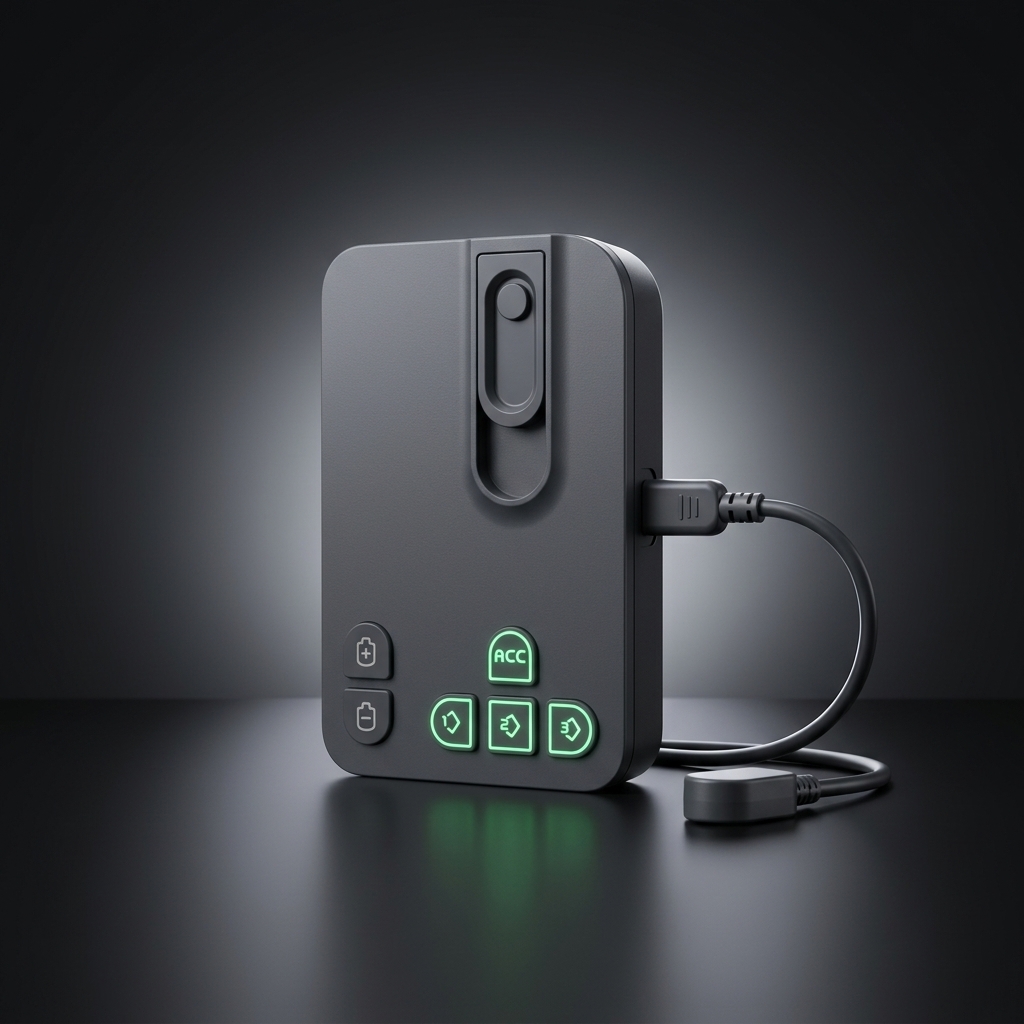
Custom Backlight Silicone Membrane Keyboard Switch EL LED OEM ODM Wholesale Uniform Light Guide All Materials RoHS
Uniform LGF/EL backlighting, laser-etched legends, IP67 ingress protection, medical-grade silicone keymat.
Explore our core custom configurations tailored for industrial equipment, medical analyzers, military interfaces, and high-reliability smart controls.
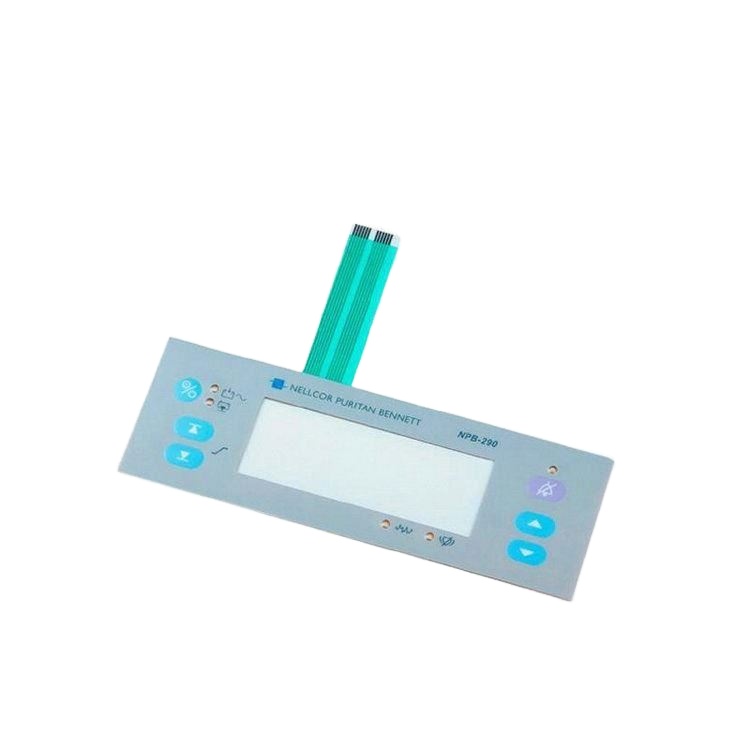
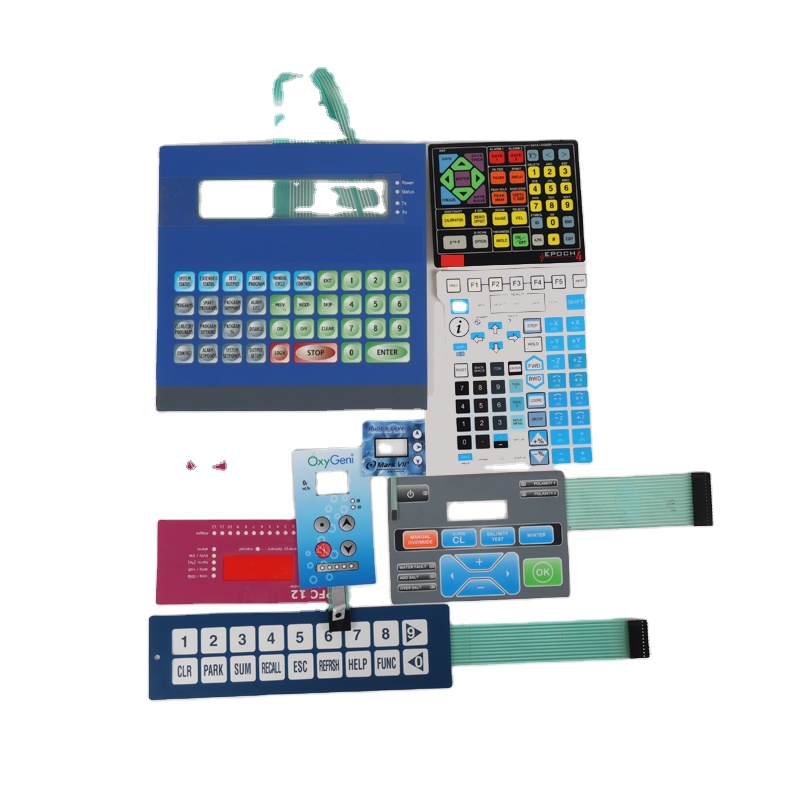
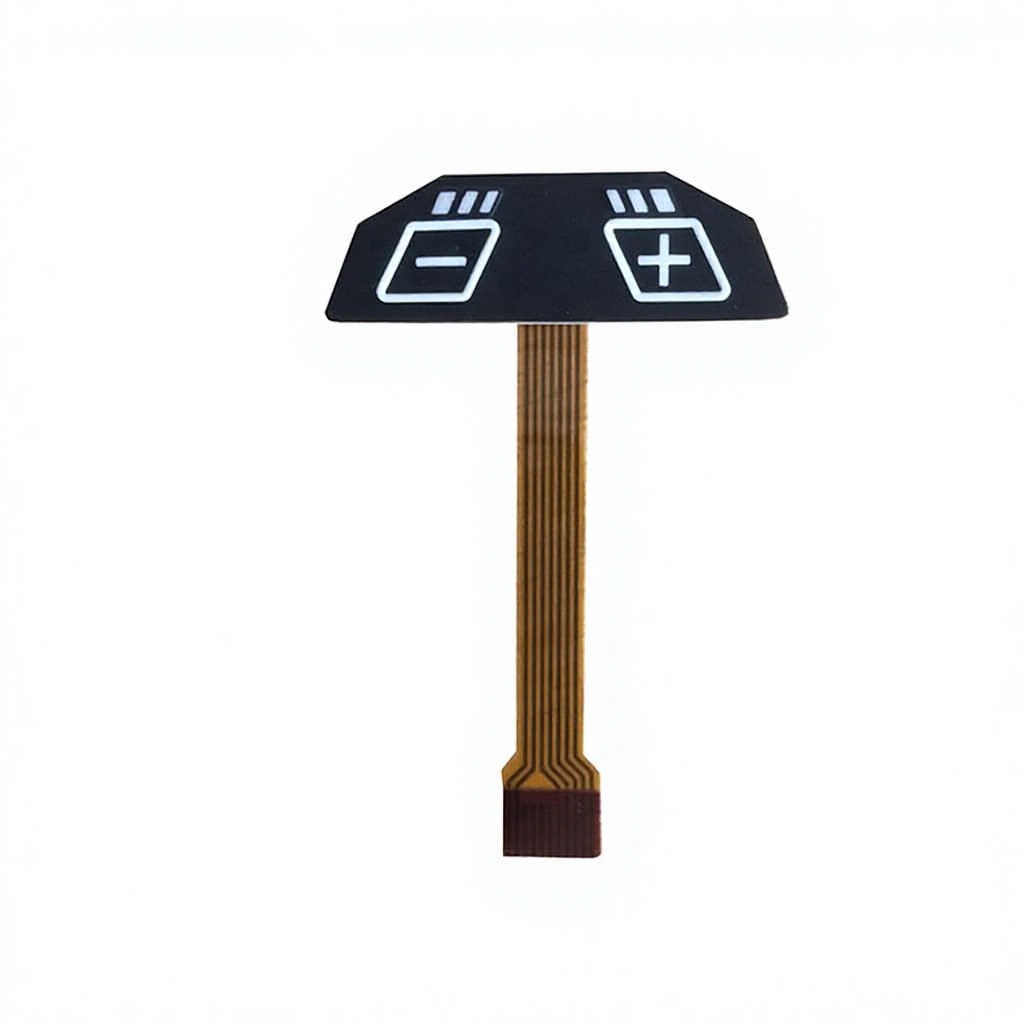
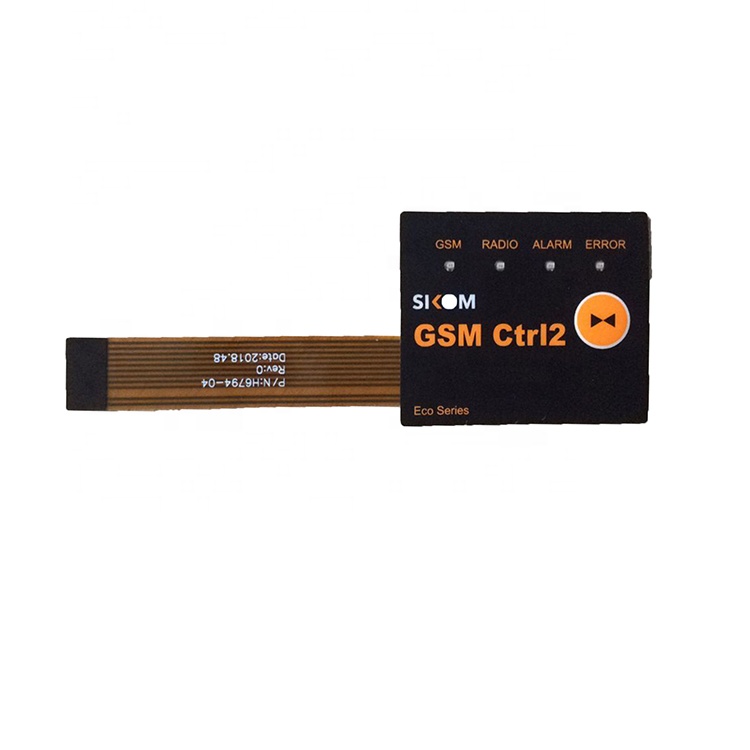
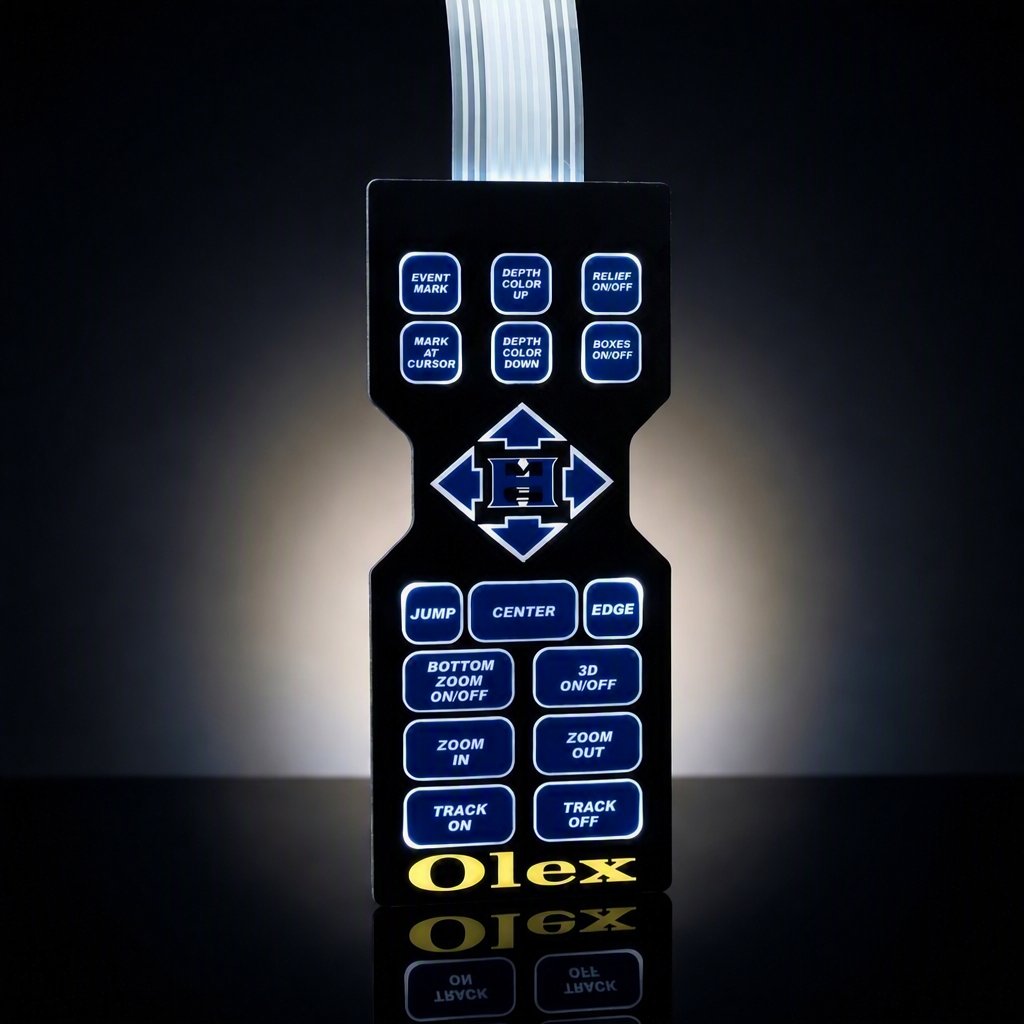
In modern industrial and electronic systems design, the Human-Machine Interface (HMI) serves as the critical touchpoint between hardware intelligence and user operation. Choosing the right membrane switch panel manufacturer in China requires understanding precision printing, polymer science, circuit conductivity, and micro-electromechanical tactile feedback. Zhejiang ZIRA Membrane Switch Co., Ltd. brings almost three decades of direct manufacturing heritage to resolve complex multi-layer design challenges for Fortune 500 equipment builders and agile hardware innovators alike.
A precision membrane switch panel is an engineered sandwich of high-performance polymer films and functional screen-printed chemistries. Each layer plays an irreplaceable functional role:
Autotex PET or Lexan PC reverse-printed to lock ink safely behind the film. Options include selective UV textures, transparent or tinted LED/LCD windows, and anti-glare finishes.
Precision die-cut acrylic core (3M 200MP / 300LSE adhesive transfer tape) holding metal domes firmly in position while incorporating microscopic breathing vents to equalize pressure.
Screen-printed high-silver low-resistance paste or etched Polyimide Flexible Printed Circuits (FPC), insulated with UV-curable dielectric coatings to prevent short-circuiting.
As global hardware buyers evaluate their electronics bill-of-materials (BOM), several procurement parameters have evolved significantly:
1. Shift Toward Hybrid Rigid-Flex Assemblies: Buyers are no longer purchasing disconnected panels and control boards separately. Specifying a membrane switch directly laminated onto an FR-4 rigid PCB or multi-layer FPC reduces assembly labor on the client's manufacturing line and guarantees sub-assembly electrical testing before export shipping.
2. Demand for Ingress-Sealed Optical Enclosures: With industrial instrumentation operating in extreme IP65 to IP67 wet and dusty conditions, perimeter water-blocking gaskets, hydrophobic breathable membranes (such as Gore vents), and seamless window bonding are now standard requirements over unsealed legacy push-buttons.
3. Low-Volume High-Mix (LVHM) Sourcing Agility: Hardware engineering cycles require swift iterations. Chinese manufacturers must provide rapid photopolymer tooling and digital printing for functional prototyping (from 1 to 5 pieces) within 3-5 days, while maintaining automatic screen-printing scalability for volume orders exceeding 100,000 units.
The transition from mechanical switches to smart industrial surfaces is driven by three prevailing technology vectors:
LGF (Light Guide Film) Multi-Zone Backlighting: Traditional electroluminescent (EL) lamps degrade over time and draw alternating current, while bulky multi-LED backlighting results in uneven illumination hot spots. Modern LGF technology uses ultra-thin micro-etched optical films that redirect light from side-firing SMT LEDs evenly across complex symbols and corporate brand logos with minimal power consumption.
Capacitive Touch ITO Film Fusion: Combining capacitive Indium Tin Oxide (ITO) sensors with graphic overlays eliminates mechanical moving parts altogether. These solid-state interfaces provide clean glass-like operation, multi-finger gesture recognition, water immunity, and extended operational lifespans reaching hundreds of millions of touches.
Silver Nanowire & Carbon-Shielding Integrity: To prevent high-frequency electromagnetic interference (EMI/RFI) in medical treatment devices and electric vehicle battery systems, advanced membrane switches now integrate specialized grid-printed conductive graphite coats or continuous aluminum-mylar shields grounded through the tail connection.
Verified on-site by Intertek and trusted by global leaders including ABB and Emerson, we provide verifiable manufacturing integrity.
Founded in 1996 in Ningbo, Zhejiang, ZIRA maintains complete ownership of screen printing, class-10,000 cleanroom laminating, metal dome placement, and automated die-cutting. No subcontracting compromises.
Our veteran engineering department reviews your Gerber files, vector artwork, actuation force requirements, and dome snap-ratios prior to opening hard tooling, preventing costly revisions.
Every switch leaving our assembly line undergoes automated testing for trace resistance (<100 ohms), contact bounce (<5ms), insulation resistance (>100M ohms at 100V DC), and tactile sensation.
Supporting North American, European, and Asian procurement teams with flexible EXW, FOB Ningbo/Shanghai, CIF, CIP, and door-to-door DDP services with low MOQ flexibility starting from 1-piece pilot runs.
Essential technical and commercial answers to guide procurement managers and system architects.
Send your drawings or BOM specifications to our engineering team today for a comprehensive DFM audit, layer stack-up recommendation, and competitive factory pricing within 24 hours.
Get Catalog