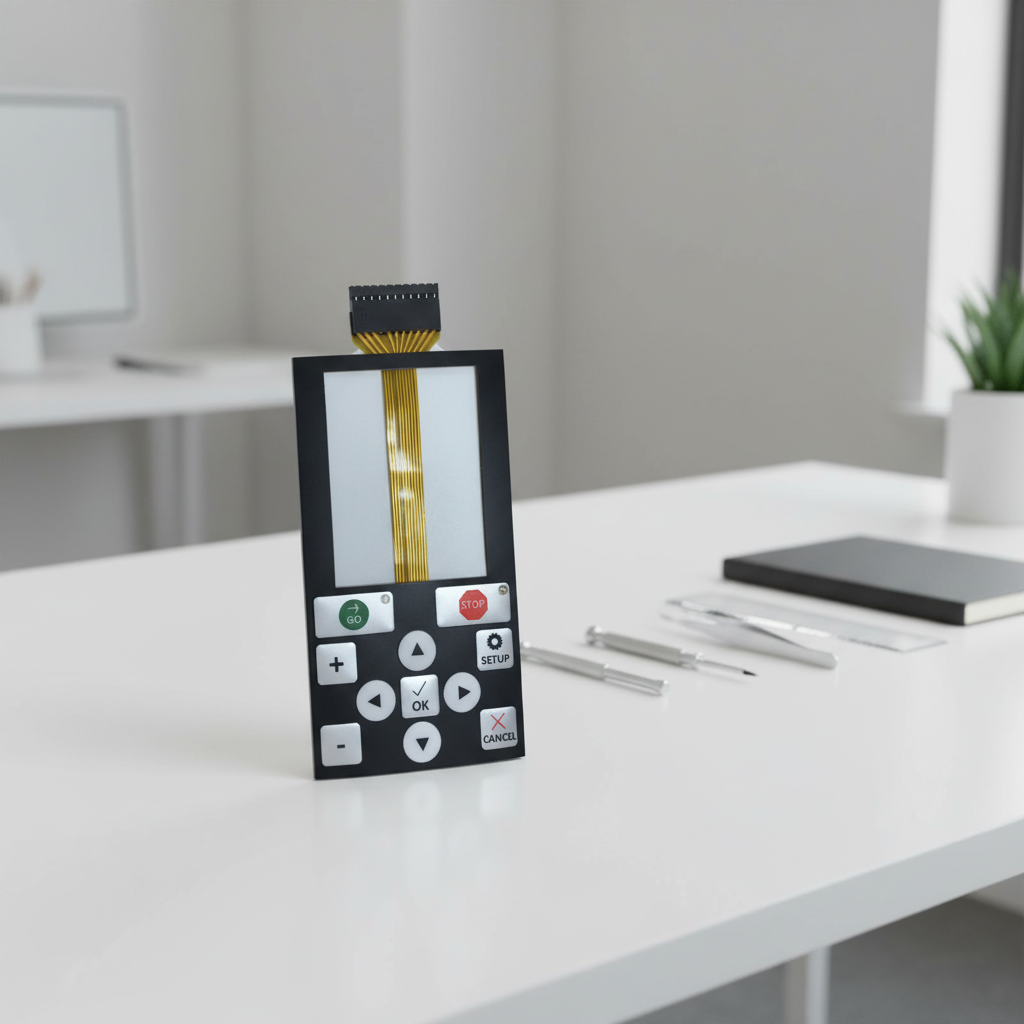
Waterproof Membrane Keyboard with Integrated LEDs & 3M Adhesive
Flat-surface sealed faceplate engineered with perimeter hydro-gasketing and embedded surface-mount LEDs for industrial washdown environments.
Explore our precision-manufactured graphic faceplates and membrane keypad systems built for rigorous operational durability, harsh environments, and ergonomic tactile precision.
Flat-surface sealed faceplate engineered with perimeter hydro-gasketing and embedded surface-mount LEDs for industrial washdown environments.
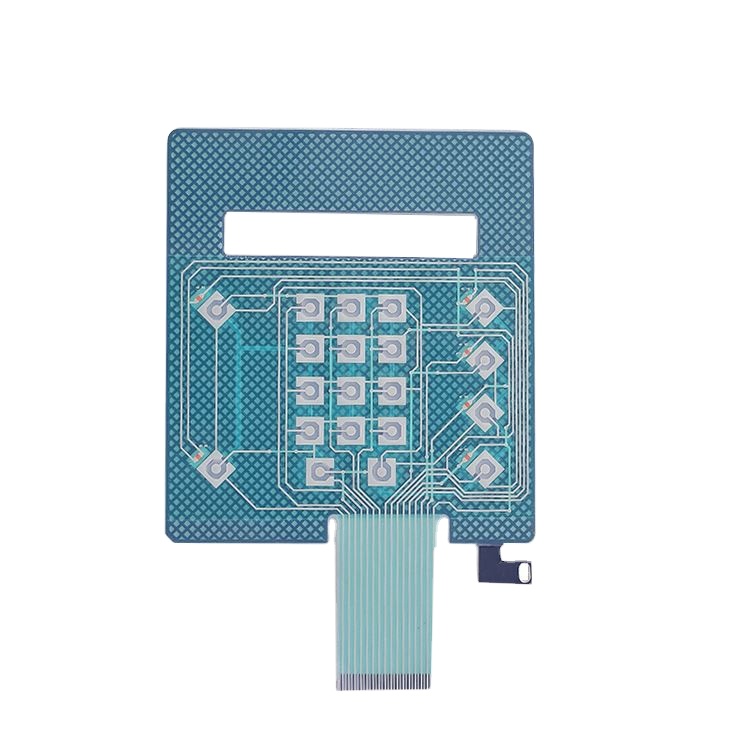
Printed aluminum or carbon grid shielding layer protecting sensitive instrumentation electronics from static discharge up to 15kV.
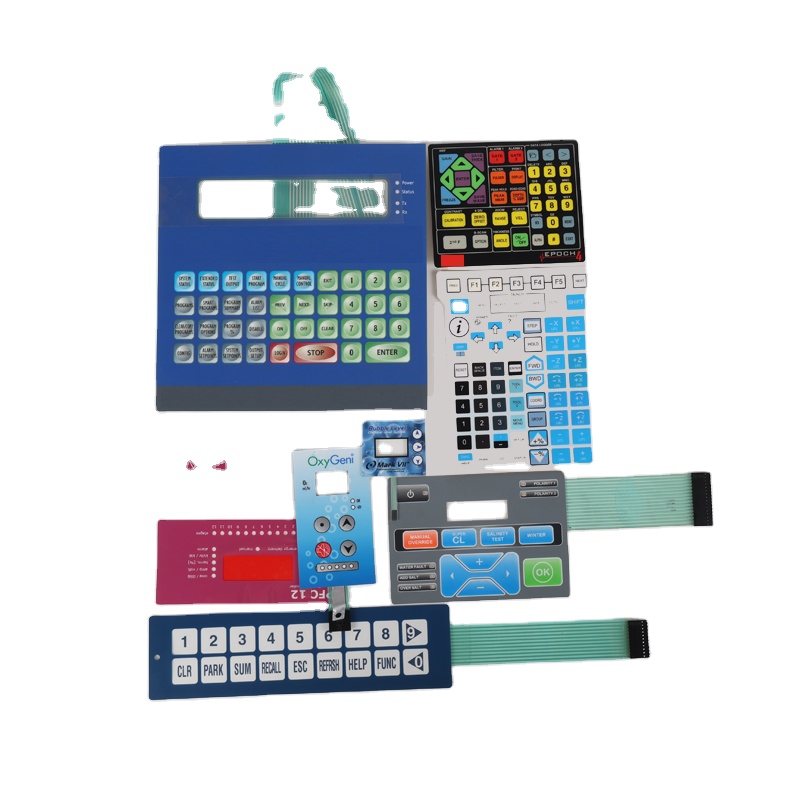
Antimicrobial Autotex PET overlay paired with copper-flex FPC traces, designed for stringent chemical washdown and medical hospital sterilization.
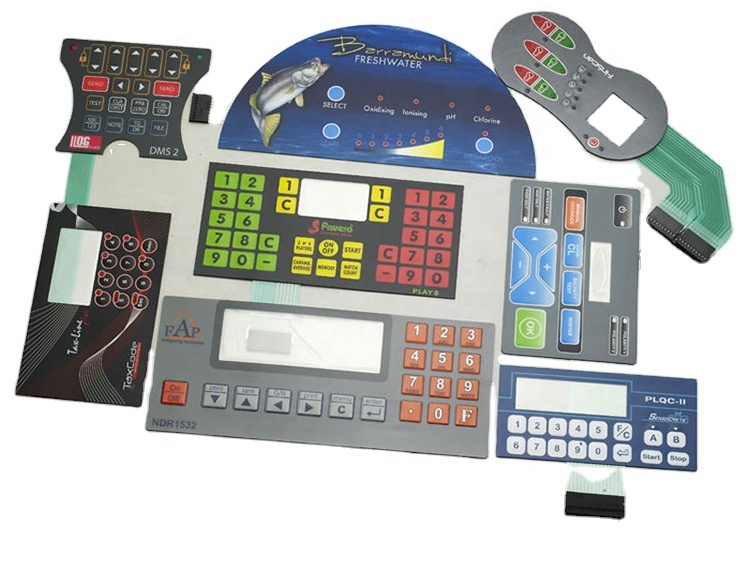
Uniform illumination across text and symbols using side-firing LEDs coupled with micro-etched Light Guide Film (LGF) without hot-spotting.
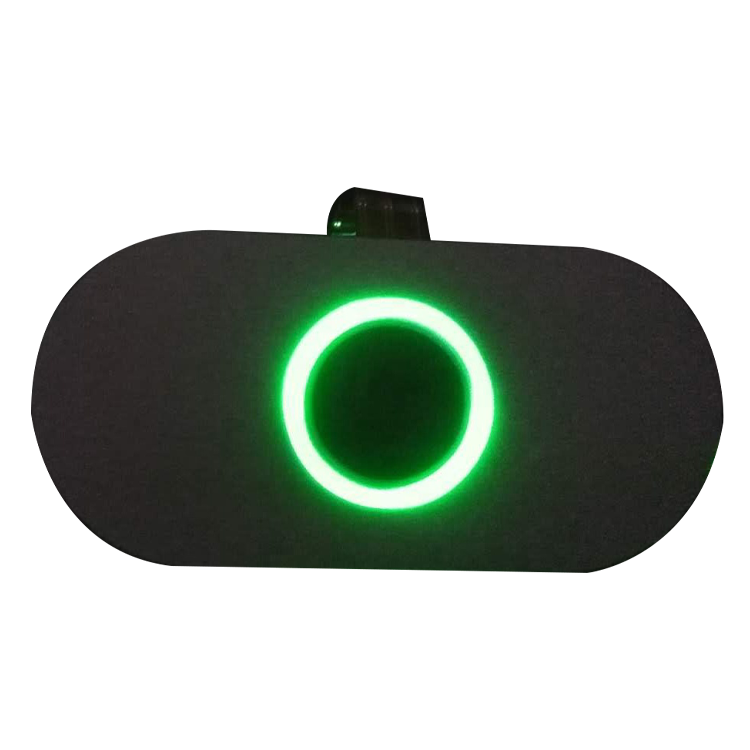
Nickel-plated stainless steel snap domes providing crisp mechanical tactile actuation (350g force) and clear sensory operator feedback.
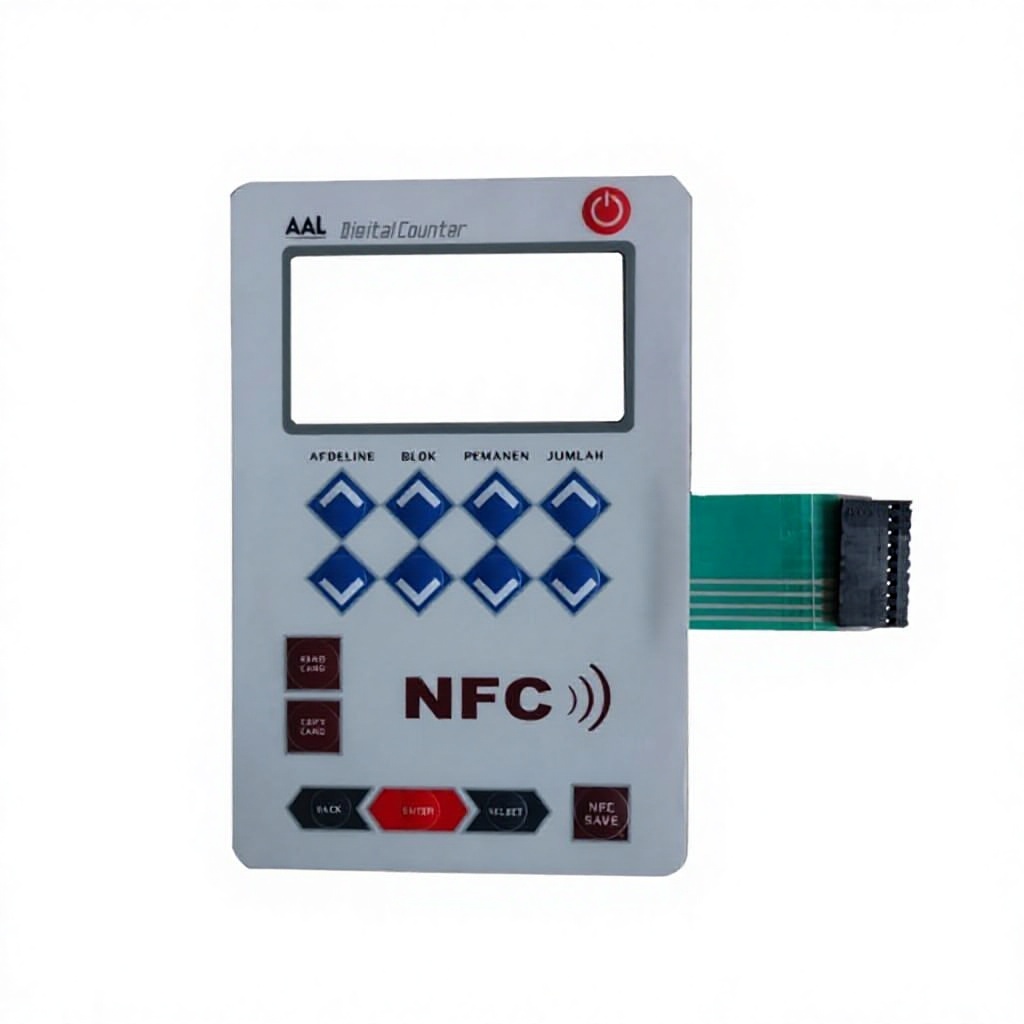
High-durability configuration offering custom poly-dome or metal-dome matrix, tested extensively to exceed one million continuous flex cycles.
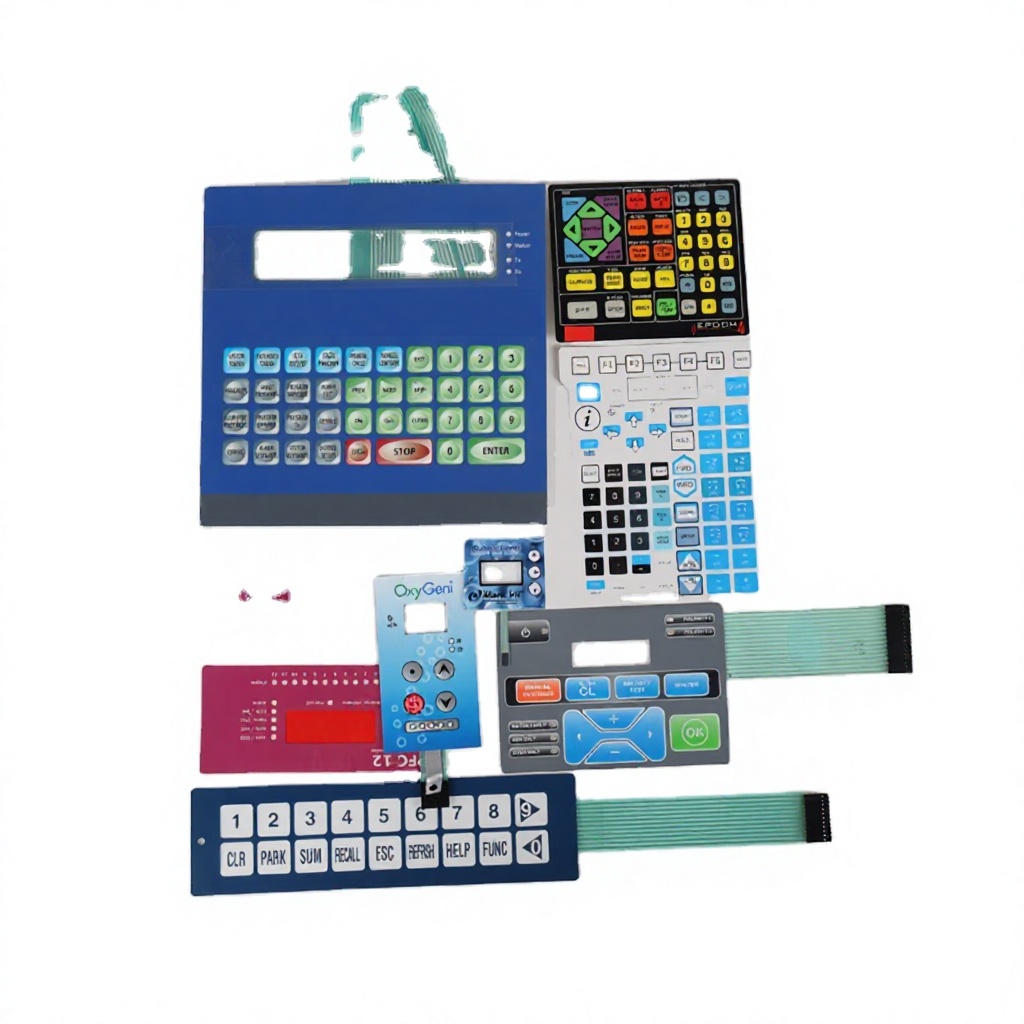
Fully compliant with RoHS, REACH, and flame-retardant UL94V0 standards; specifically rated for marine and heavy machinery outdoor cabs.
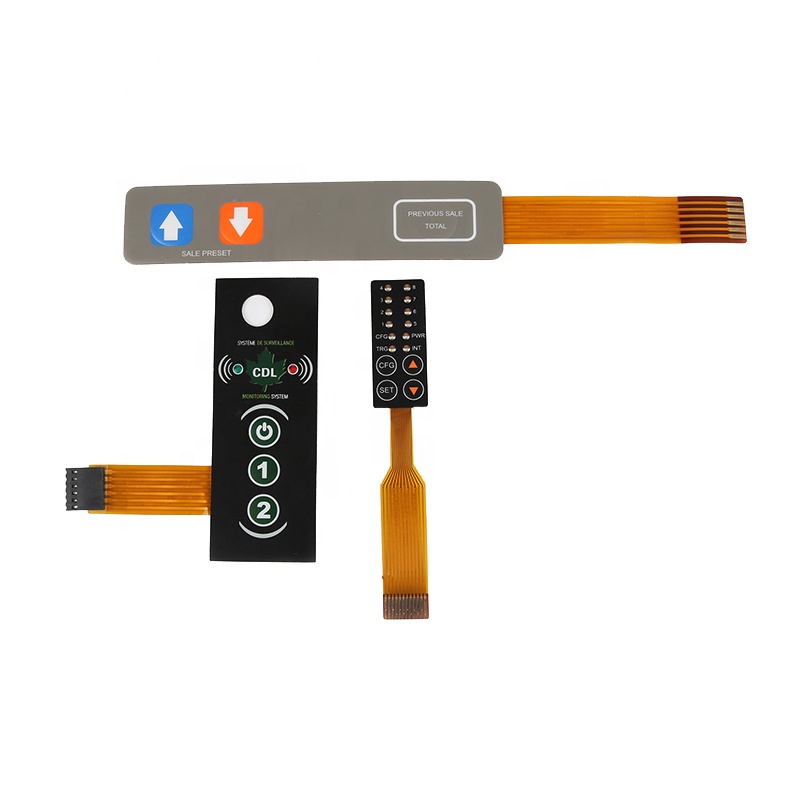
Precision sub-surface printed graphic faceplate laminated to rigid FR4 backing board with selective anti-reflective display windows.
A dependable instrument panel faceplate must bridge human ergonomics and environmental resilience. Based in Ningbo, Zhejiang, ZIRA combines three decades of specialized screen printing, advanced micro-electronics, and materials science to deliver mission-critical interface assemblies.
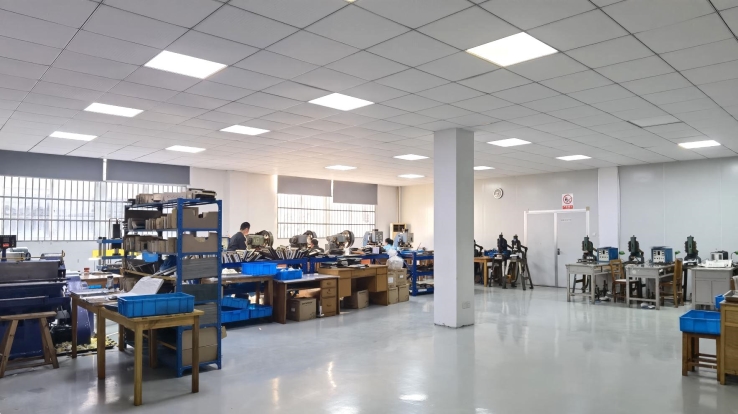
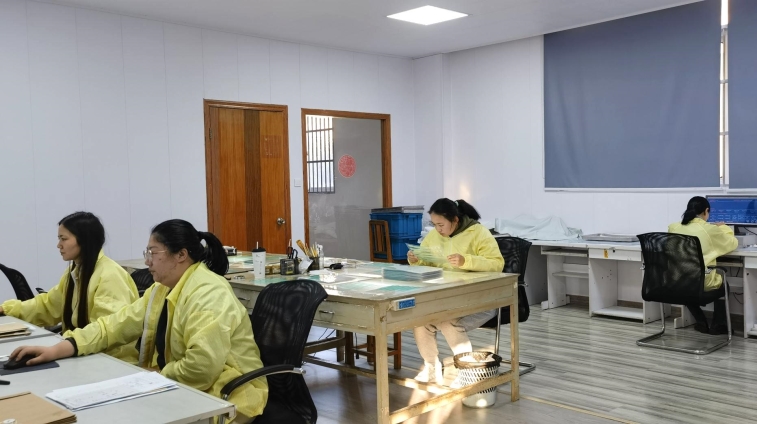
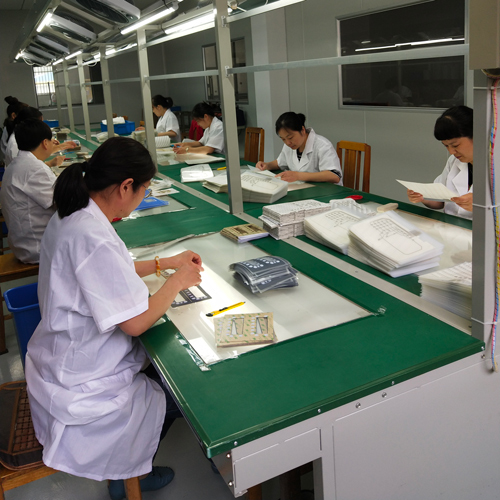
Our production facilities, cleanroom environments, quality management protocols, and export certifications are independently audited and certified onsite by Intertek. We offer complete supply chain transparency and verifiable audit reports for aerospace, automation, and healthcare procurement.
Our engineering division eliminates tooling revisions before physical prototyping. We review trace resistance, conductive silver migration prevention, tactile dome snap ratios, tail pin-out geometries, and adhesive sheer stresses to ensure seamless fitment with your metal or injection-molded chassis.
With an annual output valuation reaching US$10M to US$50M, our interfaces are validated across demanding industrial deployments. Long-standing manufacturing collaborations with multinational corporations like ABB and Emerson demonstrate our stringent compliance with international tolerance metrics.
By housing automated silk-screen printing, precision die-cutting, embossing presses, laser routing, and environmental curing ovens under one roof, we maintain precise control over tolerances down to ±0.05mm while preventing third-party manufacturing delays.
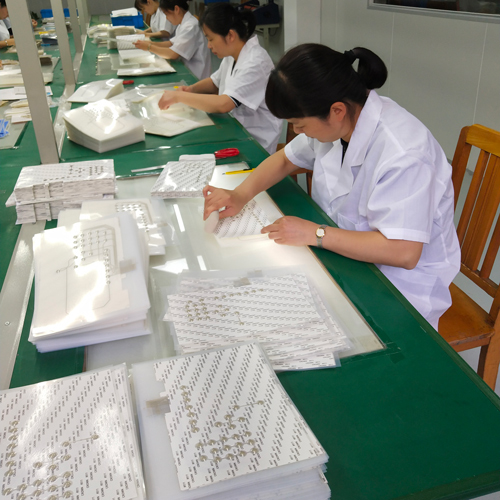
Every single manufactured instrument faceplate switch undergoes computerized continuity testing, open/short verification, contact resistance benchmarking (typically <100Ω), insulation resistance validation (>100MΩ at 250V DC), and tactile actuation curve verification before export dispatch.
Understanding engineering cycles, we offer prototype samples starting from 1 piece with rapid DFM reviews within 24 hours. Full-scale production lots scale seamlessly from 100 units up to hundreds of thousands of pieces, accommodating customized OEM delivery terms including FOB, CIF, DDP, and EXW.
Selecting the optimal graphic substrate, adhesive lamination, and circuit layer is crucial for long-term field stability. The following engineering matrix outlines the technical parameters implemented across our instrument panel production.
| Performance Parameter | Autotex Polyester (PET) Overlay | Lexan Polycarbonate (PC) Overlay | Silicone Elastomer Hybrid Keymat |
|---|---|---|---|
| Chemical Resistance | Exceptional (Resists alcohols, solvents, bleach, acids) | Moderate (Sensitive to strong solvents & ketones) | High (Chemically inert, excellent oil resistance) |
| Actuation Life (Cycles) | > 5,000,000 cycles (Embossed tactile keys) | ~ 100,000 cycles (Prone to fatigue stress crazing) | > 1,000,000 cycles (Long mechanical stroke travel) |
| Operating Temperature | -40°C to +85°C (-40°F to +185°F) | -20°C to +75°C (-4°F to +167°F) | -50°C to +200°C (-58°F to +392°F) |
| Optical Window Clarity | High clarity via selective gloss textures | Pristine optical transparency (Water-clear) | Translucent diffused backlighting |
| ESD / EMI Protection | Integrated printed carbon or aluminum grid | Sub-surface vacuum metallization / foil layer | Inherent non-conductive dielectric barrier |
| Backing Adhesives | 3M 467MP, 3M 468MP, 3M 300LSE (LSE Plastics) | 3M 467MP, 3M 9448A Tissue Tape | Primer-activated 3M structural transfer tape |
As industrial automation, electric vehicles, medical devices, and smart energy systems evolve, the technical criteria for purchasing faceplates and interface panels are undergoing systemic shifts. Global procurement managers must anticipate these key technological trajectories:
Traditional discrete pushbuttons are increasingly replaced by hybrid human-machine interfaces. Modern instruments combine capacitive touch zones for rapid scrolling and menu browsing with physical metal-dome pushbuttons for critical functions like emergency stops and motor activations, ensuring ergonomic safety without accidental triggering.
Procurement departments are phasing out thick, energy-intensive light plates and high-voltage Electroluminescent (EL) foils. The current standard demands ultrathin (0.125mm to 0.25mm) micro-grooved Light Guide Films (LGF) paired with edge-mounted SMT LEDs, generating razor-sharp, uniform, and low-power icon illumination without heat distortion.
Driven by medical device directives and food processing standards, there is surging demand for chemically bonded antimicrobial textures (such as copper-ion or silver-nano infused PET). Faceplates must withstand continuous wipe-downs with harsh disinfectant agents like isopropyl alcohol, chlorhexidine, and sodium hypochlorite without legend yellowing or delamination.
While screen-printed silver ink remains cost-effective for standard matrices, high-reliability instrumentation is migrating rapidly toward Flexible Printed Circuits (FPC). Copper-clad polyimide offers near-zero trace resistance, tighter pitch spacing (down to 0.5mm ZIF connectors), superior current-carrying capacity for bright SMT LEDs, and immunity to silver ionic migration.
OEM buyers are reducing multi-tier vendor risk by purchasing complete mechanical front-panel subassemblies. Instead of sourcing sheet metal brackets, rubber keymats, PC overlays, and display lenses separately, buyers now procure tested turnkey units laminated directly onto aluminum backer plates or injection-molded housings.
Compliance expectations have elevated significantly. Global exports into the European Union and North America mandate verifiable testing for UL94V0 flame retardancy, EU REACH SVHC non-toxicity, and RoHS 3 directives. Traceability documentation and non-halogenated adhesive chemistries have transitioned from optional preferences to non-negotiable procurement barriers.
Direct technical answers to common queries regarding engineering files, minimum order quantities, manufacturing lead times, and environmental sealing.
