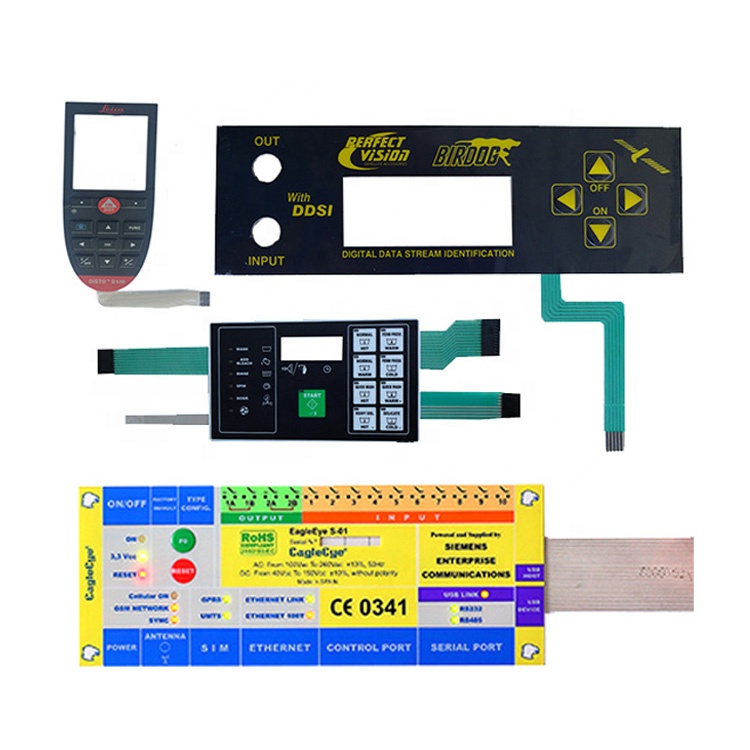
Direct OEM/ODM Precision Manufacturing
Industrial-Grade Polydome & Tactile Membrane Switch Solutions
Combining three decades of precision screen printing, automated hot-press embossing, and 100% electrical continuity verification to deliver robust polydome membrane switches to global industrial, medical, and appliance leaders.
29+
Years Precision HMI Manufacturing
5,000m²
Cleanroom & Assembly Facility
5,000,000+
Actuations Polydome Longevity
100%
Pre-Shipment Electrical & Hipot Testing
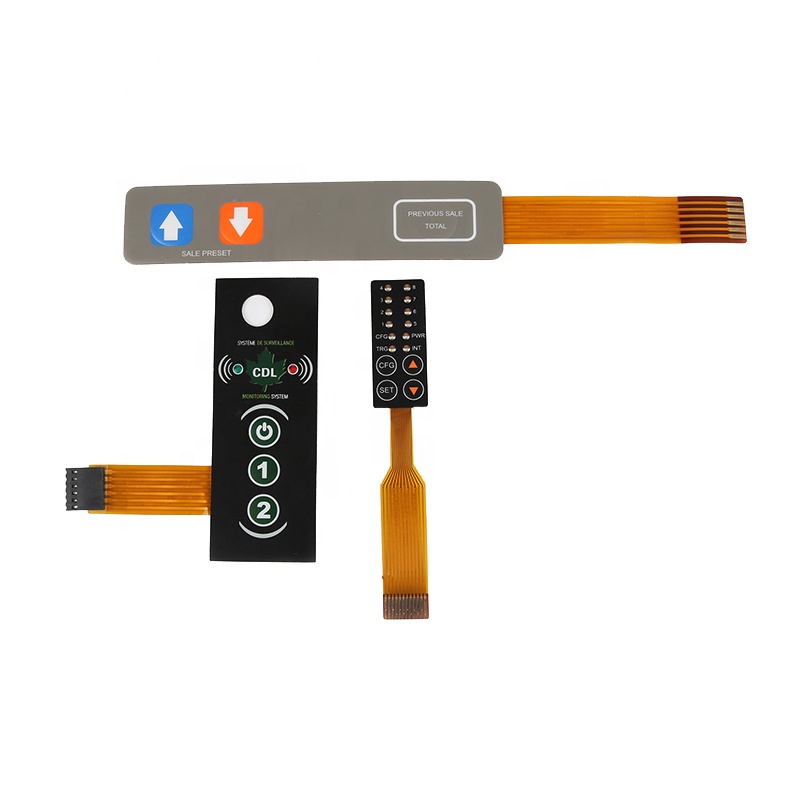
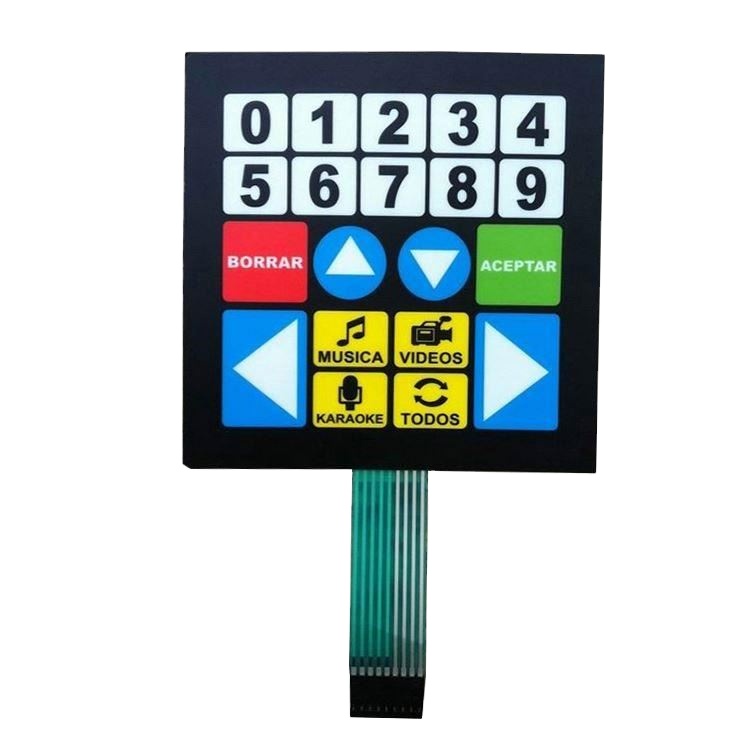
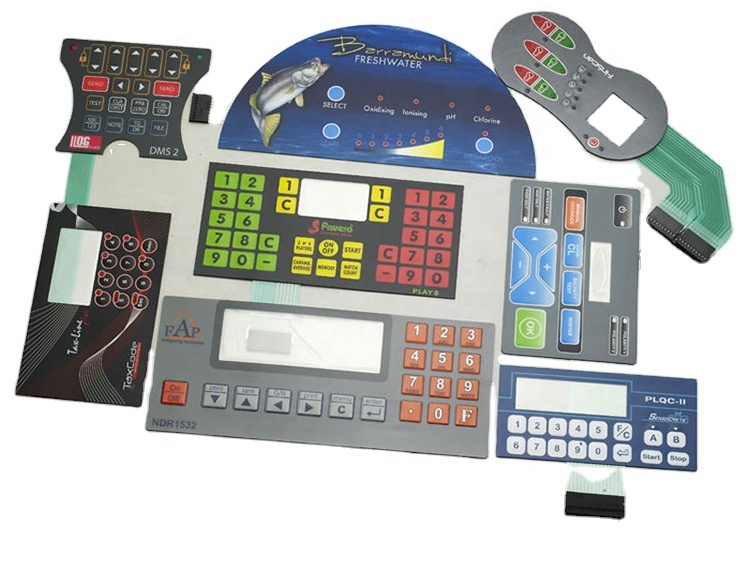
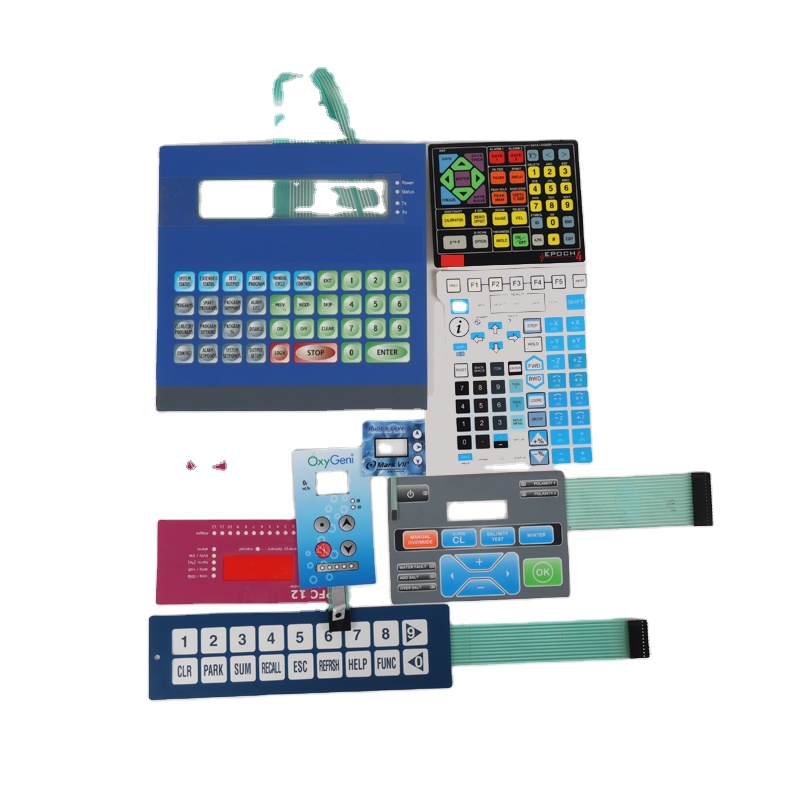
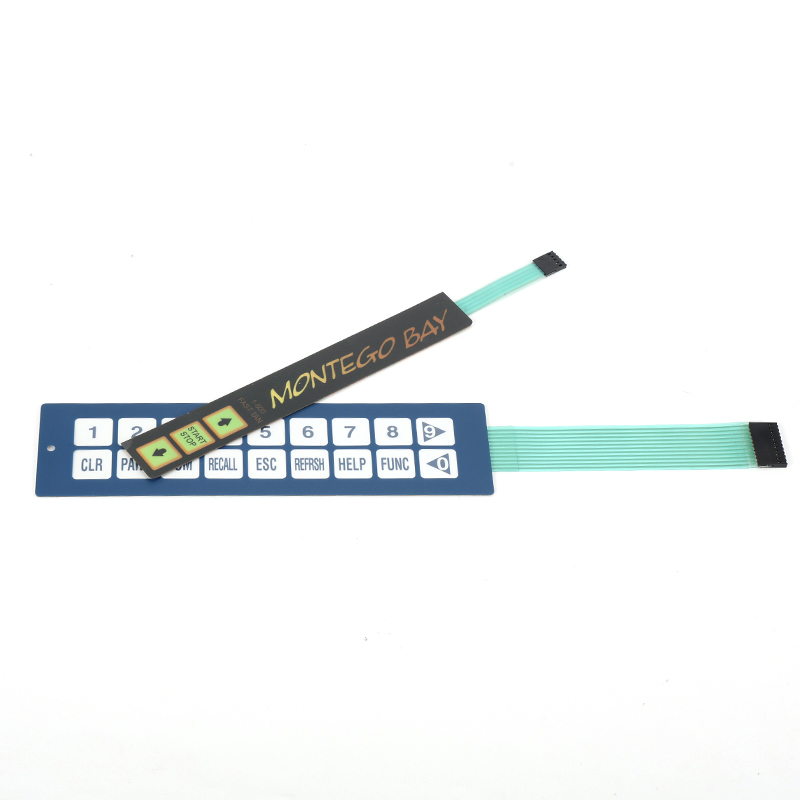
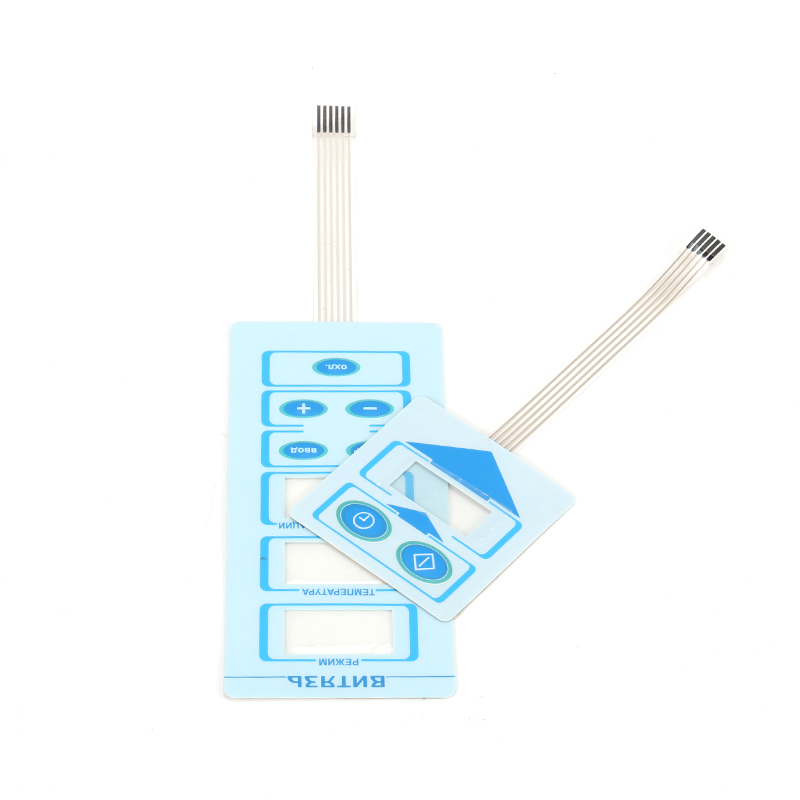
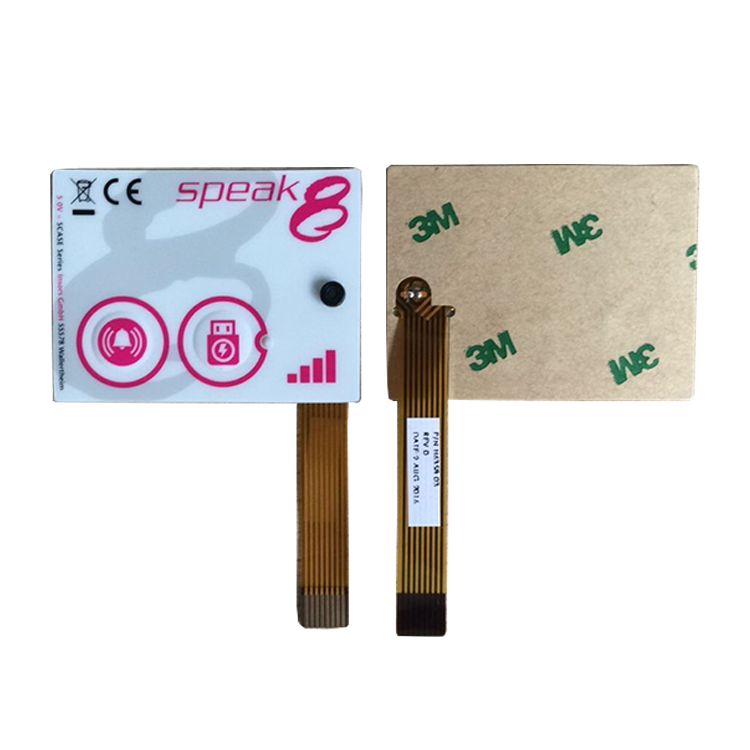
Engineering Polydome Membrane Switches: Material Science, Stack-up Mechanics, and Cost Optimization
Polydome (polyester dome) membrane switches represent one of the most mechanically elegant, durable, and cost-efficient Human-Machine Interface (HMI) configurations developed over the last four decades. Unlike metal dome assemblies that rely on discrete stainless-steel tactile elements inserted into a pocket layer, a polydome switch integrates the tactile spring element directly into the polyester (PET) graphic overlay or a dedicated sub-surface forming layer via precision thermal forming. For global procurement officers, system integrators, and electrical engineering teams seeking an optimal balance between unit production cost, tactile crispness, fluid sealing, and cycle life, understanding the structural and thermal nuances of polydome manufacturing in China is crucial.
Key Engineering Insight: Polydome switches eliminate metal dome placement cycle times and eliminate the risk of internal metal dome migration under severe mechanical vibration. When formed from biaxially oriented polyethylene terephthalate (BOPET) using matched-die thermo-forming under strictly regulated thermal dwell profiles, polydomes deliver up to 5,000,000 switch operations with consistent force displacement curves.
Cross-Sectional Architecture of an Industrial-Grade Polydome Switch
To withstand extreme operating conditions—including exposure to hydrostatic washdowns, industrial hydrocarbons, medical detergents, and thermal cycling—an advanced polydome membrane switch utilizes a sophisticated multi-layer architecture:
1. Graphic Overlay with Formed Polydomes: Sub-surface printed on Autotype MacDermid Autotex or Toray heat-stabilized polyester film. Sub-surface printing guarantees that screen-printed inks (Pantone or RAL matched) are fully shielded from abrasion, alcohols, and UV radiation. The tactile domes (ranging from 6mm to 14mm in diameter) are embossed directly into this layer or an immediate auxiliary layer via computer-controlled pneumatic/hydraulic heated embossing tools.
2. Adhesive Layer (Upper Graphic Adhesive): A precision die-cut selective transfer film—typically high-shear acrylic systems like 3M 200MP (3M 467MP or 3M 468MP)—featuring engineered venting channels that allow air displaced by the collapsing polydome to escape without blistering the adhesive seal.
3. Circuit Layer (Conductive Silver/Carbon or FPC): High-conductivity polymer thick-film (PTF) silver ink is screen-printed to formulate interdigitated contact switch poles or open-circuit switch tracks. In high-demand scenarios, carbon overcoat inks are printed over the contact fingers to prevent silver migration and reduce contact resistance variance over continuous actuations.
4. Circuit Spacer Layer: An insulating PET dielectric core calibrated strictly in thickness (50μm to 125μm) to define the exact contact gap distance. This gap determines the switch's actuation force (snap ratio) and pre-travel clearance.
5. Lower Support & Mounting Adhesive: A specialized double-coated tape, selected according to the housing substrate (e.g., powder-coated aluminum, ABS, polycarbonate, or stainless steel), ensuring airtight perimeter adhesion to IP65, IP67, or NEMA 4X industrial standards.
Comparative Engineering Matrix: Polydome vs. Metal Dome vs. Capacitive Touch
| Performance Parameter | Formed Polydome Switch | Stainless Metal Dome Switch | Capacitive Touch ITO Sensor |
|---|---|---|---|
| Tactile Actuation Feedback | Soft-to-Firm Tactile Snap (Distinct) | Crisp, High-Snap Ratio Click | Zero Mechanical Feedback (Requires Haptics) |
| Mechanical Cycle Life | 1,000,000 to 5,000,000 Actuations | 1,000,000 to 3,000,000 Actuations | Solid-State (> 10,000,000 Cycles) |
| Tooling & Setup Expenses | Low to Moderate (Precision Steel Die) | Low (Standard Domes, Rule Dies) | High (Controller Tuning, ITO Etching) |
| Unit Production Cost (Volume) | Lowest (Automated Continuous Forming) | Moderate (Assembly of Metal Components) | Higher (Microcontrollers, IC Drivers) |
| Vibration & Shock Immunity | Exceptional (Zero Component Floating) | Moderate (Risk of Dome Shifting) | Immune to Physical Vibration |
| Fluid Ingress Protection | IP67 / NEMA 4X Hermetic Hermeticism | IP65 to IP67 with Perimeter Seals | IP68 / IP69K (Full Glass/Plastic Enclosure) |
| Actuation Travel Range | 0.4 mm – 0.9 mm | 0.2 mm – 0.5 mm | 0.0 mm (Touch Proximity) |
Thermo-Forming Mechanics and Snap Ratio Optimization
The tactile perception of a polydome membrane switch is scientifically defined by its Snap Ratio (Rsnap = [F1 - F2] / F1), where F1 represents the peak actuation force and F2 denotes the contact closure force. In cold-embossed systems, the internal molecular strain within the polyester induces stress relaxation over time, leading to dome flattening and tactile decay. At Zhejiang ZIRA Membrane Switch Co., Ltd., our engineering protocol enforces Hydro-Pneumatic Hot-Forming with matched male/female CNC beryllium copper dies. Regulating heating temperatures precisely at the polyester glass transition region (Tg around 78°C–110°C) with controlled dwell timing relieves internal polymeric stresses. As a direct result, our polydomes achieve stable actuation profiles (250g to 450g) and retain over 80% of their baseline snap ratio even after extensive thermal cycling from -40°C to +85°C.
Market Intelligence
Future Procurement Trends & Technological Advancements
How evolving industrial automation, smart medical hardware, and eco-design mandates are reshaping the global custom membrane switch supply chain.
Next-Gen Illumination
1. Micro-LGF (Light Guide Film) Integration with Polydomes
Traditional embedded surface-mount LEDs often create localized bright spots and require thicker spacer stacks. Global procurement is shifting aggressively toward ultra-thin (0.125mm) polycarbonate Light Guide Film (LGF) networks mated directly below polydome arrays. By coupling side-firing LEDs into precision laser-etched dot matrices on the LGF, engineers achieve uniform icon backlighting across the entire panel while maintaining the low profile and tactile snap of polydome keys.
Ruggedized Substrates
2. Polyimide FPC and Rigid FR4 Backer Hybrids
While screen-printed silver ink circuits on PET film remain the industry standard for cost-sensitive human-machine interfaces, critical industrial and defense applications increasingly demand FPC (Flexible Printed Circuit) or direct FR4 PCB backplanes. The combination of a top-formed polydome graphic overlay with an FPC base facilitates high-density component population, fine-pitch ZIF connections (down to 0.5mm), and zero risk of silver oxidation in harsh corrosive atmospheres.
Medical Disinfection Resiliency
3. Antimicrobial Texturing & Harsh Reagent Durability
Driven by clinical compliance protocols, medical device procurement teams mandate graphic overlays capable of enduring round-the-clock disinfection using harsh quarternary ammonium, glutaraldehyde, and active chlorine cleansers. Polydome switches manufactured with specialized hardcoated textured PET films resist chemical fogging, cracking, and peeling, delivering an unbroken IP67 barrier that preserves sub-surface electronic tracks.
Near-Zero Emission Manufacturing
4. UV-Curable Conductive Inks and Sustainable Lamination
Global supply chains are tightening environmental ESG audits. Sourcing managers now prioritize Chinese factories that utilize solvent-free, UV-LED curable dielectric inks and precision laser cutting over toxic chemical etchings. These technological upgrades drastically reduce volatile organic compounds (VOCs), yield tighter dimensional tolerances (±0.05mm), and ensure total compliance with European RoHS 3 and REACH directives.
Why Engineers Choose ZIRA
End-to-End In-House Control from Drawing to Volume Production
Avoid intermediaries and inconsistent quality. Our unified engineering ecosystem guarantees that your tooling, screen printing, lamination, and testing remain accountable under one roof.
Comprehensive DFM Review
Before any tooling begins, our senior R&D engineers audit your layer stack-up, trace routing, pinouts, dome geometries, and venting passages to guarantee maximum yields and prevent premature failure.
Precision Hot-Forming Dies
We build CNC-machined, high-tolerance thermo-forming dies that deliver exact actuation forces (from light touch 150g up to robust 500g tactile industrial switches) with flawless snap ratios across millions of cycles.
100% Automated Electrical Check
Every single membrane switch leaving our facility is tested on programmable testers for contact loop resistance (<100Ω), insulation resistance (>100MΩ at 100V DC), LED forward voltage, and open-circuit integrity.
Genuine Brand Raw Materials
We never compromise on base films and adhesives. We strictly specify genuine Autotype MacDermid PET, Toray high-stability films, Acheson conductive silver pastes, and authentic 3M 467MP/468MP/VHB adhesive systems.
Flexible MOQ & Export Terms
From initial design verification prototypes starting from 1 unit to scheduled full-container-load volume deliveries, we accommodate FOB, CIF, EXW, and door-to-door DDP shipments with support for multiple payment currencies.
Procurement Due Diligence
Frequently Asked Questions (FAQ) for Membrane Switch Sourcing
Direct answers to the critical engineering, quality validation, and supply chain questions asked by technical procurement teams.
What is the fundamental difference between a Polydome switch and a Metal Dome switch?
A polydome switch utilizes an integral polyester dome formed directly into the top graphic overlay or an underlying polyester layer using heat and pressure. In contrast, a metal dome switch utilizes a discrete, stamped stainless-steel dome (often nickel-plated or gold-plated) placed inside a retainer spacer cavity. Polydome switches offer quieter, cushioned tactile feedback, total immunity to dome migration under extreme vibration, and reduced assembly costs for large-scale production. Metal domes provide a crisper tactile click, shorter actuation travel, and superior tactile recovery across extreme high-temperature environments (>85°C).
How does hot-press embossing prevent tactile decay in polydome switches over time?
Cold embossing forms the polyester dome by mechanically stretching the material at ambient room temperature, which leaves significant residual elastic stresses in the polymer chain. Over extended actuation cycles or exposure to ambient heat, cold-embossed domes suffer plastic deformation and relaxation, causing the switch to lose its snap ratio and become mushy. ZIRA utilizes precision pneumatic heated dies with thermal dwell controls that heat the polyester above its glass transition temperature (Tg). This resets the material's internal memory in the dome configuration, locking in the tactile force profile and guaranteeing a lifetime of 1,000,000 to 5,000,000 actuations without loss of tactile crispness.
What specific design files and specifications are needed to initiate custom tooling?
To provide an immediate DFM feedback report and commercial quotation, we require: (1) Vector graphic overlay artwork in AI, CorelDRAW, or high-resolution PDF format with callouts for Pantone (PMS) or RAL color codes; (2) Mechanical dimensional drawings (AutoCAD DXF/DWG or STEP file) specifying overall dimensions, cutouts, dome locations, and connector tail length/pitch; (3) Electrical schematic or pinout diagram identifying circuit paths, switch common buses, LED polarity, and tail termination type (e.g., standard 2.54mm or 1.0mm pitch female socket, Berg Clincher, or bare ZIF contact leads); (4) Operating environmental criteria including temperature ranges and sealing expectations (e.g., IP65, IP67).
How are environmental fluid ingress (IP65 / IP67) seals achieved on membrane keypads?
Achieving a true IP67 liquid-tight seal requires two distinct engineering provisions: First, an unbroken perimeter adhesive gasket ring (typically using high-tack 3M 468MP or 3M VHB acrylic foam adhesive) running entirely around the active switch matrix and display windows. Second, internal venting channels must be routed inward between switch cavities or vented directly through the tail into the enclosure rather than out to the exterior perimeter. This prevents moisture, chemical vapor, and condensation from being pulled into the contact layers during barometric pressure drops while preventing pressure buildup during key actuation.
Can surface mount LEDs and passive components be embedded within a polydome switch?
Yes. Miniature surface-mount device (SMD) LEDs (such as 0603, 0805, or 1206 packages) and resistors can be mounted directly onto the silver-printed PET circuit layer using specialized conductive epoxy bonding followed by an encapsulating UV dielectric overcoat. For maximum component bond strength in high-vibration applications, we frequently recommend our hybrid FPC (Flexible Printed Circuit) or rigid FR4 PCB architecture, where components are soldered using conventional reflow methods, capped with a hot-formed polydome overlay.
What is your standard prototype turnaround time, production lead time, and MOQ?
We support engineering innovation with flexible minimum order requirements: rapid engineering prototypes and sample builds can be produced from as few as 1 to 5 pieces. Standard turnkey prototype lead times range from 7 to 10 working days upon final DFM sign-off. Full mass-production runs typically dispatch within 15 to 20 working days. Repeat orders can benefit from safety stock arrangements and expedited scheduling through our Ningbo export hub.
Initiate Your Custom Polydome Membrane Switch Engineering Review
Connect directly with our senior application engineering team in Ningbo. We provide thorough DFM reviews, material stack-up recommendations, color proofs, and transparent factory quotations within 24 business hours.
Inquire Now