China Best Front Panel Overlay Manufacturer & Exporters
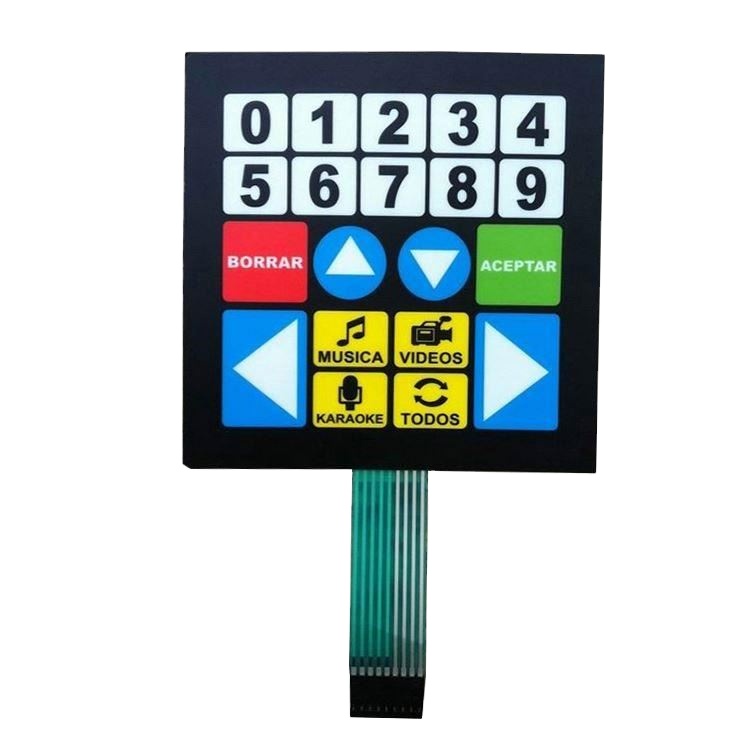
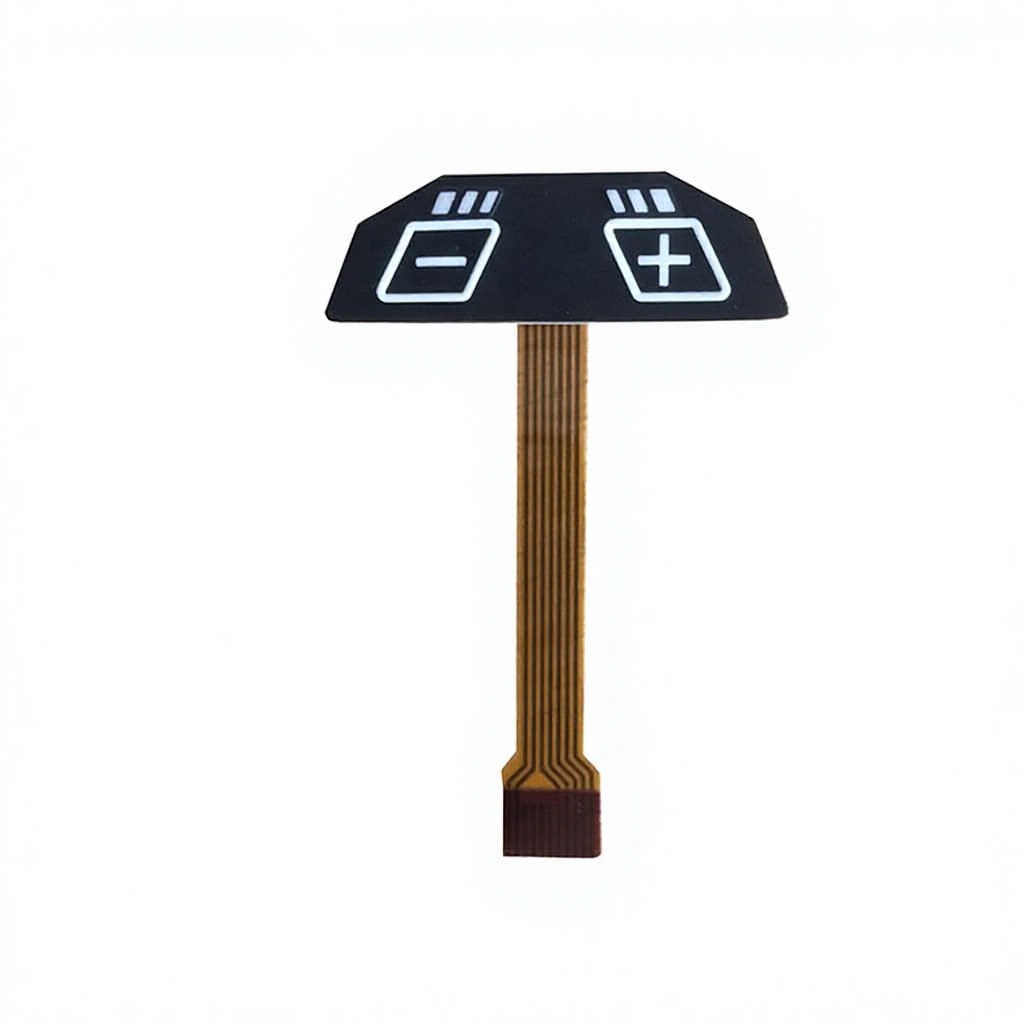
Next-generation graphic overlays, backlit membrane keypads, custom silicone rubber interface assemblies, and ITO capacitive touch panels engineered for extreme industrial, medical, and commercial environments.
Recommended Front Panel & Keypad Solutions
Explore our engineering-grade custom membrane switches, light-guide illuminated front panel overlays, and ruggedized control keypads manufactured under strict ISO quality controls.
1. Engineering Authority: Manufacturing Excellence at Zhejiang ZIRA
In high-reliability Human-Machine Interfaces (HMI), the front panel overlay serves as both the primary aesthetic brand signature and the first line of environmental defense for sophisticated industrial controls, medical diagnostic instruments, military equipment, and commercial appliances. Based in the Changhe Industrial Park, Ningbo, Zhejiang, Zhejiang ZIRA Membrane Switch Co., Ltd. (ZIRA) has established itself since 1996 as China’s premier custom front panel overlay manufacturer and exporter.
Operating within a 5,000-square-meter state-of-the-art facility equipped with class 10,000 cleanrooms, five high-precision automated screen-printing lines, CNC laser trimming stations, high-speed embossing presses, and SMT surface-mount light-emitting diode (LED) positioning cells, ZIRA bridges the gap between complex electronic engineering and durable graphic design. Verified onsite by Intertek, ZIRA maintains rigorous ISO 9001:2015 quality management principles, backing every custom manufacturing run with 100% electrical parameter continuity and insulation resistance testing.
Why Global Fortune 500 OEMs Partner with ZIRA
Over nearly three decades, ZIRA has evolved from a local specialized screen printer into a integrated global tier-1 supply chain partner for industrial behemoths including ABB, Emerson, and leading medical device original equipment manufacturers across North America, Western Europe, and Asia-Pacific.
End-to-End Vertical Integration
From graphic prepress vector design and film output to precision color matching (Pantone/RAL), silver ink circuit layout, dome placement, and high-bond 3M lamination.
Design-For-Manufacturability (DFM)
In-house senior engineering teams audit your DXF/CAD schematics, optimizing trace spacing, actuation force ratios, light-guide diffusion paths, and perimeter seal geometry.
Stringent Quality Assurance
Every single layer undergoes automated optical inspection (AOI), while completed membrane switch assemblies are tested for key stroke life (up to 5 million actuations).
2. Deep Technical Analysis: Substrate Selection & Interface Layer Architecture
Achieving superior operational durability requires a granular understanding of polymer physics and chemical resistance. A front panel overlay must endure millions of finger actuations, chemical cleaning agents, ultraviolet (UV) radiation, and extreme ambient temperature fluctuations. China's leading front panel overlay exporters utilize three primary polymer substrate classes:
Polyester (PET - Autotex / Melinex)
The gold standard for high-flex duty cycles. Polyester exhibits flexural fatigue resistance exceeding 5 million switch cycles. Unaffected by harsh solvents, alcohols, and oils, PET is ideal for medical keypads, food processing panels, and heavy industrial machinery.
Polycarbonate (PC - Lexan)
Offers exceptional optical clarity, impact strength, and ease of thermal embossing. Excellent for non-tactile display windows and indoor control panels. Highly cost-effective for medium-duty commercial electronics, though less resistant to aggressive aromatic solvents than PET.
Thermoplastic Polyurethane (TPU)
Selected for specialized outdoor interfaces demanding self-healing scratch resistance, ultra-low temperature flexibility (-40°C), and high elasticity. Often hybridized with anti-microbial coatings for sterile clinical environments.
Substrate Material Engineering Specification Matrix
Performance Property
Autotex BBA Polyester (PET)
Lexan Polycarbonate (PC)
Hardcoated TPU Film
Actuation Flex Life
> 5,000,000 Cycles
> 100,000 Cycles
> 2,000,000 Cycles
Chemical Resistance
Exceptional (Alcohols, Ketones, Esters)
Moderate (Sensitive to Solvents)
High (Oils, Grease, Hydrocarbons)
Embossing Rating
Excellent (Rim, Pillow, Dome)
Outstanding (Thermal Formable)
Good (Elastomeric Return)
UV Resistance
High (With Outdoor Autotex XE)
Requires UV Stabilized Grade
Inherent Weatherability
Operating Temp Range
-40°C to +105°C
-30°C to +85°C
-45°C to +90°C
Tactile Mechanics: Domes vs. Non-Tactile vs. Capacitive Sensors
Tactile feedback reassures operators that a command has been registered without requiring visual confirmation. ZIRA integrates multiple tactile technologies tailored to ergonomics and physical spatial constraints:
Stainless Steel Metal Domes (Four-Leg & Circle Domes): Ranging from 6mm to 20mm in diameter with actuation forces from 180g to 500g. Stainless steel domes provide a crisp, audible tactile snap with contact resistance below 1 Ohm. Nickel or gold plating prevents oxidation under humid conditions.
Polyester Poly-Domes: Thermally embossed directly into the PET graphic layer or underlying circuit film. Poly-domes lower overall bill-of-materials (BOM) cost and offer smooth actuation profiles suitable for consumer appliances and lightweight meters.
Silicone Rubber Keymat Hybrids: Combining a 3D molded silicone rubber actuator mat over a flexible membrane or printed circuit board (PCB). Provides deep key travel (1.0mm to 2.5mm) with a cushioned, rugged tactile touch popular in field-deployed telecom and military keypads.
Capacitive ITO (Indium Tin Oxide) Touch Panels: Eliminating mechanical moving parts entirely. Solid-state ITO film sensors detect changes in capacitance through a protective glass or polycarbonate faceplate, offering a completely smooth, flush surface that simplifies sterilization.
In low-light operating environments—such as aviation cockpits, medical operating theaters, night-vision military operations, and automotive diagnostic bays—uniform backlighting is critical. ZIRA leads the Chinese export market in incorporating state-of-the-art illumination layers into thin-profile membrane switches:
Light Guide Film (LGF)
Utilizes ultra-thin micro-etched optical acrylic film (0.125mm to 0.25mm) fed by edge-mounted side-view SMT LEDs. LGF distributes light evenly across wide keypad graphics with minimal heat generation and power consumption.
SMT Chip LED Integration
Surface-mount discrete LEDs (0603, 0805, or 1206 packages) are soldered directly onto Flexible Printed Circuit (FPC) or CEM-1/FR4 PCB substrates, providing targeted status indication for power, mode, and alarm keys.
Electroluminescent (EL) Panels
Phosphor-based luminescent layers driven by AC voltage. EL lamps deliver uniform soft ambient glows across complex shapes in super-thin profiles, ideal for low-power handheld instruments.
Ingress Protection: Gas Gaskets & Perimeter Waterproofing
Moisture, fluid ingress, dust, and corrosive vapors represent the primary failure vectors for electronic control panels. ZIRA engineers continuous perimeter gas-gaskets, internal liquid diverter channels, and hydrophobic venting membranes directly into the adhesive stack-up.
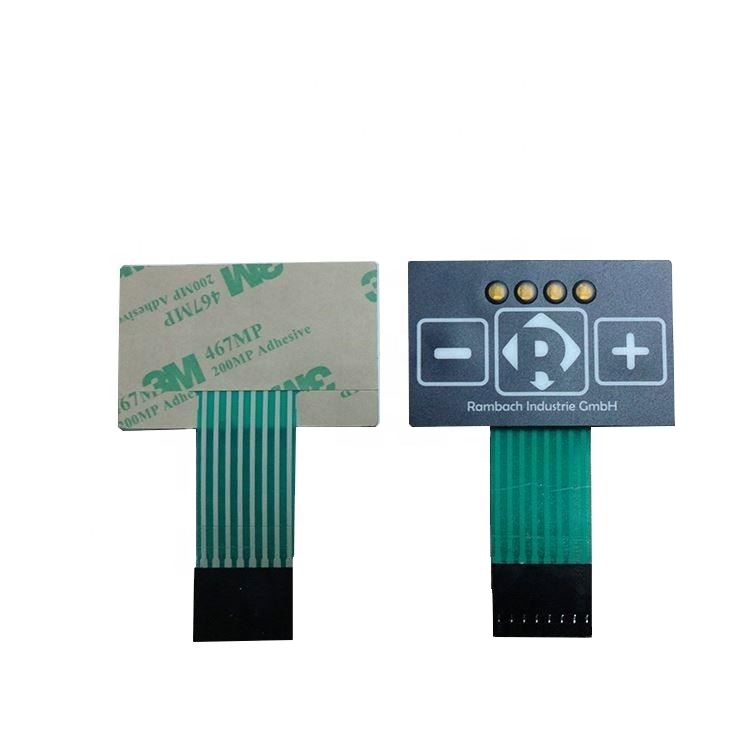
By combining high-tack acrylic adhesives such as 3M 200MP, 3M 300LSE (specifically formulated for low surface energy plastics), and 3M VHB foam tapes, ZIRA front panel overlays achieve ingress protection ratings up to IP65, IP67, and IP68. This seals the silver or copper circuit traces against liquid submersion, washdown procedures in food processing facilities, and condensation caused by high humidity.
4. Future Development Trends in Front Panel Overlay Manufacturing
The global Human-Machine Interface market is undergoing a rapid technological convergence. Procurement executives and engineering managers must align their product roadmaps with five transformative industry developments:
Smart Surface Hybridization
Merging classic tactile mechanical switches with capacitive touch sliders, optical display windows, and haptic vibration motors into a unified, monolithic front panel assembly.
Anti-Microbial & Self-Cleaning Surfaces
Integrating inorganic silver-ion chemistry directly into the hardcoat texture of PET overlays. Permanently inhibits 99.99% of bacterial growth (E. coli, MRSA), essential for post-pandemic clinical devices.
Printed Electronics & Conductive Carbon Inks
Replacing silver ink tracks with silver-nanowire and graphene-doped conductive carbon pastes. Mitigates silver migration caused by high humidity and DC voltage bias, extending operational lifespan.
Optical Bonding & Anti-Glare Windows
Direct optical bonding of clear overlay display windows to underlying LCD/OLED modules using optical clear adhesives (OCA). Eliminates air gaps, parallax errors, and internal reflection in sunlight-readable displays.
5. Future Procurement Trends & Sourcing Optimization for Global OEMs
Global supply chain volatility has fundamentally shifted procurement priorities. Procurement directors no longer look strictly at initial piece-part pricing; they evaluate Total Cost of Ownership (TCO), supplier manufacturing agility, environmental compliance, and risk mitigation strategies.
Key Sourcing Trends Observed by Leading Chinese Exporters:
Consolidation of Supply Base: Enterprise buyers are shifting away from fragmented component vendors (buying graphic overlays from one printer, metal domes from another, and PCBs from a third). They demand turnkey HMI assembly providers like ZIRA that deliver fully integrated, tested sub-assemblies ready for drop-in chassis installation.
Strict Environmental Compliance (RoHS 3 & REACH SVHC): European and North American customs regulations demand complete material traceability. Top exporters provide certified lab test documentation demonstrating compliance with RoHS, REACH, halogen-free standards, and conflict mineral disclosures.
Rapid Prototyping & Agility (DFM Speed): Accelerating time-to-market requires fast iteration. Modern suppliers utilize digital printing press lines alongside traditional screen printing to output functional sample prototypes within 3 to 5 business days, bypassing costly hard tooling during initial R&D phases.
Automated Electrical & Visual Testing (Zero Defect Mandate): Manual inspection is no longer acceptable for high-stakes medical or industrial applications. Automated Optical Inspection (AOI) combined with multi-point pneumatic electrical test fixtures guarantees 100% pin-out verification, contact resistance validation, and LED polarity verification prior to ocean or air freight shipment.
Q1: What vector artwork file formats are required to begin a custom front panel overlay tooling process?
To initiate high-precision screen printing and CNC die-cutting, ZIRA accepts vector artwork in Adobe Illustrator (.AI), CorelDraw (.CDR), Vector PDF, or AutoCAD (.DXF / .DWG) formats. All fonts must be converted to outlines or paths, and colors should be designated using official Pantone Matching System (PMS) or RAL color codes. For circuit layer production, Gerber files (RS-274X) or schematic netlists are preferred.
Q2: What is the standard Minimum Order Quantity (MOQ) and production lead time?
ZIRA offers flexible order volumes tailored to product maturity. Rapid prototype samples can be manufactured from 1 piece upwards. Standard production runs typically begin at 100 to 500 pieces for complex backlit membrane switches, while high-volume commercial keypads start at 1,000 pieces. Sample lead times average 5 to 7 working days post-drawing approval, while mass production volume orders ship within 12 to 18 working days.
Q3: How does ZIRA prevent silver migration failure in high-humidity operating environments?
Silver ion migration occurs when silver traces are exposed to moisture under DC voltage bias, forming conductive dendrites that cause electrical shorts. ZIRA mitigates this by applying a micro-encapsulating carbon dielectric overcoat over all printed silver conductive paths. Alternatively, for critical high-humidity or outdoor applications, ZIRA recommends migrating to Flexible Printed Circuits (FPC) with polyimide coverlays or gold-plated FR4 circuit backings.
Q4: How do I select the proper 3M rear adhesive for my enclosure material?
Adhesive selection depends on enclosure surface energy and texture. For smooth, high-surface-energy metals (aluminum, stainless steel) and ABS plastic, 3M 200MP (e.g., 3M 467MP or 468MP) provides exceptional peel strength. For low-surface-energy plastics (powder-coated metals, polypropylene, polyethylene), 3M 300LSE adhesive (e.g., 3M 9472LE) is mandatory to prevent debonding. For cast metal enclosures with rough surface profiles, 3M VHB acrylic foam tape ensures complete gap filling and moisture sealing.
Q5: What commercial delivery and international payment terms are supported for global buyers?
As an established international exporter, ZIRA supports standard Incoterms 2020 including FOB (Ningbo/Shanghai), CIF, EXW, CIP, CPT, and DDP (Delivered Duty Paid directly to your warehouse). Accepted payment methods include Telegraphic Transfer (T/T), Letter of Credit (L/C at sight), D/P, D/A, and Western Union, settled in USD, EUR, HKD, or CNY currencies.
Partner with China's Premier Front Panel Overlay Manufacturer
Elevate your equipment's user interface with custom-engineered graphic overlays, tactile membrane keypads, and backlit panels. Request a comprehensive DFM engineering review, material sample kit, or custom quote today.