Uniform Lighting
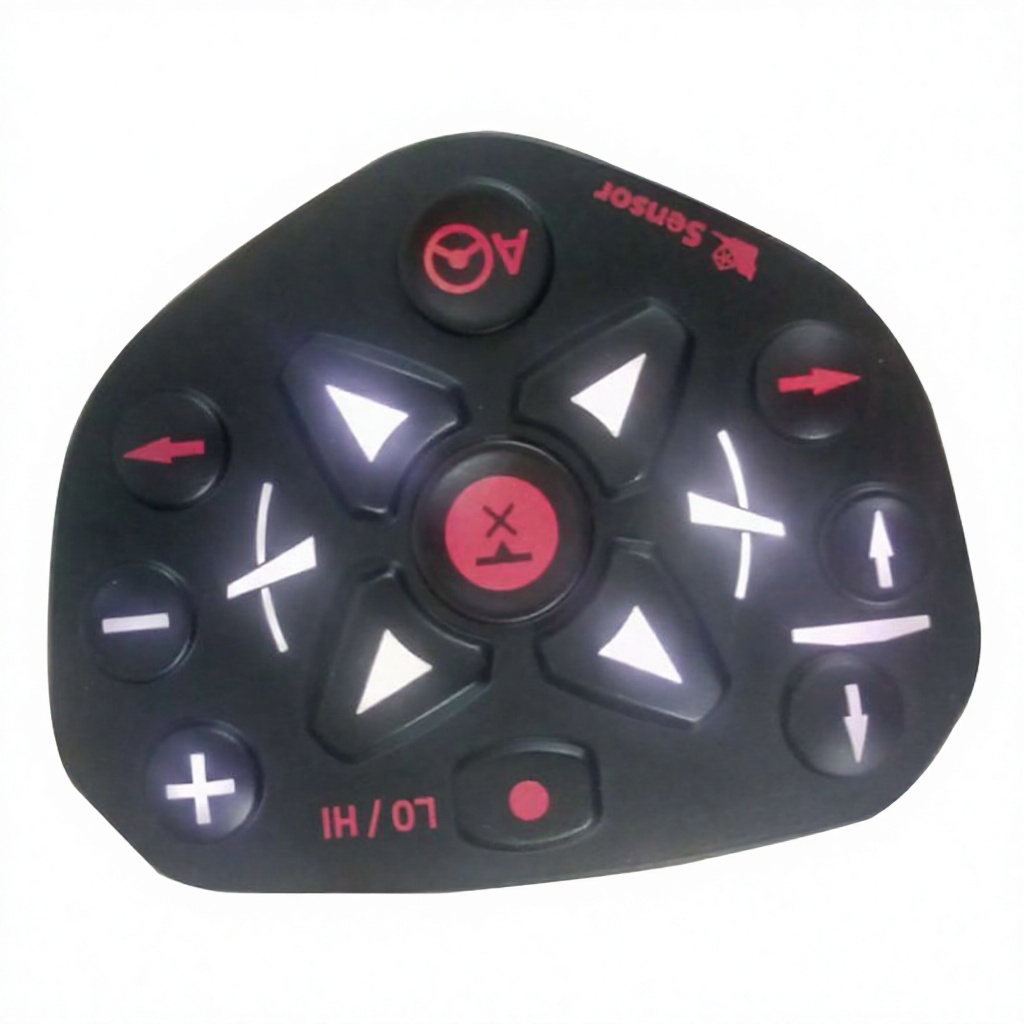
Engineered for harsh industrial environments, medical equipment, and smart appliances with 100% electrical inspection and long-life contact durability.
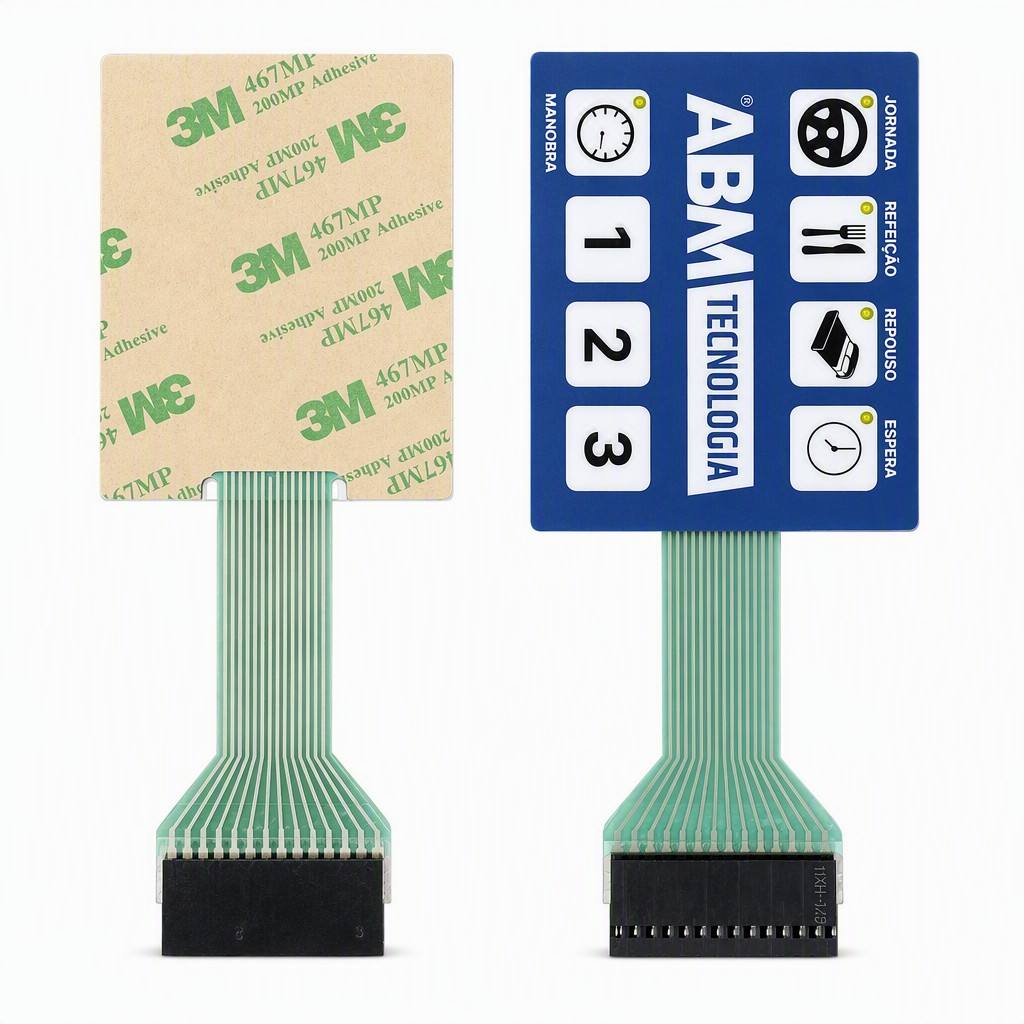
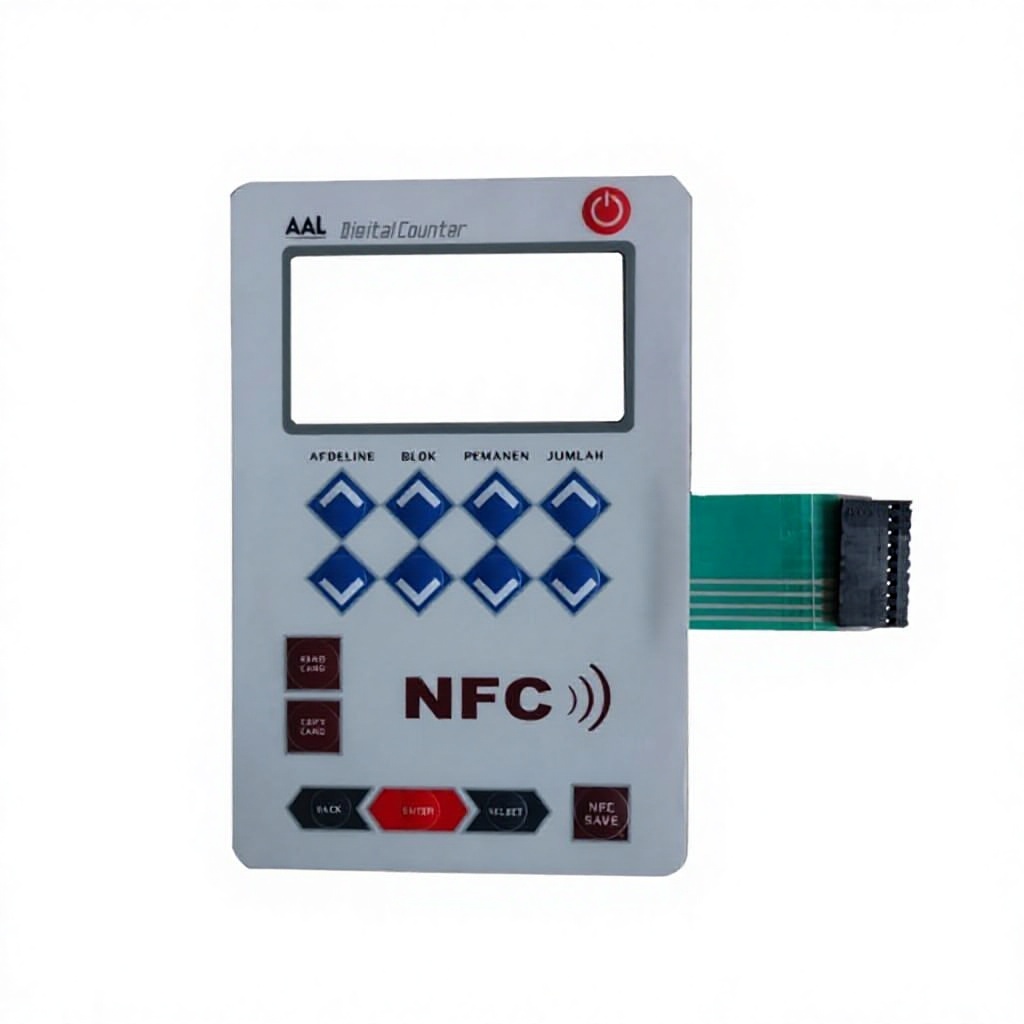
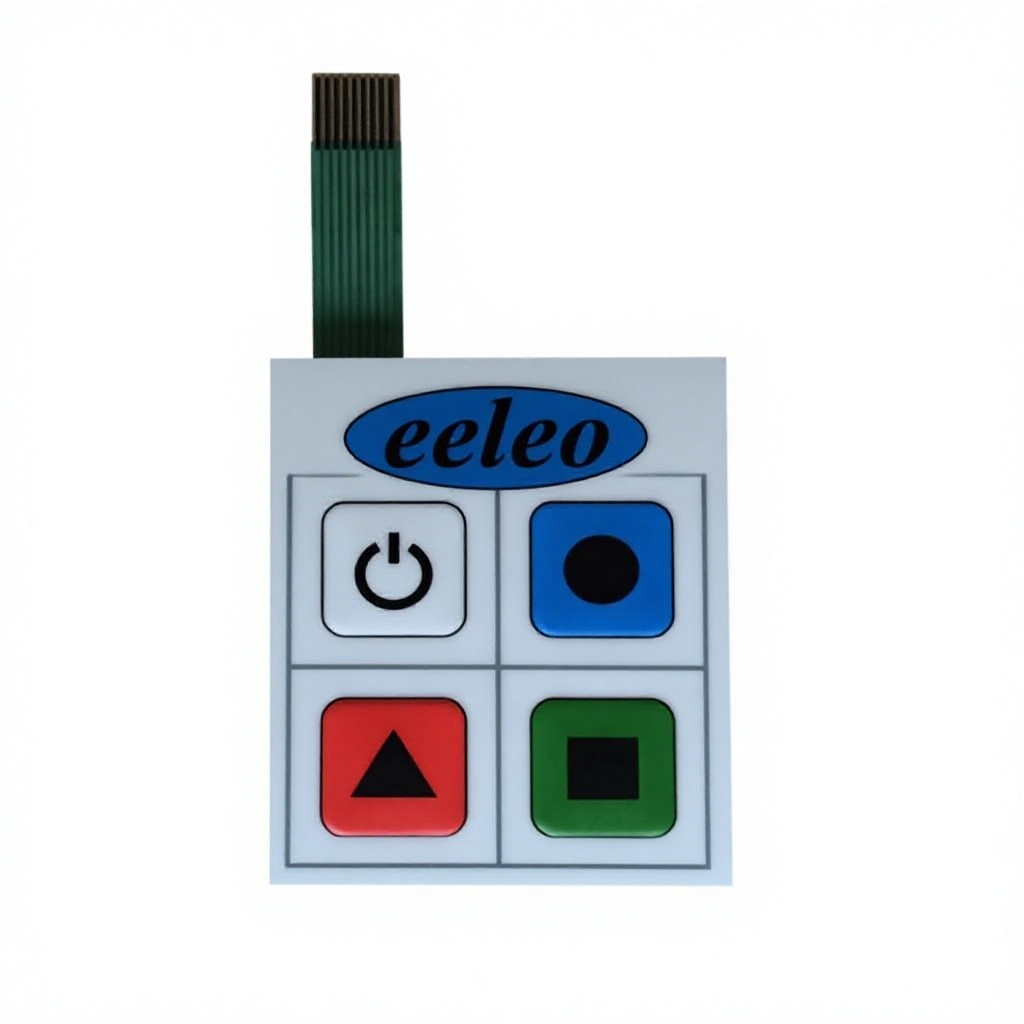
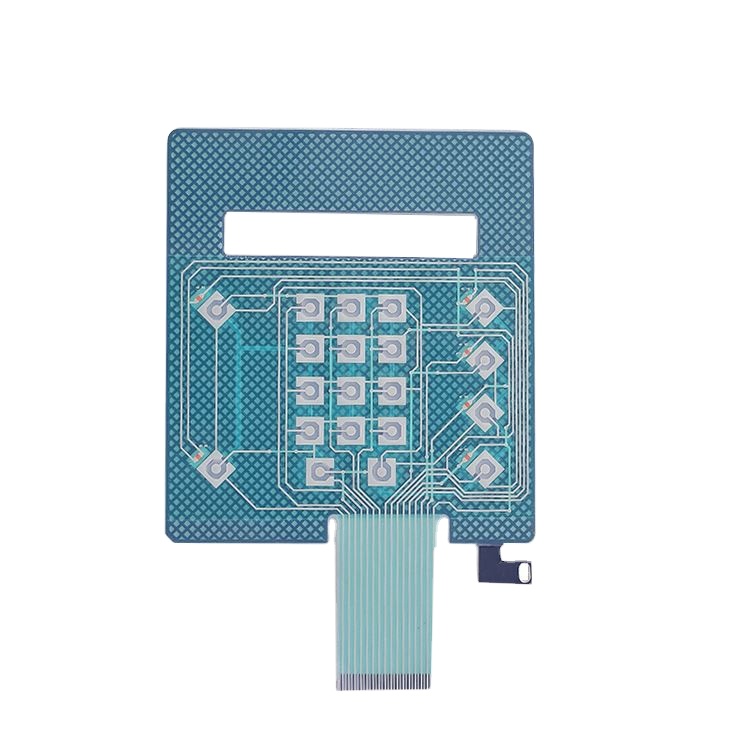
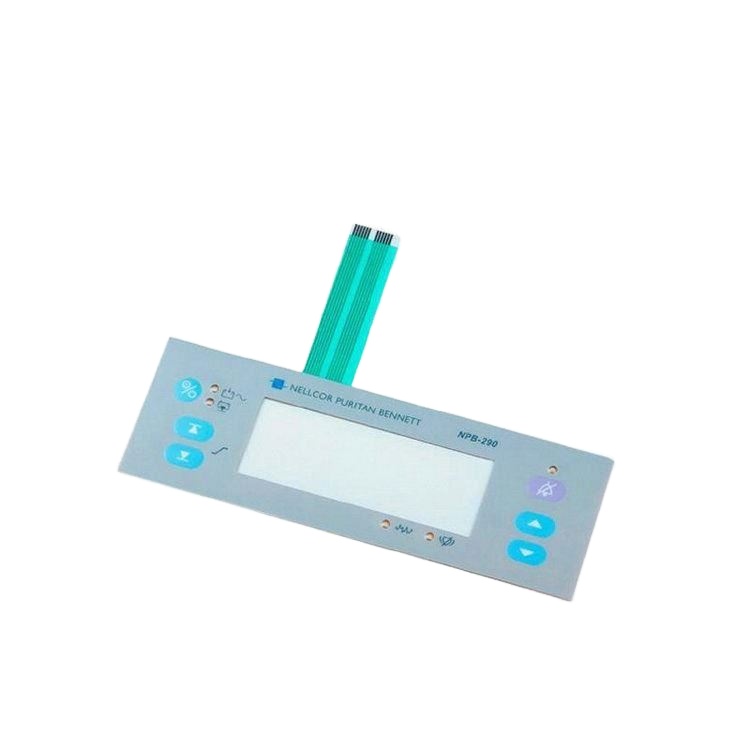
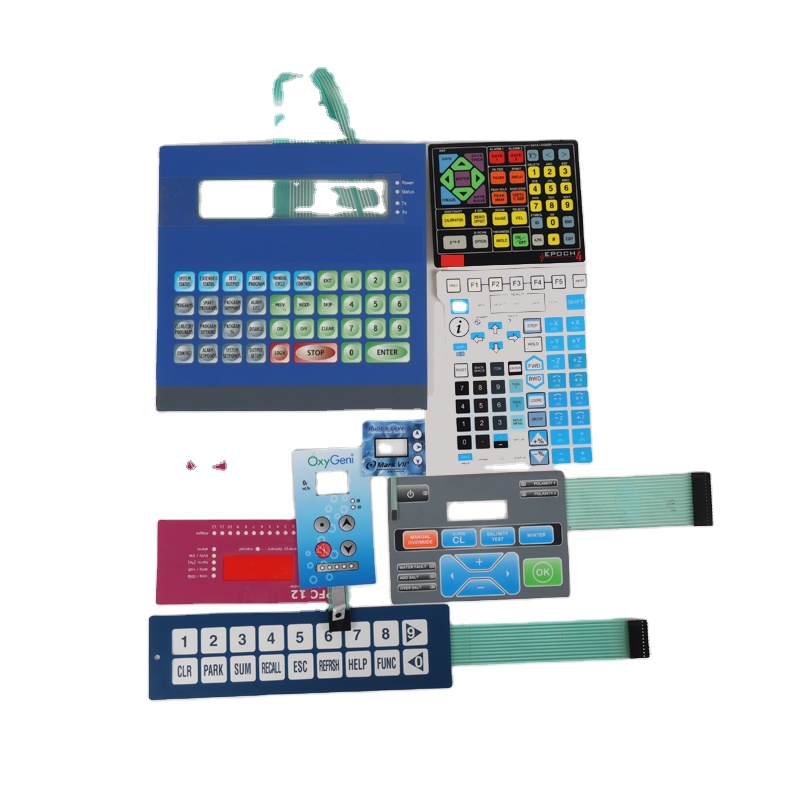
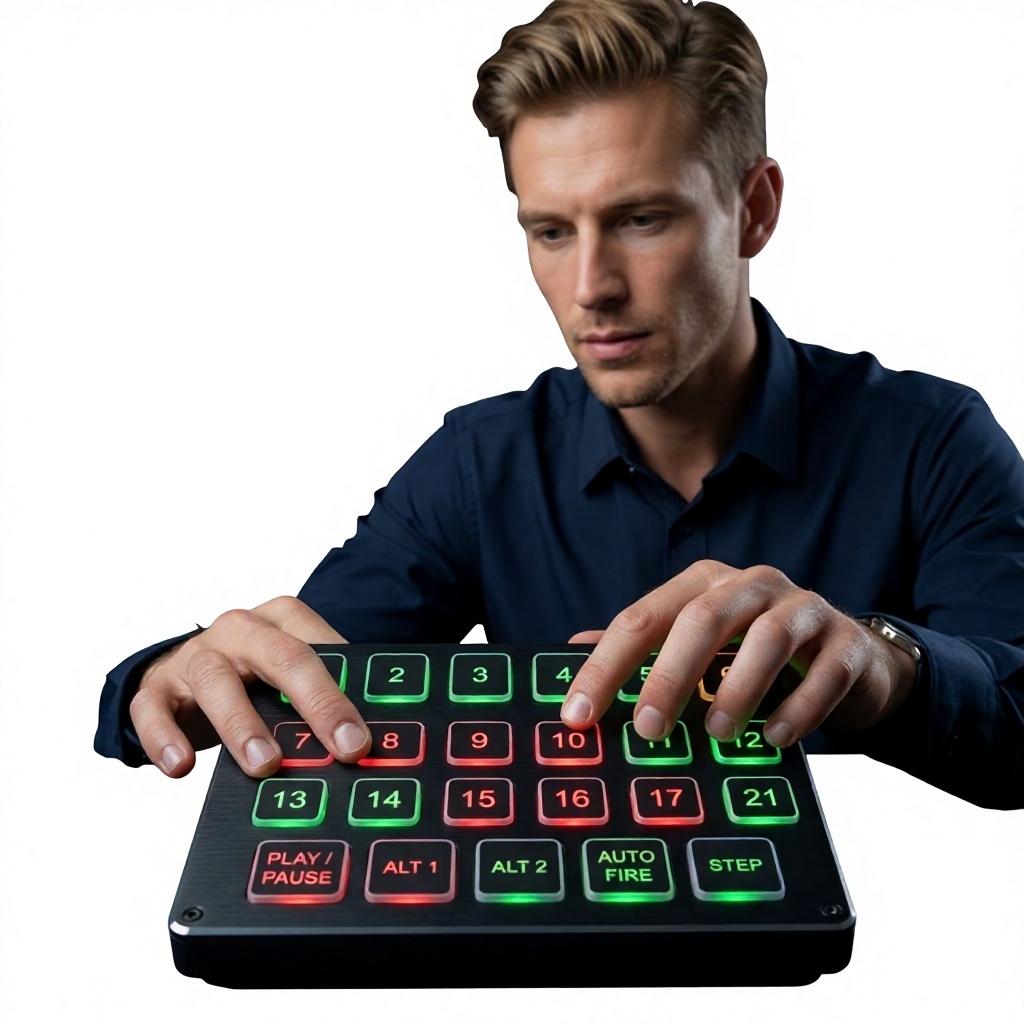
Operating from our 5,000 m² state-of-the-art facility in Ningbo, Zhejiang, ZIRA is an Intertek onsite-verified manufacturer delivering high-reliability human-machine interfaces (HMI). We serve Tier-1 global industrial companies, medical device innovators, and automotive OEMs across North America, Western Europe, South America, and Asia-Pacific.
 Intertek Third-Party Onsite Verified Manufacturer
In modern industrial electronics, the human-machine interface (HMI) serves as both the critical user interaction point and the primary protective barrier for sensitive internal printed circuit board assemblies (PCBA). Selecting the best China electronic control panel manufacturer requires a comprehensive evaluation of material chemistry, tactile force displacement, electrical impedance engineering, and environmental sealing protocols.
The graphic overlay is the outermost structural layer exposed to environmental stress, chemical cleaning agents, and mechanical actuation. Industrial buyers must balance clarity, flex fatigue resistance, and chemical compatibility:
| Engineering Property | Biaxially Oriented PET (e.g., MacDermid Autotex) | Polycarbonate / PC (e.g., Lexan HP80) | Graphic Overlay Recommendation |
|---|---|---|---|
| Actuation Flex Life | > 5 Million Cycles (Exceptional) | ~ 100,000 Cycles (Susceptible to crazing) | Use PET for embossed tactile keys |
| Chemical Resistance | Resistant to alcohols, solvents, acids, oils | Vulnerable to aromatic hydrocarbons & alkalis | Use PET for medical & industrial gear |
| Optical Clarity / Windows | Textured matte; clear window requires spot lacquer | Water-clear crystal clarity out of the box | Use PC for non-tactile display windows |
| Thermal Stability | -40°C to +120°C continuous | -30°C to +105°C continuous | Use PET for extreme outdoor deployment |
Design Tip from ZIRA R&D Engineers: For high-volume industrial control panels requiring both tactile key embossing and crystal-clear LCD display windows, we utilize premium Autotex PET with selectively screen-printed optical clear lacquer over window zones. This delivers 5 million switch actuation cycles without micro-cracking while maintaining clear visual transmission.
Tactile response confirms button actuation without requiring visual confirmation. The choice of internal dome directly influences tactile snap ratio, actuation force (g), and contact reliability:
Industrial environments present electromagnetic interference (EMI) and electrostatic discharge (ESD) risks up to 15kV. ZIRA integrates custom ESD shielding layers directly into the membrane panel stack-up:
By screen-printing a continuous grid of silver-graphite ink or laminating a specialized aluminum-foil layer connected directly to the system earth ground wire via a dedicated tail pin, static charges from user touch are harmlessly shunted away from sensitive microcontrollers.
Traditional mechanical dome switches are increasingly integrating Indium Tin Oxide (ITO) or conductive polymer capacitive touch films. These hybrid designs eliminate mechanical wear entirely while providing sleek glass-look surfaces with haptic vibration feedback for modern smart medical and lab instruments.
Demand for outdoor marine, agricultural, and washdown industrial food-processing control panels has accelerated adoption of continuous perimeter adhesive gaskets (using 3M VHB or custom die-cut foam adhesives). These block moisture ingress even under high-pressure water jetting (IP69K rating).
Legacy electroluminescent (EL) backlighting is being replaced by ultra-thin Light Guide Film (LGF) coupled with surface-mount side-firing LEDs. LGF distributes crisp, uniform light across entire icon graphic fields with extremely low power consumption and zero electromagnetic noise.
While screen-printed silver ink on PET remains cost-effective, high-reliability applications are migrating toward Polyimide FPC circuit layers. FPC allows fine-pitch SMT component assembly (0402 LEDs, microcontrollers, ZIF connectors) with near-zero trace resistance degradation over time.
To eliminate electrical open/short defects and graphic registration misalignment, Zhejiang ZIRA enforces a zero-defect quality gate across all 10 production phases:
| Process Stage | Core Manufacturing Step | Quality Control Gate Inspection Standard |
|---|---|---|
| Stage 01 | Raw Material Inspection | Film thickness gauge, color spectrum matching, adhesive peel strength check |
| Stage 02 | DFM Engineering Artwork Design | Computer-aided stack-up clearance check, tail routing impedance simulation |
| Stage 03 | Precision Screen Plate Making | Tension testing, emulsion uniform thickness check, screen mesh registration |
| Stage 04 | Multi-Color Screen Printing | Spectrophotometer color matching (Pantone/RAL delta-E < 1.0), opacity check |
| Stage 05 | High-Temperature Ink Curing | Tunnel oven temperature mapping to ensure 100% conductive ink cross-linking |
| Stage 06 | Positioning Hole Punching | Optical CCD camera alignment to maintain ±0.05mm layer-to-layer tolerance |
| Stage 07 | Key Convex Embossing | Precision hydraulic thermal embossing to guarantee constant key height and snap ratio |
| Stage 08 | Block Terminal Crimping | Crimp pull-force mechanical test and pin contact resistance verification |
| Stage 09 | Precision Layer Lamination | Bubble-free roller press under class 10,000 clean environment |
| Stage 10 | 100% Final Electrical Inspection | Automated fixture checking open/short, insulation resistance >100MΩ @ 100V DC |
Work directly with Zhejiang ZIRA's application engineers. Get a complete DFM analysis, material stack-up proposal, and fast-track sampling quote within 24 hours.
