Featured Membrane Switch & Keypad Matrix Products
Engineered to exact OEM/ODM specifications with rigorous 100% electrical continuity testing, IP67 dustproof/waterproof sealings, and UL94V0 flammability compliance.
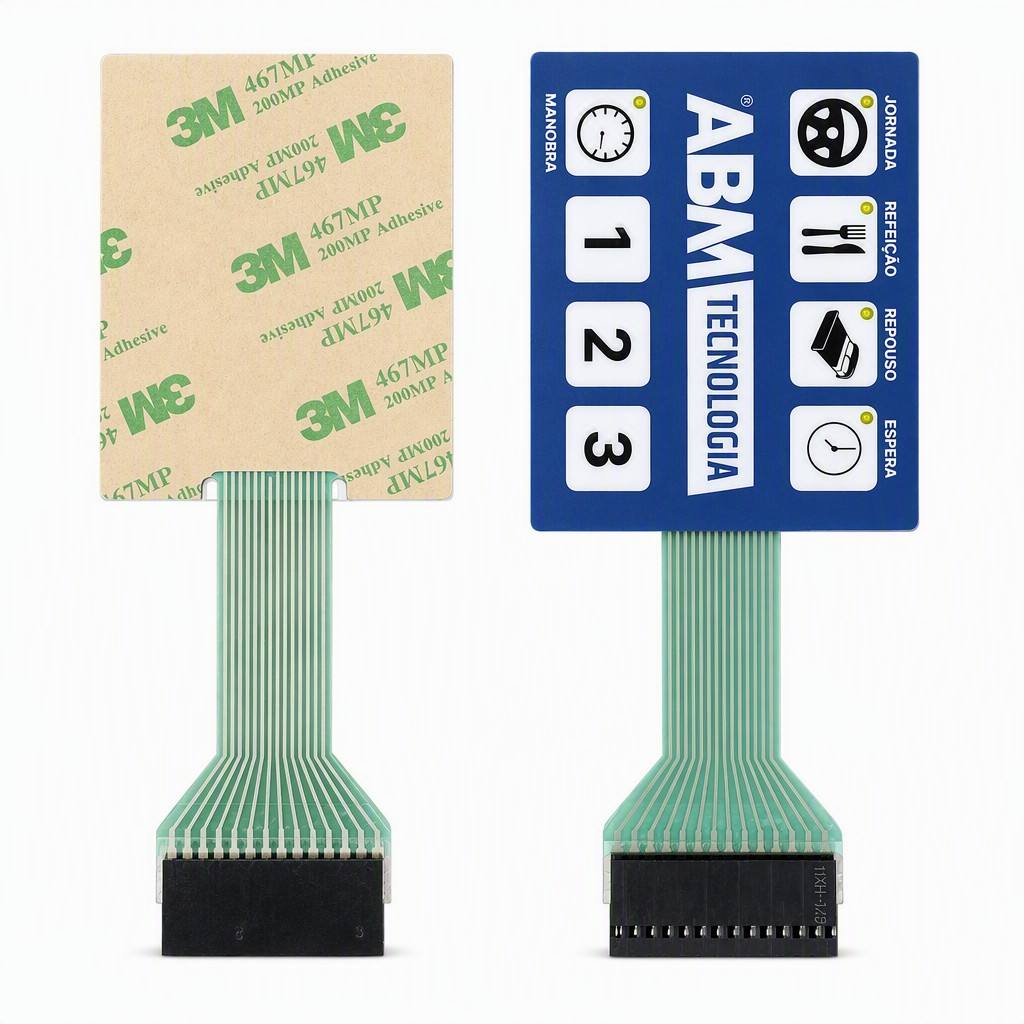
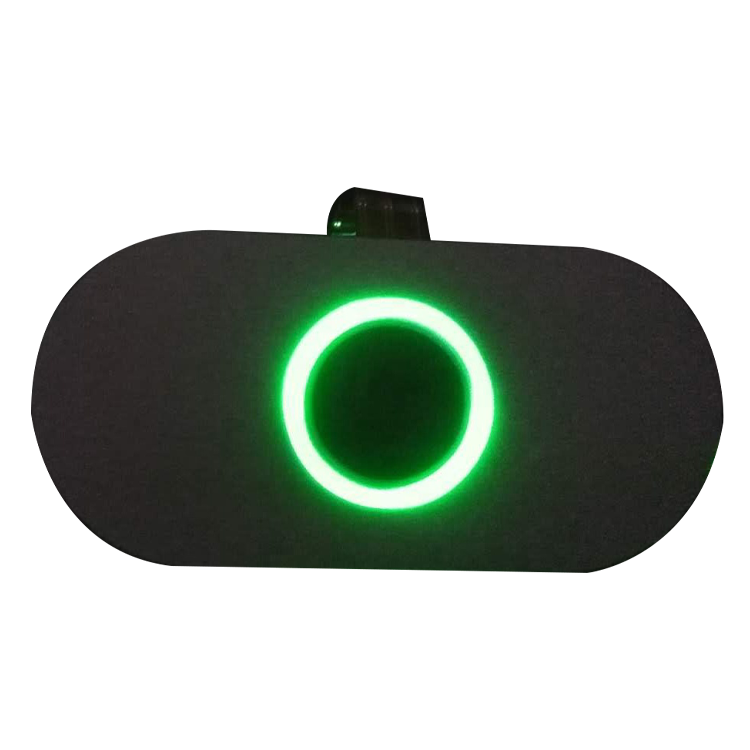
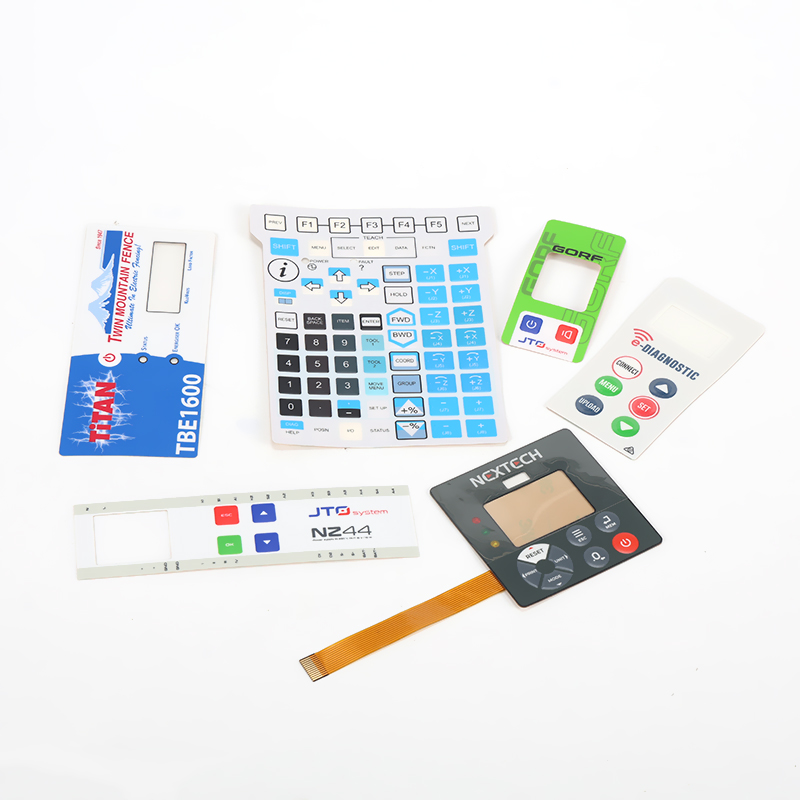
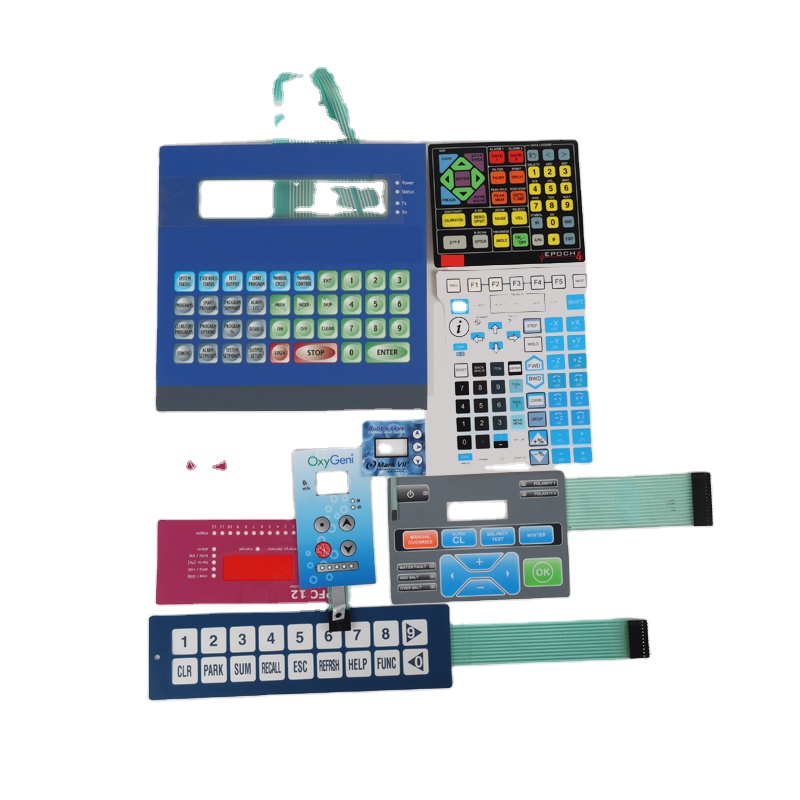
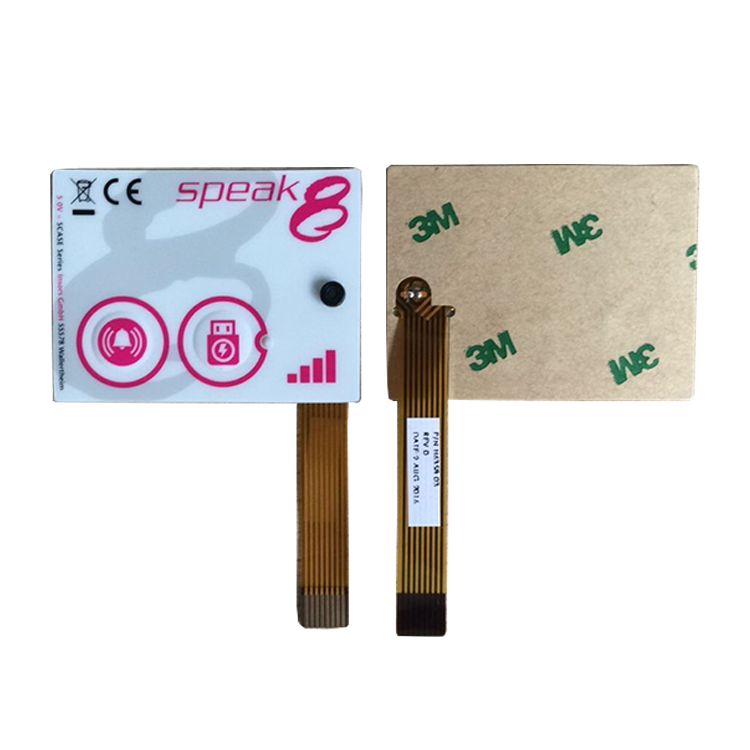
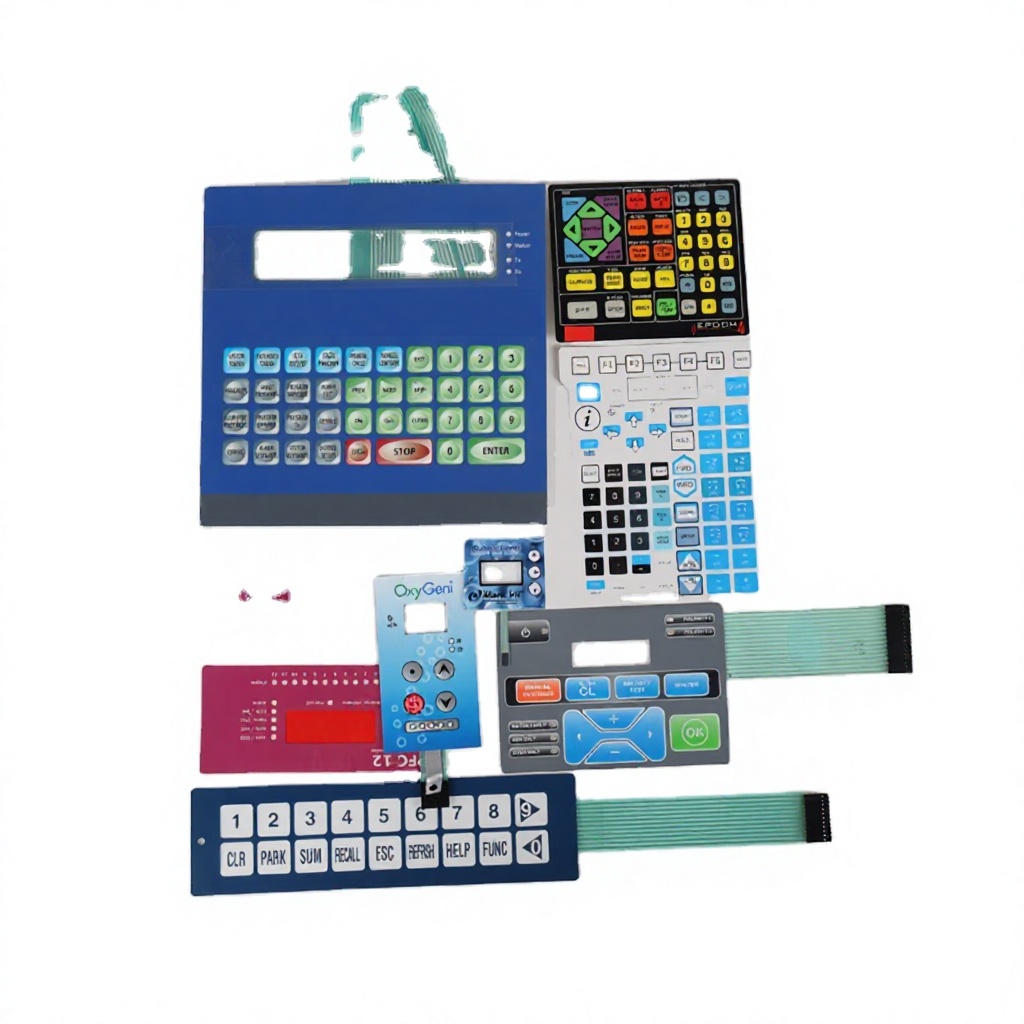
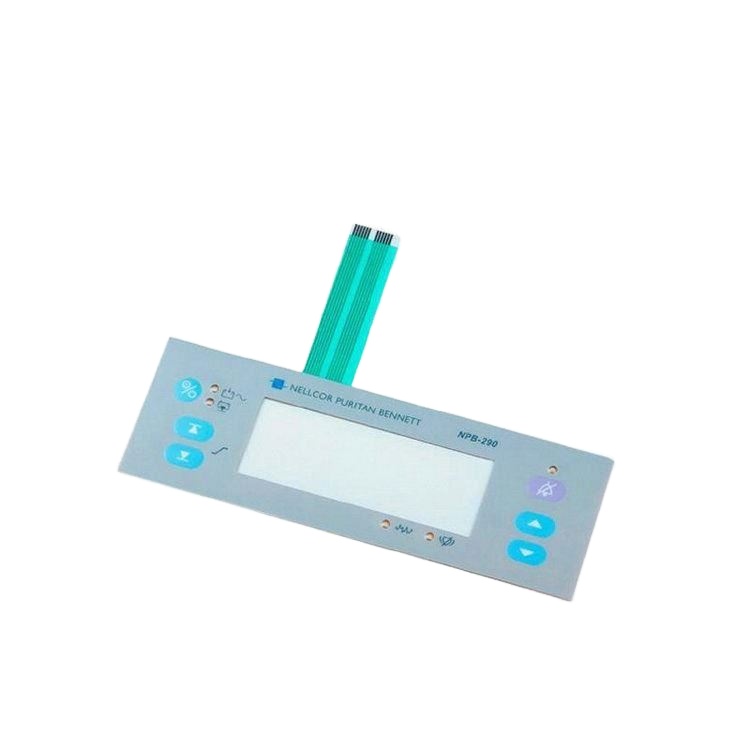
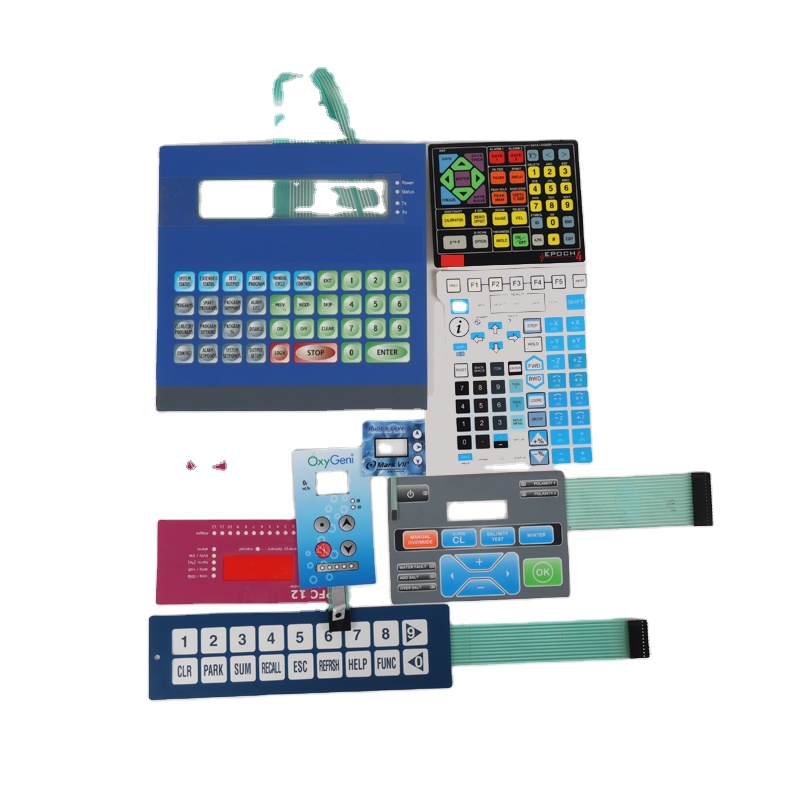
Engineering Architecture of CE Certified Numeric Keypad Matrices
In modern industrial human-machine interfaces (HMI), the numeric keypad matrix is an indispensable component bridging field operators and complex microprocessor systems. As an export-oriented, CE certified manufacturer based in Ningbo, Zhejiang, our engineering framework integrates multi-layer precision printing, premium substrate selection, and high-reliability matrix switching logic. Designed to conform strictly with European Union electromagnetic compatibility (EMC Directive 2014/30/EU) and Low Voltage Directive (LVD) benchmarks, every numeric keypad matrix fabricated in our cleanroom facilities exhibits high resilience against transient electromagnetic interference (EMI), electrostatic discharge (ESD), and hostile environmental ingress.
A standard numeric matrix (such as 3x4, 4x4, or custom multiplexed pinouts) functions via an intersecting coordinate plane of X-axis conductive rows and Y-axis conductive columns separated by a die-cut insulating spacer. Underneath each numeric graphic node (0-9, *, #, Clear, Enter), an actuation force between 250g to 450g depresses a stainless-steel tactile metal dome (available in nickel-plated or gold-plated finishes) to momentarily bridge the circuit intersection. By multiplexing I/O pin lines—for example, utilizing 8 pins to command a 16-key matrix—embedded system designers optimize microcontroller pin budget while ensuring rapid debouncing times under 5 milliseconds and closed contact resistances reliably lower than 100 Ohms.
IP67 Environmental Sealing
Continuous perimeter perimeter-sealing gaskets using thermal bonding or solvent-resistant 3M 467MP/468MP adhesives prevent ingress of fluids, dust, cutting oils, and aggressive sanitizing agents.
ESD / EMI Shielding Layer
Internal vapor-deposited aluminum film or grid-printed conductive silver shielding connected to an independent chassis ground discharges up to 15kV static strikes, preventing industrial controller lockups.
Tactile Feedback & Ergonomics
Precision-embossed polyester graphic keys (rim embossing, pillow embossing, or domed actuation) calibrated with crisp snap ratios exceeding 40% ensure unambiguous feedback under gloved operating conditions.
10-Step In-House Manufacturing & Quality Traceability
Unlike assembly workshops that outsource critical production gates, our factory integrates every phase—from raw polyester inspection to computerized pinout continuity testing—under an ISO 9001:2015 certified framework verified onsite by Intertek. Our multi-stage process guarantees strict dimensional tolerance (±0.10mm) and absolute electrical performance consistency across long-run production lots.
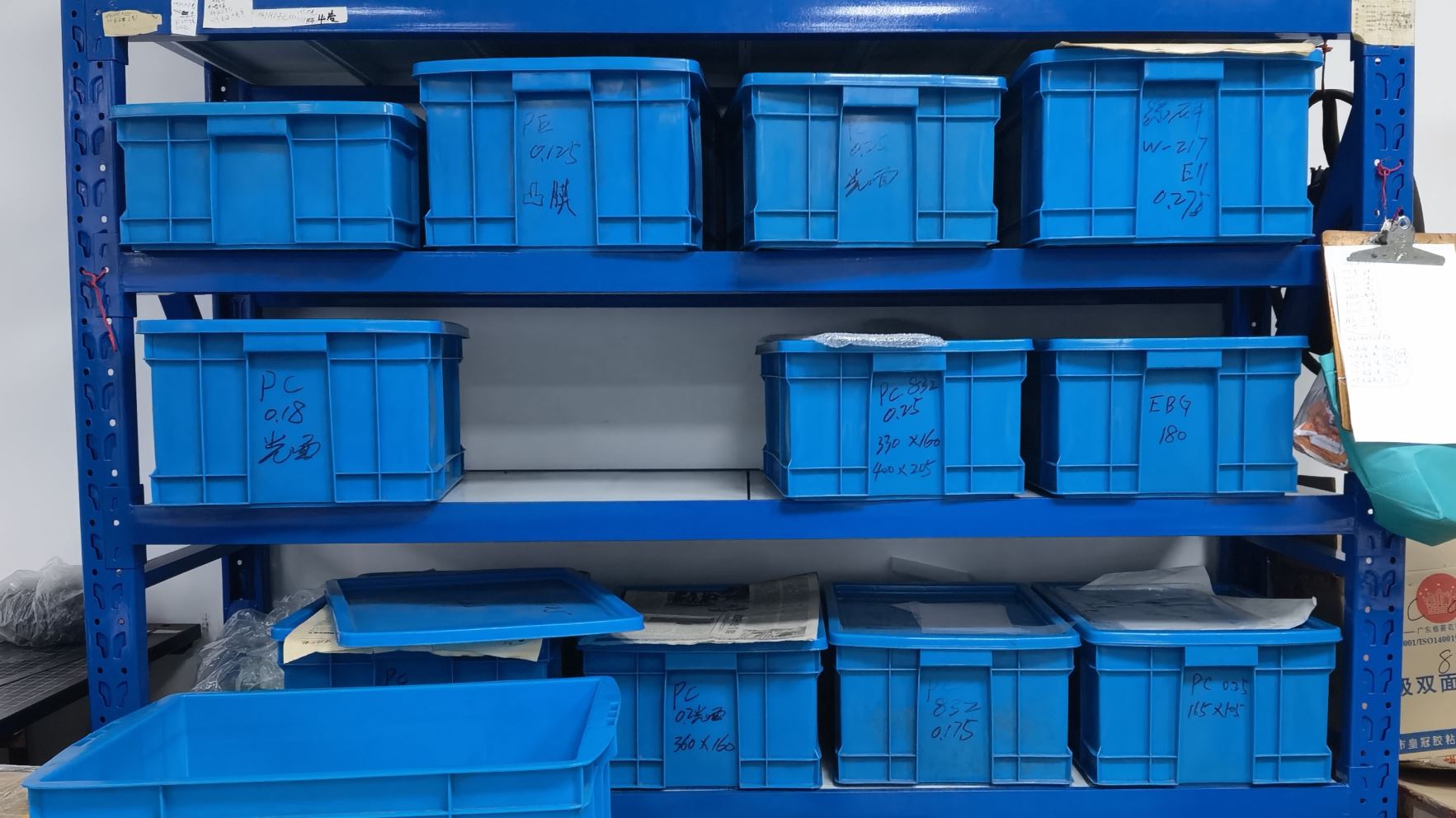
Material QC
Verification of Autotex PET, Lexan PC, and 3M adhesive stability.
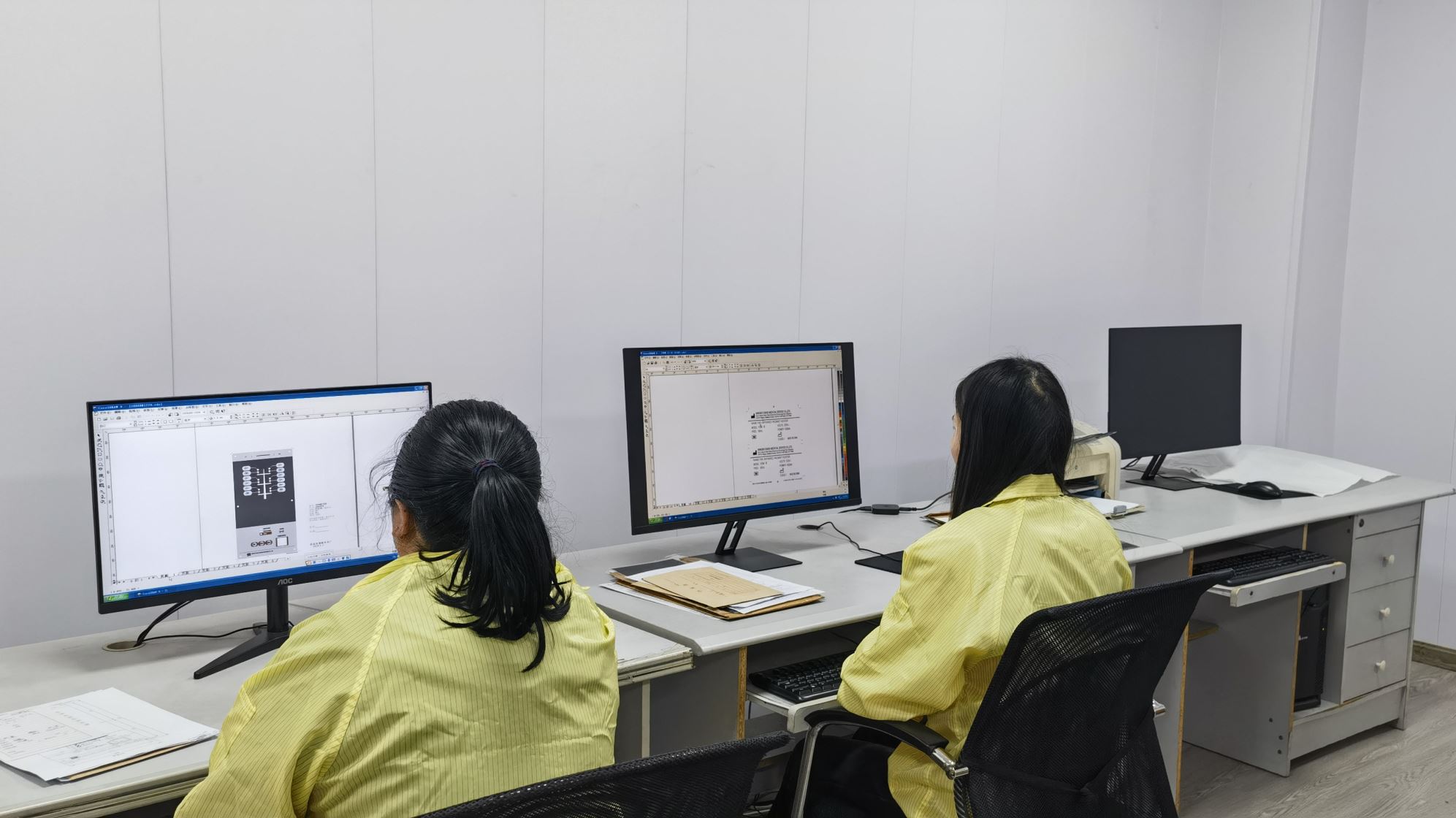
Engineering DFM
CAM matrix routing, pitch layout, and connector trace optimization.
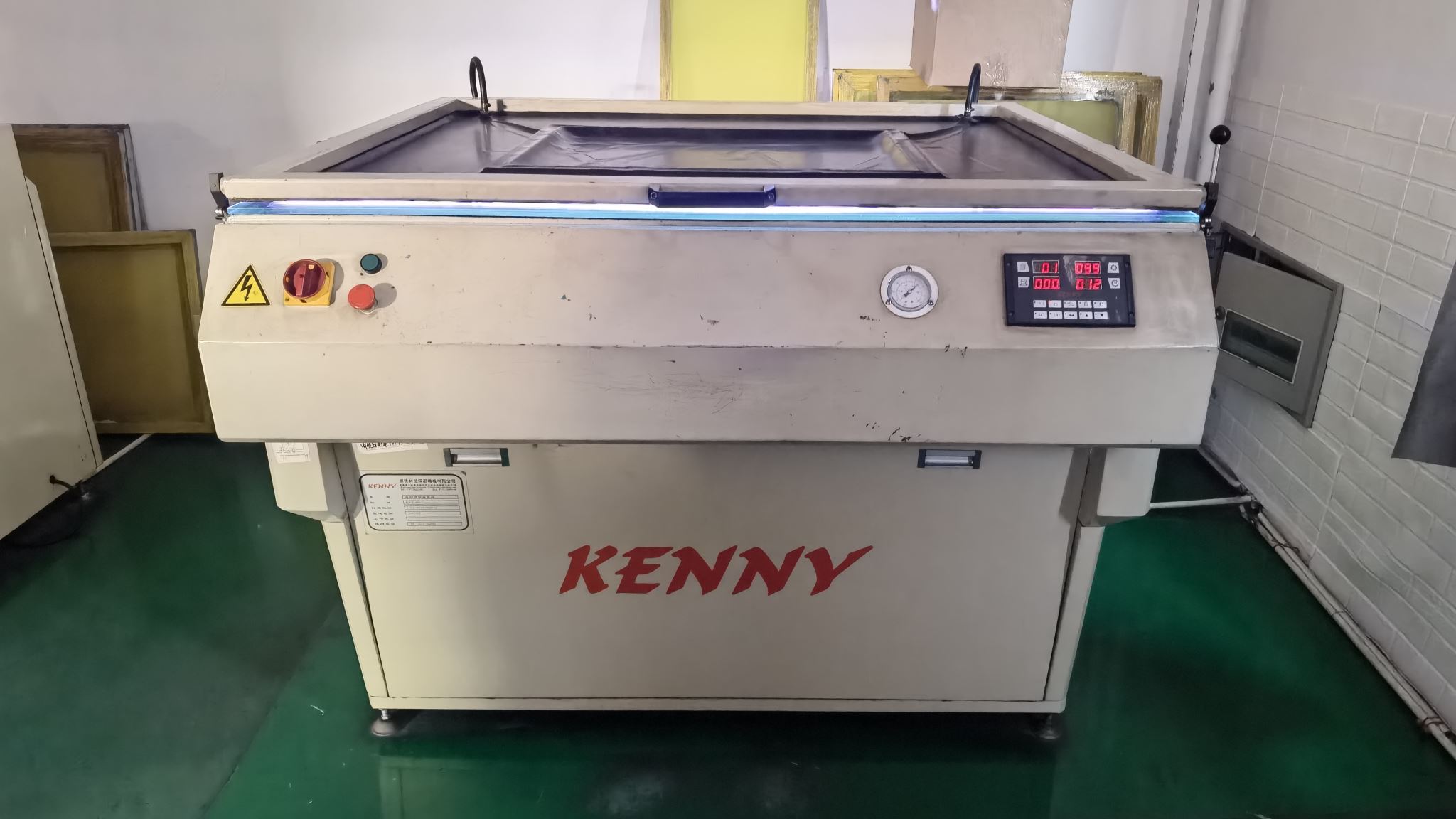
Screen Pre-Press
High-tension micron mesh exposure for graphics and conductive tracks.
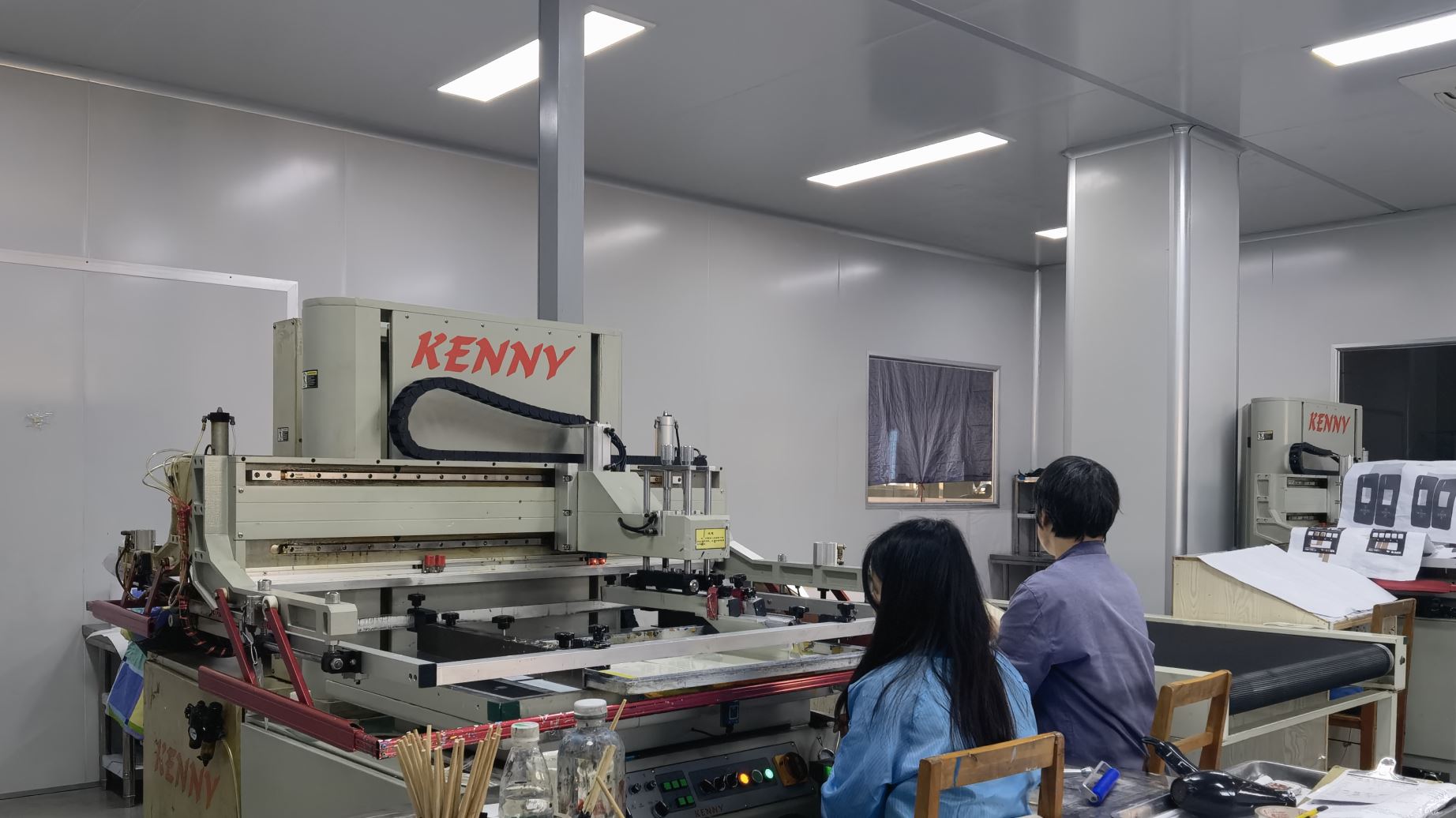
Conductive Print
Sub-surface reverse printing with low-resistance micro-silver inks.
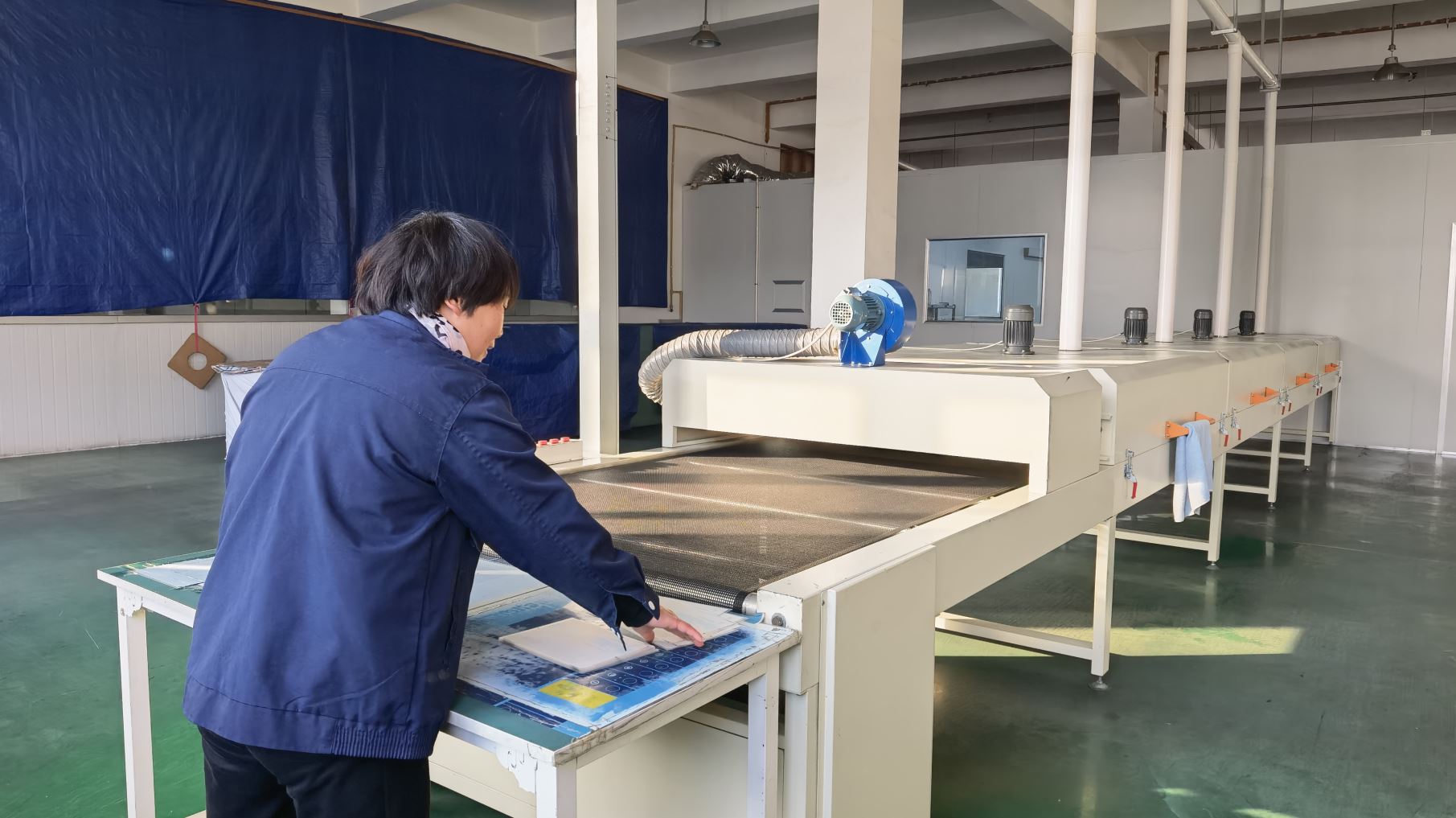
Thermal Curing
Temperature-ramped oven stabilization preventing trace micro-cracks.
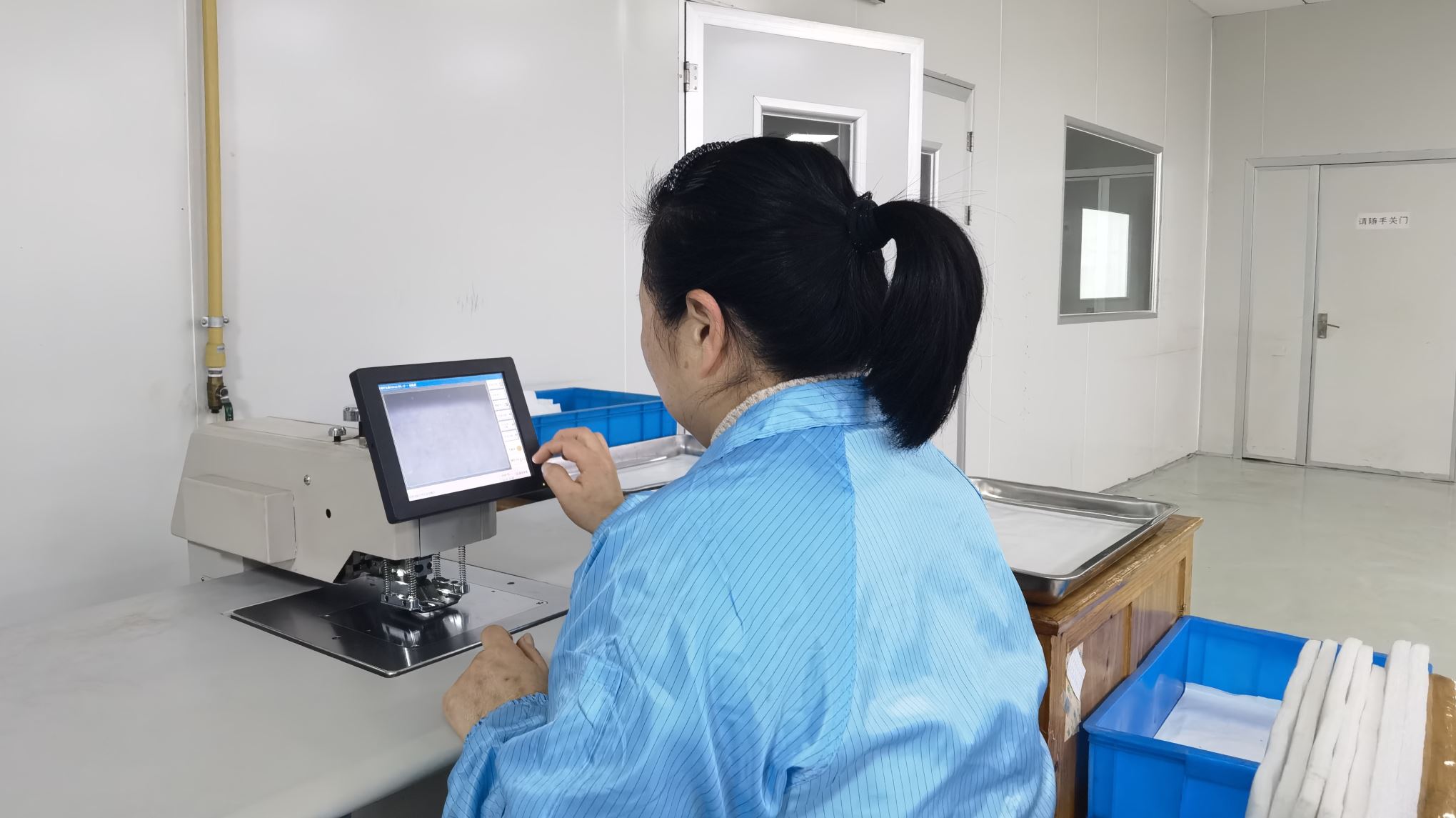
Optical Punching
CCD vision hole punching ensuring layer-to-layer register <0.05mm.
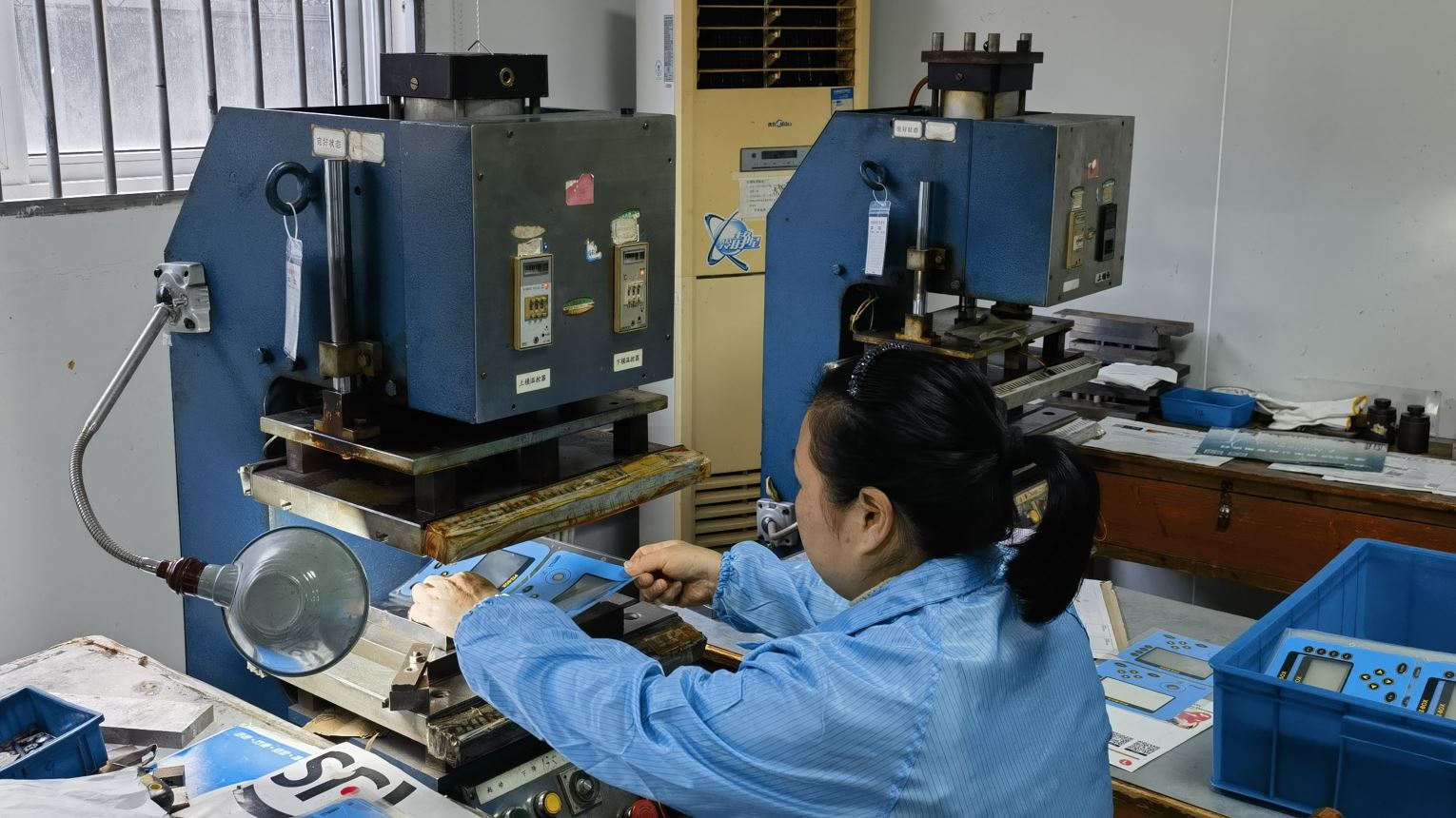
Tactile Emboss
Calibrated thermoforming dies creating crisp perimeter key geometry.
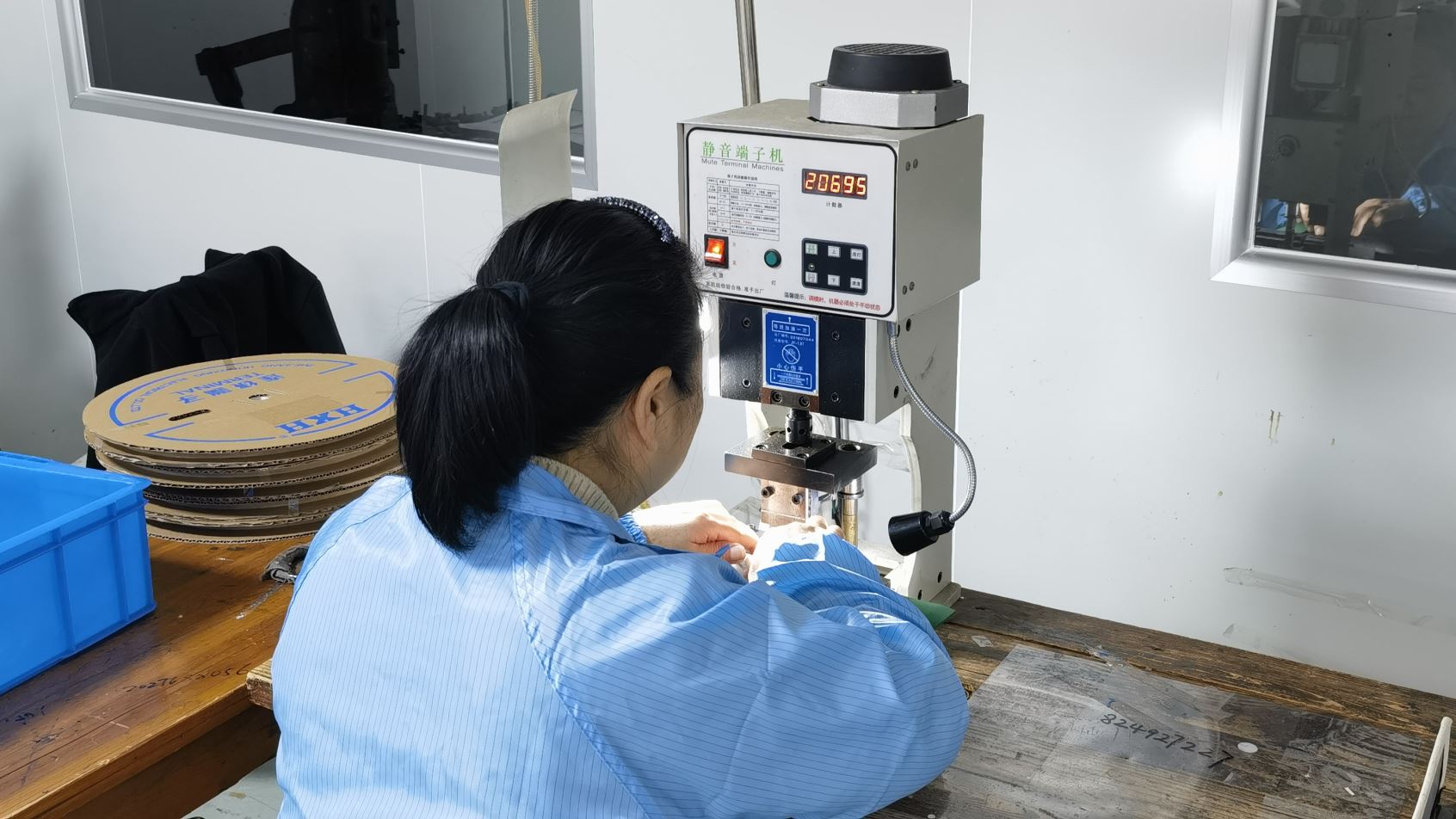
Termination
Automated crimping of 2.54mm female housings, male solder tabs, or ZIF tails.
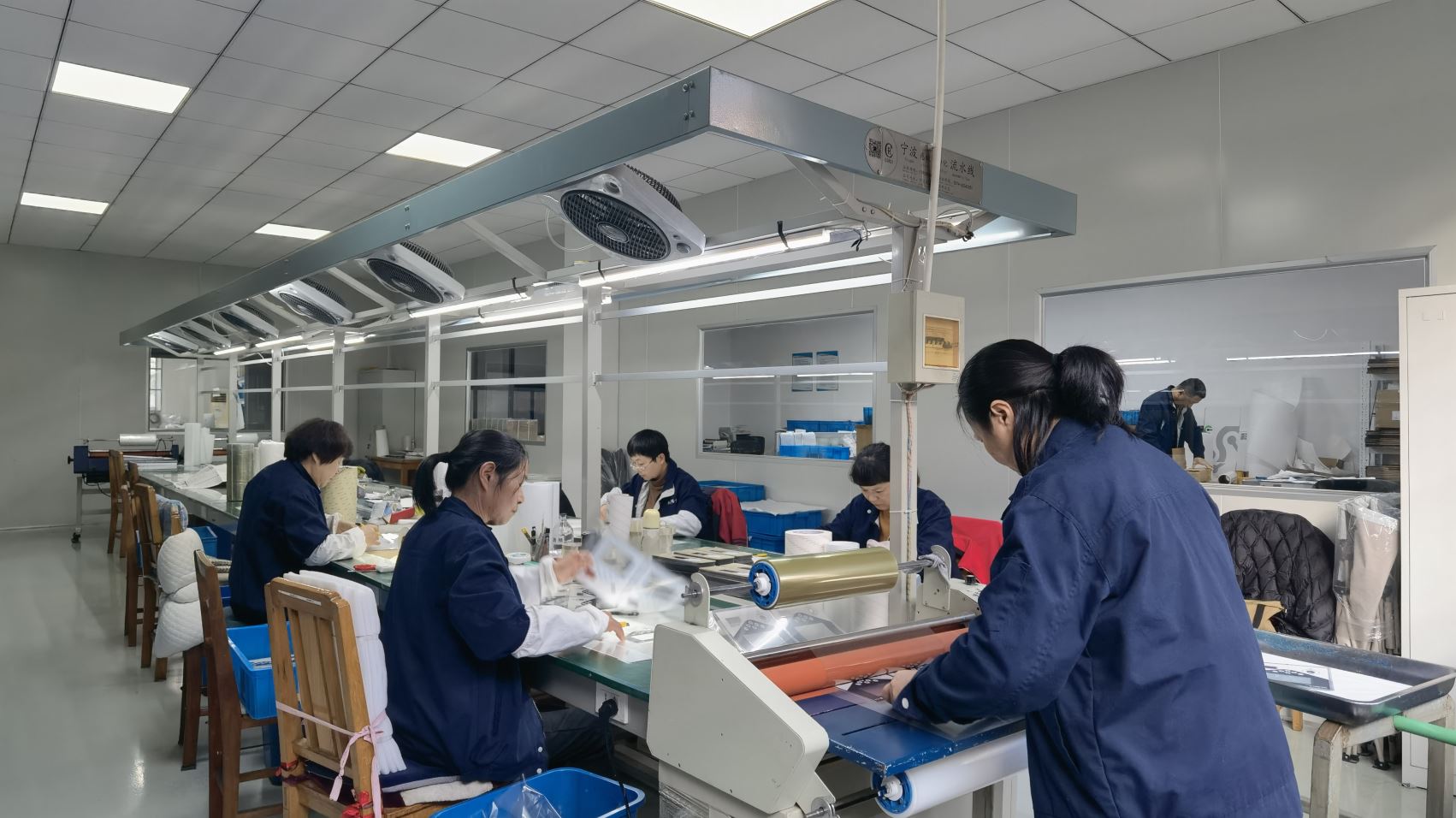
Lamination
Precision multi-layer assembly under positive-pressure clean air.
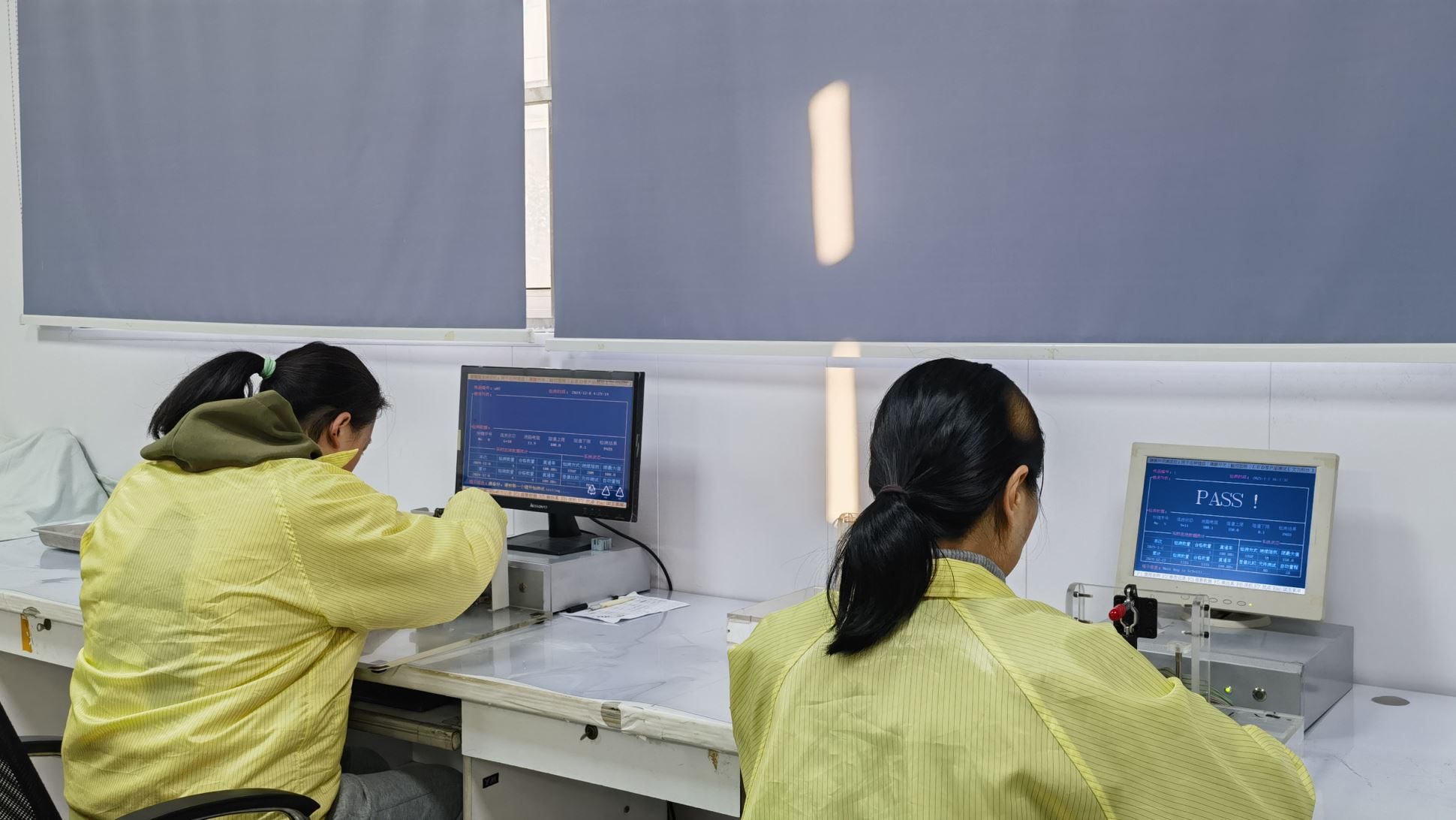
100% QA Inspection
Automated electrical shorts, insulation, contact load, and visual test.
Future Procurement & Technology Trends in Keypad Matrices
Procurement engineers and supply chain managers in Western Europe and North America face evolving regulatory, environmental, and technological demands. Moving beyond standard legacy pushbuttons, corporate procurement trends for numeric switch matrices are converging on four core engineering frontiers:
1. Hybrid Backlighting: LGF & SMT Mini-LEDs
Traditional bulk LED backlighting created hot-spot irregularities and high package thickness. The market has decisively pivoted toward Light Guide Film (LGF) coupled with side-firing 0603 surface-mount LEDs. This achieves uniform lux distribution across all numeric legends with a total switch thickness of less than 1.2mm, dramatically lowering device power consumption.
2. Anti-Microbial & Chemical-Resistant PET
Accelerated by strict hygiene mandates in medical treatment devices and food-grade packaging facilities, graphic overlays now incorporate micro-textured, anti-microbial biocide layers (such as silver-ion impregnated polyesters). These prevent bacterial colonisation while surviving continuous washdowns using isopropyl alcohol (IPA), bleach, and quaternary ammonium cleaners.
3. Rigid PCB Backers & FPC Signal Reliability
Where high vibration or complex component density is required, procurement specifications are transitioning from flexible printed silver-on-PET circuits toward copper-clad FR4 rigid circuit boards or polyimide flexible printed circuits (FPC). Copper-etched matrix traces eliminate silver migration risks in hot, humid climates and permit automated surface-mounting of active controller ICs.
Furthermore, environmental sustainability audits dictate compliance with RoHS 3 (EU 2015/863) and REACH (EC 1907/2006) standards. Modern procurement teams reject suppliers reliant on halogenated flame retardants or phthalate-heavy adhesives. By specifying UL94V0 compliant carrier films and non-toxic acrylic adhesive chemistry, OEMs protect international market access and avoid customs detention at European ports.
Engineering Comparison: Numeric Keypad Construction Architectures
To assist your hardware engineering and procurement team in selecting the appropriate substrate configuration, consider the electrical, mechanical, and economic tradeoffs outlined below:
| Evaluation Parameter | Silver Printed PET Matrix | Copper Flex Circuit (FPC) | Rigid FR4 PCB Keypad | Silicone Elastomer Hybrid |
|---|---|---|---|---|
| Tooling / NRE Investment | Low (Screens & Die Cutters) | Moderate (Photolithography Tooling) | Moderate (PCB Gerbers & Tooling) | Moderate to High (Molding Dies) |
| Contact Resistance | < 100 Ω (Length dependent) | < 1 Ω (Extremely low) | < 0.5 Ω (Negligible) | 10 Ω - 150 Ω (Carbon pills) |
| Actuation Life Cycle | 1 to 3 Million Cycles | 5+ Million Cycles | 5+ Million Cycles | 3 to 5 Million Cycles |
| Pitch & Trace Density | Standard (0.50mm - 2.54mm) | Ultra-Dense (Down to 0.20mm) | High Density (Multi-layer capable) | Standard to Moderate |
| Component Integration | Conductive epoxy glued LEDs | Reflow / SMT micro components | Full standard surface-mount assembly | Combined with PCB/FPC baseboard |
| Ideal Application | Industrial instrumentation, timers | Medical handhelds, aerospace HMI | Harsh automation, heavy machinery | POS terminals, outdoor telecommunications |
Factory Credentials & Enterprise Advantages
Founded in 1996 in Changhe Industrial Park, Ningbo, Zhejiang, Zhejiang ZIRA Membrane Switch Co., Ltd. has grown to become a benchmark manufacturer and trusted exporter of human-machine interface assemblies. Operating across 3,000 to 5,000 square meters of dedicated manufacturing space with five specialized production lines, we bridge high-level engineering support with competitive factory-direct pricing.
Long-Term Global Supply Partners
We maintain active, multi-year supply partnerships with multinational industrial leaders including ABB and EMERSON, adhering strictly to global supplier audits and continuous delivery reliability.
Third-Party Onsite Assessment
Our production premises, QA equipment, cleanroom controls, and international trade capacity are independently audited and verified onsite by Intertek, with complete reports available for buyer review.
Turnkey OEM & ODM Flexibility
We support prototype sampling starting from 1 piece for engineering development, moving seamlessly into high-volume monthly runs with multi-currency settlement (USD, EUR, HKD, CNY) and full Incoterms (FOB, CIF, DDP).
Frequently Asked Questions: Numeric Keypad Matrix Sourcing
Direct technical answers addressing the most critical procurement, environmental compliance, and interface configuration inquiries.
What pinout configuration is standard for a 12-key or 16-key matrix?
Standard 12-key numeric switches (0-9, *, #) utilize a 3-column by 4-row matrix requiring a 7-pin connector tail. A 16-key pad (4x4) utilizes 8 pins. Pins are typically assigned on a 2.54mm or 1.0mm pitch terminating in female Berg/FCI housings, solder tabs, or ZIF contacts. Custom non-matrix common-bus pinouts can be configured to match existing motherboard headers.
How do you guarantee long-term ingress protection (IP65 / IP67)?
Ingress protection relies on continuous closed-loop perimeter sealing gaskets made of acrylic transfers (such as 3M 467MP/468MP) or thermal polyurethane adhesive foils. By routing the flexible circuit tail through a dedicated egress channel located entirely inside the sealed enclosure gasket line, moisture cannot wick into the internal metal dome chambers.
What files are required to initiate an engineering DFM quote?
Please provide mechanical vector drawings (DXF, DWG, PDF, or STEP) specifying external dimensions, cutout locations, embossing profiles, and tail lengths. For electrical layout, provide a schematic, pinout allocation chart, and color references (Pantone Matching System or RAL codes). If engineering files are absent, our R&D department can reverse-engineer an existing sample.
Can tactile metal domes be actuated under extreme operating temperatures?
Yes. Our standard nickel-plated and gold-plated stainless steel snap domes operate reliably between -40°C and +85°C without loss of tactile snap ratio. Coupled with heat-stabilized polyester substrates (PET) that resist dimensional shrinkage, the keypad matrix maintains full mechanical actuation integrity through temperature cycling.
