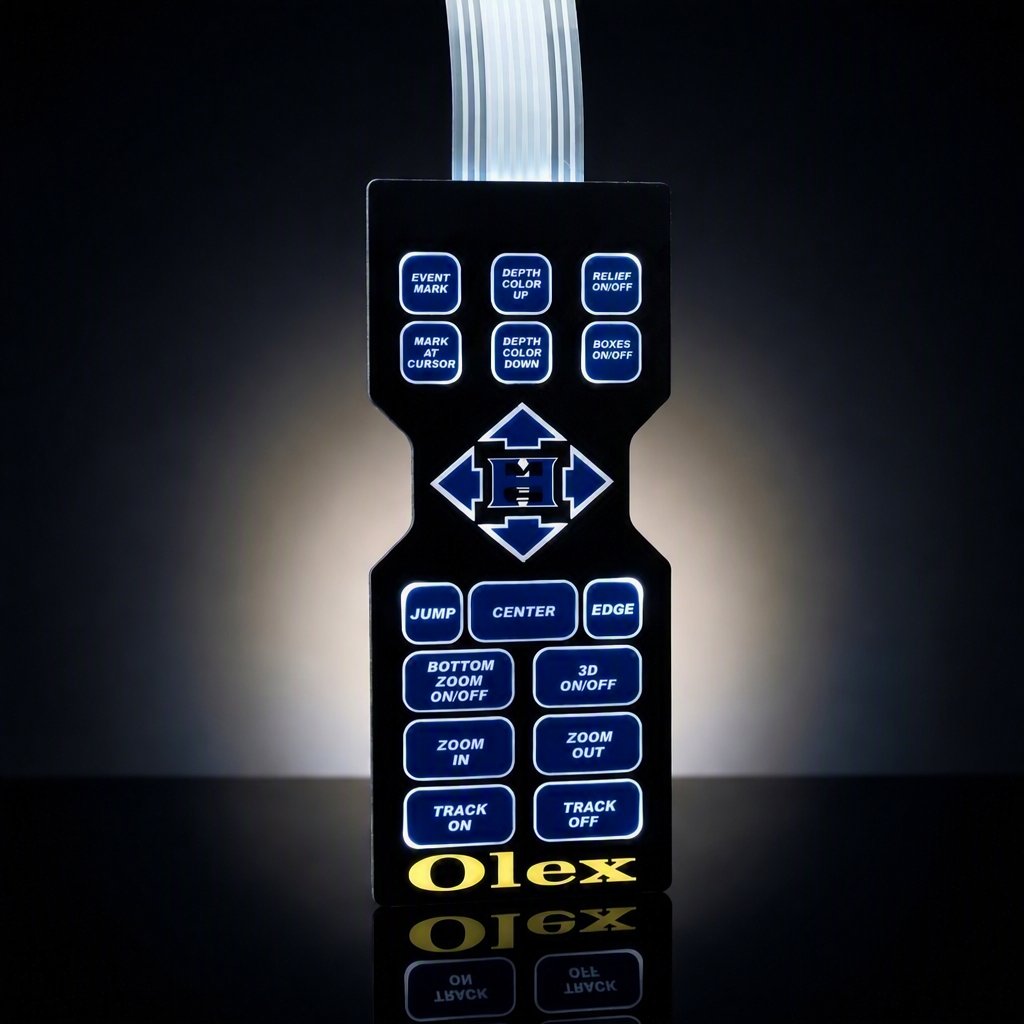
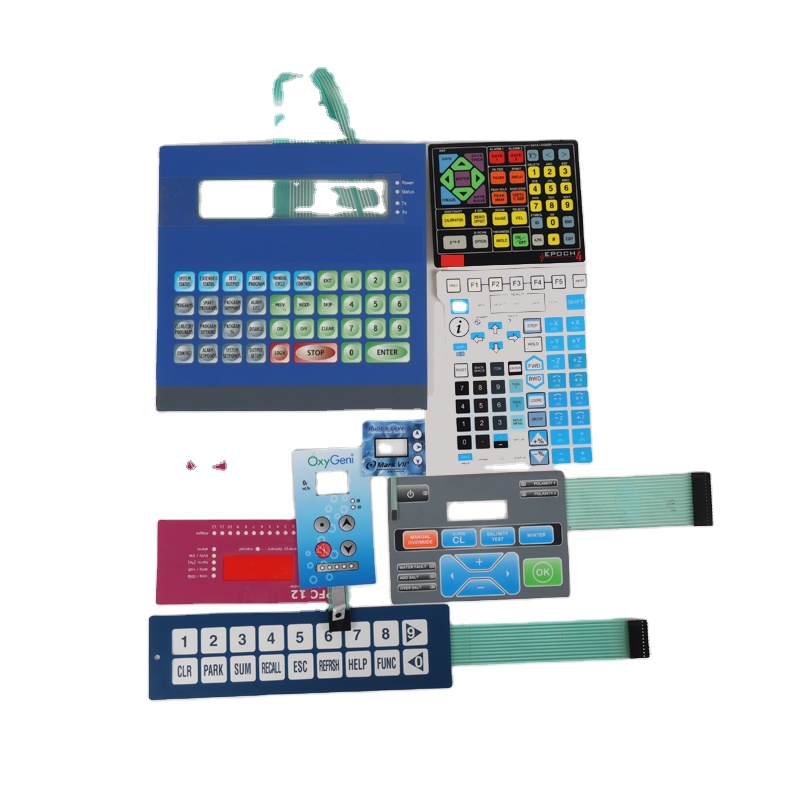
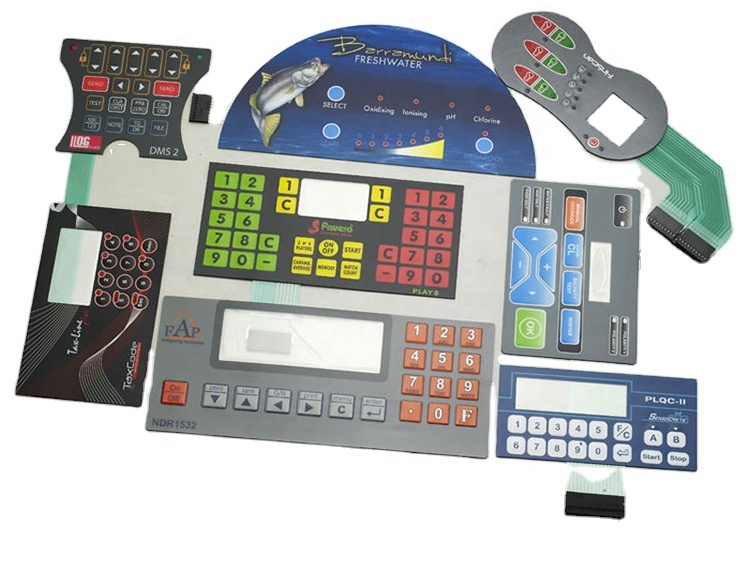
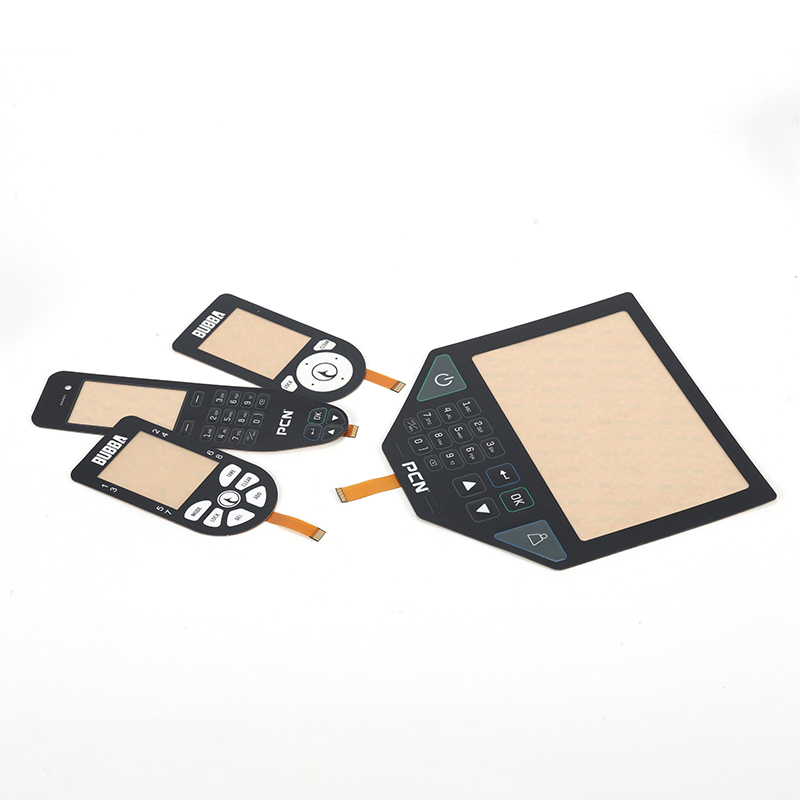
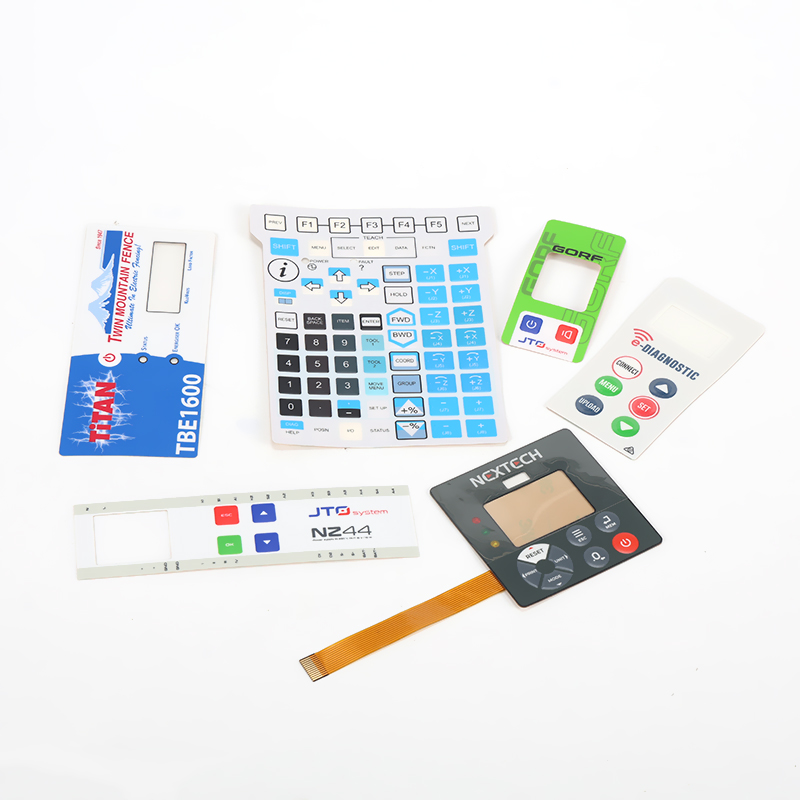
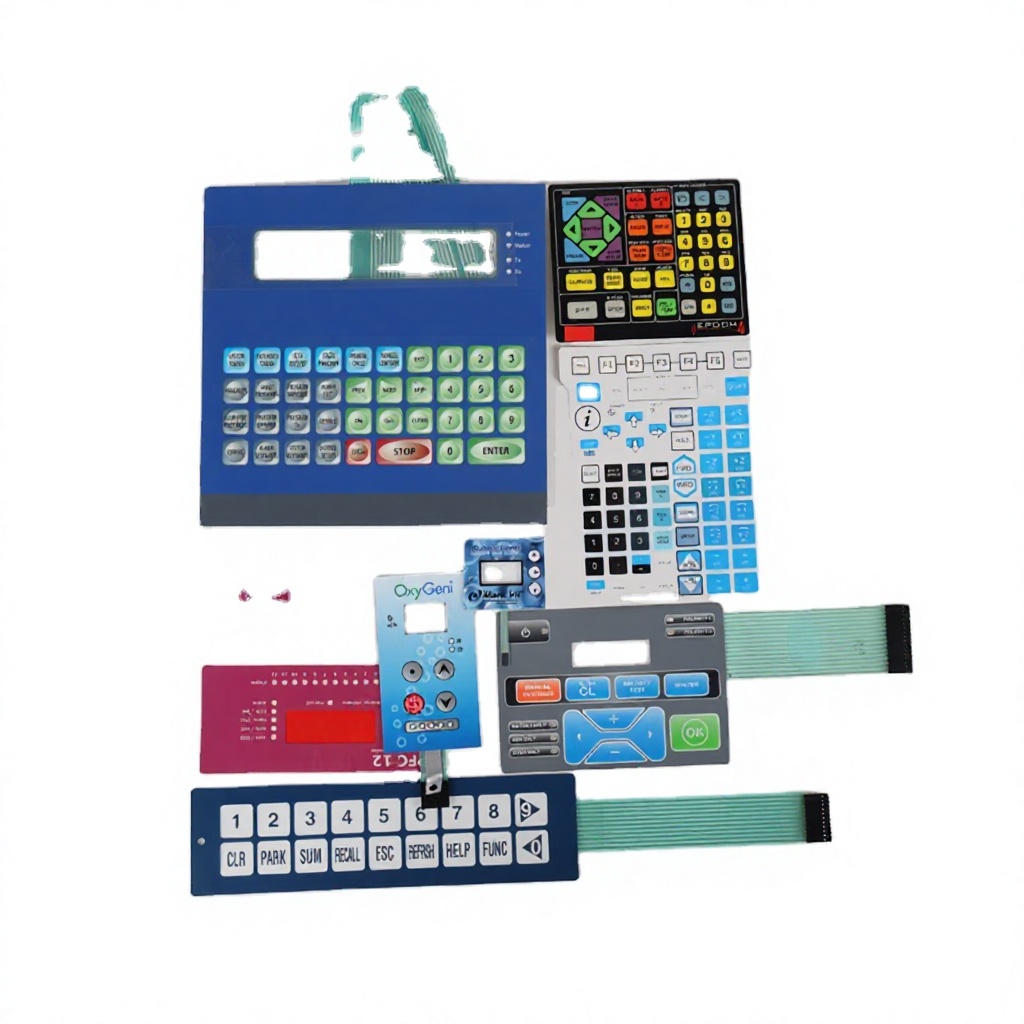
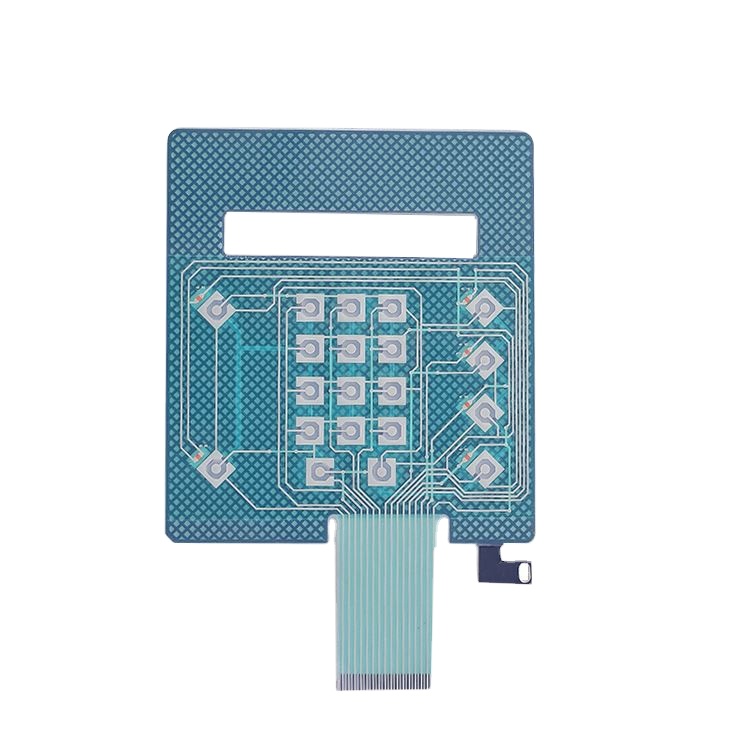
CE Certified Illuminated Membrane Switch Factory & Suppliers
Precision Human-Machine Interface (HMI) Engineering, Photometric Light Guide Optimization, and Industrial-Grade Thin Film Electronics Manufactured to European Conformity Standards
Industrial HMI White Paper & Specification Guide
Engineered Thin-Film Switches for Mission-Critical Human-Machine Interaction
In modern industrial automation, medical robotics, defense systems, and cleanroom instrumentation, the user interface constitutes the primary boundary for electrical integrity, environmental protection, and user safety. Illuminated membrane switches integrate ergonomic tactile feedback with specialized solid-state optical conduits. This technical compendium delivers end-to-end procurement intelligence, photometric design principles, and rigorous compliance methodologies under European CE directives (EMC 2014/30/EU and Low Voltage Directive 2014/35/EU).
Engineered with specialized micro-dot Light Guide Film (LGF) and precision side-firing LEDs. Eliminates luminous hot-spots and reduces system current draw by up to 60% compared to legacy array backlighting.
Constructed with high-reliability stainless steel nickel-plated snap domes and continuous perimeter gasket sealing. Delivers a tactile actuation ratio exceeding 50% across 1,000,000 cycles.
Built with rolled-annealed flexible printed copper circuitry (FPC) and selective aluminum foil or printed carbon shielding. Maintains ultra-low loop resistance (<1Ω) and high mechanical flex endurance.
Sub-surface screen-printed graphics guarantee indelible legends immune to scratching, fuel exposure, and abrasive particulate wear. Designed for outdoor agricultural and industrial plant consoles.
Engineered with self-extinguishing flame-retardant substrates (UL94-V0 optional) and certified non-hazardous chemistries. Validated under thermal cycle chambers from -40°C to +85°C.
Constructed with high-coverage perimeter grounded conductive grids and solid metallized films, deflecting electrostatic air discharges up to 15kV to chassis ground, safeguarding sensitive microcontrollers.
Modern illuminated thin-film keyboards operate across divergent industrial environments where ambient lux levels range from absolute darkness (tactical cockpits, marine bridges) to direct solar wash (agricultural telematics). Engineering the optimal illumination subsystem requires rigorous evaluation of power dissipation, optical dot pitch diffusion, heat dissipation, and mechanical thickness constraints.
Light Guide Film (LGF) Integration
LGF technology utilizes precision micro-replication embossing on optical-grade polycarbonate or PMMA films (typically 0.125mm to 0.25mm thick). Edge-lit by side-firing SMT LEDs, the etched micro-prisms redirect total internal reflection (TIR) light rays perpendicularly through key icons.
Luminance Uniformity: >85% across all designated active key areas.
Energy Efficiency: Up to 70% fewer LEDs required vs. discrete backlighting.
Form Factor: Adds less than 0.2mm to the overall switch stack-up thickness.
CE EMC Profile: Direct current (DC) drive completely eliminates EMI generation.
Surface Mount Discrete LEDs (SMT)
Direct placement of ultra-thin 0402, 0603, or 0805 bi-color/tri-color LEDs bonded onto printed silver circuits or etched polyimide FPC. Ideal for localized status indicators, perimeter back-glow, and high-intensity alert signaling.
Aperture Luminous Intensity: Configurable from 20 to 1,200 mcd per key.
Mechanical Relief: Embossed domes or die-cut spacer cavities prevent crushing.
Thermal Management: Solid copper FPC heat dissipation for high-duty cycling.
Electroluminescent (EL) Lamps
Phosphor particles suspended in a dielectric medium excited by an alternating electric field (AC 60–115V, 400–1000Hz). Delivers flat, paper-thin, omnidirectional illumination for low-profile industrial control consoles.
Aesthetic Hue: Cohesive green, blue-green, and aviation white hues.
Half-Life Considerations: Useful life typically 3,000 to 8,000 operational hours.
EMC Engineering: Requires shielding filters to suppress inverter AC harmonics.
Engineering Matrix
Photometric & Mechanical Performance Comparison
Consult this empirical engineering matrix to determine trade-offs between tactile response, photometric dispersion, and manufacturing cost parameters before initiating CAD drafting.
Technology Metric
LGF Micro-Prism System
SMT Array / Selective LED
Electroluminescent (EL)
Fiber Optic Woven Mesh
Luminance Uniformity
Exceptional (85–92%)
Localized Hotspots (requires diffusing)
Superior (95% flat field)
Moderate (75–80%)
Stack-Up Height Addition
0.125 mm – 0.25 mm
0.40 mm – 0.80 mm (embossed)
0.10 mm – 0.15 mm
0.35 mm – 0.50 mm
Power Consumption
Ultra-Low (20–40mA drive)
Medium to High (depends on LED count)
Low current, High voltage AC
Low (1–2 high output LEDs)
Tactile Dome Compatibility
High (tactile snap unaltered)
Requires spacer clearance relief
Excellent (flexible layer)
Moderate (mesh dampens snap)
Expected Operational Life
>50,000 Hours (solid-state LED)
>50,000 Hours (solid-state LED)
3,000 – 8,000 Hours (phosphor decay)
>50,000 Hours
CE EMC Compliance Risk
Zero (DC low-voltage operation)
Negligible (standard DC filtering)
Moderate (requires inverter suppression)
Zero (remote light source)
2025–2030 Procurement Strategy
Future Sourcing Trends for Industrial Membrane Switches
Global procurement teams navigating high-mix low-volume (HMLV) and high-volume electronics assemblies face strict regulatory revisions, material obsolescence risks, and supply chain sovereignty requirements. Smart procurement directors evaluate membrane switch vendors on these macro trajectories:
Stringent CE Marking & EU CB Conformity
European regulatory bodies increasingly audit entire component subsystems under the Machinery Directive 2006/42/EC and EN 61010-1 safety requirements. Importers must secure fully validated Declarations of Conformity (DoC), flammability ratings conforming to UL94-V0, and comprehensive technical files proving non-combustibility and dielectric isolation exceeding 1,500V DC.
Migration from PET Silver Ink to Polyimide FPC
To eliminate silver migration failure modes in hot and humid operational conditions, tier-1 industrial clients are transitioning from screen-printed conductive polymer thick film (PTF) to flexible printed copper circuits (FPC). Etched polyimide offers pitch spacing down to 0.5mm, permitting dense microcontroller integration and direct ZIF connector insertion.
Total Environmental Hygiene (RoHS 3 & REACH SVHC)
Eliminating short-chain chlorinated paraffins (SCCPs), ortho-phthalates, and fluorinated compounds (PFAS) in graphic overlay hardcoats is mandatory for medical devices entering the EU market under MDR 2017/745. Modern supply agreements enforce continuous chemical composition declarations down to 0.1% weight by weight.
Automated Optical (AOI) & Dynamic Force Profiling
Manual testing has been superseded by integrated multi-axis automated test fixtures. Advanced OEM vendors log individual actuation curves (F1 peak force, F2 contact force, return force) and employ computerized luminance meters to verify chromaticity coordinates (CIE 1931 x,y) on 100% of manufactured serial numbers.
Hybridization with Capacitive & Haptic Sensing
Industrial front panels increasingly combine mechanical snap domes for primary emergency stop / power operations with capacitive touch ITO/PEDOT films for menu navigation, creating multi-layer hybrid interfaces encased behind seamless, washdown-rated continuous polymer skins.
Reshoring Risk Mitigation via Audited Offshore Hubs
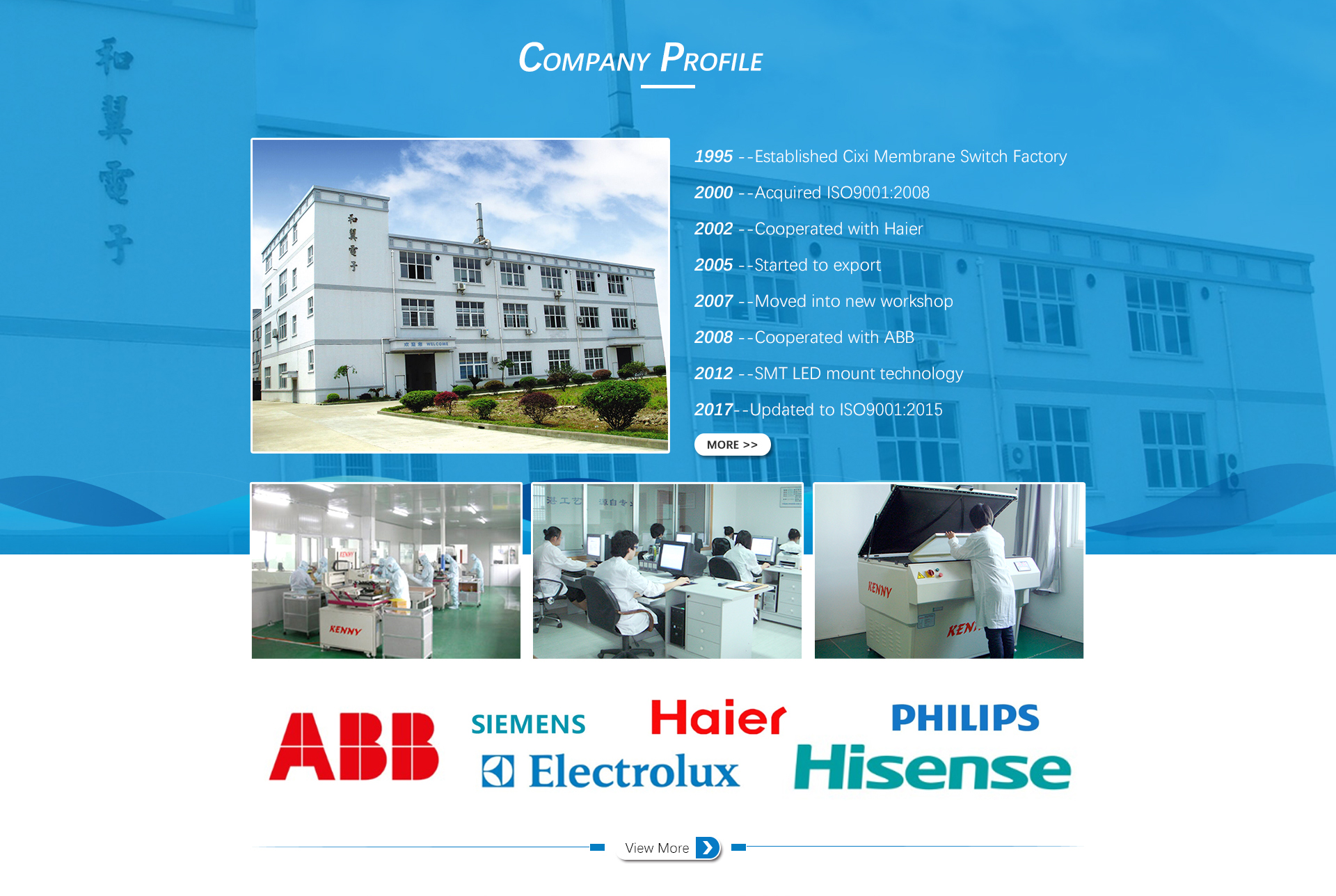
To balance rising domestic assembly overhead with geopolitical supply continuity, Western OEMs favor verified Chinese facilities possessing independent onsite audits (such as Intertek), established trade relationships with Fortune 500 equipment makers, and dual-source raw film inventories.
Factory Pedigree · Established 1996
Three Decades of Precision Manufacturing Discipline
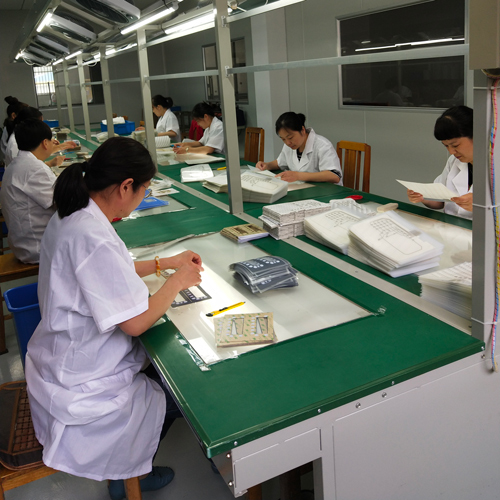
Operating from our modern 5,000 square meter production facility in Changhe Industrial Park, Ningbo, Zhejiang ZIRA Membrane Switch Co., Ltd. provides full-lifecycle engineering from initial artwork generation and DFM analysis to computerized high-speed screen printing, laser die-cutting, automated SMT pick-and-place, and environmental stress screening.
Frequently Asked Questions for Technical Sourcing Teams
Clear, definitive answers directly addressing engineering feasibility, tooling economics, ingress validation, and international shipping parameters.
What documentation verifies CE compliance for illuminated membrane switches?
Membrane switches are passive sub-assemblies; however, integrated illuminated switches containing active LEDs, EL lamps, or capacitive ICs fall under the EU EMC Directive 2014/30/EU and RoHS Directive 2011/65/EU (amended 2015/863). We furnish material declarations for every raw layer (PET films, 3M adhesives, conductive inks), UL94 flammability certs, and test certificates proving complete dielectric safety and zero lead/cadmium content.
How is IP67 ingress protection achieved around the flexible tail exit?
Standard membrane switches often fail ingress testing at the tail exit conduit. We deploy continuous perimeter adhesive frames with closed-cell 3M acrylic foam tapes (e.g., 3M 200MP / 300LSE / VHB series) combined with internal labyrinth venting channels or back-exiting tails through specialized vulcanized silicone boots, preventing moisture capillary absorption under deep immersion tests.
What is the minimum actuation force and travel available with metal domes?
We supply stainless steel domes ranging from 6mm to 20mm in diameter, with actuation forces from 180 grams to 500 grams (1.8N to 5.0N). Tactile travel typically sits between 0.3mm and 0.8mm. For applications requiring silent feedback or high glove actuation, custom polydome embossing or silicone rubber keymats can be integrated directly over the circuit layer.
What tooling files are required to initiate custom prototype tooling?
To initiate a comprehensive DFM and tooling kickoff, please supply CAD drawings in DXF/DWG formats for mechanical profiles, cutouts, and embossing lines; vector artwork in AI, EPS, or high-res vector PDF format for color matching (specified in Pantone Matching System or RAL codes); and electrical schematics or pin-out truth tables defining the tail pitch, connector housing type, and LED polarity.
What is the typical Minimum Order Quantity (MOQ) and production lead time?
Rapid prototyping runs and engineering pilot batches can be produced from 1 to 5 pieces. Standard mass production runs generally start at 100 to 500 units depending on the complexity of tooling dies. Tooling and functional golden samples are routinely dispatched within 7–12 business days following artwork freeze; repeat mass production orders typically dispatch within 14–20 days.
How do you prevent silver migration and oxidation in humid environments?
Silver migration occurs when moisture and DC electrical potential cause dendritic silver growth between parallel traces. ZIRA prevents this through two proprietary methods: applying a continuous cross-over dielectric polymer or carbon overcoat encapsulating every silver trace, or routing high-density circuits onto rolled-annealed polyimide FPC with solid copper traces plated in immersion gold (ENIG).
Connect Directly with Our HMI Application Engineers
Have custom CAD files, challenging ingress constraints, or illumination requirements? Submit your switch specifications today for a complimentary DFM stack-up proposal, photometric feasibility check, and guaranteed factory-direct quotation within 24 hours.