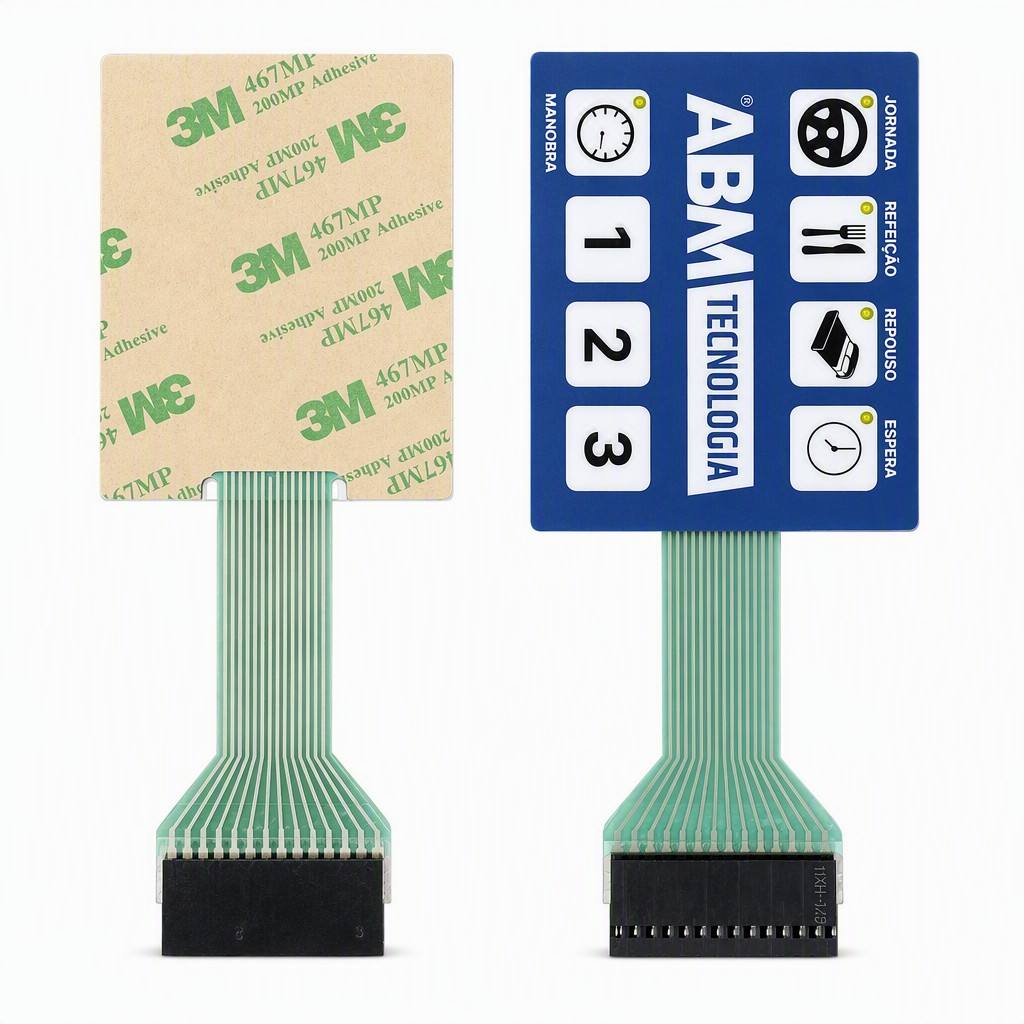
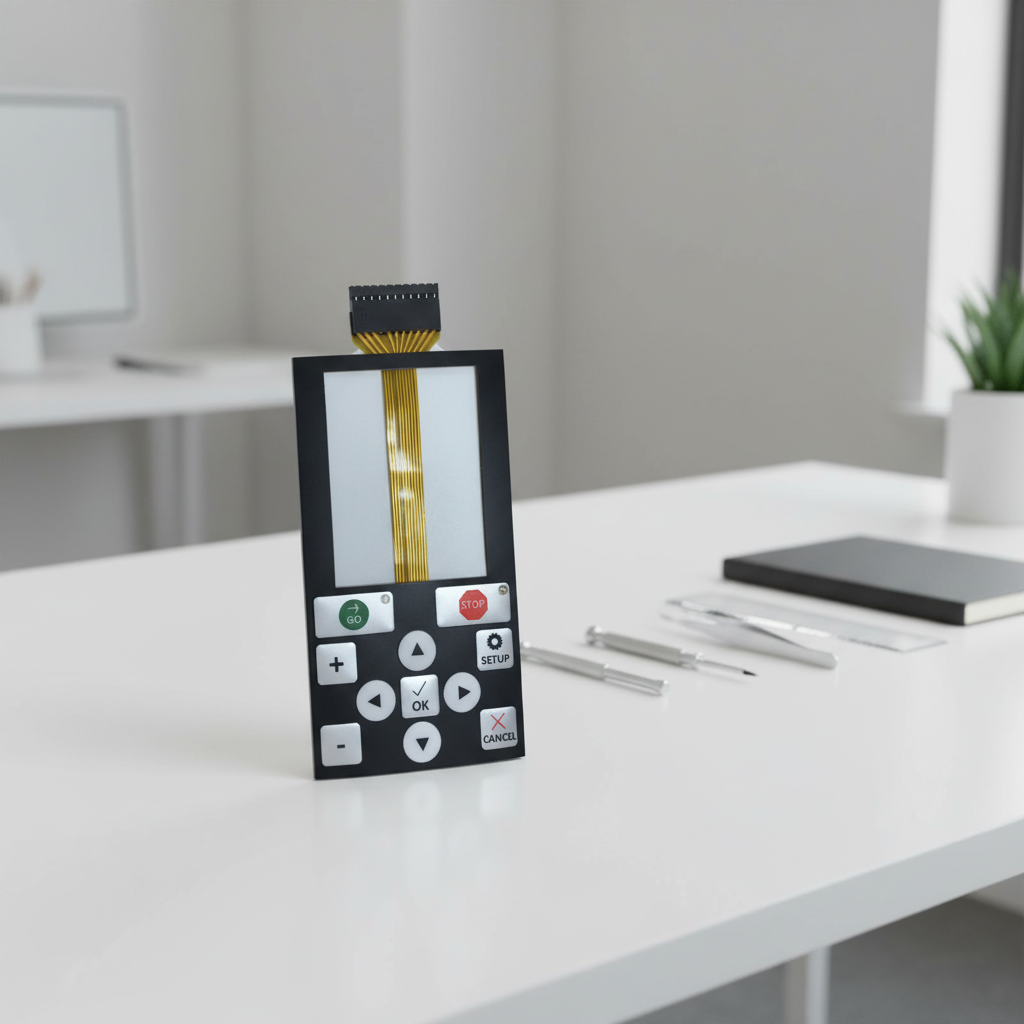
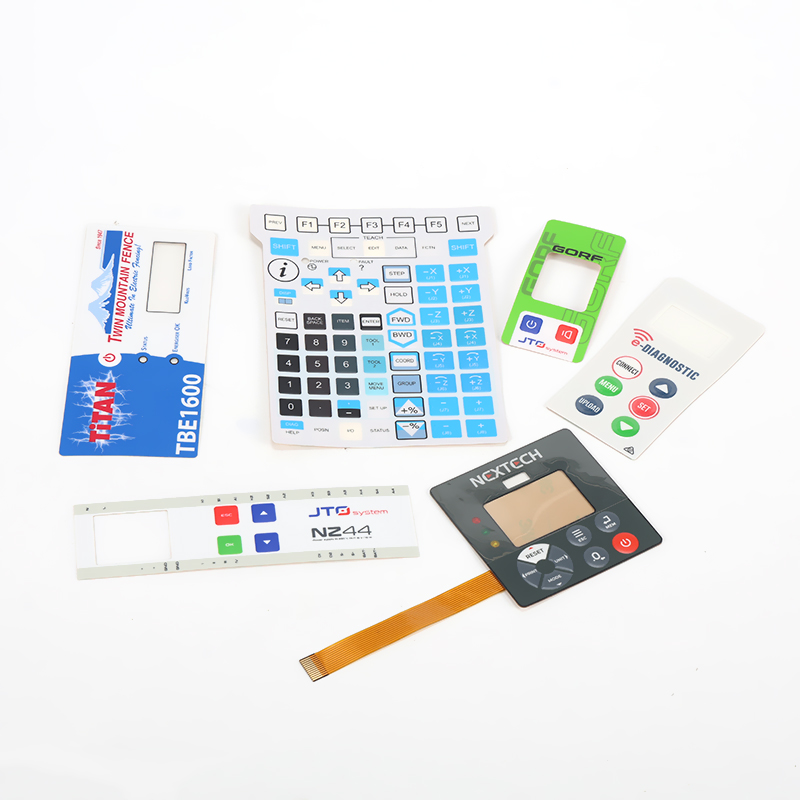
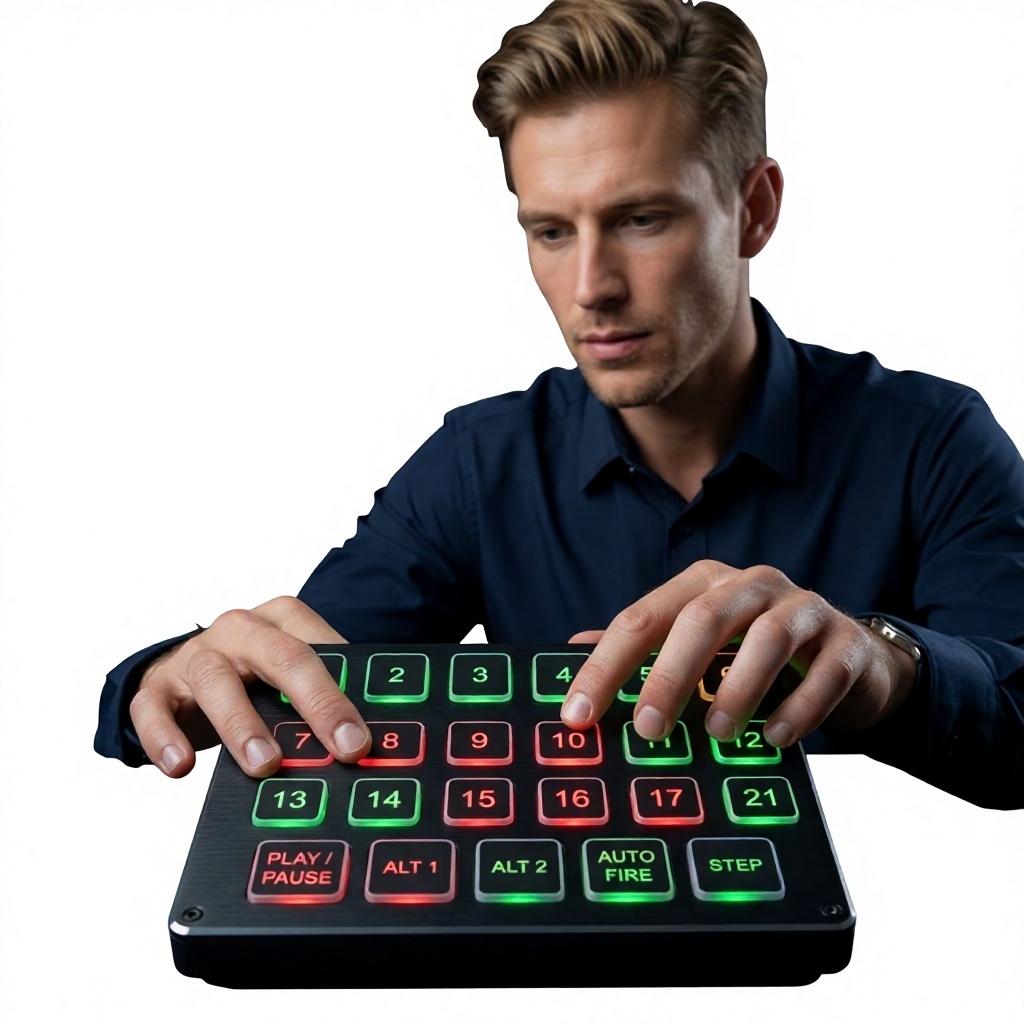
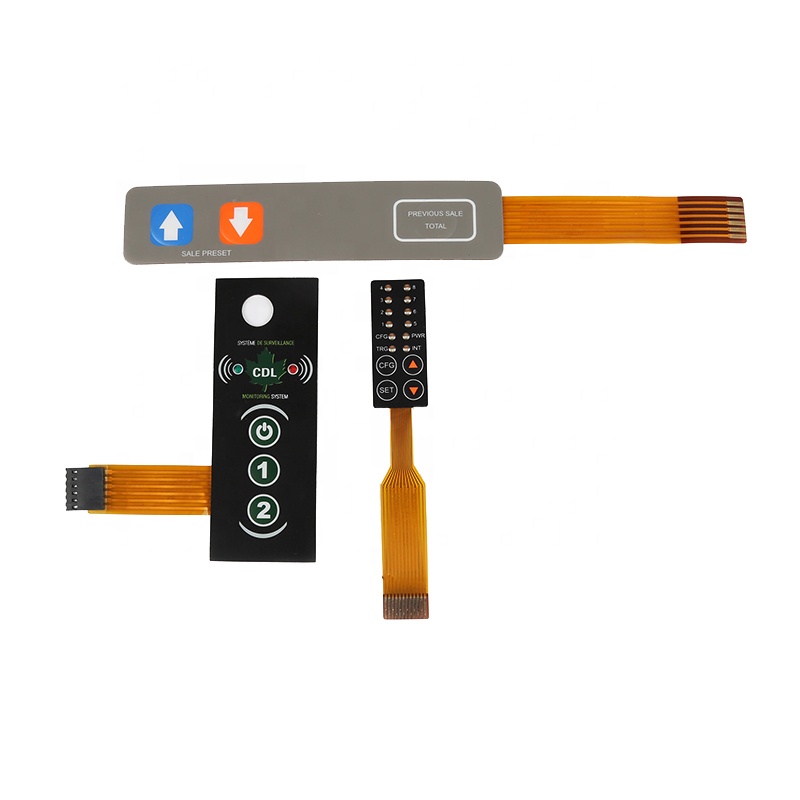
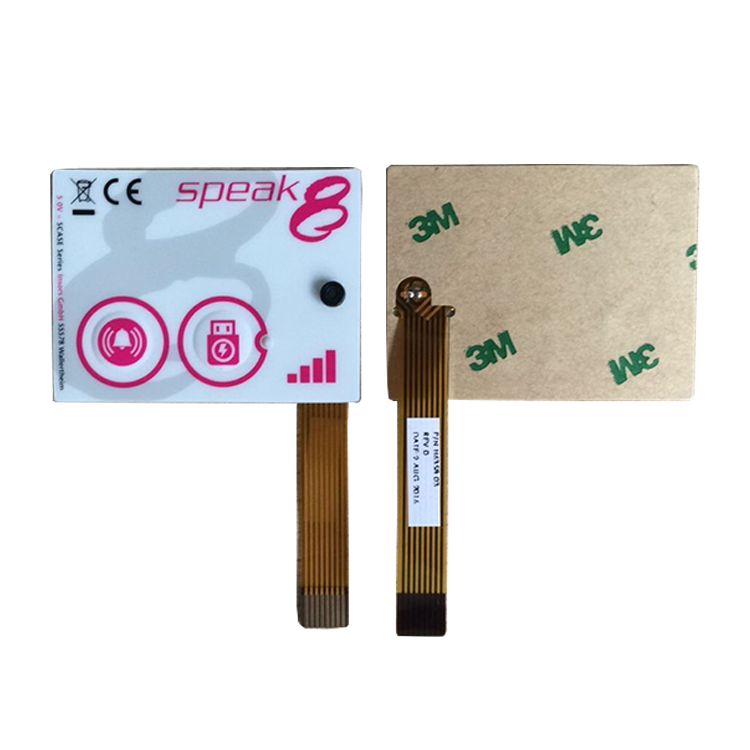
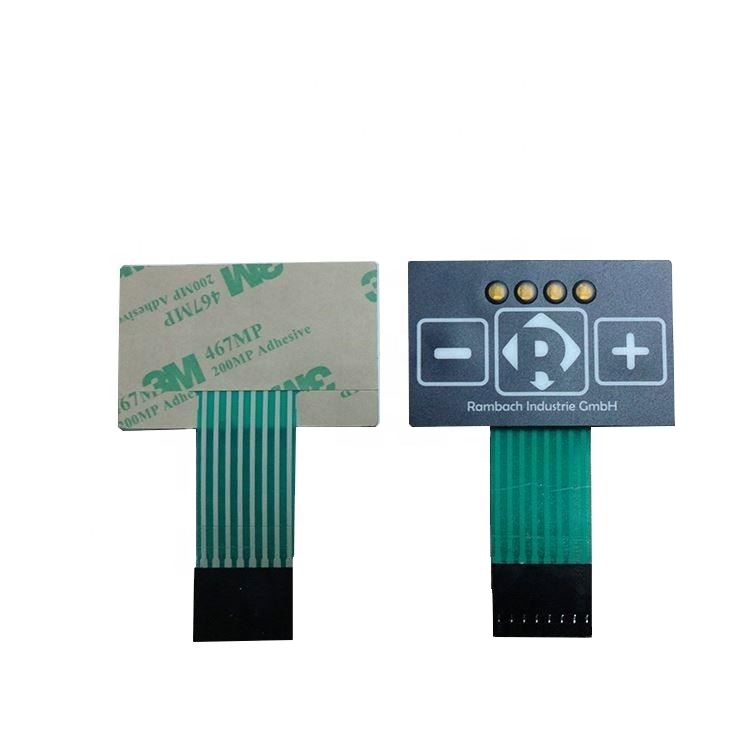
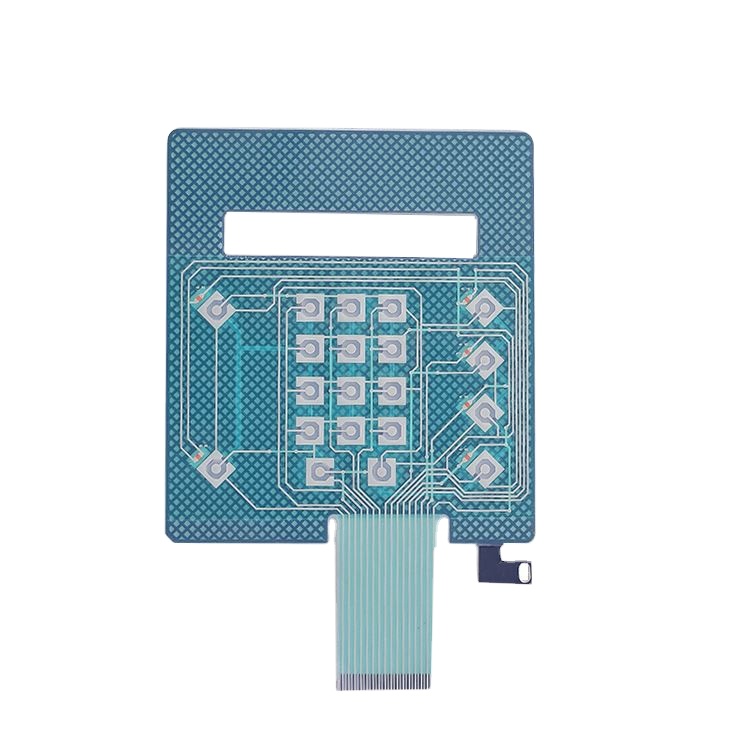
CE Certified Epoxy Coated Keypad Exporter & Exporters
Global Engineering Whitepaper: Precision High-Reliability Tactile Interface Manufacturing, Polyurethane/Epoxy Encapsulation, and Advanced Human-Machine Interface Solutions
Engineered For Critical HMI Applications
Featured Membrane & Epoxy Keypad Configurations
Precision-screened, environment-sealed, and tactile-calibrated human-machine interface assemblies tailored to international industrial, medical, and instrumentation standards.
5M Cycles Rated
Custom Membrane Switch Industrial Control Panel Keypad OEM ODM Tactile Metal Dome RoHS UL94V0 Wholesale 5 Million Cycles
Ruggedized tactile stainless-steel dome matrix with UL94V0 sub-surface flame-retardant barrier and IP65 ingress protection.
In modern industrial automation, medical robotics, defense systems, and commercial instrumentation, the human-machine interface (HMI) serves as the primary gateway of system communication. Standard graphic overlays often fall short when deployed in environments exposed to aggressive mechanical abrasion, persistent chemical sanitization, UV weathering, or deep moisture intrusion. This is where CE certified epoxy coated keypads provide indispensable performance. By depositing optically clear, two-part thermosetting polyurethane or cycloaliphatic epoxy resin directly onto the actuation surface, our manufacturing methodology elevates baseline membrane switches into three-dimensional, highly resilient interface platforms that withstand over 5 million continuous operations.
Direct Engineering Takeaway: Unlike mechanical injection molding which introduces excessive tooling capital and cycle delays, epoxy/polyurethane doming creates a natural meniscus through controlled capillary surface tension. This provides an elegant 3D aesthetic, lens magnification of sub-surface artwork, and an impermeable IP67/IP68 environmental barrier with zero tooling-wear degradation.
Technical Anatomy: Layer Stack-Up of a High-Reliability Epoxy Keypad
A rigorous industrial-grade epoxy encapsulated keypad relies on strict layer co-planarity, coefficient of thermal expansion (CTE) matching, and high-performance adhesives. The cross-section diagram below outlines the structural composition engineered by Zhejiang ZIRA Membrane Switch Co., Ltd.:
Layer Index
Structural Element
Material Specification
Functional Contribution
Layer 1
Lens Dome (Epoxy Coating)
Two-component Polyurethane / Aliphatic Epoxy
UV-stable, self-healing meniscus (60–85 Shore D hardness); optical magnification and complete surface abrasion defense.
Layer 2
Graphic Overlay Substrate
Autotype MacDermid PET / Lexan™ Polycarbonate
Sub-surface screen-printed artwork, Pantone/RAL color fidelity, antimicrobial clear window zones.
Engineered snap ratio (40%–60%), providing definite tactile switch confirmation and low bounce times (<5ms).
Layer 5
Spacer Dielectric Layer
Biaxially Oriented PET (75μm to 125μm)
Laser-vented perimeter breathers that manage air evacuation without allowing moisture migration into traces.
Layer 6
Conductive Circuit Traces
Acheson Polymer Thick Film (PTF) Silver / Copper FPC
Low-resistance conductive paths (<1Ω/cm) insulated with screen-printed carbon overcoats to prevent silver migration.
Layer 7
Rear Mounting Adhesive
3M 468MP / 3M 300LSE Low Surface Energy Tape
High shear bond strength against powder-coated aluminum, ABS, stainless steel, and polycarbonate housings.
CE Certification & International Compliance Mandates
For international tier-1 hardware OEMs, sourcing compliant keypads requires comprehensive adherence to the European Union's New Approach Directives. Our export-ready epoxy coated keyboards and membrane switches undergo exhaustive assessments to ensure compliance with the following essential directives:
1. Low Voltage Directive (LVD) 2014/35/EU: Even though membrane circuits typically operate at micro-signal levels (5V–24V DC), the dielectric withstand capability across the PET film layers is verified to resist electrical breakdown up to 1,500V AC RMS, guaranteeing human-operator safety under fault conditions.
2. Electromagnetic Compatibility (EMC) Directive 2014/30/EU: Fast industrial transients, ESD discharges, and nearby induction motors can introduce severe line noise into standard logic circuits. Our epoxy-coated keypads incorporate selective continuous vapor-deposited shielding or full-coverage silver mesh ground planes, attenuating radio frequency interference (RFI) by >45dB across the 30MHz to 1GHz range while deflecting ESD discharge pulses up to 15kV (air) and 8kV (contact) compliant with IEC 61000-4-2.
3. RoHS 2011/65/EU & REACH (EC 1907/2006): All resin prepolymers, hardeners, conductive silver pastes, UV printing inks, and pressure-sensitive acrylic tapes are verified free of hazardous substances, phthalates, and SVHC candidates, satisfying cleanroom deployment audits in medical diagnostics and food processing machinery.
Strategic Procurement Insights
Future Sourcing & Procurement Trends
How supply chain leaders, component engineers, and procurement managers are optimizing their HMI ecosystems over the next decade.
Nearshore Prototyping, Offshore Scaling
Global original equipment manufacturers are pivoting toward hybrid procurement structures. Mechanical and electrical DFM analysis is conducted alongside rapid soft-tooled prototyping (1–5 samples within 5 days), followed by volume automated run balancing in high-efficiency Chinese manufacturing corridors for stable margin retention.
Consolidated Mechatronic Sub-Assemblies
Procurement teams are reducing vendor sprawl by shifting from bare keypads to integrated smart faceplates. Suppliers now deliver plug-and-play assemblies that integrate tactile epoxy keypads, rigid FR-4 daughterboards, SMT shift-registers, display bezels, and I2C/SPI communication headers under a single audit-ready SKU.
Total Traceability & Environmental Audits
Sourcing criteria now heavily evaluate vendor ESG verification and in-line process auditing. Verified traceability documentation—including lot-specific raw resin certifications, automated AOI (Automated Optical Inspection) logs, and continuous electrical test reports—is now mandatory for top industrial supply chains.
Technical Evolution
Keypad Manufacturing & Technology Trends
Emerging mechanical, chemical, and optoelectronic breakthroughs transforming contemporary interface usability.
UV-Stable Aliphatic Resin Formulations
Historic epoxy coatings were prone to yellowing and embrittlement when exposed to outdoor ultraviolet radiation. Today's advanced interfaces employ high-grade, non-yellowing aliphatic polyurethanes featuring molecular UV inhibitors. These resins retain crystal-clear optical transparency (>92% transmittance) even after 2,000 hours of continuous QUV accelerated weathering tests.
Hybrid Solid-State Capacitive Integration
The boundary between mechanical tactile switches and capacitive touch panels is blurring. Engineers are increasingly implementing hybrid control panels where high-priority safety functions (Emergency Stop, Reset) utilize epoxy-domed tactile snap domes, while parameter adjustment menus run on sleek, zero-travel capacitive touch sensors on the same plane.
Precision Light Guide Film (LGF) Uniformity
Legacy backlighting using bulky, high-current EL panels or hot-spot prone discrete LEDs is being phased out. Micro-etched polycarbonate Light Guide Films (LGF) powered by edge-lit SMD LEDs route illumination evenly through the epoxy lens buttons, cutting operational power draw by over 70% while achieving an ultra-slim profile under 1.2mm.
Delivering high-reliability interface systems supported by nearly three decades of engineering, quality control, and global trade execution.
Established in 1996
With nearly three decades of specialized industrial focus, ZIRA offers deep engineering depth. Our mature toolsets, experienced workforce, and calibrated thermal curing ovens eliminate delamination and trace fracturing risks across high-stress installations.
Intertek Onsite Assessed
Our manufacturing complex in Changhe Industrial Park, Ningbo, is verified on-site by Intertek. Independent auditors validate our production infrastructure, environmental compliance, calibration registers, and complete trade legitimacy.
100% Electrical Inspection
Zero escaped defects. Every unit undergoes automated pin-to-pin continuity analysis, insulation breakdown resistance verification (>100MΩ at 100V DC), contact bounce testing, and tactile switch actuation force profiling prior to packaging.
Global Tier-1 Proven
Proven track record supplying long-term multinational automation leaders like ABB and Emerson. We export up to 50% of our capacity across North America, Western Europe, and Australasia under transparent Incoterms (FOB, CIF, DDP, EXW).
Frequently Asked Questions
Technical & Procurement FAQ for Keypad Sourcing
Clear, engineering-driven answers to the most common inquiries from sourcing directors, quality inspectors, and systems architects.
What distinguishes epoxy doming from traditional polyurethane (PU) coatings?
While often grouped together under the umbrella term "epoxy coating," chemical formulations differ significantly. Traditional epoxy resins provide exceptional surface hardness (up to 85 Shore D) and high chemical resistance, making them ideal for stationary industrial switchgear. However, polyurethane (PU) offers elastomeric flexibility (approx. 45–60 Shore D), self-healing recovery from mechanical impressions, and superior resistance to UV-induced discoloration. At ZIRA, we tailor the exact polyol/isocyanate and catalyst ratios to match your application's operating conditions.
How does the epoxy coating affect tactile snap force and travel?
Because the liquid resin forms an elevated dome directly over the button, it adds structural inertia. When applied over metal domes, switch actuation force typically increases by 30 to 60 grams depending on layer thickness (normally 1.2mm to 1.8mm). During the Design-For-Manufacturability (DFM) phase, our engineering team compensates for this added resistance by pairing domed overlays with metal domes that feature an optimized snap ratio (such as 4-leg oblong or round nickel-plated domes rated at 280g–350g), preserving a crisp, distinct click feel.
What documentation and files are needed to begin custom tooling?
To initiate a rapid-response quotation and DFM review, provide: (1) Vector graphic artwork in Adobe Illustrator (.AI), CorelDraw (.CDR), or Vector PDF format with callouts for Pantone (PMS) or RAL color codes; (2) 1:1 mechanical envelope drawings in .DXF, .DWG, or .STP specifying dimensions, cutouts, embossing profiles, and tail orientation; (3) Schematic circuit pin-outs or matrix connection tables; and (4) Operating environment parameters (temperature ranges, solvent exposures, ingress protection ratings, and fire-retardancy requirements like UL94V0).
What minimum order quantities (MOQ) and production lead times apply?
We accommodate rapid agile iteration by offering prototype batch runs starting at just 1 to 5 pieces for early qualification. Standard production order batches typically begin at 100 units, while high-volume cost-optimized runs reach hundreds of thousands of pieces annually. Fully functional rapid prototypes are typically fabricated, electrically tested, and dispatched within 5 to 7 business days following drawing signoff. Full-scale production lots usually ship within 12 to 18 business days.
Can epoxy coated keypads achieve true IP67 or IP68 water ingress sealing?
Yes. By depositing epoxy or polyurethane resin across the actuation keys, the top graphic face becomes completely non-porous. Ingress protection is then determined by the perimeter gasket sealing method between the keypad assembly and the underlying housing chassis. By pairing our keypads with precision die-cut closed-cell acrylic foam adhesives (such as 3M 5925 VHB or 3M 200MP series) and integrating internal air-breather channels that vent into the dry equipment interior, our assemblies regularly exceed IP67 immersion tests (1 meter depth for 30 minutes).
How do you prevent silver migration and oxidation over long lifespans?
Silver migration occurs when moisture and direct current (DC) electric fields cause silver ions to migrate across adjacent circuit paths, eventually creating an electrical short circuit. We prevent this by maintaining strict conductor spacing tolerances and applying a continuous, screen-printed protective carbon or dielectric overcoat over all active silver traces. Additionally, perimeter environmental barrier seals prevent external humidity from penetrating into the active trace matrix.
Transform Your Human-Machine Interface Performance
Direct from our Ningbo precision manufacturing facility. Engage directly with our engineering department for comprehensive DFM reviews, material stack-up optimization, rapid functional prototyping, and competitive production quotations.