[email protected] Engineering reply within 24 hours (Mon–Sat, GMT+8) English

CE Certified Capacitive Touch Panel Factories & Suppliers

Precision-engineered projected capacitive (PCAP) sensing matrices, custom ITO circuitry, and industrial HMI integration certified to European electromagnetic compatibility and electrical safety directives.

29+
Years Engineering (Est. 1996)
5,000m²
Intertek-Audited Facility
100%
Automated Electrical Verification
1 Pc
Rapid Prototyping Capability
Production Portfolio

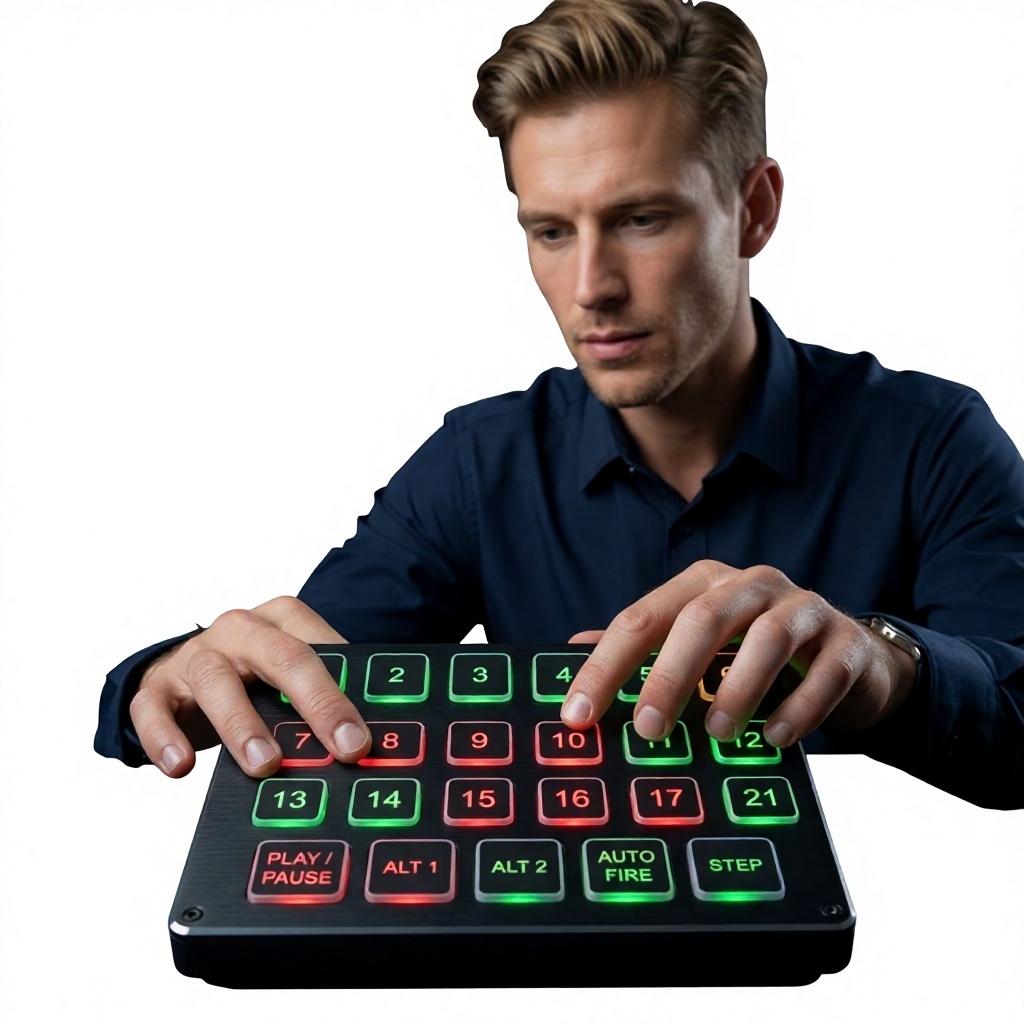
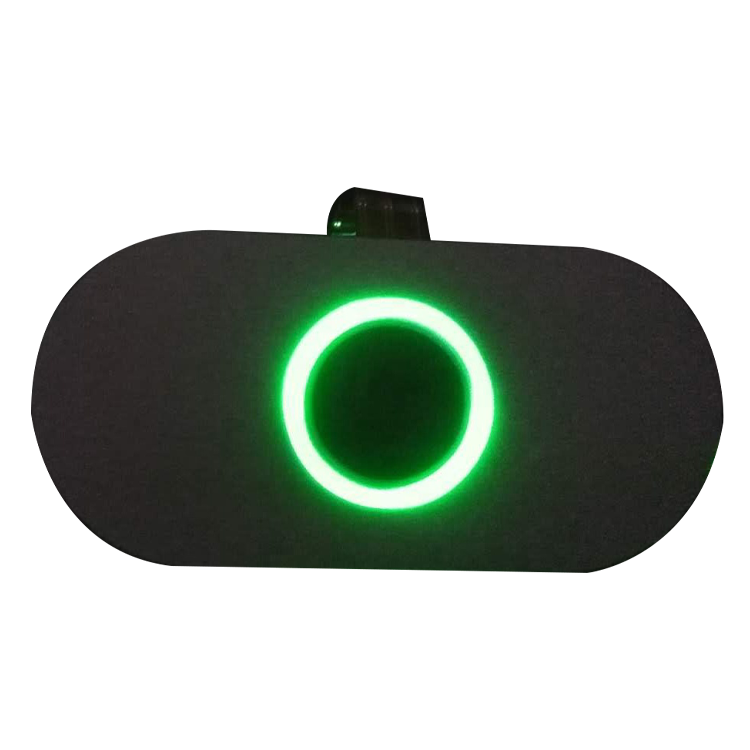
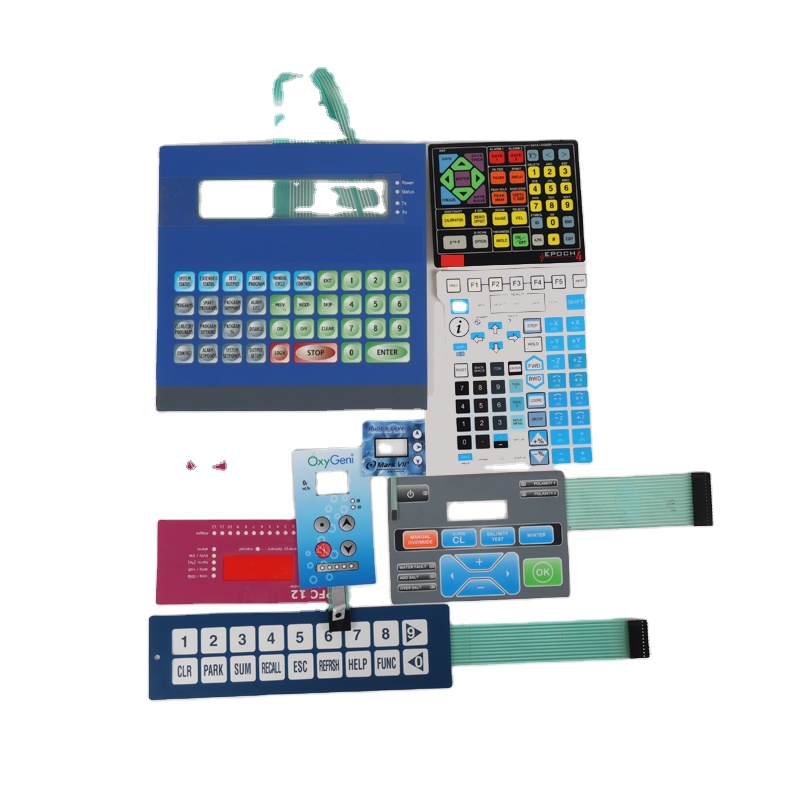
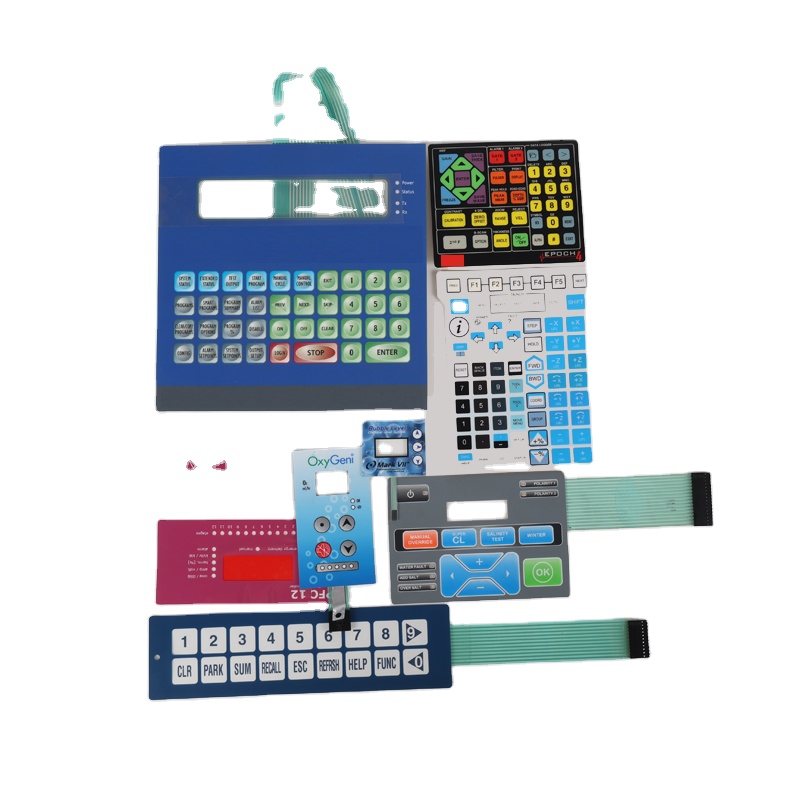
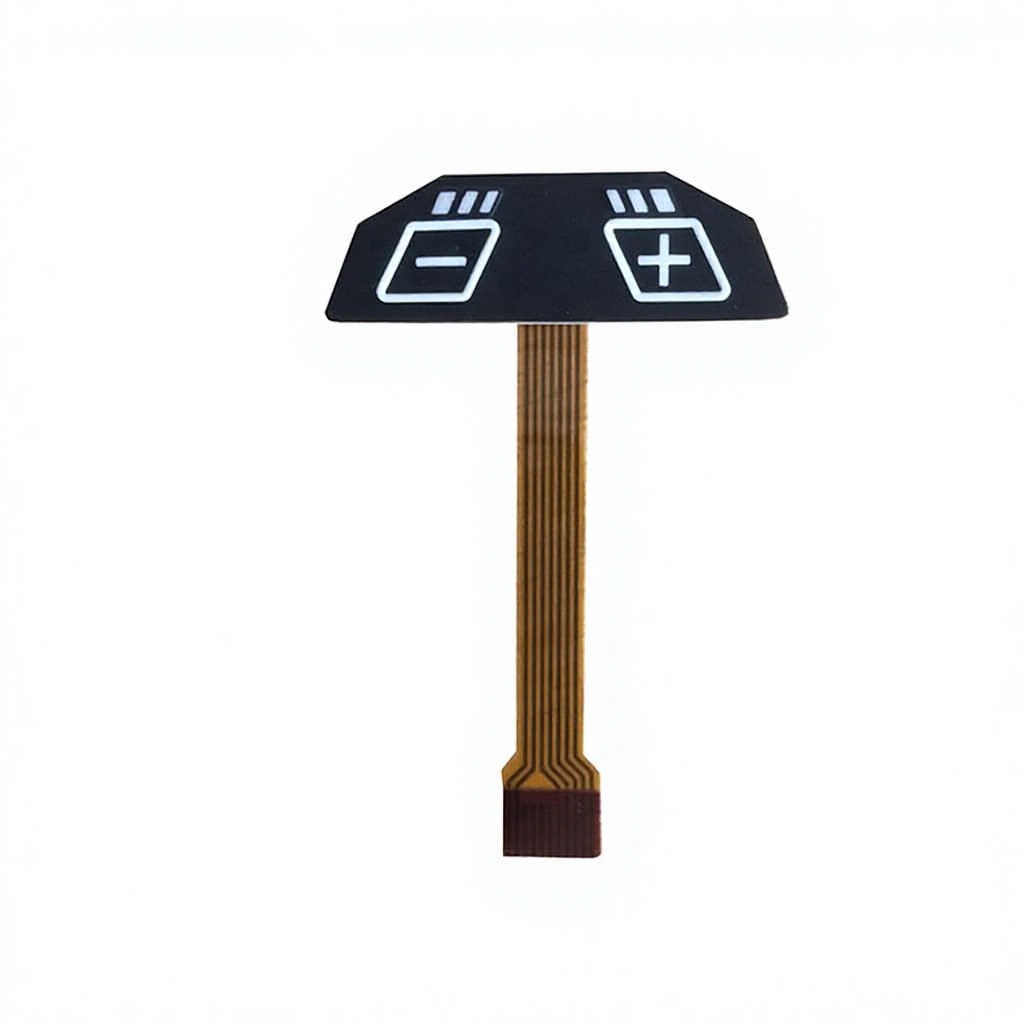
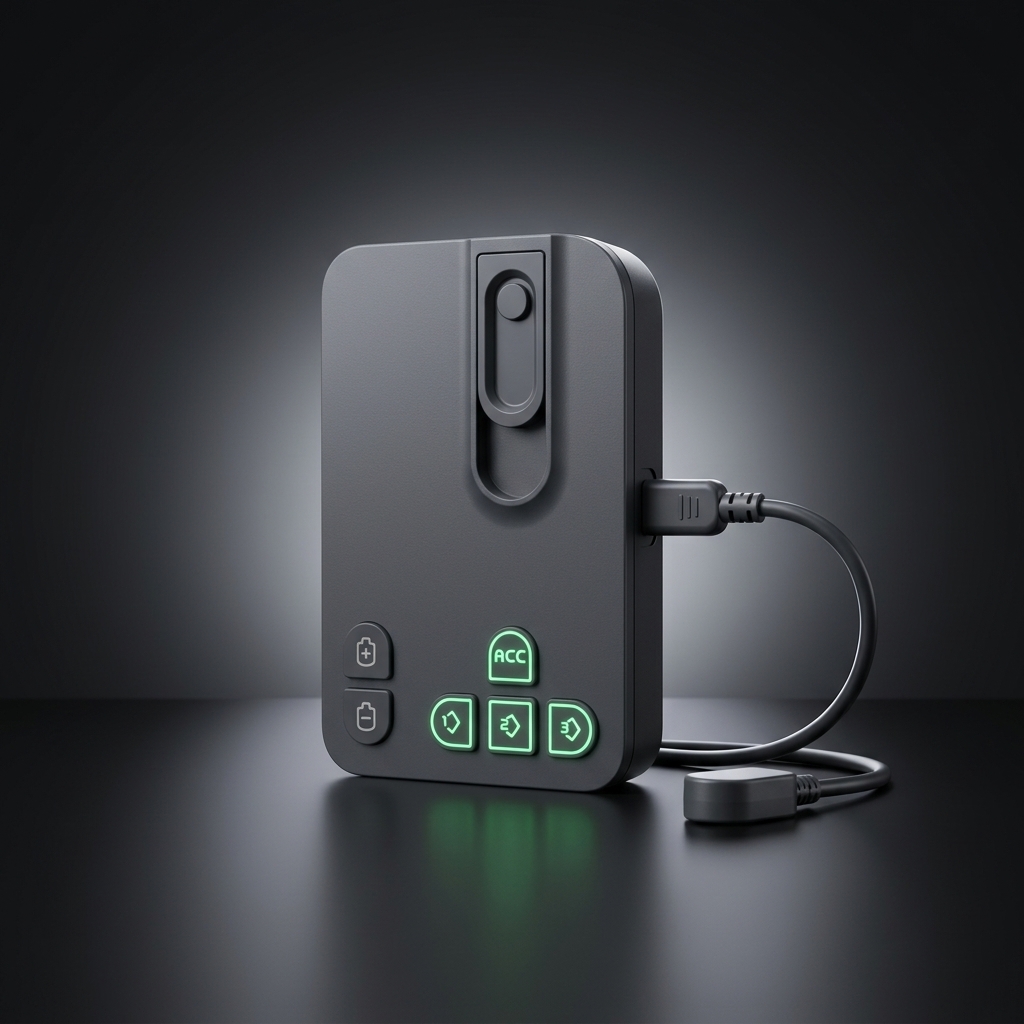
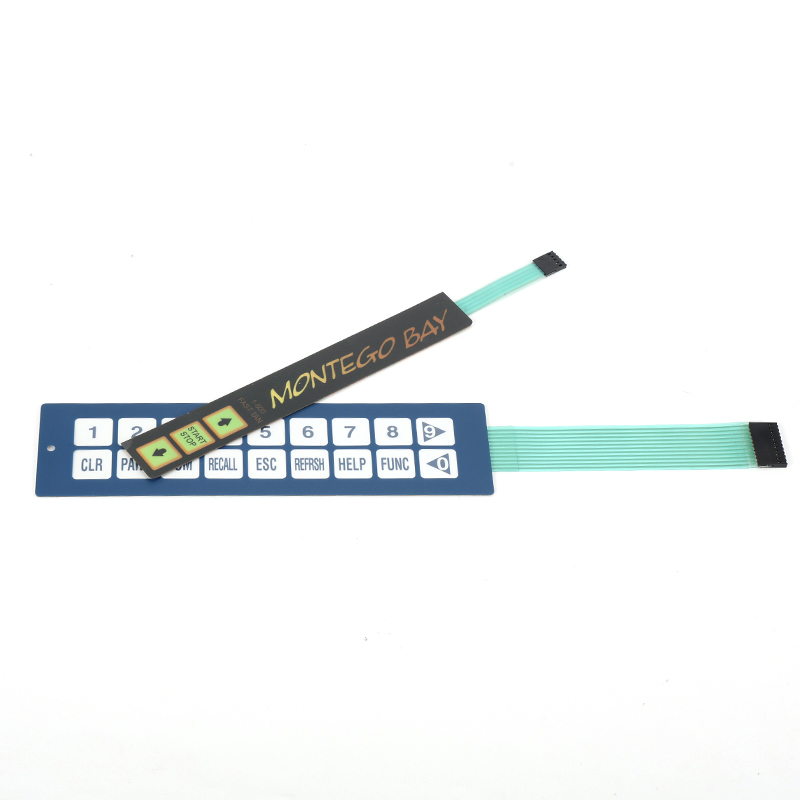
Engineered Touch Panels & Interface Assemblies

Explore our industrial-grade capacitive touch solutions, backlit keymats, and flexible circuitry. Each module is custom-tailored to rigorous mechanical geometries, shielding criteria, and harsh operating envelopes.

Compliance Whitepaper

Navigating CE Certification for Capacitive Touch Interfaces

In human-machine interface (HMI) sourcing, "CE Certified" requires profound technical due diligence. Capacitive touch panels (PCAP) function as electro-sensitive capacitive fields, making them vulnerable to electromagnetic interference (EMI) and radio frequency (RFI) phenomena governed by European harmonized standards.

EMC Directive 2014/30/EU

PCAP controllers operate at high excitation frequencies (100kHz to 400kHz). Factory compliance guarantees touch panels do not produce radiated emissions or misinterpret airborne radio frequencies as phantom touches under EN 61000-6-2 (Immunity) and EN 61000-6-4 (Emissions) testing protocols.

LVD 2014/35/EU & Functional Safety

Where touch panels control electrical equipment exceeding 50–1000V AC, dielectric isolation is mandatory. Our stack-ups provide multi-kV galvanic breakdown margins utilizing optical grade adhesives (OCA), premium polyethylene terephthalate (PET), and chemically strengthened cover glass up to 7H hardness.

RoHS 2011/65/EU & REACH Compliance

Every element in our supply chain—including Indium Tin Oxide (ITO) sputter formulations, silver conductive pastes, double-sided 3M adhesives, and anisotropic conductive film (ACF) tail bondings—is verified lead-free, halogen-free, and free of SVHC substances, documented with authentic test reports.

DFM Engineering Protocol: Tailoring Stack-Ups for European Acceptance

A true OEM/ODM relationship is built at the Design-for-Manufacturing (DFM) phase. Our engineering team in Ningbo executes comprehensive trace-impedance simulations, ITO diamond pattern optimizations, and ground-ring ring-fence routing to eliminate parasitic capacitance. Before hard tooling or laser-sputtering, we evaluate your mechanical CAD files to ensure seamless integration into bezel assemblies, preventing acoustic resonance and air-gap moisture traps.

Strategic Sourcing

Future Procurement Trends in Capacitive Touch Technologies

Global original equipment manufacturers are pivoting beyond basic touch functionality toward ruggedized, intelligent, and sensor-fused control surfaces. Procurement departments must align their sourcing criteria with the following shifts through 2026–2030.

1. Water-Rejection & Glove Algorithms

Industrial washdown and surgical suites demand zero downtime. Modern touch controllers integrate firmware that differentiates between liquid droplets, dynamic water streams, and conductive glove gestures, eliminating false actuations without mechanical switches.

2. Optical Bonding (OCA/OCR) Dominance

Air-bonding is being phased out in outdoor medical and marine hardware. Direct Optical Clear Adhesive (OCA) and Optical Clear Resin (OCR) bonding eliminates internal refraction, enhancing sunlight readability and boosting shock protection up to IK08/IK10 standards.

3. Hybrid Haptics: Tactile + Capacitive

To eliminate touch ambiguity in critical environments, procurement is actively specifying hybrid assemblies. By integrating sub-surface piezoelectric actuators or metal dome arrays behind capacitive sensors, operators receive physical confirmation without breaching surface hygiene seals.

Engineering Selection Matrix

Capacitive Touch vs. Traditional Interface Architectures

Review the empirical differences between projected capacitive panels, resistive overlays, and tactile membrane matrices to establish the optimum cost-to-performance ratio for your bill of materials (BOM).

Evaluation Parameter Projected Capacitive (PCAP) Tactile Membrane Switch Resistive Touch Panel
Actuation Mechanism Electrostatic field variation (Zero physical force) Mechanical dome collapse (150g - 450g) Pressure-induced contact of conductive sheets
Operating Lifespan Over 50–100 Million Touches (Non-wearing) 1–5 Million Actuations per Key Approximately 5–10 Million Touches
Ingress Protection (IP) IP68 / IP69K (Hermetically sealed seamless cover) IP65 – IP67 with perimeter adhesive gaskets IP65 (Limited by flexible top film flex stress)
CE EMC Hardening Requires controller tuning & mesh shielding Inherently passive; minimal EMI vulnerability Passive circuit; highly stable in high EMI fields
Input Versatility Multi-Touch (10 points), gestures, conductive stylus Discrete push buttons, numeric arrays Single-touch via any stylus, gloved, or bare finger
Tooling & NRE Budget Moderate to High (FPC mask, cover tooling) Low to Moderate (Printing screens & die blades) Moderate (Glass cutting & conductive coating)
Production Excellence

Why Tier-1 Automation Brands Partner with ZIRA

With roots established in 1996 in the Changhe Industrial Park of Ningbo, Zhejiang ZIRA Membrane Switch Co., Ltd. operates 3,000 to 5,000 square meters of precision fabrication space. Having served industrial leaders like ABB and Emerson, our production infrastructure delivers reliable, verifiable quality.

In-House Screen & Cleanroom Lines

Full control over graphic printing, silver conductive trace drying, die-cutting, embossing, and class-10,000 cleanroom lamination prevents contamination and guarantees supply-chain accountability.

Intertek Onsite Verification

Our facility, production capacity, and legal standards are assessed onsite by Intertek. Buyers can audit trade documentation, export credit ratings, and production workflows directly.

100% Automated Testing

Every single manufactured unit is subjected to continuity mapping, insulation resistance testing (>100MΩ at 100V DC), contact bounce evaluation, and visual aesthetic verification before export.

Global Flexible Trade Capacity

Exporting up to 50% of annual production across North America, Western Europe, and Oceania. We support flexible Incoterms including FOB, CIF, EXW, CIP, CPT, and DDP with fast turnaround times.

Procurement FAQ

Frequently Asked Questions on Sourcing Capacitive Touch Panels

Authoritative technical and logistical answers addressing the primary pain points encountered by global sourcing managers and hardware design engineers.

What documentation certifies your panels comply with CE directives?

We supply full Technical Construction Files (TCF), including test reports for EN 61000-6-2 (Industrial Immunity) and EN 61000-6-4 (Radiated Emissions), Certificates of Compliance (CoC), and raw material RoHS/REACH verification declarations issued by verified laboratories.

What is the minimum order quantity (MOQ) for custom assemblies?

We provide rapid engineering sampling starting from just 1 piece for initial prototyping and mechanical validation. Regular production runs typically start at 100 units, while high-volume standardized PET/PC overlays can be scaled to 1,000+ pieces with tooling cost amortizations.

What source engineering files are needed to begin custom production?

To prepare a thorough DFM review and quotation, submit your dimensioned 2D/3D mechanical drawings (DXF, DWG, STEP), graphic vector artwork (AI, PDF with specified Pantone/RAL color codes), circuit schematic/pin-out assignments, tail length, and chosen connector part numbers.

How do you mitigate electromagnetic noise issues in capacitive panels?

We incorporate comprehensive hardware and layout shielding protocols, such as rear guard shields, meshed ground planes printed with conductive silver or carbon ink, and controller tuning to lock onto specific narrow-band frequencies, filtering out inverter and motor harmonics.

Which payment terms and international shipping protocols do you support?

We support global payment structures including T/T, L/C, D/P, D/A, and Western Union in multiple currencies (USD, EUR, HKD, CNY). Delivery terms cover standard FOB, CIF, EXW, CIP, CPT, and direct door-to-door DDP air/ocean shipping with complete customs handling.

Kickstart Your Custom Touch Panel Project Today

Consult directly with our Ningbo engineering facility. Submit your design specifications, CAD drawings, or benchmark sample requirements, and our senior HMI project directors will return a DFM feedback report, stack-up analysis, and itemized quotation within 24 hours.

Send an Inquiry