High-Reliability Interface Assemblies for South Pacific Industry
Engineered to resist saline fogging, thermal cycling, and tropical humidity. All panels are custom-manufactured in an Intertek-audited facility with 100% optical and electrical continuity testing.
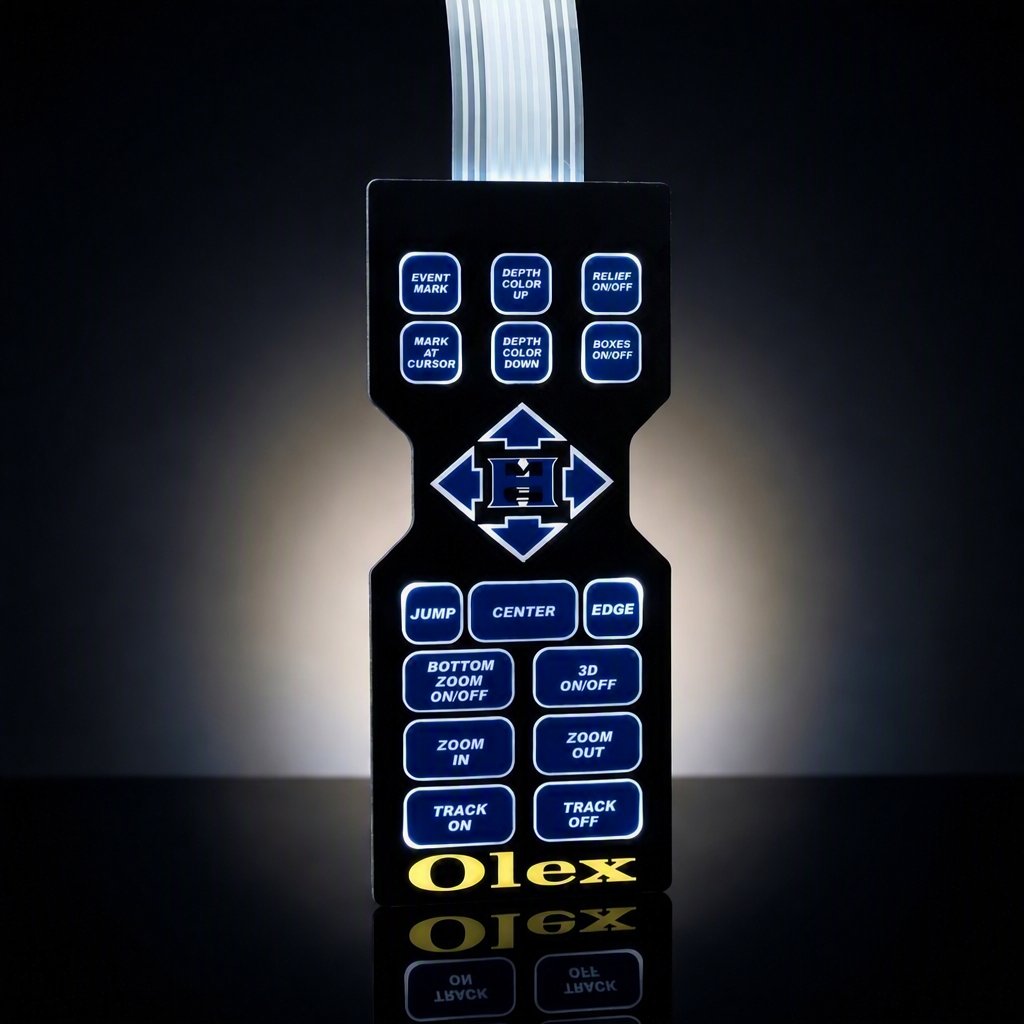
Free Backlight Simulation and Light Guide Design Support Customized Uniform Illumination Backlight Membrane Switch Keyboard
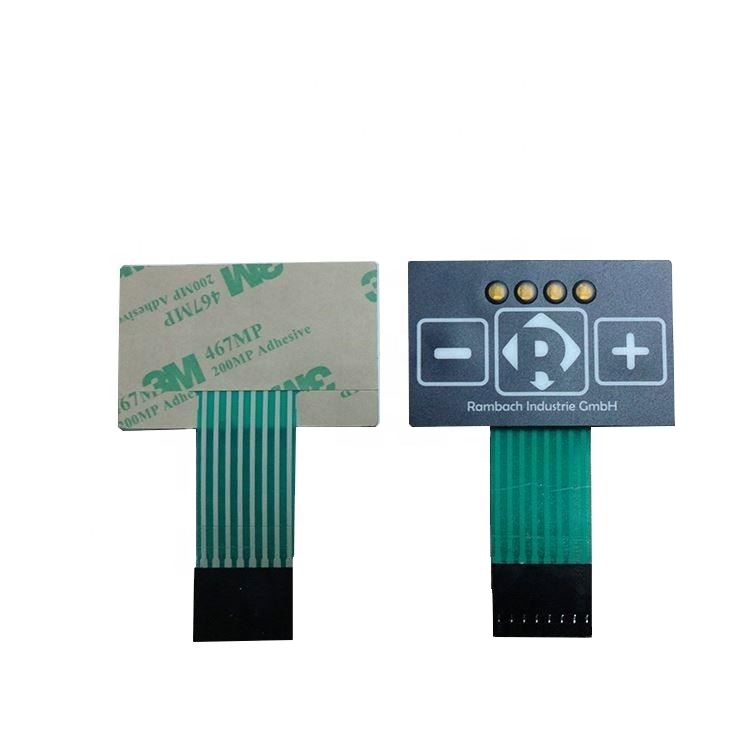
Custom Thin Film Illuminated Panel Lgf/LED Backlight Membrane Switch for Electronics
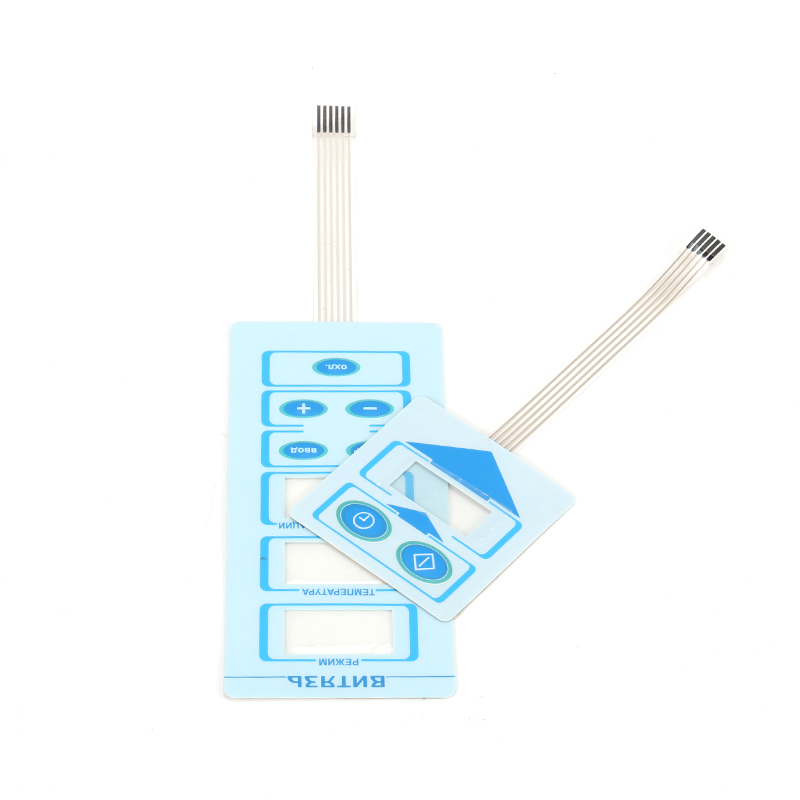
OEM ODM Custom Membrane Switch Keypad Waterproof Metal Dome Tactile Switch with 3M Adhesive for Industrial Control Equipment
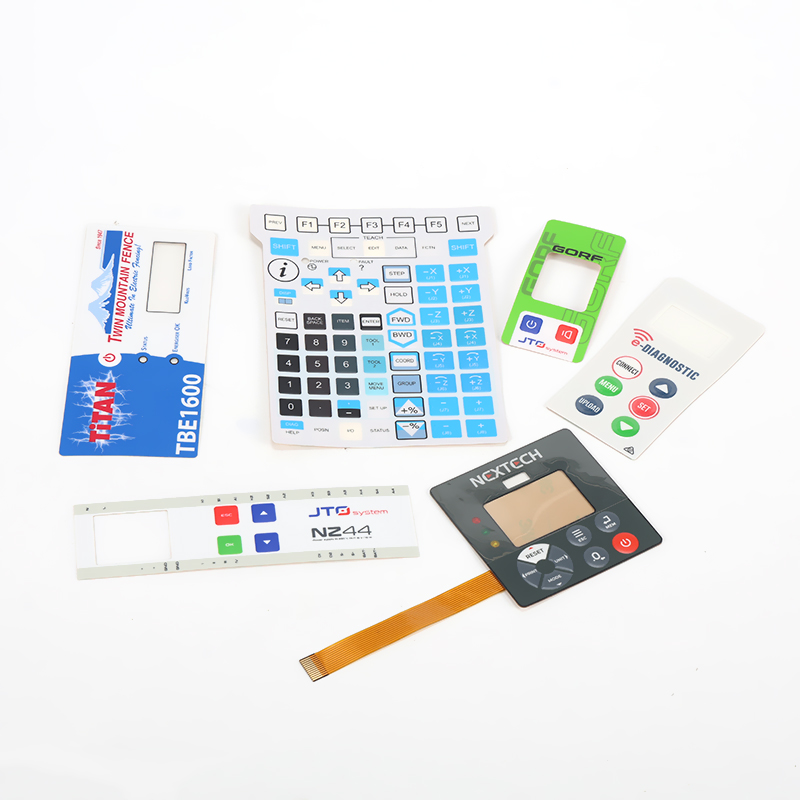
Waterproof Dustproof Custom Membrane Keypad Switch, PET Graphic Overlay Membrane Push Button Switch for Harsh Environment
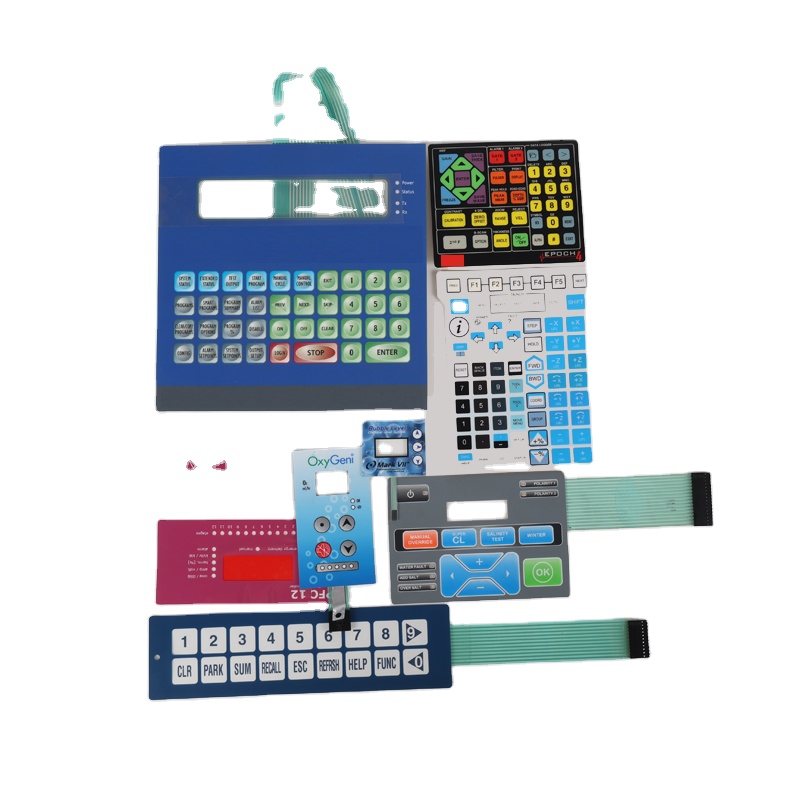
Waterproof Flexible Circuit Membrane Switch for Medical Equipment Membrane Switch
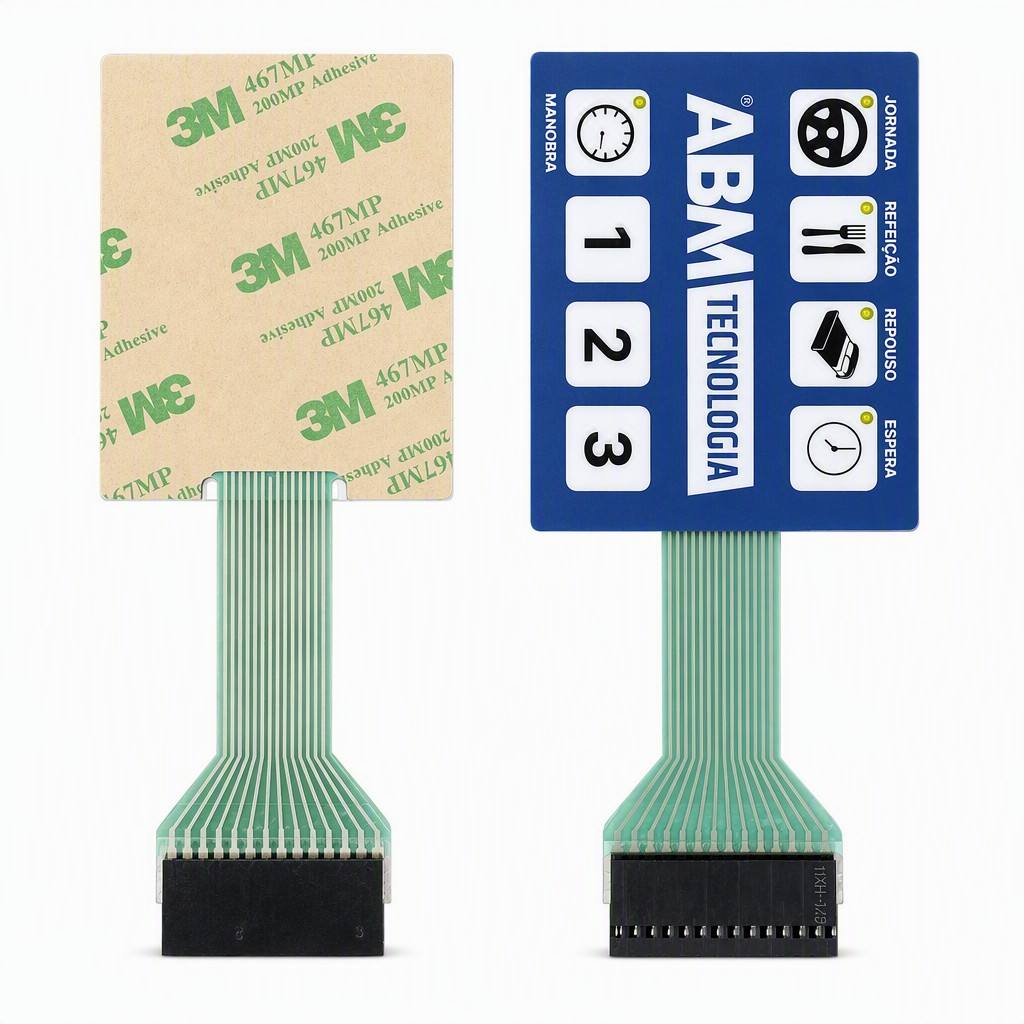
Custom Membrane Switch Industrial Control Panel Keypad OEM ODM Tactile Metal Dome RoHS UL94V0 Wholesale 5 Million Cycles
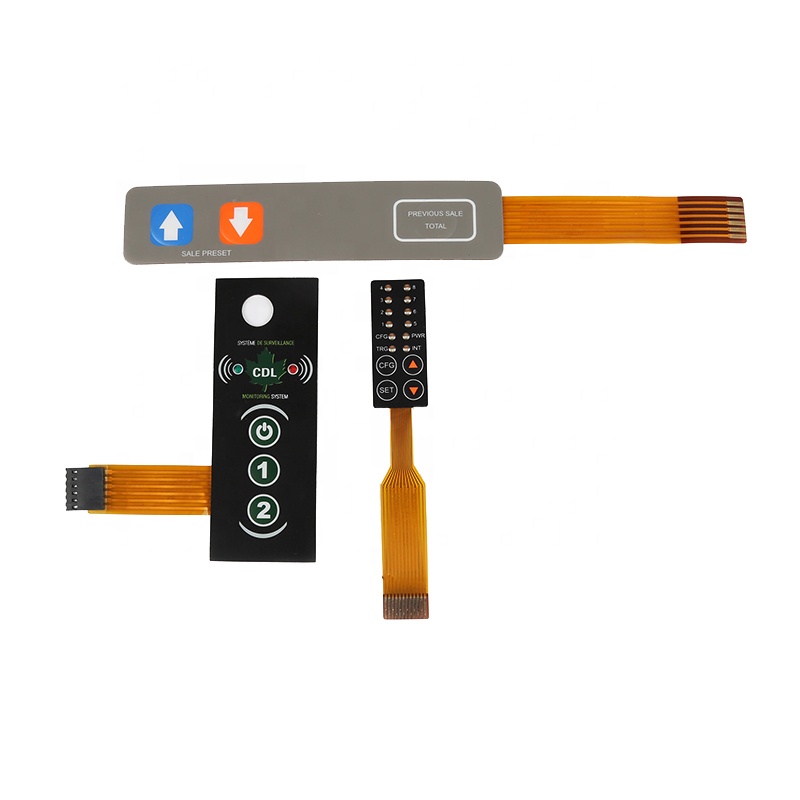
Waterproof Capacitive Touch Membrane Switch with Customizable Color and Texture
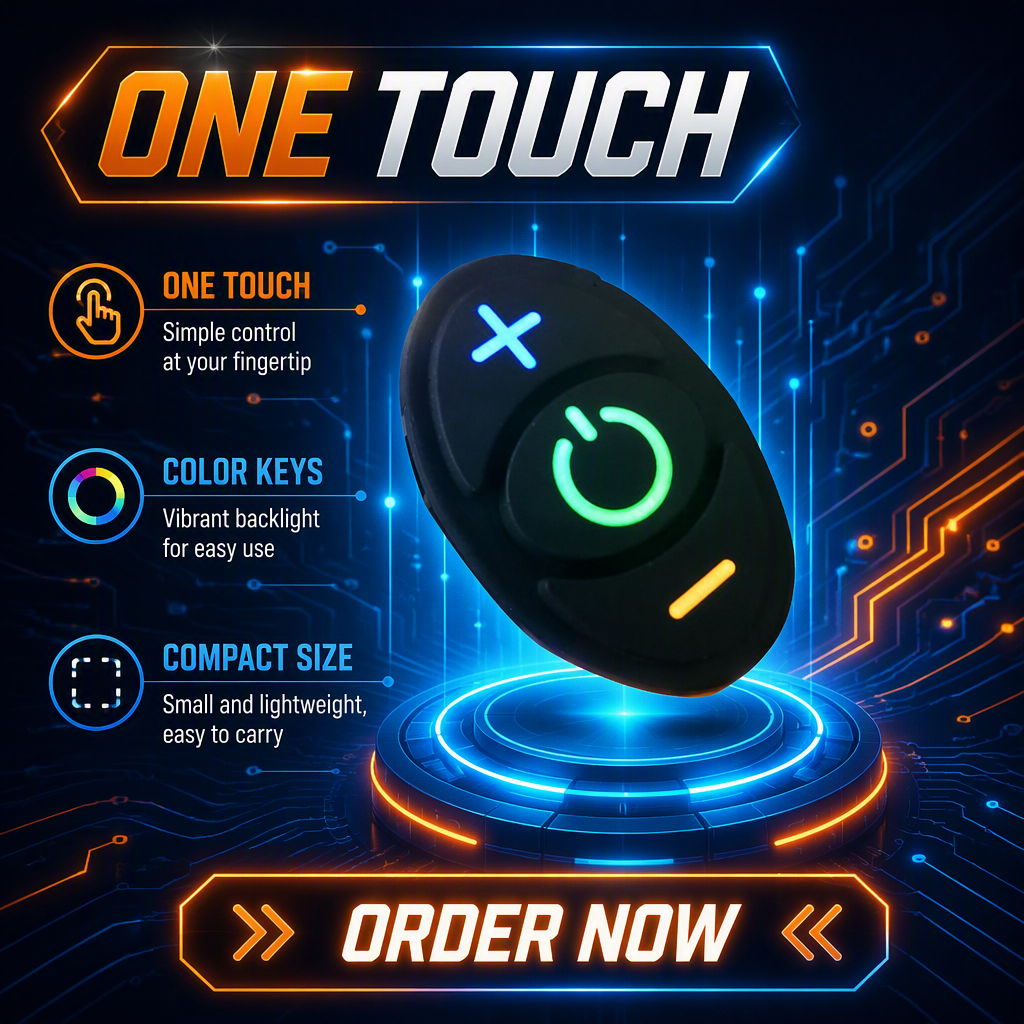
Multi Zone Backlight Design Independent Circuit Routing Uniform Illumination Custom Backlit Silicone Rubber Membrane Switch
Environmental Hazards & Interface Engineering in the South Pacific
Why conventional commercial grade control overlays suffer rapid interfacial degradation, catastrophic trace oxidation, and adhesive delamination across Fijian industrial sites.
The Republic of Fiji represents a distinct operational theater for human-machine interfaces (HMI), automation instrumentation, and operator consoles. Operating in an equatorial, tropical maritime environment (Köppen classification Af/Am), industrial equipment deployed across Viti Levu and Vanua Levu is routinely exposed to year-round relative humidity fluctuating between 75% and 92%, ambient temperatures averaging 26°C to 33°C, and continuous atmospheric salt spray (aerosolized sodium chloride). Standard off-the-shelf control panels engineered for temperate climates typically fail within 6 to 18 months due to three predominant root-cause mechanisms: moisture ingress through the perimeter bond line, electrolytic silver migration across printed circuits, and ultraviolet (UV) photodegradation of the base polymer matrix.
Marine, Port & Logistics
Dredging vessels, inter-island cargo barges, tug fleets, and container-handling crane cabins in the Port of Suva and Lautoka Harbor demand salt-spray rated IP67 fascias that withstand salt crystallization, hydraulic oil exposure, and abrasive sea wash.
Sugar Cane & Agro-Refining
Sugar mills operated by the Fiji Sugar Corporation (FSC) across Lautoka, Rarawai (Ba), and Labasa subject switch panels to hot sugar-cane juice, caustic washdowns (sodium hydroxide), fine bagasse particulate, and persistent seasonal vibration.
Solar Microgrids & Remote Power
Maritime off-grid solar inverters, Battery Energy Storage Systems (BESS), and hybrid diesel generators on outer islands require UV-stabilized graphic overlays engineered to resist color fading, embrittlement, and blistering under Solar Radiation Index 11+.
Resort Automation & Bottling
Luxury resort HVAC panels, commercial desalinators, laundry controllers, and water bottling plants (such as Fiji Water at Yaqara) rely on hygienic, scratch-resistant PET overlays compatible with daily sterilization regimens.
Comparative Performance Matrix for Pacific Island Deployments
Evaluating film substrates and structural bonding materials against key industrial and environmental stress factors encountered in Fiji.
| Performance Parameter | Autotex XE UV-Resistant PET | Standard Polycarbonate (Lexan) | Compression Silicone Keymat | Polyimide (PI / FPC) Hybrid |
|---|---|---|---|---|
| UV Photostability (South Pacific Index 11+) | Exceptional: Chemically bonded UV-absorber layer prevents yellowing >7 yrs. | Moderate to Poor: Prone to micro-cracking and yellowing within 18 mos. | High: Inherently UV-stable inorganic siloxane polymer backbone. | Enclosed Layer: Typically encapsulated behind overlay substrate. |
| Mechanical Flex Life (Actuations) | > 5,000,000 switch cycles without surface micro-crazing. | ~ 100,000 to 200,000 cycles (embossed domes experience work-hardening). | > 2,000,000 deep-travel keystrokes with cushioned tactile feel. | > 10,000,000 cycles when paired with stainless steel tactile domes. |
| Resistance to Caustic Chemicals & Cane Juice | Impervious to ethanol, weak acids, sugar solutions, MEK, and detergents. | Vulnerable to aromatic hydrocarbons, ketones, and strong alkalis. | Excellent thermal stability; moderate swell in presence of petroleum fuels. | Complete chemical inertness across the copper conductor assembly. |
| Moisture Vapor Transmission Rate (MVTR) | Very low (< 3.5 g/m²/24h); prevents sub-surface condensation. | Moderate (> 25 g/m²/24h); allows latent humidity ingress under high heat. | Permeable to vapor unless engineered with integral silicone lip seal. | Zero vapor diffusion through polyimide core layer. |
| Optimal Fiji Industrial Deployment | Sugar cane factory HMIs, outdoor solar controllers, bottling consoles. | Protected indoor diagnostic instruments, non-tactile status panels. | Marine helm control keypads, rugged industrial handheld terminals. | Medical monitoring, critical high-vibration port and crane systems. |
Adhesive System Formulation for Tropical Monsoons
A graphic overlay is only as durable as the lamination adhesive securing it to the chassis. How ZIRA eliminates bond failures caused by high ambient thermal energy and maritime humidity.
3M 300LSE for Powder-Coated Frames
Standard acrylic transfer adhesives fail when applied to low surface energy (LSE) materials like powder-coated aluminum electrical cabinets common in Suva marine infrastructure. ZIRA engineers specify 3M 300LSE / 9472LE high-strength acrylic adhesive to establish high initial tack and peel resistance exceeding 45 N/100mm.
Hermetic Perimeter Gasket Channels
To achieve verified IP66, IP67, or NEMA 4X enclosure integrity, overlay switch stacks must incorporate an unvented, continuous closed-cell adhesive perimeter ring. This barrier design prevents atmospheric salt fog from migrating into internal switch air cavities during tropical diurnal barometric pressure cycles.
Degassing & Anti-Silver Migration
All screen-printed silver circuits undergo calibrated multi-zone thermal curing to fully evacuate volatile solvent residues. We subsequently apply a protective carbon-graphite ink cap layer over critical switch contacts, physically inhibiting silver electromigration in 90%+ relative humidity operations.
10-Stage Precision Manufacturing & Inspection Flow
Every custom graphic overlay and membrane switch passes strict validation gates before export packing to ensure zero-defect field installation.
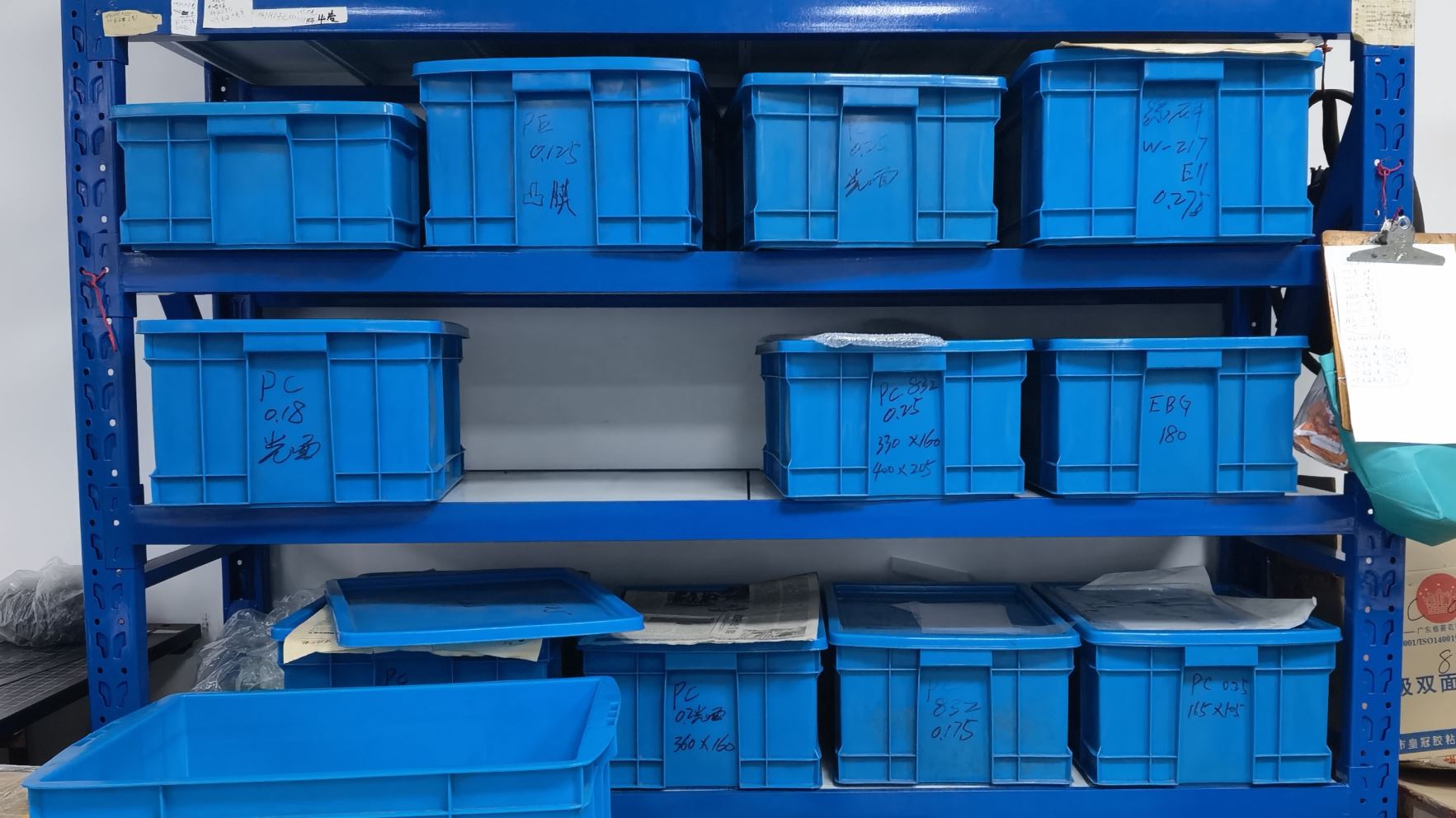
Raw Material QA
Spectrophotometric verification of Autotex PET, adhesive bond lot certs.
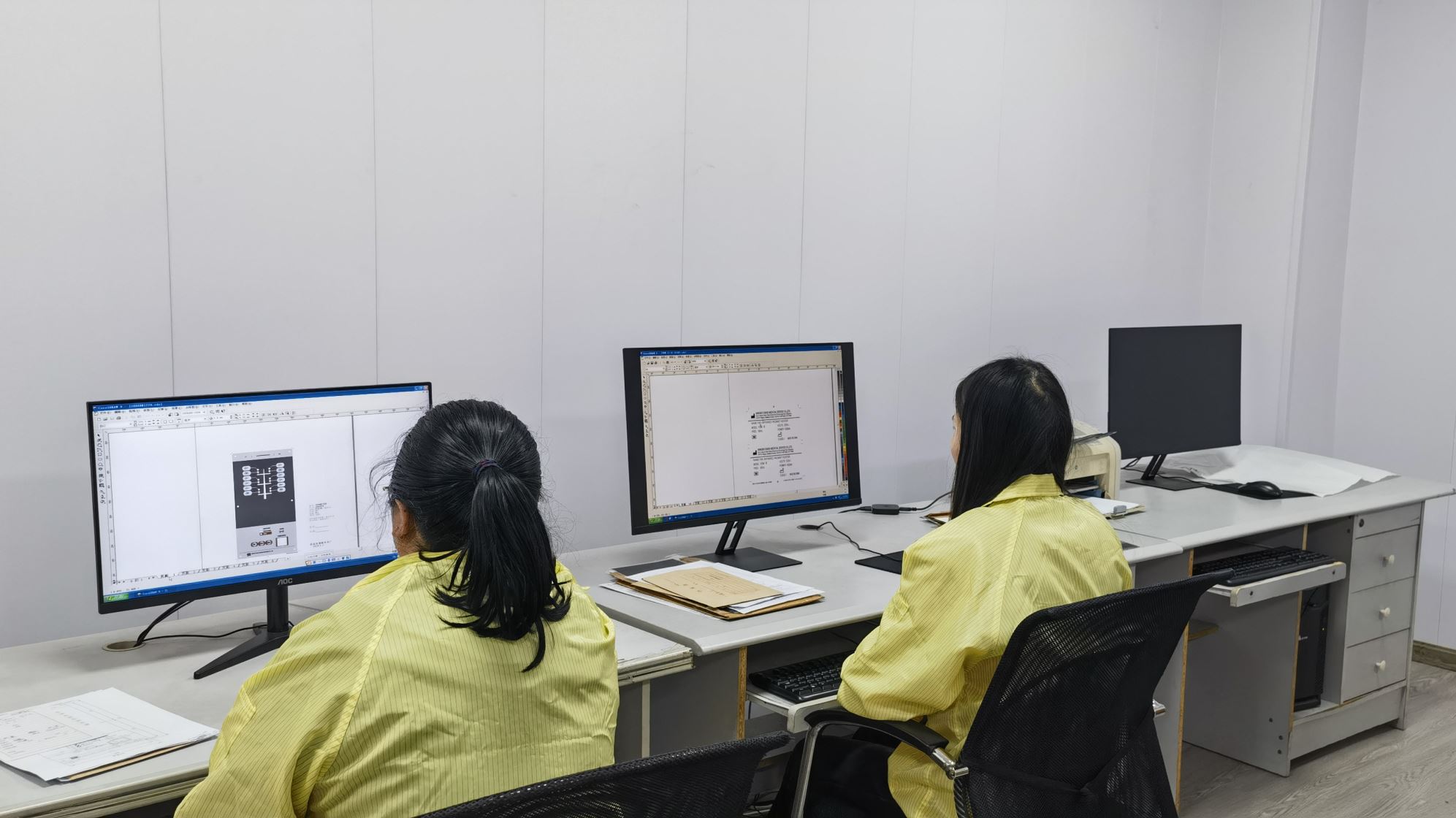
DFM Engineering
Stack-up mechanical modeling and circuit routing tolerance reviews.
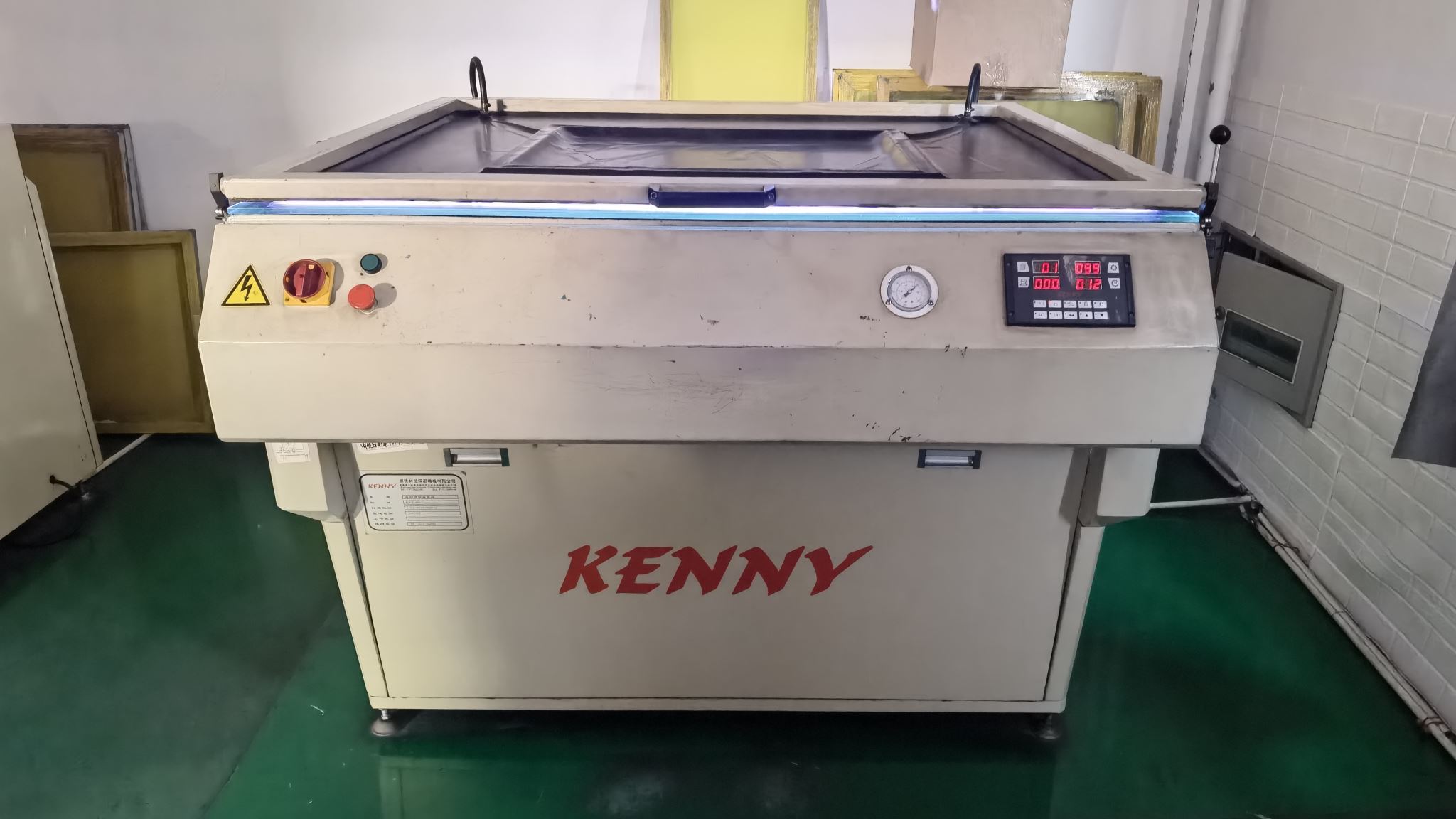
Screen Exposure
High-tension polyester mesh stenciling for high-density graphic registration.
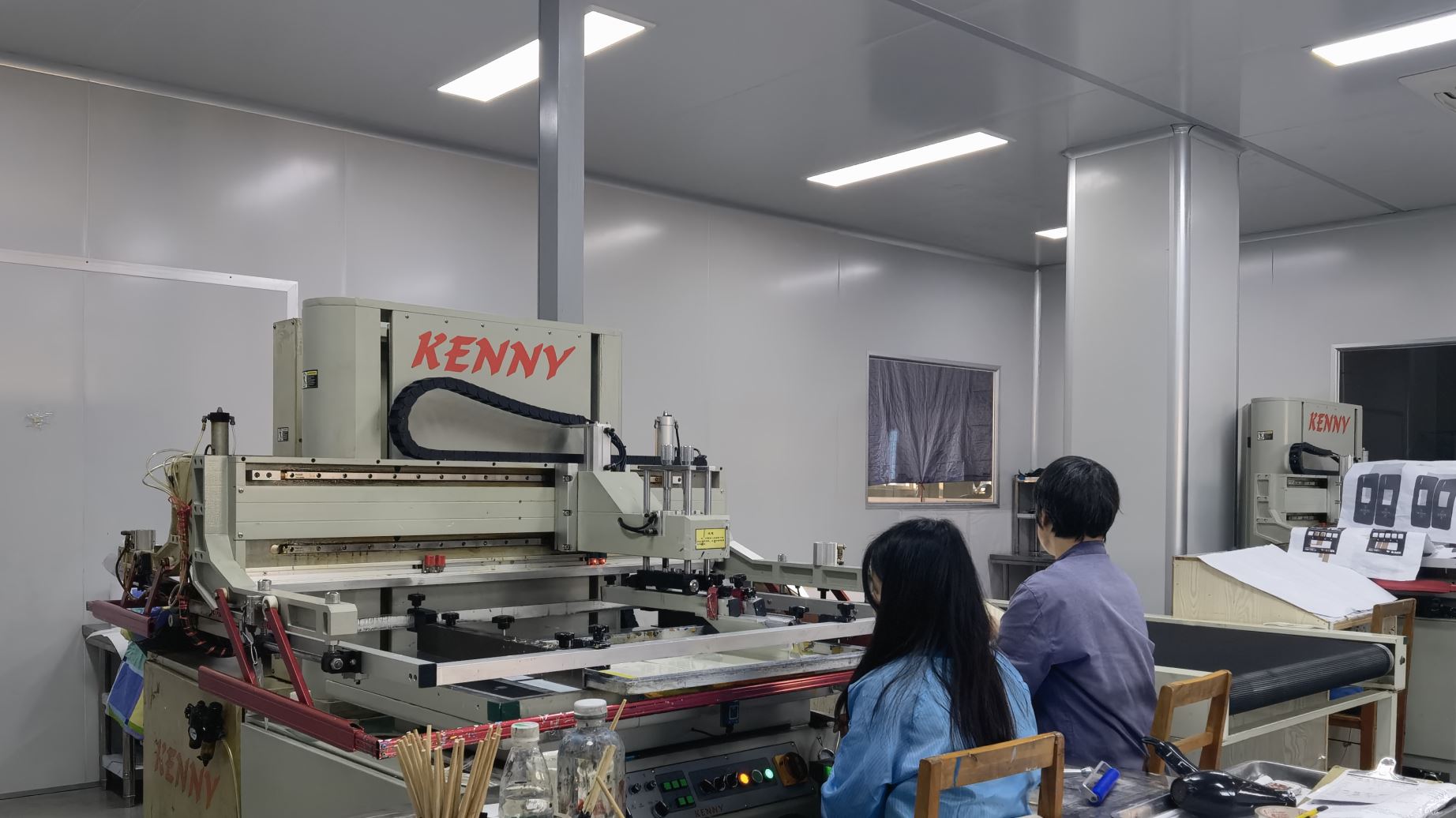
Cleanroom Print
Second-surface sub-surface color printing & conductive silver tracks.
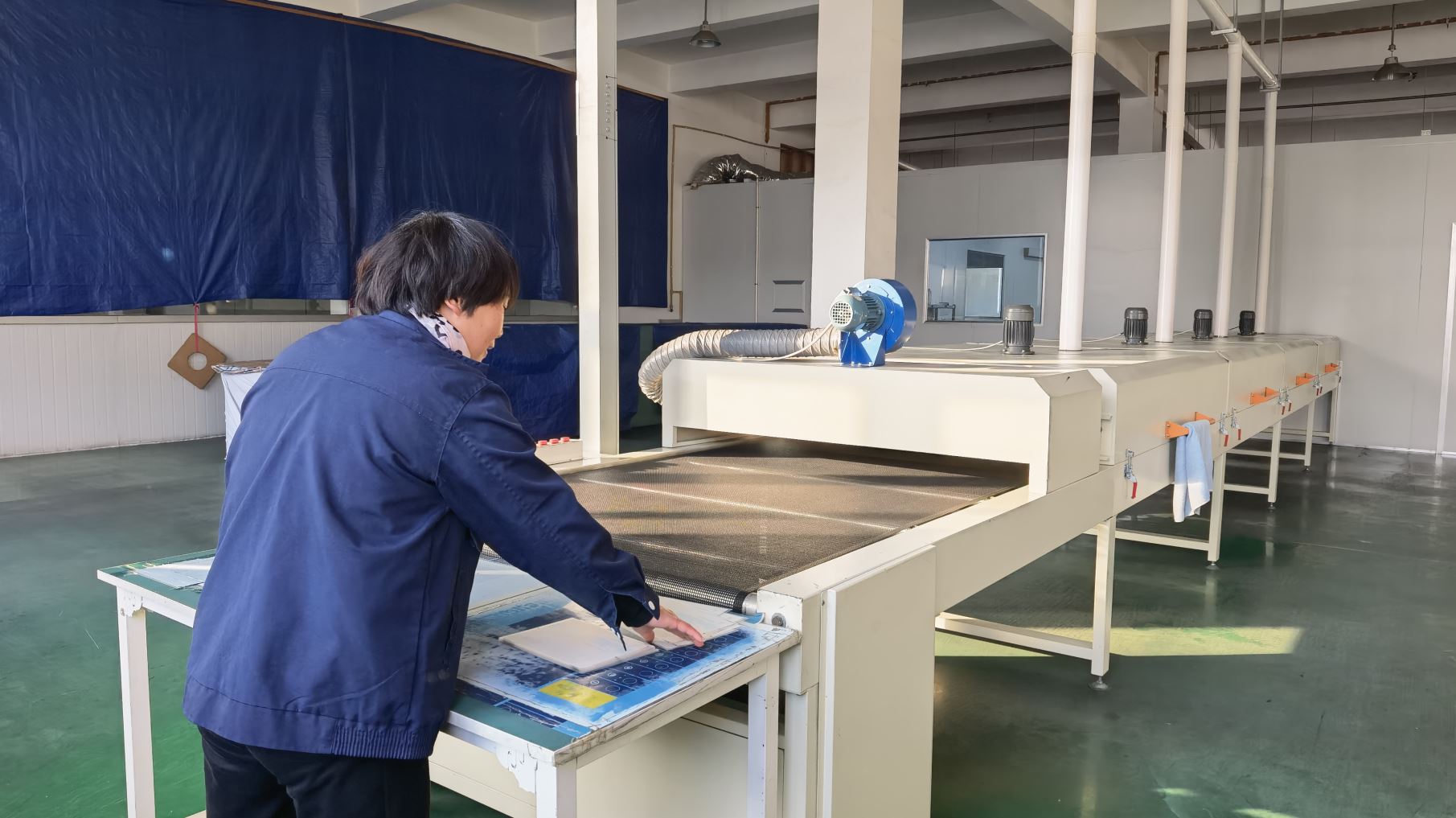
Thermal Curing
Calibrated multi-pass drying tunnels to stabilize ink conductivity.
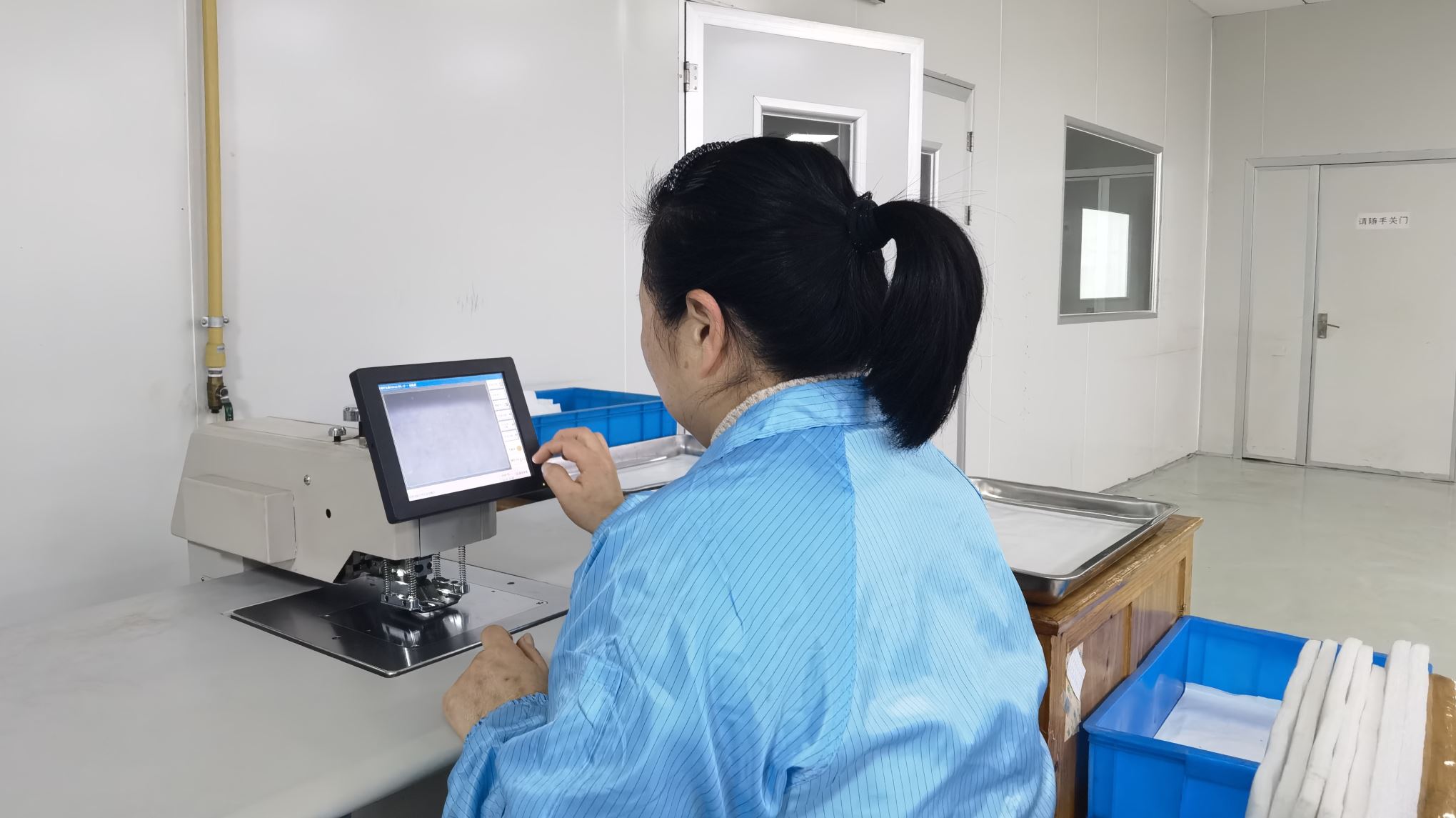
Optical Indexing
CCD camera registration punching for exact multi-layer alignment.
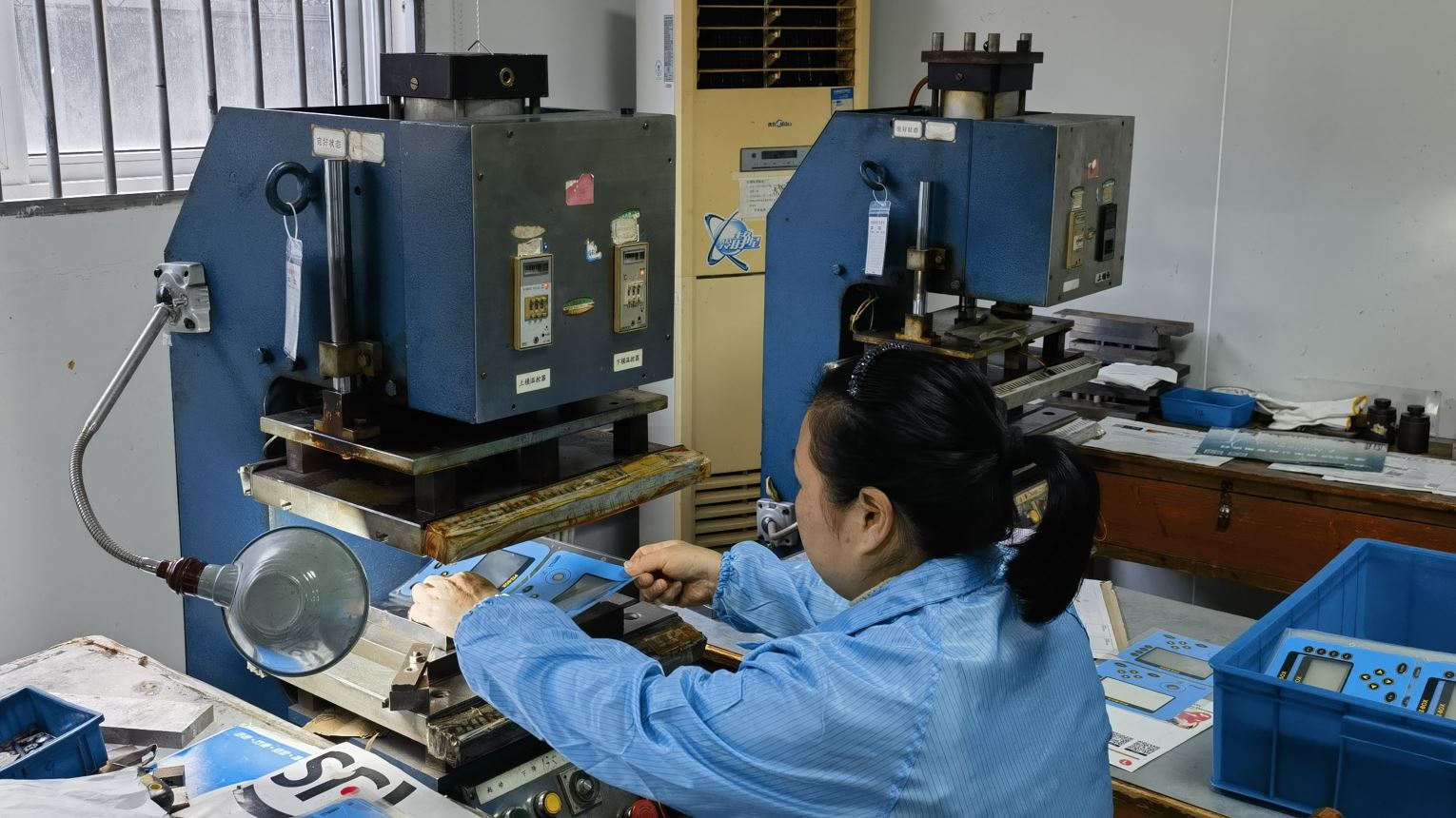
Precision Emboss
CNC male/female tooling forming rim, pillow, or polydome buttons.
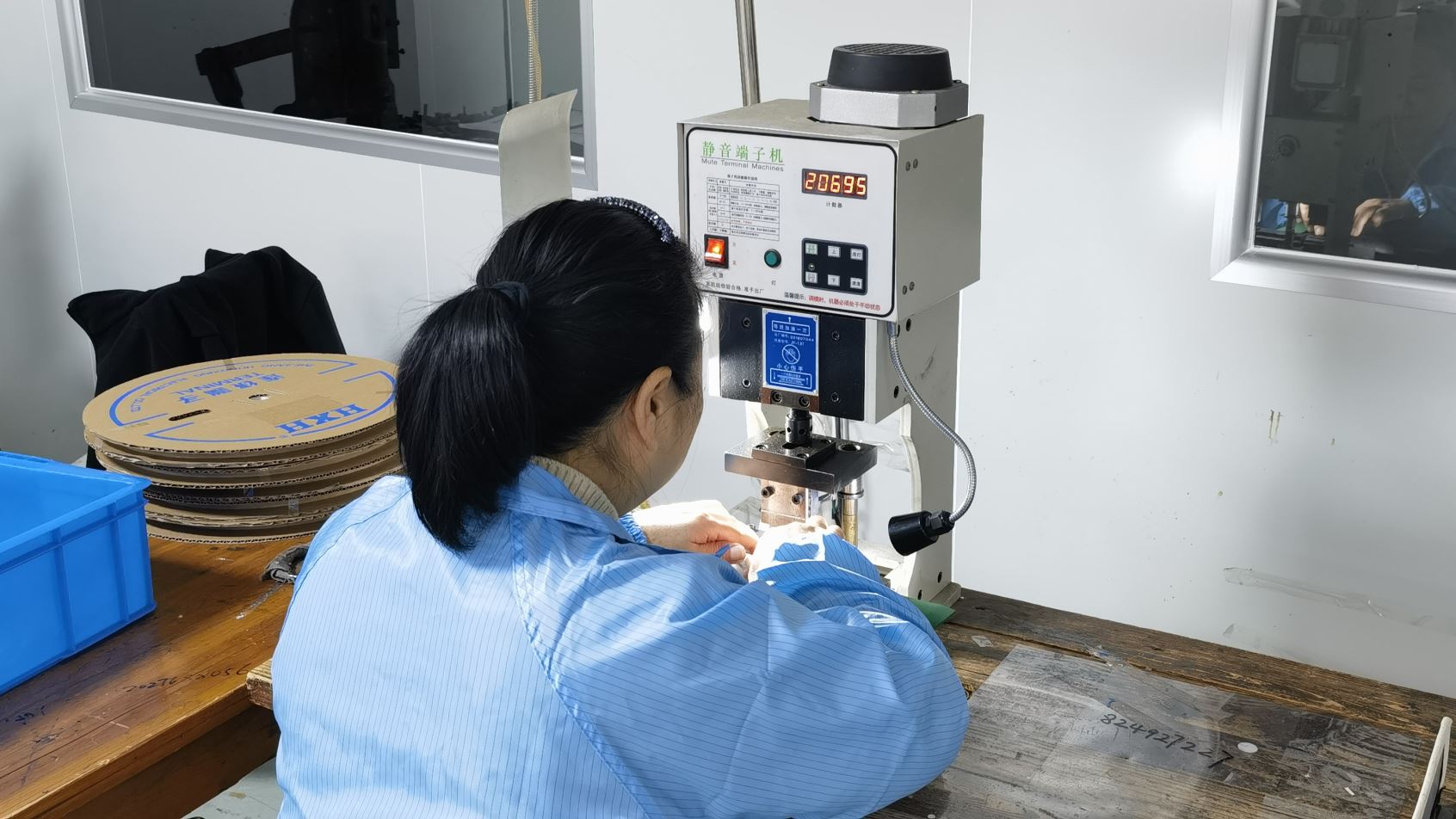
Connector Crimp
Berg/Nicomatic female housing or plain ZIF tail precision termination.
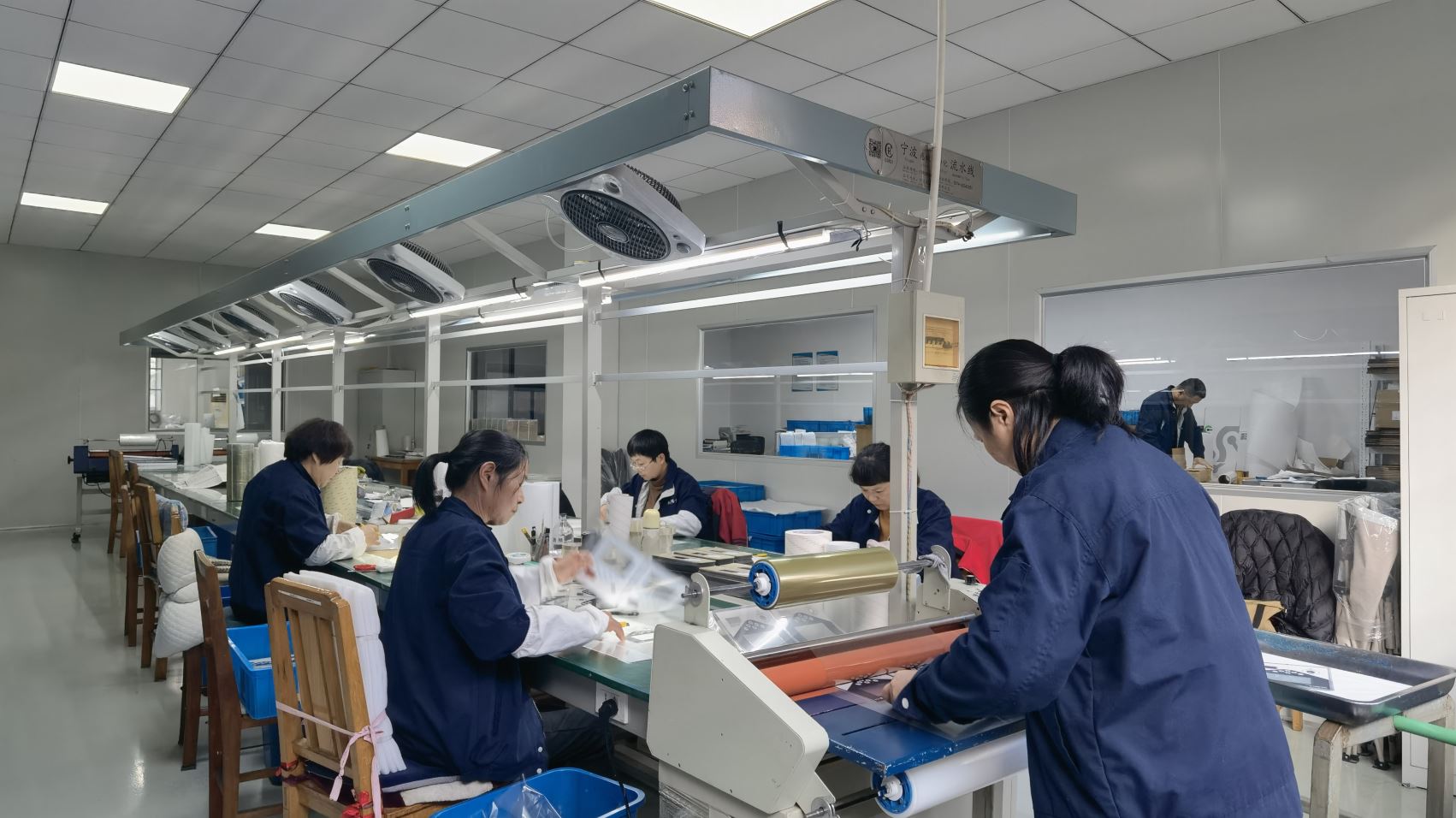
Layer Assembly
Dome placement, spacer lamination, and adhesive liner integration.
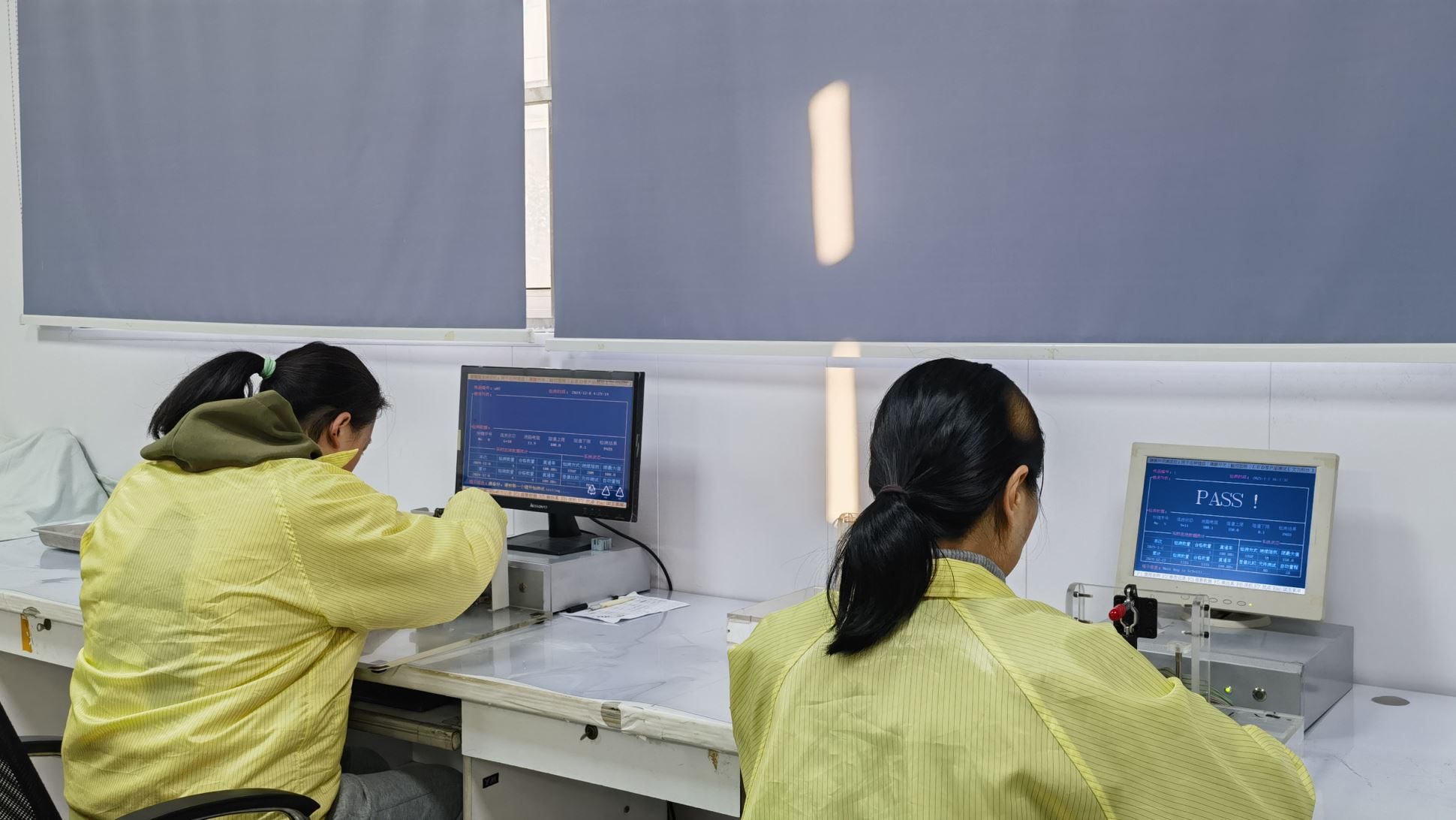
100% Final Test
Automated contact resistance, insulation, and optical verification.
Why Tier-1 Automation Integrators Partner With ZIRA
Providing direct engineering access, rigorous supply-chain traceability, and custom low-to-high volume flexibility since 1996.
Intertek Onsite-Verified Facility
Our 3,000–5,000 m² modern manufacturing plant in Ningbo, Zhejiang is fully verified onsite by Intertek. We operate 5 continuous cleanroom production lines exporting up to 50% of annual output to North America, Western Europe, and Oceania under full ISO9001 quality frameworks.
Tier-1 Engineering Pedigree
With an established history serving global electrification and automation giants such as ABB and Emerson, our engineering team brings advanced Design-for-Manufacturability (DFM) support, light guide simulation, and tactile actuation modeling to every project.
Low-MOQ Prototype to Volume Production
Understanding the unique maintenance and retrofitting needs of Pacific island facilities, we support rapid prototyping from just 1 piece for field validation, with standard production orders starting from 100 units. Flexible delivery terms include FOB, CIF, EXW, CIP, CPT, and direct door-to-door DDP express.
Streamlined Freight & Customs Integration for Fiji Buyers
How engineering firms, sugar mills, and marine workshops in Suva, Lautoka, and Nadi optimize import logistics from Ningbo Port.
Rapid Air Express via Nadi (NAN)
For unscheduled plant maintenance, breakdown repairs, and prototype iteration, urgent shipments are dispatched via air courier (DHL, FedEx, UPS) directly to Nadi International Airport (NAN) with door-to-door transit times typically spanning 4 to 7 business days.
Ocean Freight via Suva & Lautoka
Bulk production orders of graphic overlays, silicone rubber keypads, and front panel assemblies are containerized at Ningbo Port (CNNGB) and shipped directly to the Port of Suva (FJSUV) or Port of Lautoka (FJLKT) with typical ocean transit cycles ranging between 18 and 28 days.
Tariff Compliance & HS Classification
We supply full commercial invoices, packing lists, and Certificates of Origin aligned with the Fiji Revenue and Customs Service (FRCS). Standard HS classifications applied include HS 8537.10 (Electrical control boards) and HS 8538.90 (Parts suitable for switches), facilitating expedited customs clearance.
Frequently Asked Sourcing & Technical Questions in Fiji
Clear, practical answers covering material longevity, reverse engineering legacy machinery, and harsh climate survivability.
How do you prevent overlay adhesive bubbling and edge-lifting under Fiji's 90% humidity?
Can ZIRA reverse-engineer obsolete control overlays for imported European or Japanese machinery?
What is the practical MOQ and tooling charge for small batch runs in the South Pacific?
Why should we specify Autotex PET instead of standard Polycarbonate for outdoor marine panels?
What payment currencies and international commercial trade terms (Incoterms) are accepted?
How does the graphic overlay integrate with existing tactile pushbuttons and LED indicators?
Upgrade Your Industrial Interfaces to True Marine Grade
Send our senior engineering team your CAD drawings (DXF, DWG, STEP), graphic vector files (AI, PDF), or worn machinery sample images. We will return a comprehensive DFM feasibility review, material stack-up proposal, and transparent factory-direct pricing within 24 hours.
