Certified FPC & Tactile Membrane Interface Solutions
Engineered for high trace density, micro-pitch surface mount integration, and extended mechanical endurance across rigorous industrial automation, telematics, and Baltic maritime environments.
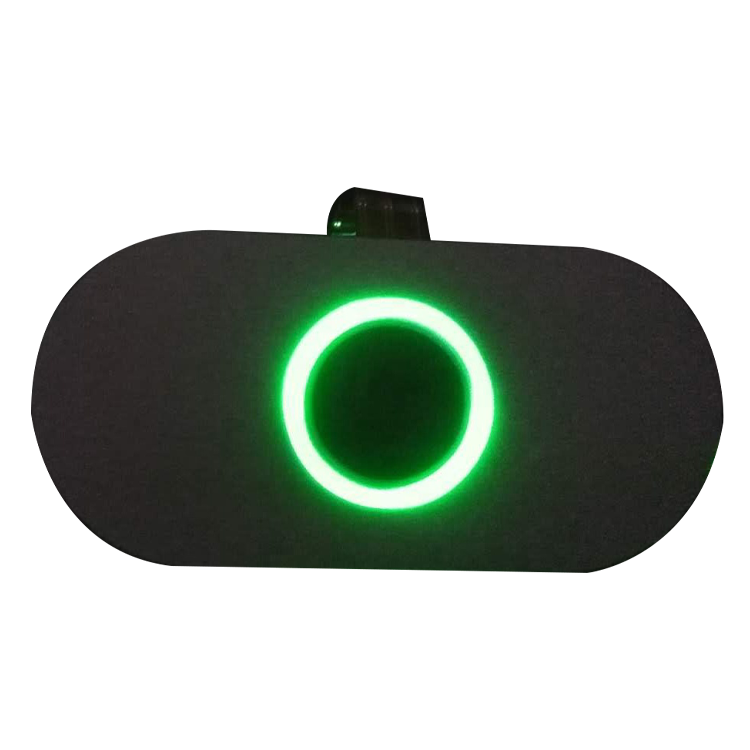
Custom LED Backlit Membrane Switch Keypad, Tactile Metal Dome Push Button for Industrial Panels
- Tactile snap ratio: 45%–65%
- Integrated SMT LEDs on FPC/PET
- Industrial IP65 front perimeter seal
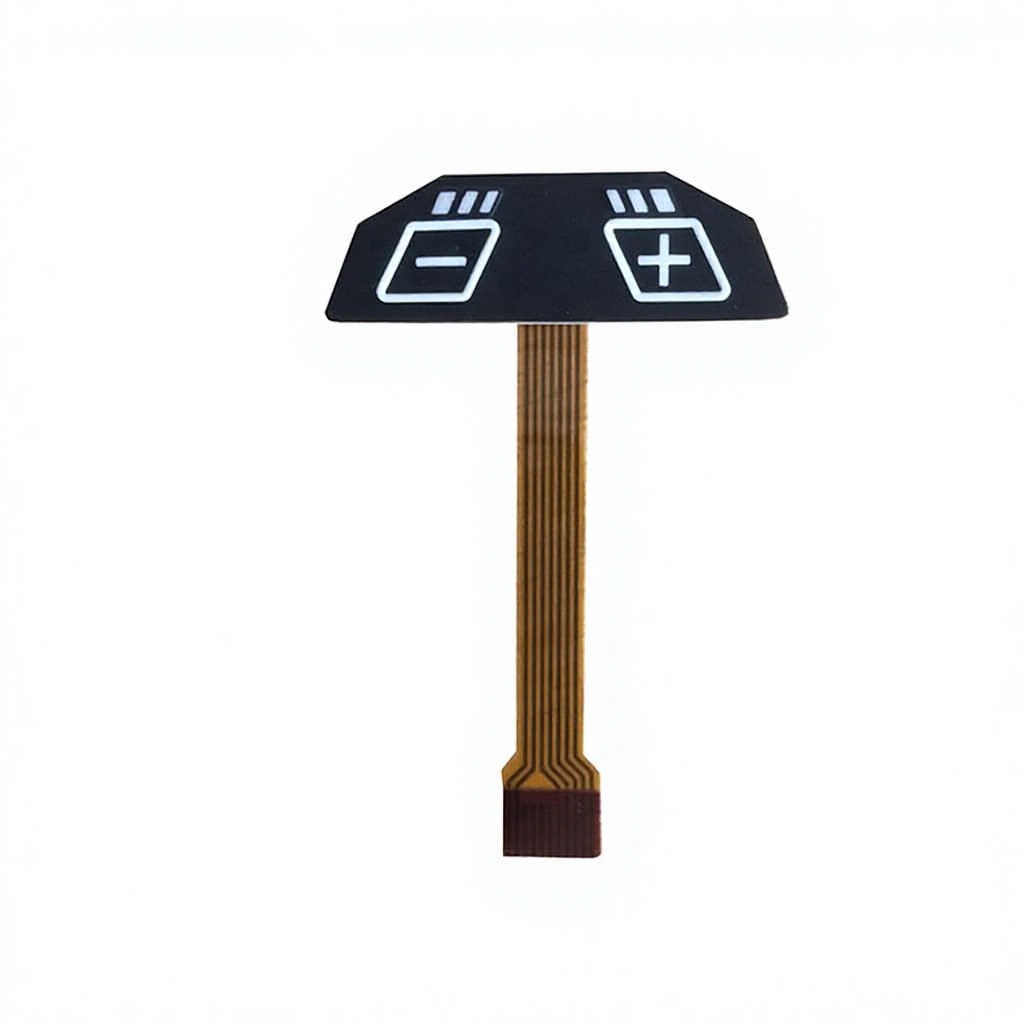
Customized Multi Layer Construction Printed Silver Circuit OEM ODM Wholesale Keypad
- Complex matrix routing architecture
- UV cured dielectric insulation
- Premium 3M adhesive lamination
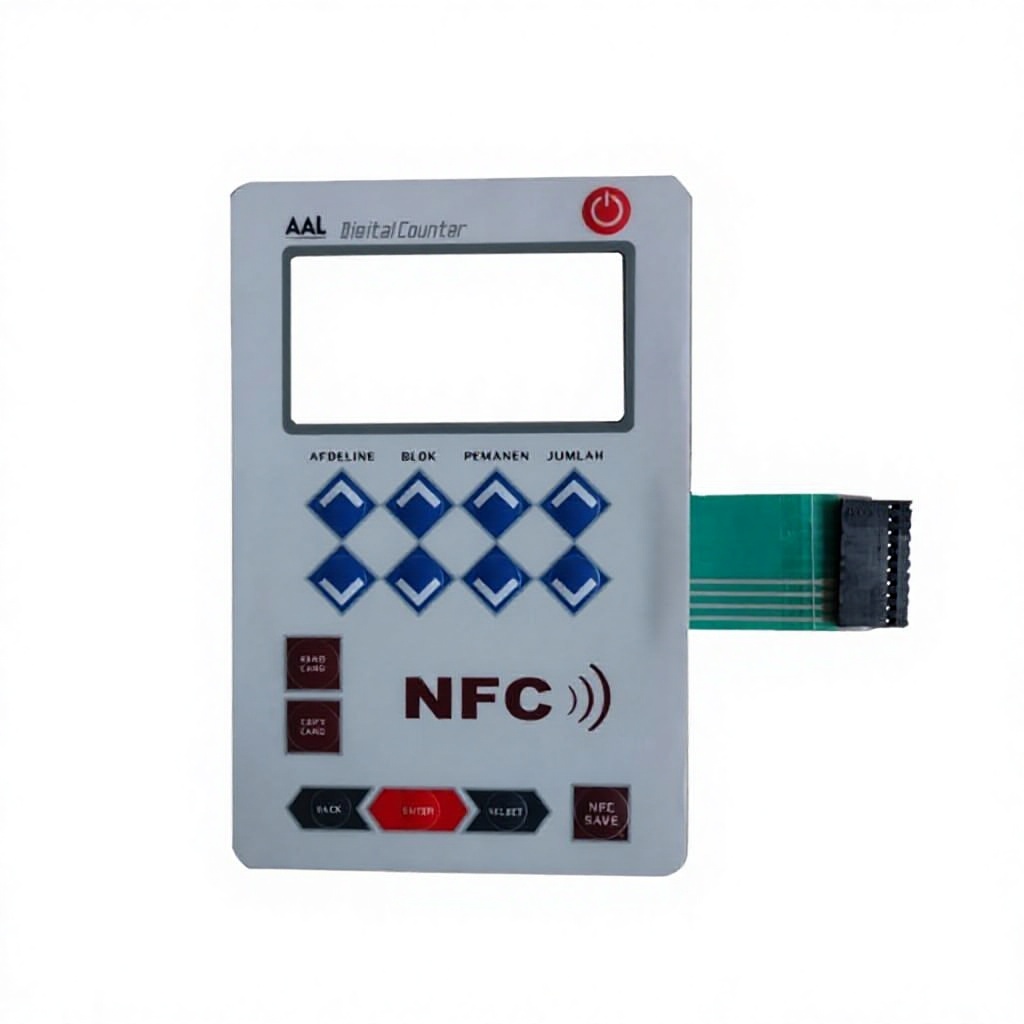
Polyester Dome or Metal Dome Options Rated 1 Million Custom Membrane Switch Keypad
- Stainless steel SUS301 domes
- Crisp audible click response
- Chemical-resistant overlay finish
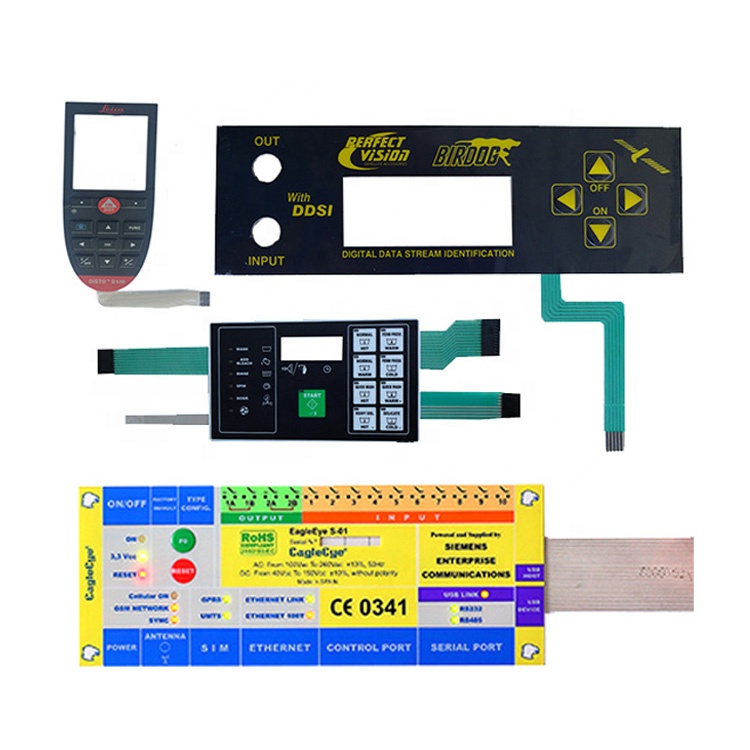
Waterproof Industrial Membrane Panel with Shock Resistance Feature Membrane Switch
- Sealed continuous gasket barrier
- Shock and mechanical drop damping
- Sub-zero Baltic marine certified

RoHS & REACH Compliance Even Illumination Customized Backlit Membrane Keypad Switch
- Light Guide Film (LGF) technology
- Zero light leakage across keys
- Full EU environmental declaration
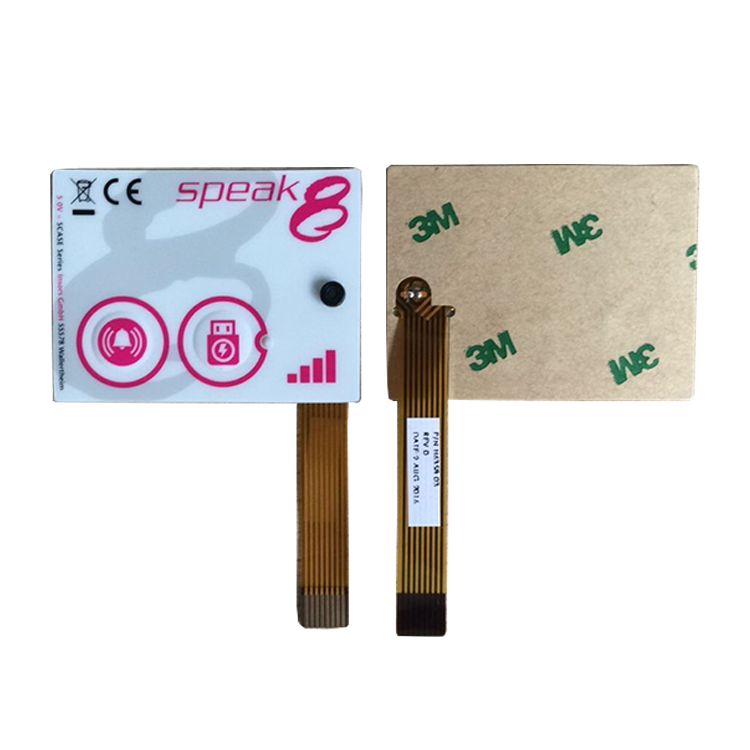
Custom Silk Screen Printing Flexible Thin Film Push Button Switch for Medical Equipment
- Anti-microbial surface coating
- Resistant to hospital disinfectants
- High definition graphic registration
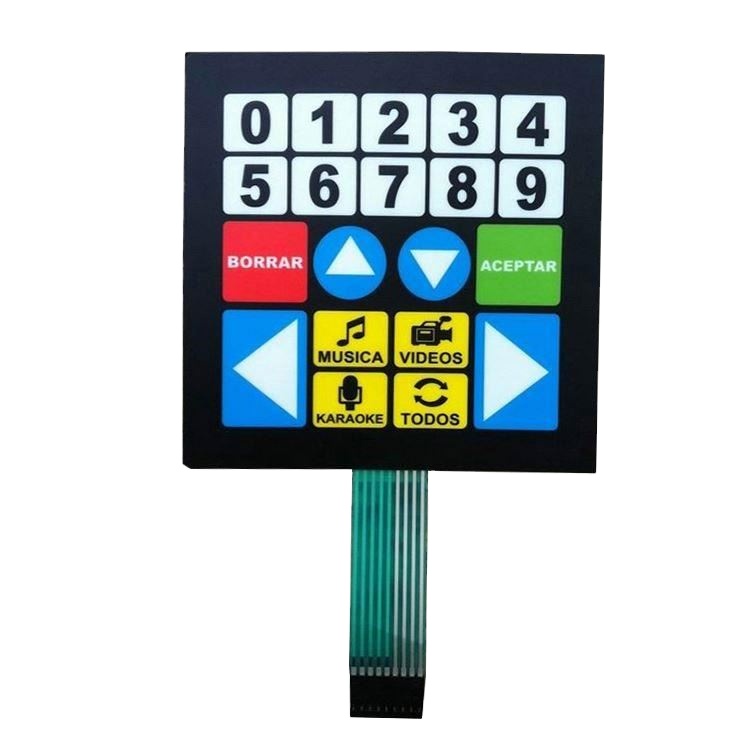
OEM ODM Custom Membrane Keypad, PET PC Graphic Overlay for Industrial Control Panels
- Polycarbonate & PET front sheets
- Selective gloss & textured finish
- Embossed rim & pillow keys
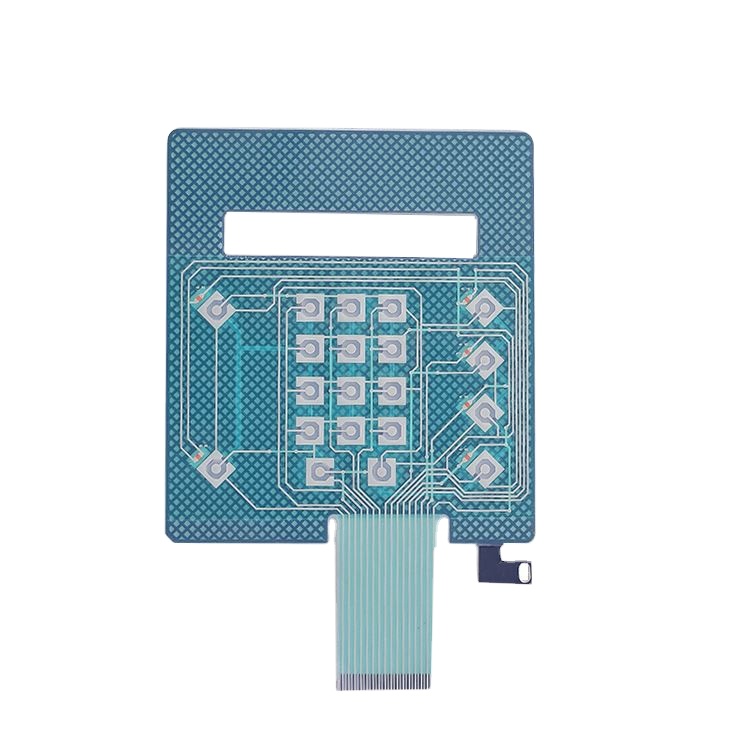
Custom PET Membrane Keypad, ESD Shielding Layer Thin Film Switch for Electronics
- Full grid aluminum/copper ground plane
- ESD protection up to 15kV
- Zero RFI signal interference
Flexible Printed Circuit (FPC) Architecture: The High-Reliability Benchmark for European Engineering
A rigorous examination of electrical stability, mechanical fatigue thresholds, and component miniaturization in modern Human-Machine Interfaces (HMI).
In high-reliability electronics procurement throughout the Baltic Rim and Scandinavia, original equipment manufacturers (OEMs) are systematically migrating away from traditional screen-printed silver-ink polyester (PET) circuits toward Flexible Printed Circuit (FPC) architectures. While conventional silver flex circuits offer cost-effective utility for consumer-tier devices, their inherent susceptibility to silver electromigration under moisture exposure and elevated contact loop resistance makes them brittle in mission-critical environments. By leveraging Polyimide (PI) base films laminated with Rolled Annealed (RA) or Electro-Deposited (ED) copper foil, FPC keypads deliver uncompromised signal integrity, micro-pitch component integration, and true solder joint reliability.
For systems engineers designing industrial control systems in Riga, Ventspils, and Jelgava, electrical stability across extreme thermal dynamics is paramount. Unlike silver conductive paste whose resistance drifts significantly under mechanical deflection or thermal cycling, chemically etched copper traces maintain stable loop resistance below 1.0 Ohm. This physical characteristic is crucial when incorporating embedded surface-mount devices (SMD)—such as bi-color indicator LEDs, phototransistors, and Zener diodes—directly into the flexible keypad membrane, eliminating cold-solder joint fractures that plague silver-paste conductive adhesive assemblies.
| Performance Parameter | Polyimide Copper FPC Keypad | Printed Silver Flex (PET) | Rigid FR4 PCB Keypad |
|---|---|---|---|
| Base Substrate Material | Polyimide (PI) Film (12.5μm – 50μm) | Polyester (PET) Film (75μm – 125μm) | Glass-Reinforced Epoxy (0.4mm – 1.6mm) |
| Conductor Metallurgy | Rolled Annealed (RA) / ED Copper Foil | Screen-Printed Conductive Silver Paste | Electro-Deposited Copper Foil (1/2 oz – 2 oz) |
| Trace Loop Resistance | < 1.0 Ω (Ultra-Low Impedance) | 10 Ω – 150 Ω (Length Dependent) | < 0.5 Ω (Negligible) |
| Minimum Conductor Pitch | 0.15mm (Ideal for 0.5mm ZIF) | 0.50mm – 1.0mm (Silver Bridging Risk) | 0.10mm (Micro-via routing) |
| Component Soldering | Direct Reflow / Hot-Bar Soldering | Conductive Epoxy Only (Fragile Bond) | Standard SMT Reflow / Wave Soldering |
| Dynamic Flex Fatigue Life | > 5,000,000 Cycles (Bending Radius 5mm) | < 50,000 Cycles (Traces Crease & Crack) | Zero (Rigid / Non-Flexible) |
| Continuous Thermal Range | -40°C to +125°C (No Delamination) | -20°C to +65°C (Sub-zero embrittlement) | -40°C to +130°C |
| Moisture / Migration Resistance | Immune to Dendrite Growth (Gold/Tin Plated) | Prone to Silver Migration in High Humidity | Immune (Solder Mask & Plating) |
From an interconnect perspective, modern instrumentation in telematics and avionics demands higher pin density in increasingly restricted enclosure geometries. While printed silver tails typically mandate 2.54mm pitch crimp connectors (such as Amphenol Clincher or Nicomatic housings), copper-etched FPC flex tails seamlessly interface with zero-insertion-force (ZIF) connectors at 0.5mm or 1.0mm pitch. This represents a dramatic 70% reduction in connector footprint on the main motherboard, unlocking radical miniaturization for hand-held field devices and ruggedized industrial touchpads.
Localized Deployment Scenarios Across Riga & the Baltic Tech Cluster
Engineered to satisfy specific operational demands across Latvia's advanced electronics manufacturing, logistics infrastructure, and harsh Baltic field conditions.
Baltic Maritime & Port Logistics
The Freeport of Riga and Baltic shipping corridors operate under constant salt-spray mist, coastal humidity, and freeze-thaw cycles. Our FPC keypads incorporate IP67-rated silicone perimeter dams, hydrophobic venting membranes, and chemical-resistant Autotex XE PET overlays that repel saline corrosion and petrochemical cleaning agents on deckside crane controls.
Wireless Gateways & Telematics
Riga serves as a vibrant innovation hub for IoT tracking, smart fleet telematics, and high-frequency wireless infrastructure. FPC membrane switches deliver ultra-thin (<0.8mm) switch assemblies with integrated ESD shielding grids (attenuating electrostatic shocks up to 15kV), ensuring zero EMI interference with cellular, GNSS, and sub-GHz antennas.
Forestry & Heavy Agricultural Machines
Timber harvesting across Latvia and Estonia exposes cabin consoles to severe mechanical vibration, rough glove-actuated shock, and ambient winter temperatures dropping past -30°C. We deploy heavy-gauge stainless steel snap domes (actuation forces of 350g to 500g) mounted on non-cracking polyimide circuits for tactile certainty under heavy gloves.
Medical Diagnostic & Lab Systems
Supporting biomedical equipment manufacturing in the Baltic region, our FPC keypads provide smooth continuous front foils treated with Microban® antimicrobial additives. Completely sealed from liquid ingress, these keypads endure daily wipe-downs with bleach, isopropyl alcohol, and hospital-grade surfactants without graphic peeling or circuit degradation.
Emerging Technology Trends in the Baltic Electronics Sector
How progressive European hardware startups and industrial OEMs are adapting to regulatory mandates, tactile performance standards, and optical integration.
Sub-Zero Thermal Elasticity
The Nordic and Baltic continental climates subject outdoor electrical panels to severe winter conditions followed by rapid solar heating. Conventional PET switch assemblies suffer from differential thermal expansion, leading to trace shear and spacer delamination. The industry standard has rapidly pivoted to copper-clad polyimide FPC, matching the coefficient of thermal expansion (CTE) of copper and ensuring uninterrupted switch continuity down to -40°C.
Light Guide Film (LGF) Illumination
With prolonged winter darkness across northern Europe, industrial machine operators require uniform, low-glare keypad backlighting. Legacy LED spot backlighting produces noticeable hot spots and requires thick diffuser layers. Modern designs utilize side-firing ultra-compact SMD LEDs mounted to the FPC, injecting light into micro-etched 0.125mm Light Guide Films (LGF) to illuminate every legend, icon, and rim evenly with minimal power consumption.
EU Green Taxonomy & Traceability
Stringent European directives (EU 2015/863 RoHS 3, REACH EC 1907/2006, and WEEE) demand full chemical composition transparency and halogen-free substrate sourcing. FPC keypads eliminate lead-bearing conductive formulations, utilizing immersion gold (ENIG) or pure lead-free tin plating over copper traces, allowing Latvian manufacturers to export finished devices across all 27 EU member states without compliance roadblocks.
Why Tier-1 European Engineering Teams Choose ZIRA
Three decades of specialized manufacturing excellence, vertical cleanroom integration, and unbending quality assurance verified by international auditing agencies.
29+ Years Dedicated HMI Focus
Founded in 1996 in Ningbo, Zhejiang, ZIRA operates over 5,000 m² of dedicated manufacturing space housing 5 automated production lines. Our technical longevity translates to deep mastery of material compatibility, adhesive surface energy dynamics, and precision lamination, yielding stable annual exports valued between $10M and $50M globally.
Intertek Onsite Audit Verified
Our quality management infrastructure is independently audited and verified onsite by Intertek. We uphold complete ISO-compliant material traceability, strictly sourcing genuine brand-name components—including 3M adhesives (467MP, 468MP, 300LSE for low surface energy plastics), MacDermid Autotype PET films, and Nicomatic/FCI terminals.
Audited Supplier to ABB & Emerson
Global automation giants trust ZIRA for their mission-critical user interfaces. Every production batch undergoes 100% automated electrical continuity testing, contact bounce analysis, actuation force curve verification, and dielectric breakdown testing. From single-piece rapid NPI prototypes to 500,000-unit mass production runs, precision is guaranteed.
Procurement & Engineering FAQ for Riga Buyers
Clear, definitive answers to the most common technical, logistics, and quality assurance questions raised by Baltic engineering teams.
▸ What is the typical transit lead time for prototypes delivered to Riga?
Once engineering DFM review and Gerber verification are complete, prototype fabrication takes 5 to 8 working days. Express air shipping via DHL Express, FedEx, or UPS delivers directly to your facility in Riga or Riga International Airport (RIX) within 3 to 5 business days, complete with automated tracking.
▸ How do your FPC keypads withstand sub-zero Latvian winter conditions?
Unlike standard polyester switch circuitry that turns brittle and cracks below -10°C, our FPC circuits use ductile polyimide with high elongation properties and Rolled Annealed (RA) copper foil rated from -40°C to +125°C. Combined with low-temperature 3M 9472LE adhesive, the keypad maintains bond integrity with zero delamination.
▸ What files do you require to initiate a custom DFM review and quotation?
Please provide: 1) Graphic artwork in vector format (Adobe Illustrator .AI, CorelDraw, or vector PDF) with specified Pantone or RAL color codes; 2) Circuit layout in Gerber (RS-274X), DXF, or DWG format; 3) Mechanical 2D/3D drawing indicating dimensions, tail length, and connector pitch; and 4) An engineering schematic or pinout table.
▸ Can we solder active SMT components and micro-LEDs directly onto the keypad circuit?
Yes. Because the flexible base is copper-clad polyimide rather than low-melting-point polyester, we can reflow solder or hot-bar solder genuine 0603 and 0805 SMD LEDs, resistors, diodes, and sensors directly onto the FPC, encapsulated with UV epoxy fillets to ensure mechanical shock immunity.
▸ What Incoterms and customs clearance arrangements are supported for Latvia?
We routinely supply European industrial customers under FOB Ningbo/Shanghai, CIF Riga, CIP, or DDP (Delivered Duty Paid) terms. Under DDP, we handle all export clearance, international air freight, Latvian customs import documentation, and tariff payments, delivering straight to your door without administrative burden.
▸ How do you ensure ESD protection against dry, heated Baltic indoor environments?
Winter indoor heating in northern Europe generates high static charges. We integrate a dedicated ESD shielding layer into the keypad stackup—utilizing a solid etched copper grid or continuous aluminum foil tied directly to chassis ground via the connector tail—protecting internal microprocessors up to 15kV electrostatic discharge.
▸ What tactile snap dome options provide the best feedback for gloved operators?
For forestry, agricultural, and industrial equipment where operators wear work gloves, we recommend four-leg stainless steel (SUS301) nickel-plated metal domes with an actuation force between 350g and 500g and a snap ratio of 50%–60%. This guarantees a crisp, unequivocal tactile snap that operators feel easily through thick gloves.
▸ What is the Minimum Order Quantity (MOQ) for custom prototypes and production runs?
To support New Product Introduction (NPI) and agile engineering validation, our prototype MOQ starts as low as 1 to 5 pieces. Standard pilot production runs typically start at 100 pieces, while mass production batches can scale seamlessly to hundreds of thousands of units with volume-discounted tooling amortizations.
▸ Are your flexible circuits compliant with EU environmental and chemical mandates?
All materials—including raw polyimide films, copper foils, overlay polyesters, adhesives, printing inks, and surface platings—fully comply with EU RoHS Directive 2015/863 and REACH Regulation (EC) No 1907/2006. Full third-party test reports (SGS/Intertek) and declarations of conformity are provided with production samples.
▸ What connector pitch and termination methods are available on your FPC tails?
We offer standard 1.0mm and 0.5mm pitch ZIF (Zero Insertion Force) contact fingers with integrated polyimide stiffeners (0.2mm to 0.3mm thickness) for direct insertion into board-mounted ZIF sockets. Additionally, we support male/female crimped pins on 2.54mm pitch housed in latching or friction lock housings (e.g., Nicomatic, FCI Clincher).
