High-Reliability Automotive & Marine-Transit Control Interfaces
Engineered for mission-critical automotive dashboards, inter-island ferry transport consoles, and harsh-duty off-highway utility vehicles operating throughout the Pacific maritime corridor.
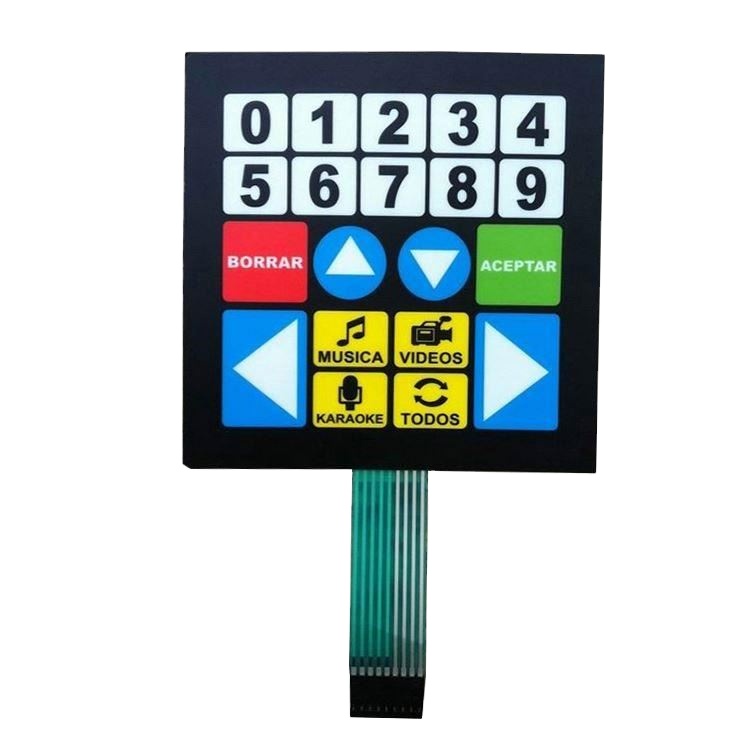
OEM ODM Custom Membrane Switch Keypad, PET PC Graphic Overlay Tactile Push Button Membrane Switch for Industrial Control Panel
Hard-coated Autotype PET overlay with tactile stainless steel snap domes. Hermetically sealed against tropical humidity and corrosive sea-fog condensation.
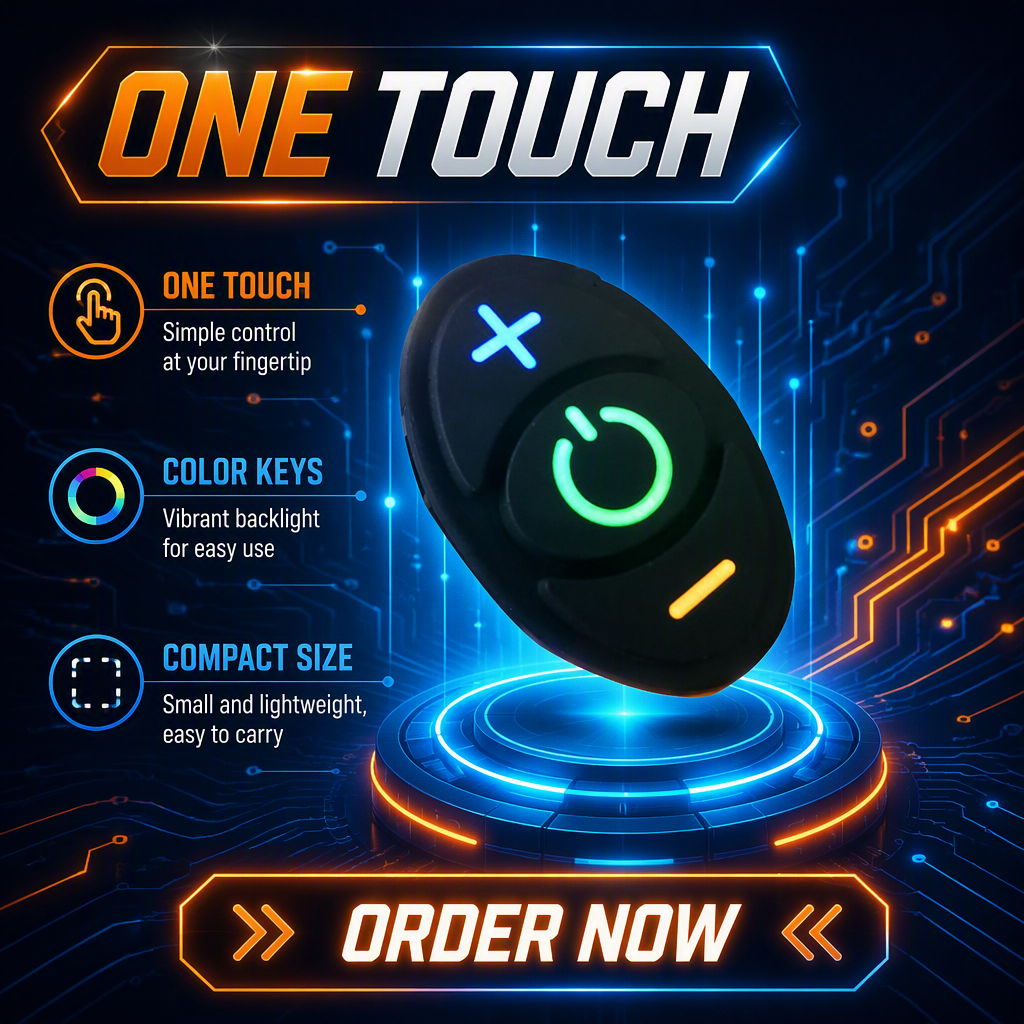
Multi Zone Backlight Design Independent Circuit Routing Uniform Illumination Custom Backlit Silicone Rubber Membrane Switch
Automotive cabin night-navigation switch with independent channel routing, light guide film (LGF) optics, and laser-etched wear-resistant silicone graphics.
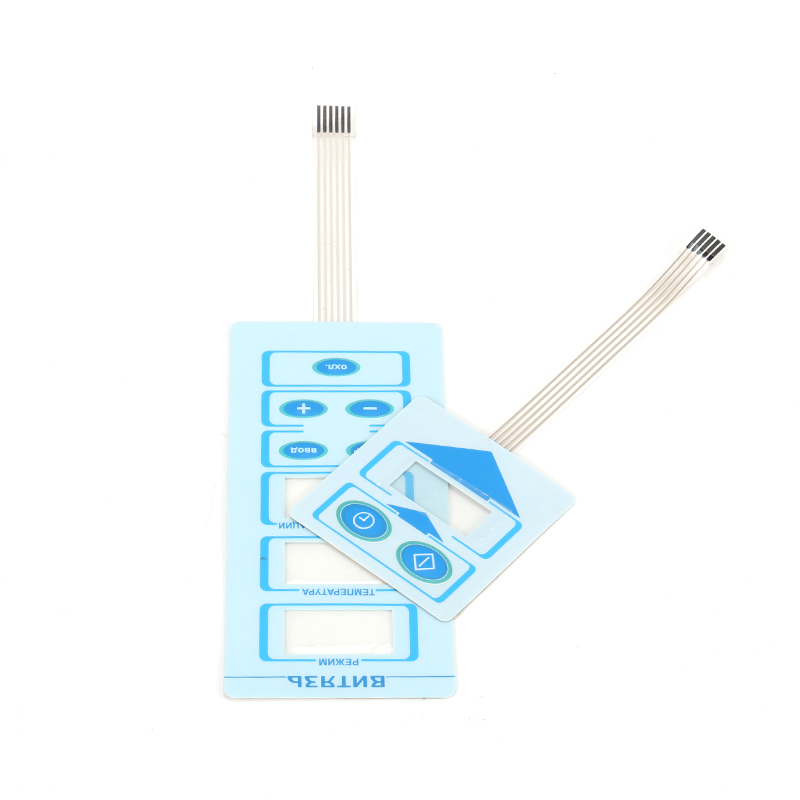
OEM ODM Custom Membrane Switch Keypad Waterproof Metal Dome Tactile Switch with 3M Adhesive for Industrial Control Equipment
Continuous perimeter gasket seal utilizing 3M 300LSE adhesive. Tested to resist pressurized washdowns, grease, and tropical torrential rainstorms.
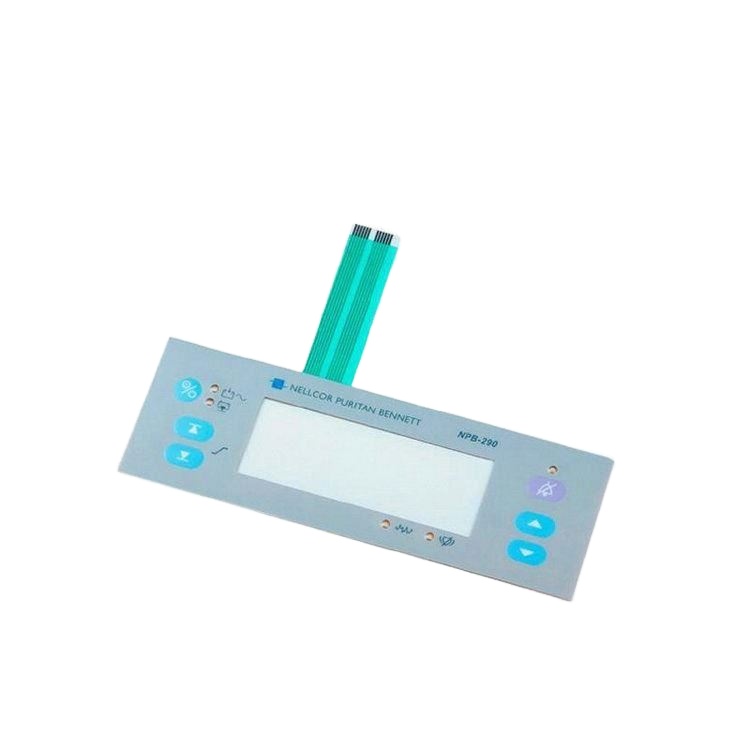
China Manufacturer Custom Membrane Push Button Switch, Flexible Membrane Keypad Switch OEM ODM Sample Available
Ultra-thin, space-efficient flexible printed layout suitable for steering consoles, compact telematics nodes, and retrofit vehicle instrument panels.
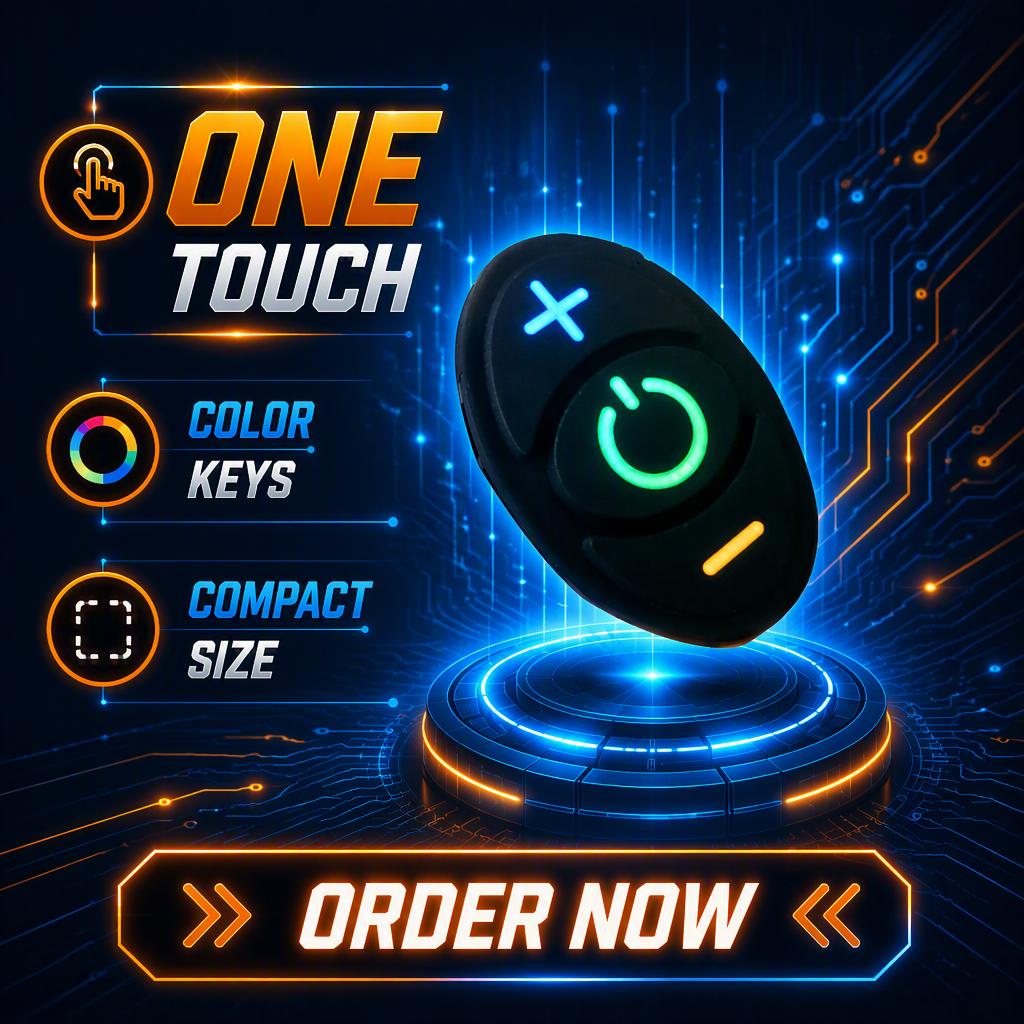
Custom LED EL Backlit Membrane Switch Keypad OEM ODM, PC Graphic Overlay RoHS, Uniform Light Guide LGF FPC Control Keypad
Surface-mounted ultra-bright micro LEDs paired with light guide films. Designed to maintain daylight readability and night-shift glare control for heavy haulers.
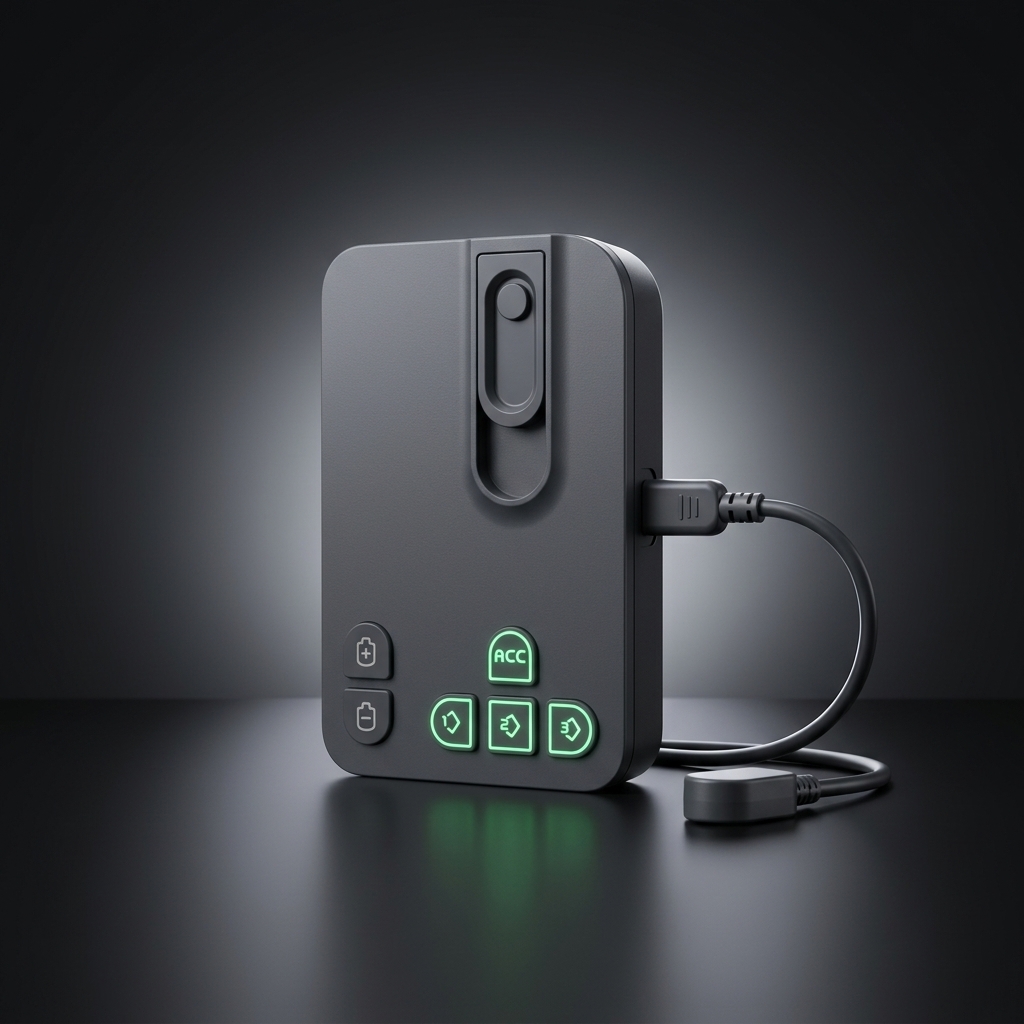
Custom Backlight Silicone Membrane Keyboard Switch EL LED OEM ODM Wholesale Uniform Light Guide All Materials RoHS
Ergonomic compression-molded silicone rubber keys with tactile stroke travel. Ideal for operators operating heavy dock machinery wearing protective work gloves.
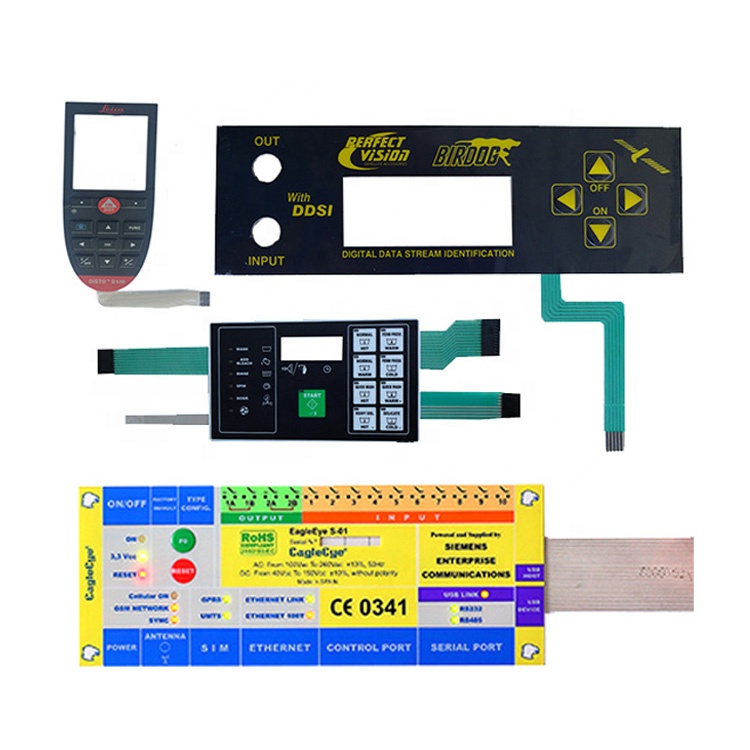
Waterproof Industrial Membrane Panel with Shock Resistance Feature Membrane Switch
Reinforced solid acrylic/aluminum sub-panel backing engineered to sustain continuous engine bay harmonics, off-road gravel impact, and heavy chassis vibration.
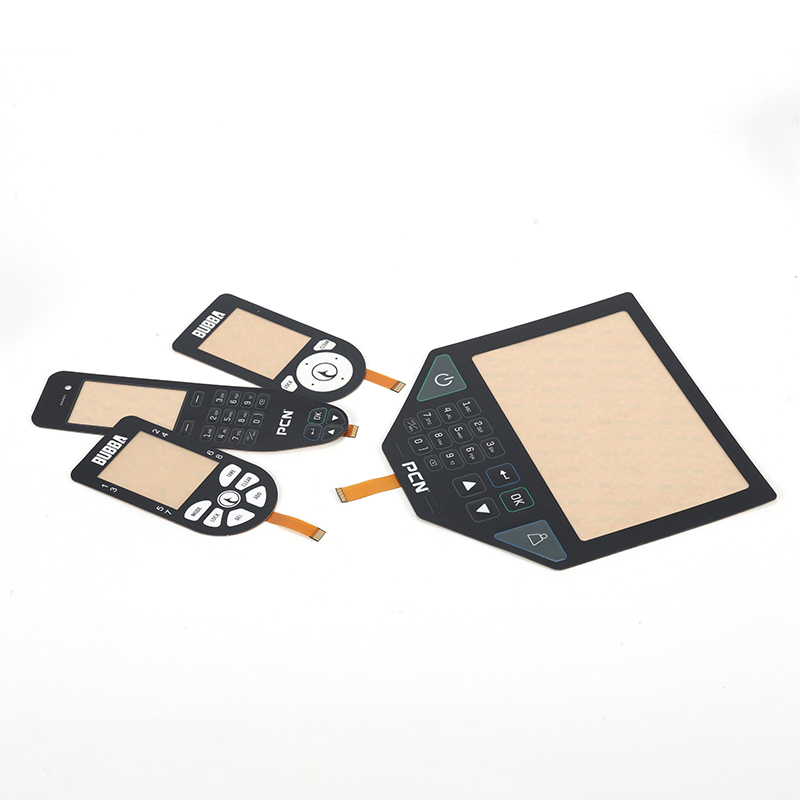
High Quality Customized Membrane Push Button Switch, FPC Circuit Membrane Keypad Switch With Shielding Layer
Equipped with integrated aluminum/copper grounding grids to prevent false triggers caused by high-output vehicle alternators, VHF radios, and GPS radar systems.
Mitigating Environmental Failure Vectors in Polynesian Maritime Logistics
Mulifanua occupies a strategically crucial maritime position on the western tip of Upolu, serving as the central roll-on/roll-off (Ro-Ro) ferry terminal bridging Upolu and Salelologa on Savai'i across the Apolima Strait. The vehicular fleet navigating this critical corridor—encompassing heavy inter-island freight trucks, public transit buses, refrigerated food transporters, and marine harbor equipment—operates under some of the most aggressive environmental degradation matrices on earth.
Standard automotive commercial control switches fail prematurely in this environment. The confluence of sustained 85% to 95% relative humidity, airborne sodium chloride (marine salt fog), high tropical ambient temperatures, and intense equatorial UV radiation creates aggressive galvanic corrosion, silver migration (dendritic short-circuiting), and adhesive delamination in ordinary push buttons.
At Zhejiang ZIRA Membrane Switch Co., Ltd., our engineering protocol tackles these failure points at the molecular and mechanical design levels. By implementing medical/automotive-grade biaxially oriented polyethylene terephthalate (Autotype PET) substrates, complete perimeter hermetic seals rated to IP67/IP68 standards, and carbon-over-silver dielectric potting, we eliminate atmospheric exposure entirely. Our automotive control panels provide uninterrupted electrical switching integrity across more than 1,000,000 operational cycles, even when mounted in open-cab transport haulers and exposed wharfside terminal machinery.
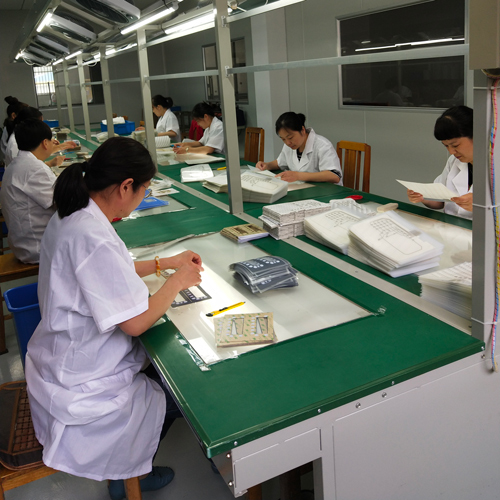
Customized Applications Across Mulifanua's Automotive Infrastructure
From dockside ramp tractors to commercial inter-island haulage and municipal transport, our control panel architectures are customized for the unique operational duties of Samoa's transport network.
Ferry Ramp Tractors & Port Freight Handlers
At the Mulifanua Ferry Terminal, ramp tractors and heavy forklifts continuously maneuver cargo trailers aboard the MV Lady Samoa III and MV FSC Samoa. These vehicles operate mere meters from ocean waves, suffering heavy salt-spray mist and frequent washdowns.
- Sealing: Full IP67 perimeter silicone potting with 3M 300LSE adhesive
- Tactility: 20mm large-diameter stainless steel domes for gloved operation
- Chemical Resistance: Impervious to diesel spills, hydraulic oils, and seawater
Inter-Island Commercial Logistics Fleets
Heavy flatbeds and reefer trucks traversing the Main West Coast Road between Apia and Mulifanua demand reliable dashboard human-machine interfaces that withstand continuous diesel engine vibration and high cabin humidity during rainy seasons.
- Circuit Core: Polyimide Flexible Printed Circuits (FPC) with gold-plated pins
- Shielding: Copper mesh ground layer mitigating heavy vehicle alternator EMI
- Thermal Range: Stable continuous duty from -30°C to +85°C
Samoan Passenger Buses & Commercial Vans
Samoa's iconic wooden-bodied and modernized passenger transit vehicles operate dense daily schedules under tropical heat. High-frequency passenger door controls, ventilation panels, and auxiliary lighting consoles require high actuation lifespans.
- Illumination: Uniform Light Guide Film (LGF) backlit icons for night safety
- Overlay Durability: Scratch-resistant textured matte PET preventing glare
- Cycle Life: Rated for >1,000,000 switch operations per individual key
Emerging Automotive Technology & HMI Trends in the Region
Analyzing key structural shifts shaping the automotive, fleet modernization, and marine transport sector in Mulifanua and the wider Independent State of Samoa through 2030.
Electrification of Coastal Fleet Assets
With national renewable energy targets expanding across Samoa, electric light commercial vans and battery-assisted port equipment are replacing legacy carbureted vehicles, demanding low-voltage, energy-efficient CAN-bus compatible interface panels.
Migration to Sealed Capacitive HMI
Mechanical toggle switches with physical air gaps are rapidly obsolescing. Fleet managers are upgrading to seamless capacitive touch panels with zero crevices, preventing salt encrustation and water pooling entirely.
Anti-Microbial & UV Hardened Substrates
Public passenger vehicles in humid maritime climates face microbial mold growth and rapid plastic yellowing. Modern procurement mandates high-grade fluoropolymer and anti-microbial coatings resistant to heavy cleaning solvents.
Smart Fleet Telematics Integration
Control switches are no longer isolated circuits. Panels increasingly incorporate embedded FPC tails designed to plug directly into IoT fleet tracking, engine diagnostic loggers, and satellite transponders used across inter-island voyages.
Automotive Control Substrate Selection Guide
Review the comprehensive comparative technical benchmarks to determine the optimal human-machine interface architecture for your fleet or industrial assembly.
| Evaluation Parameter | Autotype Hardcoated PET | Optical Polycarbonate (PC) | Silicone Elastomer Hybrid | Rigid FR4 / FPC Multi-Layer |
|---|---|---|---|---|
| Marine Salt-Fog Resistance (ASTM B117) | Exemplary (>1,000 hrs) | Moderate (prone to micro-crazing) | Superior (chemically inert) | Exemplary (conformal coated) |
| Equatorial UV Degradation Barrier | High (UV Stabilized) | Susceptible without UV blocker | High (weatherproof grade) | Fully Protected internal layer |
| Gloved-Hand Tactile Snap Ratio | 50% – 65% with 16-20mm Dome | 40% – 50% with Poly Dome | Exceptional (Deep travel stroke) | 50% – 60% with Metal Dome Array |
| Actuation Life Expectancy | > 1,000,000 actuations | ~ 200,000 actuations | > 2,000,000 actuations | > 3,000,000 actuations |
| EMI / RFI Interference Isolation | Printed Carbon / Aluminum Grid | Vapor-Deposited Shielding | Conductive Carbon Pill Barrier | Solid Ground Plane (0.01 Ohm) |
| Primary Target Application | Harsh Engine Bay / Dashboards | Indoor Instrumentation Overlays | Heavy Machinery / Handheld Cabs | High-Density CAN-Bus Nodes |
Why International OEM Tier-1 Brands Trust ZIRA
With almost three decades of focused excellence, Zhejiang ZIRA Membrane Switch Co., Ltd. delivers verified manufacturing rigor verified through global audits and multinational industrial partnerships.
Intertek Onsite Assessed Facility
Our 5,000m² factory located in Ningbo has undergone exhaustive third-party verification by Intertek. Our production cleanrooms, quality management workflows, environmental controls, and legal trade compliance are fully certified and publicly inspectable.
Tier-1 Strategic Partnerships
ZIRA is an approved, audited supplier for global multinational electrical leaders including ABB and Emerson. We maintain rigorous automotive supply chain standards, ensuring consistent raw material batch tracing from 3M, Nitto, Autotype, and DuPont.
Comprehensive In-House DFM & Testing
From initial Gerber/CAD file inspection to 100% automated optical inspection (AOI), loop resistance calibration, insulation breakdown testing (>100MΩ at 100V DC), and environmental thermal cycling, no switch leaves our floor without verification.
Frequently Asked Questions for Samoan Buyers
Direct answers addressing freight logistics, technical customization, environmental testing, and commercial terms for procurement engineers in Mulifanua and Apia.
Q How do you ensure control panels survive Mulifanua's coastal salt-mist?
We implement a continuous outer silicone or acrylic adhesive perimeter barrier (typically 3M 300LSE or 468MP) completely surrounding the silver circuitry. Furthermore, we coat all conductive circuit tracks with carbon paste or UV-cured dielectric overcoats, blocking atmospheric salt-air contact and preventing electrochemical silver dendritic growth.
Q What is your typical shipping timeline and delivery method to Samoa?
For urgent rapid prototypes, we ship via DHL Express or FedEx Air, delivering into Faleolo International Airport (APW)—which is conveniently situated just minutes from Mulifanua—in 4 to 7 business days. For bulk production orders, shipments proceed via sea freight directly to Apia Harbor, supported by complete CIF or DDP documentation.
Q Can we order small prototype batches before committing to volume tooling?
Yes. We actively support engineers and fleet maintenance managers with low-volume prototyping. Rapid sample builds can start from as few as 1 to 5 pieces using laser cut-out dies and high-definition digital flatbed printing, allowing full field evaluation before hard-tooling steel dies for mass manufacturing.
Q What engineering files are required to initiate a customized design?
Our engineering division accepts standard vector and CAD formats: DXF, DWG, Adobe Illustrator (.AI), PDF graphic outlines, and Gerber files for circuit traces. We verify your pin-out schematics, connector tail pitch (1.0mm, 1.27mm, or 2.54mm), and dome force profiles, returning a comprehensive DFM (Design for Manufacturability) report within 24 hours.
Q How do you provide night-time visibility for ferry and emergency consoles?
We provide multiple automotive illumination technologies: surface-mount low-power LEDs directly integrated into the flexible tail, ultra-thin Light Guide Film (LGF) arrays providing balanced, non-glare illumination across entire graphic symbols, or multi-channel EL (electroluminescent) backlighting panels tailored to twilight navigation.
Q Which payment and commercial trade terms are supported?
We work with international trade terms including FOB, CIF, CFR, EXW, and DDP. Transactions can be processed securely in USD via Telegraphic Transfer (T/T), Letter of Credit (L/C), or Western Union, fully backed by verified commercial invoices, packing lists, and Certificates of Origin.
Ready to Upgrade Your Automotive Control Panels in Mulifanua?
Consult directly with ZIRA's senior HMI engineering specialists. Whether you are refurbishing inter-island ferry consoles, engineering rugged utility trucks, or manufacturing proprietary automotive electronics, we deliver turnkey reliability backed by 29 years of manufacturing mastery.
