High-Performance Membrane Keypads & LGF Assemblies
Engineered for industrial apparatus, laboratory diagnostic machinery, railway engineering, and process controllers across Vienna and Lower Austria.
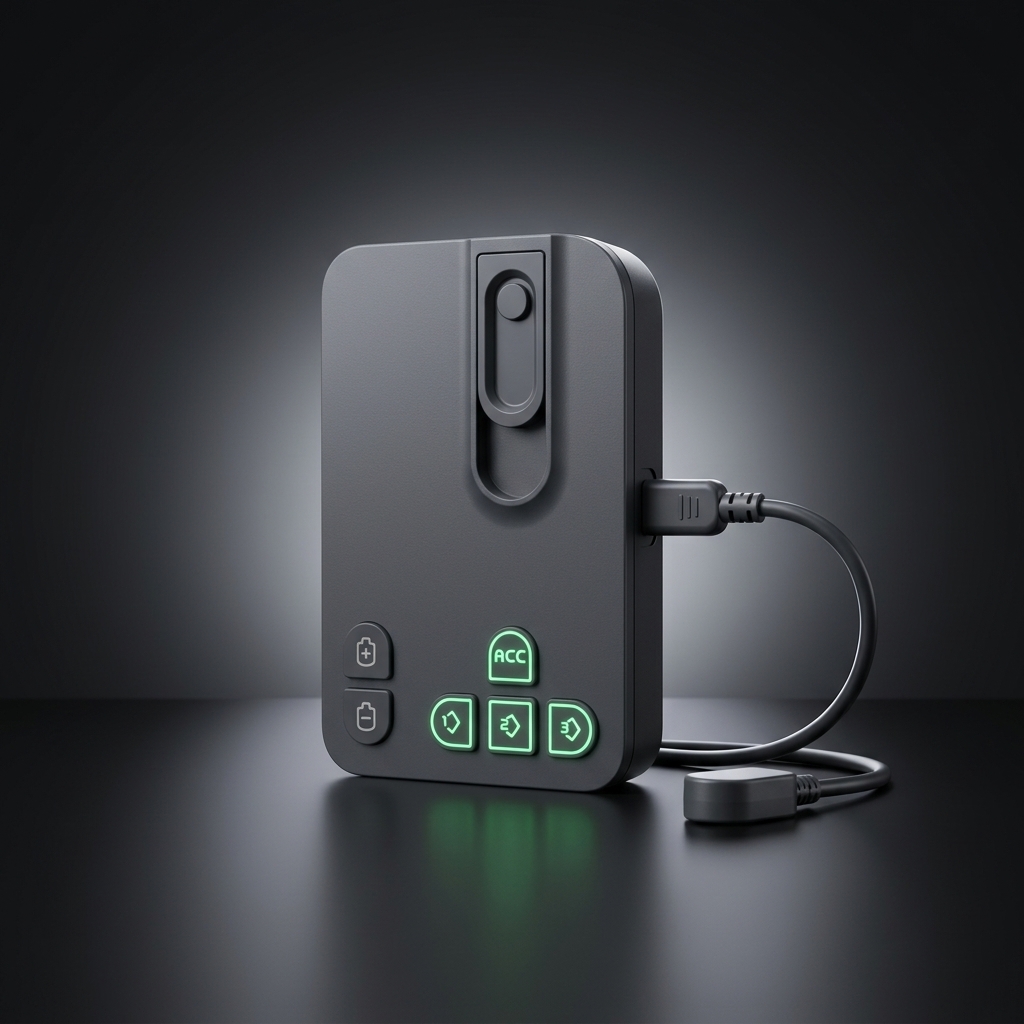
Custom Backlight Silicone Membrane Keyboard Switch EL LED OEM ODM Wholesale Uniform Light Guide All Materials RoHS
Illumination: Ultra-thin side-mount LEDs
Feature: 100% homogeneous luminance, RoHS
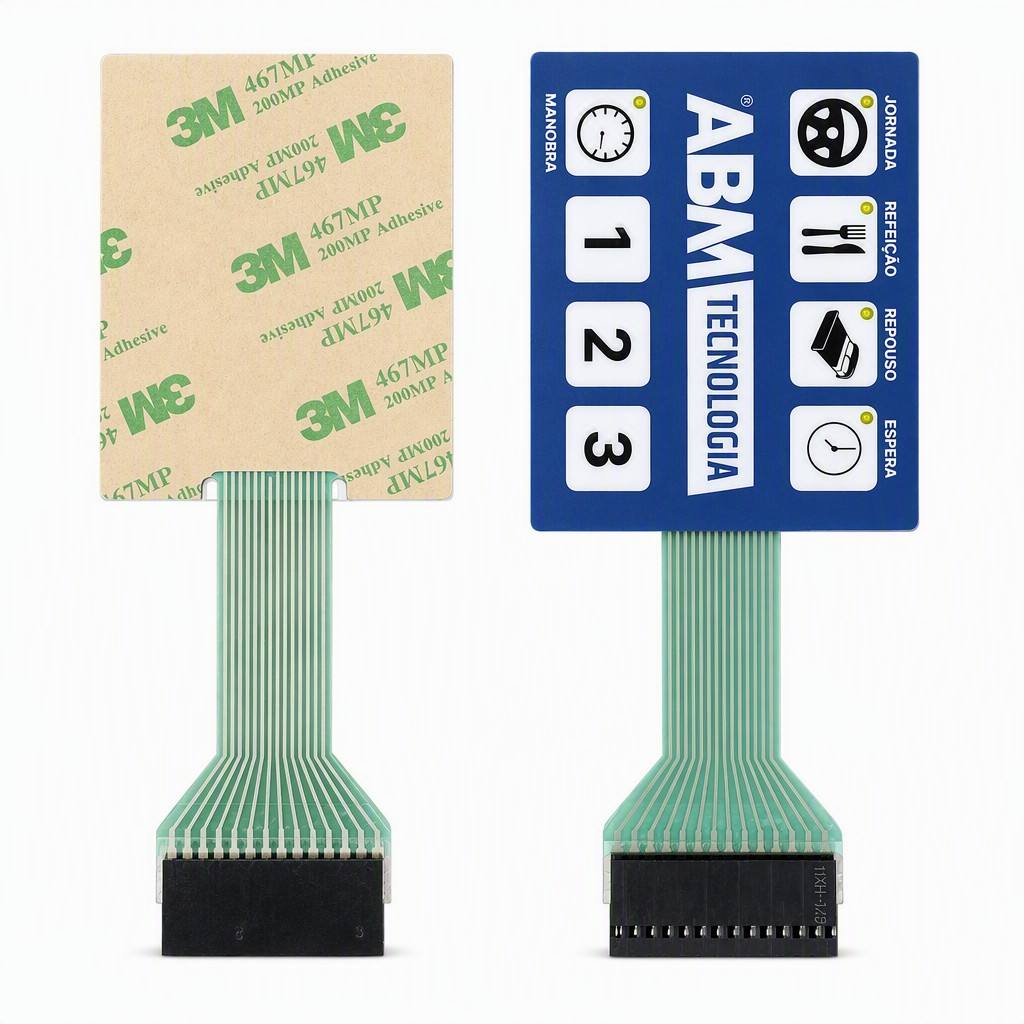
Custom Membrane Switch Industrial Control Panel Keypad OEM ODM Tactile Metal Dome RoHS UL94V0 Wholesale 5 Million Cycles
Rating: UL94V-0 flammability class
Durability: Exceeds 5,000,000 duty clicks
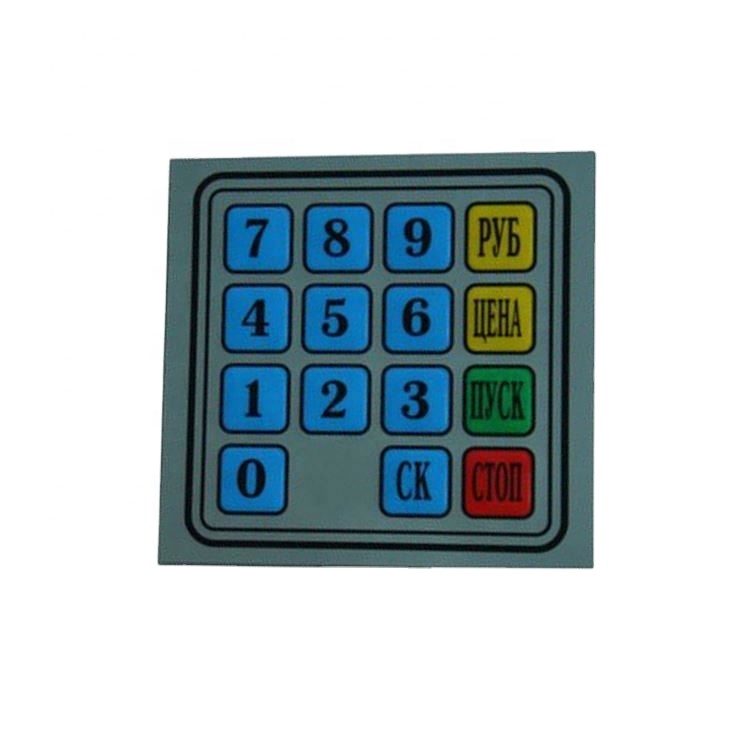
Hoee Factory Membrane Switch Keypad with Rubber Buttons 4*4/1*4/3*4/4*5 Layout MCU Expansion DIY Electronic Keyboard
Interface: Microcontroller MCU compatible
Tactility: Molded elastomer elastomeric caps
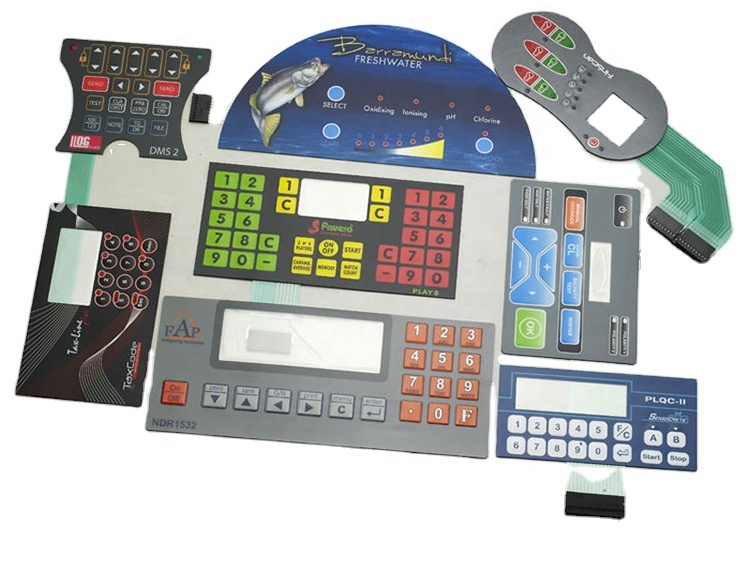
Custom Membrane Keyboards LED Backlit Membrane Switch for Electronics Quick Sampling
Light Dispersion: Optimized optical spacer
Mounting: 3M high-bond adhesive backer
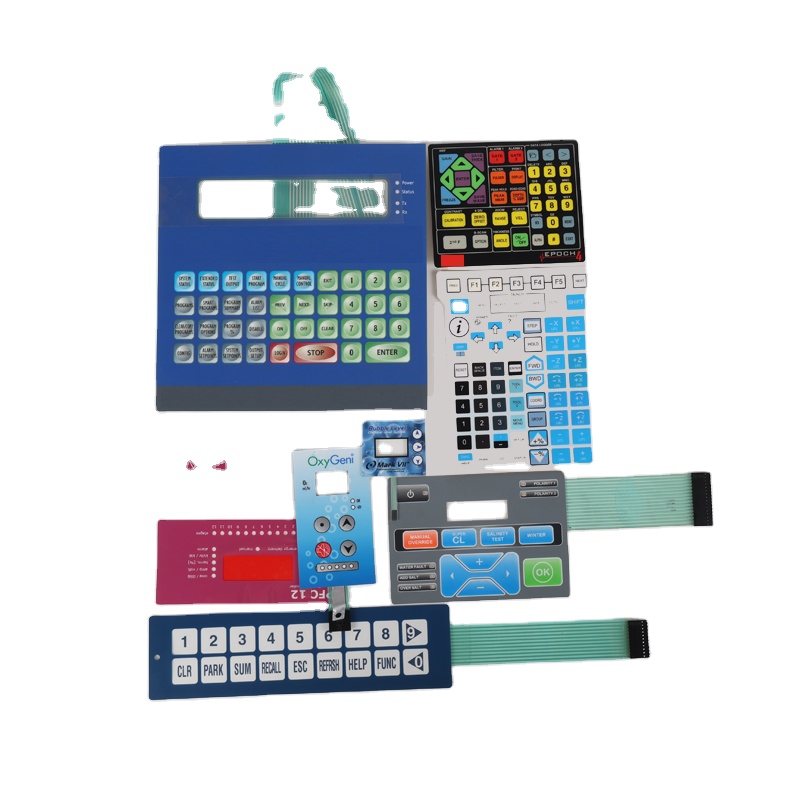
Waterproof Flexible Circuit Membrane Switch for Medical Equipment Membrane Switch
Circuitry: Flexible copper FPC or silver ink
Cleaning: Hospital disinfectant resistant
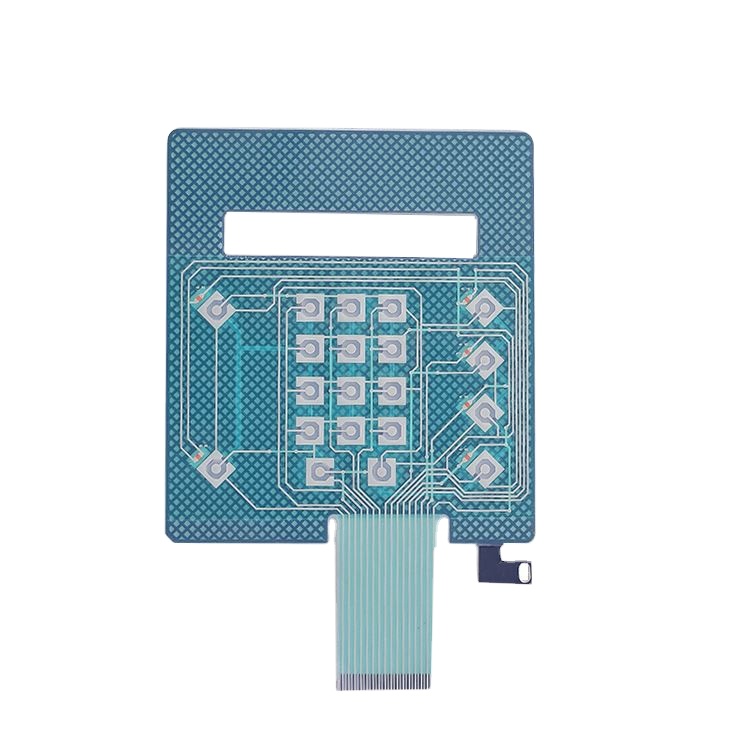
Custom PET Membrane Switch Keypad, ESD Shielding Layer Thin Film Push Button Membrane Switch for Electronic Equipment
ESD Level: Tested against >15kV discharge
Graphic: Anti-glare textured Autotex PET
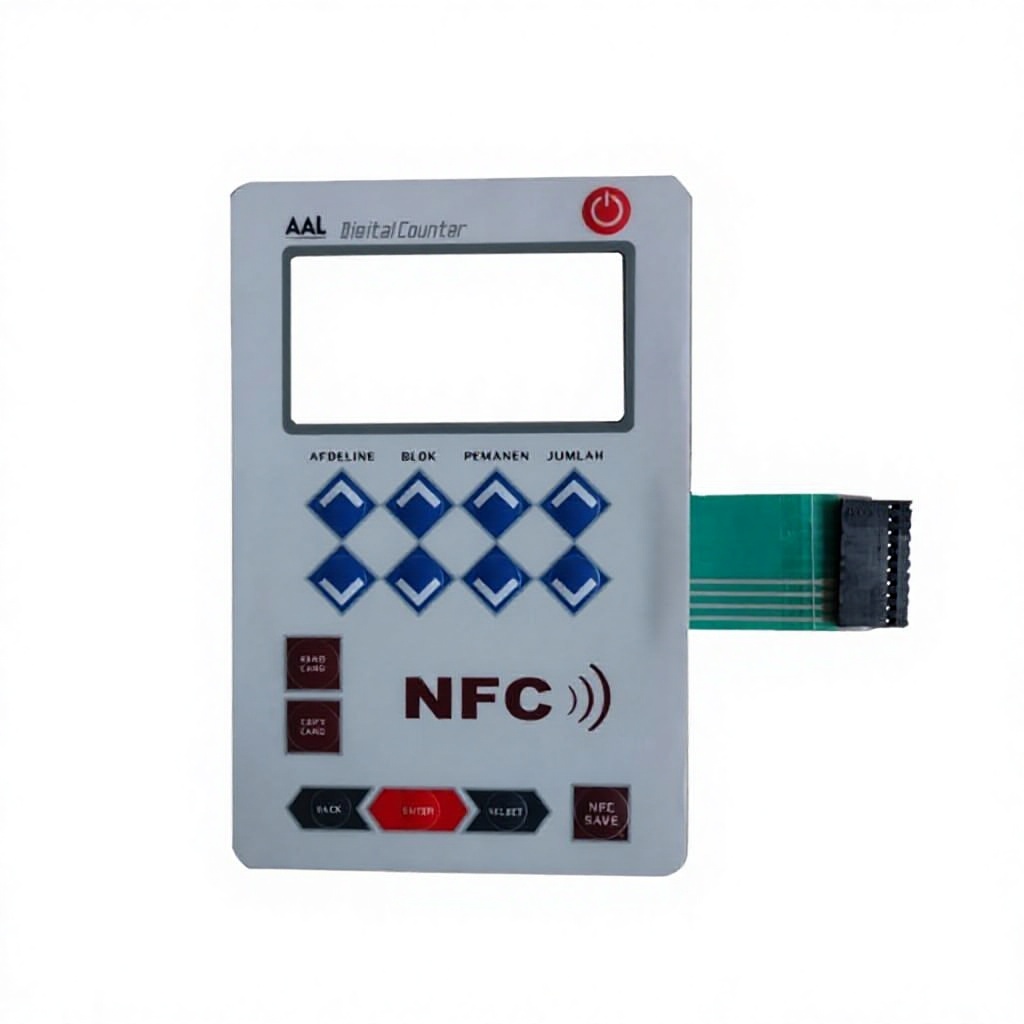
Polyester Dome or Metal Dome Options Rated 1 Million Custom Membrane Switch Instrumentation Keypad
Travel: 0.3mm - 0.6mm tactile travel
Window: LCD / LED transparent display tint
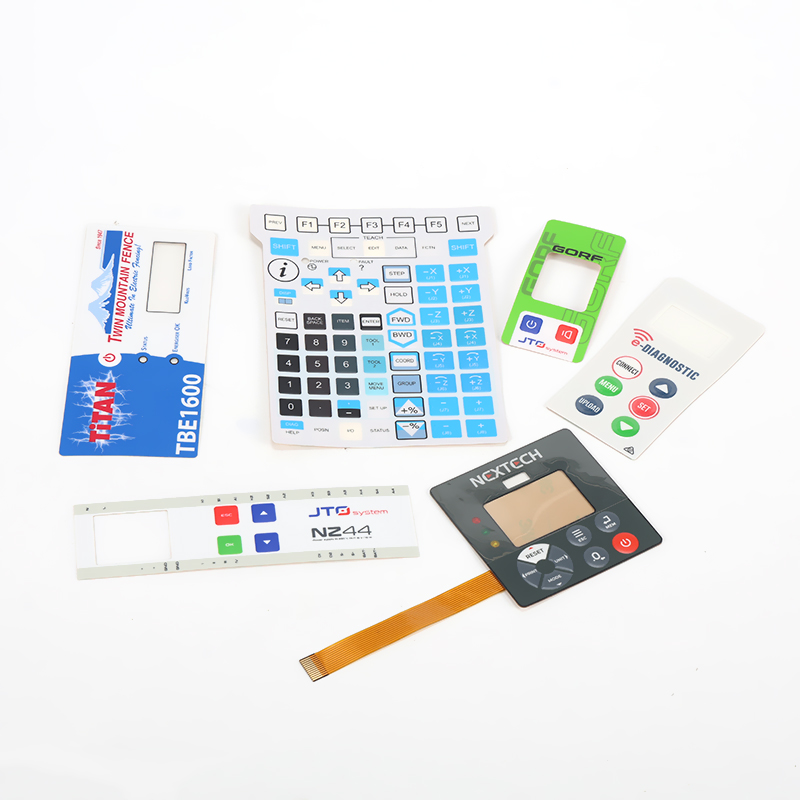
Waterproof Dustproof Custom Membrane Keypad Switch, PET Graphic Overlay Membrane Push Button Switch for Harsh Environment
Operating Temp: -40°C up to +85°C
Surface: Scratch & chemical proof PET
Engineering White Paper: Light Guide Film (LGF) Integration for Austrian Hardware OEMs
Human-Machine Interfaces (HMIs) deployed throughout Central Europe, especially in the advanced industrial ecosystems surrounding the Vienna metropolitan area (Wien) and Lower Austria (Niederösterreich), are experiencing a rapid technological paradigm shift. Traditional membrane keypad backlighting techniques—such as bulky discrete through-hole LEDs, inconsistent surface-mount top LEDs, and high-voltage Electroluminescent (EL) foils—are no longer sufficient for contemporary electronic product design. Today's industrial designers demand millimeter-thin assemblies, zero electromagnetic noise, low thermal emissions, and absolutely uniform luminance across intricate graphic icons and numeric key clusters.
This is where Light Guide Film (LGF) membrane switch technology has established itself as the definitive engineering standard. As an ISO 9001 certified precision manufacturer operating out of Ningbo, China since 1996, Zhejiang ZIRA Membrane Switch Co., Ltd. supplies high-reliability, customized LGF interface modules directly to European system integrators, contract electronics manufacturers (CEMs), and original equipment manufacturers (OEMs) in Vienna.
Architectural Layer Stack-Up of an LGF Membrane Switch
A precision-engineered LGF membrane keypad is a multi-stratum composite bonded with engineered pressure-sensitive adhesives (typically 3M 467MP, 468MP, or 300LSE). For Austrian electrical engineers designing hardware enclosures, understanding the internal micrometer-level stack-up is essential for optimizing actuation force and seal integrity:
| Layer Index | Structural Component | Typical Thickness | Material Specification & Functional Purpose |
|---|---|---|---|
| Layer 1 (Top) | Graphic Overlay | 0.125mm – 0.200mm | Autotex F150/F200 or XE UV-resistant textured PET; second-surface sub-surface screen/digital printing. |
| Layer 2 | Overlay Adhesive | 0.050mm – 0.125mm | High-performance acrylic adhesive (3M 467MP) with precision optical cutouts for LED pass-through. |
| Layer 3 | Light Guide Film (LGF) | 0.125mm – 0.250mm | High-transmittance optical PC with custom micro-lens dot printing to redirect horizontal light vectors forward. |
| Layer 4 | Reflector / Masking Layer | 0.050mm – 0.075mm | White opaque optical reflection film preventing light leakage backward while maximizing light extraction efficiency. |
| Layer 5 | Dome Retainer & Spacer | 0.125mm – 0.200mm | Polyester spacer film with vented air channels to equalize atmospheric pressure during rapid key actuation. |
| Layer 6 | Tactile Metal Domes | 0.080mm – 0.120mm | Four-leg nickel-plated or gold-plated stainless steel domes (actuation force calibrated from 220g to 450g). |
| Layer 7 | Circuit Traces (PET / FPC) | 0.075mm – 0.125mm | Screen-printed high-conductivity polymer thick-film silver ink with carbon overcoat, or etched copper polyimide (FPC). |
| Layer 8 (Base) | Rear Mounting Adhesive | 0.050mm – 0.200mm | 3M 300LSE (for low surface energy powder-coated chassis) or 3M 468MP (for smooth CNC aluminum/steel enclosures). |
Technological Comparison: LGF vs. Competing Backlighting Methods
When procurement managers and project leaders in Vienna evaluate HMI illumination architectures, the decision frequently rests between traditional top-firing LEDs, EL lamps, fiber-optic mesh, and LGF. The comparative breakdown below demonstrates why Austrian equipment builders are standardizing on LGF:
| Evaluation Parameter | Light Guide Film (LGF) | Electroluminescent (EL) Foil | Direct Top SMD LEDs | Woven Fiber Optic Panels |
|---|---|---|---|---|
| Illumination Uniformity | High (>85% across entire area) | Extremely high, completely flat | Poor (intense localized hot spots) | Moderate to high |
| Operating Voltage | Low DC (2.8V – 3.4V per LED) | High AC (60V – 115V, 400Hz) | Low DC (2.0V – 3.2V) | Low DC (LED source) |
| EMI / RFI Generation | Zero electromagnetic interference | High (requires inverter, causes hum) | Zero | Zero |
| Expected Half-Life | >50,000 Hours (Standard LED life) | 3,000 – 5,000 Hours (fades fast) | >50,000 Hours | 10,000 – 30,000 Hours |
| Total Stack-Up Thickness | Ultra-slim (<1.2mm total thickness) | Thin (approx. 1.0mm) | Thick (>2.2mm cavity required) | Medium (1.5mm – 2.0mm) |
| Tactile Actuation Integrity | Crisp snap ratio maintained | Good snap feeling | Reduced snap feel due to thick spacer | Spongy key press sensation |
Localized Applications Across Vienna & Eastern Austria
Vienna is not only Austria's federal capital but also the nation's foremost high-technology innovation corridor, housing leading life-science clusters, mechanical engineering conglomerates, and smart mobility hubs.
Vienna BioCenter & MedTech Hub
Medical diagnostic workstations, dialysis consoles, and laboratory centrifuges in Vienna require hermetically sealed IP67 membrane interfaces that withstand aggressive chemical disinfectants (isopropanol, quaternary ammonium, sodium hypochlorite) while delivering low-light LGF legibility in clinical treatment rooms.
Industrial Automation (Lower Austria / S1)
The industrial manufacturing corridor stretching from Vienna south toward Wiener Neustadt and north toward Korneuburg depends on heavy-duty HMI panels. Our switches integrate full ESD shielding (>15kV), tactile stainless steel domes rated for 5,000,000 cycles, and flame-retardant UL94 V-0 backer plates.
Austrian Railway & Transit Engineering
In accordance with high European transport infrastructure benchmarks (suppliers serving ÖBB railway infrastructure and municipal Wiener Linien transit networks), our keypads deliver wide-temperature stability (-40°C to +85°C), vibration immunity, and high-contrast night-time illumination without glare.
Building Automation & Smart Metering
HVAC control faceplates, security access terminals, and energy monitoring hardware in Vienna's expanding smart-district developments (e.g., aspern Seestadt) deploy our custom capacitive ITO touch interfaces and backlit silicone elastomer keyboards for sleek architectural integration.
Emerging HMI Engineering Trends in the Austrian Market
Austrian procurement executives and hardware engineers operate under stringent European Union legislative and environmental directives. Here is how our manufacturing line aligns with these evolving expectations.
Strict Compliance: RoHS, REACH & EU Conflict Minerals
Every raw material entering our Ningbo factory—from the polyester film supplied by MacDermid Autotype to conductive silver pastes from Henkel and adhesives from 3M—is accompanied by full third-party test documentation. We provide Austrian clients with comprehensive CE, RoHS 3 (Directive 2015/863/EU), and REACH SVHC declarations to guarantee frictionless compliance during EU import inspections.
Integration of Hybrid Capacitive-Tactile Architecture
Viennese medical apparatus designers increasingly request hybrid interfaces combining sleek capacitive touch surfaces (ITO film) for menu navigation with dedicated tactile metal-dome buttons for safety-critical emergency cutoff or dosage commands. Our cleanroom facilities laminate flexible printed circuits (FPC) with tactile switch matrices in a single integrated, sealed module.
Circular Economy & Extended Lifecycle Expectancy
Austria's industrial sector actively enforces the European Green Deal and sustainable lifecycle principles. In contrast to cheap consumer membranes that fail after 200,000 clicks, our industrial-grade metal dome switches, anti-microbial textured overlays, and corrosion-resistant carbon ink overcoats guarantee operational lifespans exceeding 10 years in harsh factory settings.
Zhejiang ZIRA: Proven Interface Engineering Since 1996
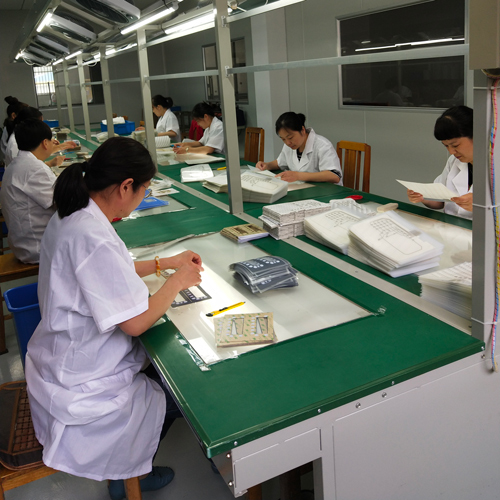
Headquartered in the Changhe Industrial Park, Ningbo, Zhejiang, ZIRA operates a modernized 3,000–5,000 square meter manufacturing plant equipped with 5 dedicated high-precision production lines. With more than 29 years of specialized HMI manufacturing experience, over 50% of our production is exported to leading industrial markets across Western Europe and North America.
- Long-Term Multinational Cooperation: Trusted component supplier to world-class brands including ABB and Emerson.
- Independent Third-Party Audited: Facilities, quality control labs, and trade capacity verified onsite by Intertek.
- In-House Vertical Integration: Class 10,000 cleanroom printing, automated laser ablation, computerized embossing, and die-cutting.
- 100% Quality Verification: Every unit passes 100% automated electrical continuity, contact resistance, and insulation breakdown testing.
- Flexible Austrian Logistics: Rapid prototype sampling from 1 piece, low production MOQs (100 pcs), and DDP delivery terms.
 Intertek Onsite
Verified Supplier
Frequently Asked Questions by Vienna Hardware Buyers
Clear, direct technical answers regarding customs clearance into Austria, tooling lead times, DFM procedures, and international Incoterms.
Q1: How does shipping, customs clearance, and import tax handling work for deliveries to Vienna?
We routinely supply engineering clients throughout Vienna and neighboring federal provinces (Upper Austria, Styria, Carinthia) using Delivered Duty Paid (DDP) or Delivered at Place (DAP) Incoterms via air courier (DHL Express, FedEx, Austrian Cargo via Vienna International Airport Schwechat - VIE). Under DDP terms, our freight forwarder manages all Austrian customs declarations, EU Taric classification (typically under HS Code 8537.1099 for membrane keypad assemblies), and VAT/import duty clearance, delivering directly to your receiving dock in Vienna without administrative delays.
Q2: What design files and documentation do your engineers require to initiate a custom LGF quotation?
To deliver a comprehensive DFM (Design for Manufacturing) review and formal quote within 24 hours, our engineering department requires: (1) Vector graphic artwork in Adobe Illustrator (.AI), CorelDraw (.CDR), or PDF format with precise Pantone (PMS) or RAL color codes specified; (2) Mechanical enclosure dimensions and outline drawing in CAD DXF or DWG format showing cutouts and embossing profiles; (3) Schematic circuit layout or pin-out diagram indicating common bus vs. XY matrix configurations; (4) Tail connector specification (e.g., 2.54mm pitch female housing, 1.0mm ZIF pitch, or solder tabs); and (5) Operating environmental specifications (temperature thresholds, UV resistance, sealing grade).
Q3: Can we order prototypes and low-volume pre-series runs before committing to high-volume production?
Yes. We understand that medical and industrial hardware development in Vienna involves stringent verification phases. We support engineering prototypes with a Minimum Order Quantity (MOQ) as low as 1 piece. For pre-series validation runs, our standard production batch starts at just 100 units. Our rapid tooling and digital laser-cutting systems allow quick design iterations without expensive hardened steel tooling for early-stage engineering changes.
Q4: How does ZIRA guarantee color accuracy and optical density across repeated export batches?
Color consistency is governed through computerized spectrophotometers (X-Rite systems) matching against European RAL and international Pantone matching libraries. To eliminate visible light bleed or color shifts when backlights are activated, our screen printing department executes multiple sub-surface light-blocking black and white barrier coats. For translucent indicator windows, we carefully calibrate transmission percentages (15% to 85%) to match your specific LED or LCD/VFD display intensity requirements.
Q5: What electrical and mechanical testing protocols are performed prior to dispatch?
Every single membrane switch leaving our Ningbo facility undergoes 100% computerized electrical testing on dedicated continuity analyzers. We test for loop resistance (<100 Ω standard for silver ink traces), contact chatter (<5ms), open/short circuits, and high-voltage dielectric insulation breakdown resistance (>100 MΩ at 250V DC). In addition, sample units from each production lot are subjected to snap-ratio tactile force testing, life-cycle actuation cycling on pneumatic testers, and cross-hatch ink adhesion testing per ASTM D3359 standards.
Q6: Which payment currencies and terms are accommodated for European commercial transactions?
We fully support Euro (EUR) as well as US Dollar (USD) transactions via direct wire transfer (T/T). For qualified repeat enterprise buyers in Austria, we offer flexible commercial terms including Letter of Credit (L/C at sight), D/P, or staged progress payments (tooling deposit upon order, balance upon sample approval or bill of lading release).
Ready to Engineer Your Custom LGF Membrane Interface?
Consult directly with our senior application engineers. Receive an actionable DFM review, stack-up proposal, and transparent volume quotation for your Vienna production line within 24 hours.
