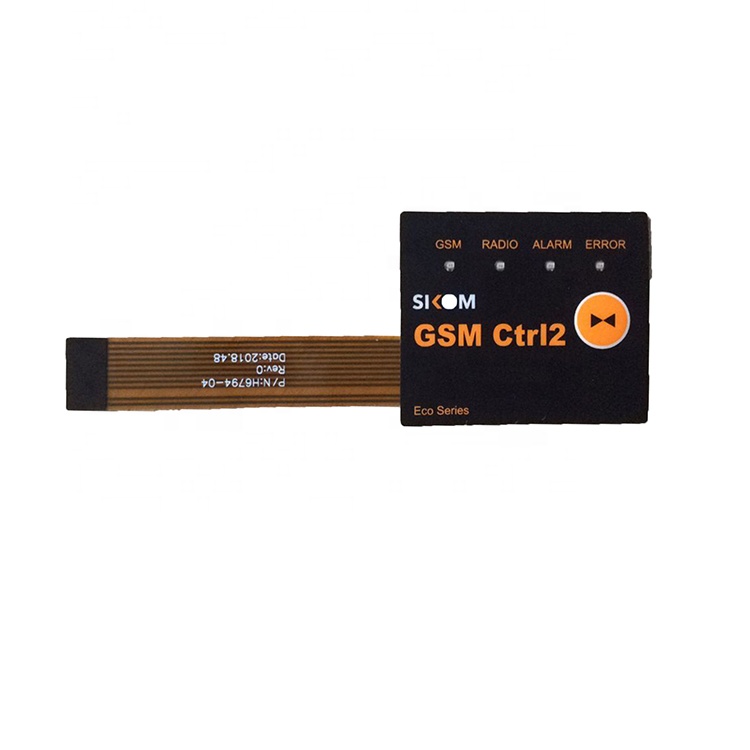
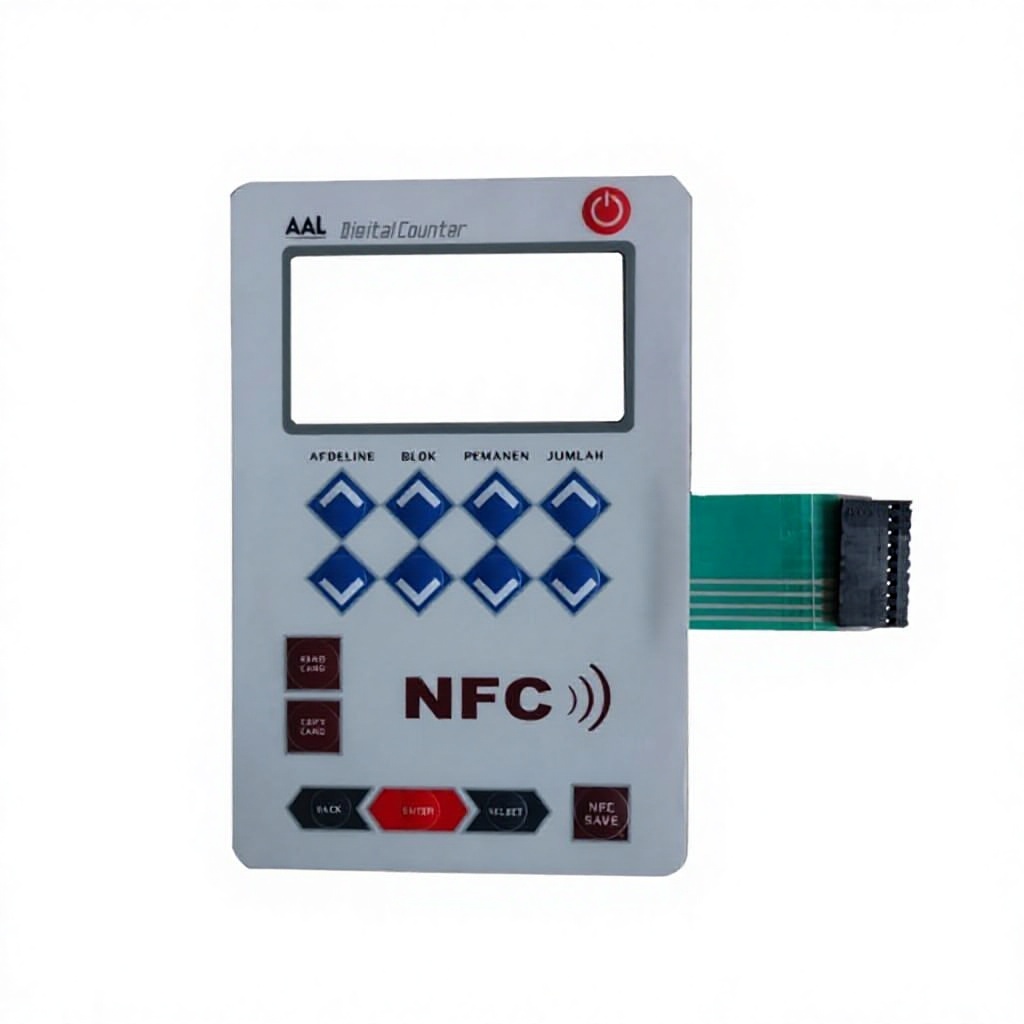
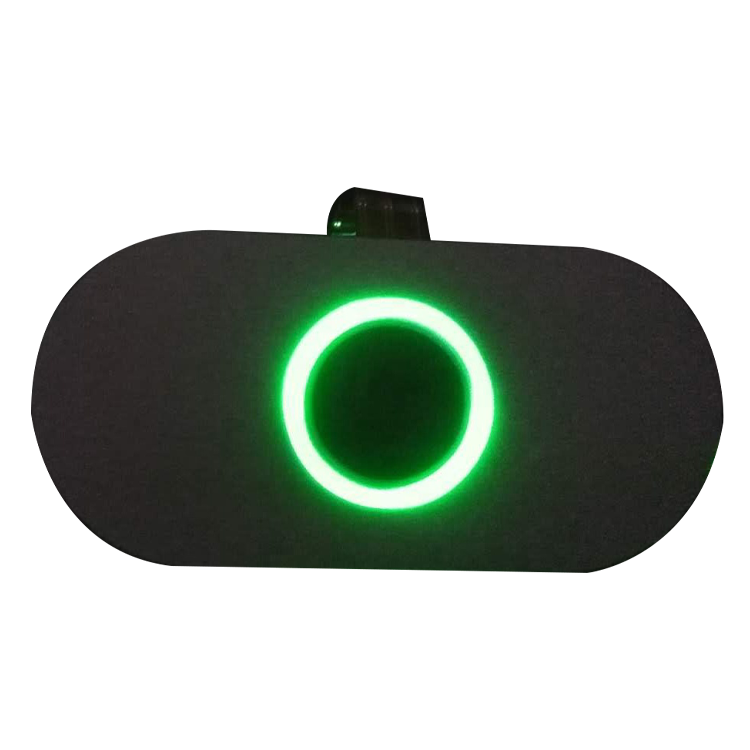
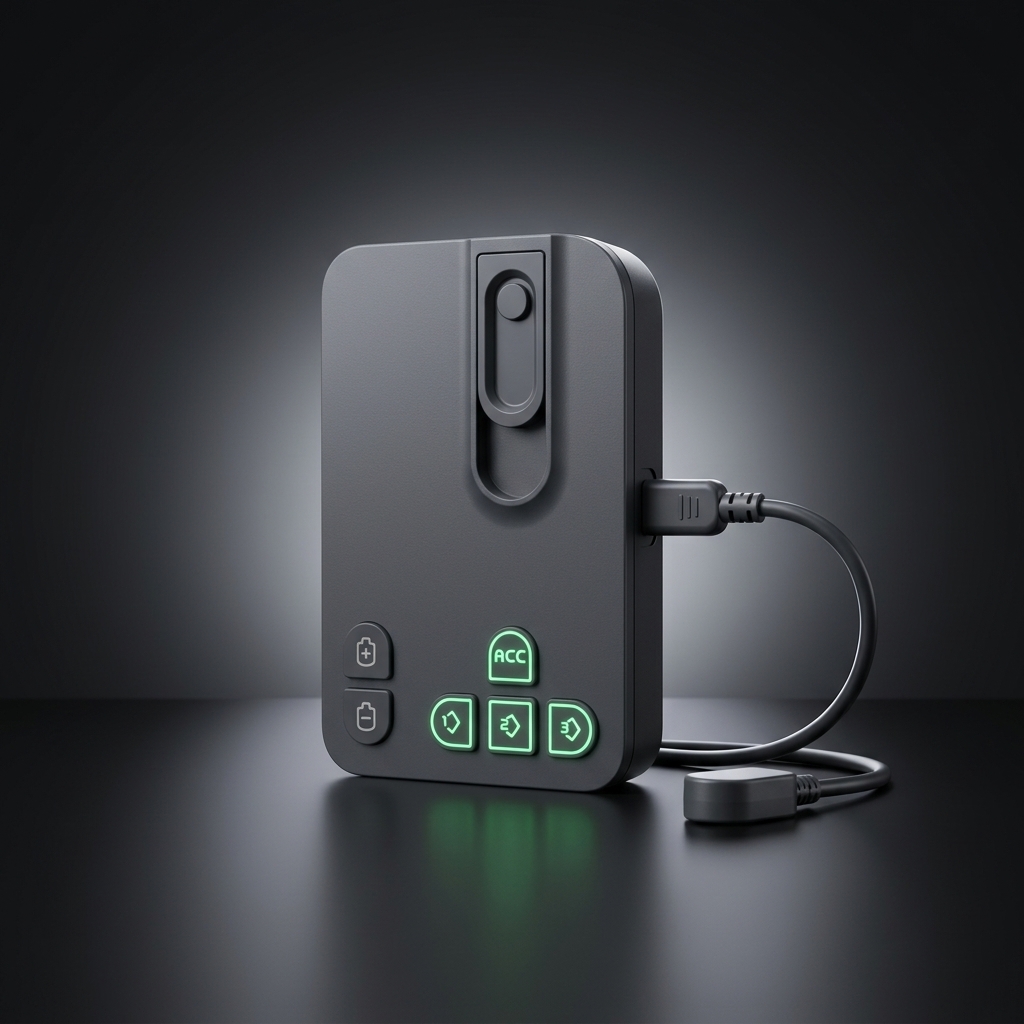
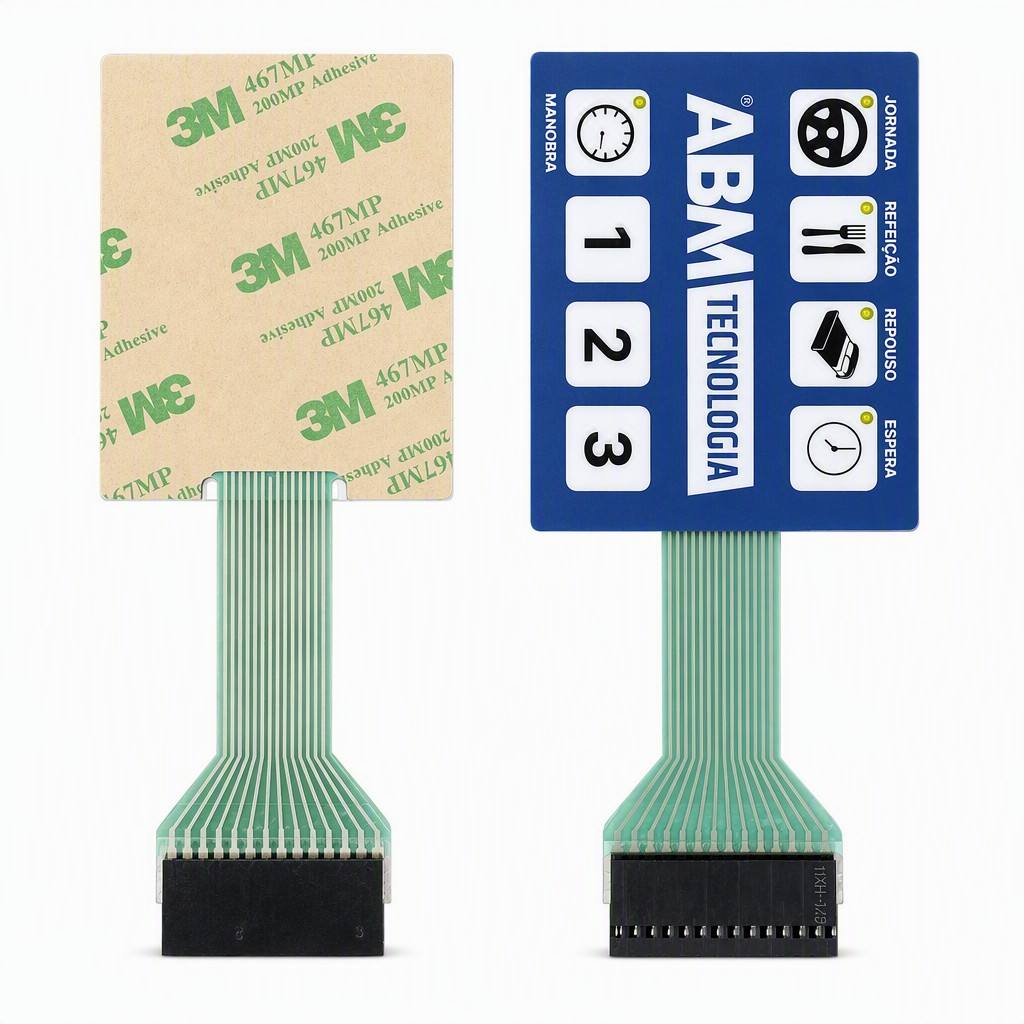
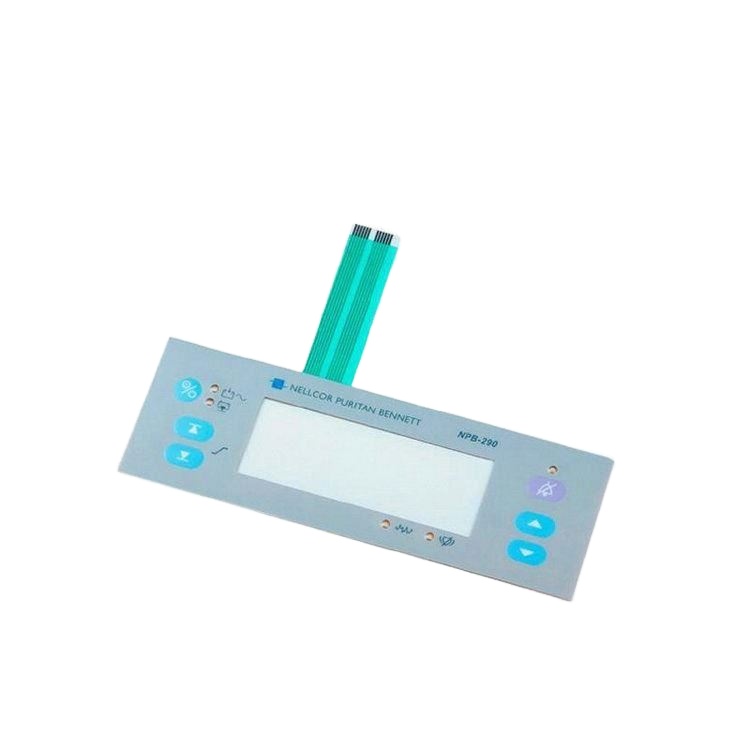
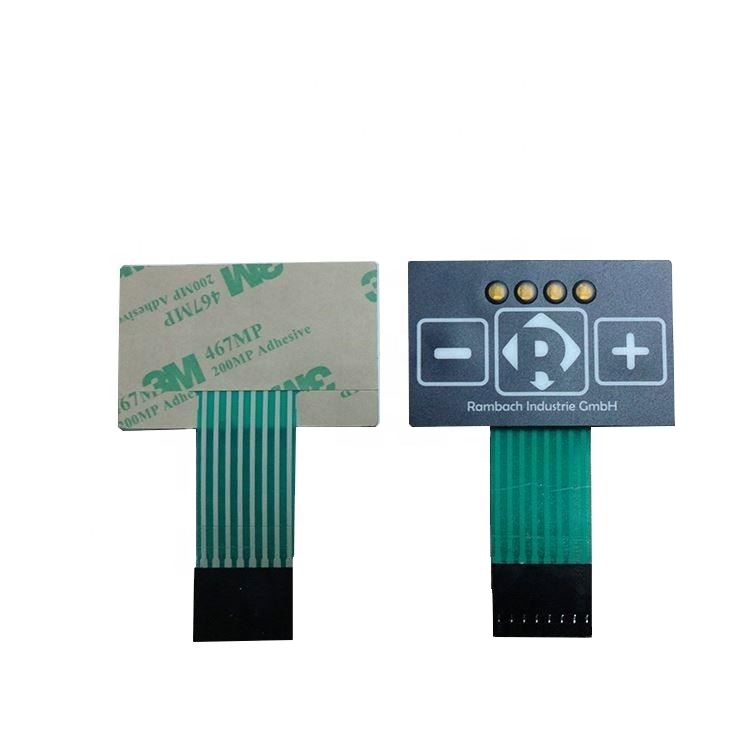
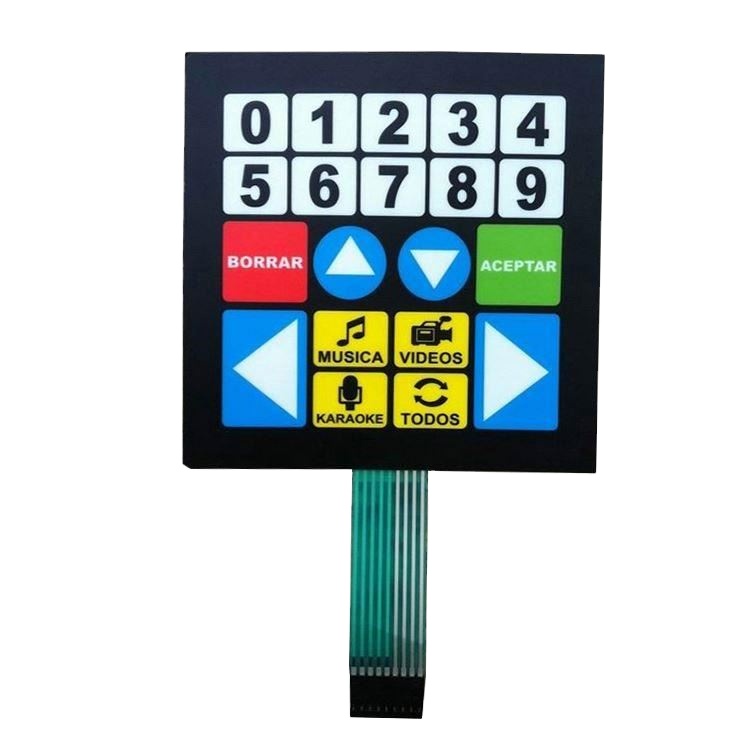
Custom-built to CAD/Gerber schematics. Each unit incorporates laser-ablated silicone graphics, sealed tactile domes, custom backlighting distributions, and multi-layer chemical barriers verified for heavy use across New Zealand.
Years Engineering Interface Technology (Est. 1996)
5,000m²
Modern Cleanroom & Production Floor Space
100%
Automated Electrical & Optical Quality Inspection
50%
Global Export Volume across Oceania & North America
Technical Engineering White Paper
Precision Laser-Etched Silicone Keypads: Material Science & Photometric Control
A comprehensive examination of negative-mask ablation, dual-compound silicone molding, and light-guide integrations for New Zealand engineering consultancies and electronic hardware developers.
1. Negative Laser Ablation Mechanics on Translucent Silicone
In high-reliability Human-Machine Interfaces (HMI) designed for safety-critical environments—such as marine instrumentation in Wellington Harbour or clinical diagnostics in medical laboratories—illumination legibility cannot rely on topical ink printing that wears off over time. Laser etching (laser ablation) achieves permanent graphic delineation by physically vaporizing top coat layers off a translucent or optical-grade silicone matrix.
The manufacturing process begins with compression-molding a translucent liquid silicone rubber (LSR) or high-consistency rubber (HCR) keymat with a Shore A durometer calibrated between 40° and 70°, tailored precisely to the required tactile travel force (typically 120g to 350g). The vulcanized keypad is subsequently coated with a base layer of high-opacity translucent white or pigmented silicone ink via automated spray systems, followed by an opaque outer coat (typically deep black, signal grey, or matte navy blue). A precision CNC-guided fiber or pulsed CO2 laser then ablates the outer pigmented coating with micron-level accuracy, stripping away the dark layer to reveal the sharp, crisp legends of the underlying illuminated coat.
Because the laser-etched font geometry is cut directly through the top pigment, there is zero risk of legends flaking, chipping, or fading under aggressive mechanical friction, finger grease, or sanitization wipe-downs. Furthermore, our Ningbo facility applies automated post-curing polyurethane (PU) or UV-curable hard-coat finishes over the laser-ablated silicone surface, delivering an RCA abrasion resistance surpassing 500,000 cycles and passing 500 hours of continuous ASTM B117 salt spray exposure tests without chemical breakdown.
Zero Light-Bleed Masking
Multi-stage spraying ensures optical density exceeds 4.5 OD in non-etched areas, preventing phantom glows or hot-spot leakages between closely grouped illuminated keycaps under night-vision or dark console conditions.
Chemical & Salt Mist Shield
Coated with cross-linked aliphatic polyurethane polymers to prevent swelling and degradation caused by maritime salt fog, hydrocarbons, automotive fuel mist, and quaternary ammonium biocides common in healthcare settings.
Tactile Dome Integration
Combines soft-touch silicone keytops with gold-plated stainless steel metal snap domes or conductive carbon pills, guaranteeing low contact resistance (<100 Ω) and a tactile feedback snap ratio above 50%.
Regional New Zealand Ecosystems
Localized Applications Across Wellington & The Greater Region
From the high-tech precision manufacturing hubs of the Hutt Valley to maritime research vessels crossing Cook Strait, our laser-etched assemblies power critical Kiwi hardware.
Hutt Valley & Seaview Advanced Manufacturing
Lower Hutt and Gracefield form the beating heart of New Zealand's advanced engineering and physical sciences R&D. Local manufacturers building industrial automation systems, robotics test beds, and high-voltage power switching enclosures rely on our laser-etched silicone keypads paired with rigid FR4 backer boards for heavy operational resilience.
Cook Strait Marine & Maritime Electronics
Wellington Harbour and the turbulent waters of the Cook Strait demand hardware capable of enduring punishing salt spray, high humidity, and vibration. Our IP68 perimeter-gasketed laser-etched keypads serve in marine GPS consoles, commercial fishing vessel controls, and autonomous marine monitoring buoys engineered by Kiwi marine tech innovators.
Seismic, Geological & Meteorological Monitoring
Wellington sits atop dynamic geological fault lines and experiences extreme weather shifts. Organizations such as GNS Science, NIWA, and local environmental monitoring startups utilize our back-illuminated tactile keypad panels on remote seismic stations and weather towers where temperature shifts from -10°C to +40°C require zero seal failure.
Medical Instrumentation & Diagnostic Consoles
Wellington's thriving medical biotechnology sector designs clinical fluid pumps, hospital patient monitoring consoles, and field diagnostic devices. Our laser-etched silicone keymats provide completely seamless, crevice-free wiping surfaces compatible with hospital-grade surface disinfectants without ink hazing or degradation.
Transport, Ticketing & Smart City Infrastructure
Deployments across Greater Wellington's Metlink network, railway stations, and parking kiosks necessitate vandal-resistant, weatherproof interface controls. Laser-etched keymats with internal backlighting ensure commuters maintain full tactile confirmation and 24/7 visibility even during bleak, gale-force rain storms.
Wairarapa & Regional Agritech Integration
Hardware controllers manufactured in the Wellington region for wine telemetry in Martinborough and livestock monitoring in the Wairarapa valley require robust UV resistance against New Zealand's harsh solar rays. Our UV-stabilized silicone blends and Autotex® PET films guarantee zero embrittlement or yellowing over decades of outdoor field service.
Oceania Industrial Foresight
Engineering Trends Shaping Interface Design in Wellington
Technical developments addressing New Zealand's strict carbon neutrality goals, high solar UV indexes, and localized hardware miniaturization trends.
High-UV Resilience Formulations
New Zealand's depleted ozone layer results in an exceptionally severe peak solar UV index. Standard polycarbonate overlays deteriorate, crack, and yellow within two years. We formulate our laser-etched silicone keypads with specialized hindered amine light stabilizers (HALS) and employ UV-resistant textured PET films that resist micro-cracking and loss of graphic contrast over a 15-year rated lifecycle.
Low-Power Light Guide Film (LGF) Integration
With an increasing number of Wellington-designed IoT telemetry devices operating off remote battery arrays and solar micro-cells, thermal and electrical efficiency are critical. Our Light Guide Film (LGF) modules achieve uniform lumen distribution across 20+ laser-etched keypads utilizing as few as 2 to 4 ultra-low forward-voltage side-firing SMT LEDs, reducing current draw by up to 75% compared to conventional arrays.
Sustainable Circular Design & RoHS 3 Compliance
New Zealand procurement mandates are placing heavy emphasis on circular manufacturing and chemical safety. All raw materials—from Shin-Etsu/Dow Corning silicones to conductive silver pastes and 3M low-VOC acrylic adhesives—fully comply with EU RoHS 3 (Directive 2015/863) and REACH regulations, simplifying compliance audits for Kiwi companies exporting to the EU and US.
Standardized Testing & Tolerances
Engineering Specification & Material Benchmark Matrix
Rigorous mechanical, optical, and electrical data verified under calibrated laboratory conditions for electronic design engineers.
Parametric Criteria
Laser Etched Silicone Keypad
Tactile Metal Dome Membrane
Rigid PCB/FPC Integrated HMI
Substrate Material
Optical/Translucent Silicone Rubber (Shore A 40°-70°)
Autotex® PET / Lexan™ Polycarbonate (0.125–0.188mm)
Combining 29+ years of precision tooling, onsite Intertek-verified fabrication, and direct engineering accountability to ensure seamless supply for Wellington procurement managers.
Founded in 1996 (29+ Years)
Nearly three decades of continuous R&D and production experience in membrane switches, graphic overlays, and silicone compression molding in Ningbo, Zhejiang.
Intertek Onsite Assessed
Our complete manufacturing footprint (3,000–5,000 m² cleanroom and workshop) has undergone exhaustive onsite physical inspection and auditing by Intertek.
100% Electrical Inspection
Zero open-circuits or short-circuits. Every finished keypad undergoes automated continuity tracing, insulation resistance testing (>100MΩ at 100V DC), and snap actuation confirmation.
Tier-1 Global Supplier
Long-term strategic manufacturing partnerships with industrial automation powerhouses such as ABB and Emerson, adhering to the world's most rigorous quality benchmarks.
Commercial & Technical Logistics
Frequently Asked Questions by Wellington Hardware Buyers
Clear answers regarding lead times, customs clearances under the NZ-China FTA, rapid DFM engineering reviews, and local environmental compliance.
What typical shipping lead times can our Wellington hardware team expect from your Ningbo factory?
For urgent prototypes and low-volume pilot builds, we utilize direct express air courier services (DHL, FedEx, UPS) routing into Wellington International Airport (WLG) or Auckland International Airport (AKL) with connection to Wellington within 3 to 6 business days. For scheduled production orders, consolidated air freight or sea freight to CentrePort Wellington typically requires 16 to 22 transit days. Complete export documentation, packing lists, and commercial invoices are pre-cleared to ensure zero customs hold-ups at the New Zealand border.
How does the New Zealand-China Free Trade Agreement (NZ-China FTA) affect our import duties?
Under the upgraded New Zealand-China Free Trade Agreement, custom membrane switches, graphic overlays, and silicone keypads classified under HS Code 8537.10 or 8538.90 enter New Zealand duty-free (0% tariff) when accompanied by a valid Certificate of Origin (Form G) issued by our local customs inspection bureau in Zhejiang. Importers are solely responsible for standard New Zealand Goods and Services Tax (GST, currently 15%), payable through standard NZ Customs Service client accounts or cleared via your local freight forwarder.
What is your Minimum Order Quantity (MOQ) for custom-tooled laser-etched silicone prototypes?
We actively support early-stage development and iterative pilot trials for New Zealand engineering consultants and university spin-offs. Custom laser-etched keypad prototypes and functional membrane switches can be sampled from as few as 1 to 5 pieces using dedicated rapid prototype tooling. Standard production volumes typically start at 100 units, scaling smoothly to tens of thousands of units for mature commercial hardware lines.
What engineering CAD and artwork deliverables are required to initiate a DFM review?
To generate a complete Design for Manufacturability (DFM) assessment and an itemized quotation, please provide:
Mechanical Enclosure / 2D/3D Files: DXF, DWG, STEP, or IGES files showing keypad profiles, button travel clearances, key heights, and perimeter sealing channels.
Graphic Artwork: Vector files in Adobe Illustrator (.AI), CorelDraw (.CDR), or high-resolution PDF indicating Pantone Matching System (PMS) or RAL color codes, illuminated font outlines, and transparent window boundaries.
Electrical Schematic: Circuit pin-out matrix, tail length, pitch (e.g., 1.0mm, 2.54mm), connector socket specifications (e.g., Nicomatic, FCI, Berg Clincher, or ZIF contacts), and SMT component locations.
How do your keypads withstand the corrosive salt spray conditions of the Wellington coastal environment?
Wellington's coastal exposure accelerates atmospheric corrosion. To combat this, we implement full perimeter hermetic environmental seals using closed-cell acrylic transfer adhesives from 3M (e.g., 3M 467MP, 468MP, or 3M 300LSE for low-surface-energy powder-coated enclosures). For conductive circuits exposed to saline air, we apply over-printed carbon conductor shielding and dielectric solder-mask encapsulation over the silver conductive traces, preventing silver electromigration and atmospheric tarnishing over millions of actuations.
Request an Engineering DFM Review for Your Project
Connect directly with our senior HMI project engineers. Receive a comprehensive stack-up analysis, photometric assessment, and competitive tooling quotation within 24 hours.